Is Your Dog Sad? Decoding The Secret Language Of Dog Sighs

As a devoted pet owner, you are likely attuned to every whimper, bark, and tail wag your canine companion makes. But what about the sigh? That soft, often prolonged exhalation of breath can be perplexing. One moment it seems to signal pure bliss as your dog curls up at your feet; the next, it might sound like a lament of profound disappointment when a walk is cut short. This common vocalization is one of the most misunderstood aspects of canine communication. Is your dog sad? Content? Bored? Or could it be something more?
Understanding the context and accompanying body language is paramount to accurately interpreting this subtle signal. A sigh is not just a release of air; it is a piece of a complex emotional and physiological puzzle. This article will serve as your definitive guide to decoding the secret language of dog sighs. We will explore the science behind the sigh, differentiate between its positive and negative emotional connotations, and, most importantly, identify when a sigh might warrant a conversation with your veterinarian. By the end, you will be better equipped to understand your dog’s inner world and strengthen the incredible bond you share.
The Sigh of Contentment: Interpreting Positive Communication

The most frequent and reassuring reason for a dog’s sigh is simple contentment. This type of sigh is an audible signal that your dog is shifting from a state of mild alertness to one of deep relaxation. It’s the canine equivalent of a person settling into a comfortable chair after a long day and letting out a satisfied, ‘ahhh.’ This sigh signifies the closure of a positive experience or the settling into a state of peace and security.
Body Language of a Contented Sigh
Context is everything, but the accompanying body language is your most reliable translator. A sigh of contentment is almost always paired with relaxed and ‘soft’ physical cues:
- Posture: The dog is typically lying down, often curled in a ball, on their side, or in their favorite ‘frog-leg’ position. Their body will be loose and free of tension.
- Eyes: Their eyes may be half-closed or fully closed. If open, they will appear soft and almond-shaped, with no hard staring.
- Ears: The ears will be in a neutral, relaxed position, not pricked forward in alertness or pinned back in fear.
- Mouth: The mouth is closed, or if slightly open, the jaw is relaxed.
Common Scenarios for Contentment Sighs
You will likely observe this behavior in several predictable situations:
- After a satisfying activity: Following a good meal, a long walk, or an engaging play session, a dog will often lie down and let out a deep sigh as they begin to relax.
- During physical affection: While you are petting, stroking, or cuddling your dog, they may sigh to express their enjoyment and comfort. This is a clear sign that they feel safe and happy in your presence.
- Finding the perfect spot: When a dog finally settles into their bed or a favorite sunny spot after a bit of circling and fluffing, the sigh is the final punctuation mark on their comfort-seeking mission.
Expert Tip: Embrace the contented sigh. It is a powerful, non-verbal affirmation from your dog that all is well in their world. It signifies that their needs for food, exercise, and affection have been met, and they feel secure in their environment.
The Sigh of Disappointment: When a Sigh Signals Unmet Expectations

While many sighs are positive, they can also be used to express mild disappointment or frustration. This is the sigh of unmet expectations. In this context, the sigh is a form of communication directed at you, essentially saying, ‘I wish that had gone differently,’ or ‘Are we done already?’ It’s a more active and emotionally charged vocalization than the sigh of contentment.
Body Language of a Disappointed Sigh
Unlike the relaxed posture of a happy sigh, the sigh of disappointment is accompanied by more alert and engaged body language. The key difference is that the dog has not yet settled or given up on a desired outcome.
- Posture: The dog is often sitting up or lying down with its head up, not fully relaxed. They may be looking directly at you or at the object of their desire (e.g., the door, a toy, the dinner table).
- Eyes: Their eyes will be wide open and focused, not soft and sleepy. This indicates they are still mentally engaged in the situation.
- Ears: Ears may be pricked forward, listening for a change in your behavior or a sign that they might get what they want.
Contexts for Disappointment Sighs
This type of sigh often occurs when an enjoyable activity ends or a desired one fails to begin:
- Playtime ends: You put away the ball, and your dog lies down with a thud and a heavy sigh, keeping their eyes fixed on you or the toy’s last known location.
- Training session concludes: After a fun training session with lots of treats, your dog might sigh when they realize no more commands (and rewards) are forthcoming.
- Being ignored: If your dog has been trying to get your attention by nudging you or bringing a toy and you don’t respond, they may eventually give up, lie down, and let out a frustrated sigh.
This sigh is typically not a cause for concern. It is a normal part of canine communication and social interaction. It simply means your dog had hopes for a particular outcome that didn’t materialize. It’s a sign of their intelligence and their ability to form expectations.
Is My Dog Sad? Connecting Sighs to Negative Emotional States
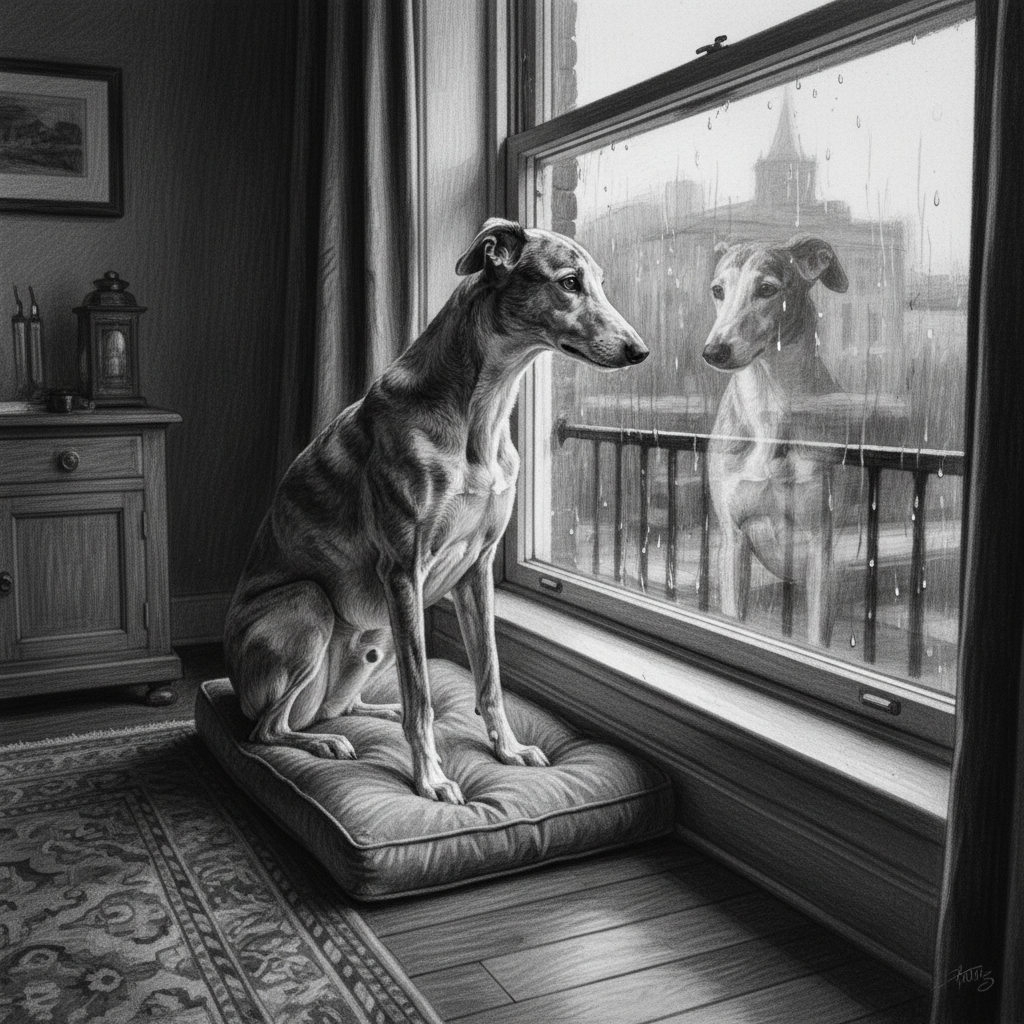
This is the question that weighs most heavily on a pet owner’s mind. Can a sigh mean my dog is truly sad or depressed? The answer is complex. A single sigh, or even a few, is highly unlikely to be an indicator of canine depression. However, a pattern of frequent sighing, when combined with other significant behavioral changes, can be a red flag for a negative emotional state such as sadness, boredom, or anxiety.
In this case, the sigh is less a specific communication and more a general symptom of underlying malaise. It’s a passive behavior that can accompany a state of low arousal or chronic stress. You are moving from observing a simple action to assessing your dog’s overall quality of life.
Behavioral Cluster: Signs to Watch for Alongside Sighing
If you are concerned about sadness or depression, look for a cluster of symptoms. Do not focus on the sigh in isolation. Key warning signs include:
- Lethargy and Inactivity: A significant decrease in energy levels. The dog may sleep more than usual and show little interest in activities they once enjoyed.
- Loss of Interest (Anhedonia): The dog no longer gets excited about walks, car rides, playing with favorite toys, or greeting you at the door.
- Changes in Appetite: A noticeable decrease or, less commonly, an increase in eating and drinking habits.
- Social Withdrawal: The dog may isolate itself, avoiding interaction with family members and other pets.
- Changes in Sleep Patterns: Restlessness, pacing at night, or sleeping in unusual places can be indicators of stress or depression.
- Excessive Licking or Chewing: Some dogs engage in self-soothing behaviors like licking their paws raw when they are anxious or depressed.
If you observe frequent sighing in conjunction with several of these other signs, it is time to take a closer look at potential environmental stressors or health issues and consult a professional.
When a Sigh is a Symptom: Medical Reasons for Increased Sighing

While most sighs are rooted in behavior and emotion, it’s critical for pet owners to recognize when a sigh might not be a sigh at all. Certain medical conditions can cause sounds or respiratory changes that mimic sighing but actually point to pain or disease. Differentiating between a behavioral sigh and a sign of physical distress is a crucial skill.
Sounds like groans, grunts, or wheezes, especially when changing positions or being touched, are significant red flags. An increase in respiratory effort or heavy breathing while at rest should never be ignored. These are not sighs; they are potential symptoms.
Conditions That Can Cause Sigh-Like Sounds
Several medical issues can lead to increased vocalization or respiratory effort:
- Pain: This is the most common medical cause. Arthritis, joint pain, dental disease, or internal discomfort can cause a dog to groan or sigh when they lie down, stand up, or are handled. This is often their only way of communicating chronic pain.
- Respiratory Issues: Conditions like collapsing trachea (common in small breeds), asthma, bronchitis, or even heart disease can lead to labored breathing, coughing, or wheezing that might be misinterpreted as sighing.
- Gastrointestinal Discomfort: Bloat, nausea, or abdominal pain can cause a dog to be restless, groan, and exhibit sigh-like behavior due to discomfort.
- Ascites: Fluid accumulation in the abdomen can put pressure on the diaphragm, making it difficult for the dog to take a full breath, leading to increased respiratory effort.
Behavioral Sigh vs. Medical Symptom
Use this table to help distinguish between normal sighing and sounds that require veterinary attention.
| Feature | Behavioral Sigh | Potential Medical Symptom |
|---|---|---|
| Sound | A quiet, single exhalation of air. | Often a deeper groan, grunt, wheeze, or rattling sound. |
| Timing | Typically occurs during relaxation or moments of mild frustration. | Frequently occurs with changes in position (lying down, getting up) or when at rest. |
| Repetition | Occasional and context-dependent. | Becomes more frequent, consistent, and may occur in clusters. |
| Accompanying Signs | Relaxed or alert body language appropriate to the context. | Limping, stiffness, restlessness, panting, loss of appetite, abdominal bloating, coughing. |
When to See a Vet: If you notice a sudden increase in sighing or groaning, if the sounds are accompanied by any of the medical symptoms listed above, or if your dog seems to be in any pain, schedule an appointment with your veterinarian immediately. It is always better to be cautious and rule out a medical cause.
Conclusion
The humble dog sigh is a far more sophisticated tool of communication than it is often given credit for. It is a subtle dialect in the rich language of our canine companions, capable of conveying a spectrum of emotions from profound contentment to mild frustration. As we have explored, the key to translation lies not in the sound itself, but in the rich context of body language, environment, and accompanying behaviors.
Most often, a sigh from your dog is a positive sign—a signal that they are relaxed, comfortable, and feel secure in your presence. At other times, it’s a simple, harmless expression of a fleeting wish. The true responsibility of a diligent owner is to learn to recognize when this familiar sound changes its tune. By remaining observant for clusters of concerning behaviors or signs of physical pain, you can distinguish a simple sigh from a genuine cry for help.
Ultimately, decoding your dog’s sighs is another step toward deepening your mutual understanding and strengthening your bond. Listen with your eyes as much as your ears, and you will hear exactly what your best friend is trying to tell you.