Is Your Dog Jealous? 5 Signs of Owner Guarding You Can’t Ignore
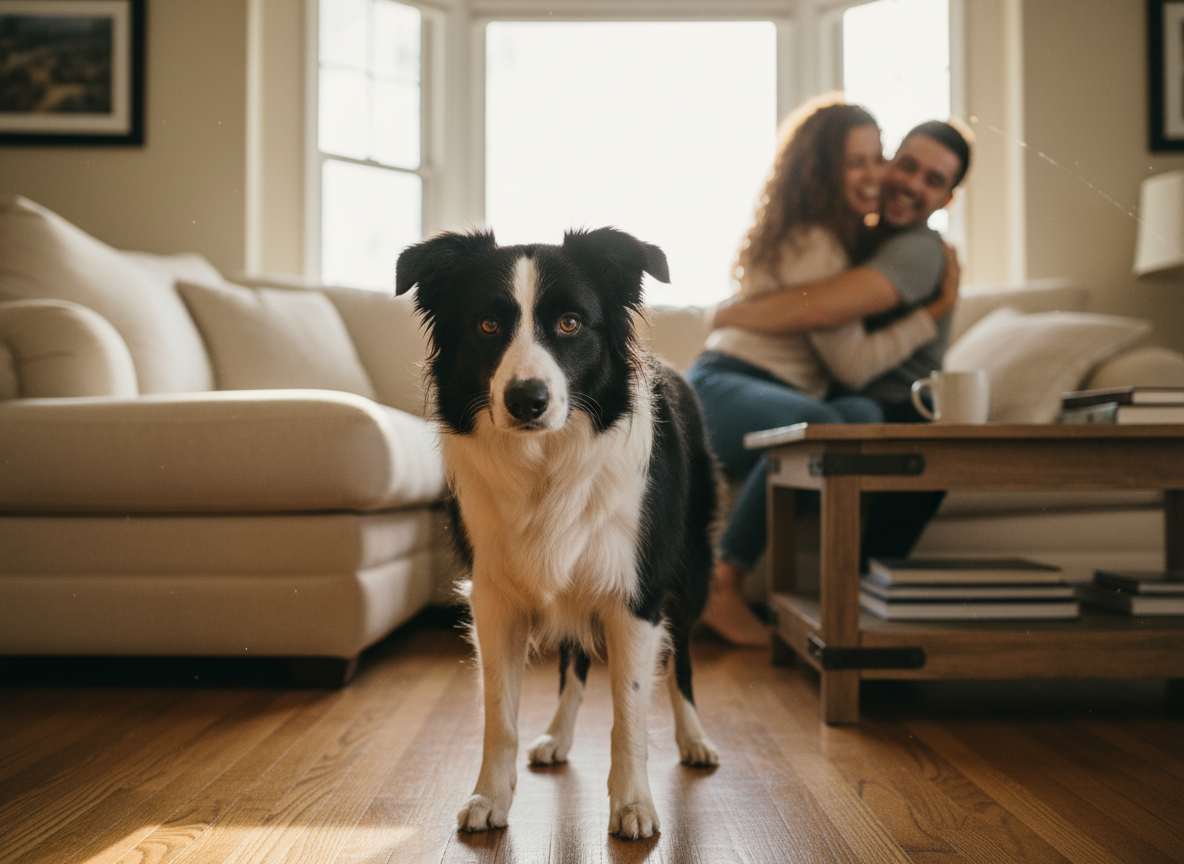
As pet owners, we often interpret our dogs’ behaviors through a human lens. When a dog pushes its way between you and your spouse on the sofa, or growls when another pet approaches for a cuddle, the word ‘jealousy’ immediately comes to mind. While this is an understandable interpretation, it oversimplifies a complex and potentially dangerous canine behavior. From a professional standpoint, what you are likely witnessing is not jealousy in the human sense, but a form of resource guarding known as owner guarding.
Owner guarding occurs when a dog perceives its human as a high-value resource that must be protected from others. This behavior is not born from spite or malice, but from deep-seated insecurity and anxiety. The dog fears losing access to you—their source of safety, food, and affection. Ignoring the subtle, early signs can allow the behavior to escalate from simple nuisance to serious aggression. Understanding the ‘why’ behind the behavior is the first critical step toward implementing an effective and humane solution. This guide will provide a clinical breakdown of the five key signs of owner guarding and present a clear, actionable plan to address the root cause, rebuild your dog’s confidence, and restore peace in your home.
The Root Cause: Why ‘Jealousy’ is Actually Resource Guarding
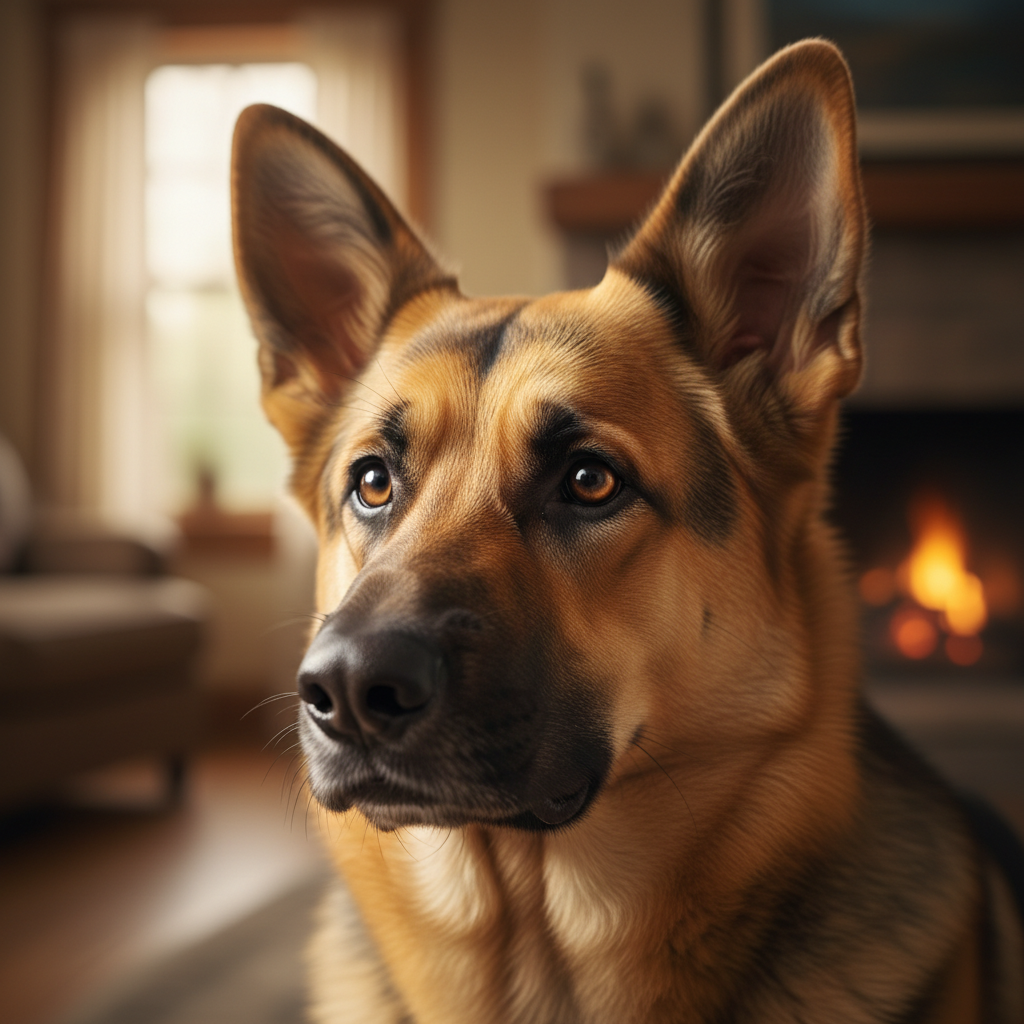
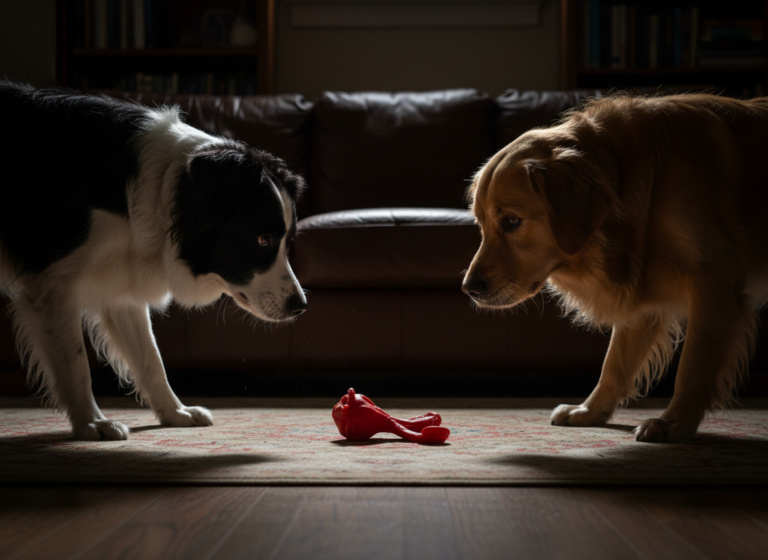
Before we can address the signs, we must reframe our understanding of the motivation. Dogs do not experience jealousy with the complex emotional and social layers that humans do, such as envy or resentment. Instead, their actions are driven by a more primal instinct: the need to control access to valuable resources. In the wild, guarding resources like food, mates, or a safe den is essential for survival. For our domestic dogs, ‘resources’ can be anything they deem valuable, including food bowls, toys, a favorite sleeping spot, and, most powerfully, their primary human caregiver.
Owner guarding is therefore a manifestation of anxiety. The dog is not trying to be dominant or ‘the boss’; it is acting out of a fear of loss. This insecurity can be triggered by various factors:
- Changes in the home environment: The arrival of a new baby, partner, or another pet can be a significant trigger. The dog’s predictable routine and one-on-one time with you are suddenly disrupted, creating uncertainty.
- Underlying anxiety: Some dogs are genetically predisposed to anxiety or may have had early life experiences that fostered insecurity. A lack of proper socialization can also contribute significantly.
- Inadvertent reinforcement: If a dog growls when someone approaches you and that person backs away, the dog learns that growling is an effective strategy to keep its ‘resource’ safe. Even pushing the dog away can be seen as a form of attention, reinforcing the behavior.
Recognizing these actions as symptoms of anxiety, rather than a character flaw, is paramount. It allows you to approach the problem with empathy and employ training methods that build confidence instead of punishing fear.
Sign 1: Intrusive Blocking and Body Positioning
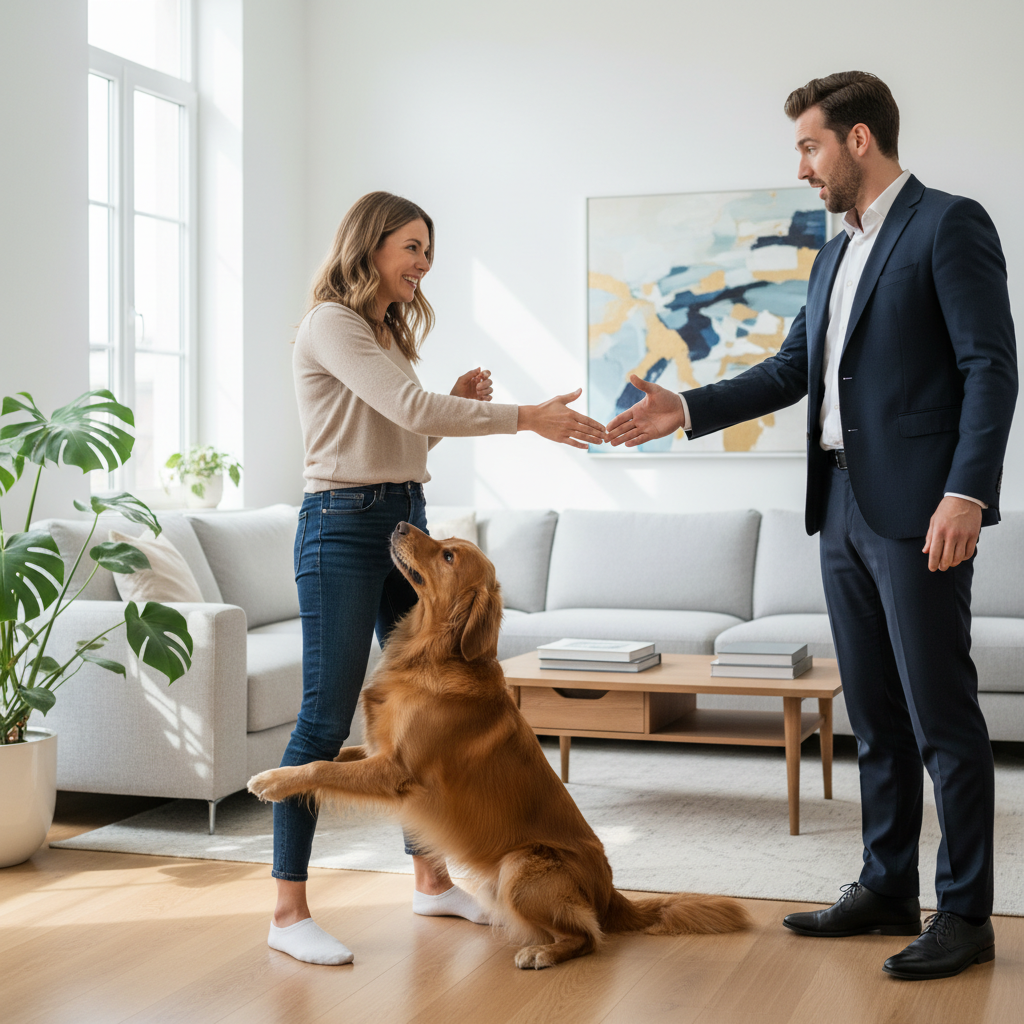
This is often the earliest and most subtle sign of owner guarding. The behavior is physical but not yet aggressive. The dog uses its body to manage space and control access to you. It is a clear attempt to communicate, ‘This person is mine, and you need to keep your distance.’
Common Manifestations:
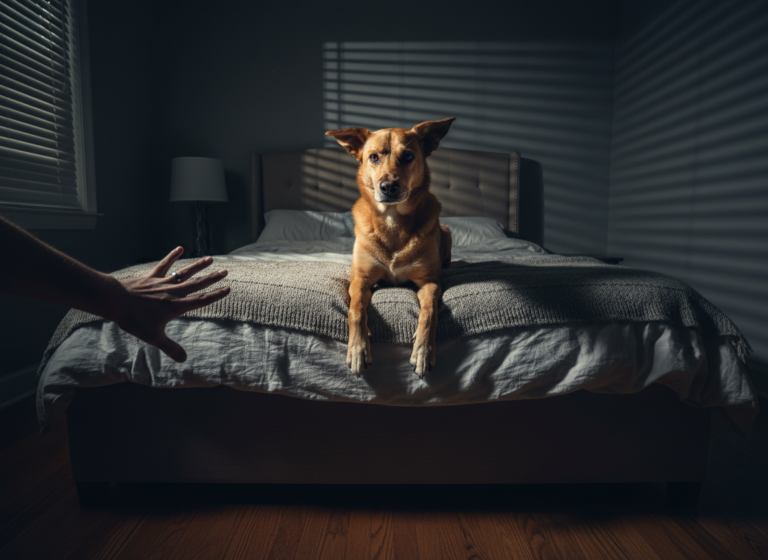
- Physical Insertion: When another person or pet approaches you for interaction, the dog will physically move to place its body between you. This might look like the dog simply wants attention, but the context is key. If it consistently happens when your attention is about to be divided, it’s a guarding tactic.
- Leaning and ‘Pinning’: The dog may lean heavily against your legs, effectively ‘pinning’ you in place, especially when someone else enters the room or approaches.
- Herding: You might notice your dog attempting to herd you away from other family members or guests, using its nose or body to nudge you in a different direction.
- Claiming Your Lap: While a dog on the lap can be endearing, in an owner-guarding context, it becomes a strategic position. The dog will jump onto your lap as soon as someone else sits next to you, often giving the other person a hard stare.
At this stage, the dog is managing the situation without overt aggression. However, it is a clear indicator of underlying anxiety and should be addressed before it progresses.
Sign 2: Stiffening, Freezing, and Hard Stares
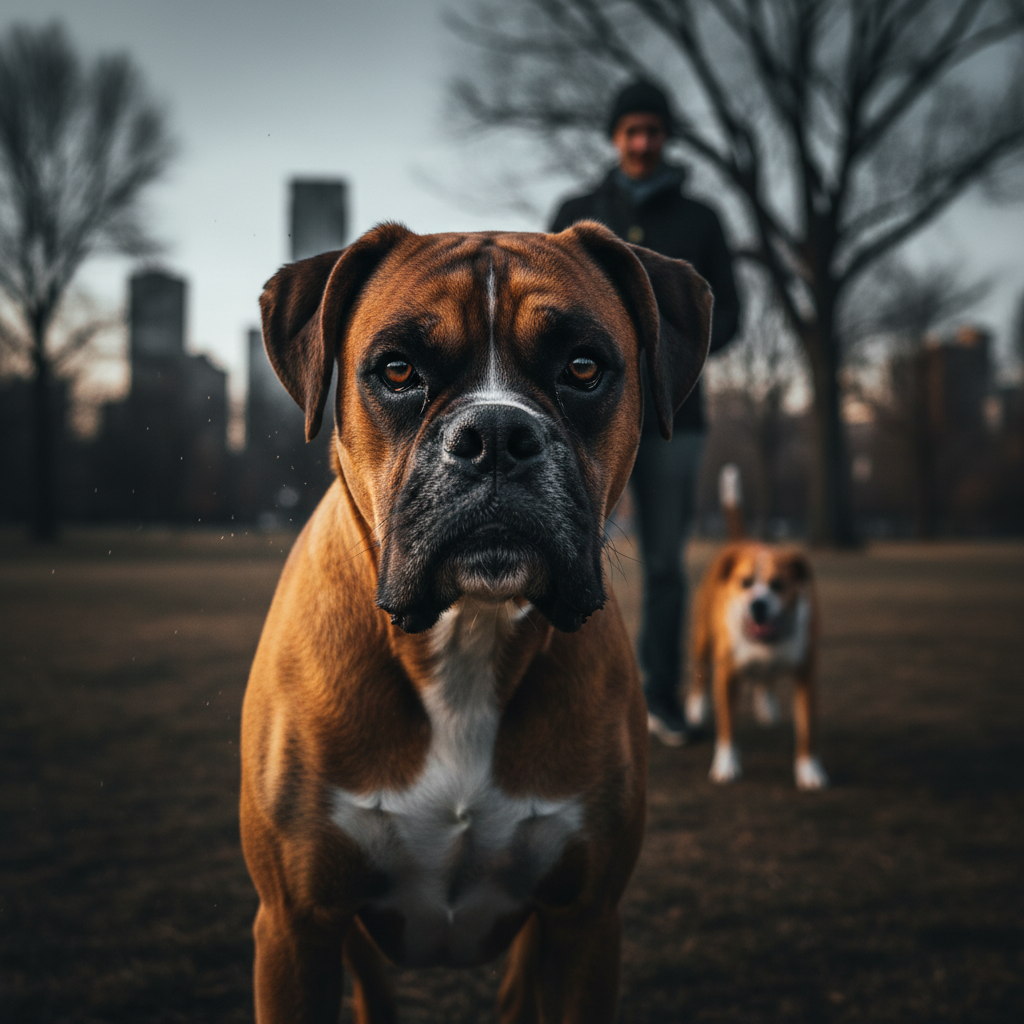
Canine communication is predominantly non-verbal. Before a growl or a snap, a dog will give a wealth of information through its body language. Stiffening and staring are clear signals that the dog is uncomfortable and its arousal level is increasing. These are not passive behaviors; they are active warnings.
What to Look For:
- Sudden Stillness: The dog may abruptly freeze when another person or animal approaches you. All movement ceases, including tail wagging. A dog that goes from relaxed to completely rigid is communicating extreme tension.
- Hard Stare: This is different from a soft, loving gaze. A hard stare is direct, fixed, and unblinking. The dog’s eyes may appear glassy, and the pupils might be dilated. This is a direct challenge and a warning to the approaching individual.
- Tense Body Posture: The dog’s weight will shift forward onto its front paws. Its muscles will be tense, its tail held high and stiff (sometimes with a very fast, tight vibration at the tip), and its ears will be erect and oriented forward. You may also see ‘whale eye,’ where the whites of the eyes are visible as the dog looks at the ‘threat’ out of the corner of its eye while keeping its head facing you.
This pre-escalation phase is your most crucial window for intervention. The dog is telling you it is over its threshold. De-escalating the situation by calmly creating space is the correct response. Punishing these signals will only teach the dog to suppress its warnings and potentially move straight to a bite in the future.
Sign 3: Vocal Warnings – Low Growling and Lip Lifting
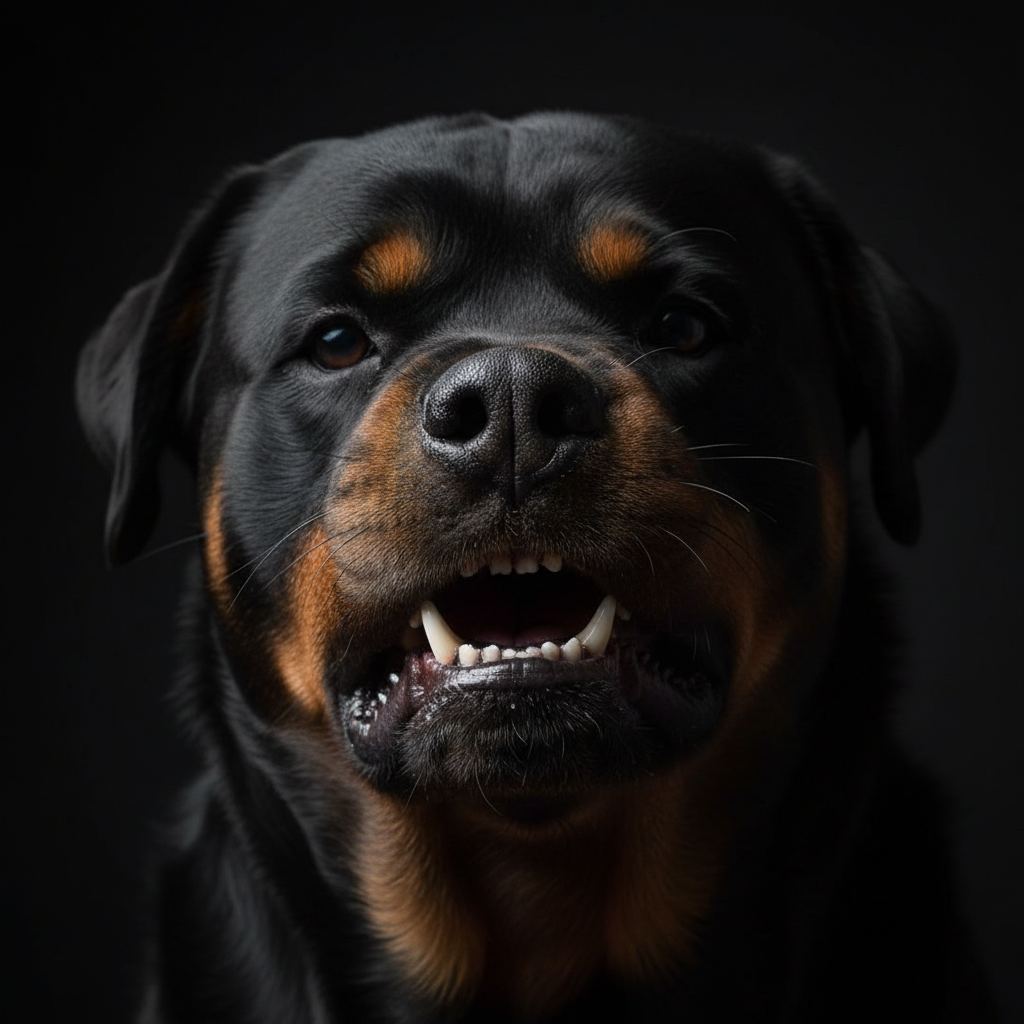
If the subtle body language cues are ignored, the dog will often escalate to audible and more obvious visual warnings. These are unmistakable distance-increasing signals. The dog is explicitly communicating, ‘You are too close. Back away now, or I will be forced to escalate further.’
The Escalation Ladder:
- Low, Rumbling Growl: This is not a playful grumble. A guarding growl is typically a low, sustained, guttural sound. It is a clear and unambiguous warning. Many owners make the critical mistake of punishing the growl. It is essential to understand that the growl is not the problem; it is the symptom of the problem (the dog’s anxiety). Suppressing the growl removes a vital warning signal.
- Lip Lifting and Teeth Display: Along with growling, the dog may lift its lip to expose its teeth, particularly the canines. This is called a ‘lip curl’ or ‘snarl.’ The nose will often wrinkle. This is a very clear visual threat display, designed to intimidate the perceived threat and avoid a physical confrontation.
When you observe these behaviors, the immediate priority is to safely increase the distance between your dog and the trigger. Do not reach for the dog’s collar, as this can result in a redirected bite. Instead, calmly call the dog away or toss a high-value treat away from the situation to break its focus and create space.
Sign 4: Muzzling, Air Snapping, and Nipping
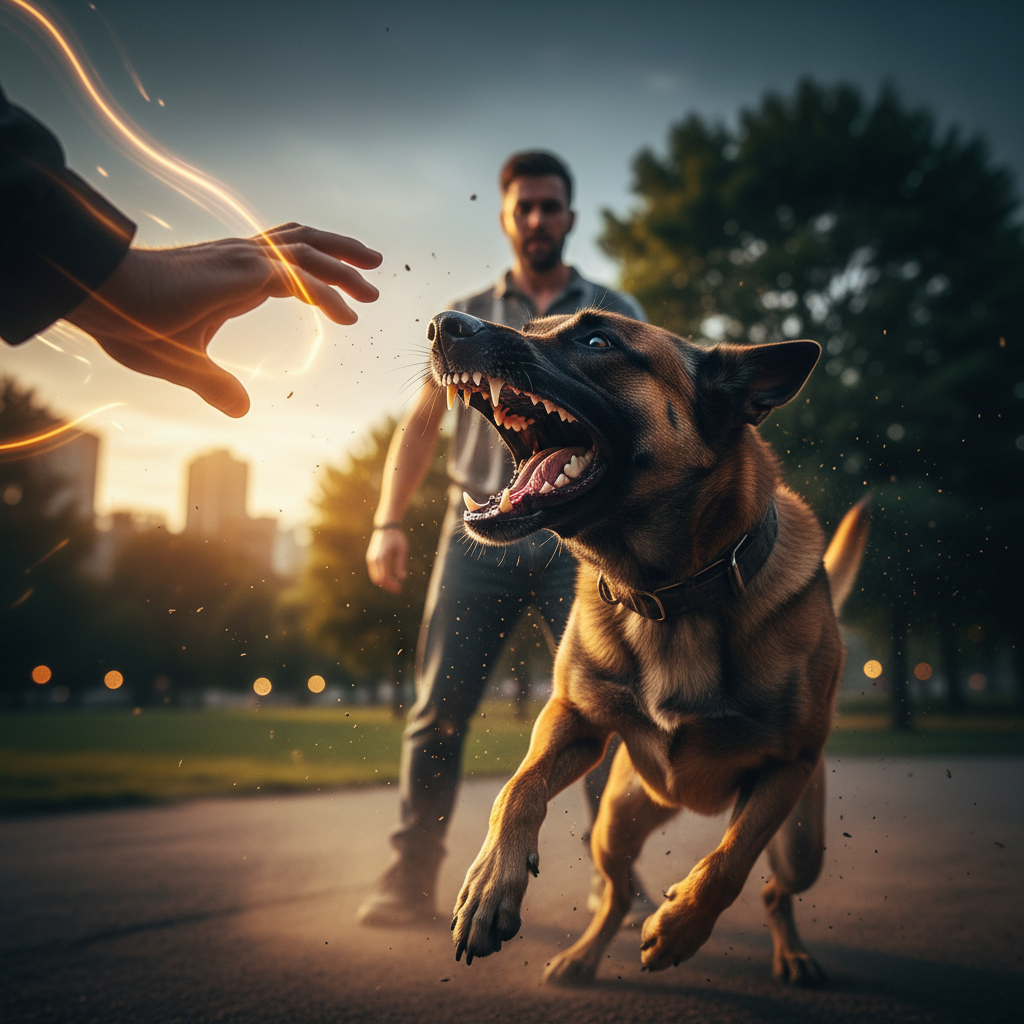
When warnings are unheeded, the dog may feel it has no choice but to use its mouth to control the situation. These actions are still often inhibited, meaning the dog is trying to make its point without causing serious injury. However, they represent a significant escalation and indicate a very high level of stress.
Degrees of Mouth Contact:
- Muzzle Punch: The dog will forcefully punch the person or animal with its closed mouth. It is a physical shove intended to create distance.
- Air Snap: The dog will snap its jaws in the direction of the trigger without making contact. It is a loud, fast, and intimidating action—a clear ‘shot across the bow.’ This is a dog demonstrating that it could have bitten but chose not to. It is a final warning before a bite.
- Nip: A nip is a quick, superficial bite where the dog’s teeth make contact with skin but do not puncture deeply. It is designed to startle and repel, not to cause significant damage.
Any instance of teeth making contact with skin, no matter how minor, is a serious event. At this stage, management becomes absolutely critical to prevent injury, and the immediate consultation with a certified professional is strongly advised.
Sign 5: Escalated Aggression and Biting
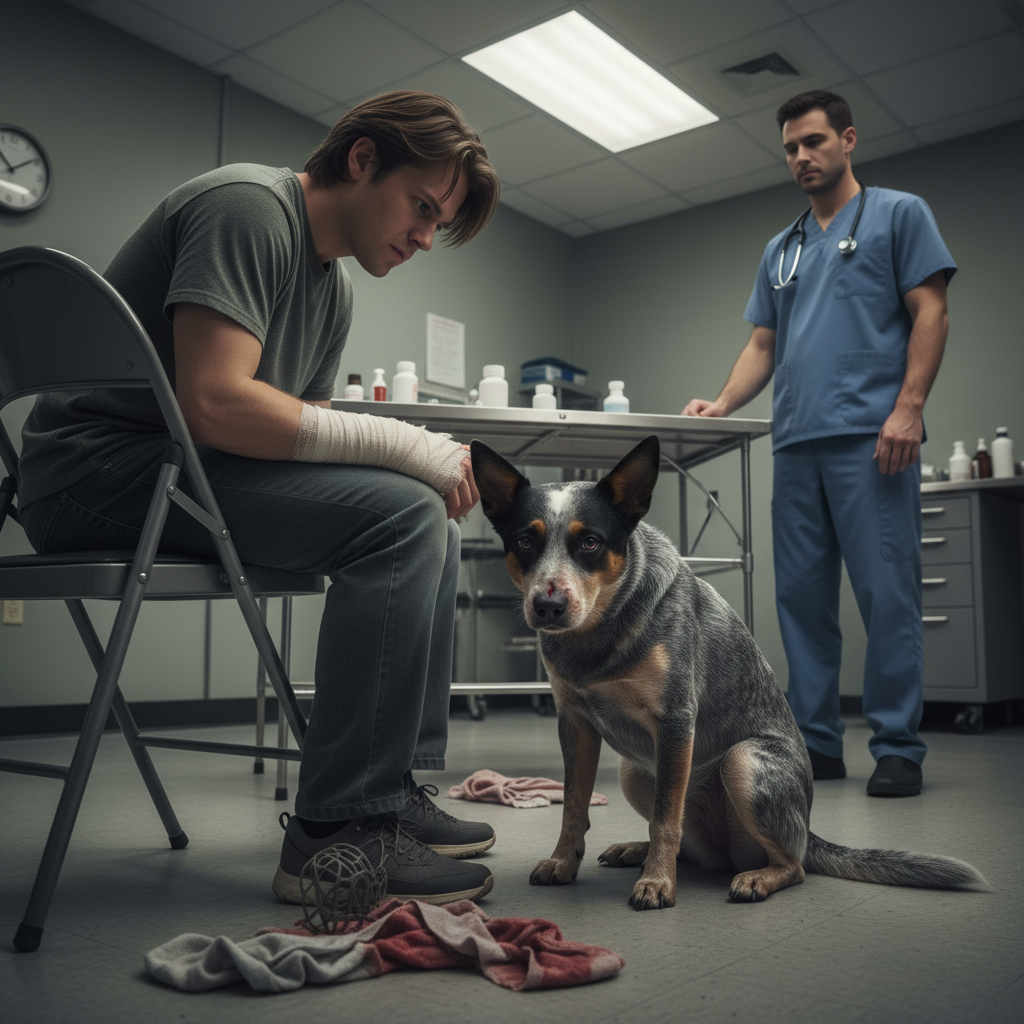
This is the most dangerous stage of owner guarding. It occurs when all previous warnings have been ignored, or if the dog has learned that warnings are ineffective (or has been punished for them). A bite is a dog’s last resort when it feels it has no other way to resolve the perceived threat to its resource.
A bite is not a sign of a ‘bad dog’; it is a sign of a dog pushed far beyond its threshold of tolerance. The dog’s anxiety has overwhelmed its ability to cope, and it has resorted to the only tool it has left to make the scary thing go away. A bite can range in severity, from a puncture wound to a more severe and sustained attack. Any bite that breaks the skin is classified as a Level 3 bite (or higher) on Dr. Ian Dunbar’s Dog Bite Scale and requires immediate professional intervention from a veterinary behaviorist or a certified canine behavior consultant who specializes in aggression.
If your dog has reached this level of escalation, your primary responsibility is safety. This means implementing strict management protocols (such as crating, using gates, and leashing) to ensure the dog is never in a position to repeat the behavior while you seek qualified professional help.
A Proactive Protocol: Managing and Modifying Owner Guarding
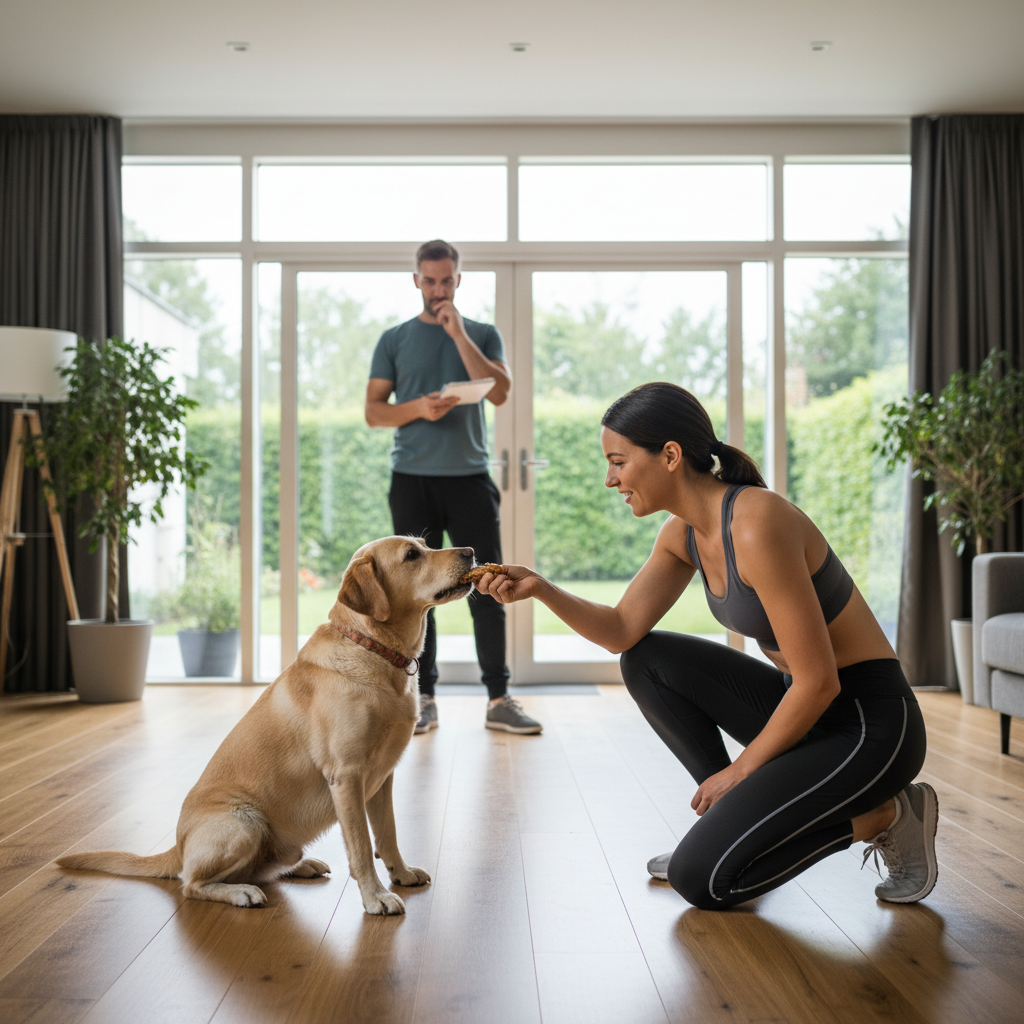
Addressing owner guarding requires a two-pronged approach: immediate management to ensure safety and long-term behavior modification to change the dog’s underlying emotional response. This is not about dominance or punishment; it is about building confidence and teaching your dog that it doesn’t need to guard you.
Step 1: Implement Strict Management
Management is not training, but it is the most critical first step. It means changing the environment to prevent the dog from practicing the unwanted behavior. Every time the dog ‘successfully’ guards you, the behavior is reinforced. Your goal is to stop this cycle.
- Use physical barriers: Baby gates, crates, and closed doors are your best tools. If you are having guests, crate your dog in another room with a high-value chew toy.
- Utilize a leash: Keep a light leash on your dog in the house (only when supervised) to gently guide them away from situations where they might guard.
- Control the furniture: If guarding happens on the sofa or bed, revoke furniture privileges temporarily. This removes the strategic high-ground advantage.
Step 2: Desensitization and Counter-Conditioning (DSCC)
This is the core of behavior modification. The goal is to change your dog’s association with a trigger (e.g., your spouse approaching) from negative to positive. This must be done slowly and at a sub-threshold level, meaning the dog is aware of the trigger but not reacting to it.
- Identify Triggers and Thresholds: Determine exactly what triggers the guarding (a person, another dog) and at what distance the dog begins to show subtle signs of stress (like stiffening). This distance is the dog’s threshold.
- Set Up Controlled Sessions: Start your training sessions with the trigger well outside the dog’s threshold. For example, have another person stand across the room.
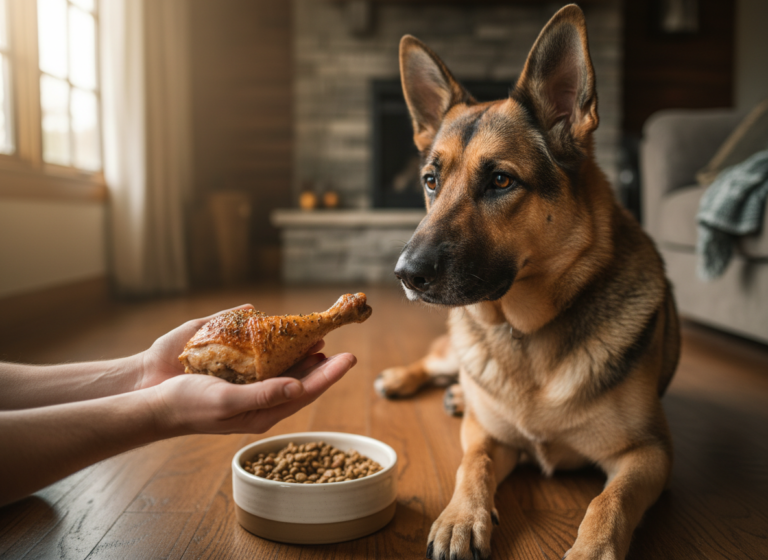
- Create a Positive Association: The moment your dog looks at the trigger, immediately give it an extremely high-value treat (e.g., small pieces of chicken or cheese). The treat must be amazing.
- The Trigger Predicts the Treat: The sequence is critical: The person appears, THEN the treat appears. The person leaves, THEN the treat stops. The dog must learn that the person’s presence makes the good thing happen.
- Gradually Decrease Distance: Over many short sessions, slowly decrease the distance between your dog and the trigger, always watching for signs of stress. If the dog reacts, you have moved too fast. Increase the distance again to a point where the dog is successful.
Step 3: Teach an Incompatible Behavior
You can’t guard your owner if you’re busy doing something else. Teaching your dog a solid ‘go to your mat’ or ‘settle’ cue gives you a constructive command to use in situations that might normally trigger guarding.
Practice this cue when the dog is calm. Reward the dog heavily for staying on its mat. Once the behavior is reliable, you can ask the dog to go to its mat when, for example, your partner sits down next to you on the sofa. This gives the dog a clear, positive ‘job’ to do instead of resorting to anxiety-driven guarding.
When to Call a Professional
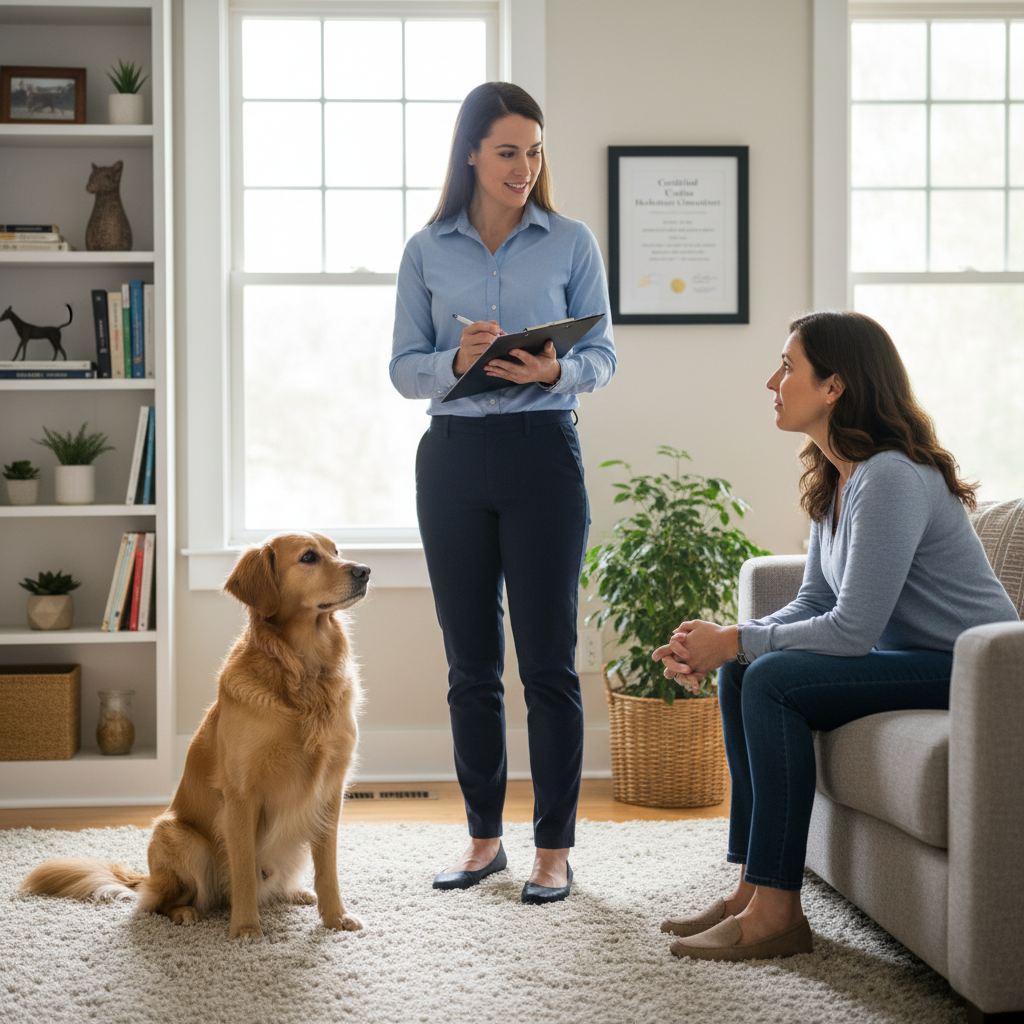
While the steps outlined above can be effective for mild cases, owner guarding can be a complex and dangerous issue. It is crucial to know when to seek professional help. Do not hesitate to contact a professional if:
- The dog has ever nipped, snapped, or bitten a person or another animal.
- The guarding behavior is escalating in intensity or frequency.
- You feel overwhelmed, scared, or unsure how to proceed safely.
- The behavior involves children, as the risks are significantly higher.
It is vital to choose the right kind of professional. Look for a Certified Applied Animal Behaviorist (CAAB), a Veterinary Behaviorist (DACVB), or a Certified Professional Dog Trainer (CPDT-KA/KSA) or Certified Canine Behavior Consultant (CBCC-KA) with specific, verifiable experience in aggression cases. Be wary of any ‘trainer’ who advocates for punishment, dominance-based methods, or the use of tools like prong collars or shock collars. These methods will almost certainly worsen the dog’s anxiety and increase the risk of aggression.
Conclusion
Seeing your beloved dog exhibit guarding behavior towards you can be distressing. It is a behavior that strains relationships within the home and creates a constant source of tension. However, by shifting your perspective from ‘jealousy’ to ‘anxiety,’ you can begin to address the problem at its core. Owner guarding is not a sign of disrespect, but a cry for help from an insecure animal. Through careful management to ensure safety, a systematic behavior modification plan focused on positive reinforcement, and a commitment to building your dog’s overall confidence, you can change this behavior. Remember that you are your dog’s greatest advocate. Addressing these signs proactively and seeking qualified professional help when necessary is the most responsible and loving course of action you can take to restore harmony and ensure a safe, trusting bond for years to come.