Is Your Dog Fast? How to Get Started in Flyball Racing
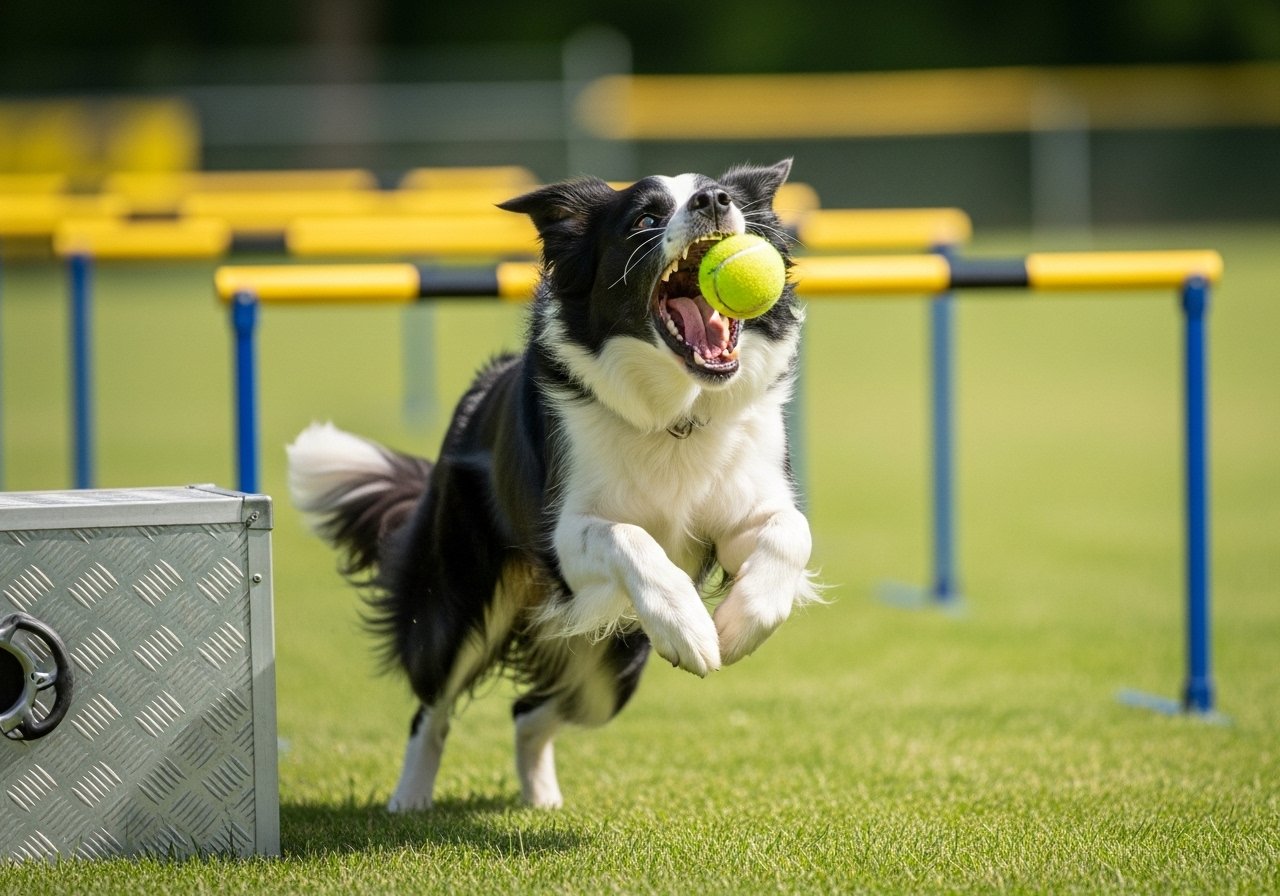
Does your dog live life in the fast lane? Do they possess an unshakeable love for tennis balls and an explosive burst of speed that leaves other dogs in the dust? If you’re nodding along, you may be sitting next to a future champion of one of the most thrilling canine sports on the planet: Flyball. This high-octane, fast-paced relay race is more than just a fun activity; it’s a testament to the incredible bond, communication, and athleticism shared between a dog and its owner. It provides an unparalleled outlet for high-energy breeds, channeling their drive and intelligence into a positive and rewarding team sport.
This guide serves as your comprehensive introduction to the world of Flyball. We will deconstruct the sport from the ground up, starting with the fundamental rules and objectives. We’ll help you assess whether your canine companion has the right stuff to excel, detail the necessary equipment, and provide a structured approach to foundational training. Whether your goal is to compete at a national level or simply find a new and exciting way to bond with your dog, this is your starting line for the exhilarating journey into Flyball racing.
Understanding the Fundamentals of Flyball
What is Flyball?
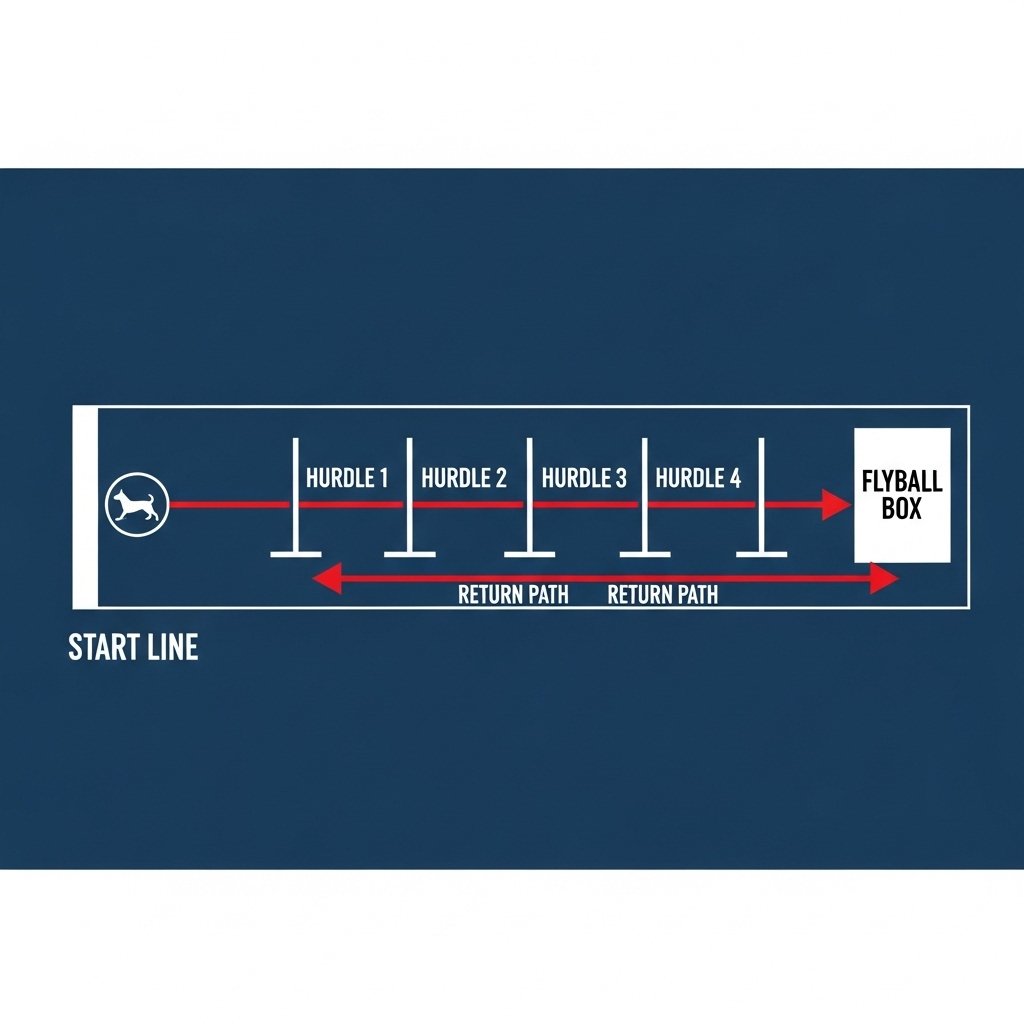
At its core, Flyball is a team relay sport for dogs. A competition, known as a tournament, pits two teams of four dogs against each other in a head-to-head race. The course for each team consists of a straight lane containing four hurdles spaced ten feet apart, leading to a spring-loaded box that releases a tennis ball when the dog presses its pad.
The objective is simple: each dog must run down the lane, clearing all four hurdles, trigger the Flyball box, catch the released ball, and race back over the hurdles to the start/finish line. As soon as one dog crosses the line, the next dog is released. The first team to have all four dogs complete a clean run without errors wins the heat. An error, such as dropping the ball or missing a hurdle, requires the dog to re-run the course after the last dog on the team has finished, costing precious seconds.
The Key Components of a Flyball Run:
- The Start: A precise start is crucial. The handler must release their dog at the perfect moment—just as the previous dog is about to cross the finish line—without causing a false start. This is often timed down to the thousandth of a second.
- The Hurdles: The hurdle height is determined by the height of the smallest dog on the team, known as the ‘height dog.’ This allows dogs of all sizes to compete. The dogs must clear all four hurdles on the way to the box and on the return trip.
- The Box: The Flyball box is the centerpiece of the course. The dog must trigger the spring-loaded pad, catch the ball, and turn efficiently to begin the return run. A clean, fast box turn is one of the most critical skills in the sport.
- The Return: After securing the ball, the dog must carry it back over all four hurdles and across the finish line. A dropped ball results in a fault.
- The Team: Flyball is a true team sport. It requires four dogs and their handlers, a box loader who ensures the box is ready for each dog, and often a team captain or coach. Success depends not just on the speed of individual dogs, but on the seamless coordination and precision of the entire team.
Expert Tip: While speed is the name of the game, precision and consistency are what win races. A clean, error-free run is often faster than a blistering run that requires a re-run due to a mistake.
Is Your Dog a Good Candidate for Flyball?
Assessing Your Dog’s Suitability
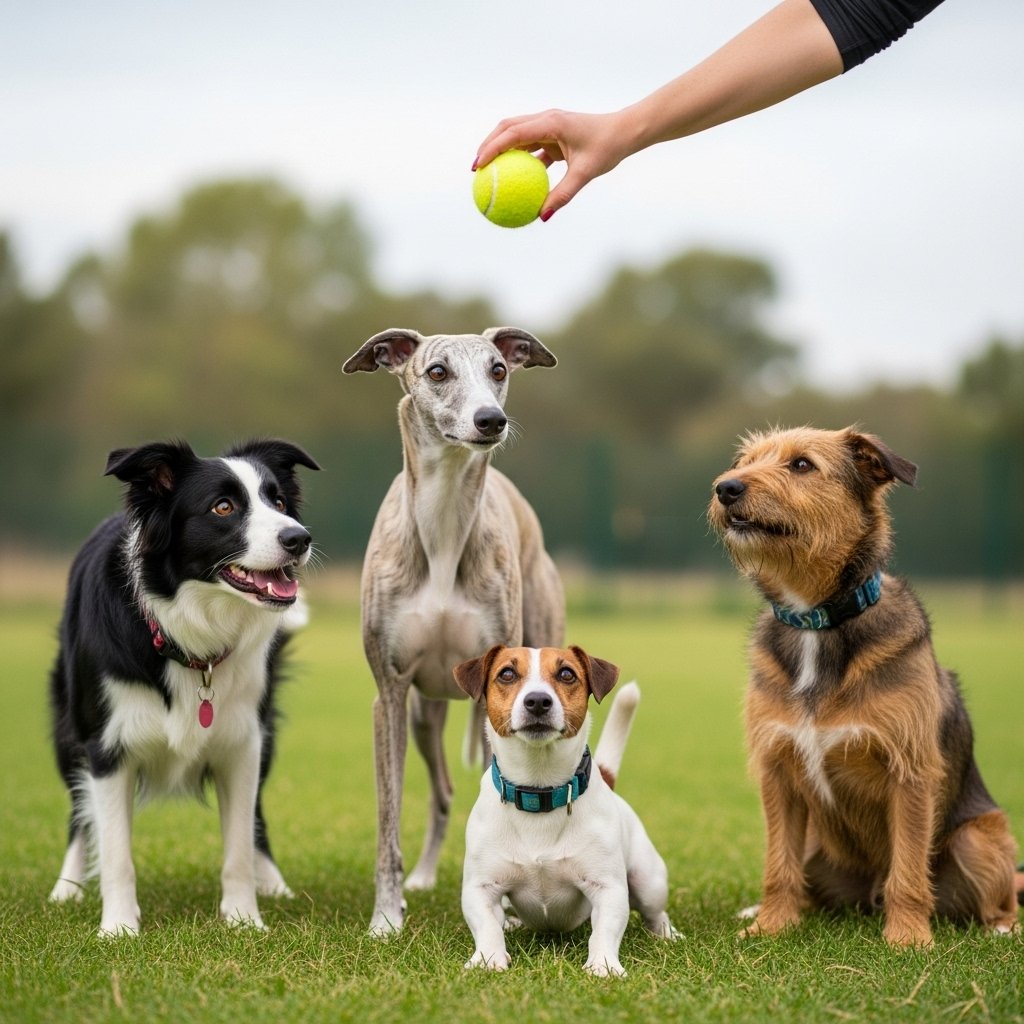
While certain breeds, like Border Collies, Whippets, and Jack Russell Terriers, are frequently seen at the top levels of competition, Flyball is an inclusive sport open to nearly any dog with the right combination of physical and mental traits. It’s less about pedigree and more about passion and drive.
Key Traits of a Successful Flyball Dog:
- Ball Drive: This is non-negotiable. The dog must have an intense, unwavering focus on and desire for a tennis ball. This drive is the primary motivator for the entire run.
- High Energy and Stamina: Flyball is a sprint. Dogs need to be able to give maximum effort in short, explosive bursts repeatedly throughout a tournament day.
- Good Physical Health: The sport involves running, jumping, and hard turns, which puts stress on the dog’s joints and body. A prospective Flyball dog should be in excellent physical condition, at a healthy weight, and free from any orthopedic issues like hip or elbow dysplasia. A veterinary check-up is a crucial first step.
- Sociability: Flyball tournaments are busy, loud, and exciting environments with many other dogs and people. A dog must be comfortable and non-reactive in this type of setting to perform well and avoid stress.
- Basic Obedience and Recall: A solid foundation in basic obedience is essential. A reliable ‘come’ command (recall) is particularly critical, as the dog must return directly to the handler at top speed, ignoring distractions.
Health and Structural Considerations
Before beginning any serious training, a full veterinary evaluation is recommended. Discuss your intentions to pursue Flyball with your vet. They can assess your dog’s joint health, cardiovascular fitness, and overall structure. Dogs must be at least 15 months old to compete in sanctioned events to ensure their growth plates have closed, reducing the risk of injury. For smaller breeds, this may be slightly earlier, but it is always best to err on the side of caution.
Important Note: Do not mistake a lack of initial interest for a lack of potential. Sometimes, a dog’s ball drive can be cultivated and strengthened through positive reinforcement and structured play. Patience and proper training techniques can unlock a surprising level of motivation.
Essential Equipment and Finding a Club

Gearing Up for Flyball
While you don’t need a full competition setup to start, having access to the right equipment is vital for proper training. Most newcomers will begin by joining a local club, which will provide all the necessary gear and, more importantly, expert instruction.
Core Flyball Equipment:
| Equipment | Description | Training Tip |
|---|---|---|
| Flyball Hurdles | A set of four jumps. They are typically made of lightweight materials. The height is adjustable to accommodate the team’s height dog. | Start with hurdles set very low or even flat on the ground to build confidence and teach the dog the path without the challenge of jumping. |
| Flyball Box | A spring-loaded device that launches a ball when the dog presses a slanted front pad. Designs vary, but all serve the same function. | Introduce the box separately from the hurdles. Begin by rewarding the dog just for interacting with the box, then for pressing the pad. |
| Tennis Balls | The official target of the sport. It’s essential to use balls that are an appropriate size for your dog to carry comfortably. | Use high-value, specific ‘flyball only’ tennis balls to increase your dog’s motivation during training sessions. |
Finding a Local Club or Trainer
The best way to get started in Flyball is to find an established club. These clubs offer classes for all levels, from beginners to seasoned competitors. They provide a safe environment, proper equipment, and invaluable coaching from experienced handlers. A good coach can help you build skills correctly from the start, preventing the formation of bad habits that are difficult to correct later.
You can locate clubs in your area through the official websites of Flyball’s main governing bodies:
- The North American Flyball Association (NAFA): The largest Flyball organization in North America. Their website features a club locator tool.
- United Kennel Club (UKC): The UKC also sanctions Flyball events and provides resources for finding local training groups.
When visiting a potential club, observe a practice or class. Look for a positive atmosphere where handlers and dogs are having fun. Training methods should be based on positive reinforcement, and the safety of the dogs should always be the top priority.
Foundational Training: The Core Skills for Flyball Success
Building the Flyball Run, One Skill at a Time
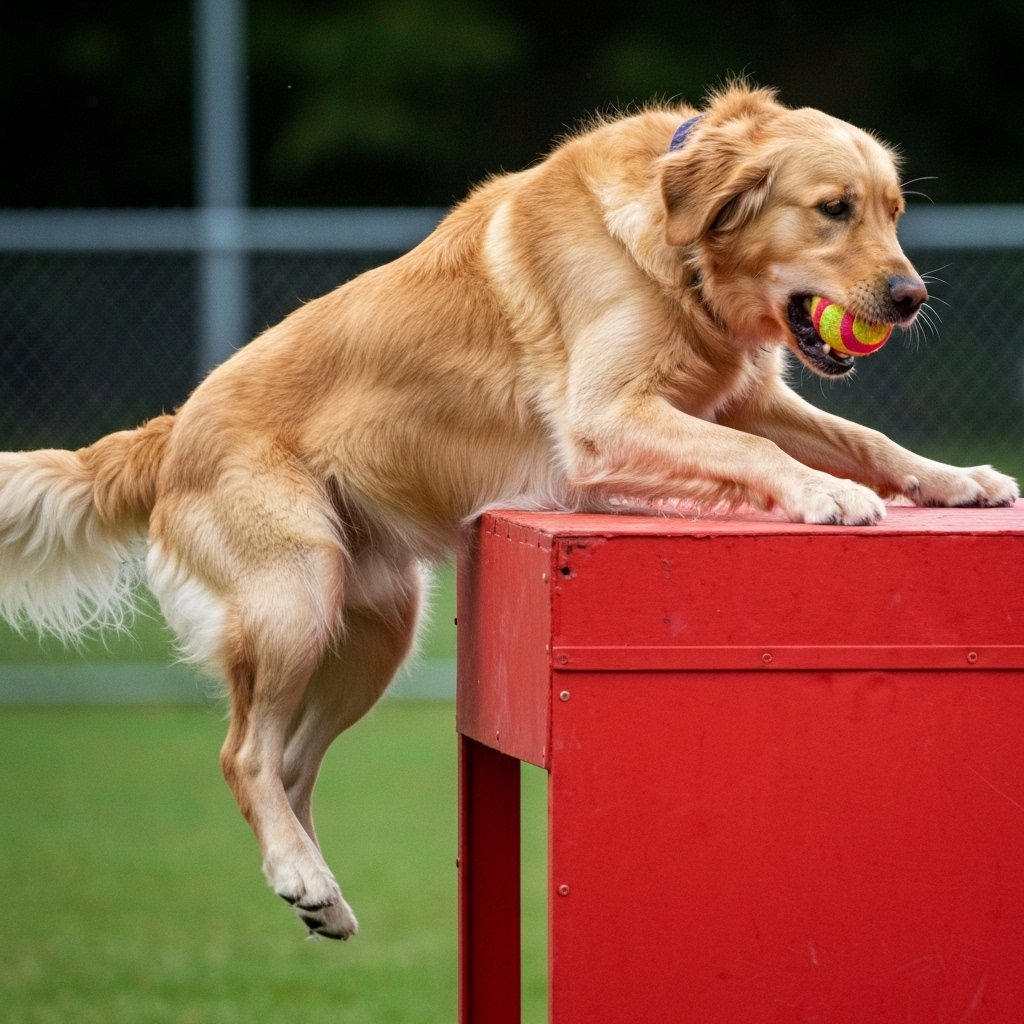
A successful Flyball run is a chain of behaviors performed at high speed. The key to effective training is to teach each link in the chain separately before putting them all together. This method, known as back-chaining, is highly effective. You start by teaching the last behavior in the sequence first—in this case, the box turn—and work your way backward to the start line.
Step 1: Mastering the Box Turn
The box turn is the most technical part of the run and where significant time can be gained or lost. The goal is a tight, fast, and safe turn that propels the dog back toward the hurdles. The most efficient technique is the ‘swimmer’s turn,’ where the dog hits the box with all four paws, wraps its body around, and pushes off like a swimmer from a wall.
- Start with the box close to a wall or fence to encourage a tight turn.
- Use a target or your hand to guide the dog’s head to turn in the desired direction as they get the ball.
- Reward any movement that resembles a turn initially, gradually shaping the behavior into a full, fluid motion.
Step 2: Perfecting Hurdle Technique
Jumping hurdles should be an effortless, flat, and fast action. The dog should not be ‘arcing’ high over the jumps, as this wastes time and energy.
- Begin with low hurdles, encouraging the dog to run through them.
- Use a ‘chute’ or guide wires to keep the dog running in a straight line.
- Gradually raise the height as the dog builds confidence and speed, but always keep it at a safe and comfortable level for your dog’s size.
- Practice sending your dog over the hurdles to a toy or a person to build drive and focus.
Step 3: Combining the Box and Hurdles
Once the dog is confident with the box turn and can clear the hurdles in a straight line, you can begin to combine them. Start with just one hurdle placed a short distance from the box. As the dog masters this, gradually add the other hurdles one by one, moving them further back until you have the full four-hurdle setup.
Step 4: The Recall and Finish
The return run is all about pure speed and focus. The dog must ignore all distractions and drive straight back to you across the finish line. A powerful recall is paramount. Make returning to you the most rewarding thing in the world with high-value treats, exciting toys, and enthusiastic praise. Practice recalls in various environments to proof the behavior against distractions.
Training Philosophy: Keep sessions short, positive, and fun. End on a successful repetition to build your dog’s confidence. Frustration is the enemy of progress in dog training. If you or your dog are getting stressed, it’s time to end the session and try again later.
Advancing to Competition and Troubleshooting
From Practice to Performance
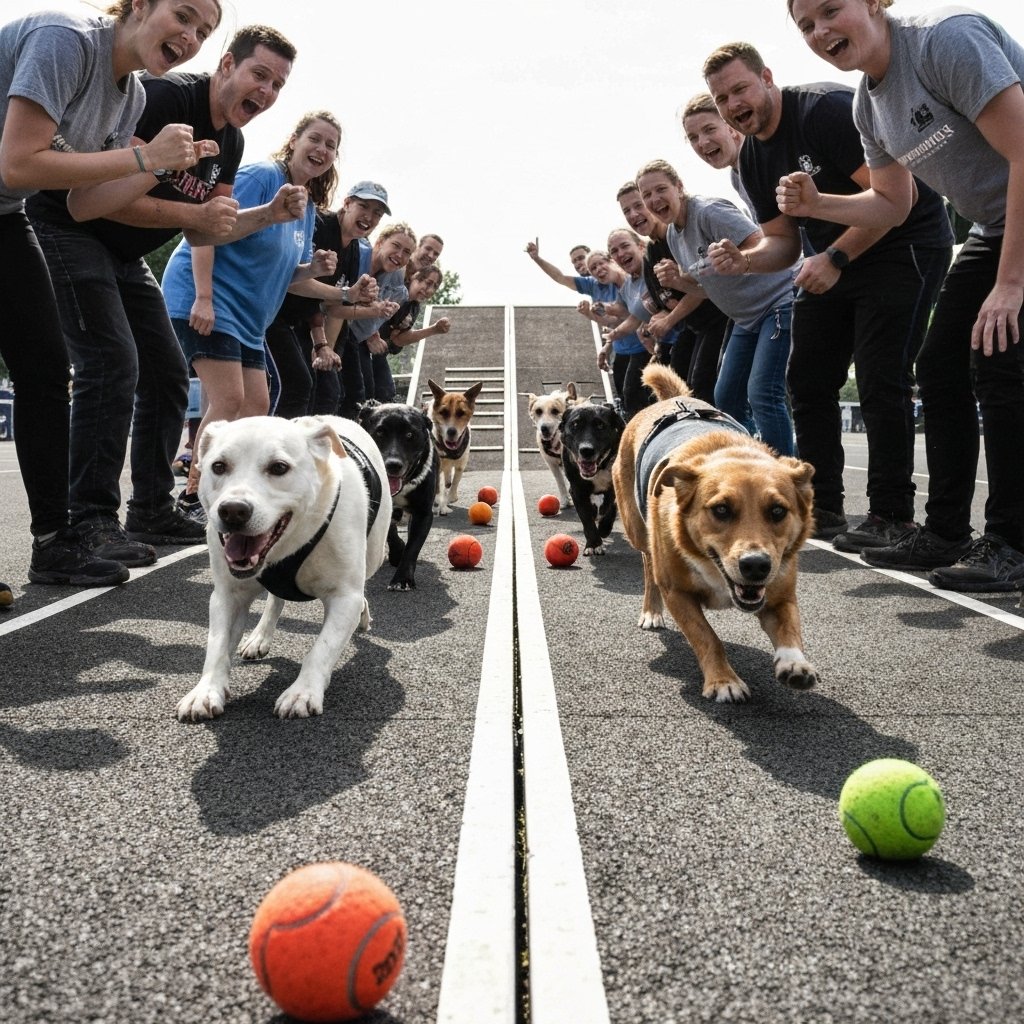
After months of dedicated training, you and your dog might be ready to enter your first tournament. This is where all your hard work comes together. Joining a team is the next logical step. Your club will likely have several teams competing at different levels, and they will help place you on a team that matches your dog’s speed and your skill level.
What to Expect at Your First Tournament
Tournaments are exhilarating, all-day events. You’ll set up a crating area with your team, and there will be a schedule of races throughout the day. The atmosphere is loud, with dogs barking and people cheering. It’s crucial to keep your dog calm and relaxed between races. Ensure they have water, a comfortable place to rest, and opportunities for potty breaks. Your primary job is to support your team, handle your dog confidently, and most importantly, have fun.
Troubleshooting Common Flyball Issues
Even the best dogs have off days or develop bad habits. Here are some common problems and how to address them:
- Dropping the Ball on the Return: This often happens when a dog is trying to run faster than it can think. Go back to basics. Practice stationary holds of the ball, then progress to holds while walking, and then running over a single hurdle. Heavily reward a clean return to your hand.
- Running Around Hurdles: If a dog misses a hurdle, it’s usually because their line to the box isn’t straight. Use guide wires or practice in a narrow hallway to reinforce a straight path. Ensure you are not inadvertently cueing your dog to go wide with your own body language.
- Slow Box Turns: A slow or sloppy turn can be a sign of a lack of confidence or a physical issue. Have your vet check for any soreness. If the dog is healthy, go back to box turn drills, heavily rewarding any increase in speed or tightness of the turn.
- Passing Another Dog: In the relay, your dog must pass the incoming dog at the start line. Some dogs are hesitant or distracted by this. Practice passing drills with a teammate’s steady, experienced dog until your dog is comfortable with the exchange.
Flyball is a journey of continuous learning and improvement for both you and your dog. Celebrate the small victories, learn from your mistakes, and never lose sight of the incredible partnership you are building with your canine athlete.
Conclusion
Embarking on a Flyball journey is a significant commitment, but the rewards are immeasurable. It’s a sport that builds confidence, strengthens the canine-human bond, and provides an essential outlet for intelligent, high-energy dogs. You’ll witness your dog’s athletic potential unfold while becoming part of a supportive and passionate community of fellow dog lovers.
Remember that the foundation of a great Flyball dog is not just speed, but a solid training base, robust health, and a joyful attitude. By following the steps outlined in this guide—understanding the fundamentals, assessing your dog’s suitability, using the right training techniques, and finding a good club—you are setting yourself up for success. The path from a ball-crazy pet to a focused canine athlete is paved with patience, positive reinforcement, and a shared love for the game. So, grab a tennis ball, find a club, and get ready to discover just how fast your dog can be.