Is Your Dog Eating Rocks? The Deadly Consequence You Can’t Ignore
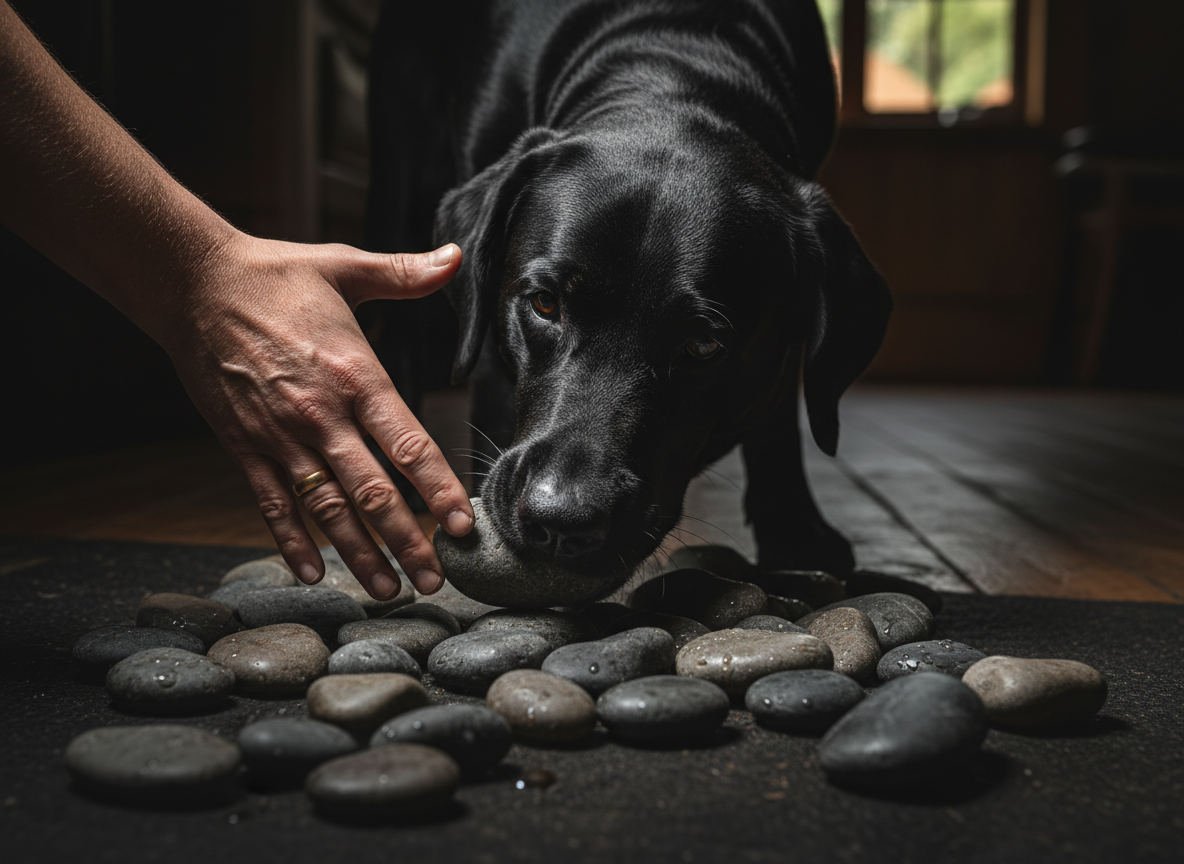
As a devoted pet owner, you are attuned to your dog’s every quirk and habit. However, some behaviors transcend mere eccentricity and signal a serious underlying issue. One of the most alarming is the consumption of non-food items, a condition known as pica. When the object of this compulsion is rocks, the consequences can be catastrophic. Many owners dismiss this as odd but harmless, yet the reality is that eating rocks, or lithophagia, can lead to life-threatening medical emergencies.
This article provides a comprehensive, authoritative guide for understanding this dangerous behavior. We will delve into the complex medical and behavioral reasons behind why your dog might be eating rocks. More importantly, we will outline the severe health risks involved, the clear warning signs that demand immediate veterinary attention, and the proven strategies you can implement to manage and eliminate this habit. Your vigilance and understanding are the first lines of defense in protecting your dog from this silent but deadly threat.
Understanding Pica: The Complex Reasons Dogs Eat Rocks
Understanding Pica: The Complex Reasons Dogs Eat Rocks
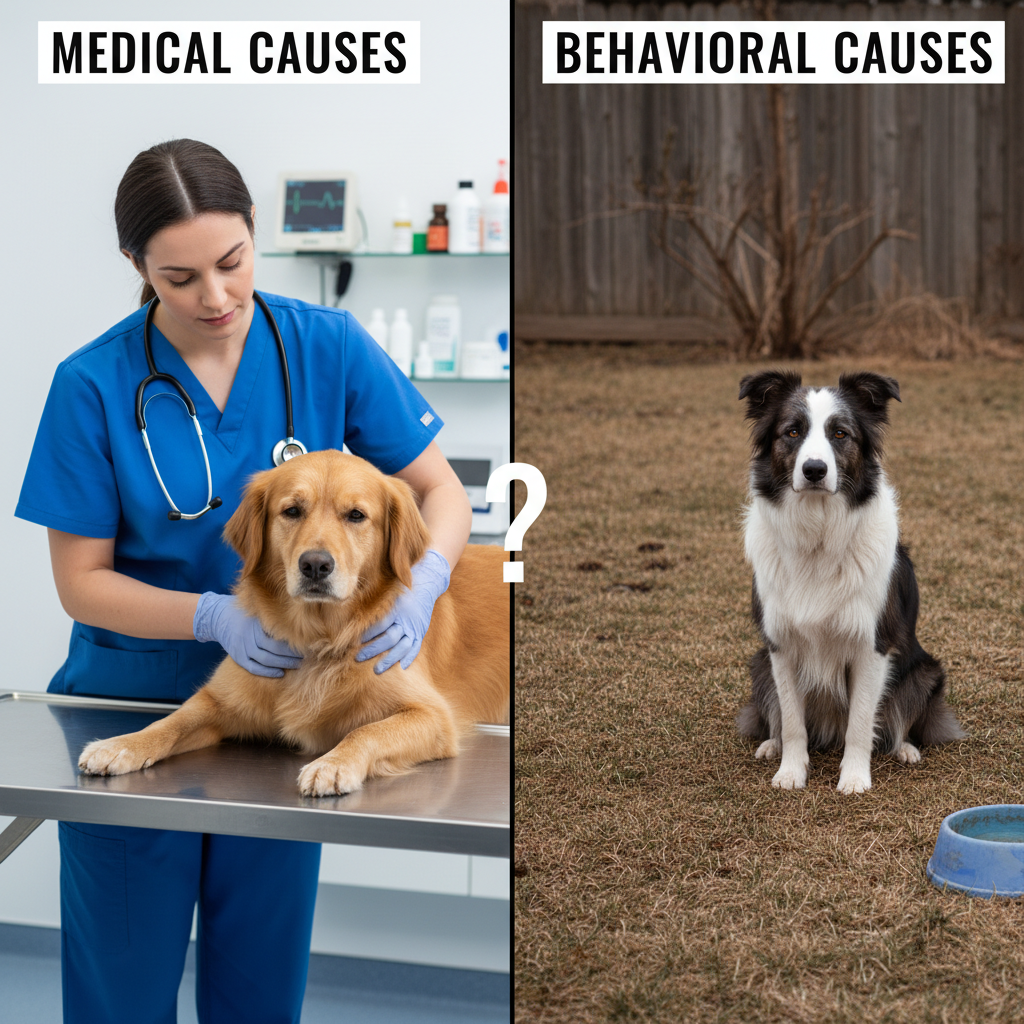
The act of a dog eating rocks is not a simple behavioral quirk; it is a manifestation of a complex condition called pica. Pica is the compulsive ingestion of non-food items, and when it involves rocks (lithophagia), it points to potential underlying issues that must be addressed. Understanding the root cause is the first critical step toward a solution. These causes can be broadly categorized into medical and behavioral triggers.
Medical Causes
An underlying health problem is often the primary suspect when a dog suddenly starts eating rocks. It’s the body’s misguided attempt to correct an internal imbalance. A thorough veterinary examination is non-negotiable to rule out these possibilities.
- Nutritional Deficiencies: A diet lacking in essential minerals, vitamins, or fiber can compel a dog to seek out these nutrients from unconventional sources. Deficiencies in iron (anemia), calcium, or phosphorus may trigger pica. Even if you are feeding a commercially labeled ‘complete and balanced’ diet, issues with nutrient absorption can still lead to deficiencies.
- Gastrointestinal Disease: Conditions such as Inflammatory Bowel Disease (IBD), malabsorption syndromes, pancreatitis, or even intestinal parasites can cause significant discomfort. Dogs may eat rocks in an attempt to induce vomiting to relieve the nausea or abdominal pain associated with these conditions.
- Endocrine Disorders: Diseases like Cushing’s disease or diabetes can lead to increased appetite (polyphagia), which may spill over into eating non-food items.
- Neurological Conditions: In rare cases, cognitive dysfunction in senior dogs or other neurological diseases can lead to strange, compulsive behaviors, including pica.
Behavioral Causes
If medical issues have been ruled out, the focus shifts to behavioral triggers. These are often related to the dog’s mental and emotional state.
- Boredom and Lack of Stimulation: A dog without sufficient mental and physical exercise will find its own, often destructive, ways to stay occupied. Rock chewing and eating can become a self-soothing, time-filling activity for an under-stimulated mind.
- Anxiety and Stress: Separation anxiety, environmental stressors (like a new home or new pet), or fear can manifest as compulsive behaviors. Chewing on rocks can be a displacement behavior, a way for the dog to cope with overwhelming feelings.
- Attention-Seeking: Dogs are intelligent creatures and quickly learn what gets a reaction from their owners. If you rush over, shout, or chase your dog every time it picks up a rock, it may learn that this is an effective way to get your immediate, undivided attention.
- Learned Behavior: Puppies explore the world with their mouths. If a puppy is not taught what is and isn’t acceptable to chew on, the habit of picking up and ingesting rocks can become ingrained and carry into adulthood.
Expert Tip: Never assume rock-eating is just a ‘bad habit.’ A comprehensive veterinary check-up is the essential first step to ensure a serious medical condition is not the underlying cause of this dangerous behavior.
The Silent Dangers: Severe Medical Complications of Lithophagia
The Silent Dangers: Severe Medical Complications of Lithophagia
The act of swallowing a rock can set off a cascade of devastating internal events. The consequences are not always immediate, but they are almost always severe and require professional medical intervention. Ignoring this behavior is a gamble with your dog’s life.
| Medical Complication | Description of Risk | Potential Outcome |
|---|---|---|
| Choking & Airway Obstruction | A rock can easily become lodged in the throat or trachea, cutting off the dog’s ability to breathe. This is an immediate, life-threatening emergency. | Asphyxiation and death if not resolved within minutes. |
| Dental Fractures | Chewing on hard objects like rocks can cause painful slab fractures, broken teeth, and damage to the gums. This can lead to abscesses and systemic infections. | Expensive dental surgery, tooth extraction, chronic pain. |
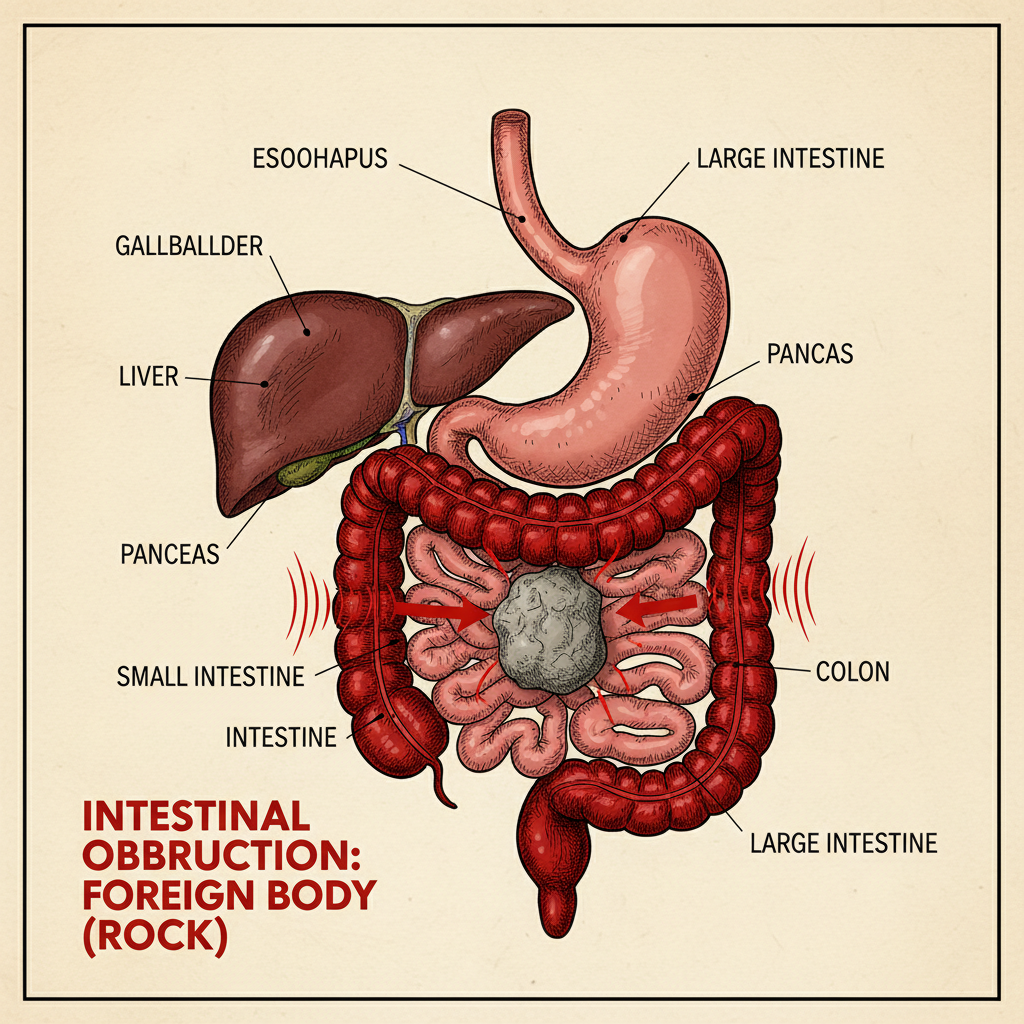
| Gastrointestinal Blockage | This is the most common and deadly risk. A rock can become lodged anywhere along the digestive tract, from the esophagus to the intestines, causing a complete or partial obstruction. | Tissue death, intestinal perforation, peritonitis (a fatal abdominal infection), and requires emergency surgery. |
| Stomach or Intestinal Perforation | Sharp or jagged rocks can physically puncture the wall of the stomach or intestines. This allows digestive contents to leak into the abdominal cavity, causing sepsis. | Massive infection, systemic shock, high risk of mortality even with surgery. |
| Toxicity | Some rocks may be coated with toxic substances (herbicides, pesticides, antifreeze) or be composed of minerals that are toxic when ingested, such as those containing lead or zinc. | Poisoning, organ failure, neurological damage. |
An intestinal obstruction is particularly insidious. The flow of food and liquid is halted, leading to a buildup of gas and fluid. This pressure cuts off blood supply to the intestinal walls, causing the tissue to die (necrosis). The weakened wall can then rupture, leading to peritonitis. This is an excruciatingly painful condition that is fatal without aggressive and immediate surgical intervention.
Recognizing the Red Flags: When to Seek Immediate Veterinary Care
Recognizing the Red Flags: When to Seek Immediate Veterinary Care
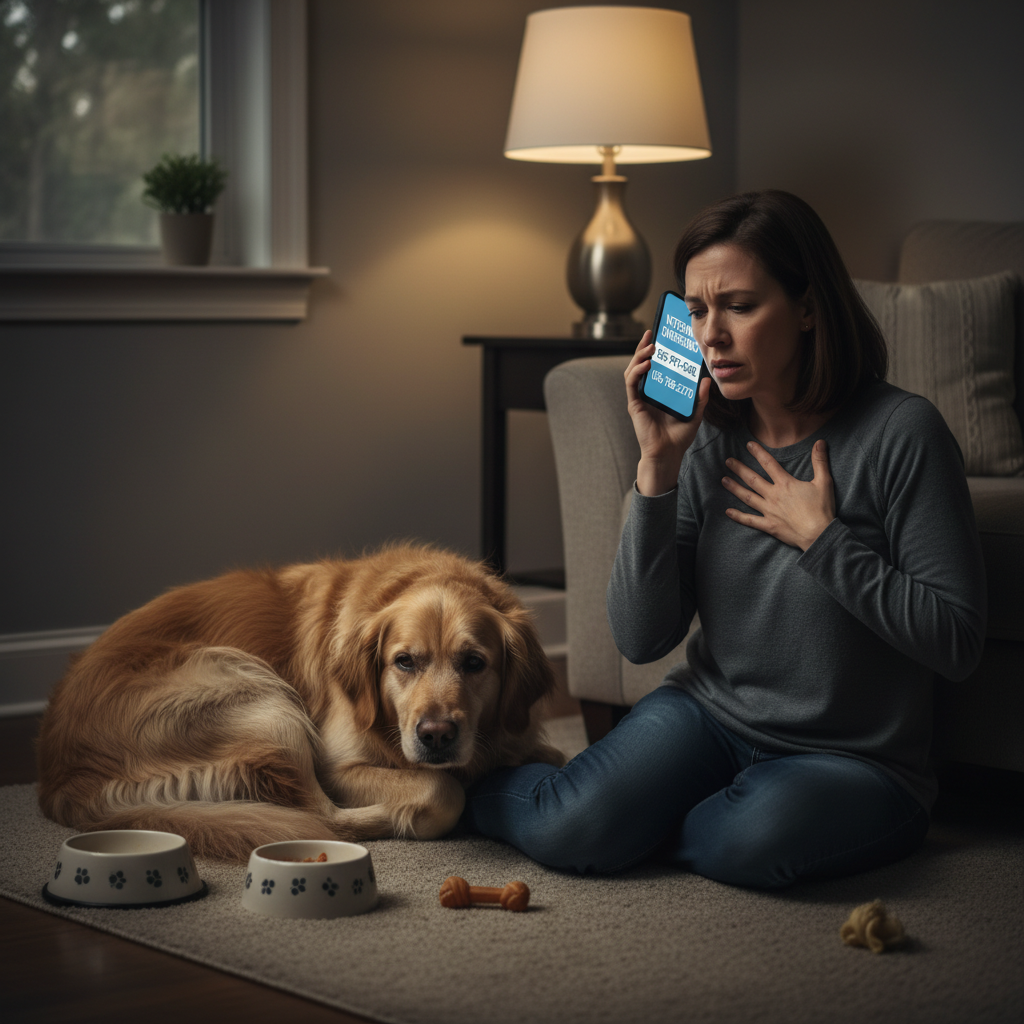
If you know or suspect your dog has ingested a rock, or if they exhibit any of the following symptoms, it is crucial to contact your veterinarian or an emergency animal hospital immediately. Time is a critical factor in the outcome.
Key Warning Signs of Obstruction or Internal Injury:
- Vomiting or Retching: Repeated, unproductive vomiting or retching is a classic sign of a blockage. The dog may bring up small amounts of bile or foam.
- Lethargy and Depression: A dog in pain will be unusually tired, unwilling to move, and uninterested in its usual activities.
- Abdominal Pain: Your dog may yelp or snap if you try to touch its belly. They might also adopt a ‘praying’ position (front legs down, rear end up) in an attempt to relieve pressure on the abdomen.
- Loss of Appetite (Anorexia): A complete refusal to eat or drink is a significant red flag.
- Changes in Stool: Difficulty defecating (straining), diarrhea, or the presence of blood in the stool (either bright red or dark and tarry) can indicate a problem.
- Dehydration: Check for sunken eyes or dry, tacky gums. You can also gently lift the skin on their back; if it doesn’t snap back into place quickly, they are likely dehydrated.
- Behavioral Changes: Whining, restlessness, or hiding can all be signs that your dog is in significant pain or distress.
Important Note: Do not attempt to induce vomiting at home without explicit instructions from a veterinarian. A rock can cause more damage on the way back up, including esophageal tearing or choking.
The Veterinary Response: Diagnosis and Treatment Protocols
The Veterinary Response: Diagnosis and Treatment Protocols
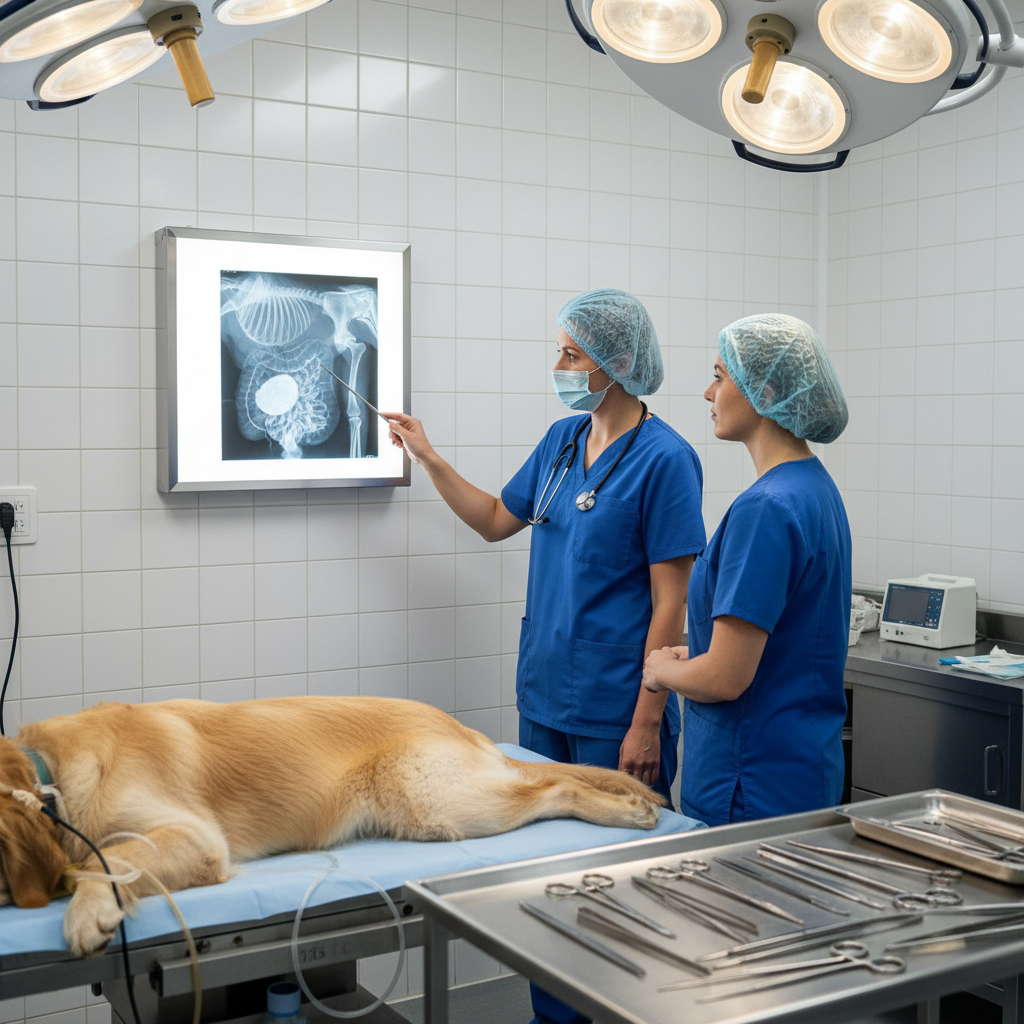
When you arrive at the veterinary clinic, the medical team will act swiftly to assess the situation. A clear history from you—when the ingestion may have occurred, the size of the rock, and the symptoms you’ve observed—is invaluable.
Diagnostic Process
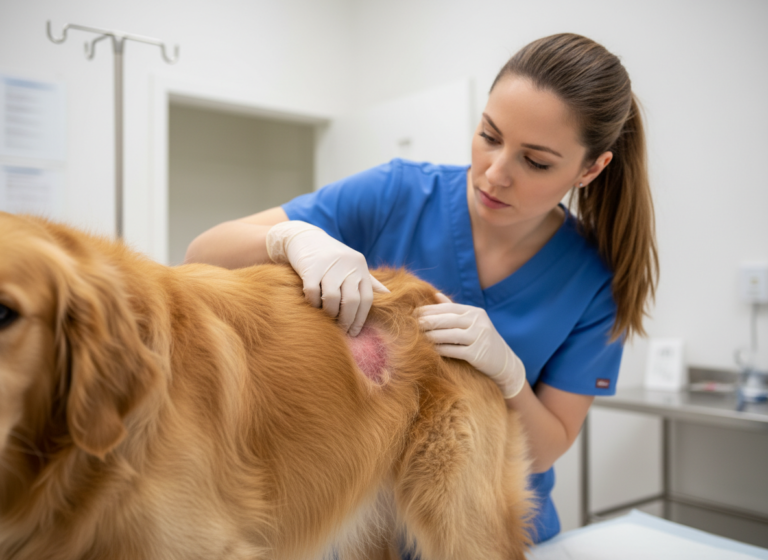
- Physical Examination: The veterinarian will perform a thorough physical exam, including carefully palpating the abdomen to feel for pain, distension, or a palpable foreign object.
- Radiographs (X-rays): This is the primary diagnostic tool. Rocks are radiopaque, meaning they show up clearly on an X-ray, allowing the vet to identify the object’s size, shape, and location within the GI tract.
- Ultrasound: An abdominal ultrasound may be used to get a more detailed look at the intestines, check for fluid buildup, and assess tissue viability (whether the intestinal wall has a healthy blood supply).
- Blood Work: A complete blood count (CBC) and chemistry panel will be run to assess the dog’s overall health, check for signs of infection, and evaluate organ function, which is critical for determining if the patient is stable enough for surgery.
Treatment Options
The course of treatment depends entirely on the location and size of the rock and the clinical condition of the dog.
- Monitoring: If the rock is very small and deemed likely to pass, the veterinarian may recommend hospitalization for observation with supportive care (IV fluids) and serial X-rays to track its progress. This is a rare and risky option.
- Endoscopy: If the rock is in the stomach or upper small intestine, it may be possible to retrieve it using an endoscope—a flexible tube with a camera and grasping tool—which is less invasive than surgery.
- Abdominal Surgery (Exploratory Laparotomy): This is the most common treatment for obstructions. The surgeon makes an incision into the abdomen to locate the foreign body. An incision is then made into the intestine (enterotomy) or stomach (gastrotomy) to remove the rock. If a section of the intestine has been irreversibly damaged, a resection and anastomosis (R&A) must be performed, where the dead section is removed and the healthy ends are sutured back together. This is a much more complex and risky procedure.
Post-operative care is intensive, involving pain management, IV fluids, antibiotics, and a slow reintroduction to food. The prognosis is generally good if the obstruction is treated before perforation occurs, but it becomes much more guarded if peritonitis has developed.
Prevention is Key: Behavioral and Environmental Management
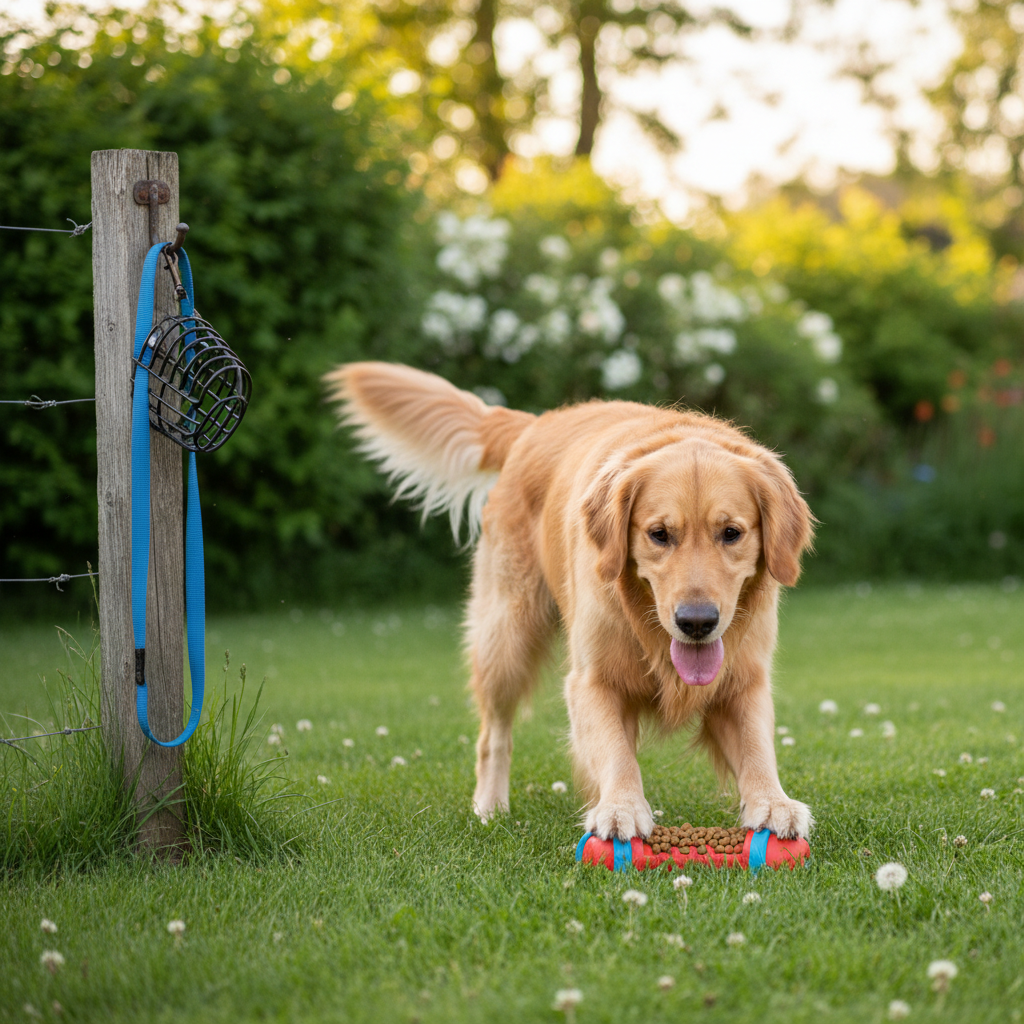
Prevention is Key: Behavioral and Environmental Management
Once your dog has recovered from any medical crisis, or if you are trying to stop the behavior before it leads to one, the focus must shift entirely to prevention. This requires a multi-faceted approach combining environmental management, training, and enrichment.
Environmental Management
The easiest way to stop a dog from eating rocks is to remove the opportunity. This is the foundation of prevention.
- Yard Supervision: Never leave a known rock-eater unattended in the yard. Go out with them on a leash, every time.
- ‘Rock-Proofing’: Meticulously clear your yard of any tempting rocks. This may involve raking or even sifting problem areas. For persistent dogs, consider creating a designated, rock-free potty area using artificial turf or pea gravel that is too small to be ingested.
- Muzzle Training: For walks in areas where rocks are unavoidable, a basket muzzle is an invaluable safety tool. It allows the dog to pant and drink but prevents them from picking up objects. Introduce the muzzle positively with lots of treats to create a good association.
Training and Behavior Modification
Training teaches your dog what you want them to do instead of eating rocks.
- ‘Leave It’: This is the most important cue. Start by teaching your dog to ignore a low-value item (like a piece of kibble in your closed hand) and rewarding them for looking away. Gradually increase the difficulty to dropping items on the floor and eventually to objects encountered on walks.
- ‘Drop It’: This cue is for when they already have something in their mouth. Teach this by offering a high-value trade. When your dog has a toy, offer them a delicious treat. As they open their mouth to take the treat, say ‘Drop it’ and praise them when the toy falls. Never get into a tug-of-war over a forbidden object.
- Recall Training: A strong ‘come’ command allows you to call your dog away from a potentially hazardous situation before they can ingest an object.
Enrichment and Exercise
A tired, mentally satisfied dog is far less likely to engage in destructive or compulsive behaviors.
- Increase Physical Exercise: Ensure your dog is getting enough breed-appropriate exercise. This means more than just a walk around the block. Incorporate activities like running, swimming, or fetch (with a safe toy, not rocks).
- Provide Mental Stimulation: Feed meals using puzzle toys or snuffle mats instead of a bowl. Engage in regular training sessions. Play scent work games. These activities challenge their brain and build confidence.
- Offer Appropriate Chew Toys: Provide a variety of safe, durable chew toys. Rotate them regularly to keep them interesting. Hard rubber toys that can be stuffed with food are an excellent option.
Conclusion
A dog eating rocks is far more than a peculiar habit; it is a serious warning sign that requires your immediate attention. The potential for life-threatening complications like an intestinal obstruction is real and significant. By understanding the potential medical and behavioral causes, you can take a proactive and informed approach. A partnership with your veterinarian is essential to rule out underlying health issues and to act decisively in an emergency.
Ultimately, preventing this behavior through diligent environmental management, consistent training, and robust mental and physical enrichment is the most effective strategy. Your commitment to supervising your dog, ‘rock-proofing’ their environment, and providing healthy outlets for their energy will not only stop this dangerous habit but will also strengthen the bond you share. Protecting your dog’s health is your utmost priority, and addressing pica is a critical component of that responsibility.