
Is Your Dog Dreaming or Seizing? 5 Critical Signs You Must Know
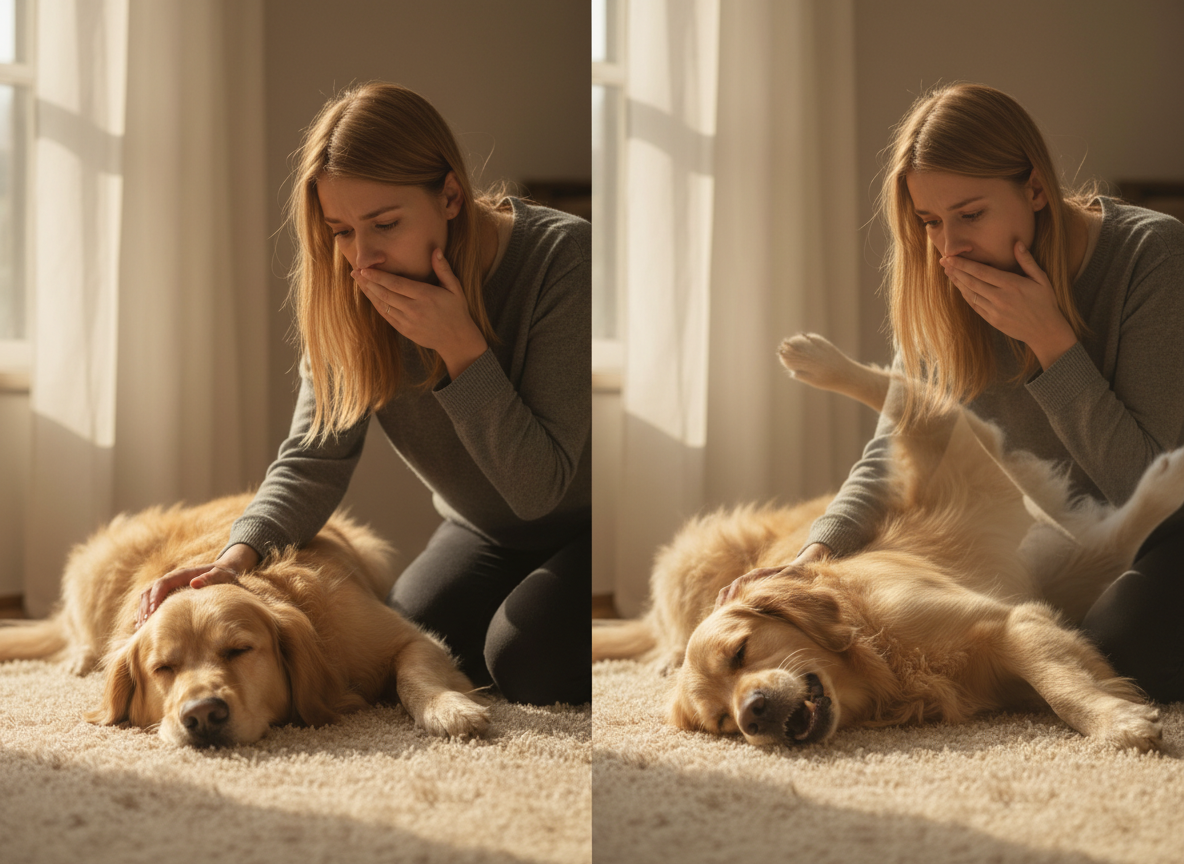
The sight can be jarring for any dog owner: your beloved companion, resting peacefully one moment, begins twitching, paddling their legs, and whimpering in their sleep. A wave of panic might wash over you as a frightening question enters your mind: Are they just chasing rabbits in a dream, or is this something far more serious, like a seizure? This uncertainty is a common source of anxiety for pet parents. Knowing how to differentiate between the benign, normal movements of REM sleep and the critical warning signs of a neurological event is not just reassuring—it is essential for your dog’s health and safety.
This comprehensive guide provides veterinary-backed information to empower you with the knowledge to confidently identify the situation. We will delve into the characteristics of normal canine dreaming, meticulously break down the five critical signs of a seizure, explain the potential causes, and provide a clear, actionable protocol for what to do if you ever face this emergency. By understanding these distinctions, you can ensure your dog receives the appropriate response, whether it’s letting them sleep soundly or providing life-saving first aid and seeking immediate veterinary care.
The Science of Sleep: What Normal Dog Dreaming Looks Like

Just like humans, dogs experience different stages of sleep, including Rapid Eye Movement (REM) sleep, which is when the most vivid dreaming occurs. During this phase, the brain is highly active, often as active as when the dog is awake. This brain activity translates into the physical movements that owners often observe. It’s a completely normal and healthy part of their sleep cycle.
When your dog enters REM sleep, typically about 20 minutes after falling asleep, you might notice a variety of behaviors. These are involuntary reflections of their dream content. Are they reliving a fun trip to the park or chasing a squirrel in their mind? It’s likely. The key takeaway is that these actions are typically gentle, intermittent, and brief. The dog remains fundamentally relaxed and asleep.
Common Signs of a Dreaming Dog:
- Muscle Twitching: You may see light, sporadic twitching of the face, whiskers, ears, legs, or tail.
- Leg Movements: Gentle paddling or running motions with their paws are very common.
- Vocalizations: Soft whimpers, muffled barks, quiet growls, or little yips are frequent sounds from a dreaming dog.
- Breathing Changes: Their breathing might become irregular, with short, rapid breaths or even brief pauses.
- Eye Movements: Beneath their closed eyelids, you might see their eyes darting back and forth—this is the classic sign of REM sleep.
An important distinguishing factor is rousability. While it’s generally best not to wake a sleeping dog, a dreaming dog can typically be awakened by a loud noise or a gentle touch. They may be groggy or startled, but they will wake up and become aware of their surroundings. This is in stark contrast to a dog experiencing a seizure.
Red Flags: 5 Critical Signs Your Dog is Having a Seizure
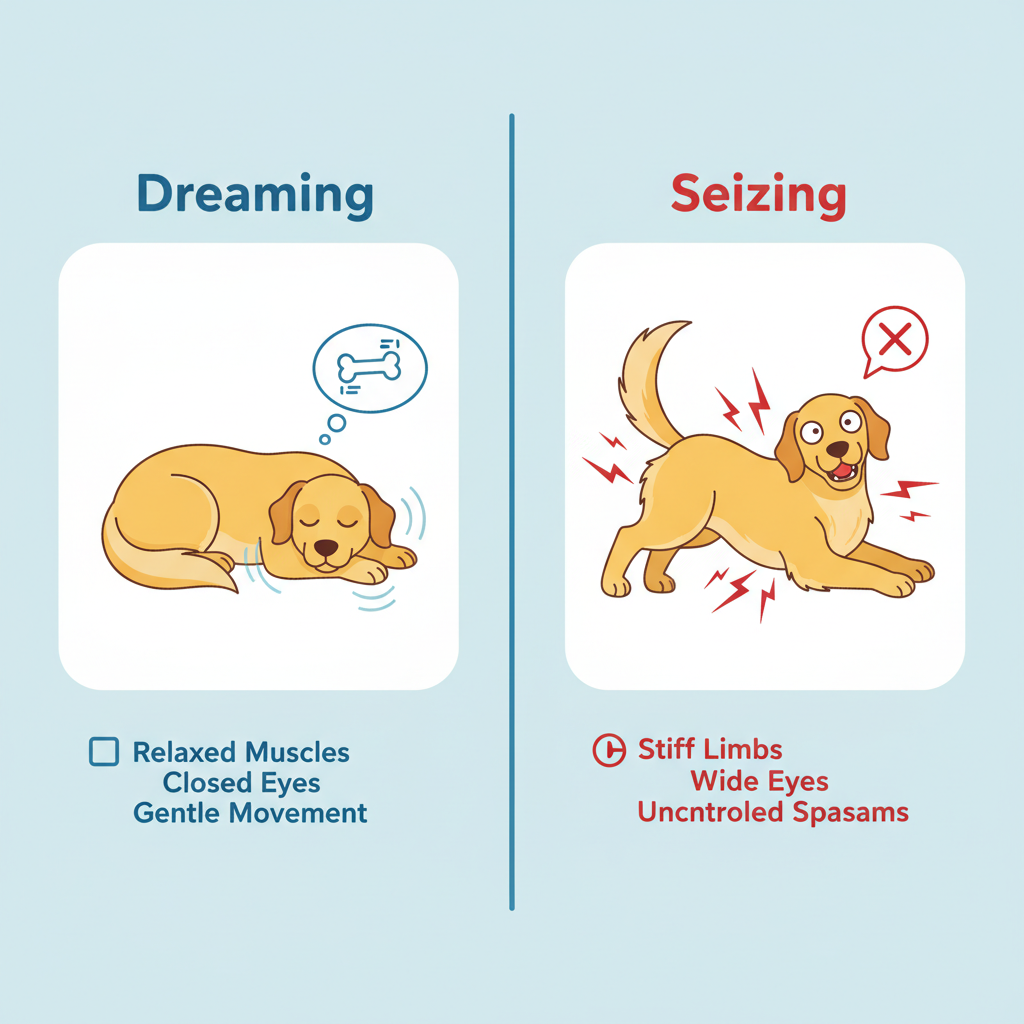
A seizure, or convulsion, is a sudden, uncontrolled electrical disturbance in the brain. It is a neurological event, not a dream. The physical manifestations are typically much more violent, rigid, and alarming than dream movements. Recognizing these signs is the first and most critical step in helping your dog.
Here are the five definitive signs that indicate a seizure, not a dream. Understanding these differences can be life-saving. For a direct comparison, refer to the table below.
- Sudden Stiffness and Rigidity: One of the most prominent signs of a generalized (grand mal) seizure is the stiffening of the entire body. The dog will suddenly become rigid, often falling onto its side with its legs stretched out stiffly. This is the ‘tonic’ phase of the seizure.
- Violent, Uncontrolled Movements: Following the initial stiffness, the ‘clonic’ phase begins. This involves violent, rhythmic, and involuntary movements. This is not the gentle paddling of a dream but rather intense jerking, chomping of the jaw, or frantic, uncontrolled paddling motions.
- Loss of Consciousness and Awareness: During a seizure, a dog is not conscious or aware of its surroundings. Their eyes may be open, but they will appear glassy, dilated, and unfocused. You will not be able to rouse them or get their attention, no matter what you do.
- Loss of Bodily Functions: It is very common for dogs to lose control of their bladder or bowels during a seizure. You may also observe excessive drooling, salivating, or foaming at the mouth. These signs are extremely rare during normal sleep.
- The Post-Ictal Phase: What happens after the event is a crucial clue. Following a seizure, dogs enter a ‘post-ictal’ period characterized by confusion and disorientation. They may stumble, pace aimlessly, seem temporarily blind, or be unresponsive to commands. This recovery phase can last from several minutes to many hours. A dog waking from a dream, by contrast, will quickly return to normal.
| Symptom | Dreaming Dog | Seizing Dog |
|---|---|---|
| Body Movement | Gentle twitching, soft paddling, relaxed muscles. | Sudden, whole-body stiffness followed by violent, rhythmic jerking. |
| Consciousness | Asleep but can be woken up (rouseable). | Unconscious and unresponsive. Cannot be woken up. |
| Eyes | Closed, with some fluttering. | Often open, with a glazed, unfocused, or dilated appearance. |
| Vocalizations | Soft whimpers, muffled barks. | May be silent, or may include loud crying or jaw chomping. |
| Bodily Functions | Full control retained. | Commonly loses control of bladder and/or bowels; excessive drooling. |
| Post-Event State | Wakes up normally, perhaps a bit groggy. | Enters a confused, disoriented state (post-ictal phase) that can last for hours. |
Understanding the ‘Why’: Common Causes of Canine Seizures
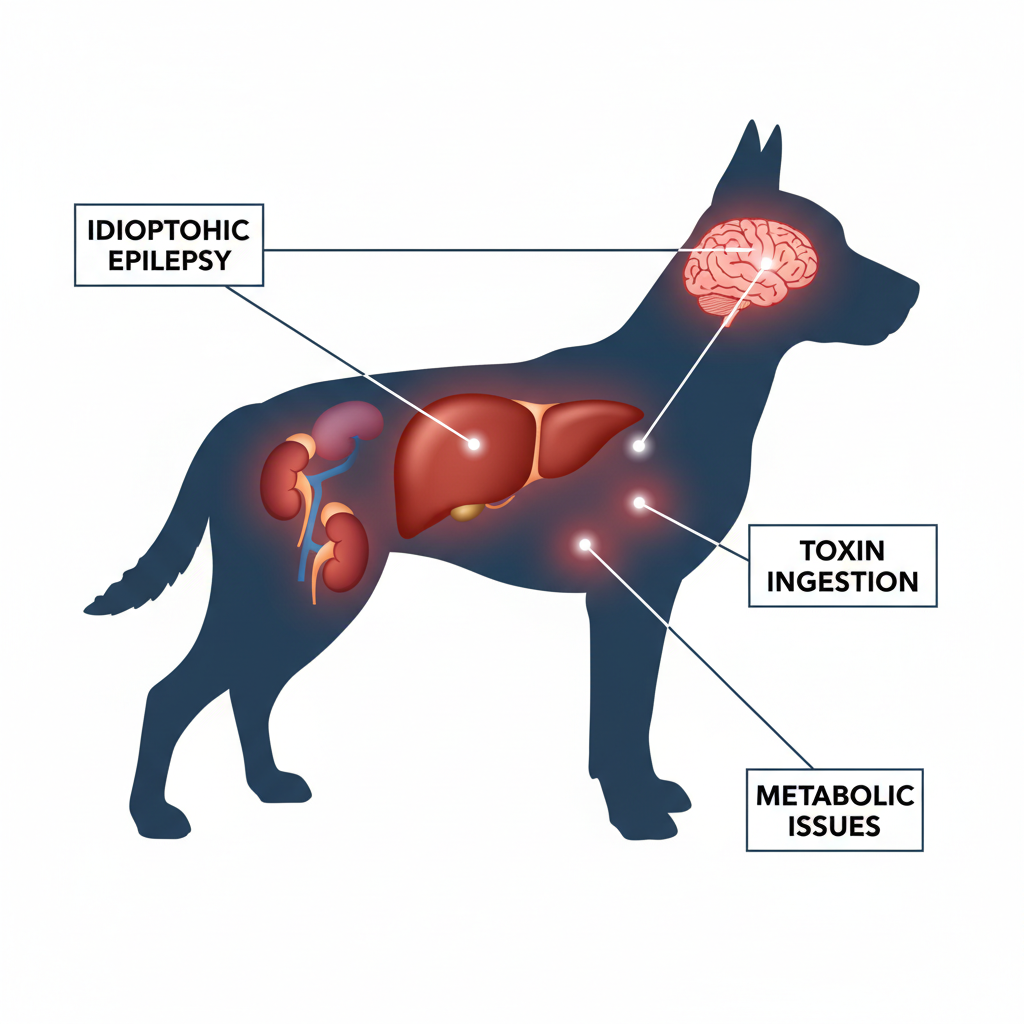
Witnessing a seizure can leave an owner feeling helpless and desperate for answers. It’s important to understand that a seizure is a symptom of an underlying issue, not a disease in itself. The causes can be broadly categorized into those originating inside the brain (intracranial) and those originating outside the brain (extracranial).
Intracranial Causes (Originating in the Brain)
These causes relate to problems directly affecting the brain’s structure or function. The most common of these is idiopathic epilepsy.
- Idiopathic Epilepsy: This is the most common cause of seizures in dogs. ‘Idiopathic’ means the exact cause is unknown, but it is believed to be a genetic, inherited condition. It typically first appears in dogs between 6 months and 6 years of age.
- Brain Tumors: More common in older dogs, tumors can press on brain tissue and trigger seizures.
- Head Trauma: A significant injury to the head can cause swelling or damage that leads to seizure activity.
- Stroke or Encephalitis: A stroke (a disruption of blood flow) or encephalitis (inflammation of the brain) can also be underlying causes.
Extracranial Causes (Originating Outside the Brain)
These causes involve metabolic problems or toxins that affect how the brain functions.
- Toxin Ingestion: Ingesting poisonous substances is a common cause of sudden seizures. This can include certain human foods (like xylitol), pesticides, antifreeze, or toxic plants.
- Liver Disease: A poorly functioning liver cannot remove toxins from the blood, which can lead to a neurological condition called hepatic encephalopathy, with seizures as a symptom.
- Kidney Failure: Similar to liver disease, kidney failure can cause a buildup of toxins that affect the brain.
- Blood Sugar Imbalances: Both very low blood sugar (hypoglycemia) and very high blood sugar (in diabetic dogs) can trigger seizures.
Your veterinarian will perform diagnostic tests, such as bloodwork, urinalysis, and potentially an MRI or CT scan, to determine the underlying cause and formulate the most effective treatment plan.
First Aid Protocol: How to Keep Your Dog Safe During a Seizure

Seeing your dog have a seizure is terrifying, but your calm and measured response can prevent injury and provide vital information to your veterinarian. The primary goal during a seizure is to keep your dog safe from harm. Follow these steps carefully.
- Remain Calm. Your dog is unconscious and unaware of what is happening. Your panic will not help them. Take a deep breath and focus on keeping them safe.
- Clear the Area. Gently slide your dog away from any hard objects like furniture, walls, or stairs. If you cannot move the dog, move the objects away from them. Place pillows or soft blankets around their head to prevent injury from impact with the floor.
- Do Not Restrain Your Dog. Never try to hold your dog down or stop their movements. Doing so can cause serious injury to both you and your dog. Let the seizure run its course.
- Keep Your Hands Away From the Mouth. This is a critical safety rule. A seizing dog may involuntarily and powerfully clamp down its jaw. They cannot swallow their tongue—this is a dangerous myth. Putting your hands or any object in their mouth will likely result in a severe bite injury.
- Time the Seizure. As soon as you realize what is happening, check the clock and time the duration of the active convulsion. This is one of the most important pieces of information you can give your veterinarian. A seizure lasting longer than five minutes is a medical emergency.
- Provide a Safe Recovery Space. Once the convulsions stop, your dog will enter the post-ictal phase. They will be confused and possibly unsteady. Speak to them in a soft, reassuring voice. Keep other pets and children away. Dim the lights and reduce noise to create a calm environment for their recovery. Do not offer food or water until you are certain they are fully conscious and able to swallow properly.
Expert Tip: If possible and safe to do so, take a video of the event on your phone. Showing this to your veterinarian can provide invaluable diagnostic information that is difficult to describe with words alone.
Conclusion
The line between a dog’s dream and a seizure can seem blurry in a moment of panic, but the signs are distinct when you know what to look for. Dreaming is characterized by gentle, intermittent movements in a dog that is otherwise asleep and can be roused. A seizure is a violent, uncontrollable neurological event marked by body stiffness, loss of consciousness, and a subsequent period of deep confusion. Your ability to recognize these differences is your greatest tool in protecting your canine companion.
By memorizing the five critical signs of a seizure and understanding the first aid protocol, you are prepared to act effectively and safely. Remember to time the event, ensure your dog cannot injure itself, and keep your hands clear of its mouth. Every seizure, especially a first-time event, warrants a conversation with your veterinarian. They are your partner in diagnosing the cause and creating a plan to manage your dog’s health for a long, happy life. When in doubt, never hesitate—a prompt call to your vet is always the right decision.