Is Your Dog Choking? The Scary Truth About Reverse Sneezing
The sound is sudden and terrifying. A series of loud, frantic gasps and snorts erupt from your dog, who has frozen in place with their neck extended and chest heaving. Your mind immediately leaps to the worst-case scenario: they’re choking. Panic sets in as you rush to their side. However, in many cases, this alarming event is not a life-threatening emergency but a common and usually benign condition known as paroxysmal respiration, or more simply, a reverse sneeze.
While the sound can be deeply unsettling for any pet owner, understanding the distinction between this harmless spasm and a genuine choking incident is a critical piece of canine health knowledge. Mistaking one for the other can lead to unnecessary panic or, conversely, a delayed response in a true emergency. This comprehensive guide will provide you with the authoritative information needed to decode your dog’s respiratory sounds, identify the triggers for reverse sneezing, and learn precisely when an episode warrants a call to your veterinarian.
What is Reverse Sneezing? Decoding the Sound and Physiology

What is Reverse Sneezing? Decoding the Sound and Physiology
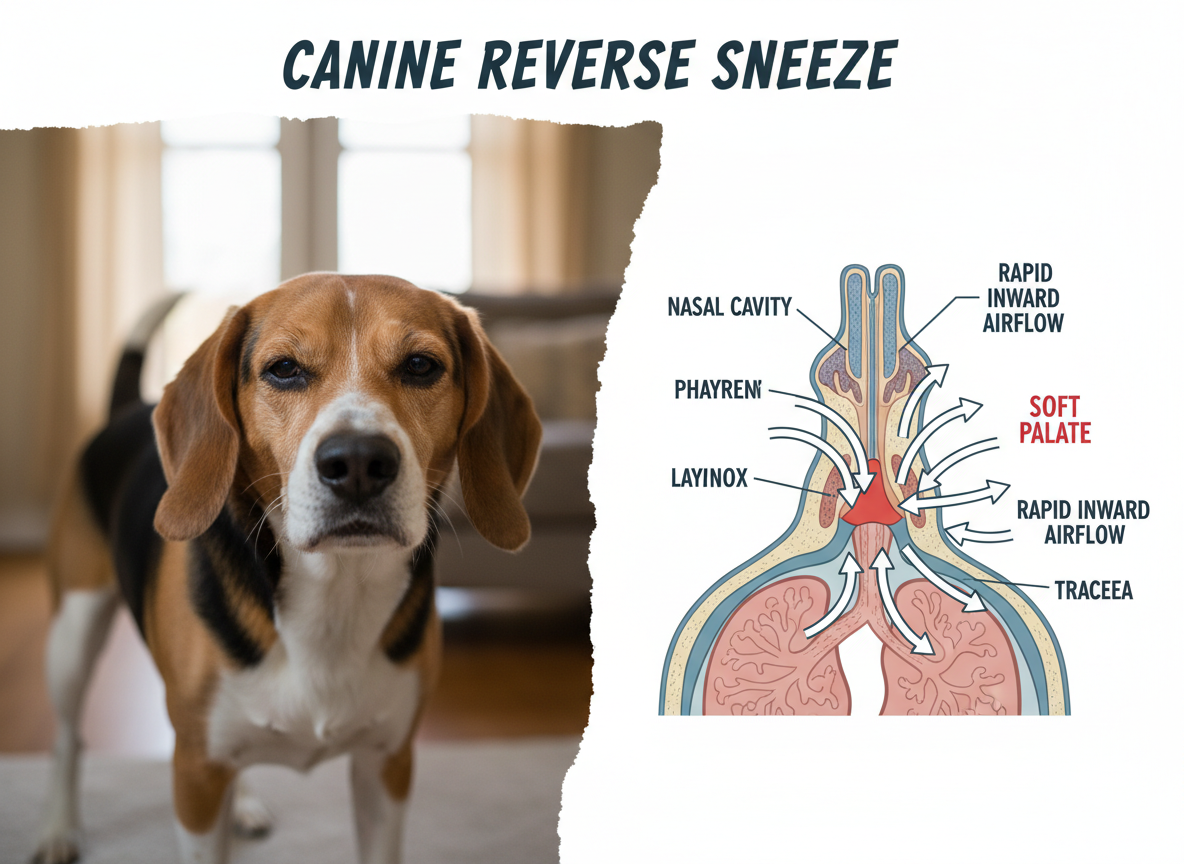
A reverse sneeze, known in veterinary medicine as paroxysmal respiration, is an involuntary reflex that causes a rapid and forceful inhalation of air through the nose. Unlike a regular sneeze, which is a powerful expulsion of air outward to clear the nasal passages, a reverse sneeze pulls air inward in a series of dramatic gasps. The signature sound is often described as a loud snort, honk, or gagging noise, which can last anywhere from a few seconds to a minute or two.
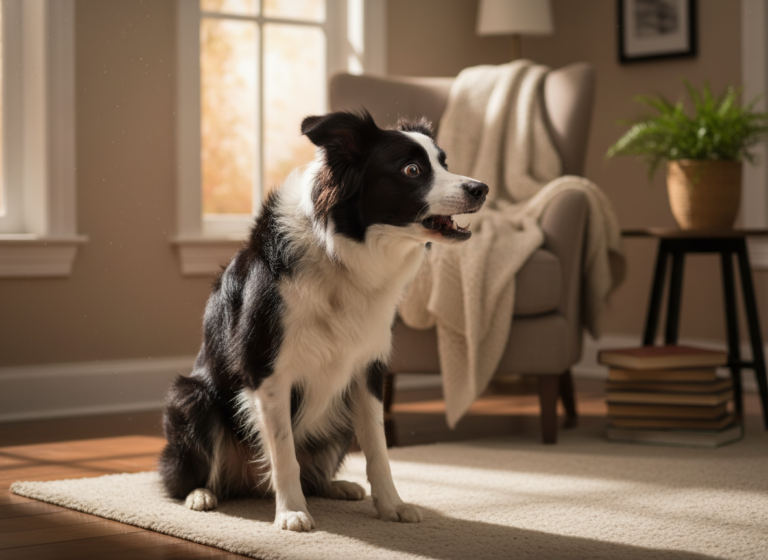
During an episode, a dog will typically exhibit a distinct posture:
- They often stand still, refusing to move.
- Their head and neck are extended straight out.
- Their elbows may be turned outward to allow for greater chest expansion.
- You can visibly see their chest and abdominal muscles contracting with each sharp inhalation.
The mechanism behind this event is a spasm of the muscles in the throat and soft palate—the soft tissue at the back of the roof of the mouth. This spasm temporarily narrows the upper airway, making it difficult for the dog to draw in air smoothly. The resulting turbulence creates the loud, startling sound. The purpose of this reflex is believed to be an attempt to clear irritants from the nasopharynx, the area behind the nasal passages and above the soft palate.
Expert Tip: Think of a reverse sneeze as the inward equivalent of a standard sneeze. Both are reflexes designed to clear irritants from different parts of the respiratory tract. While visually and audibly dramatic, the dog is still moving air and is not in danger of suffocating during a typical episode.
Distinguishing Reverse Sneezing from a True Choking Emergency
Distinguishing Reverse Sneezing from a True Choking Emergency
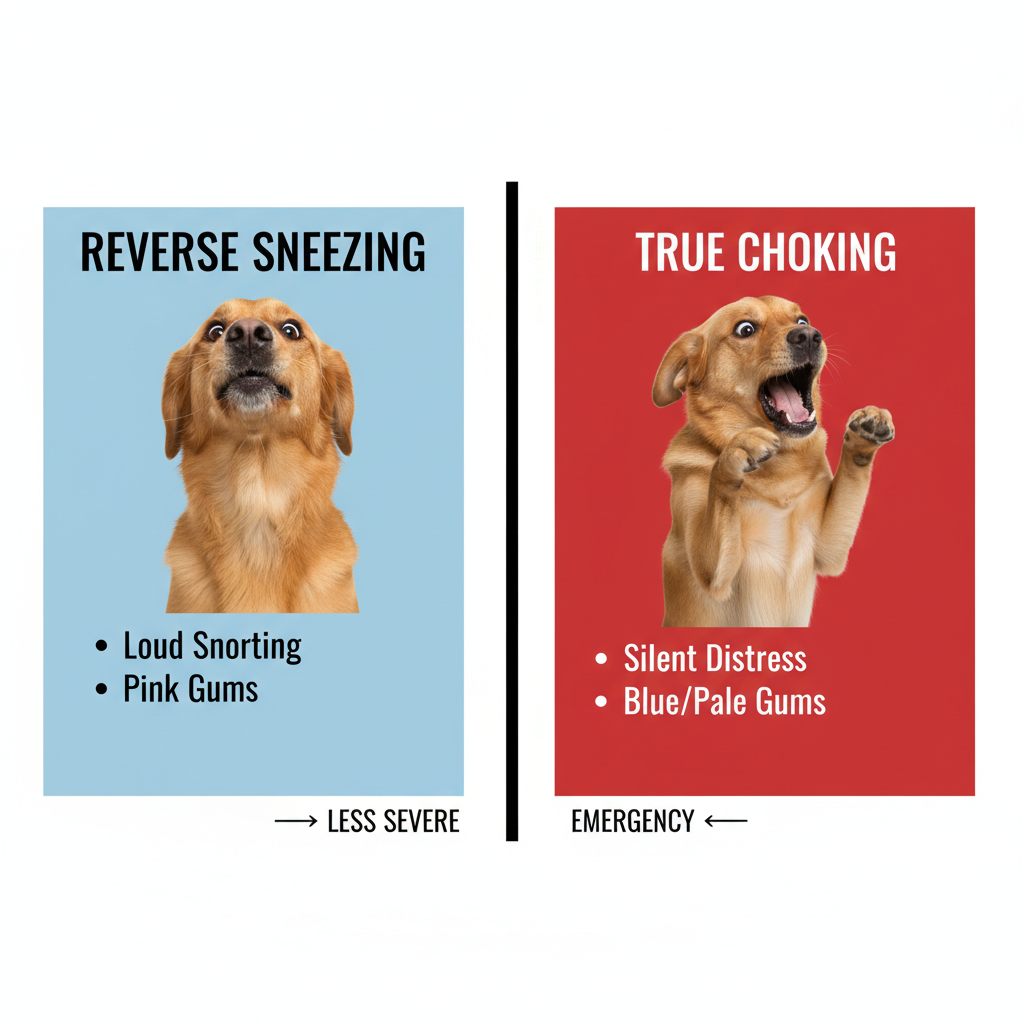
This is the most critical skill a pet owner can learn. While a reverse sneeze is noisy, a choking dog is often eerily silent or can only make quiet, wheezing sounds. A choking dog’s airway is physically blocked, preventing air from reaching the lungs, which is a life-threatening medical emergency. A dog experiencing a reverse sneeze is still moving air, albeit noisily.
Use this table to quickly assess the situation and differentiate between the two conditions:
| Symptom / Sign | Reverse Sneezing | True Choking Emergency |
|---|---|---|
| Sound | Loud, honking, snorting, or gasping inhalations. The dog is noisy. | Silent or quiet wheezing/whistling. The dog is unable to make loud noises or bark. |
| Air Movement | Air is being actively and forcefully pulled into the body. | Little to no air movement. The chest may move, but no air is getting in or out. |
| Behavior | Stands still with neck extended. May look worried but is conscious and aware. | Extreme panic and distress. Pawing frantically at the mouth, drooling excessively. |
| Gum & Tongue Color | Remains a healthy pink color. | Quickly turns pale, blue, or grayish (cyanosis) due to lack of oxygen. |
| Breathing Between Episodes | Breathes normally once the episode passes. | There are no breaks. The distress is constant and escalating. |
| Resolution | The episode typically resolves on its own within 60-90 seconds. | Will not resolve without intervention (e.g., Heimlich maneuver, veterinary assistance) and will lead to collapse. |
If you observe any signs from the ‘True Choking Emergency’ column, particularly blue gums or frantic pawing at the mouth, seek immediate veterinary attention. This is not a situation to ‘wait and see’.
Common Causes and Triggers of Reverse Sneezing
Common Causes and Triggers of Reverse Sneezing
Reverse sneezing is caused by an irritation to the nasopharynx. Identifying and minimizing exposure to these triggers can help reduce the frequency of episodes. While any dog can experience a reverse sneeze, some are more predisposed than others.
Environmental Irritants
The most common cause is something in the environment that tickles or inflames the dog’s throat and soft palate. This includes:
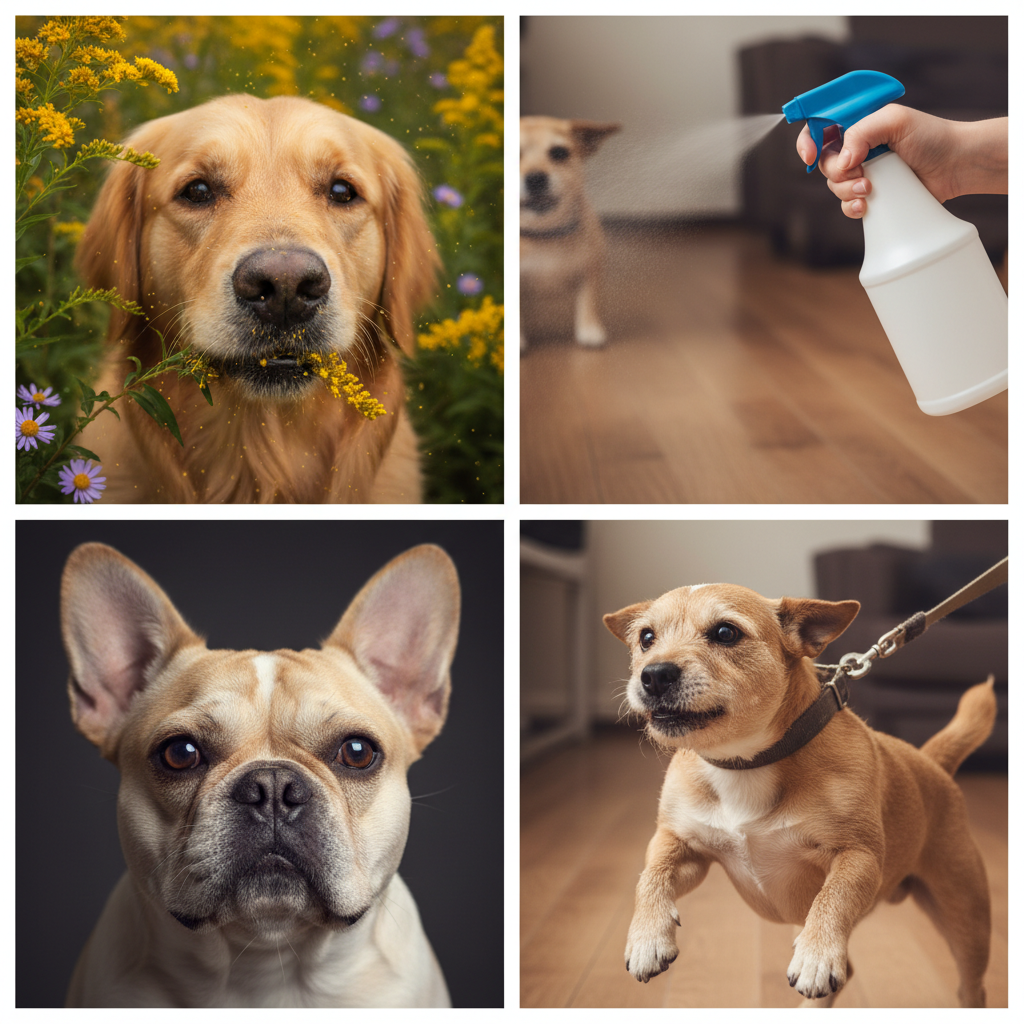
- Airborne Allergens: Pollen, dust mites, mold spores, and grasses.
- Strong Scents: Perfumes, air fresheners, scented candles, and smoke.
- Household Chemicals: Cleaning sprays, carpet powders, and aerosols.
- Foreign Material: Inhaling a small piece of grass or dust.
Excitement and Physical Factors
Sometimes, the trigger is not an external substance but a physiological state or action:
- Over-excitement: Rapid breathing during play or when greeting someone can trigger a spasm.
- Eating or Drinking Too Quickly: This can lead to small amounts of food or water irritating the nasopharynx.
- Pressure on the Throat: Pulling hard on a leash attached to a collar can put direct pressure on the trachea and throat, leading to irritation. Using a harness can be beneficial for dogs prone to this.
Anatomical Predisposition
Certain breeds are more susceptible due to their anatomy. Brachycephalic (short-nosed) breeds, such as Pugs, French Bulldogs, Boxers, and Shih Tzus, naturally have an elongated soft palate. This excess tissue is more likely to be sucked into the airway during inhalation, triggering the reverse sneeze reflex. Smaller breeds, like Chihuahuas and Beagles, are also commonly affected.
How to Help Your Dog During an Episode
How to Help Your Dog During an Episode
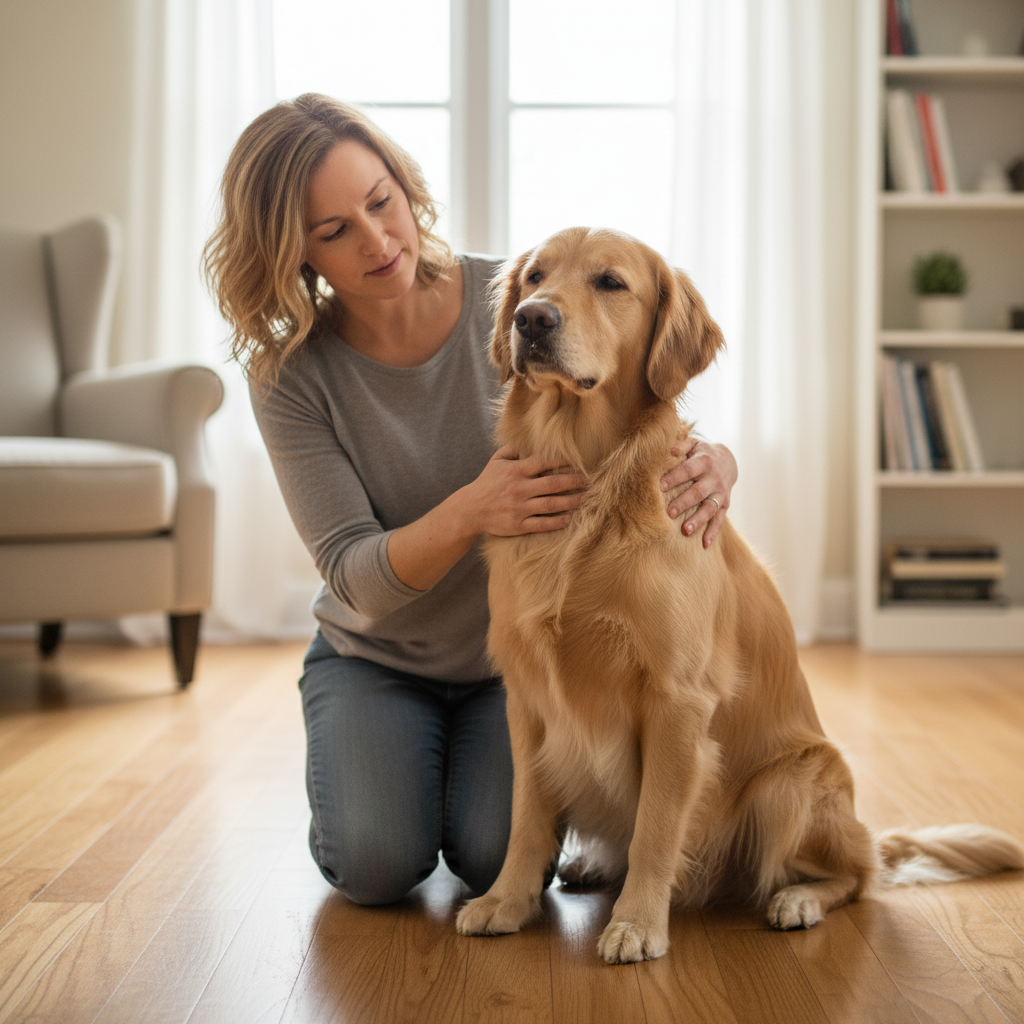
The most important thing you can do during a reverse sneezing episode is to remain calm. Your dog will sense your panic, which can increase their own anxiety and potentially prolong the spasm. The episode is not painful and will almost always resolve on its own. However, if you wish to help shorten the duration, you can try these safe and simple techniques:
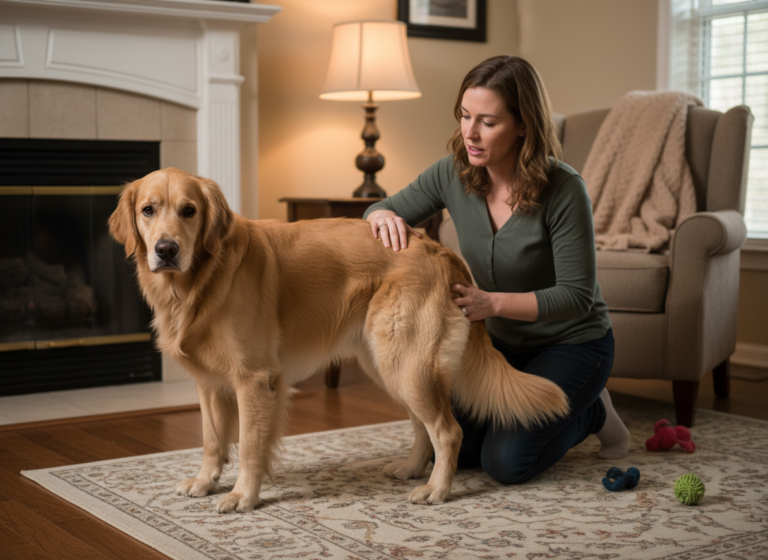
- Gently Stroke the Throat: Use long, gentle, downward strokes on your dog’s neck, from the jaw towards the chest. This can help relax the throat muscles and encourage them to swallow.
- Encourage Swallowing: Swallowing is the most effective way to stop the spasm. You can try to trigger this reflex by briefly and gently covering your dog’s nostrils with your fingers for a moment. This forces them to swallow to clear their throat. You can also try offering a small drink of water or a tasty treat once the most intense part of the episode has passed.
- Blow Softly on the Nose: A light puff of air directed at your dog’s nose can sometimes be surprising enough to make them swallow, which resets the soft palate.
- Change the Environment: If you suspect an environmental trigger, calmly lead your dog into another room or outside into fresh air.
Important Note: Never put your fingers inside your dog’s mouth during an episode. You will not be able to stop it this way, and you risk being accidentally bitten. The issue is in the nasopharynx, not the mouth or deep throat.
In most instances, the best course of action is simply to speak to your dog in a calm, reassuring voice and wait for the episode to pass naturally. Comforting them is often more helpful than any physical intervention.
When to Consult Your Veterinarian: Red Flags to Watch For
When to Consult Your Veterinarian: Red Flags to Watch For
While a typical reverse sneeze is not a cause for alarm, certain signs indicate that a veterinary consultation is necessary to rule out more serious underlying conditions. A chronic or changing pattern of reverse sneezing can sometimes be a symptom of a larger health issue.
You should schedule an appointment with your veterinarian if you notice any of the following red flags:
- Increased Frequency or Severity: The episodes are happening more often, lasting longer, or seem more violent than usual.
- Presence of Other Symptoms: The reverse sneezing is accompanied by other signs of illness, such as a persistent cough, nasal discharge (especially if it is yellow, green, or bloody), sneezing, lethargy, decreased appetite, or nosebleeds.
- Breathing Difficulty Between Episodes: Your dog seems to have trouble breathing, is wheezing, or is making noise even when not having an episode.
- Gagging or Vomiting: The episodes are now associated with gagging up foam or attempting to vomit.
- General Distress: Your dog seems to be in genuine pain or distress during the episodes, rather than just being startled.
- Suspicion of a Foreign Body: If you believe your dog may have inhaled something like a grass seed or foxtail, immediate veterinary care is crucial.
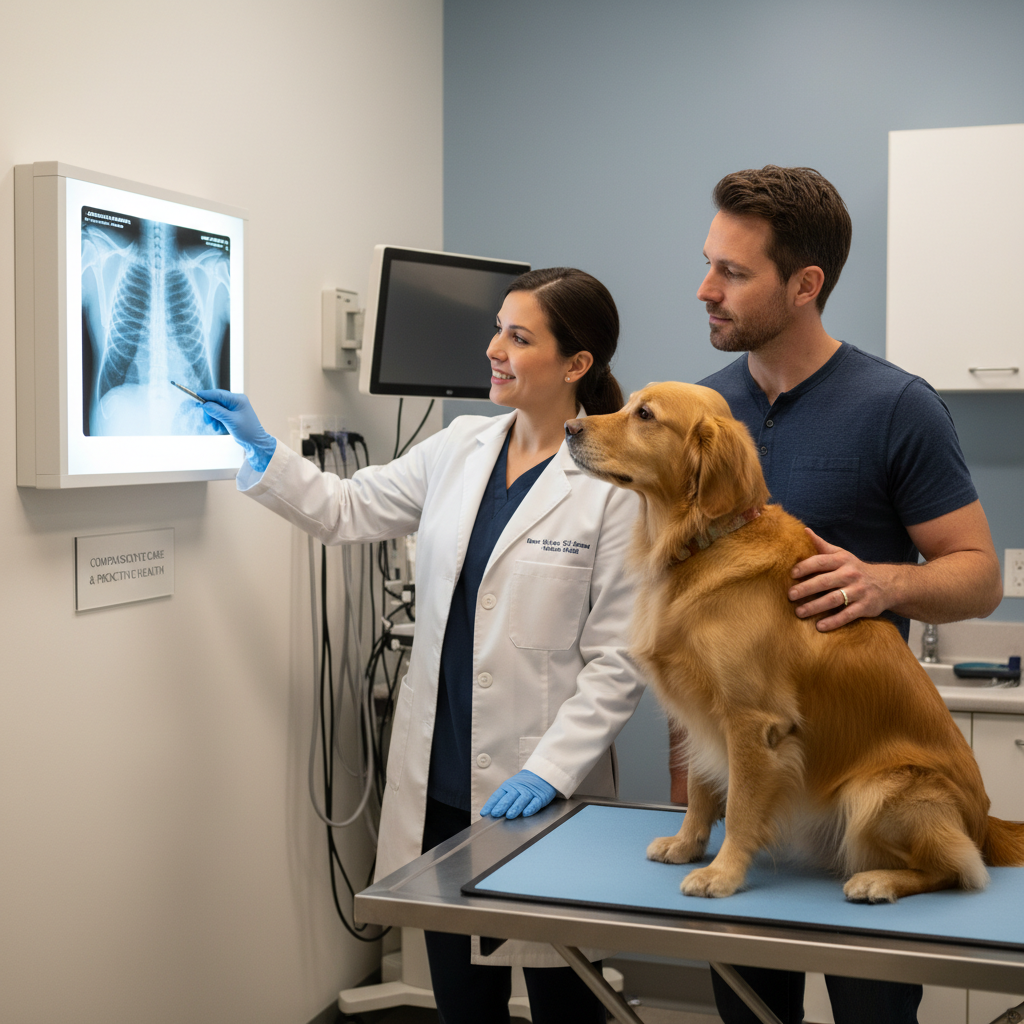
Your veterinarian will perform a thorough physical examination and may recommend further diagnostics to investigate the cause. These can include a nasal swab, skull X-rays, or a rhinoscopy, where a small camera is used to look inside the nasal passages and nasopharynx. Conditions that can mimic or cause chronic reverse sneezing include nasal mites, fungal infections, nasal polyps or tumors, or severe dental disease. Early diagnosis and treatment are key to managing these more serious issues.
Conclusion
The jarring sound of a reverse sneeze can send even the most seasoned pet owner into a state of alarm. Yet, armed with knowledge, you can transform that moment of panic into one of calm reassurance. Understanding that this noisy event is most often a harmless reflex is the first step. The second, and most vital, is mastering the ability to confidently distinguish its signs from those of a true choking emergency—a skill that could one day save your dog’s life.
By recognizing the triggers, learning how to offer gentle support during an episode, and knowing the red flags that warrant professional medical attention, you are well-equipped to handle this peculiar canine behavior. Always remember, your intuition as a pet owner is valuable. If you are ever in doubt about your dog’s breathing or overall well-being, a consultation with your veterinarian is always the safest and most responsible course of action.