Is Your Dog Burping Too Much? 6 Causes You Shouldn’t Ignore

As a pet owner, you become intimately familiar with the various sounds your dog makes, from the happy yip of excitement to the contented sigh of a deep sleep. Among these sounds is the occasional, and often amusing, burp. In most cases, a burp is simply a natural physiological process—the release of trapped air from the stomach, known as eructation. It’s common after a meal or a long drink of water. However, when this occasional noise becomes a frequent occurrence, it’s wise to pay closer attention. Excessive burping can be more than just a quirky habit; it can be your dog’s way of signaling that something is amiss within their digestive system. Understanding the potential causes is the first step in ensuring your dog’s comfort and long-term health. This article will delve into the six primary reasons your dog might be burping too much, providing the authoritative guidance you need to distinguish between a harmless bodily function and a symptom that requires veterinary attention.
Understanding Canine Burping: What’s Normal vs. Excessive?
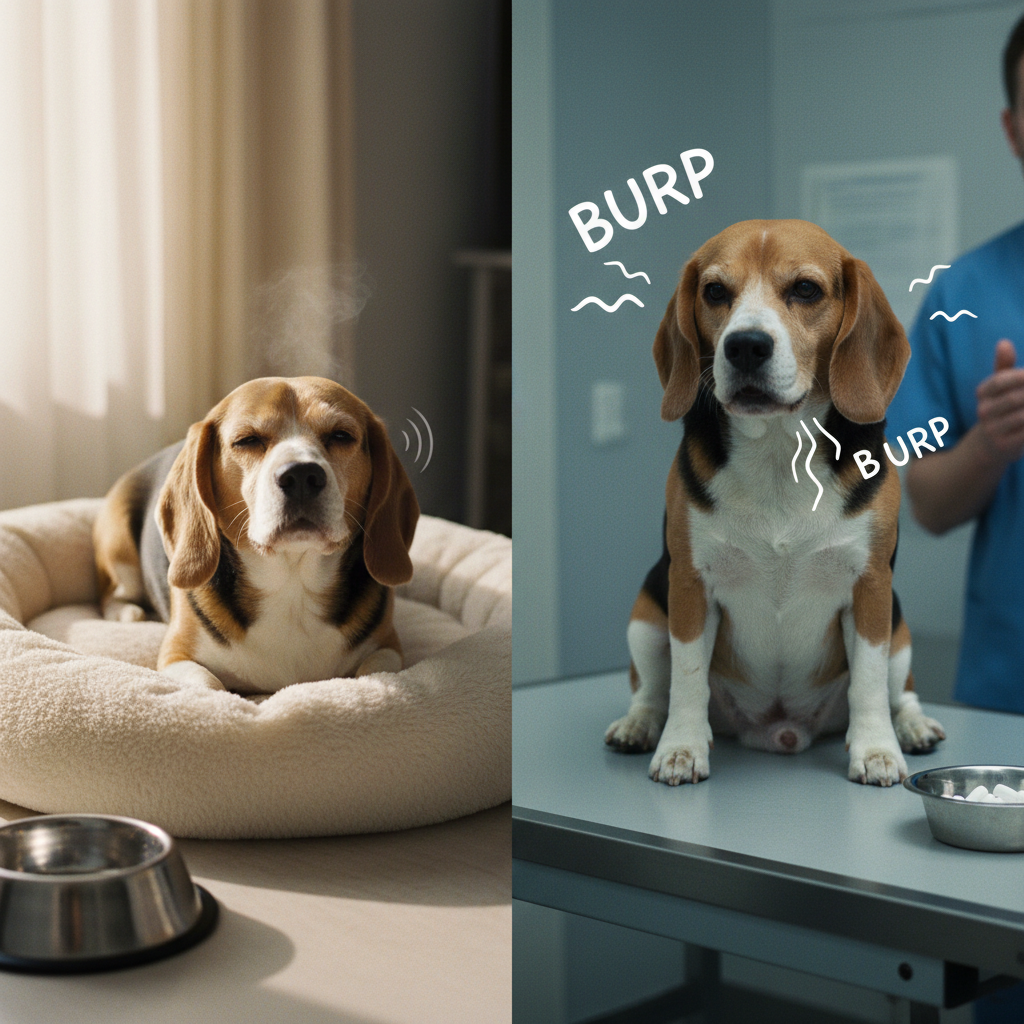
Before delving into potential problems, it’s crucial to establish a baseline for what constitutes normal canine burping. Eructation is the body’s efficient method for expelling air that has been swallowed. This is especially common in dogs due to their eating and drinking habits. A single burp after your dog quickly laps up their water bowl or finishes their dinner is generally not a cause for concern. It’s a sign their digestive system is working as intended to relieve minor pressure.
Defining ‘Excessive’ Burping
The transition from normal to excessive is defined by frequency, intensity, and the presence of other symptoms. You should consider your dog’s burping to be excessive if you notice:
- Increased Frequency: The dog is burping multiple times a day, unrelated to meal times.
- Clustering: Several burps occur in a short period.
- Changes in Sound: The burps are unusually loud, wet-sounding, or seem forceful.
- Associated Discomfort: The burping is accompanied by other signs of distress, such as restlessness, pacing, drooling, lip licking, or whining.
Observing these changes is key. A dog that has always been a quiet eater and suddenly starts burping frequently is sending a different signal than a dog that has always let out a small burp post-meal. Keeping a mental note or a written log of when the burping occurs and what other behaviors are present can be invaluable information for your veterinarian.
Cause 1: Aerophagia (Swallowing Air)
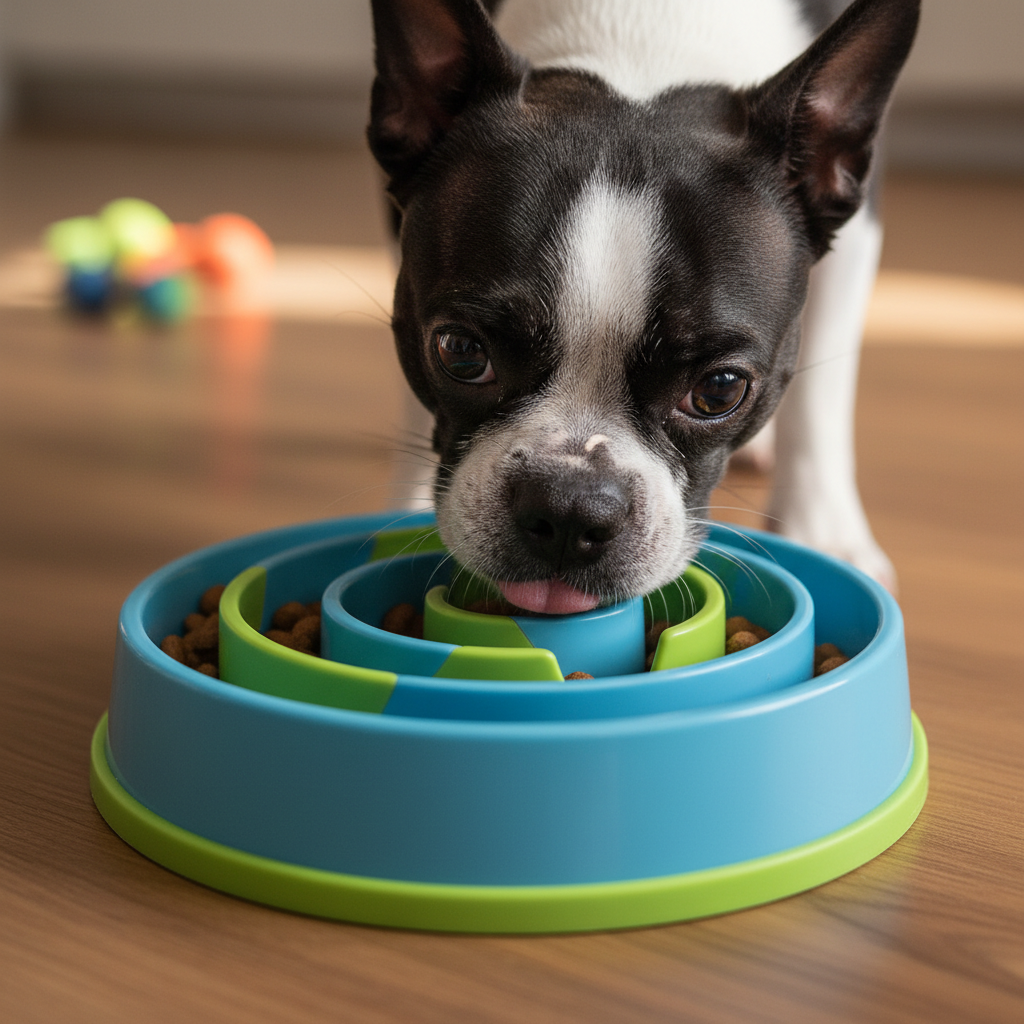
One of the most common causes of excessive burping is a condition called aerophagia, which literally means ‘swallowing air.’ It’s not a disease but a behavior that leads to an accumulation of gas in the stomach, which is then expelled as a burp. Dogs that eat or drink too quickly are prime candidates for aerophagia. In their haste, they gulp down large amounts of air along with their food and water.
Who is at Risk?
While any dog can be a rapid eater, some are more predisposed:
- Competitive Eaters: Dogs in multi-pet households may eat quickly to prevent others from stealing their food.
- Anxious Dogs: Stress and anxiety can lead to rapid, frantic eating behaviors.
- Brachycephalic Breeds: Flat-faced breeds like Pugs, Bulldogs, and Boxers often swallow more air due to their facial structure and the way they have to breathe while eating.
Management Strategies for Aerophagia
Fortunately, aerophagia is often manageable with simple environmental changes:
| Strategy | Description | Best For |
|---|---|---|
| Slow-Feeder Bowls | These bowls have built-in obstacles and mazes that force a dog to eat more slowly, reducing air intake. | All rapid eaters, especially food-motivated dogs. |
| Puzzle Toys | Using a food-dispensing toy requires the dog to work for their food, turning mealtime into a longer, more engaging activity. | High-energy or intelligent breeds that benefit from mental stimulation. |
| Separate Feeding Areas | If competition is the issue, feeding dogs in separate rooms or crates can reduce the perceived need to eat quickly. | Multi-dog households. |
| Elevated Bowls | For some dogs, particularly large breeds, an elevated bowl can improve posture and reduce air gulping. However, consult your vet, as its benefit can vary by breed and individual health. | Large and giant breeds, but requires veterinary consultation. |
Cause 2: Dietary Factors and Food Sensitivities

What goes into your dog’s bowl has a direct impact on their digestive health and gas production. An inappropriate diet is a frequent culprit behind excessive burping and other gastrointestinal signs. This can stem from specific ingredients, the overall quality of the food, or a sudden change in their diet.
Common Dietary Triggers
- Low-Quality Ingredients: Dog foods that rely heavily on fillers like corn, wheat, and soy can be difficult for some dogs to digest, leading to fermentation and gas in the gut.
- High-Fat Diets: Foods rich in fat can slow down stomach emptying, giving more time for gas to build up.
- Fermentable Carbohydrates: Ingredients like beans, peas, and lentils, while often used in grain-free diets, can produce significant gas during digestion.
- Sudden Diet Changes: A dog’s digestive system adapts to a specific diet. Switching foods abruptly without a gradual transition period (typically over 7-10 days) can shock the system and cause gas, burping, and diarrhea.
Food Intolerance vs. Allergy
It’s important to distinguish between a food intolerance and a true food allergy. A food allergy involves the immune system and typically causes skin issues (itching, hives) or, in severe cases, anaphylaxis. A food intolerance is a digestive issue where the body struggles to process a certain ingredient, leading to symptoms like gas, burping, vomiting, or diarrhea. Common intolerances in dogs include lactose (from dairy), gluten, or specific proteins. If you suspect a food sensitivity, your veterinarian is your best resource. They may recommend a food elimination trial with a prescription hydrolyzed or novel protein diet to pinpoint the problematic ingredient.
Causes 3 & 4: Underlying Gastrointestinal Disorders

When burping is chronic and accompanied by other symptoms, it may indicate a more complex underlying medical condition affecting the gastrointestinal (GI) tract. Two such conditions are GERD and IBD, both of which require a veterinarian’s expertise to diagnose and manage.
Gastroesophageal Reflux Disease (GERD)
Just like in humans, dogs can suffer from acid reflux, or GERD. This occurs when the sphincter between the esophagus and the stomach weakens or relaxes inappropriately, allowing stomach acid and digestive enzymes to flow backward into the esophagus. This acid can cause irritation and inflammation, leading to discomfort. Burping is a common sign, as gas from the stomach escapes upwards. Other symptoms of GERD include:
- Regurgitation (spitting up undigested food, often without the abdominal effort of vomiting)
- Excessive lip licking or swallowing
- Signs of pain during or after eating
- Loss of appetite or weight loss
Diagnosis often involves a combination of clinical signs, response to treatment, and sometimes endoscopy. Management typically includes smaller, more frequent meals of a low-fat, low-protein diet and medications to reduce stomach acid.
Inflammatory Bowel Disease (IBD)
IBD is a condition characterized by chronic inflammation of the lining of the GI tract. It’s not a single disease but rather a collection of disorders. The inflammation disrupts the normal process of digestion and absorption of nutrients. While chronic diarrhea and vomiting are hallmark signs of IBD, excessive gas and burping can also be prominent symptoms as the gut environment is disrupted. The cause of IBD is complex and thought to involve an abnormal interaction between the immune system, diet, and the gut microbiome. A definitive diagnosis requires biopsies of the intestinal lining, usually obtained via endoscopy. Treatment is multifaceted and focuses on dietary management, anti-inflammatory medications, and therapies to support gut health.
Causes 5 & 6: Urgent Conditions Requiring Immediate Attention

In some rare but critical cases, excessive burping can be an early warning sign of a life-threatening emergency. Recognizing the symptoms of these conditions is vital for any dog owner, as immediate action can be the difference between life and death.
Gastric Dilatation-Volvulus (GDV or ‘Bloat’)
GDV, commonly known as bloat, is one of the most urgent medical emergencies a dog can face. It occurs when the stomach fills with gas and fluid (dilatation) and then twists on itself (volvulus), cutting off blood supply to the stomach and spleen. Burping or attempts to burp and vomit (non-productive retching) are classic early signs, as the twisted stomach prevents anything from escaping. The condition progresses rapidly. If you observe the following signs, go to an emergency veterinary hospital immediately:
- Repeated, unsuccessful attempts to vomit or burp
- A distended, hard, or tight abdomen
- Excessive drooling
- Pacing, restlessness, and inability to get comfortable
- Pale gums and rapid breathing
- Collapse
Large, deep-chested breeds like Great Danes, Weimaraners, and German Shepherds are at higher risk, but it can happen to any dog.
Foreign Body Obstruction
If a dog swallows a non-food item—like a piece of a toy, a sock, or a rock—it can become lodged in the esophagus or stomach, creating a blockage. The body will try to expel the object and the accumulating gas, which can manifest as repeated burping, regurgitation, or vomiting. The dog may also show signs of pain, refuse to eat, or become lethargic. An obstruction is a serious medical issue that can lead to tissue damage or perforation of the GI tract. It requires veterinary diagnosis, often with X-rays or ultrasound, and the object may need to be removed endoscopically or surgically.
Conclusion
A simple burp is rarely a cause for alarm. However, as a diligent pet owner, your greatest tool is observation. By understanding the difference between a normal bodily function and a potential symptom, you are better equipped to safeguard your dog’s health. The six causes outlined here range from simple behavioral fixes, like a slow-feeder bowl for a case of aerophagia, to life-threatening emergencies like GDV that demand immediate action. Never hesitate to trust your instincts. If your dog’s burping has changed in frequency or is accompanied by any other signs of discomfort or illness, a consultation with your veterinarian is always the most responsible course of action. Being proactive and informed is the cornerstone of providing the excellent care your loyal companion deserves.