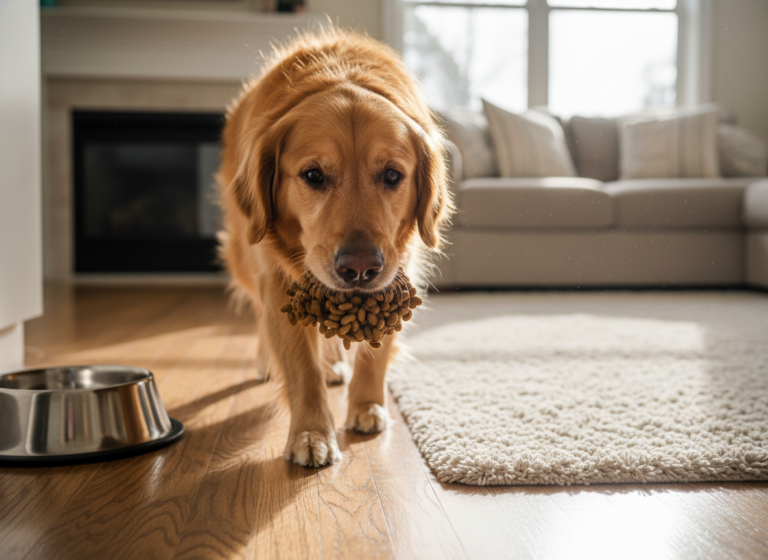
Is Your Dog A Social Eater? Why They Won’t Eat Unless You Watch
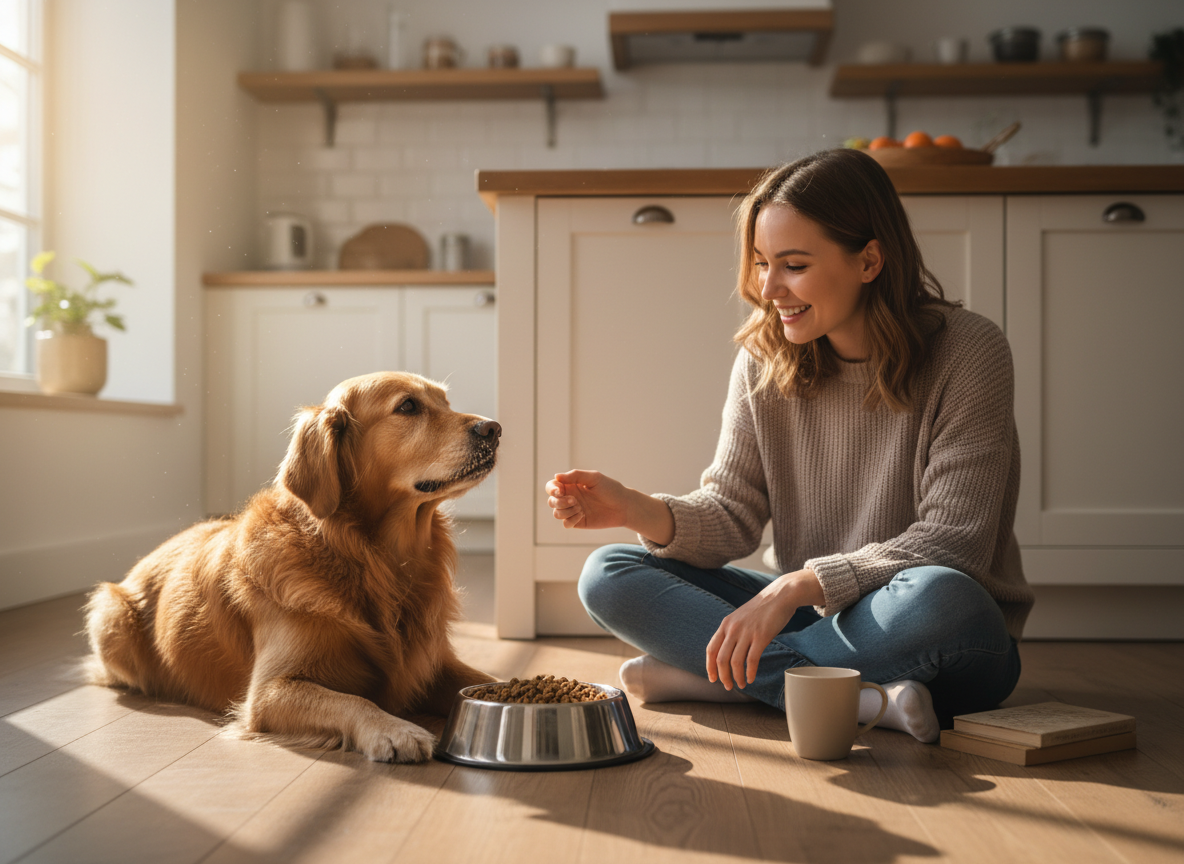
As a devoted pet owner, you pay close attention to your dog’s habits, especially concerning their health and nutrition. One behavior that can be both endearing and perplexing is when a dog refuses to eat unless their owner is present, often watching over them. This phenomenon, often termed ‘social eating,’ is more common than many realize. While it can be a sign of the deep bond you share, it can also be inconvenient and may hint at underlying anxieties.
Understanding this behavior is the first step toward addressing it. It’s rarely a simple case of being a ‘picky eater.’ Instead, social eating is often rooted in a complex interplay of instinct, psychology, and learned behaviors. Your dog isn’t trying to be difficult; they are communicating a need for security, comfort, or routine that has become associated with your presence. In this definitive guide, we will explore the evolutionary and psychological drivers behind social eating, help you differentiate between a behavioral quirk and a potential medical issue, and provide a structured, compassionate approach to help your canine companion develop the confidence to eat independently.
The Psychology Behind Social Eating: Pack Instincts and Modern Pets
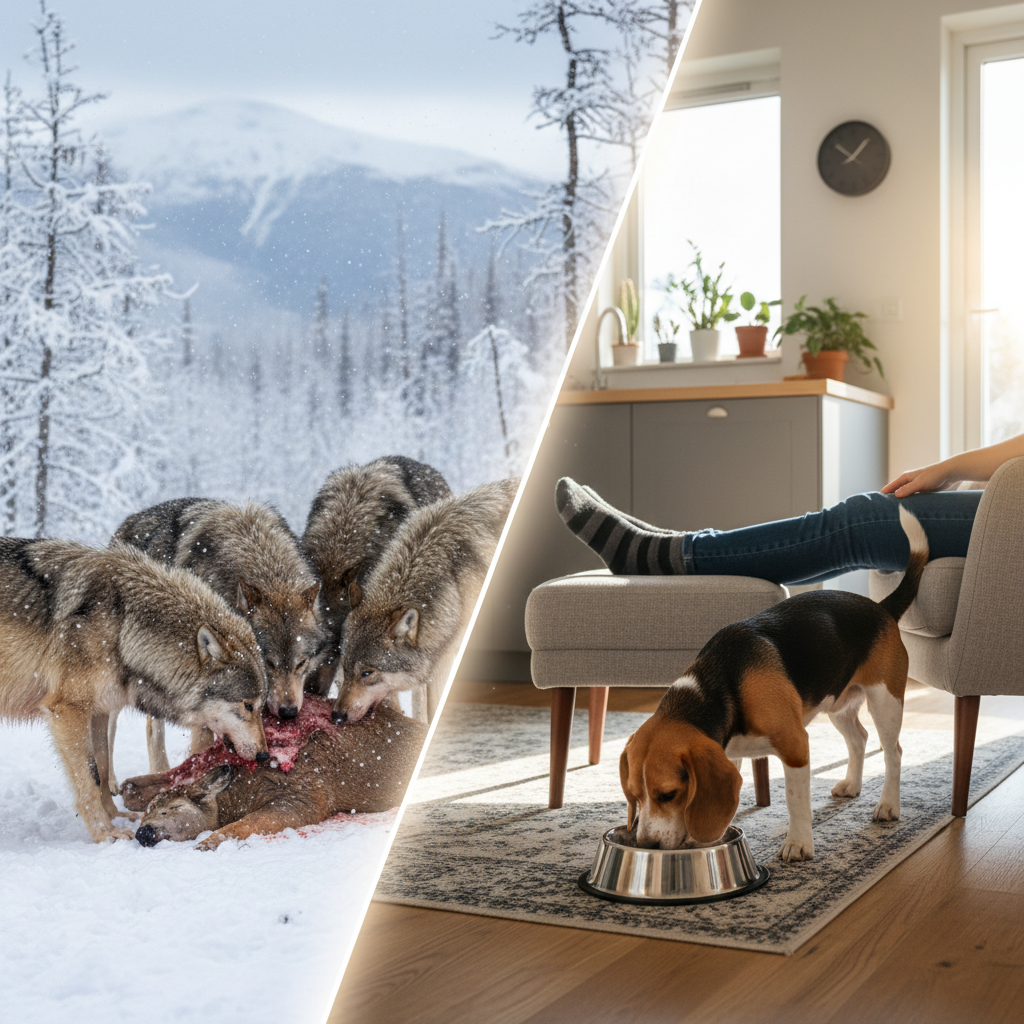
To understand why your dog waits for you to watch them eat, we must look back at their ancestry. Domestic dogs, Canis lupus familiaris, are descendants of wolves, and they retain many of the core instincts that allowed their ancestors to thrive in a pack. In the wild, mealtime is a period of significant vulnerability. An animal with its head down, focused on a kill, is less aware of its surroundings and more susceptible to attack from predators or challenges from rivals.
Within a wolf pack, the presence of other pack members, particularly the alpha leaders, provides a circle of security. Eating together is a communal activity that reinforces social bonds and ensures collective safety. Your dog sees you as their pack leader. Your presence during their mealtime is the ultimate signal that the environment is safe and secure. You are their sentinel, the lookout who ensures they can consume their resources without fear. This instinct can be so deeply ingrained that the absence of the leader (you) triggers a feeling of unease, causing them to delay eating until their trusted protector is on duty.
From Pack to Sofa: How Domestication Shapes Instinct
Domestication has changed many things, but it hasn’t erased these fundamental instincts. In a modern household, your dog’s world revolves around you. You are the provider of food, comfort, and security. This dependency can amplify the need for your presence during vulnerable moments. For some dogs, especially those from single-pet households, this instinct is hyper-focused on their human companions. The behavior is not a conscious manipulation but a subconscious drive for safety and reassurance in a world their instincts tell them is full of potential threats.
Ruling Out Medical Concerns: When to Consult a Veterinarian

Before dedicating time and energy to behavioral modification, it is imperative to rule out any underlying medical issues. A sudden change in eating habits is often one of the first signs of illness in dogs. What may appear as a behavioral quirk could be a symptom of discomfort or pain.
A dog experiencing physical distress may feel too unwell to eat, but the comforting presence of their owner might give them just enough security to try. This can easily be misinterpreted as purely social eating when it is, in fact, a health-related issue. Pay close attention to any accompanying symptoms. A comprehensive veterinary check-up can provide peace of mind and ensure you are addressing the correct problem.
Symptoms That Warrant a Veterinary Visit
If your dog’s reluctance to eat is accompanied by any of the following signs, schedule an appointment with your veterinarian immediately:
- Lethargy or Weakness: A noticeable decrease in energy levels or enthusiasm for usual activities.
- Vomiting or Diarrhea: Gastrointestinal upset is a common cause of appetite loss.
- Weight Loss: Any unexplained drop in weight is a significant cause for concern.
- Dental Issues: Reluctance to chew, dropping food, excessive drooling, or bad breath can indicate painful dental disease, a broken tooth, or gum inflammation.
- Changes in Thirst or Urination: These can be signs of metabolic issues, such as kidney disease or diabetes.
- Whining or Hiding: Behavioral changes that indicate your dog is in pain or distress.
Expert Tip: Always treat a sudden and significant loss of appetite as a potential medical emergency until proven otherwise. It is far better to be cautious and consult a professional than to overlook a serious health condition.
Unintentional Reinforcement: How Owners Can Contribute to the Behavior

Dogs are exceptionally intelligent and are masters at learning through association and consequence. Often, owners inadvertently teach and reinforce the very behaviors they find puzzling, and social eating is a classic example. This process, known as operant conditioning, shapes a dog’s actions based on the rewards they receive.
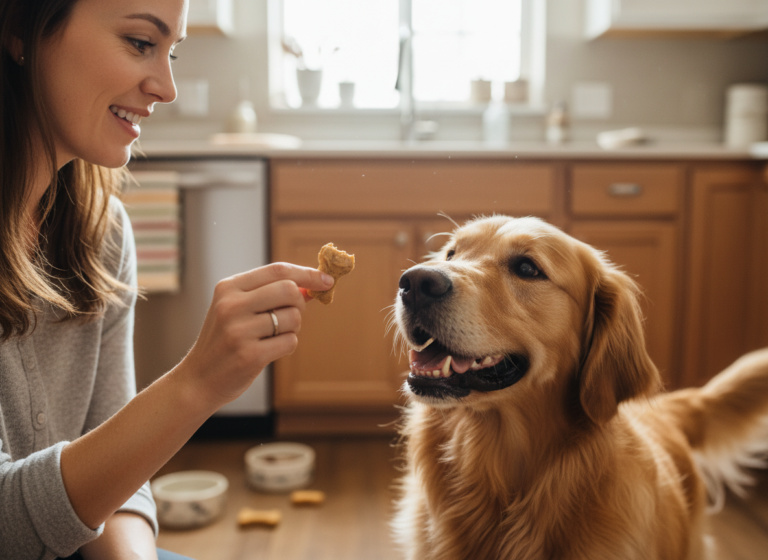
Consider this common scenario: You put your dog’s food down and walk away. Your dog ignores the bowl and follows you. Worried they aren’t eating, you return, sit with them, and offer gentle encouragement. Your dog begins to eat. In this moment, your dog has learned a powerful lesson: ‘If I wait, my owner will come back and give me special attention.’ This attention becomes the reward that reinforces the waiting behavior.
Common Reinforcing Actions
- Coaxing and Praising: Using a special voice, petting, or praising your dog only when they eat in your presence.
- Hand-Feeding: Offering food from your hand when they refuse to eat from their bowl. This creates a very high-value reward that is difficult for a bowl to compete with.
- ‘Sweetening the Pot’: Adding delicious toppers like chicken, wet food, or treats to their kibble only after they’ve initially refused to eat. The dog learns that ignoring their regular food leads to an upgrade.
- Separation Anxiety: Social eating is often a symptom of underlying separation anxiety. The dog’s distress about being alone manifests as an inability to perform normal functions, like eating, without their human security blanket. They are not ‘protesting’; they are genuinely too anxious to eat. Addressing the root anxiety is key in these cases.
Recognizing these patterns is not about placing blame but about empowerment. By understanding how your actions influence your dog’s behavior, you can begin to modify your responses and gently guide them toward more independent habits.
Strategies for Encouraging Independent Eating: A Phased Approach

Modifying a deeply ingrained behavior requires patience, consistency, and a structured plan. The goal is not to force your dog to eat but to build their confidence and reshape their associations with mealtime. This phased approach gradually reduces their dependency on your presence.
Phase 1: Establish an Ironclad Routine
Dogs thrive on predictability. A strict feeding schedule helps regulate their metabolism and builds anticipation for meals. Feed your dog at the same times every day in the same quiet, low-traffic location. This consistency is the foundation upon which all other training is built.
Phase 2: The 15-Minute Rule
This is the most critical and often the most difficult step for owners. Place the food bowl on the floor and walk away. If your dog has not eaten after 15-20 minutes, calmly pick up the bowl without any fuss, emotion, or comment. Do not offer any other food or treats until their next scheduled mealtime. A healthy dog will not voluntarily starve itself. This technique breaks the cycle of waiting for attention and teaches them that there is a specific window of opportunity for eating. It may take a few missed meals, but their hunger will eventually override their anxiety or learned behavior.
Phase 3: The Gradual Distance Increase
While implementing the 15-minute rule, you will simultaneously work on increasing the distance between you and your dog during meals. Start where your dog is currently comfortable—perhaps with you sitting right next to the bowl. Over several days or weeks, incrementally increase the distance.
- Days 1-3: Sit on the floor right next to the bowl.
- Days 4-6: Sit in a chair a few feet away from the bowl.
- Days 7-9: Sit in the same room but further away, perhaps reading a book to seem disinterested.
- Days 10-12: Stand in the doorway of the room.
- Days 13+: Place the food down and walk into the adjacent room, just out of sight.
The key is to progress at your dog’s pace. If they show anxiety, take a step back to the previous distance for another day or two before trying to advance again.
Phase 4: Make Mealtime an Engaging Solo Activity
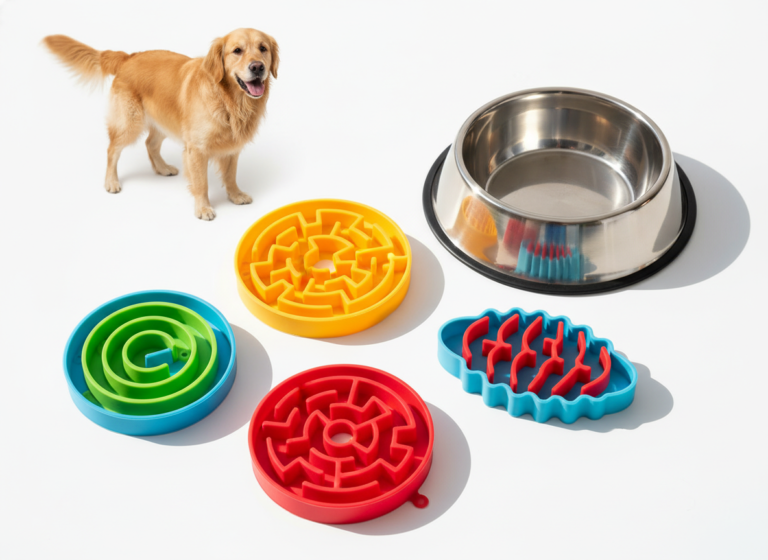
Shift your dog’s focus from your presence to the food itself by making it more interesting. Instead of using a standard bowl, feed their meals using a puzzle feeder, snuffle mat, or food-dispensing toy. These tools engage their brain, encourage their natural foraging instincts, and turn mealtime into a rewarding game. This cognitive stimulation can be a powerful way to build confidence and create a positive association with eating alone.
Troubleshooting: What to Do If Your Dog Still Refuses to Eat Alone

Even with a perfect plan, you may encounter challenges. Consistency is paramount, but knowing how to navigate setbacks is just as important. Here are solutions to common problems.
What if my dog skips multiple meals in a row?
It is normal for a dog to skip one or even two meals when you first implement the 15-minute rule. This can be stressful for you, but it’s important to hold firm. A healthy adult dog can safely miss a few meals without harm. However, if your dog goes more than 24-48 hours without eating anything, or if you have a small breed, puppy, or senior dog, it’s wise to consult your veterinarian. They can rule out any emerging health issues and advise if you need to adjust the behavioral plan.
How does this work in a multi-dog household?
Competition or distraction from other pets can exacerbate social eating. Always feed your dogs separately, either in different rooms or in crates. This ensures your social eater doesn’t feel threatened or rushed by other dogs and can focus on their own meal. It allows you to apply the training principles specifically to the dog who needs them without interference.
My dog seems genuinely terrified to eat alone. What now?
If your dog’s refusal to eat is accompanied by other signs of severe distress when you leave—such as destructive behavior, excessive vocalization, or house soiling—the root cause is likely clinical separation anxiety, not just a simple learned behavior. In these cases, social eating is merely a symptom of a much larger issue. It is highly recommended that you seek professional help from a certified canine behaviorist or a veterinary behaviorist. They can develop a comprehensive behavior modification plan that may include desensitization protocols, counter-conditioning, and, in some cases, anxiety-reducing medication to address the underlying panic and fear.
Conclusion
Your dog’s insistence on eating only in your presence is a powerful testament to the bond you share and their reliance on you for safety and comfort. While it stems from a place of deep-seated instinct and affection, fostering independent eating is crucial for their confidence and your convenience. By first ensuring there are no underlying medical conditions, you can then move forward with a patient and consistent behavioral plan. Remember to celebrate small victories, manage your own anxieties about missed meals, and stay the course.
Through structured routines, gradual changes, and making mealtime more engaging, you can reshape your dog’s perception of eating alone from a moment of vulnerability into a satisfying and independent activity. This journey is not just about changing a feeding habit; it’s about building a more resilient, self-assured companion who feels secure in your home, whether you are in the room or not.