Is It Love or Disrespect? Why Your Dog Sits With Their Back to You

As a pet owner, you are a constant observer of your dog’s unique quirks and behaviors. You’ve likely noticed them all, from the frantic tail wags that greet you at the door to the soft sighs they let out in their sleep. But some actions can be perplexing, leaving us to wonder about their intent. One of the most commonly misinterpreted behaviors is when a dog deliberately sits down and turns its back to you. In the human world, this action could be perceived as rude, a clear sign of being ignored or disrespected. It’s natural to project our human social rules onto our canine companions, but in doing so, we often miss the true, and far more meaningful, message they are sending. Is your dog being defiant, or is something much deeper at play?
This article will serve as your definitive guide to decoding this specific, and surprisingly complex, canine posture. We will move beyond human interpretations to explore the world of canine social dynamics, instinct, and communication. Prepare to see this behavior not as an insult, but as one of the highest compliments your dog can pay you. Understanding this simple act can fundamentally strengthen the bond you share, transforming a moment of confusion into one of profound connection and appreciation for the trust your dog places in you.
Understanding Canine Social Structures vs. Human Interpretations

Debunking the Myth of Canine ‘Disrespect’
Before we can accurately interpret why a dog shows you its back, we must first dismantle a fundamental misunderstanding. Dogs do not operate within the human constructs of politeness, rudeness, or disrespect. While they can be trained to follow commands and understand rules, their core behaviors are driven by instinct, social hierarchy within their pack structure, and a desire for security and comfort—not by a conscious effort to offend or slight you. The tendency to assign human emotions and intentions to our pets is a phenomenon known as anthropomorphism. While it often comes from a place of love, it can be a significant barrier to understanding their true nature.
In a canine social group, respect is demonstrated through appeasement gestures, acknowledging social standing, and maintaining harmony—not through human-centric etiquette like facing someone when they speak. A dog that avoids eye contact, for example, isn’t being disrespectful; it’s often showing deference to a perceived leader. Similarly, a dog that turns its back is not giving you the ‘cold shoulder.’ It is communicating something entirely different, using a language that is ancient and deeply ingrained in its DNA.
Expert Insight: The biggest mistake owners make is viewing their dog’s actions through a human social lens. To truly understand your dog, you must learn to see the world from a canine perspective, where actions are about survival, trust, and pack cohesion, not about social slights.
When we label a behavior as ‘disrespectful,’ we create a narrative of conflict. We might assume the dog is challenging our authority or being stubborn. This can lead to frustration and inappropriate corrective measures that can damage the trust we have with our pet. By setting aside these human-based assumptions, we open ourselves up to what our dogs are actually saying. In the case of a dog turning its back, the message is almost always positive and rooted in the very fabric of your relationship.
The Back-to-You Position as a Display of Ultimate Trust
The Ultimate Compliment: A Sign of Absolute Trust and Security
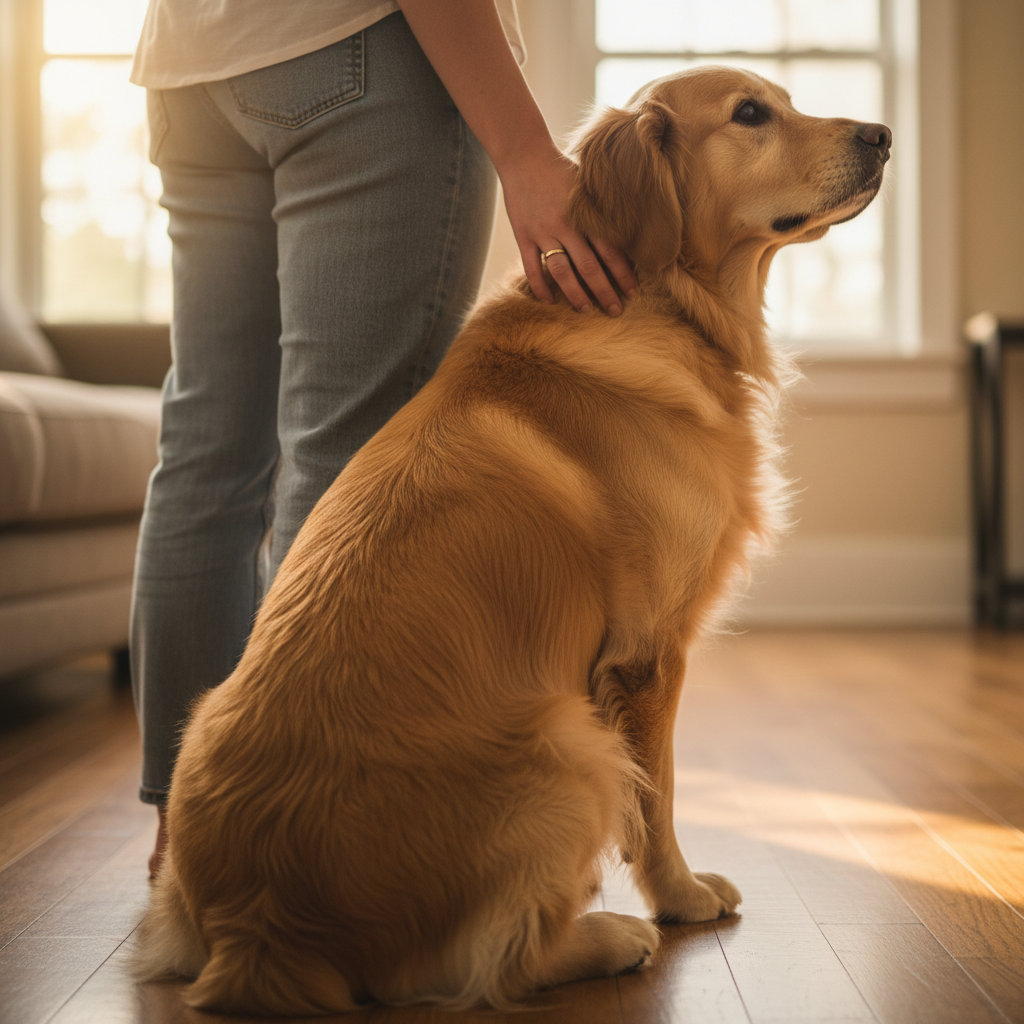
The single most important message your dog conveys by sitting with its back to you is trust. In the animal kingdom, the back is the most vulnerable area. It’s where an attack from a predator would likely come from, and it’s a position from which the animal cannot easily defend itself. When a dog willingly and calmly places its back toward you, it is making a powerful statement: ‘I trust you so completely that I do not need to watch you. I know you pose no threat, and I believe you will protect me from any threats that may come from behind.’ This is the canine equivalent of a person closing their eyes and falling backward, trusting their partner to catch them.
This behavior demonstrates that your dog perceives you as a safe, reliable, and integral part of its pack or family unit. It feels so secure in your presence that it can relax its natural vigilance. Think about how a nervous or fearful dog behaves—it will almost always position itself to see all potential exits and keep a close eye on any perceived threats. The act of turning away from you is the polar opposite of this anxious posture. It is a conscious, or subconscious, decision to be vulnerable, and that vulnerability is only afforded to those who have earned the highest level of trust.
Furthermore, many dogs will not just turn their back but will actively lean against their owner’s legs or body. This physical contact adds another layer to the message. It’s not just about trust; it’s also about seeking comfort, reinforcing a social bond, and sharing a moment of quiet companionship. It’s a physical affirmation that you are their safe space, their anchor in the world.
Guarding the Pack: The Sentinel Behavior Explained

The Protective Instinct: Acting as a Co-Guardian
Beyond personal trust, this behavior is also deeply rooted in a dog’s ancestral pack instincts. Wild canids, like wolves, rely on the collective strength of the pack for survival. When at rest, pack members will often lie or sit back-to-back. This isn’t a social snub; it’s a highly strategic formation. By positioning themselves this way, they create a 360-degree field of vision. One member watches one direction, while the other watches the opposite, ensuring the pack is alerted to any approaching danger from any angle.
When your dog sits with its back to you, it may be instinctively falling into this ‘sentinel’ or ‘guard’ role. It sees you and itself as a two-member pack. By turning its back to you, it is essentially saying, ‘I trust you to handle anything that happens behind me; I will take responsibility for watching everything in front of me.’ Your dog is not ignoring you; it is working with you. It is fulfilling a cooperative role in the shared duty of protecting your mutual territory—whether that’s the living room or the backyard.
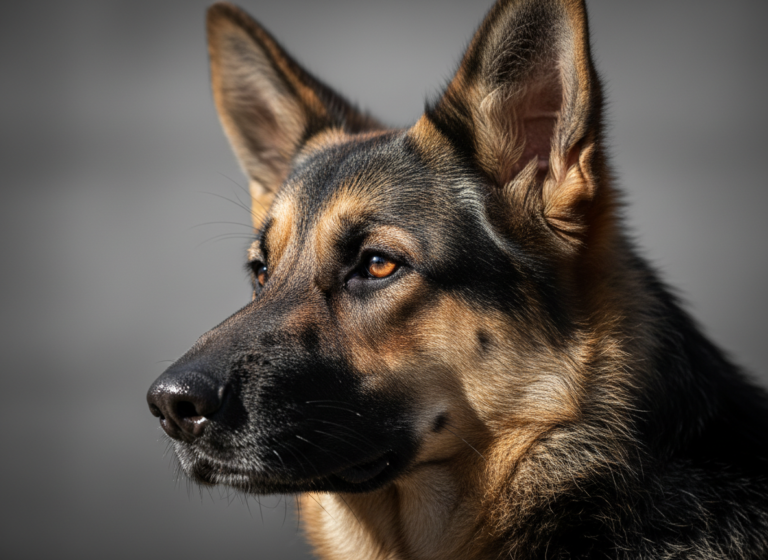
This behavior is often more pronounced in breeds with strong guarding instincts, such as German Shepherds, Rottweilers, or Mastiffs, but it is a fundamental instinct present in nearly all dogs. They are including you in a vital pack ritual. It’s a sign of deep respect for your role in the family unit and an acknowledgment of a shared responsibility for the safety and security of your home. It’s teamwork in its most primal form.
Reading the Full Picture: Contextual Clues in Body Language
It’s Not Just One Signal, It’s the Whole Conversation
While the act of turning its back is overwhelmingly positive, a skilled pet owner knows that no single behavior exists in a vacuum. To fully understand your dog’s message, you must become a student of its complete body language. The context of the situation and the accompanying signals are crucial for accurate interpretation.
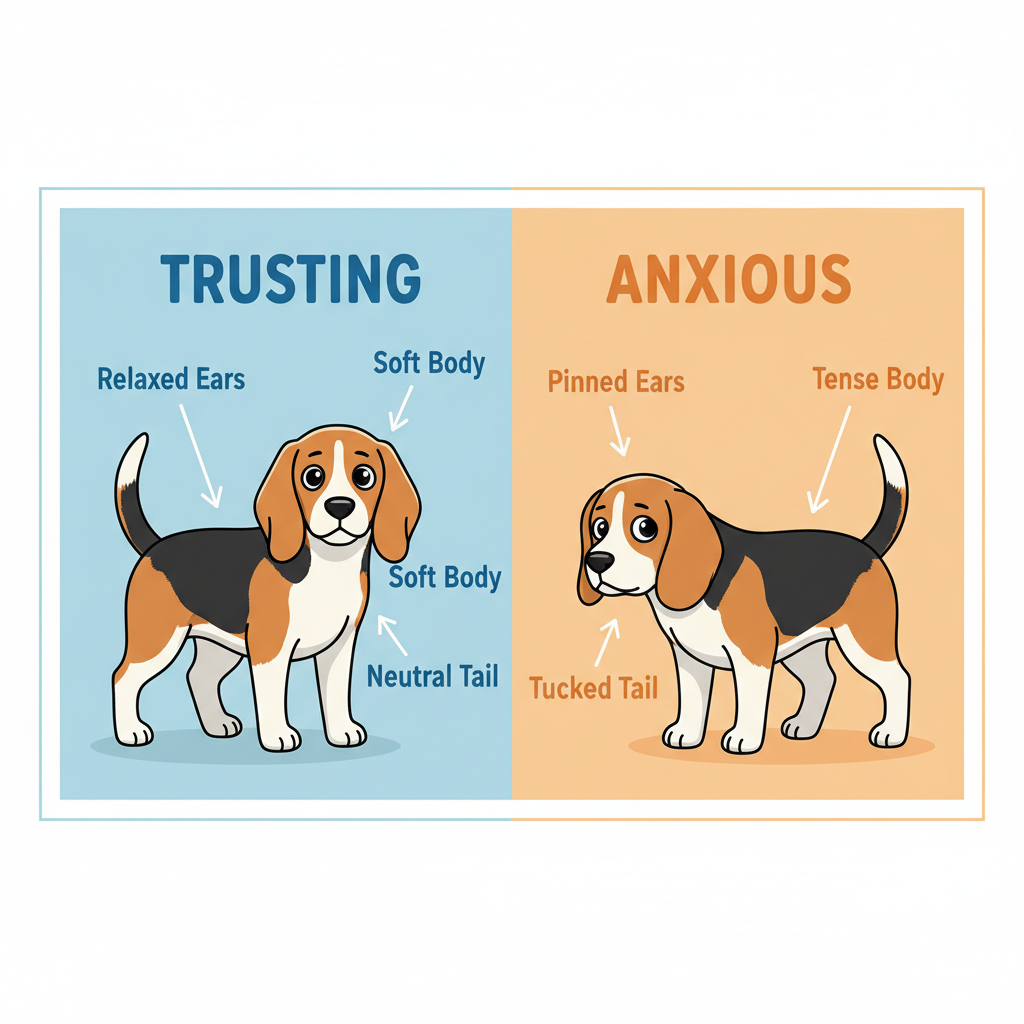
Ask yourself: What is the rest of your dog’s body doing? A dog showing trust will be relaxed. A dog that is anxious or resource guarding will be tense. Learning to spot the difference is key to strengthening your communication.
Key Body Language Indicators to Observe:
- Overall Body Posture: Is the body loose and relaxed, or is it stiff, rigid, and tense? A relaxed dog might even let out a soft sigh as it settles.
- Tail Position: A gently wagging or still but relaxed tail indicates contentment. A tail that is held high and rigid, or tucked between the legs, signals arousal or fear, respectively.
- Ear Set: Soft, neutral ears are a sign of a calm state of mind. Ears that are pinned back flat against the head can indicate fear or anxiety, while ears that are pricked forward and tense show high alert.
- Mouth and Jaw: A relaxed dog may have a slightly open, soft mouth. A tense dog will have a closed mouth, and you may see tension in the jaw muscles or pulled-back lips (a ‘grimace’).
By observing these signals together, you can confirm the meaning. A dog that turns its back, leans against you with a loose body, and has soft ears is unequivocally showing trust and affection. The table below outlines the critical differences.
| Body Language Cue | Relaxed & Trusting Posture | Tense & Anxious Posture |
|---|---|---|
| Body | Loose, soft, no visible tension | Stiff, rigid, frozen |
| Tail | Neutral position or a slow, sweeping wag | Tucked under or held high and stiff |
| Ears | Held in a natural, soft position | Pinned back against the head or rigidly forward |
| Mouth | Soft, may be slightly open, no facial tension | Closed tightly, lips pulled back, possible panting |
| Eyes | Soft gaze, normal pupil size, may blink slowly | Wide ‘whale eye’ (showing the whites), large pupils |
Potential Nuances: When to Pay Closer Attention

Are There Exceptions to the Rule?
While in over 99% of cases, this behavior is a positive sign, it is important for responsible pet owners to recognize the rare instances where it might indicate an underlying issue. Context is everything. The key difference in these less common scenarios is the presence of tension and a specific, valuable resource.
Resource Guarding
A dog might turn its back to you as a way to ‘block’ or claim a high-value item like a bone, a new toy, or a bowl of food. In this context, the dog is not showing trust; it is using its body to shield the resource. You will notice a marked difference in body language. The dog will be tense, may freeze if you approach, and could potentially growl or show its teeth. This is not an act of disrespect but a sign of anxiety and insecurity around its possessions. If you observe this behavior, it is best to consult with a professional dog trainer or behaviorist to address the resource guarding safely and effectively.
Avoidance or Appeasement
In some situations, a dog may turn away to avoid a stressful interaction. For instance, if a child is being too rough or an owner is using a harsh tone, a dog might turn its back as a signal of appeasement or a desire to disengage from the unpleasant situation. This is a ‘calming signal,’ a way for the dog to say, ‘I am uncomfortable, and I do not want conflict.’ Again, look at the full picture. The dog’s body will likely be tense, it may lick its lips, and it will try to create distance. This is a clear communication that the current interaction needs to change for the dog to feel safe again.
Recognizing these exceptions is not about looking for problems, but about being a more attuned and responsive owner. By understanding the full spectrum of your dog’s communication, you can ensure their needs are met and their feelings of security are always prioritized.
Conclusion
The relationship we share with our dogs is a constant dialogue, spoken not in words, but in actions, postures, and subtle cues. The simple act of your dog sitting with its back to you is a perfect example of this silent language. What might at first seem like a puzzling or even insulting gesture is, in reality, a multi-layered communication of profound trust, deep-seated instinct, and unwavering companionship. Your dog is not turning you away; it is pulling you deeper into its world, acknowledging you as a trusted protector and a vital member of its pack.
By learning to interpret these behaviors from a canine perspective, we move beyond simple ownership and become true partners with our pets. The next time your dog settles down and presents you with its back, take a moment to appreciate the depth of the compliment you are being paid. It is a quiet, powerful affirmation of the secure and loving bond you have worked to build. Embrace it, for it is one of the most honest expressions of love and security your loyal companion can offer.