Is He Spiteful? The Real Reason Your Dog Pees on Your Things (It’s Not Potty Training)

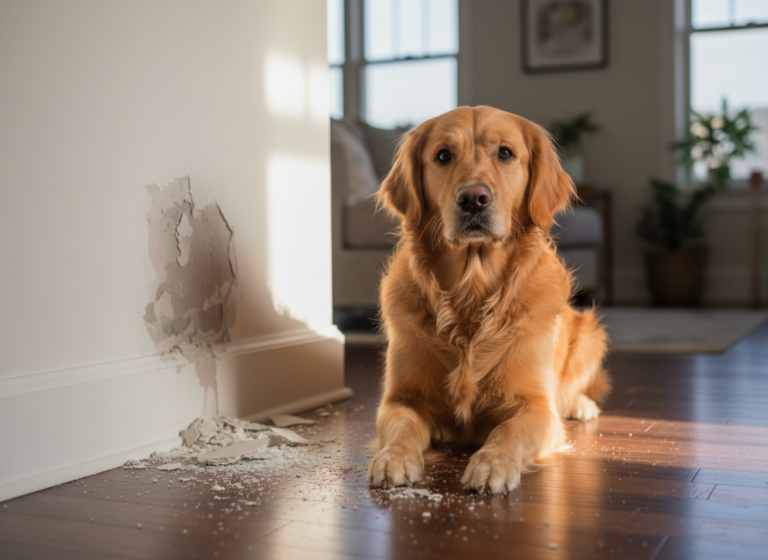
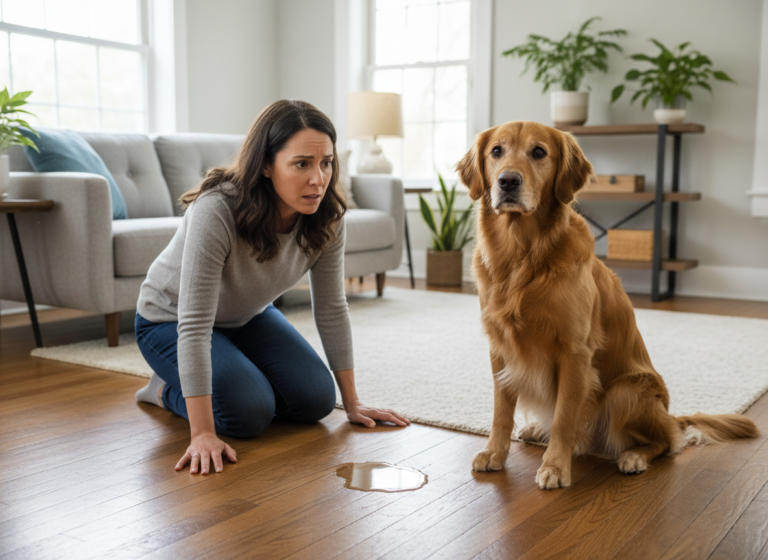
Coming home to discover that your dog has urinated on your bed, your favorite pair of shoes, or a pile of clean laundry is deeply frustrating. The immediate human reaction is often to attribute this behavior to spite or revenge. ‘He’s mad at me for leaving him alone,’ is a common thought. However, from a professional canine behavior and veterinary perspective, this interpretation is incorrect. Dogs do not possess the capacity for complex, premeditated emotions like spite. Inappropriate urination is not a malicious act; it is a symptom—a form of communication or a sign of an underlying medical issue.
This behavior goes beyond simple house soiling or a lapse in potty training. When a previously house-trained dog begins targeting specific, personal items, it’s a significant red flag. This act is a cry for help, and understanding the root cause is the first step toward resolving it. This guide will walk you through the real reasons your dog is peeing on your things, separating behavioral triggers from medical conditions, and providing a clear, actionable plan to restore harmony and health to your home and your beloved pet.
Decoding the Message: Behavioral Triggers for Inappropriate Urination
Before assuming a medical problem, it’s essential to understand the complex world of canine communication. Urine is a primary tool for dogs to send messages to one another and to claim their environment. When they urinate on your personal items, they are often communicating something about their emotional state or their perception of their territory.
Territorial Marking
Both male and female dogs engage in urine marking. While more common in intact males, any dog can do it. This isn’t about emptying a full bladder; it’s about depositing a small amount of urine to leave a scent. This behavior is often triggered by changes in the household:
- New People or Pets: A new baby, a significant other, or another pet can make a dog feel insecure about their place in the family. They may mark items that smell strongly of you to comingle their scent with yours, effectively saying, ‘This person belongs to my pack.’
- New Objects: A new piece of furniture, a suitcase you’re packing for a trip, or shopping bags can be seen as foreign objects in their territory, prompting them to ‘claim’ them with urine.
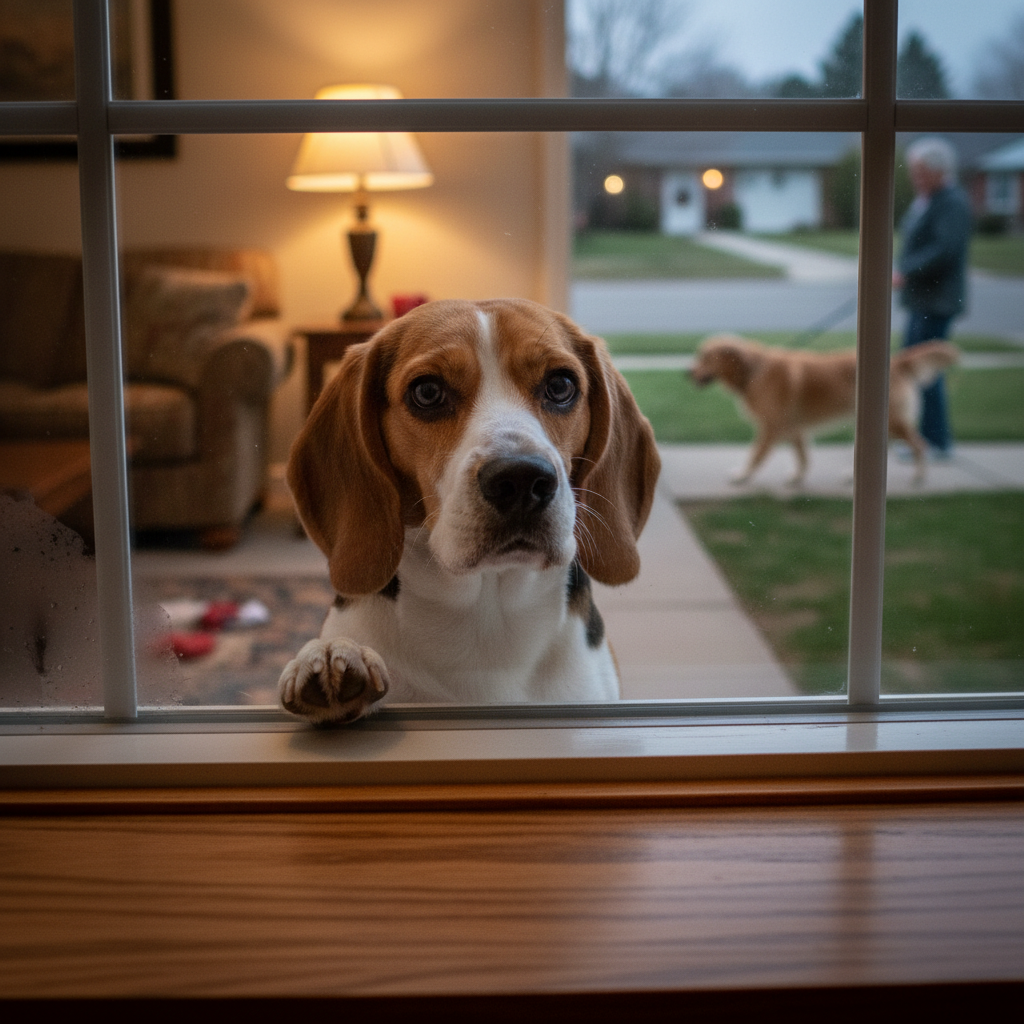
- Conflict with Other Animals: If neighborhood dogs or cats are visible from a window, your dog might mark near that window to establish an indoor boundary.
Separation Anxiety and Stress
One of the most common behavioral causes of inappropriate urination is anxiety. A dog suffering from separation anxiety experiences genuine panic when left alone. Urinating on items that carry your scent—like your bed or your clothes—is a common symptom. This is not an act of defiance. Instead, the dog is surrounded by your scent, which is a source of comfort, but the anxiety of your absence becomes overwhelming. The act of urination in that spot is a manifestation of their distress. Other signs of separation anxiety include:
- Excessive barking, howling, or whining when you leave.
- Destructive behavior, especially around doors and windows.
- Pacing, drooling, or panting excessively before you depart or after you’re gone.
Submissive or Excitement Urination
This type of urination is an involuntary physiological response, most often seen in puppies and younger, more timid dogs. It is not a conscious decision. Submissive urination occurs when a dog feels intimidated, for example, when being scolded, approached by a stranger, or during interactions with a more dominant dog. It’s an appeasement gesture intended to say, ‘I am not a threat.’ Excitement urination happens during moments of high arousal, such as when you return home or during vigorous play. Punishing a dog for either of these behaviors is counterproductive, as it will only increase their anxiety and fear, likely making the problem worse.
Ruling Out a Medical Emergency: Health Issues That Cause Inappropriate Urination
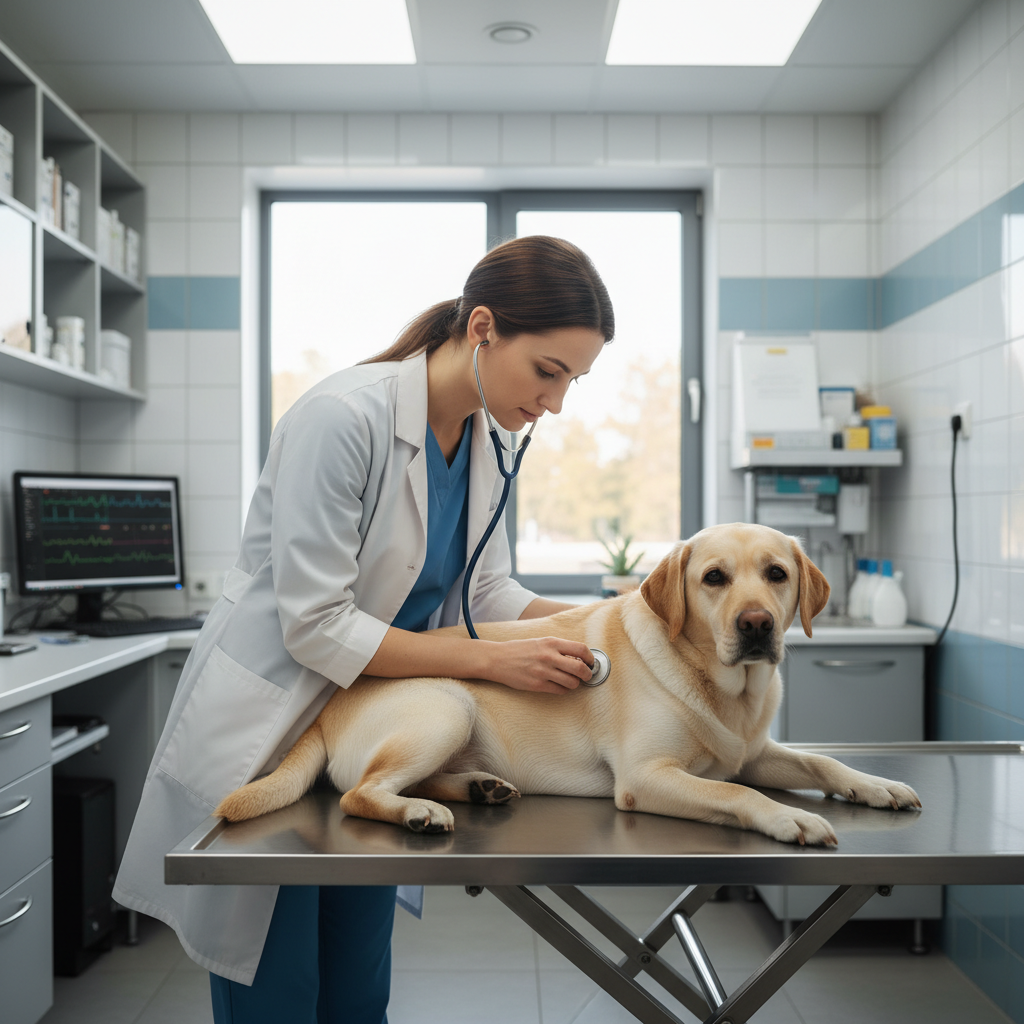
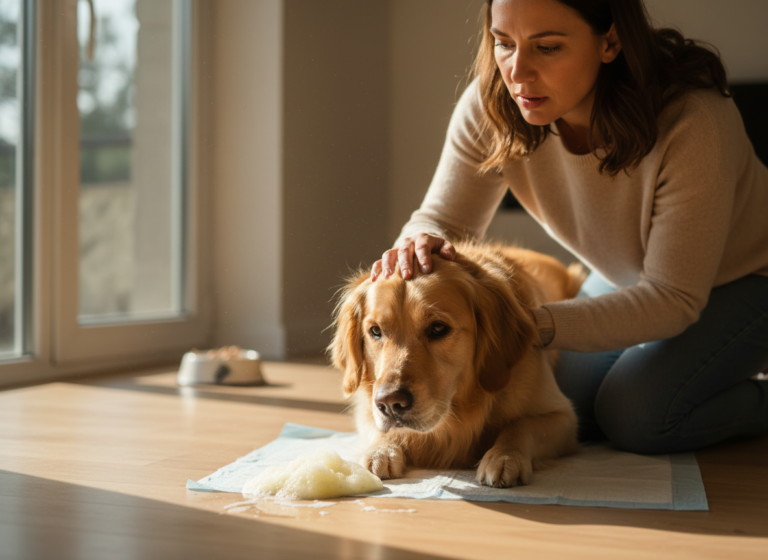
Any sudden change in your dog’s urination habits must be investigated by a veterinarian immediately. Behavioral modification will be ineffective if the root cause is a painful or serious medical condition. Do not attempt to diagnose your dog at home; a professional examination is non-negotiable.
Common Medical Culprits
Several health problems can lead to a loss of bladder control or an increased urgency to urinate, resulting in accidents on your belongings.
- Urinary Tract Infections (UTIs): A UTI is a painful infection of the urinary system that creates a constant and urgent need to urinate. Your dog may not be able to make it outside in time, and they may associate the pain of urination with their usual potty spot, causing them to seek out soft, absorbent surfaces like your bed or a rug instead.
- Bladder Stones (Uroliths): These are mineral formations in the bladder that can cause irritation, blockages, and pain. Symptoms are similar to a UTI and can include straining to urinate and blood in the urine. This condition can be a medical emergency, especially in male dogs where a blockage can be life-threatening.
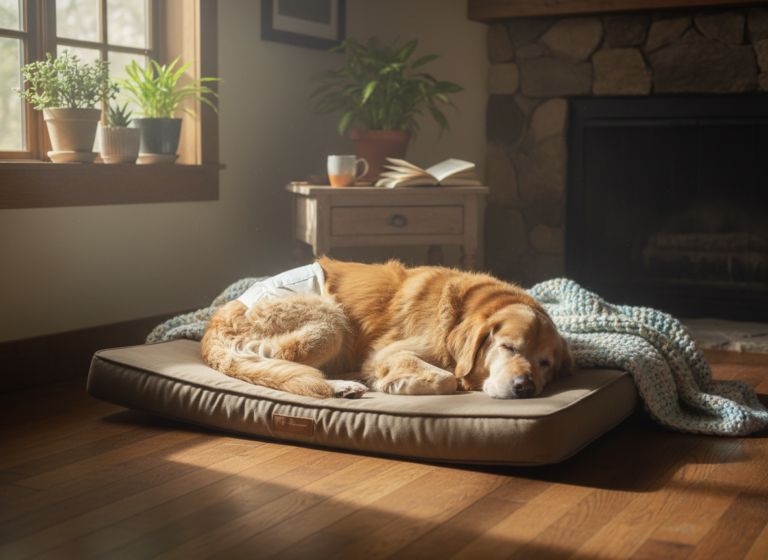
- Hormonal Incontinence: This is particularly common in middle-aged to senior spayed female dogs. A decrease in estrogen can weaken the bladder sphincter, leading to involuntary urine leakage, especially when they are relaxed or sleeping. They are often completely unaware it is happening.
- Systemic Illnesses: Conditions like diabetes, Cushing’s disease, and kidney disease all cause a dramatic increase in thirst (polydipsia) and urination (polyuria). The dog’s body is producing more urine than their bladder can comfortably hold, leading to inevitable accidents.
- Canine Cognitive Dysfunction (CCD): Similar to Alzheimer’s in humans, this degenerative brain disease affects senior dogs. A dog with CCD may simply forget their house-training, become disoriented, and fail to recognize the proper place to eliminate.
Never punish your dog for having an accident. If a medical issue is the cause, punishment will only add fear and anxiety to their physical discomfort. Your first and most important step is always a veterinary consultation.
Your Action Plan: How to Address and Manage Inappropriate Urination
Once you have a diagnosis from your veterinarian—or have ruled out medical causes—you can implement a systematic plan to manage and resolve the behavior. This requires patience, consistency, and a focus on positive reinforcement.
Step 1: The Non-Negotiable Veterinary Visit
As stressed previously, this is your starting point. Your vet will likely perform a physical exam, a urinalysis, and possibly blood work or imaging like an X-ray or ultrasound to get a complete picture of your dog’s health.
Step 2: The Power of Enzymatic Cleaners
Standard household cleaners are not sufficient. While they may remove the visible stain and odor for human noses, they leave behind uric acid crystals that dogs can easily detect. This residual scent acts as a powerful attractant, essentially telling your dog, ‘This is an acceptable place to pee.’ You must use a high-quality enzymatic cleaner specifically designed to break down and eliminate these crystals. Saturate the soiled area and any underlying padding or fabric, and allow it to air dry completely according to the product’s instructions.
Step 3: Management and Environmental Control
Management is about preventing the behavior from happening while you work on the underlying cause. The more a dog rehearses a behavior, the more ingrained it becomes.
- Restrict Access: Do not allow your dog unsupervised access to the areas or items they have soiled. Use baby gates, close bedroom doors, or keep them on a leash with you in the house.
- Make the Target Unattractive: Place plastic sheeting, a vinyl tablecloth, or a shower curtain over your bed or sofa when you’re not using it. You can also use pet-safe deterrent sprays on certain items.
- Increase Potty Breaks: Take your dog out more frequently, especially after waking up, after eating, and before bed. Reward them enthusiastically with praise and high-value treats every time they eliminate outside.
Step 4: Targeted Behavioral Modification
The training strategy will depend on the behavioral cause:
- For Territorial Marking: Spaying or neutering can significantly reduce or eliminate marking behavior. Increase environmental enrichment with puzzle toys and more frequent walks (on new routes) to build confidence.
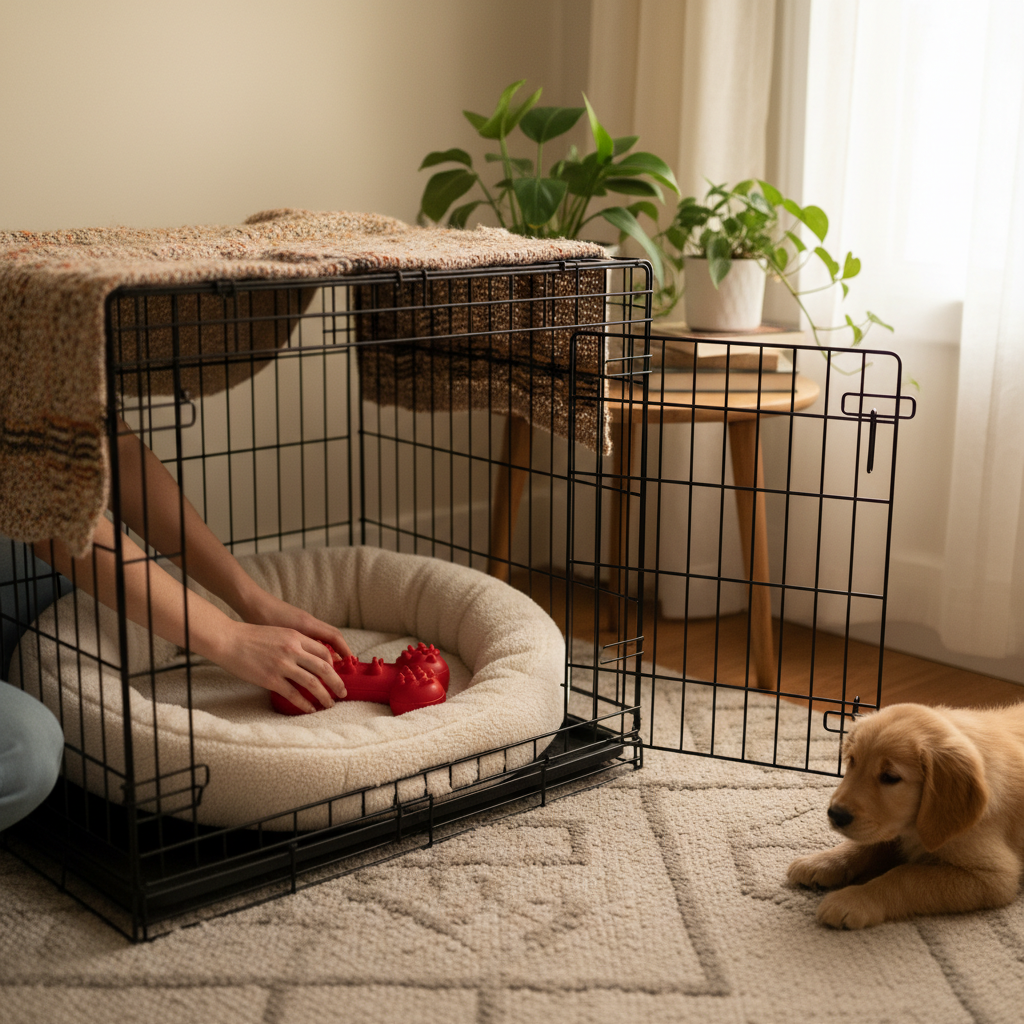
- For Separation Anxiety: This requires a comprehensive approach. Work on desensitizing your dog to your departure cues (like picking up keys). Start with very short absences and gradually increase the duration. Ensure they have plenty of exercise before you leave. Crate training can provide a safe ‘den,’ but it must be introduced positively and never used for punishment.
- For Submissive/Excitement Urination: Keep greetings low-key. Avoid direct eye contact and towering over the dog. Greet them in a calm, quiet voice. Instruct guests to do the same. This behavior is typically outgrown with confidence-building positive reinforcement training.
Seeking Expert Help: When to Consult a Professional Trainer or Behaviorist
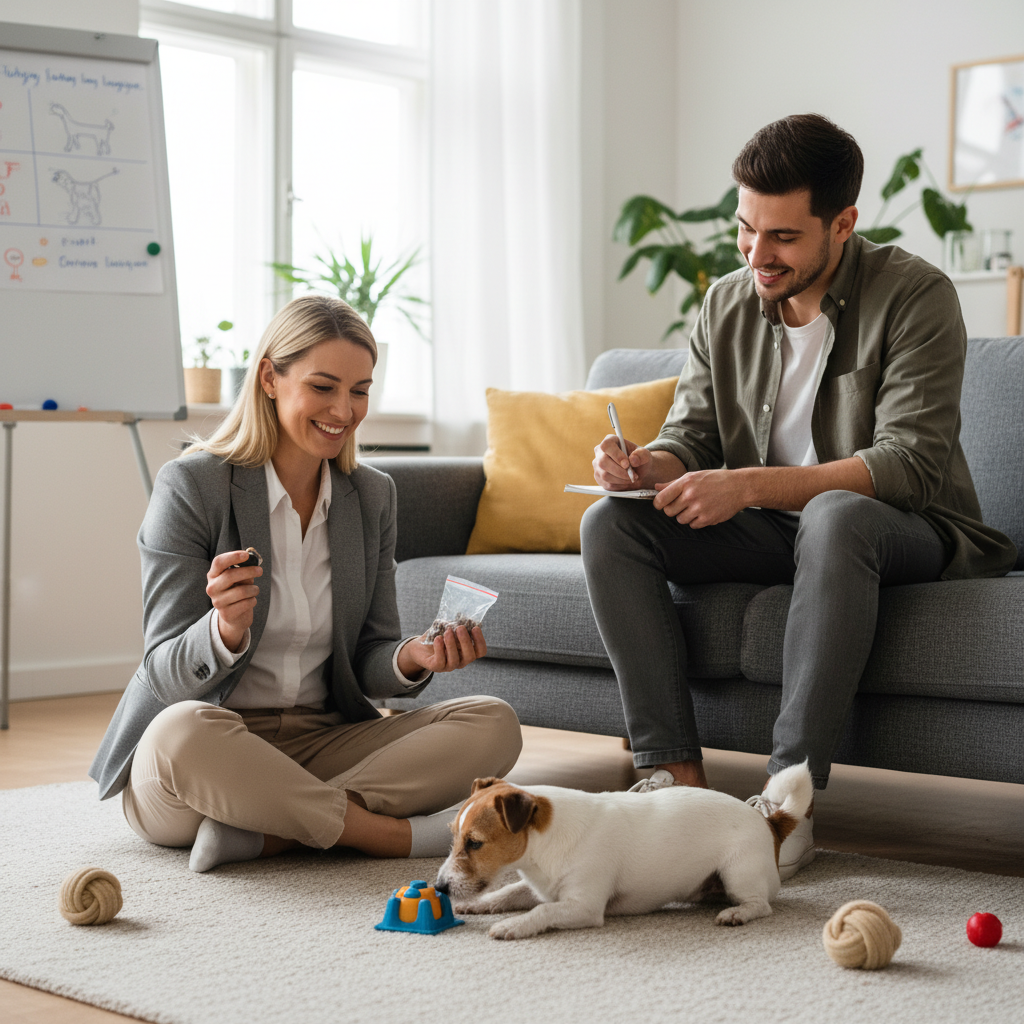
While many cases of inappropriate urination can be resolved with veterinary care and diligent management at home, some situations require professional intervention. It is a sign of responsible pet ownership to recognize when you need help.
When to Make the Call
You should consider hiring a professional if:
- You have ruled out medical issues, implemented the management plan, and the behavior is not improving or is getting worse.
- The urination is accompanied by other serious behaviors, such as aggression, severe destructive tendencies, or debilitating fear.
- You feel overwhelmed, frustrated, and your relationship with your dog is suffering. A professional can provide not only a training plan but also support and guidance for you.
Finding the Right Professional
The world of dog training is unregulated, so it’s crucial to find a qualified expert. Look for professionals who use modern, science-based, positive reinforcement methods. Avoid anyone who recommends punishment, dominance-based techniques, or aversive tools like shock collars, as these will exacerbate fear and anxiety, worsening the problem.
Here are the types of professionals to consider:
| Professional Title | Best For | Key Qualifications |
|---|---|---|
| Certified Professional Dog Trainer (CPDT) | General obedience, house-training reinforcement, and mild behavioral issues. | Look for certifications like CPDT-KA or CPDT-KSA from the Certification Council for Professional Dog Trainers (CCPDT). |
| Certified Applied Animal Behaviorist (CAAB) | Complex behavioral issues like severe separation anxiety, phobias, and fear. | These professionals have advanced degrees (MS, MA, or PhD) in animal behavior. |
| Veterinary Behaviorist (DACVB) | Cases where behavior and medical issues are intertwined, or when psychotropic medication may be needed in conjunction with behavior modification. | A board-certified veterinarian who has completed a residency in animal behavior. They can prescribe medication. |
When you consult a professional, they will conduct a thorough assessment of your dog’s history and your home environment to create a customized behavior modification plan. Their objective guidance can be invaluable in resolving deep-seated issues and rebuilding a positive relationship with your dog.
Conclusion
The discovery of urine on your personal belongings is undoubtedly upsetting, but it is essential to reframe your perspective. Your dog is not acting out of spite; they are communicating a problem in the only way they know how. This behavior is a symptom, and your role as a responsible pet owner is to become a detective. By systematically ruling out medical causes with your veterinarian and then addressing the underlying behavioral triggers with patience, proper cleaning, and consistent management, you can solve this issue. Remember that your dog’s actions stem from instinct, anxiety, or illness—not malice. Approaching the problem with empathy and a clear plan will protect your belongings, preserve your bond with your dog, and ultimately ensure their health and well-being for years to come.