If You See “Whale Eye”, Stop Immediately! (Canine Body Language Warning)
In the intricate and often silent world of canine communication, dogs speak volumes without ever uttering a word. They use a complex language of postures, tail wags, ear positions, and facial expressions to convey their emotional state. As responsible pet owners, our ability to interpret this language is paramount not only for building a deep, trusting bond but also for ensuring safety. Among the most critical and frequently misunderstood signals is a phenomenon known as ‘whale eye’ or ‘half-moon eye’. This subtle flash of the whites of a dog’s eyes is far more than a simple glance; it is a clear indicator of underlying stress, anxiety, or fear. Recognizing it for what it is—a request for space and a potential precursor to a bite—is one of the most important skills a pet owner can develop. This guide will provide an in-depth analysis of whale eye, equipping you with the knowledge to identify its triggers, respond appropriately, and proactively create an environment where your dog feels secure and understood.
Decoding ‘Whale Eye’: The Subtle Signal You Can’t Afford to Miss
What Exactly Is ‘Whale Eye’?
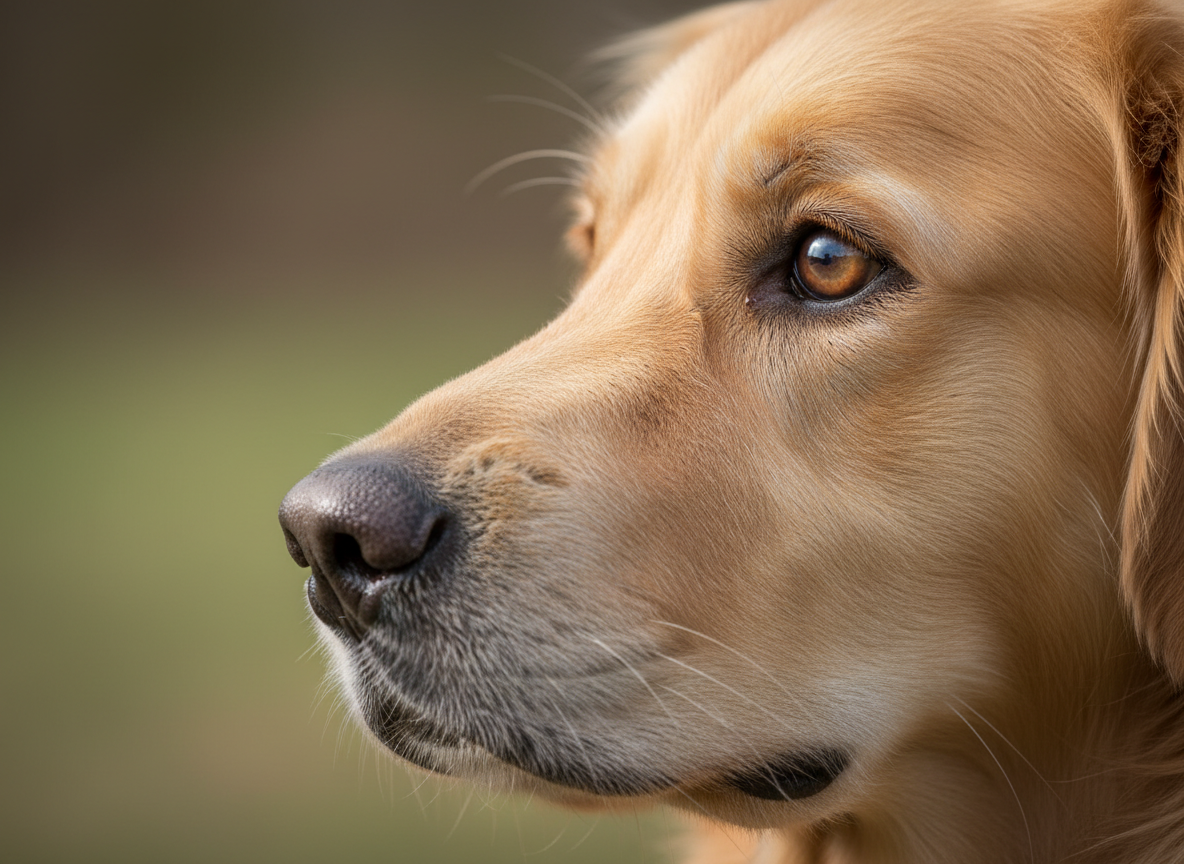
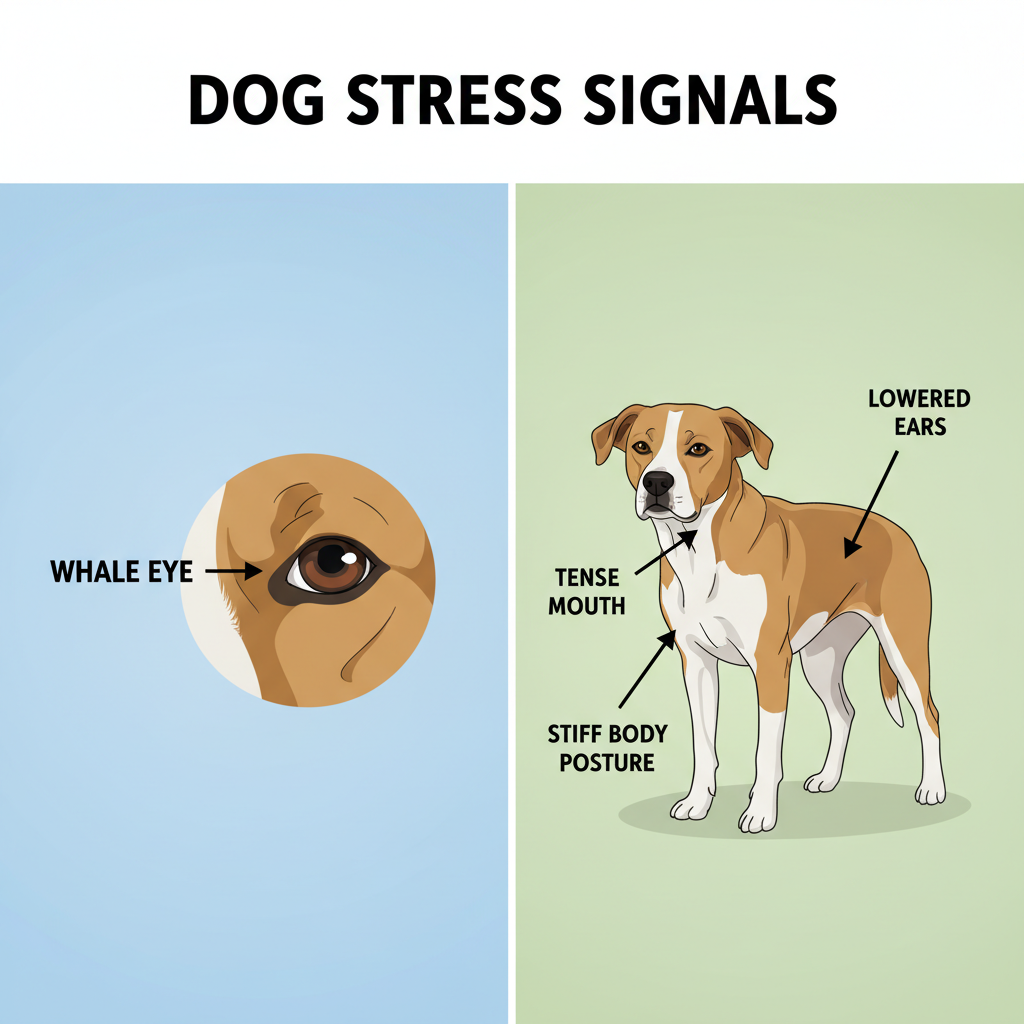
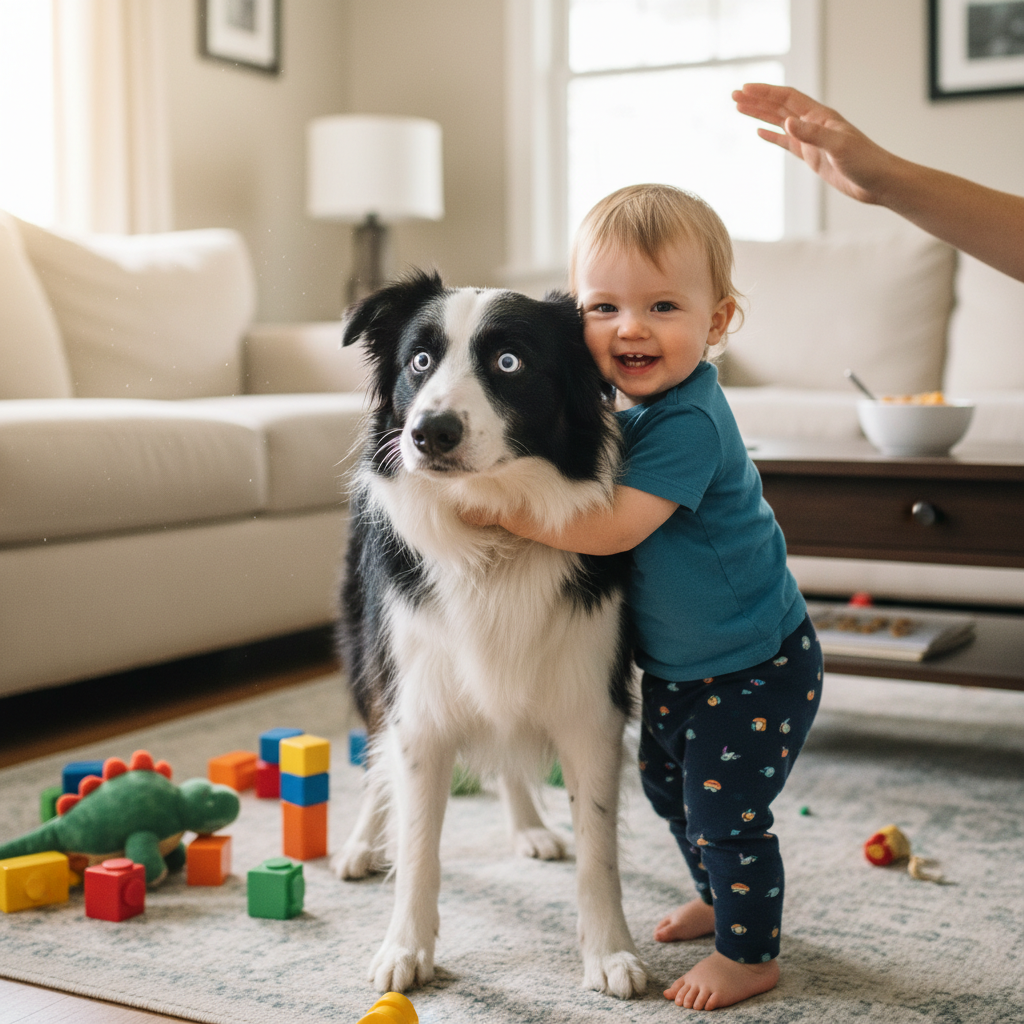
Whale eye refers to the instance when a dog turns its head slightly away from an object or person, but keeps its eyes fixed on them. This action causes the sclera—the white portion of the eye—to become visible in a crescent shape, typically on the inner or outer side of the iris. It is often accompanied by other subtle signs of stress, such as a closed, tense mouth, lowered ears, a stiff body, or a tucked tail. It’s crucial to distinguish this from a relaxed dog simply looking sideways. The defining characteristic of whale eye is the underlying tension. The dog is actively trying to avoid a direct confrontation but feels compelled to keep the potential threat in its line of sight.
The Psychology Behind the Signal
From a behavioral standpoint, whale eye is a classic sign of conflict and anxiety. The dog is experiencing an internal struggle: one part of its brain is signaling ‘flee’ from the uncomfortable situation, while another part is saying ‘stay and monitor the threat.’ This ‘appeasement’ or ‘avoidance’ gesture is a dog’s way of politely saying, ‘I am uncomfortable with this situation, please stop.’ It is a clear communication that the dog has reached its stress threshold. Ignoring this signal can force the dog to escalate its communication to more overt warnings, such as a growl, a snarl, a snap, and ultimately, a bite.
Understanding whale eye is not about labeling a dog as ‘aggressive’; it’s about recognizing that the dog is feeling threatened or overwhelmed and needs help navigating the situation.
Identifying the Stressors: Common Triggers for Whale Eye in Dogs
Context is Everything
A dog may display whale eye in a wide variety of contexts, and understanding these triggers is the first step toward prevention and management. The specific stressor can vary greatly depending on the individual dog’s temperament, past experiences, and level of socialization. However, there are several common scenarios where pet owners should be particularly vigilant.
Common Situations That Elicit Whale Eye:
- Unwanted Physical Contact: Many dogs are uncomfortable with certain types of handling. Hugging, patting on the head, leaning over a dog, or restraining them for grooming or medical procedures are frequent triggers. Children, who may not understand a dog’s boundaries, can often inadvertently cause this stress.
- Resource Guarding: A dog may show whale eye when a person or another animal approaches while they are in possession of a high-value item, such as a favorite toy, a bone, or their food bowl. This is a clear signal to ‘back off’ from their prized possession.
- Proximity to a Perceived Threat: This can include the approach of an unfamiliar dog, a stranger entering the home, or even the presence of a frightening object like a vacuum cleaner or a person wearing a hat.
- Veterinary Visits: The combination of a strange environment, unfamiliar smells, handling by strangers, and potentially painful procedures makes the veterinary clinic a very common place to observe whale eye and other stress signals.
- Training Pressure: While training is essential, sessions that are too long, too demanding, or use punitive methods can create anxiety. A dog may show whale eye when it feels confused, frustrated, or pressured to perform.
Observing when the whale eye occurs is just as important as seeing the signal itself. By identifying the specific triggers for your dog, you can begin to manage their environment and interactions to minimize their stress.
Your Immediate Action Plan: What to Do When You See Whale Eye

The ‘Stop, Assess, and Create Space’ Protocol
When you observe whale eye, your response should be immediate, calm, and deliberate. Panicking or punishing the dog will only escalate the situation. The primary goal is to de-escalate the dog’s stress by removing the trigger. Follow these steps:
- Stop Immediately: Whatever you, or someone else, is doing, stop at once. If you are petting the dog, remove your hand. If you are approaching its food bowl, stop moving forward. This immediate cessation of the perceived threat is the most critical first step.
- Assess the Situation: Quickly identify what is causing the dog’s discomfort. Is it your proximity? Is it another person or animal? Is it the way the dog is being handled? Understanding the ‘why’ is key to resolving the current situation and preventing future ones.
- Create Space: The most effective way to relieve a dog’s anxiety is to give it space. Calmly and slowly back away from the dog. If another person or child is the trigger, guide them away from the dog. Do not force the dog to move; instead, remove the pressure from its environment. This allows the dog to feel that its communication was successful and that it doesn’t need to escalate.
- Redirect if Necessary: Once the immediate pressure is gone and the dog begins to relax, you can redirect its attention to a positive activity. You might calmly ask for a simple, known cue like ‘sit’ (if the dog is able) or toss a treat away from the stressful area to encourage the dog to move and reset its emotional state.
Crucial Tip: Never punish a dog for showing whale eye, growling, or any other warning signal. These are vital forms of communication. Punishing a warning only teaches the dog not to warn you next time, which can lead to a bite that comes ‘out of nowhere.’ You want your dog to tell you when it’s uncomfortable.
Proactive Strategies to Build Confidence and Reduce Stress

Beyond the Moment: Fostering a Secure Environment
While reacting appropriately in the moment is vital, the long-term goal is to reduce the frequency and intensity of your dog’s stress responses. This involves a combination of management, training, and building a foundation of trust.
Management vs. Training
It’s important to understand the difference between managing a situation and actively training a new behavior. Management is about controlling the environment to prevent the dog from being exposed to its triggers, while training focuses on changing the dog’s emotional response to those triggers.
| Strategy Type | Description | Examples |
|---|---|---|
| Management | Controlling the environment to prevent the dog from practicing unwanted behaviors or feeling stressed. It is a crucial first step for safety. | Using baby gates to separate dogs and children; feeding dogs in separate crates to prevent resource guarding; avoiding crowded dog parks. |
| Training (Desensitization & Counter-Conditioning) | Gradually and systematically changing a dog’s negative emotional response to a trigger to a positive or neutral one. | Pairing the sight of a stranger at a distance with high-value treats; rewarding calm behavior during nail trim preparations. |
Key Proactive Techniques:
- Learn Consent Tests: For interactions like petting, learn to perform ‘consent tests.’ Pet the dog for 2-3 seconds and then stop, removing your hand. If the dog leans in, nudges you, or otherwise indicates it wants more, you can continue. If it turns away, licks its lips, or remains still, it is communicating that it does not want to be petted at that moment. Respecting this choice builds immense trust.
- Create a Safe Zone: Ensure your dog has a designated safe space, like a crate, bed, or specific room, where it is never bothered. This sanctuary allows the dog to voluntarily retreat when it feels overwhelmed.
- Advocate for Your Dog: You are your dog’s primary protector. It is your responsibility to intervene in situations where you see your dog is uncomfortable. This may mean telling a well-meaning stranger not to pet your dog, asking children to give the dog space, or leaving a situation that is proving too stressful.
- Seek Professional Guidance: If your dog frequently displays whale eye, or if its behavior is escalating, it is imperative to seek help from a qualified professional. Look for a Certified Professional Dog Trainer (CPDT-KA), a Certified Dog Behavior Consultant (CDBC), or a board-certified Veterinary Behaviorist (DACVB). These experts can help you create a safe and effective behavior modification plan.
Conclusion
Whale eye is a fundamental piece of the canine behavioral puzzle, offering a direct window into your dog’s emotional state. By learning to see and correctly interpret this signal, you move beyond being just a pet owner and become a true guardian—an empathetic and observant partner in your dog’s life. It transforms your role from one of simple command-giver to that of a skilled communicator who listens to what your dog is trying to say. Remember that every instance of whale eye is an opportunity: an opportunity to remove stress, to build trust, and to strengthen the bond you share. By stopping, assessing the situation, and creating space, you are telling your dog that you understand and that you are their advocate. This understanding is the cornerstone of a safe, happy, and mutually respectful relationship that will last a lifetime.