How To Train Your Dog To Wear Goggles In 3 Days (Rex Specs Guide)
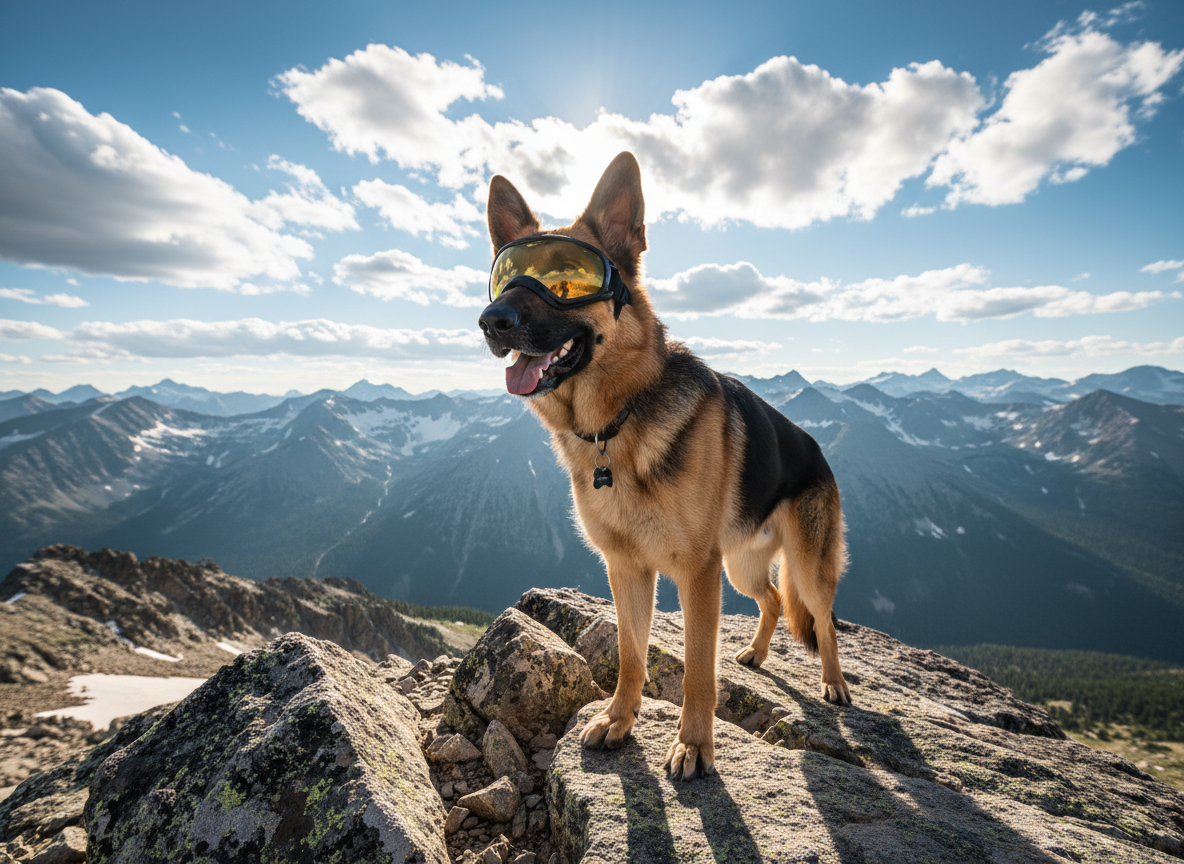
A dog’s eyes are their window to the world, and just like ours, they require protection from the elements. Whether you’re adventuring on sun-drenched trails, navigating windy coastlines, or your dog has a medical condition requiring ocular care, protective eyewear is an essential piece of gear. Rex Specs have set the standard for canine goggles, offering unparalleled protection with a design that prioritizes a dog’s comfort and range of vision. However, the most advanced gear is only effective if your dog will wear it. Many owners find the prospect of goggle training daunting, but it doesn’t have to be. This comprehensive guide provides a systematic, three-day training plan rooted in the principles of positive reinforcement. Our goal is to transform the goggles from a strange object into a welcome accessory that signals the start of a great adventure. By following these steps with patience and consistency, you can build your dog’s confidence and ensure their eyes are shielded for years to come.
Pre-Training Preparation: Setting the Stage for Success
Pre-Training Preparation: Setting the Stage for Success
Before you begin the first training session, proper preparation is crucial. Rushing this initial phase is a common mistake that can undermine your efforts. By gathering the right tools, ensuring a perfect fit, and understanding the behavioral science behind the training, you create a foundation for a positive and efficient learning experience for your dog.
Gathering Your Tools
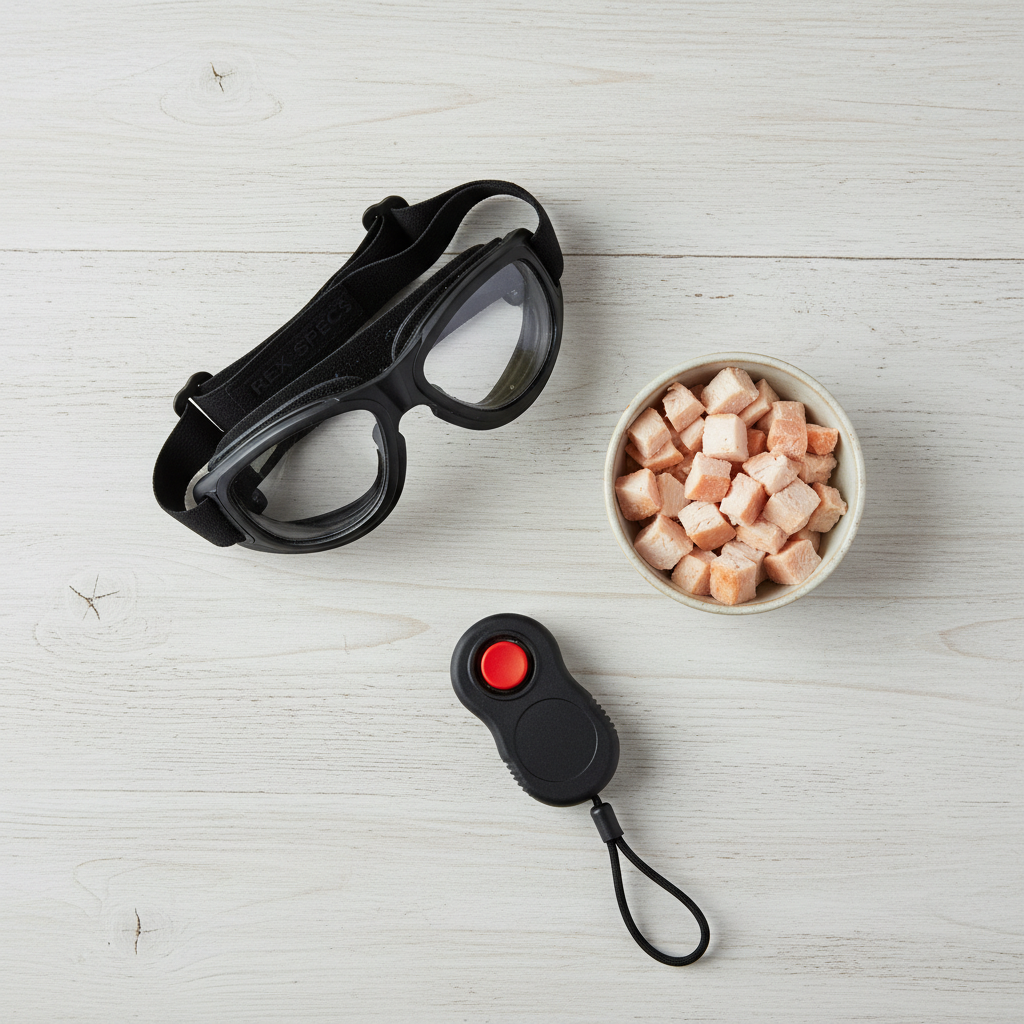
Having everything you need on hand allows you to maintain the flow of your training sessions without interruption. You want to keep the sessions short, engaging, and positive, and searching for treats mid-session can break your dog’s focus. Here is what you will need:
- Rex Specs Goggles: Ensure you have the correct size for your dog’s breed and head shape.
- High-Value Treats: These should be small, soft, and exceptionally motivating for your dog. Think beyond their standard kibble. Small pieces of cooked chicken, cheese, or commercial training treats work well. The goal is to make the reward far more interesting than the new object you’re introducing.
- A Clicker (Optional): If your dog is already clicker-trained, a clicker can be a powerful tool for precisely marking the desired behaviors (like sniffing the goggles or allowing them to touch their face). If you don’t use a clicker, a consistent verbal marker like “Yes!” works just as well.
- A Quiet, Low-Distraction Environment: Your initial training sessions should take place in a familiar room where your dog feels safe and can focus on you without being distracted by other pets, people, or outside noises.
Ensuring the Right Fit
An ill-fitting pair of goggles will be uncomfortable at best and painful at worst, making training nearly impossible. Rex Specs are designed for an anatomical fit, but this requires correct sizing and adjustment. Before you even begin training, take the time to fit the goggles properly without your dog present. Adjust the straps so they are snug but not tight—you should be able to comfortably fit two fingers under the straps. The foam should rest flush against your dog’s face without gapping, creating a seal around the eyes. When you do introduce them to your dog, you want the fit to be perfect from the first moment.
Understanding the Core Principle: Positive Association
This entire training plan is built on the foundation of classical conditioning. The goal is simple: to make your dog associate the goggles with overwhelmingly positive experiences. We want the sight, smell, and feel of the goggles to predict the arrival of delicious treats, praise, and fun activities. At no point should you force the goggles onto your dog. Every interaction must be voluntary and rewarded. This approach builds trust and transforms the dog’s emotional response from suspicion or fear into eager anticipation. Your patience and positive energy are the most critical components of this process.
The 3-Day Training Protocol: A Step-by-Step Guide
The 3-Day Training Protocol: A Step-by-Step Guide
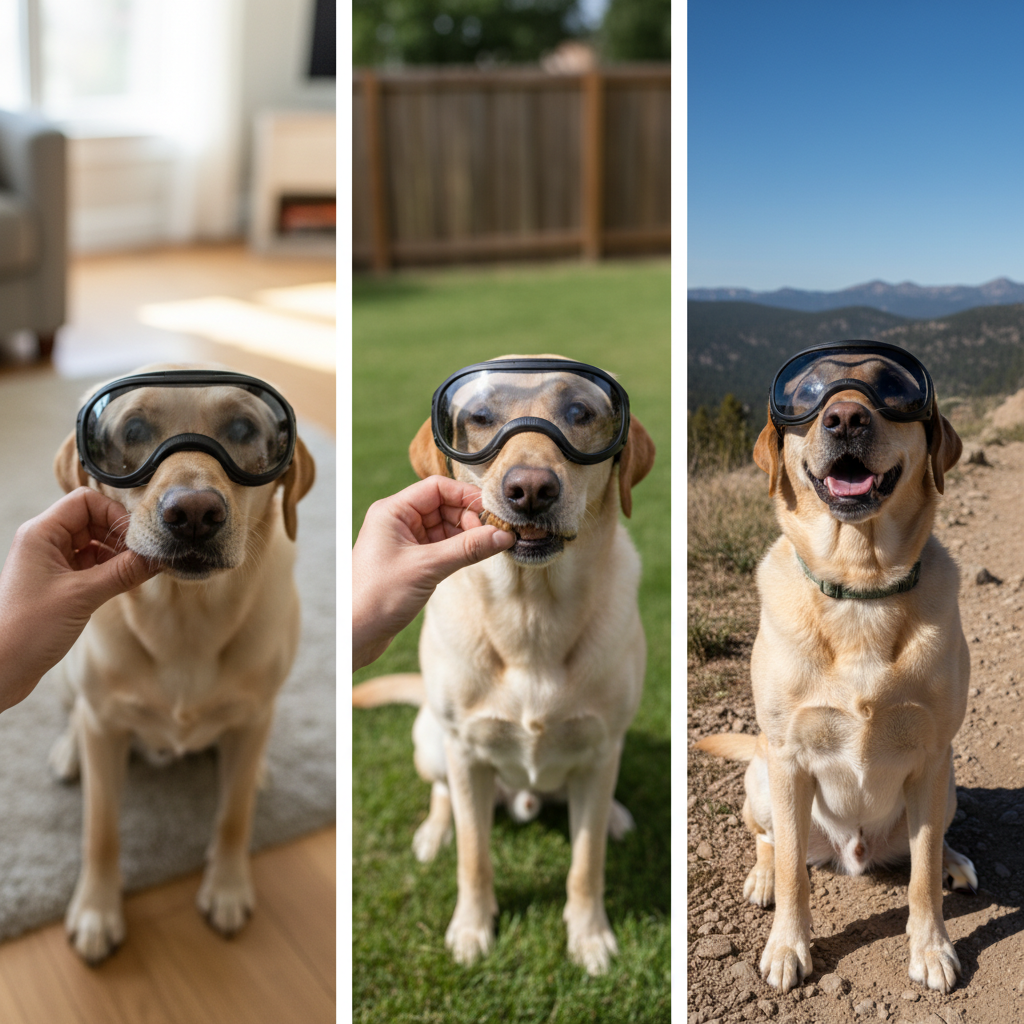
This protocol breaks down the training into manageable daily goals. Remember to keep all sessions short—just 1 to 5 minutes each, several times a day. Ending each session on a positive, successful note is more important than pushing for longer durations. Every dog learns at a different pace, so be prepared to adjust this timeline based on your dog’s comfort level.
Day 1: Introduction and Association
The objective for Day 1 is purely about creating a positive first impression. The dog should learn that the presence of the goggles makes good things happen. For today’s exercises, remove the lens from the goggle frame. This makes the object less visually intimidating and allows the dog to see through it clearly.
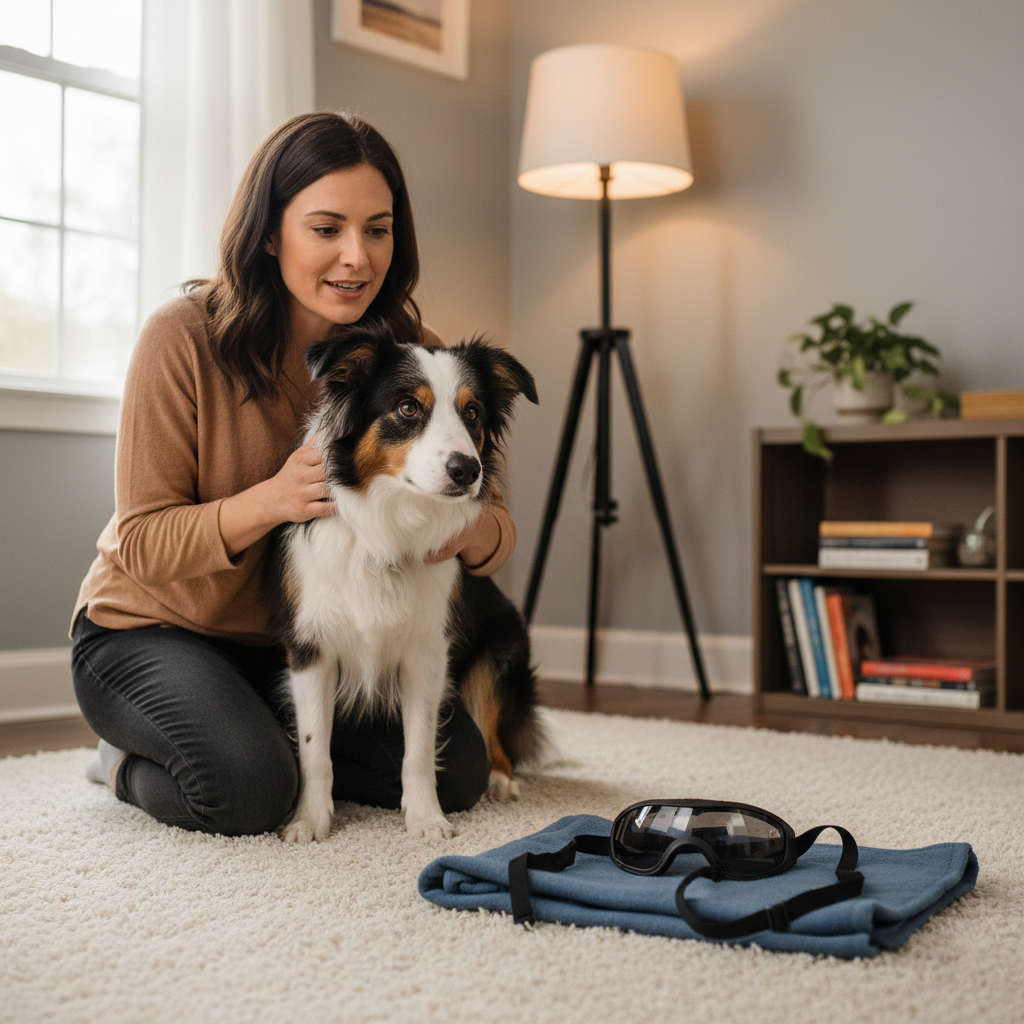
- Goggles = Treats: Sit on the floor with your dog in your quiet training space. Hold the goggle frame in one hand and your treats in the other. Simply present the frame. The moment your dog looks at it or sniffs it, mark the behavior (“Yes!”) and give them a treat. Repeat this 5-10 times.
- Frame as a Treat Dispenser: Hold the goggle frame up and use your other hand to pass treats through the lens opening to your dog’s mouth. The frame becomes a magical window that produces food. This builds immense positive association and encourages them to move their face toward the frame voluntarily.
- Brief Muzzle Contact: Once your dog is eagerly pushing their nose through the frame for treats, briefly touch the frame to the bridge of their nose for a split second, then reward. The touch should be light and momentary. The goal is to desensitize them to the feeling of the frame on their face.
Day 2: Building Duration and Adding Lenses
On Day 2, we build on the positive foundation from Day 1, gradually introducing the lenses and the concept of wearing the frame for slightly longer periods. Continue to keep sessions short and upbeat.
- Holding the Frame in Place: Begin with the lens still out. Encourage your dog to place their muzzle through the frame, and this time, hold it gently against their face for 1-2 seconds before rewarding. Gradually increase this duration to 3-5 seconds as your dog remains comfortable.
- Re-introducing the Lens: Begin the session by showing your dog the lens by itself. Let them sniff it, mark, and reward. Then, pop the lens back into the frame. Reward your dog for simply looking at the fully assembled goggles.
- Goggles On, Split Second: Hold the fully assembled goggles. Encourage your dog to put their face forward (you can lure them with a treat). Gently place the goggles over their eyes for a single second, then immediately remove them and deliver a high-value jackpot reward (several treats at once). The sequence is: Goggles on -> Goggles off -> Reward. The reward happens after the goggles come off.
- Securing the Straps (Loosely): As your dog gets comfortable with the split-second placement, progress to loosely placing the straps over their head. The sequence is now: Goggles on -> Straps on (loosely) -> Straps off -> Goggles off -> Jackpot reward. The entire process should take no more than 2-3 seconds.
Day 3: Generalization and Real-World Application
Today is about putting it all together. We will increase wear time and, most importantly, teach the dog that wearing goggles is the direct precursor to their favorite activities. This solidifies the association and gives the goggles a purpose.
- Increasing Wear Time Indoors: Put the goggles on your dog and secure them comfortably. Immediately engage them in a simple, fun activity inside, like practicing a few tricks they love or playing a quick game of tug. Start with 30 seconds and gradually work up to a few minutes. Shower them with praise and treats.
- Moving Outside: Once they are comfortable indoors, take the next session to a low-distraction outdoor area like your backyard. Put the goggles on and immediately throw a ball or start walking. The focus should be on the fun activity, not the eyewear.
- The Adventure Signal: The ultimate goal is for the goggles to signal an adventure. Put the goggles on right before you open the car door for a ride, right before you clip the leash on for a walk, or right before you head out to the beach. The goggles become part of the exciting routine, not an obstacle to it.
Troubleshooting Common Challenges and Pro Tips
Troubleshooting Common Challenges and Pro Tips
Even with a perfect plan, you may encounter some resistance. This is a normal part of the training process. The key is to respond with patience and adjust your approach rather than trying to force the issue. Below are common challenges and their solutions.
Common Issues and Solutions
Understanding your dog’s body language is critical. A dog pawing at their face or shaking their head is communicating discomfort or uncertainty. How you respond will determine the future success of your training.
| Challenge | Reason & Solution |
|---|---|
| Dog is pawing at the goggles. | This is the most common reaction. It typically means you’ve progressed too quickly or the fit is incorrect. Solution: Go back a step in your training plan. Shorten the duration significantly—even back to a single second. Double-check the strap tension and ensure no fur is caught. Increase the value of your reward. |
| Dog shakes their head vigorously. | This can be a sign of a poor fit, or the dog is simply not yet accustomed to the sensation. Solution: First, re-check the fit to ensure the goggles are secure and not shifting. Then, return to Day 1 exercises, focusing on positive association without putting the goggles on. Make the activity that follows putting the goggles on (even for a second) extremely exciting. |
| Dog freezes, tucks tail, or ‘shuts down’. | This is a stress response indicating the dog is overwhelmed. Solution: Immediately stop the session. Do not remove the goggles as a ‘reward’ for this behavior. Instead, ask for a simple command your dog knows (like ‘sit’), reward them for it, then calmly remove the goggles. End the interaction on this positive note. Your next session should be much shorter and start from the very beginning. |
| Dog is fine inside but resists outside. | The outdoor environment is full of distractions that can heighten a dog’s sensitivity. Solution: The transition was too abrupt. Practice wearing the goggles indoors with outdoor-like distractions (e.g., open a door, put on your jacket). Then, choose a very quiet, boring outdoor spot for your next attempt, gradually moving to more exciting locations. |
Expert Tip: Never leave your dog unattended while they are wearing goggles, especially during the initial training phases. This is crucial for their safety and to prevent them from developing a negative association if they manage to get them tangled or caught on something.
Beyond the Basics: When and Why to Use Dog Goggles
Beyond the Basics: When and Why to Use Dog Goggles
Understanding the full range of benefits provided by high-quality canine eyewear can reinforce the importance of your training efforts. These are not just an accessory; they are a critical piece of protective equipment that can safeguard your dog’s health and enhance their quality of life in numerous situations.
Protecting Against Environmental Hazards
For the active dog, the environment poses many threats to ocular health. High-quality goggles with impact-resistant and UV-rated lenses provide a crucial barrier.
- UV Radiation: Just like humans, dogs are susceptible to sun damage. Prolonged exposure to UV rays can contribute to conditions like cataracts and Pannus. Goggles with UV400 lenses block nearly 100% of harmful UVA and UVB rays.
- Debris and Particulates: Whether hiking in a forest, running on a sandy beach, or riding in a convertible, dogs are exposed to dust, dirt, sticks, and other foreign objects that can cause painful corneal abrasions and infections.
- Wind and Water: Intense wind can dry out a dog’s eyes and introduce irritants. For dogs who enjoy boating or swimming in saltwater, goggles prevent irritation and dryness.
Medical Necessity for Sensitive Eyes
For many dogs, goggles are not a choice but a veterinary recommendation. They play a vital role in managing and preventing complications from various medical conditions.
- Pannus (Chronic Superficial Keratitis): This progressive, immune-mediated disease affects the cornea and is exacerbated by UV light exposure. It is particularly common in German Shepherds and Greyhounds. Consistent use of UV-blocking goggles is a cornerstone of managing the condition and preserving vision.
- Post-Operative Recovery: After eye surgery for conditions like cataracts or entropion, it is critical to protect the eye from trauma, dust, and self-inflicted injury (rubbing or scratching). Goggles provide a secure shield during the healing process.
- Light Sensitivity (Iris Atrophy): In older dogs, the iris can begin to atrophy, which means it can no longer constrict effectively in bright light. This causes painful light sensitivity, and tinted goggles can significantly improve their comfort outdoors.
Working and Service Dog Applications
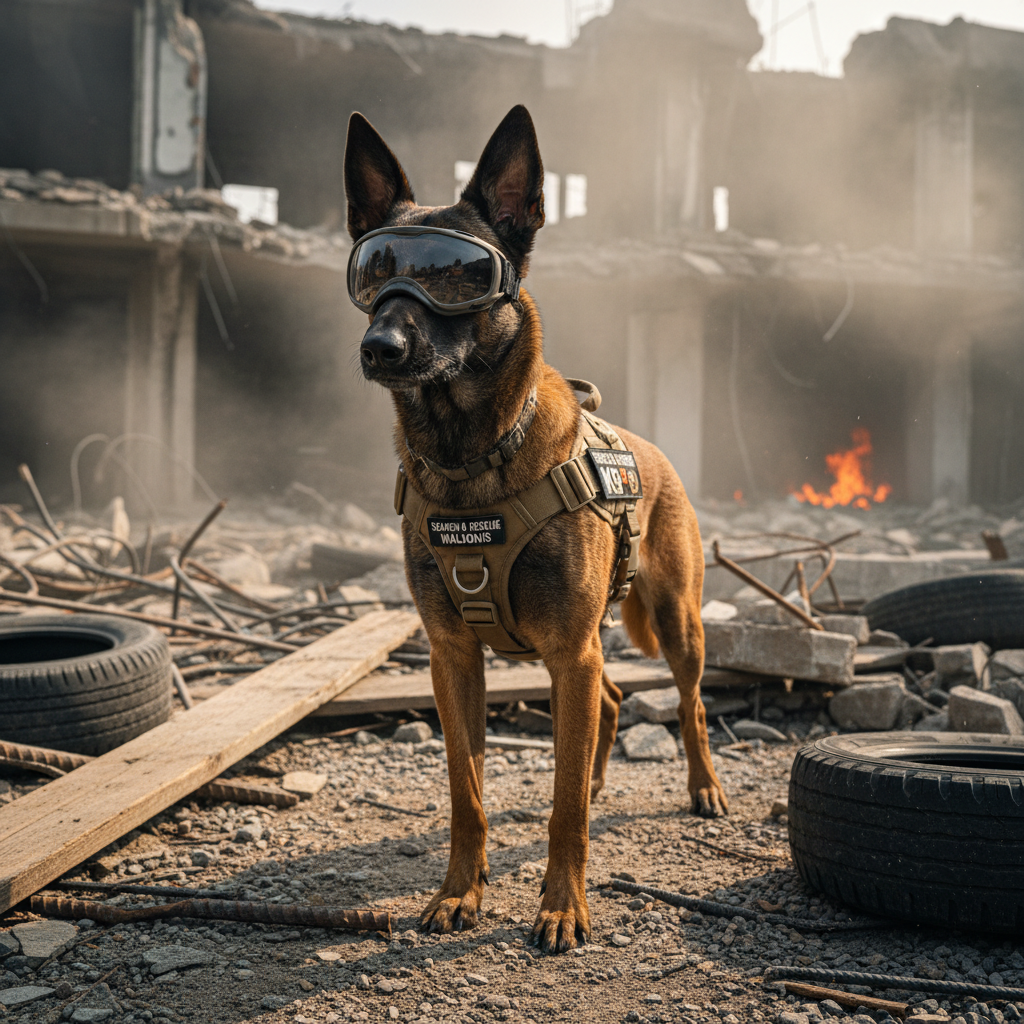
In high-stakes environments, eye protection is non-negotiable. Military, police K9, and Search and Rescue (SAR) dogs operate in unpredictable and hazardous conditions. Goggles protect them from debris during building searches, dust and rotor wash from helicopters, and environmental hazards during disaster response, ensuring they can perform their duties safely and effectively.
Conclusion
Training your dog to wear goggles is an investment in their long-term health and well-being. By following this three-day plan with consistency and a positive attitude, you can successfully teach your canine companion to accept, and even welcome, their protective eyewear. Remember that the core principles are patience, positive association, and ensuring a proper, comfortable fit. The goggles should always be a predictor of fun and adventure. While this guide provides a structured timeline, it is essential to listen to your dog and adjust the pace as needed. The bond of trust you strengthen during these training sessions is as valuable as the protection the goggles provide. Now, you are equipped with the knowledge to open up a world of safer adventures for you and your best friend.