How To Train Your Dog To Drink From A Water Bottle On Hikes
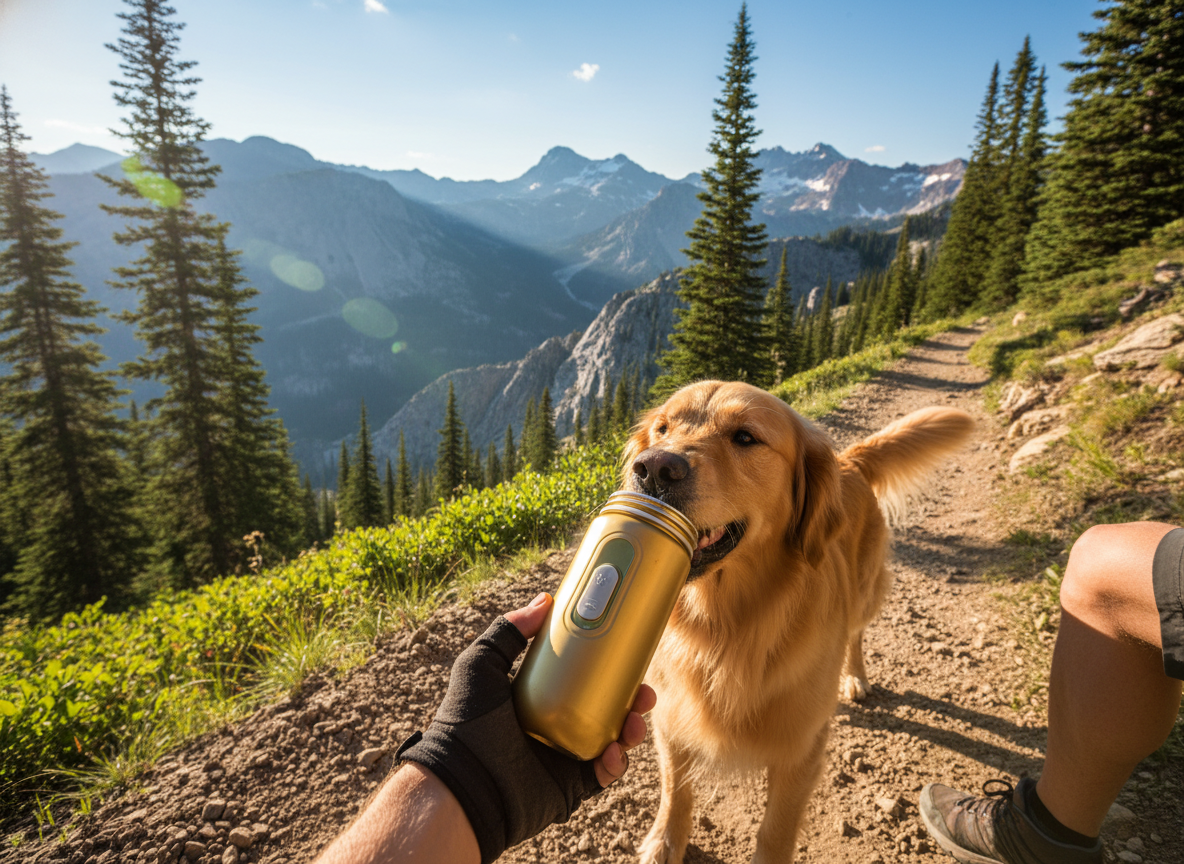
Embarking on a hike with your canine companion is one of the most rewarding experiences a pet owner can have. The shared adventure, fresh air, and stunning scenery strengthen your bond and provide essential physical and mental stimulation for your dog. However, a successful hike hinges on proper preparation, and one of the most critical aspects is ensuring your dog remains adequately hydrated. Dehydration in dogs can occur quickly and lead to serious health issues, including heatstroke and organ damage. While streams and puddles may seem like convenient water sources, they can harbor dangerous bacteria and parasites. The safest and most reliable solution is to carry fresh water and train your dog to drink from a bottle.
This guide provides a comprehensive, step-by-step methodology for teaching your dog this vital skill. We will cover everything from selecting the right equipment to mastering the training process through positive reinforcement. By following these expert-backed instructions, you can transform a simple water bottle into a reliable hydration tool, guaranteeing your dog’s safety and well-being on any trail, no matter how challenging.
Essential Gear and Foundational Principles
Choosing the Right Water Bottle and Understanding the Basics
Before beginning the training process, it’s crucial to select the right equipment. Not all water bottles are created equal, especially when it comes to canine use. The goal is to find a bottle that is both convenient for you to carry and easy for your dog to drink from. This initial choice can significantly impact the success of your training efforts.
Types of Dog-Friendly Water Bottles
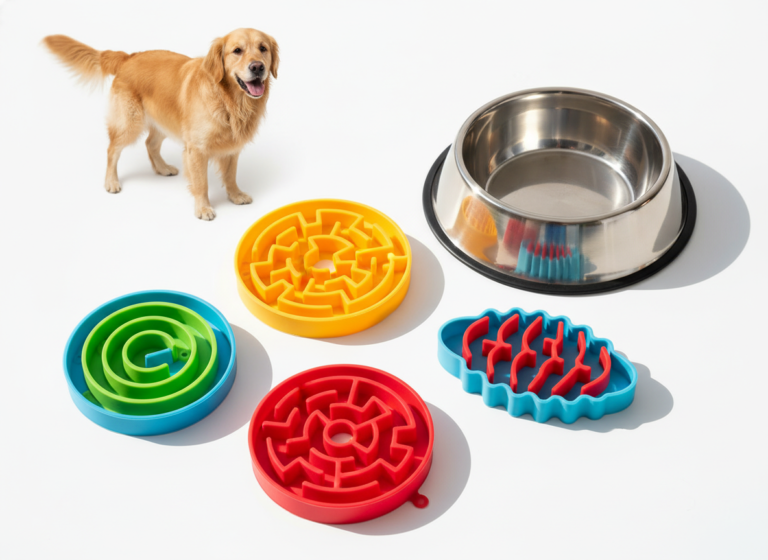
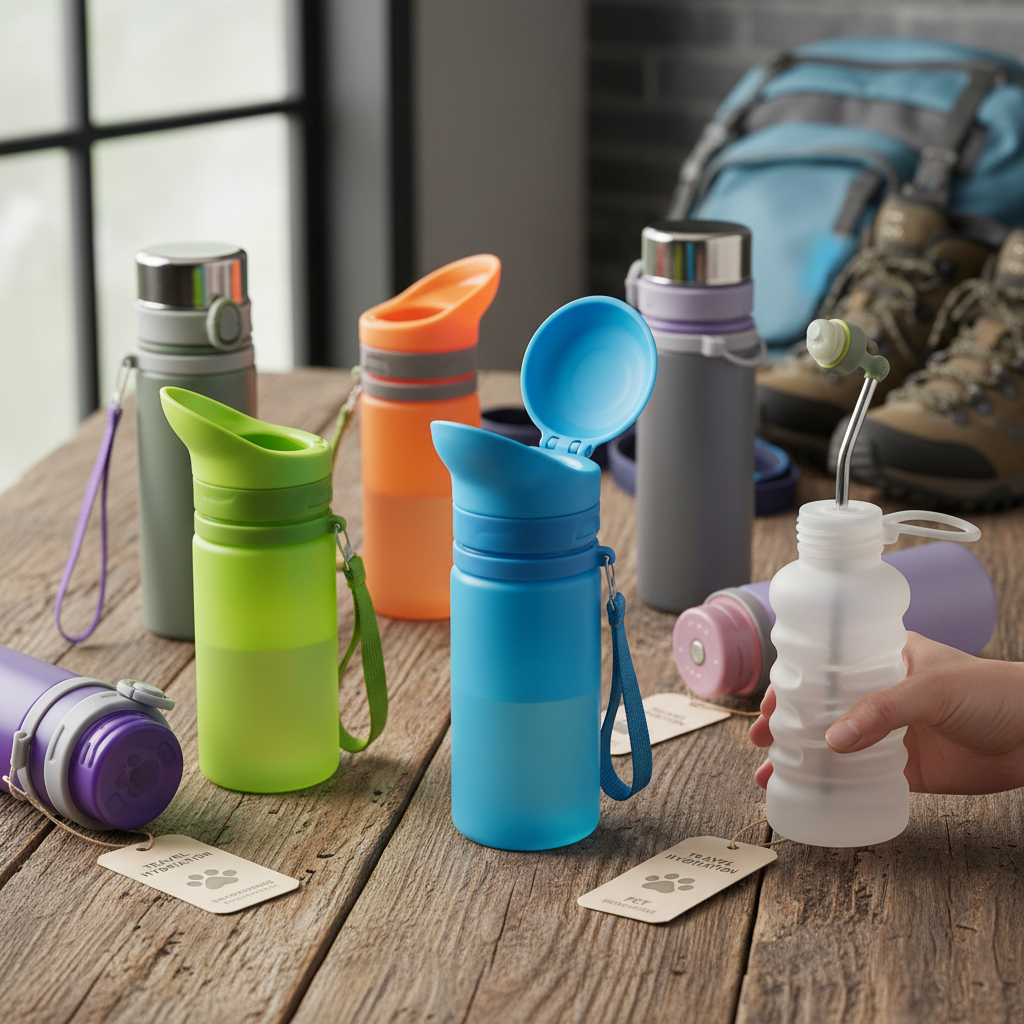
There are several designs tailored specifically for dogs on the go. Understanding the options will help you make an informed decision based on your dog’s size, drinking style, and your personal preferences.
- Bottle with Detachable Bowl/Lid: These popular models feature a standard water bottle with a lid that unscrews and doubles as a small drinking bowl. This is often the easiest type for dogs to learn with, as it mimics a familiar drinking vessel.
- Integrated Trough Design: This style has a built-in, foldable trough or tray. With the press of a button, water flows from the bottle into the trough. A key advantage is that you can often retract any undrunk water back into the bottle, minimizing waste.
- Squeeze-to-Fill Bottles: Similar to the integrated trough design, these bottles require you to squeeze them to push water up into an attached bowl at the top. They are simple to operate with one hand.
- Standard Bottle with a Nozzle: Some owners train their dogs to drink directly from a regular water bottle with a sports cap or nozzle. This method requires more advanced training, as the dog must learn to lick or catch the stream of water.
Expert Tip: For initial training, a bottle with an attached bowl or trough is highly recommended. The familiar shape of a bowl reduces intimidation and makes the learning curve much gentler for your dog.
Key Principles of Positive Reinforcement
The foundation of this training, and indeed all effective dog training, is positive reinforcement. This means rewarding desired behaviors to increase the likelihood they will be repeated. Forcing a water bottle on your dog will only create fear and negative associations. Instead, we will make the water bottle a source of positive experiences.
- Patience is Paramount: Every dog learns at a different pace. Never rush the process or show frustration.
- High-Value Rewards: Use treats that your dog absolutely loves. This will create a strong motivation to interact with the water bottle.
- Short, Frequent Sessions: Keep training sessions brief (5-10 minutes) to maintain your dog’s focus and enthusiasm.
- Create a Calm Environment: Begin training in a quiet, familiar place, like your home, where there are minimal distractions.
The Step-by-Step Training Guide
From Introduction to Mastery: A Phased Approach
This training process is broken down into distinct, sequential steps. It is essential to ensure your dog is completely comfortable with one step before moving on to the next. Progressing too quickly can undermine your efforts and create anxiety.
-
Step 1: Introduction and Association
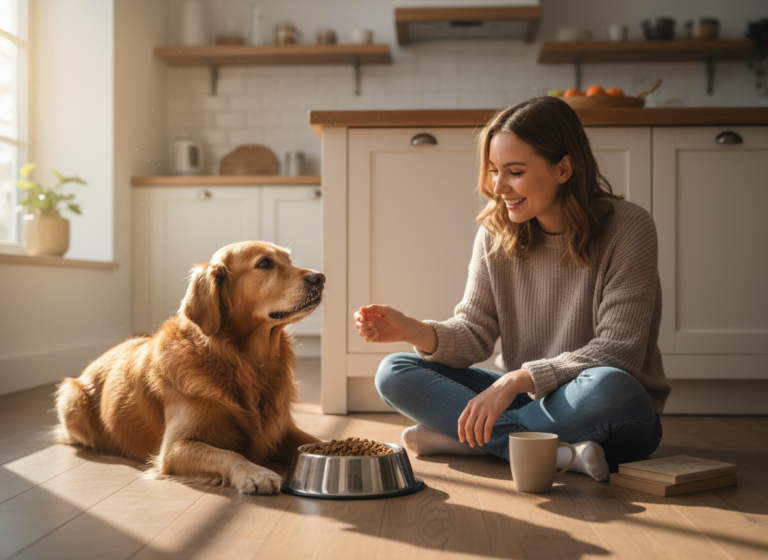
The first goal is to create a positive association with the water bottle itself. At this stage, your dog doesn’t even need to drink from it. Place the new water bottle (empty and clean) on the floor in a neutral area of your home. Let your dog investigate it at their own pace. When they sniff or touch the bottle, praise them enthusiastically and give them a high-value treat. Repeat this several times over a day or two until your dog shows excitement or positive interest when they see the bottle.
-
Step 2: Introducing Water in a Familiar Bowl
Next, fill the bottle’s detachable bowl or trough with a small amount of water and place it on the floor, separate from the bottle. Encourage your dog to drink from it as you would a normal water bowl. This helps them understand that this new object is a source of water. Praise them when they drink.
-
Step 3: Connecting the Bottle and the Bowl
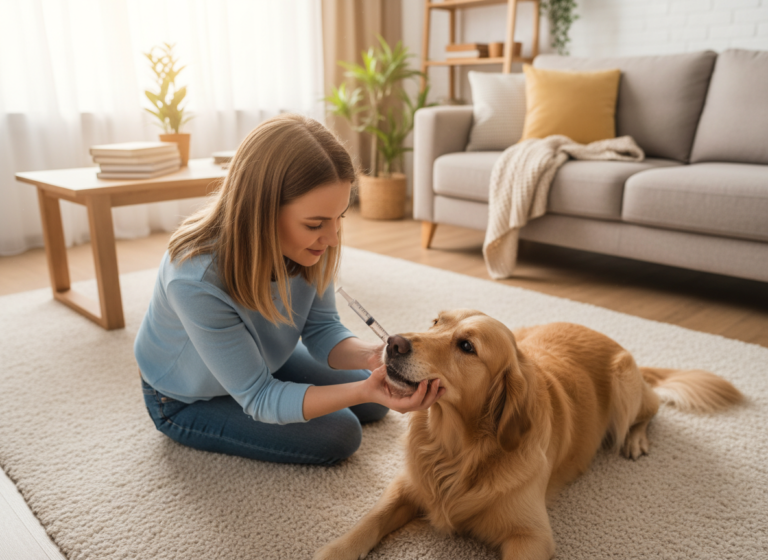
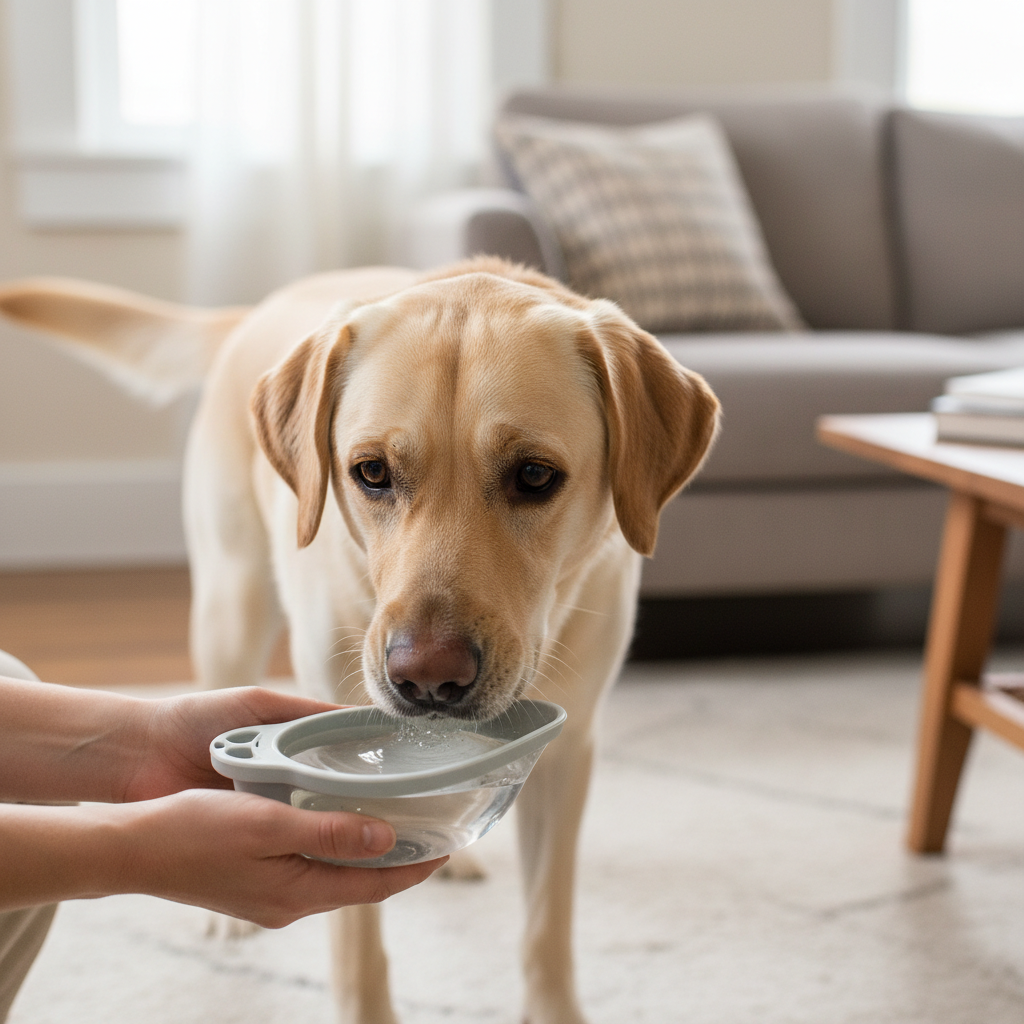
Once your dog is comfortable drinking from the detached bowl, attach it to the water bottle. Hold the bottle and present the bowl to your dog at a comfortable height. Let them drink from it while you are holding the entire apparatus. This step bridges the gap between a familiar bowl on the floor and the new experience of drinking from an object you are holding.
-
Step 4: The Action of Dispensing Water
This is often the most challenging step. In a quiet moment, hold the bottle and press the button or squeeze it to release water into the bowl. The sound and movement might initially startle your dog. Dispense a small amount of water and offer it. If they hesitate, simply place the bowl with water on the floor again. The key is to desensitize them to the action of the water appearing. Do this in short bursts, rewarding any calm behavior or attempts to drink with praise and treats.
-
Step 5: Generalizing the Behavior
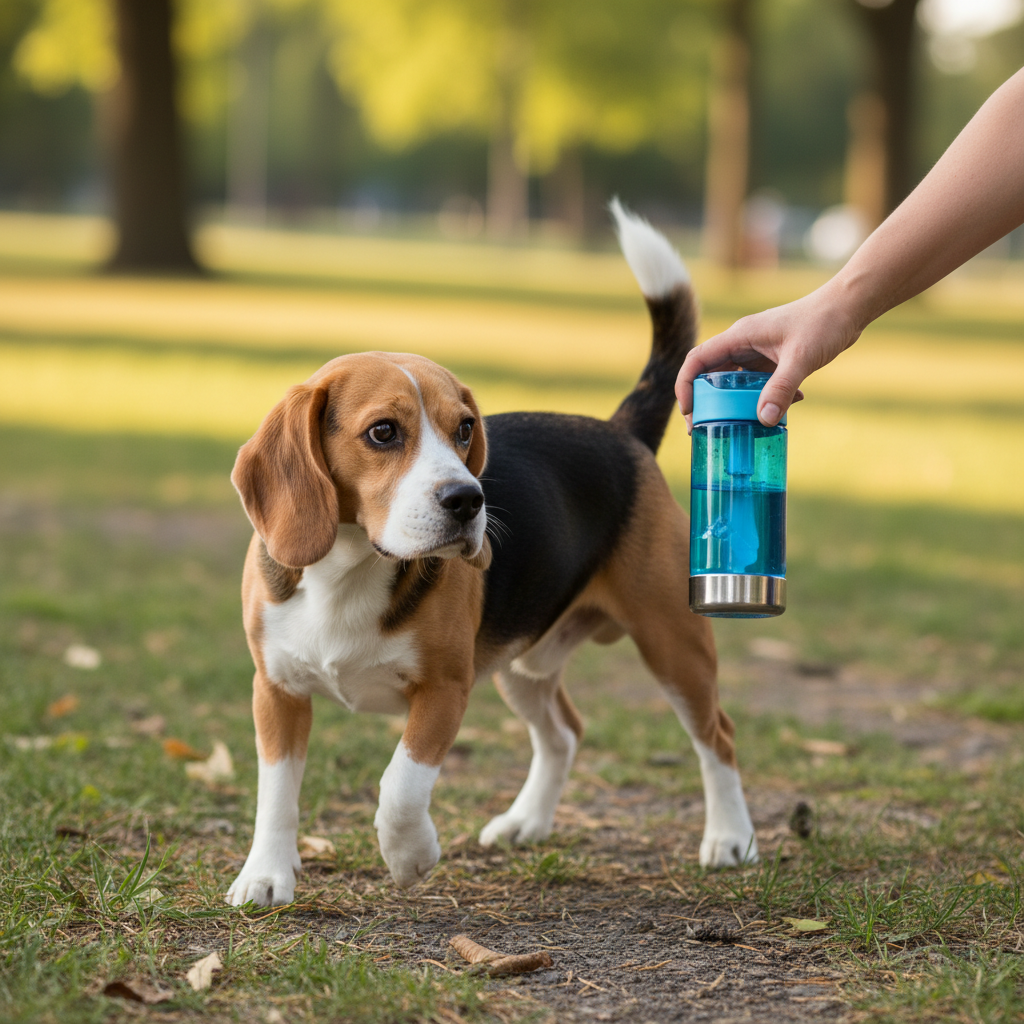
After your dog is reliably drinking from the bottle at home, it’s time to practice in different environments. Start in your backyard, then move to a quiet park, and finally, practice on a short, easy trail. This process of generalization helps your dog understand that the water bottle works the same way everywhere, not just in the living room. It solidifies the skill and prepares them for real-world hiking scenarios.
Troubleshooting Common Training Challenges
Addressing Hesitation, Fear, and Refusal
Even with a perfect training plan, you may encounter roadblocks. Understanding how to address common issues is key to overcoming them without damaging the positive association you’ve built.
My Dog is Afraid of the Bottle
Fear often stems from a negative past experience or neophobia (fear of new things). If your dog shies away, flattens their ears, or tucks their tail, you must go back to the basics.
- Revisit Step 1: Spend more time simply rewarding your dog for being near the bottle. You can even smear a tiny bit of peanut butter (ensure it’s xylitol-free) or cream cheese on the bottle to make it more appealing.
- Break It Down Further: If the sound of water dispensing is the issue, practice making the sound at a distance while giving your dog treats. Gradually decrease the distance over several sessions until they are comfortable with the sound up close.
- Avoid Pressure: Never push the bottle toward a fearful dog. Let them control the interaction and approach on their own terms.
My Dog Won’t Drink from the Bottle
Sometimes a dog understands the concept but still refuses to drink. This can be due to preference, distraction, or not being thirsty.
- Enhance the Water: Try adding a small, safe flavor enhancer to the water, like a splash of low-sodium chicken or beef broth. This can make the water more enticing. Use this only for training and phase it out once the behavior is learned.
- Practice When They’re Thirsty: Conduct a short training session after a light play session when your dog is naturally more inclined to drink. However, never withhold water to force them to drink from the bottle; always have a regular bowl available.
My Dog Only Licks or Takes a Tiny Sip
This behavior indicates that the dog is still uncertain or the drinking position is awkward.
- Adjust the Angle and Height: Experiment with holding the bottle at different heights and angles. Some dogs prefer to drink with their head lowered, while others are comfortable with it held higher.
- Check the Water Flow: Ensure the water is flowing freely and easily. If the dog has to work too hard to get water, they may give up.
- Praise Any Attempt: Even a small lick is progress. Lavishly praise any interaction with the water to build confidence. Over time, as their confidence grows, the licks will turn into full drinks.
On-the-Trail Hydration Strategy
Integrating the Skill into Your Hiking Routine
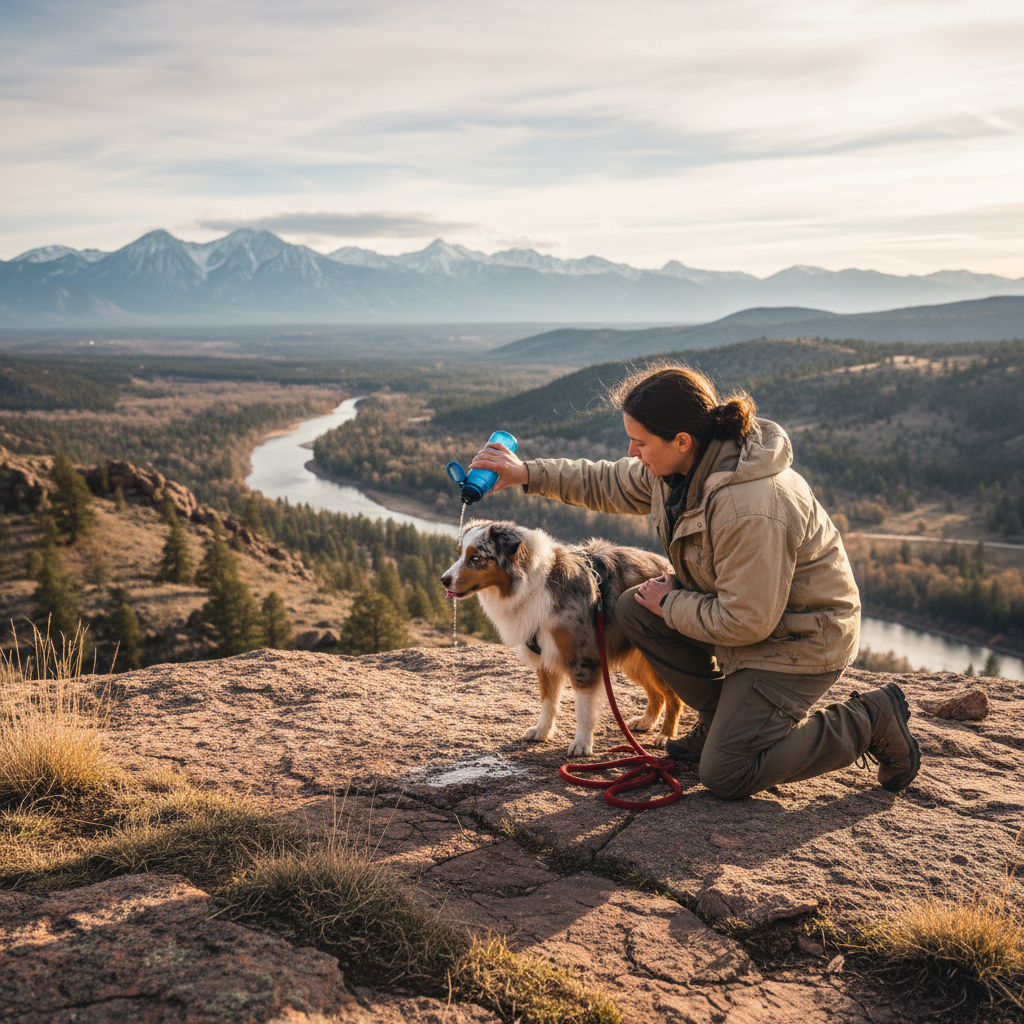
Once your dog has mastered drinking from the bottle in various settings, it’s time to implement a smart hydration strategy on your hikes. Proper timing and frequency are just as important as the skill itself.
When and How Often to Offer Water
A common mistake is waiting until a dog is obviously thirsty or panting heavily. By that point, they may already be experiencing mild dehydration. Proactive hydration is the best approach.
- Offer Water Frequently: A good rule of thumb is to offer your dog water every 30-45 minutes, or at every major break you take. The exact frequency will depend on the temperature, humidity, intensity of the hike, and your dog’s individual needs.
- Before and After: Ensure your dog is well-hydrated before you even start the hike. Offer water about an hour before you hit the trail. Similarly, offer a final drink as soon as you finish.
- Watch for Signs of Thirst: Learn your dog’s cues. These can include excessive panting, lagging behind, a dry nose, and thick, stringy saliva. Offer water immediately if you notice these signs.
Important Note: While ensuring hydration is critical, do not let your dog gulp excessive amounts of water at once, especially after intense exercise. This can lead to a dangerous condition called water intoxication or, in deep-chested breeds, increase the risk of bloat. Offer small, frequent drinks instead of one large volume.
How Much Water to Bring
The amount of water you need to carry depends on several factors. It’s always better to have too much than not enough.
| Factor | Consideration | Recommendation |
|---|---|---|
| Hike Duration & Difficulty | Longer, more strenuous hikes require significantly more water. | Carry at least 8-16 ounces (250-500 ml) of water per hour for a medium-sized dog. |
| Weather Conditions | Hot and humid days increase water needs dramatically. | Increase your water supply by at least 50% on hot days. |
| Dog’s Size & Breed | Larger dogs and breeds with thick coats will need more water. | Adjust the baseline amount according to your dog’s specific needs. |
| Water Availability | Never rely on natural water sources. Assume there will be none. | Always carry all the water your dog will need for the entire duration of the hike. |
Conclusion
Training your dog to drink from a water bottle is more than a convenient trick; it’s a fundamental aspect of responsible pet ownership for anyone who enjoys the great outdoors. By investing the time and patience to teach this skill using positive reinforcement, you are equipping your canine partner with the ability to stay safely hydrated, no matter where your adventures take you. Remember to progress at your dog’s pace, celebrate small victories, and always make the experience positive. Once mastered, this simple behavior will provide invaluable peace of mind, allowing you to focus on creating lasting memories on the trail, confident that your dog’s health and safety are well in hand. Happy hiking!