How To Build A DIY Dog Sensory Garden For Under $50

In the world of canine care, providing for a dog’s physical needs—food, water, shelter, and exercise—is fundamental. However, a crucial component of a dog’s overall well-being that is often overlooked is mental enrichment. A bored dog is often a destructive or anxious dog. One of the most effective and rewarding ways to stimulate your dog’s mind is by engaging their most powerful sense: their sense of smell. This is where a sensory garden comes in. A dog sensory garden is a dedicated outdoor space designed to stimulate all of your dog’s senses, creating a rich, interactive environment that encourages natural behaviors like sniffing, exploring, and foraging. While commercial enrichment toys and professional services can be costly, creating a profound sensory experience for your canine companion doesn’t have to be. This comprehensive guide will walk you through the entire process of designing and building a dynamic, safe, and engaging DIY dog sensory garden for under $50.
Why Your Dog Needs a Sensory Garden: The Science of Enrichment

Why Your Dog Needs a Sensory Garden: The Science of Enrichment
Before gathering materials, it’s essential to understand the science behind why a sensory garden is so beneficial. A dog’s primary interface with the world is its nose. Their olfactory system is exponentially more powerful than ours, containing up to 300 million olfactory receptors compared to our mere six million. The part of a dog’s brain devoted to analyzing smells is, proportionally, 40 times greater than ours. This means that for a dog, scent is information, a rich tapestry of data that tells them about their environment, other animals, and potential resources.
Canine enrichment is the practice of providing animals with environmental stimuli to promote psychological and physiological well-being. When a dog is left in a sterile backyard or indoors for long periods, they experience sensory deprivation, which can lead to a host of behavioral issues, including:
- Excessive barking
- Destructive chewing
- Anxiety and stress
- Repetitive or compulsive behaviors
- Depression or lethargy
A sensory garden acts as a direct antidote to this boredom. It offers a ‘scent-scape’ that allows them to engage in natural foraging and investigative behaviors. This activity is mentally taxing in a positive way, helping to tire out even high-energy dogs more effectively than physical exercise alone. By providing a variety of safe and interesting smells, textures, sounds, and even tastes, you are giving your dog a constructive outlet for their innate instincts, building confidence and reducing stress.
Expert Tip: Think of a sensory garden as a library of smells for your dog. Each time they visit, they can ‘read’ new stories, which keeps their mind active and engaged, preventing the cognitive decline associated with aging and inactivity.
Planning Your Garden: Design and Material Sourcing Under $50
Planning Your Garden: Design and Material Sourcing Under $50
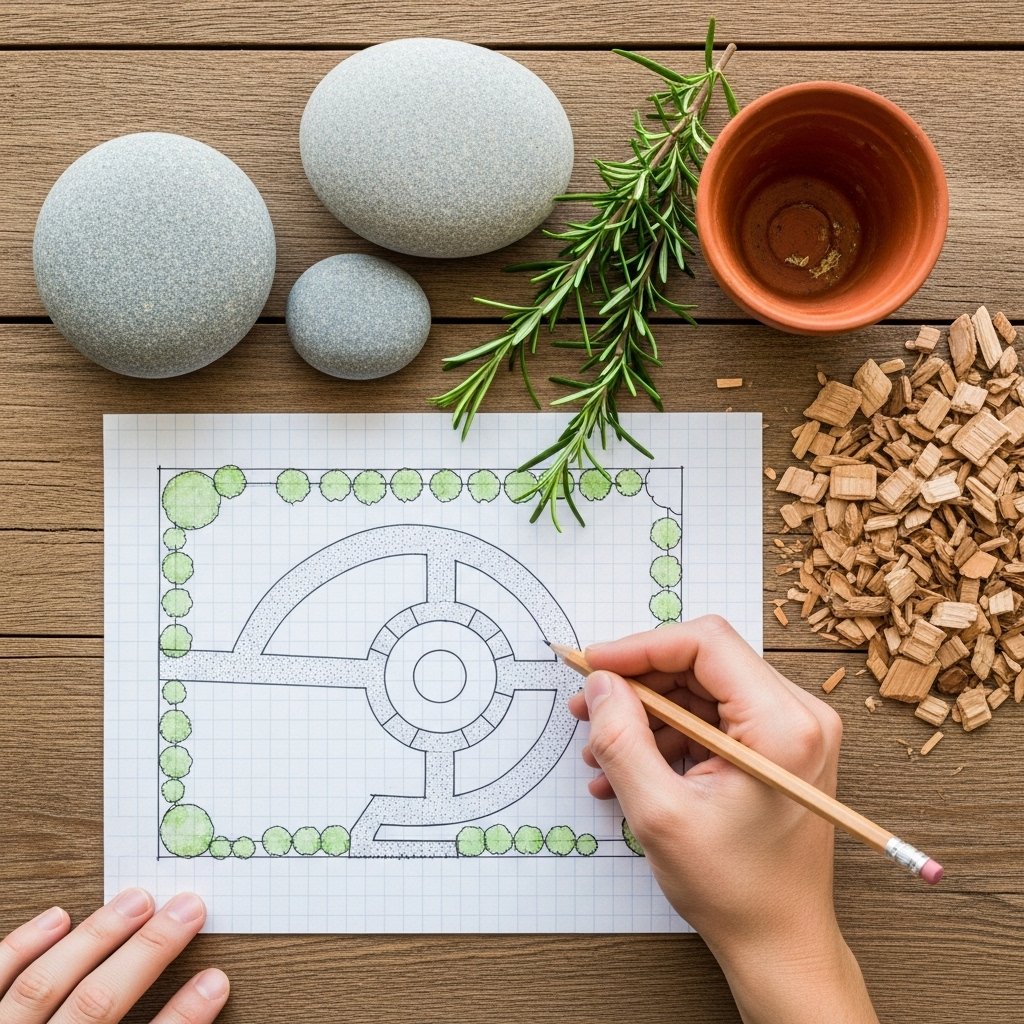
A successful and budget-friendly project begins with a solid plan. You do not need a large space; a small 4×4 foot corner of a yard, a designated section of a flower bed, or even a collection of large containers on a patio can be transformed into a sensory paradise.
Location and Layout
First, choose your spot. Consider a location that offers a mix of sun and shade throughout the day. Sketch out a simple design. A great approach is to create distinct ‘zones’ for different textures and plants. This can be achieved with simple, cheap borders. Your goal is to maximize variety within your space. Think about creating pathways with different materials or raised sections using reclaimed wood.
Budgeting and Sourcing
Staying under $50 requires savvy sourcing. Avoid big-box garden centers for primary materials. Instead, focus on free, reclaimed, or deeply discounted items. Your budget will primarily be spent on plants and perhaps a bag of unique substrate like sand.
| Item Category | Sourcing Strategy | Estimated Cost |
|---|---|---|
| Borders/Containers | Reclaimed bricks, large stones from your yard, leftover wood from projects, free wood pallets (check for ‘HT’ stamp for heat-treated, not chemical-treated), or large pots from thrift stores. | $0 – $10 |
| Substrates/Textures | Check with local tree trimming services for free wood chips or mulch. Use soil already in your yard. A bag of play sand is inexpensive. Collect smooth river rocks or pinecones (from safe trees) on walks. | $5 – $15 |
| Plants & Herbs | Purchase small starter plants instead of mature ones. Check local online marketplaces for people dividing their perennials. Focus on 3-4 key sensory plants. | $15 – $25 |
| Miscellaneous | A shallow water dish from a thrift store, a small wind chime. | $0 – $5 |
| Total Estimated Cost | $20 – $55 |
By being resourceful, you can easily create a rich and diverse garden well within the $50 budget. Always prioritize safety when using reclaimed materials, ensuring there are no sharp edges, nails, or toxic treatments.
Choosing the Right Senses: Dog-Safe Plants, Textures, and Sounds
Choosing the Right Senses: Dog-Safe Plants, Textures, and Sounds
The core of your sensory garden is the elements you fill it with. Variety is key, but safety is paramount. Always double-check that any plant you introduce is non-toxic to dogs. The ASPCA has a comprehensive list for reference.
Stimulating the Sense of Smell
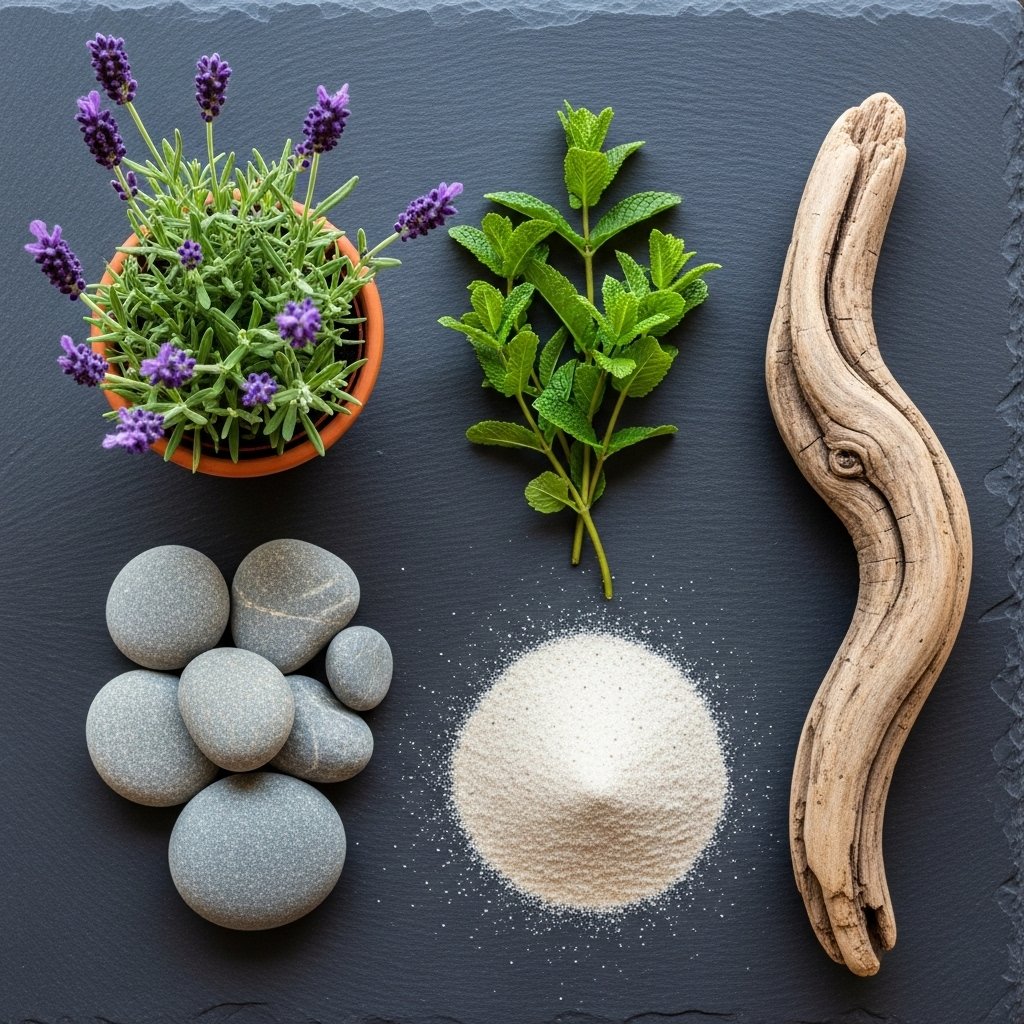
This is the most important sense to target. Choose plants that are safe for dogs to smell and even nibble in small quantities. Certain herbs have calming properties.
| Plant | Sensory Benefit | Safety Note |
|---|---|---|
| Lavender | Known for its calming and stress-reducing aroma. | Safe for dogs to smell. Ingestion of large quantities can cause gastrointestinal upset. |
| Rosemary | A pungent, stimulating scent that can be invigorating. | Safe in small quantities. It is also a natural flea repellent. |
| Mint (Spearmint/Peppermint) | A strong, refreshing scent that is highly stimulating for dogs. | Plant in a container as it spreads aggressively. English Pennyroyal is toxic; avoid it. |
| Valerian | The root is a known calming agent, and the flowers have a sweet scent. | Appeals to many dogs and can help with anxiety. |
| Chamomile | Another calming herb with a pleasant, apple-like scent. | Ensure it’s German or Roman Chamomile, which are safe. |
Engaging the Sense of Touch
Create different textures for your dog’s paws to explore. This provides tactile stimulation and encourages them to move through the space differently.
- Sand Pit: A small area with play sand can be great for digging.
- Smooth River Rocks: A patch of large, smooth stones provides a different, cooler texture.
- Wood Chips/Mulch: Offers a natural, earthy feel and holds scent well.
- Lush Grasses: Plant a clump of a safe ornamental grass like Little Bluestem for them to brush against.
- A Log or Stump: A safe, non-toxic log (like birch or pine) offers a place to climb, sniff, and even chew under supervision.
Incorporating Sound and Sight
While less critical than smell and touch, sound and sight add layers to the experience. A bamboo or wooden wind chime can provide gentle, non-startling sounds. Planting grasses that rustle in the wind also adds an auditory element. Visually, varying the height of plants and objects makes the garden more interesting for your dog to navigate.
The Build: A Step-by-Step Guide to Assembling Your Garden
The Build: A Step-by-Step Guide to Assembling Your Garden
With your plan, location, and materials ready, it’s time to build. This process can be completed in a single afternoon.
- Clear and Prepare the Area: Start by removing any existing grass, weeds, or debris from your chosen spot. Rake the soil to level it as much as possible. This creates a blank canvas for your design.
- Define the Borders: Using your reclaimed bricks, stones, or wood, lay out the perimeter of your garden. If you’re creating different zones, place internal dividers now. This framework will contain your various substrates and give the garden structure.
- Add the Substrates: This is the foundation of the tactile experience. Fill in your designated zones. You might have one corner filled with sand, a pathway of smooth stones, and the main planting area with a mix of soil and mulch. Spread each material evenly within its border.
- Position Structural Elements: Place any larger items like a log, stump, or large rocks. Settle them firmly into the substrate so they are stable and won’t roll or tip over when your dog interacts with them.
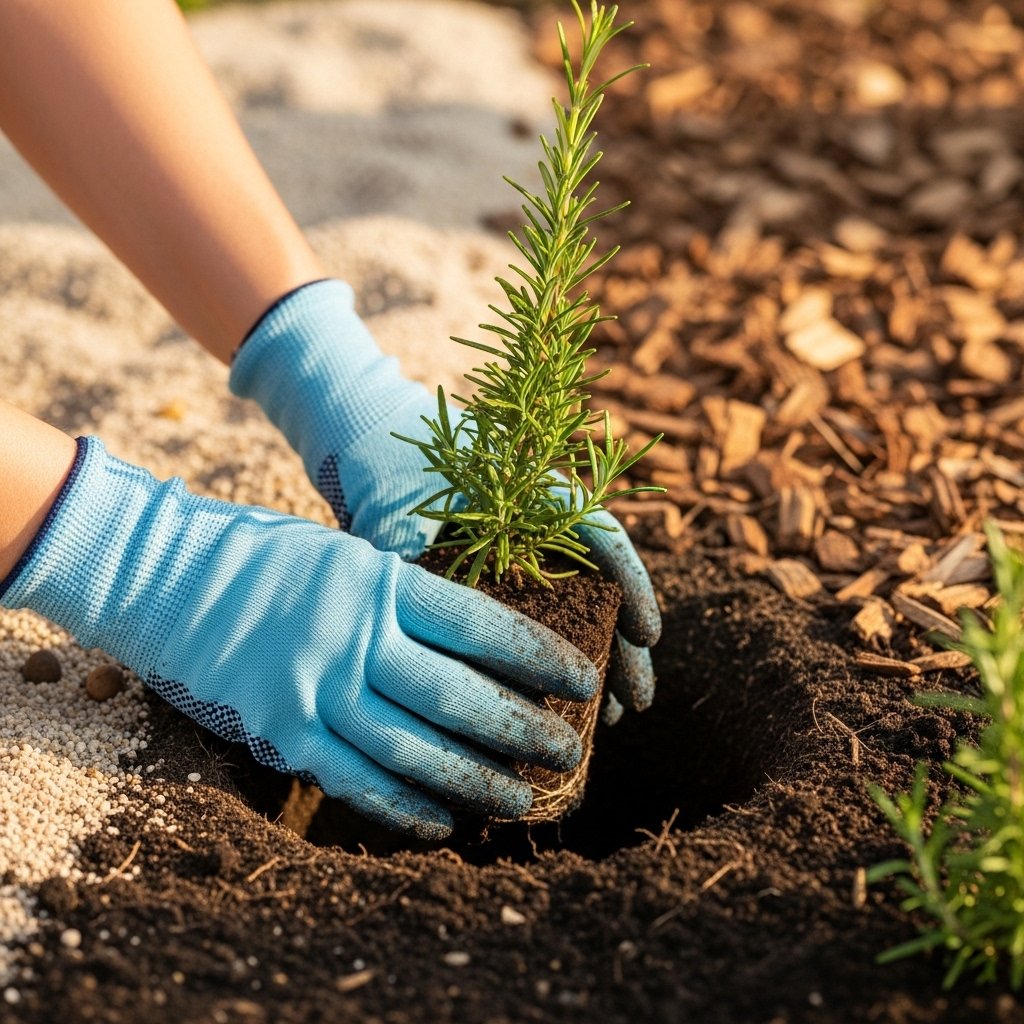
- Install the Plants: Dig holes for your chosen sensory plants. Gently remove them from their nursery pots, loosen the root ball, and place them in the holes. Backfill with soil and press down firmly. Space them out to give them room to grow and to create distinct scent zones. Water them thoroughly after planting.
- Add Finishing Touches: If you’re including a water feature, place a shallow, sturdy bowl and fill it with fresh water. Hang any wind chimes on a nearby branch or post. Scatter a few pinecones or other safe, natural items for your dog to discover.
- Final Safety Check: Walk through the entire garden one last time. Look for any sharp edges, unstable objects, or potential hazards. Ensure everything is secure and safe for exploration.
Making the Introduction: How to Encourage Safe and Positive Exploration
Making the Introduction: How to Encourage Safe and Positive Exploration
You’ve built a beautiful garden, but its success hinges on your dog’s positive association with it. A proper introduction is crucial to ensure they use the space as intended and don’t simply view it as a new place to potty or destructively dig.
The First Visit
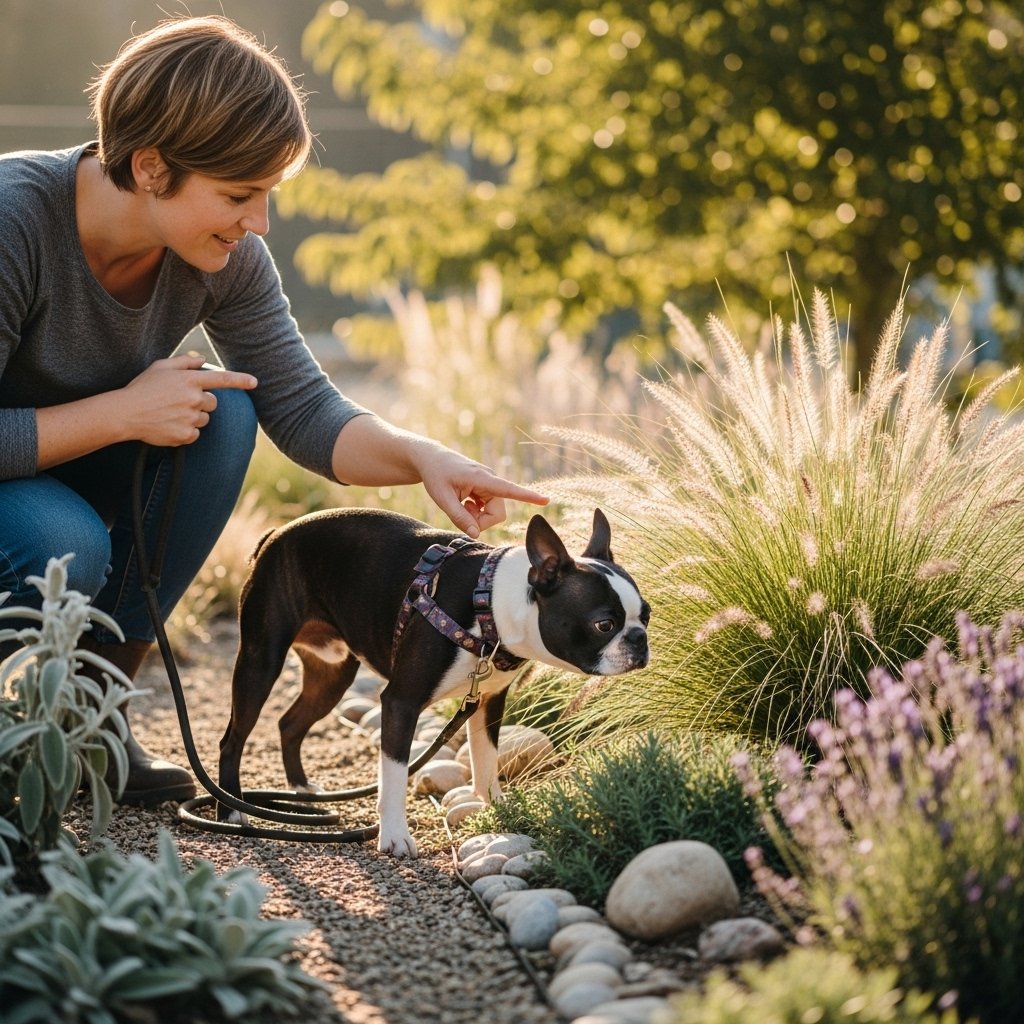
For the first few interactions, keep your dog on a leash. This gives you control and prevents them from immediately overwhelming themselves or trying to eat a plant. Walk them slowly around the perimeter, letting them sniff at their own pace. Use a calm, encouraging voice. Point out different features and let them investigate.
Encouraging Scent Work
The primary goal is to promote sniffing. To facilitate this, use their favorite food. Take a few high-value treats (small pieces of chicken, cheese, or their favorite kibble) and toss them into the garden. At first, make them easy to find. As your dog gets the hang of the ‘game,’ you can hide them more cleverly—at the base of a plant, under a leaf, or in the sand pit. This turns the garden into a foraging game, which is an incredibly satisfying and mentally stimulating activity for a dog.
Behavioral Tip: Never force your dog to interact with an element they seem unsure of. If they avoid the sand pit or shy away from a particular plant, let them. Positive reinforcement is key. Reward curiosity and calm exploration with praise and treats. The garden should always be a place of choice and positive experiences.
Supervision and Management
Always supervise your dog in the sensory garden, especially in the beginning. This allows you to gently redirect any unwanted behavior, like frantic digging in the wrong spot or attempting to ingest large amounts of plant matter. Over time, as they learn the ‘rules’ of the garden, you can grant them more freedom. The garden should remain a special, high-value area, not just an extension of the yard. You might only allow access for specific ‘enrichment sessions’ each day to maintain its novelty and appeal.
Conclusion
Building a DIY sensory garden is more than just a weekend project; it’s a profound investment in your dog’s quality of life. For under $50 and with a bit of creativity, you can construct a dedicated space that combats boredom, reduces anxiety, and provides a critical outlet for their natural instincts. This garden becomes a living, breathing enrichment tool that strengthens the bond you share with your canine companion. By engaging their powerful sense of smell and providing a variety of tactile and auditory experiences, you are communicating with your dog in a language they inherently understand. You are not just improving your backyard; you are enriching their world.