Houdini Dog? The Best Escape-Proof Harness Setups 2024
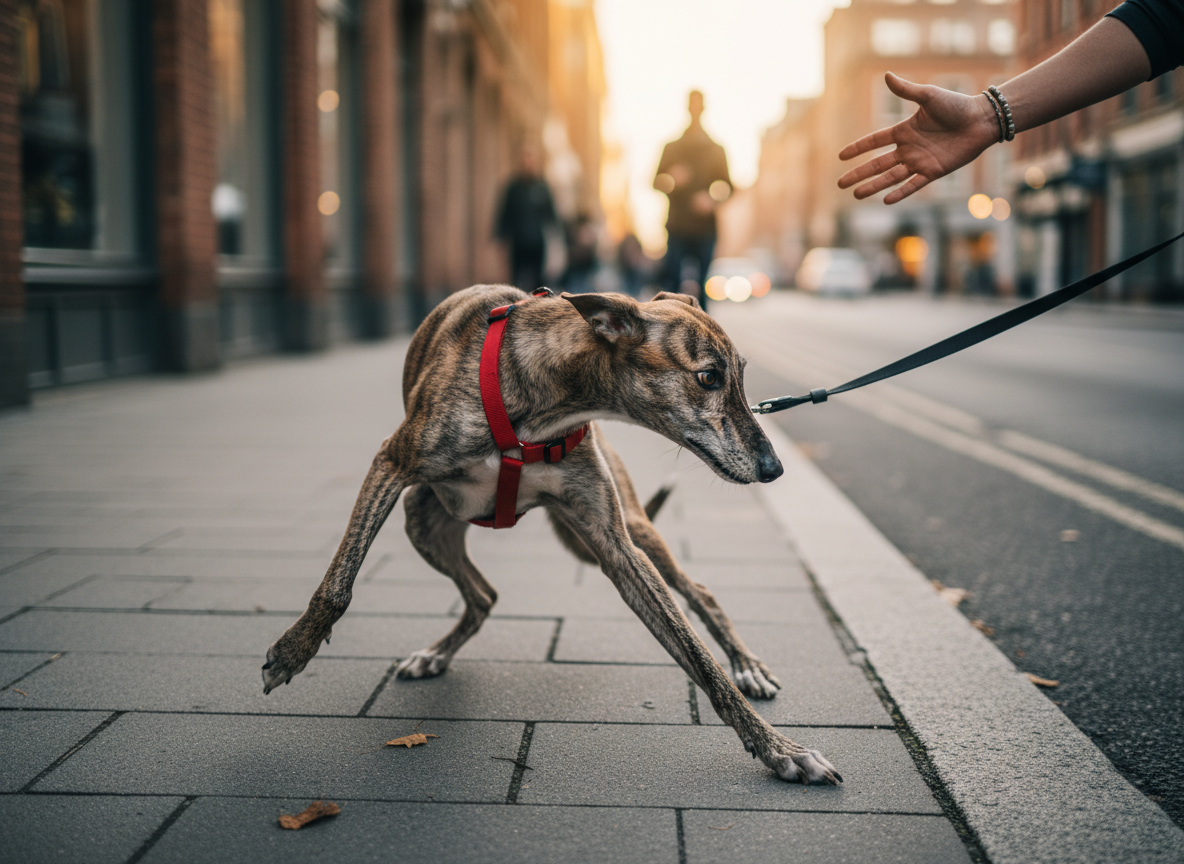
The sudden, heart-stopping moment a dog slips its harness is a fear known to many pet owners. One second, you’re on a peaceful walk; the next, your beloved companion is free and potentially heading toward danger. For owners of ‘Houdini dogs’—canine escape artists who can wiggle out of almost any restraint—this fear is a constant reality. These dogs, often characterized by their slender frames, deep chests, or sheer determination, require specialized equipment to ensure their safety. A standard harness simply won’t suffice.
This guide is dedicated to providing a definitive resource for owners of these clever escapees. We will delve into the mechanics of why dogs escape, what constitutes a genuinely ‘escape-proof’ design, and present a curated list of the best harness setups available in 2024. Our goal is to empower you with the knowledge and tools necessary to turn stressful walks into secure, enjoyable experiences for both you and your dog.
Anatomy of an Escape: Why Standard Harnesses Fail
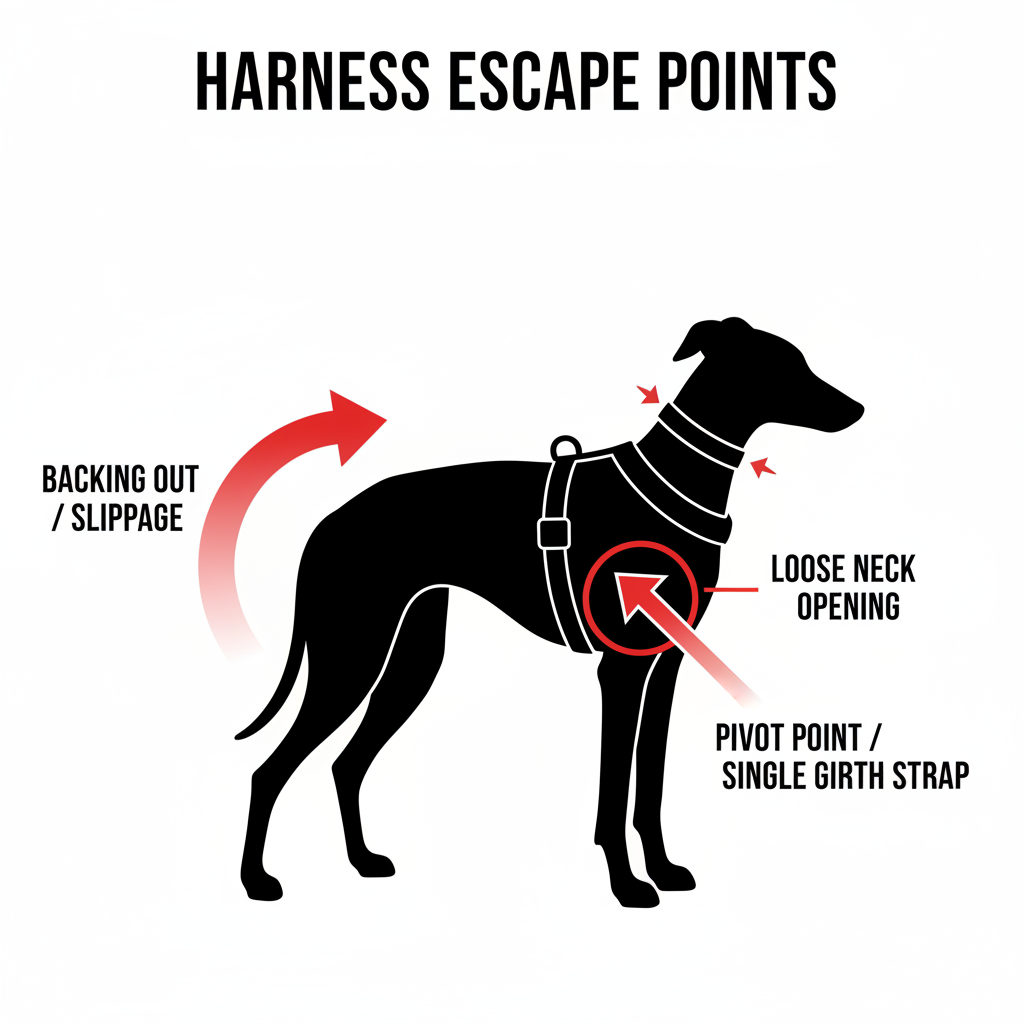
Understanding why a dog can escape its harness is the first step toward preventing it. It’s rarely a single factor, but rather a combination of physical traits, behavioral triggers, and equipment limitations. Acknowledging these elements is crucial for selecting a harness that addresses the root cause of the problem.
Physical Characteristics
Certain breeds and body types are naturally more adept at escaping. These include:
- Sighthounds (e.g., Greyhounds, Whippets): These breeds have deep chests and narrow waists, creating a significant size difference that allows them to back out of harnesses easily.
- Slender-headed Breeds: Dogs with heads smaller than their necks can slip out of collars and many harness types with a simple backward pull.
- Flexible and Muscular Dogs: Breeds like pit bull-types or agile mixed breeds can use their strength and flexibility to twist and contort their bodies, creating slack where there was none.
Behavioral Triggers for Escapes
A dog’s motivation to escape is a powerful force. Common triggers include:
- Fear and Anxiety: Loud noises like traffic or fireworks, or frightening encounters with other dogs or people, can trigger a flight response. In this panicked state, a dog will pull, twist, and struggle with surprising force to get away.
- High Prey Drive: The sudden appearance of a squirrel, cat, or other small animal can cause an instinctual lunge, putting immense, sudden pressure on the harness at an angle that can facilitate an escape.
- Simple Stubbornness: Sometimes, a dog simply doesn’t want to go in a certain direction and learns that backing up and pulling is an effective way to get free.
Common Points of Failure in Standard Harnesses
Most harnesses on the market are designed for dogs that walk politely on a leash, not for determined escape artists. Their primary points of failure include:
- Lack of a Second Girth Strap: Standard harnesses have a single strap around the chest. A dog can often escape by planting its front paws, pulling backward, and wriggling its shoulders through the opening.
- Insufficient Adjustment Points: With only two or three points of adjustment, it’s often impossible to get a snug, secure fit across all parts of the dog’s torso, leaving gaps for them to exploit.
- Flimsy Hardware: Plastic buckles can break under sudden strain, and D-rings can bend or detach from the webbing over time.
Essential Features of a Truly Escape-Proof Harness
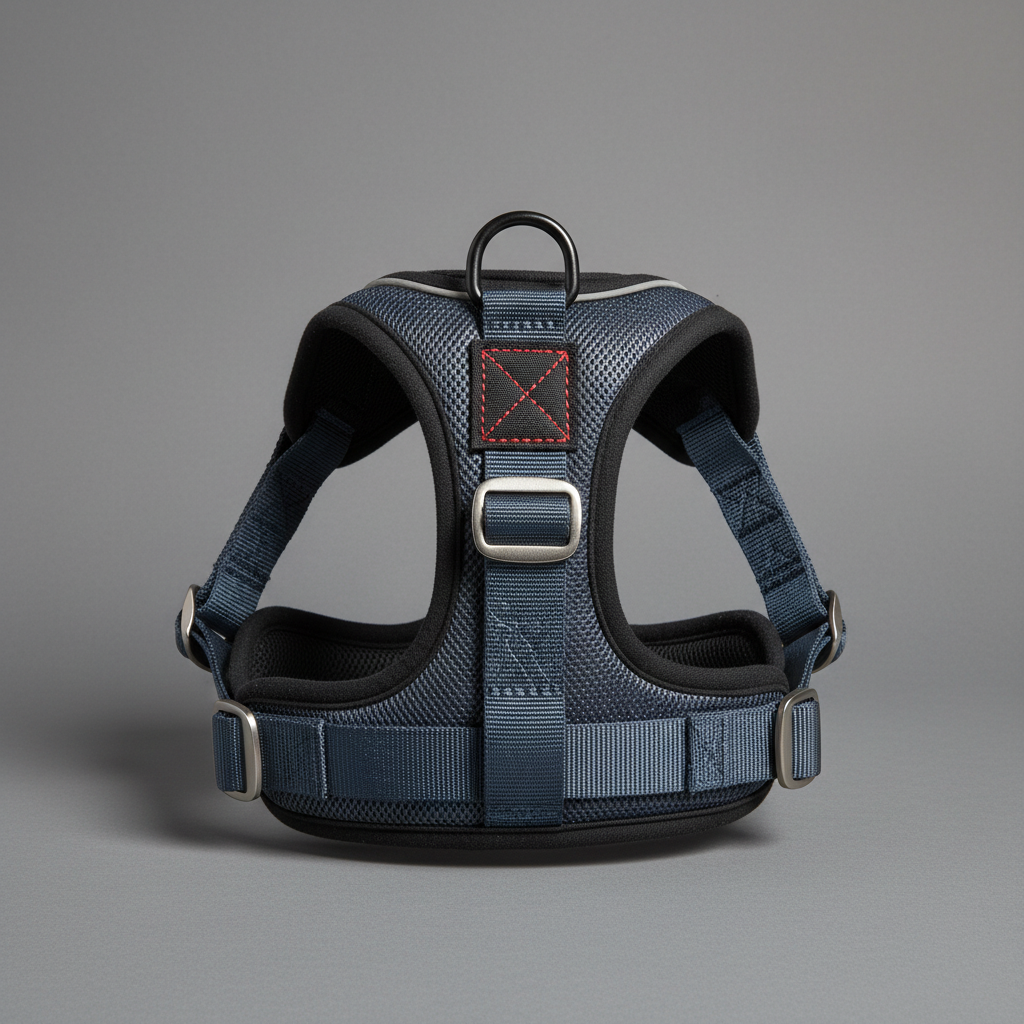
A genuinely escape-proof harness is not just a marketing term; it’s a specific design philosophy centered on redundancy and security. When evaluating options, prioritize models that incorporate several key structural features. These elements work in concert to create a system that contains even the most skilled canine escape artist.
The Critical Third Strap (Belly Strap)
The single most important feature of an escape-proof harness is an additional strap that sits behind the dog’s rib cage, around the narrower part of their abdomen. This design is often referred to as a ‘three-strap’ or ‘web-master’ style harness.
Expert Tip: The belly strap acts as an anchor. Because it’s positioned over the dog’s tuck-up (the narrowest part of the torso), it prevents the harness from sliding forward over the wider chest when the dog pulls backward. This simple addition is the primary defense against the classic ‘backing out’ escape maneuver.
Multiple Points of Adjustment
A secure fit is non-negotiable. Look for harnesses with at least five points of adjustment. This typically includes:
- Two points on either side of the neck.
- Two points on either side of the chest strap.
- One point on the belly strap.
This level of customization allows you to tailor the fit precisely to your dog’s unique body shape, eliminating the dangerous gaps found in less adjustable models.
Secure and Durable Hardware
The materials and construction are just as important as the design. Scrutinize the hardware before purchasing:
- Buckles: Look for load-rated or reinforced buckles. Some high-end models use metal hardware, such as Cobra buckles, for maximum security, though high-quality acetal plastic is often sufficient for most dogs.
- D-Rings: The leash attachment point should be a solid, welded metal D-ring, not just a bent piece of wire. This prevents it from being pulled open under extreme force.
- Webbing and Stitching: The nylon or fabric webbing should be thick and tightly woven. Check for reinforced ‘box stitching’ at all stress points where straps and D-rings are attached.
Top-Rated Escape-Proof Harness Setups for 2024
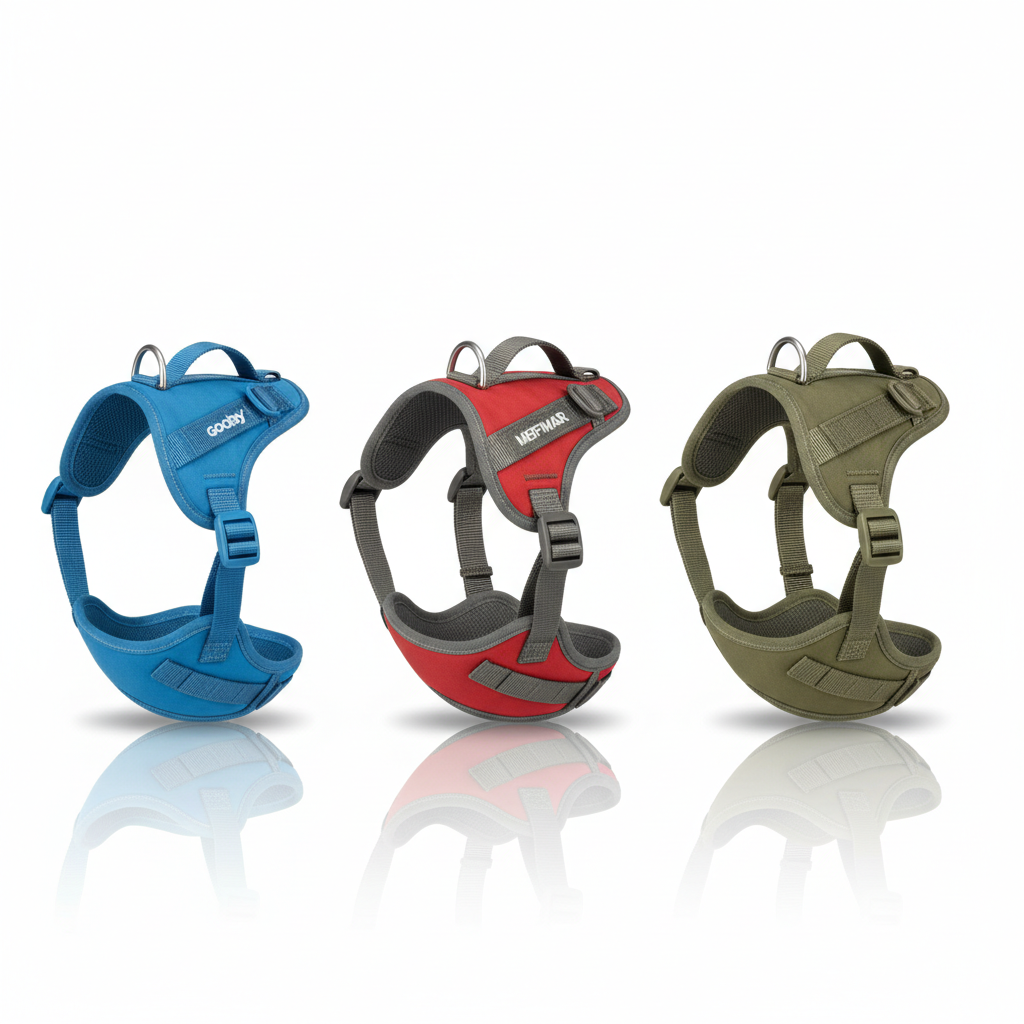
We’ve analyzed the market, evaluated user reviews, and assessed the designs of numerous harnesses to bring you the most reliable, secure options for 2024. Each of these harnesses incorporates the key safety features necessary to contain a Houdini dog.
The Industry Standard: Ruffwear Web Master Harness
The Ruffwear Web Master is often considered the gold standard in escape-proof harnesses. Its design has been tested for years by dog owners, service dog handlers, and search-and-rescue teams. The five adjustment points and anatomically-minded design provide a secure, comfortable fit, while the padded handle on the back offers an extra layer of control for lifting or assisting your dog.
The Versatile Contender: Gooby Escape Free Sport Harness
The Gooby Escape Free series uses a unique ‘Escape Free’ system where the harness tightens gently around the dog’s body when they pull backward, closing any gaps they might use to escape. It’s a less bulky option than the Web Master, making it a great choice for smaller dogs or those who are sensitive to wearing more substantial gear. Its neoprene construction is lightweight and comfortable.
The Maximum Security Option: Ray Allen Manufacturing Nomad Harness
For the most determined escape artists or very large, powerful dogs, a harness from the tactical gear world may be the best solution. The Nomad Harness from Ray Allen features a three-strap design with robust hardware, including options for metal Cobra buckles. It’s built for durability and absolute security, offering peace of mind for owners who have tried everything else without success.
| Harness Model | Key Feature | Best For | Price Point |
|---|---|---|---|
| Ruffwear Web Master | Anatomical five-point fit with a padded handle | All-around use, hiking, most escape artists | $$$ |
| Gooby Escape Free Sport | Patented tightening ‘Escape Free’ system | Small to medium dogs, pullers | $$ |
| Ray Allen Nomad Harness | Tactical-grade materials and optional metal hardware | Large, powerful dogs and extreme escape artists | $$$$ |
The Perfect Fit: How to Measure and Adjust for Success
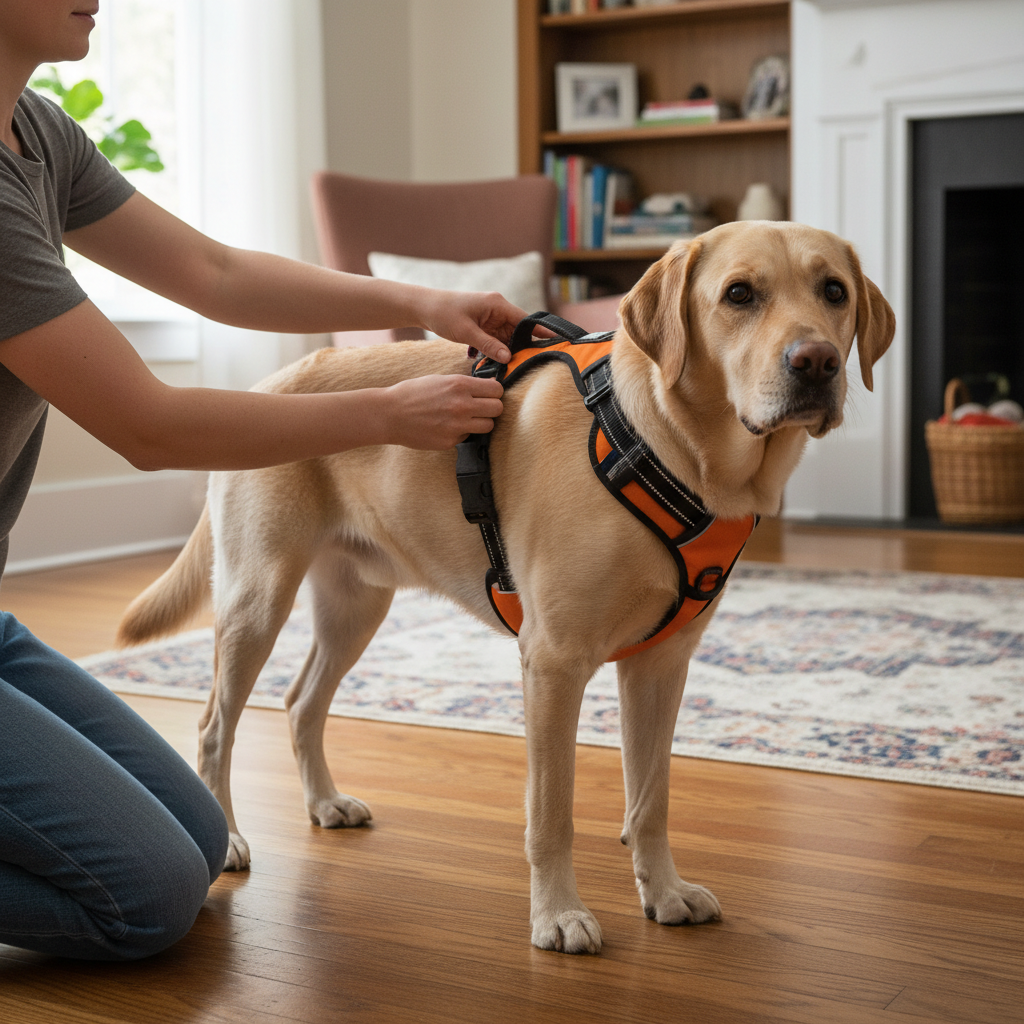
An escape-proof harness is only effective if it is fitted correctly. A harness that is too loose is an open invitation for escape, while one that is too tight can cause chafing, restrict movement, and be uncomfortable for your dog. Follow these steps to ensure a safe and secure fit.
Step 1: Taking Accurate Measurements
Before you even purchase a harness, you need your dog’s measurements. Use a soft, flexible measuring tape for this process.
- Girth Measurement: This is the most critical measurement. Measure the widest part of your dog’s chest/rib cage, just behind the front legs.
- Neck Measurement: Measure around the base of the neck where a collar would typically sit.
Always compare your dog’s measurements to the manufacturer’s sizing chart. If your dog is between sizes, it is generally recommended to size up and use the adjustment points to create a snug fit.
Step 2: The Initial Fitting
When the harness arrives, loosen all the straps before putting it on your dog. Gently place it over their head and guide their legs through the appropriate openings. Then, begin adjusting the straps in this order:
- Front Chest Strap: Adjust this so the girth strap sits correctly behind the front legs.
- Girth Strap: This is the primary chest strap. Tighten it so that you can fit no more than two fingers between the strap and your dog’s body. This is the ‘two-finger rule’.
- Belly Strap: Adjust the rearmost strap to be snug, again using the two-finger rule.
- Neck Straps: Finally, adjust the neck straps. They should be snug enough to prevent the harness from sliding down over the shoulders, but not so tight that they restrict breathing or swallowing.
Step 3: The Safety Check
Once adjusted, perform a final check. The harness should not rotate or shift excessively when you apply gentle pressure. Attempt to pull the harness forward over your dog’s head; it should not be able to slip past the shoulders. Check for any areas where the straps might be digging in or causing discomfort. It’s wise to let your dog wear the harness around the house for short periods to ensure it remains comfortable and in place before heading out for a walk.
Beyond the Harness: A Holistic Approach to Safety
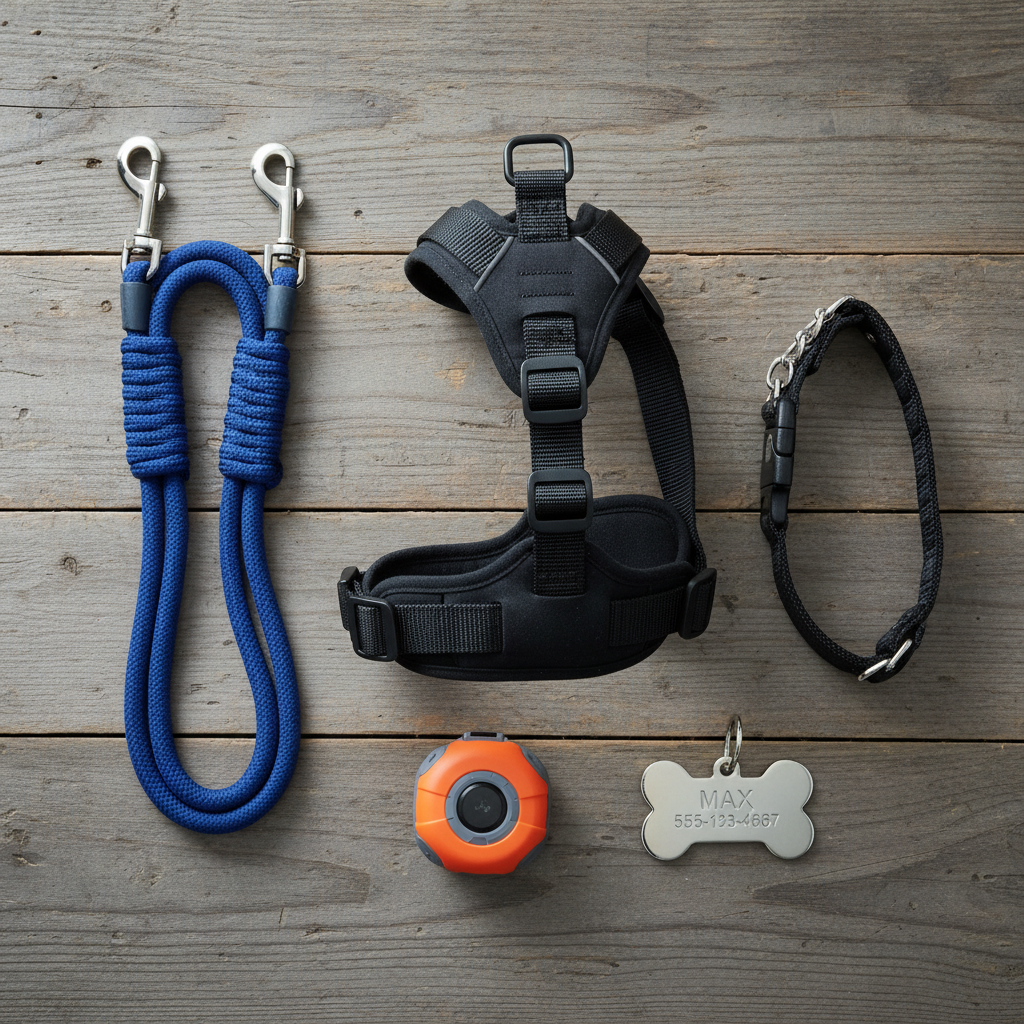
While a high-quality, properly fitted escape-proof harness is your most important tool, it should be part of a comprehensive safety strategy. Combining the right equipment with consistent training and backup measures provides the ultimate protection for your dog.
Reinforce with Training
Training is essential for addressing the root behaviors that lead to escape attempts. Focus on:
- Loose-Leash Walking: Training your dog to walk without pulling reduces the constant tension on the harness that can create opportunities for escape.
- Positive Association: Make the harness a positive thing. Reward your dog with treats and praise when you put it on and take it off. This reduces any anxiety associated with being restrained.
- Recall Training: A reliable ‘come’ command is your most important safety net if your dog ever does get loose. Practice recall in a safe, enclosed area consistently.
Backup Systems for Peace of Mind
Even with the best harness, it’s wise to have a backup plan. Consider these additions to your safety toolkit:
- Martingale Collars: For an extra layer of security, you can use a martingale collar in conjunction with the harness, attached via a double-ended leash or a separate safety clip. Martingale collars tighten safely when a dog pulls, preventing them from slipping their head out.
- GPS Trackers: A GPS tracking device that attaches to your dog’s collar or harness can provide invaluable peace of mind. Should the worst happen, you can track your dog’s location in real-time from your smartphone.
- Up-to-Date ID Tags and Microchip: Ensure your dog is always wearing a collar with clearly legible ID tags that include your name and phone number. A microchip is a permanent form of identification that can be a lifesaver if your dog loses its collar.
Remember, the goal is to create multiple layers of safety. A secure harness prevents the escape, training reduces the desire to escape, and a GPS tracker or microchip provides a final safety net to ensure a swift and safe return.
Conclusion
For the owner of a Houdini dog, ensuring their safety is a paramount concern that can transform daily walks into a source of anxiety. However, by understanding the mechanics of escape and investing in the right equipment, you can regain confidence and control. The modern escape-proof harness, with its multi-strap design and secure fit, is a marvel of canine safety engineering.
Remember that the harness is your first and best line of defense, but it must be sized, fitted, and checked meticulously. Combine this superior equipment with positive reinforcement training and redundant safety measures like GPS trackers and microchips. By adopting this holistic approach, you are creating a comprehensive safety system that protects your cherished companion from harm. You can finally enjoy your walks, secure in the knowledge that your clever escape artist is safe by your side.