Hotel Horror Stories: How to Keep Your Dog Quiet So You Don’t Get Kicked Out
The dream of a perfect vacation with your furry best friend can quickly turn into a nightmare. You picture scenic walks and cozy evenings, but the reality can be the incessant echo of your dog’s barking down a long hotel hallway, followed by the dreaded phone call from the front desk. For many pet owners, this ‘hotel horror story’ is a significant source of anxiety, potentially leading to warnings, fines, or even being asked to leave. The unfamiliar sounds, smells, and confinement of a hotel room can trigger stress, fear, and territorial behaviors in even the most well-behaved dogs, manifesting as whining, scratching, and most disruptively, barking.
This guide is designed to serve as your definitive resource for ensuring a peaceful and successful hotel stay with your canine companion. We will move beyond simple tips and delve into a systematic, proactive approach rooted in canine behavior and training principles. By focusing on preparation, environmental management, and clear communication with your dog, you can transform a potentially stressful situation into a positive experience for you, your pet, and fellow hotel guests. We will cover everything from pre-trip conditioning to in-room protocols and troubleshooting, empowering you with the knowledge and confidence to prevent problems before they start.
Phase 1: Pre-Trip Preparation – Setting the Foundation for a Quiet Stay
The success of your hotel stay is largely determined before you even pack your bags. Proactive preparation is the most critical element in mitigating stress and preventing unwanted behaviors like barking. This foundational phase focuses on conditioning your dog and making strategic choices that set you both up for success.
Crate Training as a Non-Negotiable
A crate is not a cage; it is a safe, portable den for your dog. A dog who is comfortable and relaxed in their crate at home is far more likely to settle in one in a new environment. If your dog is not already crate trained, begin the process weeks or even months before your trip.
- Positive Association: Make the crate the best place to be. Feed all meals in the crate, offer high-value chew toys exclusively inside it, and never use it for punishment.
- Gradual Duration: Start with short periods and gradually increase the time your dog spends in the crate while you are home. Work up to being able to leave the house for short errands while they are crated.
- Comfort is Key: Outfit the crate with a comfortable bed and a familiar blanket that smells like home. This creates a consistent sense of security.
Desensitization to Hotel Triggers
Hotels are full of novel stimuli. Your goal is to make these sounds less alarming. You can simulate this environment at home.
- Sound Acclimation: Play recordings of common hotel noises at a low volume while your dog is relaxed or enjoying a chew toy. Sounds can include distant conversations, rolling suitcases, and doors opening and closing. Gradually increase the volume over many sessions as your dog shows no signs of stress.
- Practice the ‘Settle’ Cue: The ‘settle’ or ‘place’ command is invaluable. Train your dog to go to their bed or mat and lie down calmly. Practice this in different rooms of your house, then in your yard, and eventually in new, low-distraction environments like a friend’s home.
Strategic Hotel and Room Selection
Not all pet-friendly hotels are created equal. Your choices can significantly impact your dog’s ability to relax.
- Inquire About Pet Policies: When booking, ask specific questions. Is there a designated pet floor? Are there weight or breed restrictions? Can dogs be left unattended in the room? Knowing these rules prevents surprises.
- Request a Ground-Floor Room: A room on the ground floor, ideally away from high-traffic areas like elevators and ice machines, minimizes hallway noise and foot traffic. It also makes potty breaks quicker and more convenient.
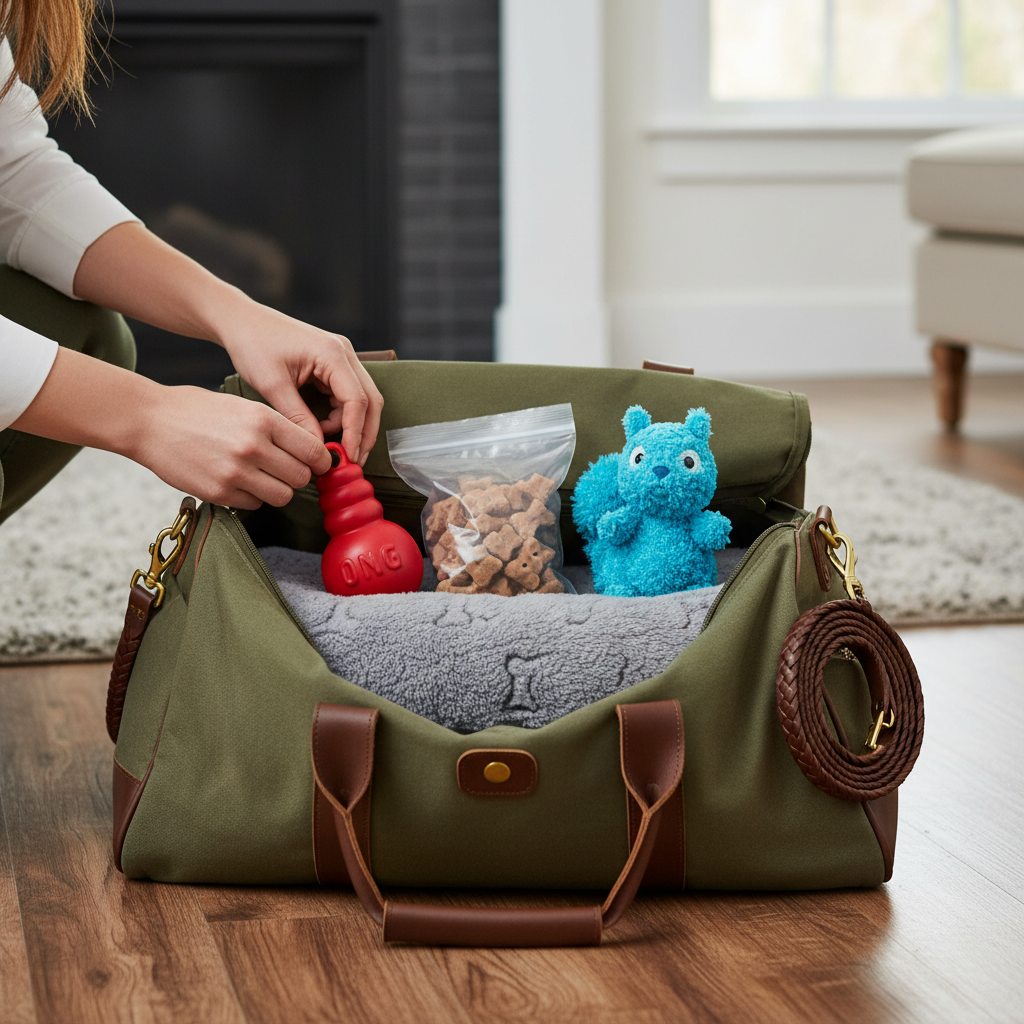
- Pack a ‘Calm Kit’: Your dog’s suitcase is as important as yours. Pack familiar items that provide comfort and engagement: their bed, a favorite blanket, puzzle toys (like a Kong), long-lasting chews, and a portable water bowl.
Phase 2: Arrival Protocol – Mastering the First 30 Minutes
The moment you arrive at the hotel is a critical transition period. How you manage these first 30 minutes in the new environment can dictate your dog’s behavior for the remainder of the stay. The objective is to introduce the space calmly and establish it as a safe, predictable territory.
The Pre-Check-In Decompression Walk
Before you even step into the lobby, take your dog for a substantial leashed walk around the hotel grounds. Do not rush this process. Allow them to sniff, explore, and, most importantly, relieve themselves. This walk serves two purposes: it helps burn off the pent-up energy from the car ride and allows them to become familiar with the exterior smells and sounds of the location, making the transition indoors less jarring.
A Controlled Introduction to the Room
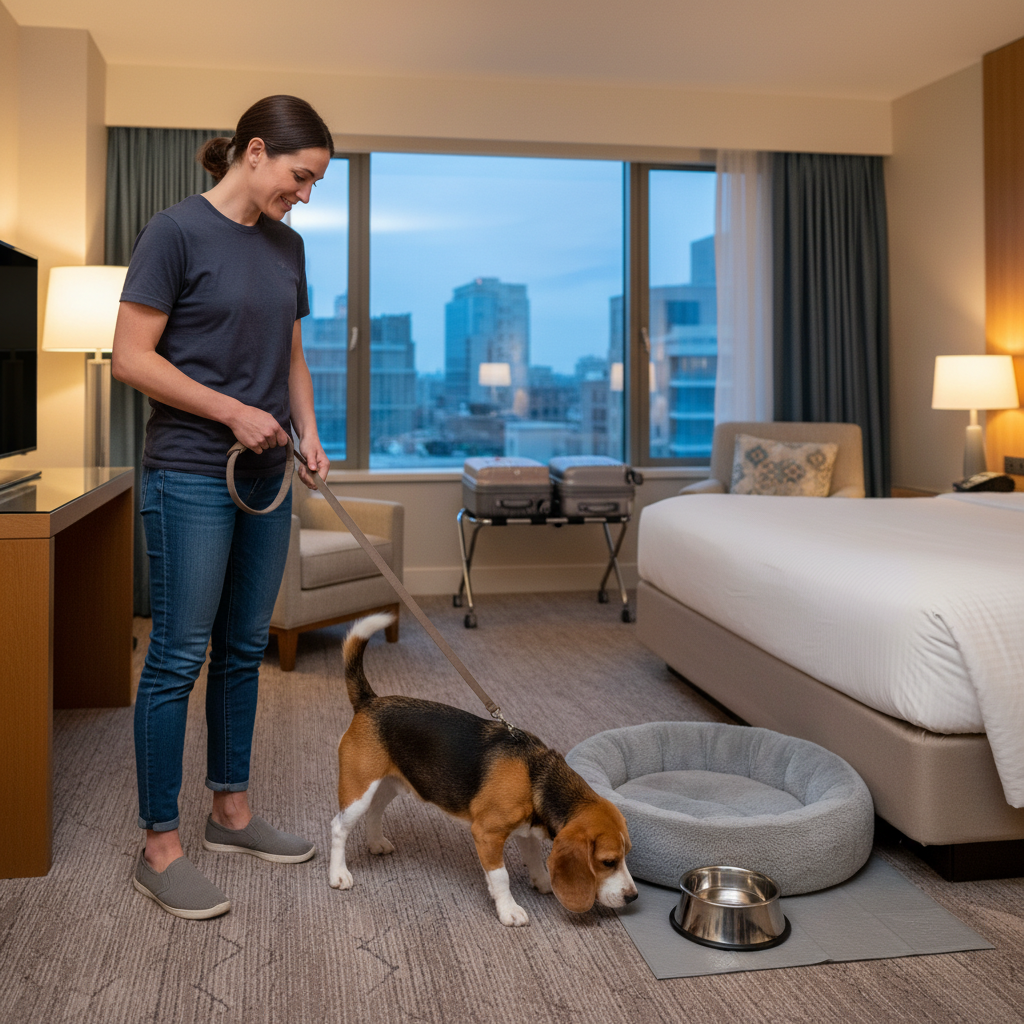
Once you have your key, your dog should enter the room with you, on a leash. Do not simply unleash them and let them have free rein. This can be overwhelming and may lead to anxious or territorial behavior.
- Initial Sweep: While your dog is on leash, walk through the entire room, including the bathroom. Let them sniff and investigate under your calm supervision. This controlled exploration helps demystify the new space.
- Hazard Check: As you walk, scan for any potential hazards. Look for previous guests’ dropped pills, accessible cleaning supplies, or exposed wires. Check under the bed and behind furniture.
- Establish the ‘Safe Zone’: Choose a corner of the room, away from the door, to set up your dog’s space. Lay down their bed or place their open crate there. Add their water bowl and a familiar toy. This designated spot becomes their anchor—a predictable, safe den where they can retreat and relax.
Expert Tip: After setting up their ‘Safe Zone,’ spend 5-10 minutes sitting calmly with your dog in that area. Offer a few treats or a gentle massage. Your calm presence reinforces that this new place is safe and secure.
Phase 3: Proactive Management – Preventing Barks Before They Start
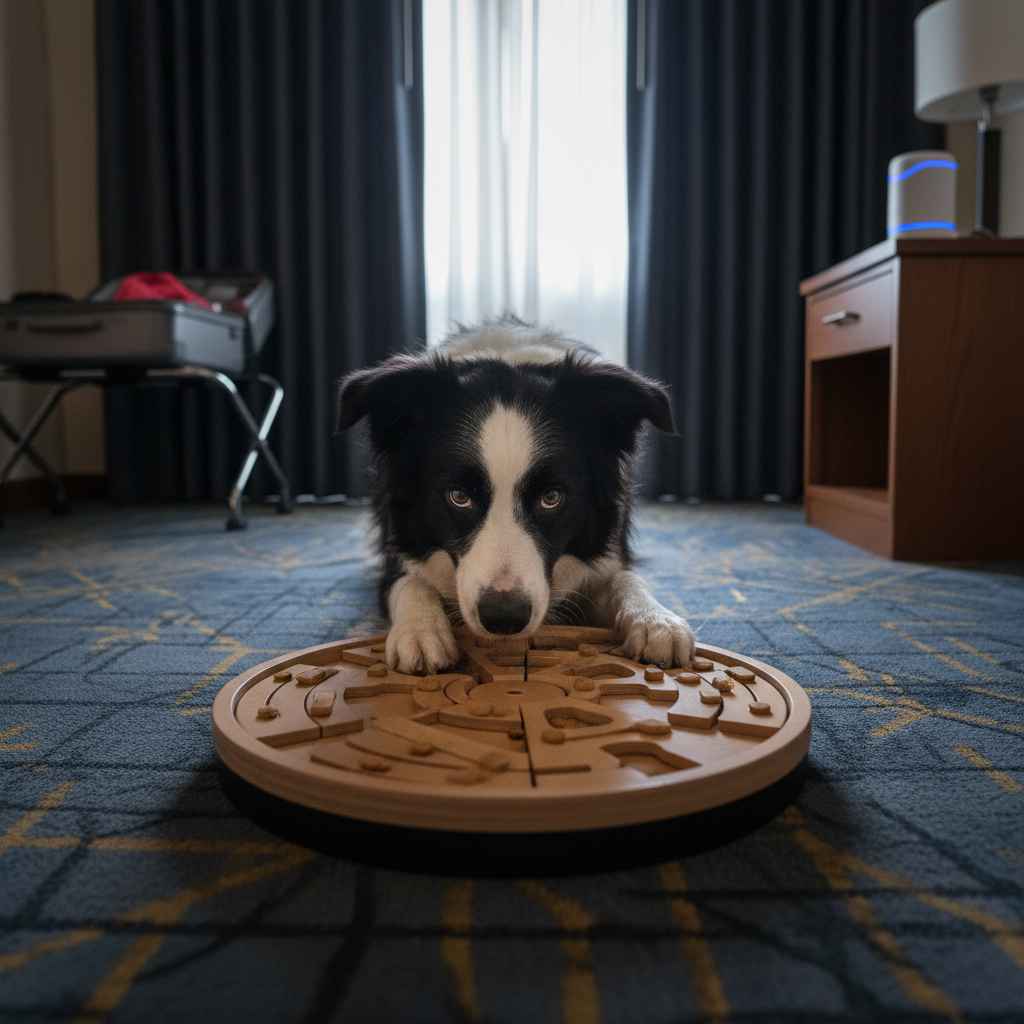
Once your dog is acclimated, the focus shifts to proactive management. The key is to address your dog’s needs so thoroughly that barking becomes an unnecessary response. A physically and mentally tired dog is a quiet dog.
Fulfilling the Exercise Quota
A dog cooped up in a hotel room with unspent energy is a recipe for disruptive behavior. Vacation is not a break from your dog’s exercise needs; in fact, you may need to increase activity to counteract the confinement.
- Morning Exploration: Start each day with a long, structured walk or a vigorous game of fetch in a designated area. This sets a calm tone for the rest of the day.
- Scheduled Potty Breaks: Take your dog out frequently, not just when you think they need to go. These short walks are also valuable mental breaks from the monotony of the room.
Mental Stimulation and Enrichment
Mental exercise is just as tiring as physical exercise. A bored dog will find their own entertainment, often by becoming a ‘watchdog’ that barks at every sound.
- Puzzle Toys and Food Dispensers: Instead of feeding your dog from a bowl, use puzzle toys or a snuffle mat. This forces them to work for their food, engaging their brain and preventing boredom.
- Training Sessions: A few short (5-10 minute) training sessions throughout the day can work wonders. Practice cues they already know, like ‘sit,’ ‘stay,’ and the all-important ‘settle.’ This reinforces your bond and provides crucial mental work.
Controlling the Environment to Minimize Triggers
You cannot control the entire hotel, but you can control your room’s immediate environment to reduce the number of potential barking triggers.
| Trigger | Management Strategy | Explanation |
|---|---|---|
| Hallway Noise (Voices, Doors) | Use a white noise machine or app; place a towel at the base of the door. | Masks sudden, sharp sounds that can startle a dog or trigger territorial barking. |
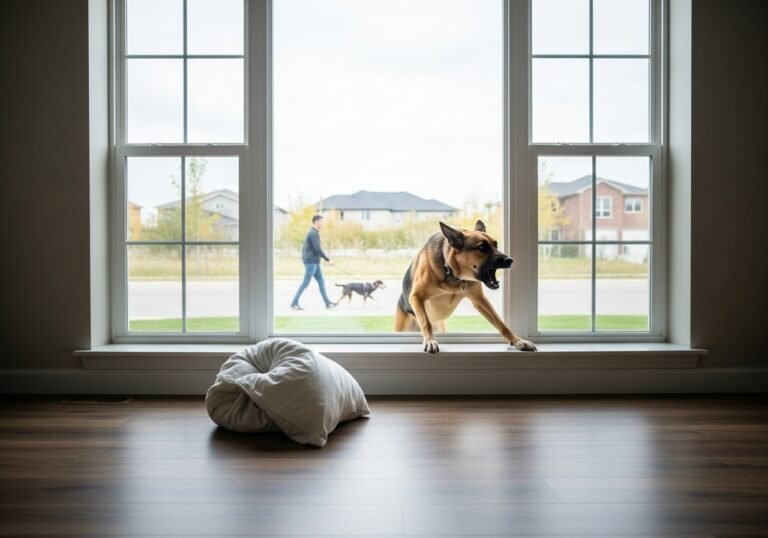
| Visuals (People walking by) | Keep curtains or blinds closed. | Prevents your dog from seeing movement outside, which can lead to alert barking. |
| Housekeeping/Staff | Place the ‘Do Not Disturb’ sign on the door at all times. | Prevents unexpected entries that can frighten your dog and lead to a defensive reaction. |
Phase 4: A Guide to Leaving Your Dog Alone (If Necessary)
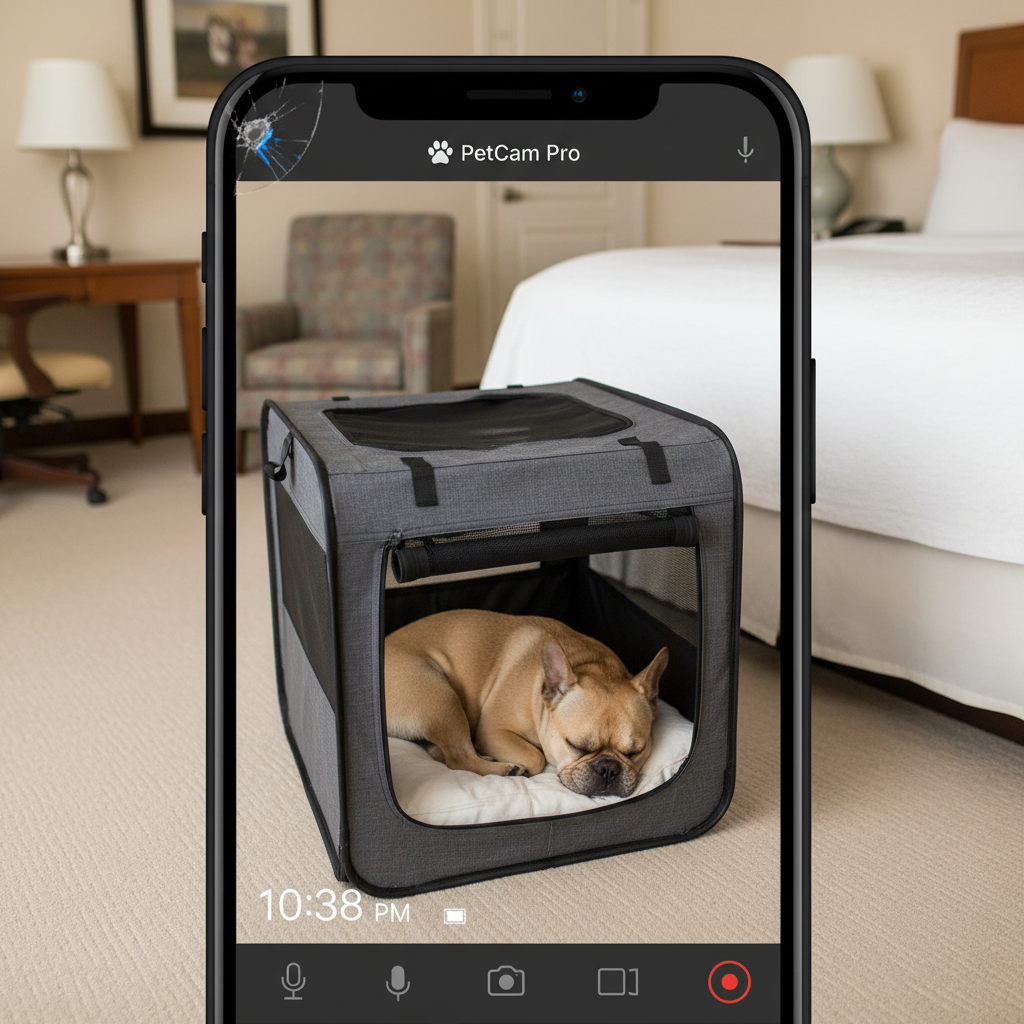
Leaving your dog alone in a hotel room is the highest-risk activity for noise complaints and should be approached with extreme caution. This should only be attempted if your dog has no history of separation anxiety and you have prepared them adequately. For many dogs, especially anxious ones, the best policy is to not leave them unattended at all.
Prerequisites for Leaving Your Dog Alone
Before even considering it, ensure the following conditions are met:
- Hotel Policy Allows It: Confirm with the front desk that unattended pets are permitted.
- No Separation Anxiety: Your dog must be comfortable being left alone at home without signs of distress (barking, destructive behavior, etc.). A hotel is not the place to test this for the first time.
- Thoroughly Exercised: Your dog must be physically and mentally tired. A long walk and a puzzle toy session are mandatory before you leave.
- Potty Break Completed: Ensure your dog has had a chance to fully relieve themselves right before you depart.
The Departure Protocol
If you must leave, follow this protocol precisely to minimize stress:
- Create a Calm Atmosphere: Turn on the white noise machine and close the curtains.
- Provide a High-Value Distraction: This is the time to bring out the most prized possession. A frozen Kong stuffed with peanut butter or wet food is ideal, as it is a long-lasting, engaging activity. Give it to them in their crate or on their bed 5 minutes before you leave.
- Keep Departures and Arrivals Low-Key: Do not engage in long, emotional goodbyes or overly enthusiastic greetings upon your return. A calm, matter-of-fact attitude signals that your absence is not a significant event.
- Start with Test Runs: The first time you leave, make it incredibly short. Step out for 30 seconds and come back in. Gradually increase the duration: 2 minutes, then 5 minutes. This builds their confidence that you will always return.
Crucial Technology: Using a pet camera or a monitoring app on a laptop is not optional; it is essential. This allows you to check in on your dog in real-time. If you see signs of escalating stress or hear barking, you must return immediately before it becomes a full-blown incident.
Phase 5: Emergency Response – What to Do If Barking Occurs
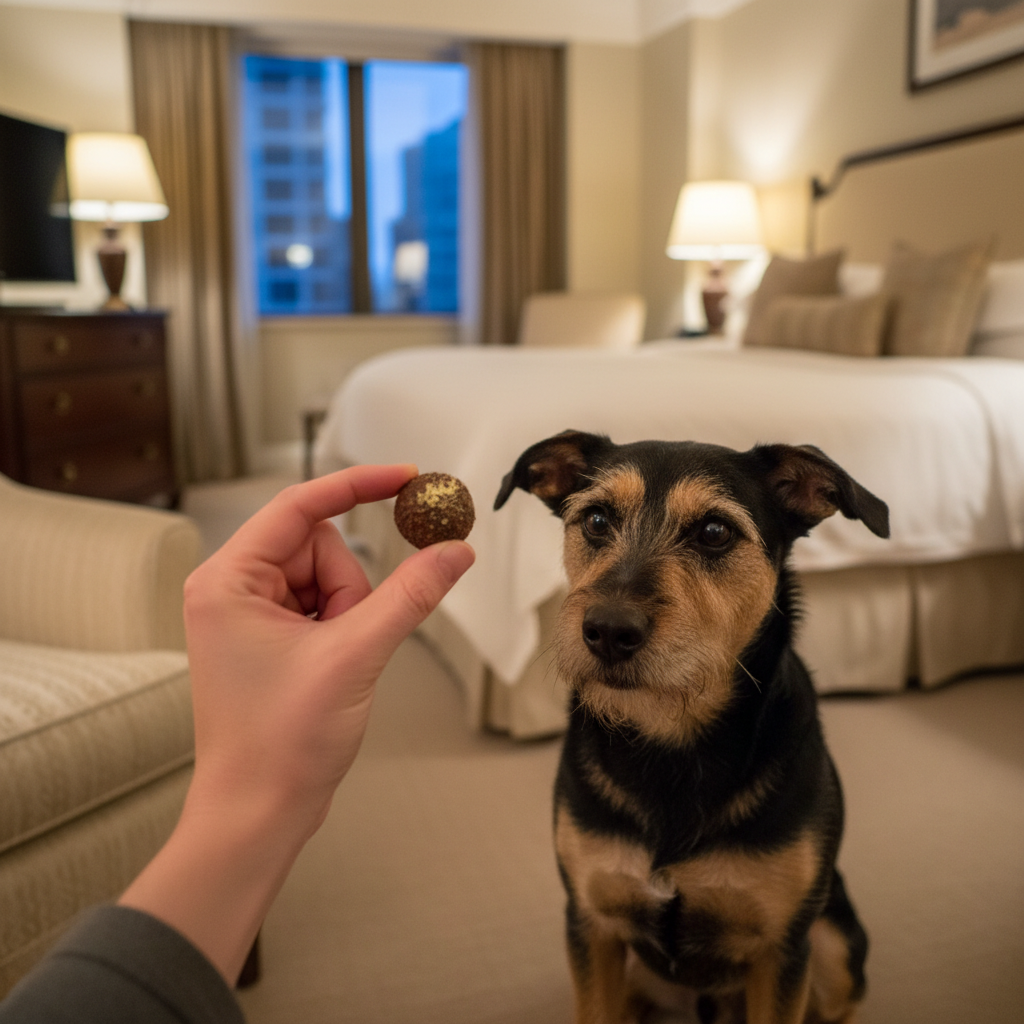
Despite your best efforts, your dog might still bark. How you respond in that moment is critical. An incorrect reaction can escalate the behavior, while a calm, strategic response can quickly resolve it.
The Cardinal Rule: Do Not Yell
Never yell at your dog to be quiet. To your dog, your yelling often sounds like you are joining in on the barking. This can validate their alarm and intensify the behavior. Your response must be calm, quiet, and assertive, not angry or panicked.
The Interrupt and Redirect Method
When the barking starts, execute a two-step process:
- Interrupt the Behavior: Use a calm but firm interrupter cue. This could be a simple, sharp ‘Ah-ah’ or ‘Enough.’ The goal is just to break their focus for a split second, not to scold them. You can also make a sound like a clap or a tongue click.
- Redirect Their Attention: Immediately after the interruption, tell your dog what you want them to do instead. Redirect their focus onto a simple, incompatible behavior. For example:
- Ask for a ‘sit’ or ‘touch’ (targeting your hand with their nose).
- Tell them to go to their ‘place’ or bed.
- Grab a toy and initiate a quick game of tug.
The key is to replace the unwanted behavior (barking) with a desired one. Reward them with a small treat or praise once they comply and are quiet. This teaches them that quiet behavior earns positive attention.
Identify and Manage the Trigger
Once the immediate situation is diffused, play detective. What caused the barking? Was it a door slamming down the hall? Someone talking outside your window? If you can identify the trigger, you can better manage it in the future. If hallway noise is the consistent issue, increase the volume of the white noise machine or move their bed to the quietest part of the room. By addressing the root cause, you move from being reactive to proactive once again.
Conclusion
Traveling with your dog should be a source of joy, not anxiety. The ‘hotel horror stories’ that many pet owners fear are almost always preventable with the right preparation and management. By treating your hotel stay as a structured training opportunity rather than a free-for-all, you set the stage for success. The pillars of a quiet, peaceful stay are built long before you check in through diligent preparation and desensitization. They are reinforced upon arrival with a calm acclimation process and maintained throughout your stay with proactive physical and mental enrichment. By understanding your dog’s needs and controlling their environment, you can ensure your canine companion is a model guest, allowing you both to relax and enjoy your travels together without the fear of a complaint or a confrontation at the front desk.