Herding Ball 101: The Ultimate Outlet for High-Energy Breeds
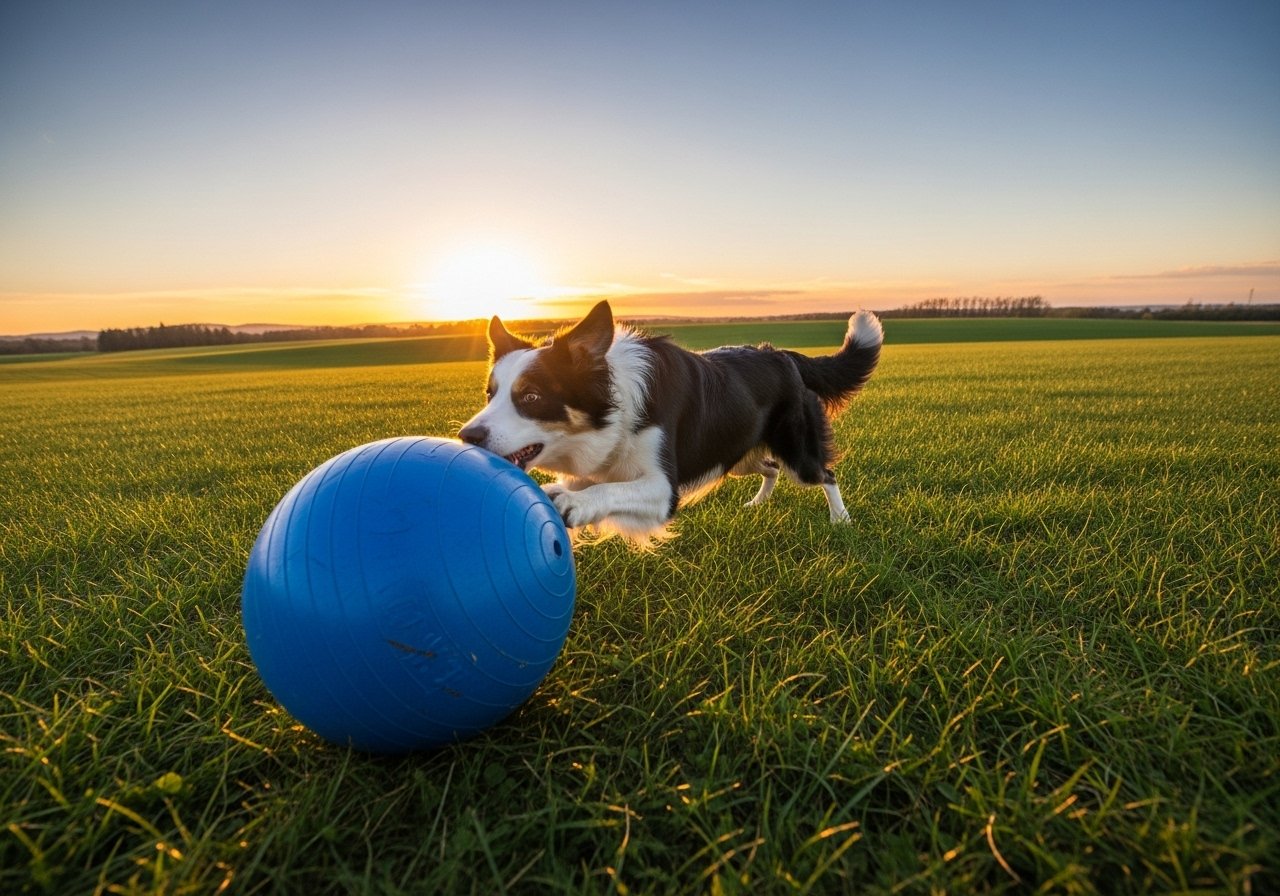
Owners of high-energy breeds like Border Collies, Australian Shepherds, and German Shepherds are intimately familiar with a certain kind of intelligent, relentless energy. A simple walk around the block or a game of fetch often falls short of satisfying their deep-seated need for a job. This unspent energy can manifest in undesirable behaviors such as excessive barking, destructive chewing, or anxiety. The challenge lies in finding an activity that engages both their powerful bodies and their sharp minds. Enter the herding ball—a simple yet profoundly effective tool designed to tap into the very core of what these dogs were bred to do.
A herding ball is more than just a toy; it is a purpose-driven outlet. It allows dogs to engage in the instinctual behaviors of herding—nudging, pushing, and strategically moving an object—in a safe and appropriate context. This guide serves as a comprehensive introduction to the world of herding balls. We will delve into what makes them unique, how to select the perfect one for your dog’s size and play style, and a step-by-step process for introducing this exciting new form of enrichment. By understanding the principles behind this tool, you can unlock a new level of fulfillment and tranquility for your high-energy companion.
Understanding the Herding Ball: More Than Just a Toy
What is a Herding Ball and Why Does Your Dog Need One?
At first glance, a herding ball might look like an oversized, indestructible plaything. However, its design and function are highly specialized. Unlike a standard tennis ball or fetch toy that a dog can pick up and carry, a herding ball is intentionally too large for a dog to bite. This crucial design feature forces the dog to move it with their nose, chest, and body—mimicking the way they would guide livestock. These balls are typically made from extremely hard, rigid polyethylene plastic, making them durable enough to withstand the persistent, high-impact nature of this activity.
The fundamental purpose of a herding ball is to satisfy a dog’s prey drive and herding instinct. For centuries, herding breeds were selectively bred to control the movement of other animals. This instinct doesn’t simply disappear in a modern, domestic environment. When that drive has no outlet, dogs can become frustrated and develop behavioral issues. The herding ball provides a constructive target for these impulses.
Benefits of Herding Ball Play:
- Intense Physical Exercise: Pushing a heavy, resistant object across a yard is a full-body workout that builds muscle and cardiovascular health far more effectively than a standard walk.
- Critical Mental Stimulation: Herding is a thinking game. The dog must strategize how to move the ball, anticipate its trajectory, and maintain control. This problem-solving aspect is key to tiring out a dog’s busy brain.
- Reduces Problem Behaviors: By providing a legitimate outlet for their energy and instincts, herding balls can significantly reduce boredom-related behaviors like digging, chewing furniture, and nuisance barking.
- Builds Confidence: Successfully controlling and maneuvering the ball can be a major confidence booster, especially for dogs that are timid but have a high underlying drive.
Expert Tip: The goal of a herding ball is not to create exhaustion, but to provide fulfillment. A dog that has had a satisfying ‘job’ to do is a calm and contented dog.
Choosing the Right Herding Ball: A Buyer’s Guide
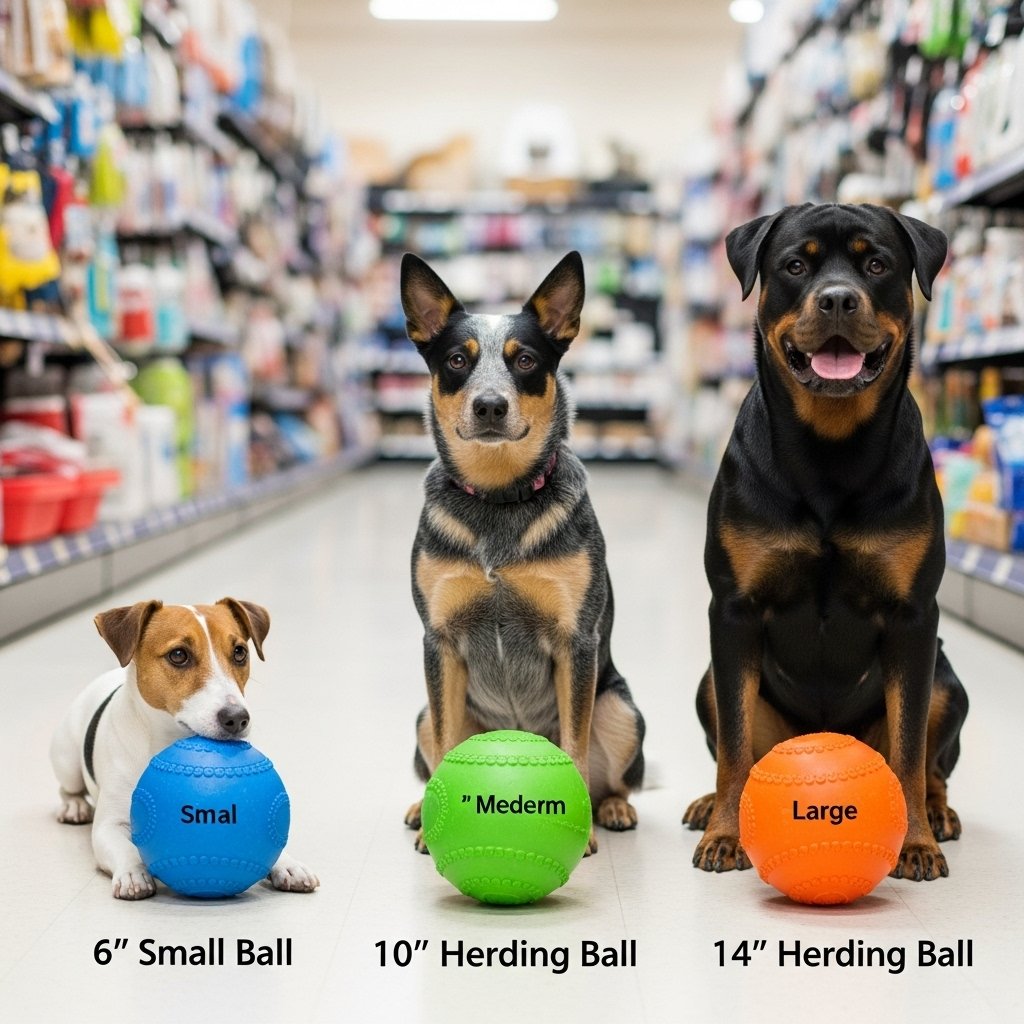
A Buyer’s Guide to Selecting the Perfect Herding Ball
Not all herding balls are created equal, and selecting the correct one is critical for both safety and enjoyment. The primary considerations are size, material, and weight. An improperly sized ball can be a safety hazard, while the wrong material may not stand up to your dog’s intensity.
Size Matters Most
The cardinal rule of herding balls is that the dog should not be able to get its mouth around it. This prevents them from biting, puncturing, or attempting to carry the ball, which defeats the purpose and can cause dental injury. A good guideline is to choose a ball with a diameter that is taller than your dog’s mouth-to-ground height when they are standing. A more practical measure is to ensure it is at least two inches taller than their mouth opening at its widest point.
Material and Durability
The material of the ball dictates its durability and play style. The vast majority are made from hard, rigid plastics, but variations exist. Understanding these differences will help you make an informed choice for your specific dog.
| Material Type | Best For | Durability | Pros | Cons |
|---|---|---|---|---|
| Rigid Polyethylene Plastic | Most herding breeds; intense players | Very High | Extremely durable; promotes pushing/nudging; easy to clean. | Can be loud on hard surfaces; potential to crack under extreme force or cold. |
| Hard Rubber / Semi-Flexible Plastic | Beginners; less intense dogs; noise-sensitive environments | High | Quieter than rigid plastic; slightly more ‘give’ which some dogs prefer. | Can be chewed more easily by determined dogs; may show scuffs and marks. |
| Inflatable (Heavy-Duty) | Supervised group play; very large breeds | Moderate | Lightweight; can be used for different types of games. | Puncture risk is high; not suitable for unsupervised or aggressive play. |
Weight and Customization
Some herding balls come with a plug that allows you to add water or sand. This increases the weight and, consequently, the difficulty. For a dog new to the activity, start with an empty ball. As their skill and strength grow, adding weight can provide a greater challenge and a more intense workout. Always ensure the plug is secure before a play session.
The Safe and Successful Introduction: A Step-by-Step Guide
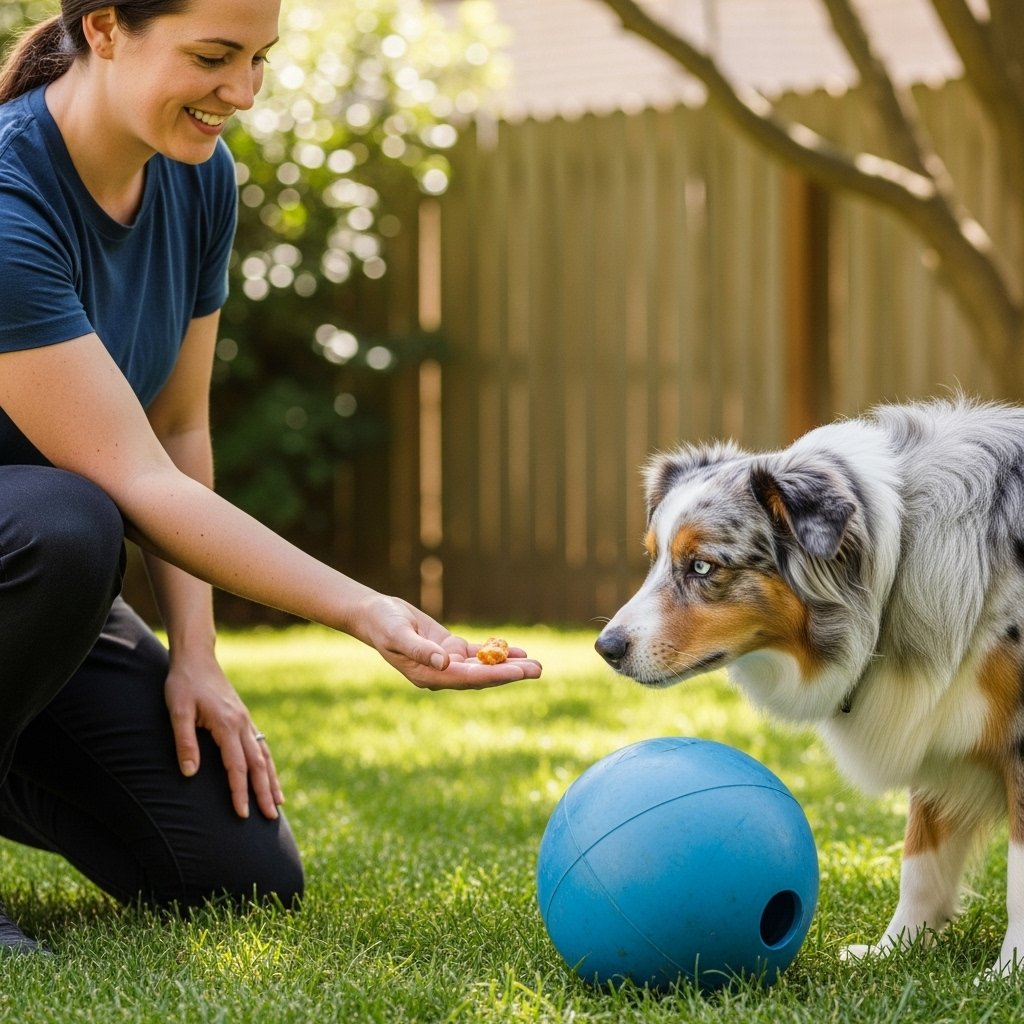
A Step-by-Step Guide to Introducing the Herding Ball
A proper introduction can make the difference between a dog who loves their new ‘job’ and one who is fearful or frustrated by it. The key is to build positive association and shape the desired behavior gradually. This process should be fun, low-pressure, and always supervised.
-
Step 1: The Neutral Introduction
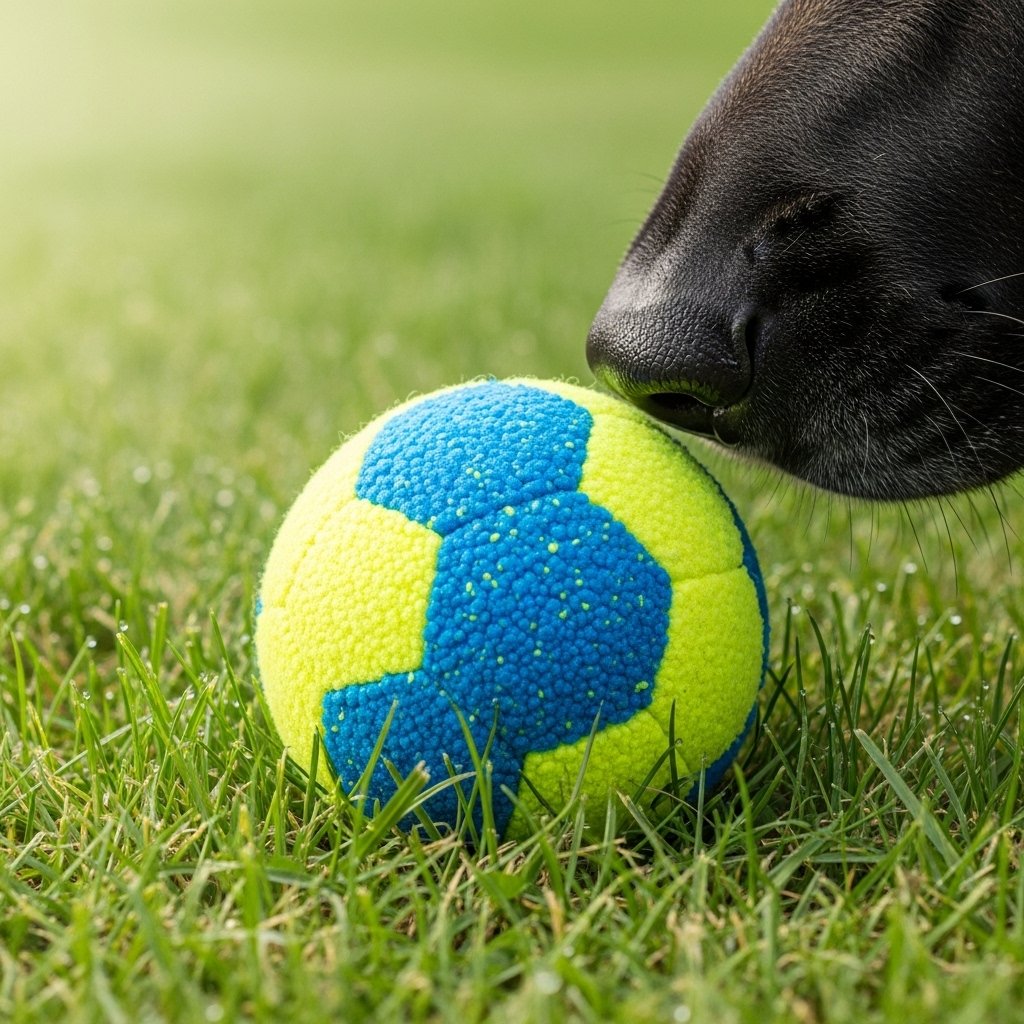
Choose a large, open, and safely fenced area. Simply place the ball on the ground without any fanfare. Let your dog discover it on their own terms. Allow them to sniff and investigate it without pressure. Reward any calm curiosity with quiet praise or a small treat dropped near, but not on, the ball.
-
Step 2: Encouraging Interaction
If your dog is hesitant, sit on the ground near the ball and show them it is safe. Give the ball a very gentle nudge with your hand. When your dog moves toward it or touches it with their nose, praise them enthusiastically. The goal is to show them that interacting with the object is a positive experience.
-
Step 3: Shaping the ‘Herding’ Behavior
This is the most critical phase. You want to reward pushing, not biting or aggressive pawing. Every time your dog nudges the ball with its nose or chest, mark the behavior with a ‘Yes!’ and reward them. Ignore attempts to bite or frantically paw at it. If the dog becomes over-aroused, calmly end the session. You are teaching them the ‘rules’ of the game: pushing the ball is what earns rewards and praise.
-
Step 4: Managing Drive and Play Sessions
Herding ball sessions should be short and focused, especially in the beginning. Start with just 5-10 minutes. This high-drive activity can quickly lead to over-arousal. It is your job to manage their energy levels. Always end the session on a positive note, while the dog is still engaged and having fun. Use a clear cue like ‘All Done’ and put the ball away. This teaches the dog that the game has clear start and end points, and the ball is a special tool, not a constant-access toy.
Safety First: Essential Precautions for Herding Ball Play
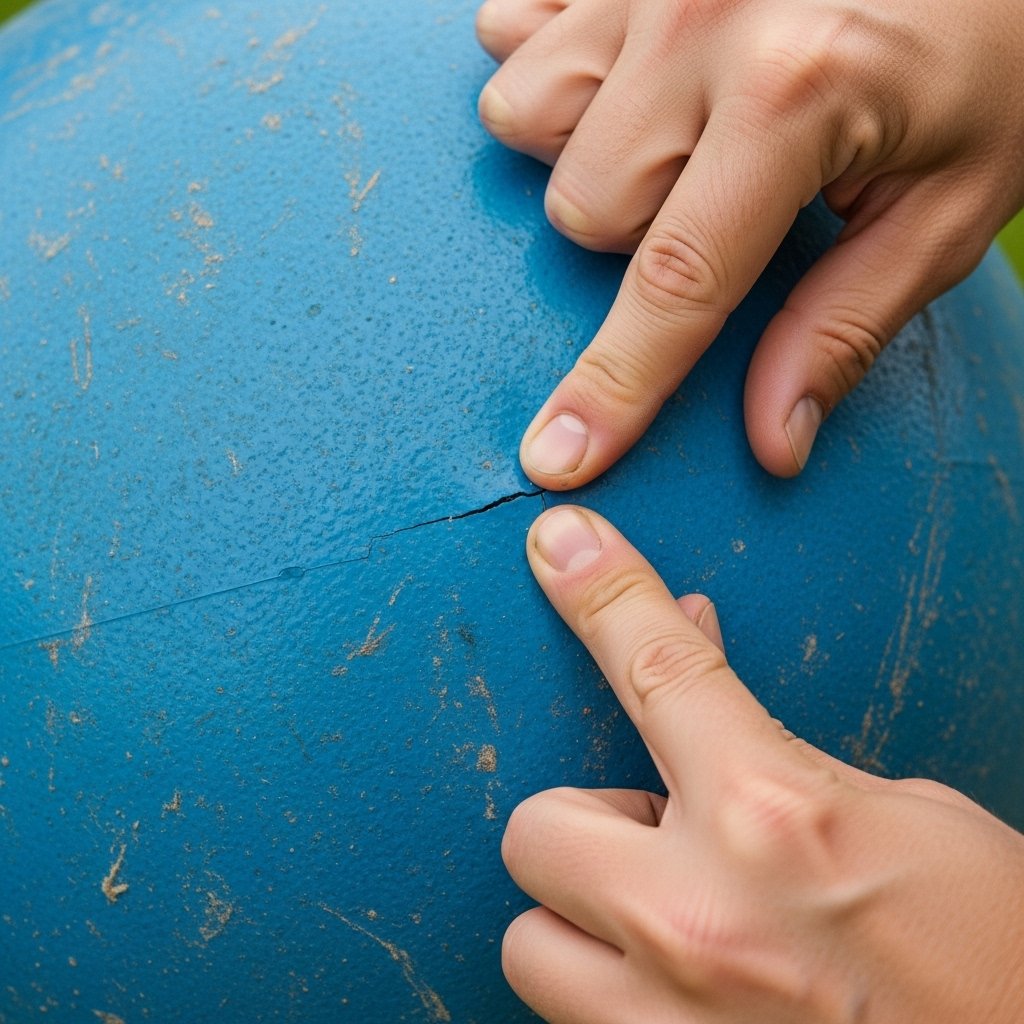
Essential Precautions for Safe Herding Ball Play
While an incredible enrichment tool, the high-impact nature of herding ball play requires strict adherence to safety protocols. A responsible owner must mitigate risks to ensure the activity remains a positive and injury-free experience.
Supervision is Non-Negotiable
A herding ball should never be left with a dog unsupervised. It is an interactive tool, not a chew toy. Unsupervised play can lead to destructive behavior directed at the ball, potential ingestion of broken plastic pieces, or overexertion.
Choose the Right Environment
The ideal play area is a large, securely fenced space with a forgiving surface like grass. Avoid playing on hard surfaces like concrete or asphalt, which can be abrasive to paws and hard on joints. Critically, ensure the area is free of hazards:
- Steep slopes or drop-offs: A dog focused on the ball may not see a hazard until it’s too late.
- Obstacles: Remove garden furniture, tools, rocks, or anything the dog could run into at high speed.
- Water hazards: Never play near unfenced pools or ponds. A dog may push the ball into the water and follow it, creating a drowning risk.
Monitor for Wear and Tear
Before every session, inspect the ball for damage. Hard plastic can develop cracks or sharp edges from repeated impact. If you find any damage that could potentially cut or scrape your dog’s mouth, nose, or body, the ball should be immediately discarded and replaced.
Physical Health and Breed Considerations
This is a strenuous activity. Consult your veterinarian before starting a herding ball routine, especially for dogs with pre-existing orthopedic conditions like hip dysplasia or arthritis. Additionally, while many breeds enjoy this game, be cautious with brachycephalic (flat-faced) breeds like Bulldogs or Pugs. Their respiratory systems may not be suited for such intense, prolonged exertion. Always provide access to fresh water and watch for signs of overheating or exhaustion, such as excessive panting, lagging, or stumbling.
Conclusion
The herding ball is far more than a simple diversion; it is a powerful conduit for a dog’s natural talents. For high-energy and herding breeds, it provides a sense of purpose that can transform a restless, anxious companion into a confident and contented one. By channeling their innate drive into a structured, positive activity, you are not just exercising their body, but also nourishing their mind and spirit. The key to success lies in a thoughtful approach: selecting the right ball, introducing it with patience, and prioritizing safety above all else. When used correctly, the herding ball can become one of the most valuable tools in your enrichment arsenal, strengthening the bond you share with your dog and allowing them to be the brilliant, capable athletes they were born to be.