Help! My Dog Panics At The Car Wash (Desensitization Guide)
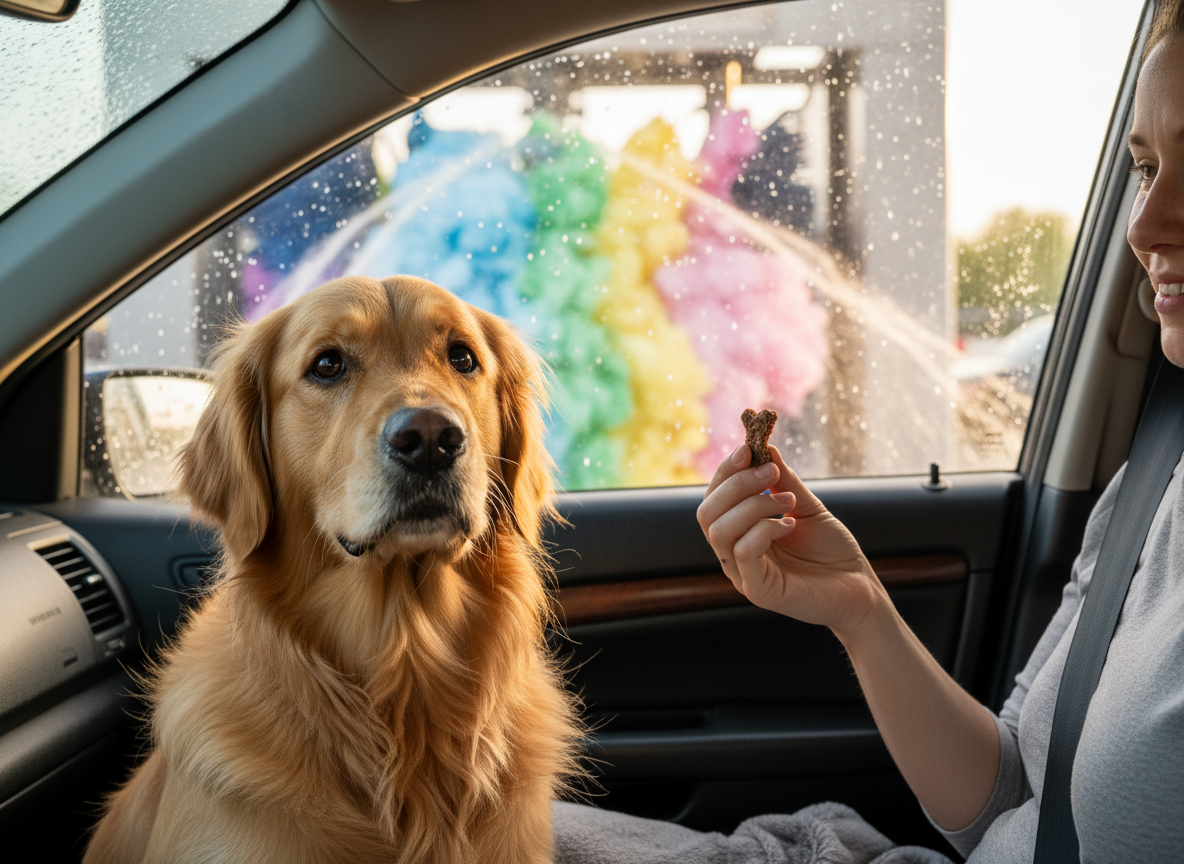
The sudden roar of water, the monstrous spinning brushes, and the feeling of being trapped inside a shaking, noisy box—for many dogs, a trip to the car wash is a terrifying ordeal. As a pet owner, it’s distressing to watch your canine companion tremble, pant, and panic. You might feel helpless, frustrated, or even tempted to avoid washing your car altogether. Rest assured, you are not alone, and your dog’s fear is a valid response to what is an intense sensory overload.
This fear is not a sign of a ‘bad dog’; it’s a natural reaction to an unnatural environment. The loud noises, unpredictable movements, and confinement can trigger a fight-or-flight response in even the most well-adjusted dogs. Fortunately, with a structured and patient approach, you can help your dog overcome this phobia. This guide will walk you through the proven behavioral techniques of desensitization and counter-conditioning. We will break down the process into manageable steps, empowering you to transform the car wash from a place of terror into a neutral, or even positive, experience for your furry friend.
Understanding the Fear: Why Car Washes Terrify Dogs
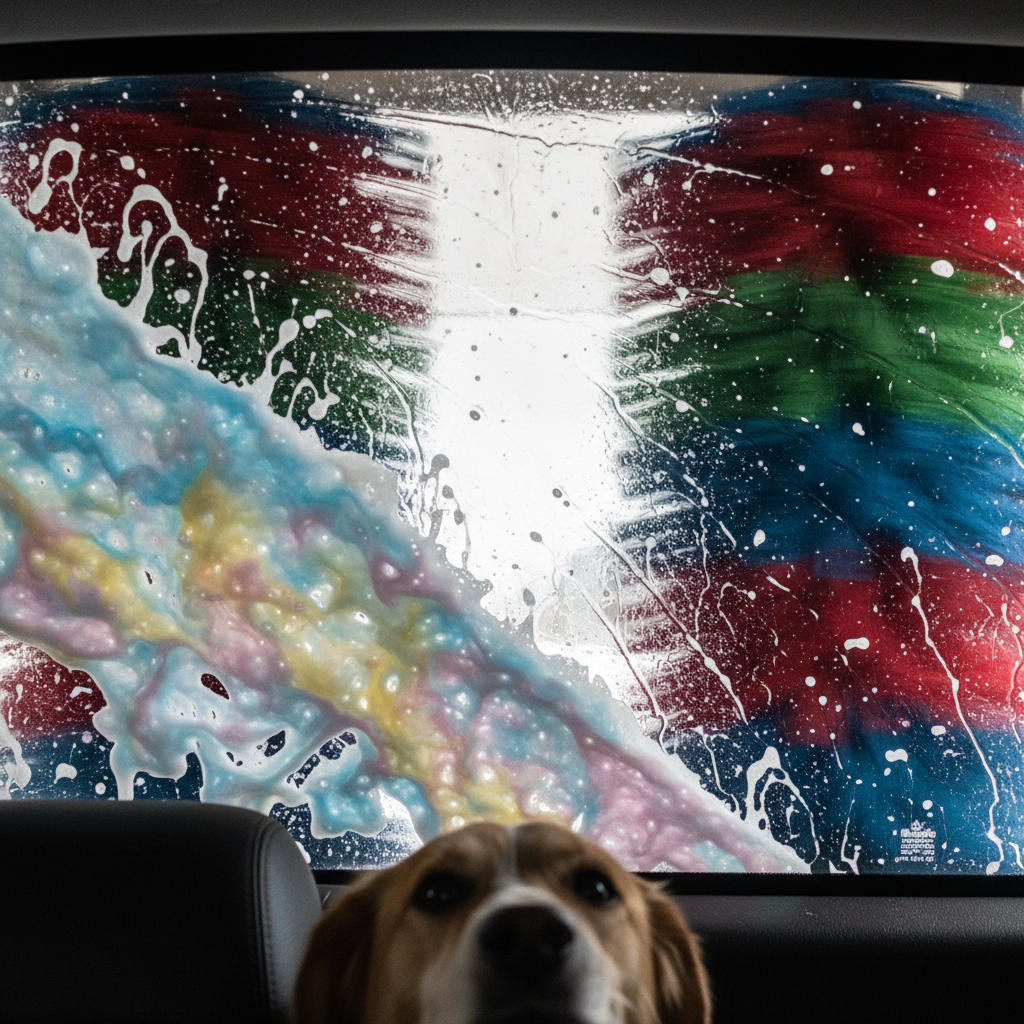
To effectively address your dog’s fear, we must first understand its root cause. A car wash is a perfect storm of sensory triggers that can overwhelm a dog’s nervous system. By viewing the experience from their perspective, we can appreciate the scale of the challenge and approach the training with greater empathy.
Auditory Overload
A dog’s hearing is significantly more sensitive than a human’s. They can detect a wider range of frequencies and hear sounds from four times farther away. The car wash environment is an assault on these sensitive ears. The high-pressure water jets create a loud hissing, the giant brushes whir and slap against the car, and the air dryers produce a deafening roar. To your dog, these aren’t just background noises; they are loud, threatening sounds with no identifiable source, which can be incredibly frightening.
Visual Chaos and Unpredictability
Dogs thrive on predictability. The car wash is the exact opposite. Giant, colorful, and monstrous-looking brushes suddenly appear and move erratically towards the car. Walls of soap and water obscure their vision, and flashing lights can be disorienting. This unpredictable visual chaos removes any sense of control or understanding of the environment, leading to heightened anxiety.
Sense of Entrapment
Perhaps the most significant factor is the feeling of being trapped. Your dog is confined to a small space—the car—while all of this chaos happens around them. The vehicle moves on a conveyor belt without their control, and there is no escape route. This lack of agency can induce panic, as their natural instinct to flee from a perceived threat is completely thwarted. They are forced to endure the experience, which can intensify the negative association and solidify the phobia.
Picking Up on Your Stress
Dogs are masters at reading human body language and emotional cues. If you’re anticipating a negative reaction, your body will tense up. You might grip the steering wheel tighter, speak in a higher-pitched voice, or hold your breath. Your dog will sense this anxiety, which validates their own fear. They think, ‘My trusted human is scared, so this must be a truly dangerous situation.’ Your calm demeanor is one of the most powerful tools in this entire process.
Preparing for Success: Your Desensitization Toolkit
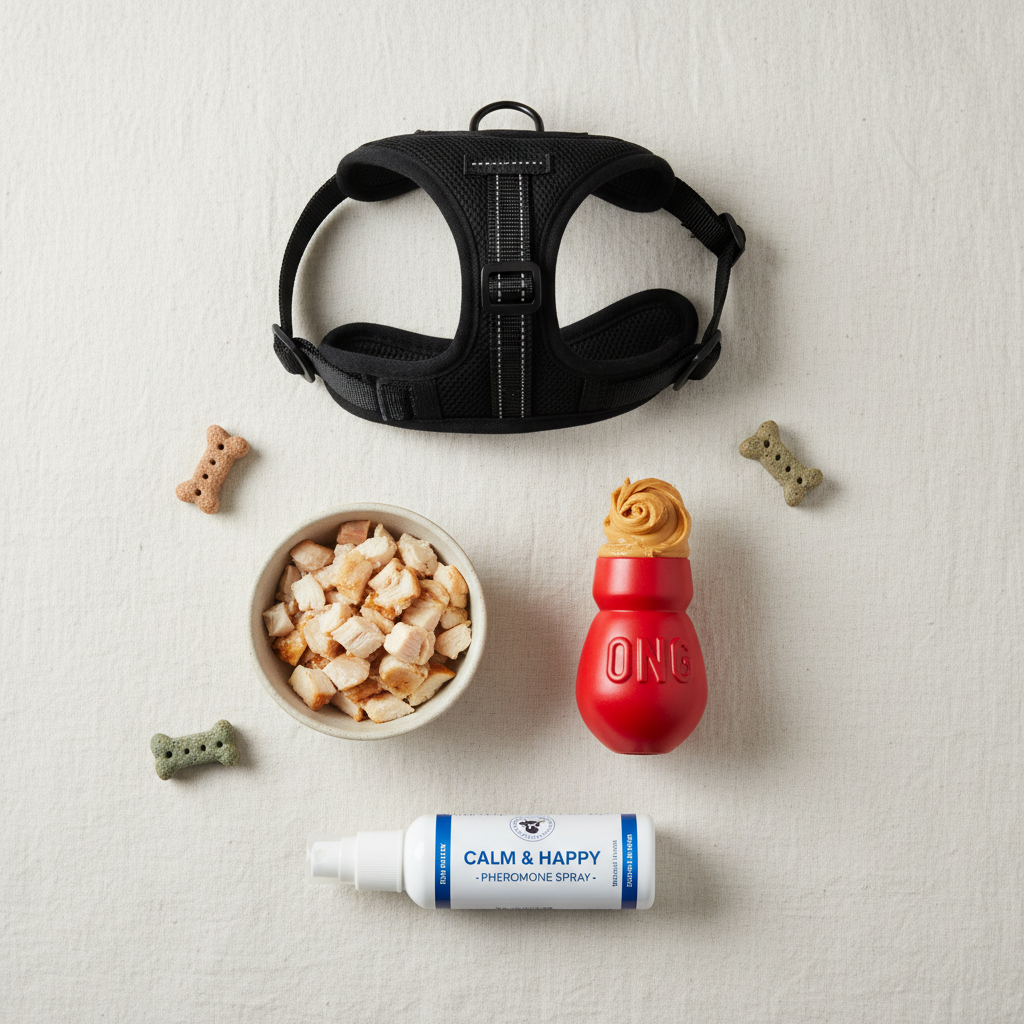
Before you begin the training process, gathering the right tools is essential for setting you and your dog up for success. The goal is to create a positive and rewarding learning environment. You don’t need expensive equipment, but having these items on hand will make the training sessions much more effective.
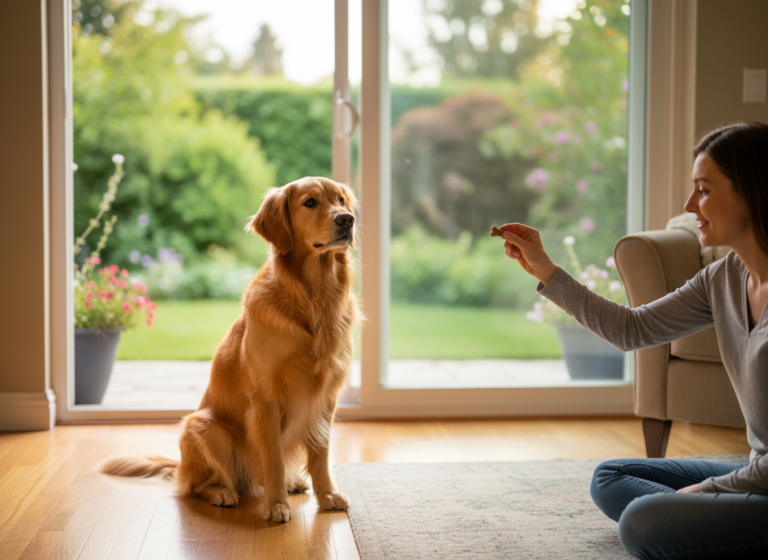
- High-Value Treats: This is the cornerstone of counter-conditioning. We’re not talking about your dog’s everyday kibble. You need special, irresistible treats that your dog absolutely loves and doesn’t get often. Think small pieces of boiled chicken, freeze-dried liver, string cheese, or high-quality commercial soft treats. The goal is to make the reward more powerful than the scary stimulus.
- A Favorite Toy or Puzzle Feeder: For some dogs, especially those that are highly play-motivated, a favorite tug toy or a puzzle feeder like a LickiMat or a filled KONG can be a fantastic distraction. Smearing peanut butter (ensure it’s xylitol-free) or cream cheese on a LickiMat can keep a dog occupied and focused on something positive for several minutes.
- Comfortable and Secure Equipment: A well-fitting harness is preferable to a collar, as it prevents pressure on the dog’s trachea if they become anxious or pull. Ensure the leash is secure. Avoid retractable leashes, which offer little control.
- Calming Aids (Optional): Some dogs may benefit from additional support. Products like a Thundershirt, which applies gentle, constant pressure, can have a calming effect. Pheromone sprays (like Adaptil) that mimic the calming pheromones of a mother dog can also be sprayed in the car before a session.
It is always recommended to consult your veterinarian before introducing any new supplements or calming aids to ensure they are appropriate for your dog.
- A Patient and Positive Mindset: This is the most critical tool of all. This process takes time and cannot be rushed. You must remain calm, patient, and positive throughout. Your dog will feed off your energy. Celebrate small victories and never punish or scold your dog for showing fear.
The Step-by-Step Guide to Car Wash Confidence
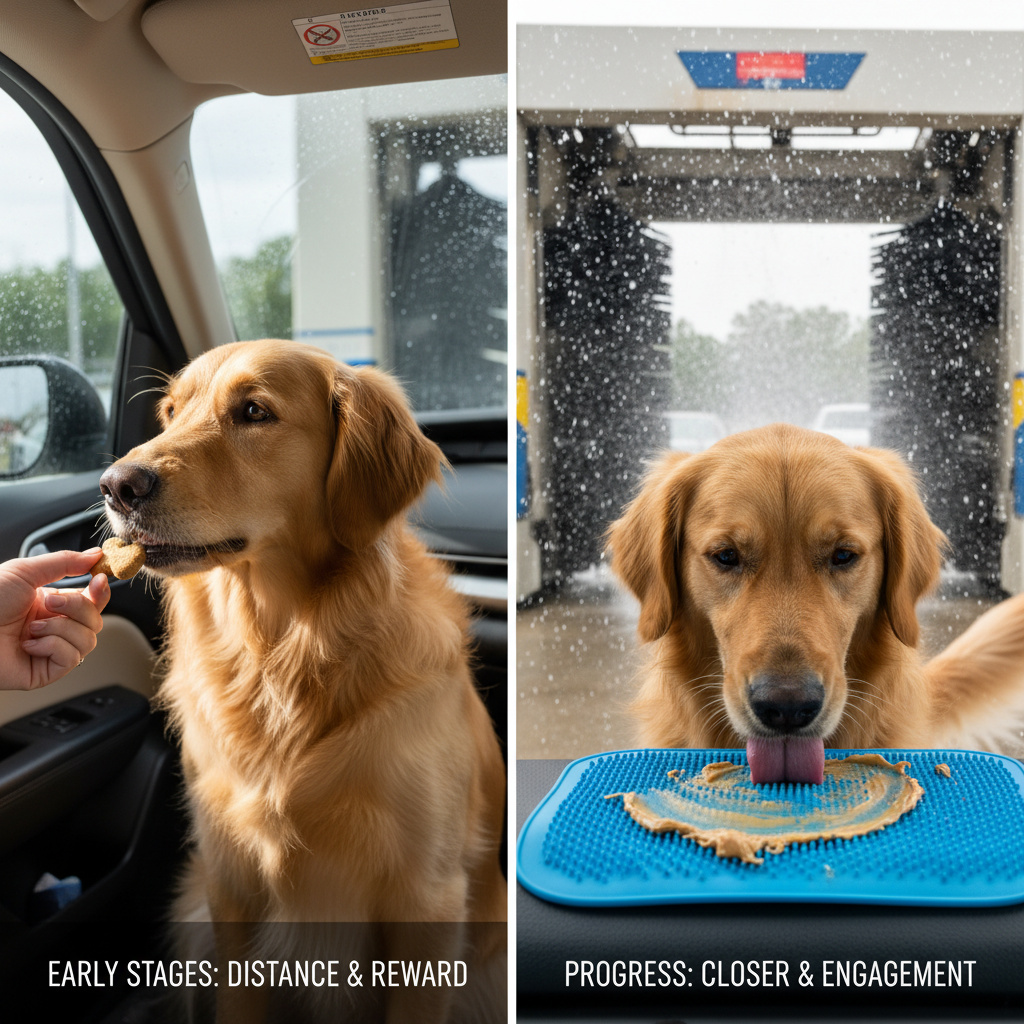
This is a gradual process designed to slowly increase your dog’s tolerance while simultaneously changing their emotional response from fear to anticipation. Each step should be repeated multiple times across different days until your dog is completely comfortable before you proceed to the next. Keep sessions short (5-10 minutes) and always end on a positive note.
-
Step 1: Distance is Your Friend
The first goal is to find a distance where your dog can notice the car wash without reacting fearfully. This is called their ‘threshold.’ Drive to a location where the car wash is visible but far enough away that the sounds are muffled. This might be the far end of a large parking lot. Park the car, turn off the engine, and just sit. Every time your dog looks at the car wash and remains calm, praise them and give them a high-value treat. Do this for a few minutes and then leave. The goal is to build the association: seeing that building from far away makes good things happen.
-
Step 2: Closing the Gap
Over several sessions, gradually decrease the distance. Move the car one or two parking rows closer. Watch your dog’s body language carefully for signs of stress (panting, yawning, whale eye). If you see stress, you’ve moved too quickly. Move back to the last successful distance. Continue the pattern of rewarding calm behavior in the presence of the car wash. The sounds will get slightly louder, but the positive reinforcement should keep the experience pleasant.
-
Step 3: The Neutral Drive-By
Incorporate driving past the car wash into your regular errands. Don’t stop. As you approach, start giving your dog a steady stream of treats. Continue treating as you pass the entrance and stop once you are a block or two away. This makes the car wash a predictable, rewarding, and brief event, not a destination.
-
Step 4: Parked at the Periphery (Engine On)
Now, park in a spot near the exit of the car wash where you can see and hear cars coming out. Keep your car’s engine running. This adds another layer of sensory input. Engage your dog with a puzzle toy or LickiMat. Let them watch the ‘scary monster’ spit out clean cars while they are enjoying a fantastic treat. You are teaching them that the loud noises and activity predict wonderful things for them.
-
Step 5: The ‘Dry Run’ (Car Wash Off)
This is a critical step. Go to the car wash during off-hours when it is completely shut down. If it’s a self-service bay, park inside it. If it’s an automatic wash, ask the attendant if you can slowly drive through while it’s turned off. This allows your dog to experience the physical space and see the brushes up close without any of the scary sounds or movements. Give lots of praise and treats throughout this ‘tour’.
-
Step 6: The First Pass (Water Only)
Many car washes have different cycles. The rinse-only or water-only cycle is often much quieter than the full wash with brushes and dryers. Ask the attendant if you can do a rinse-only pass first. Before you enter, give your dog a KONG or LickiMat to focus on. As you go through, speak to them in a calm, happy, and encouraging voice. Act as if this is the most fun and normal thing in the world.
-
Step 7: The Full Experience
Once your dog has handled all previous steps with confidence, you can attempt the full car wash. Come prepared with your highest-value rewards and distractions. Go at a time when it isn’t too busy to reduce waiting time. Maintain a cheerful and relaxed demeanor. As soon as you exit, have a ‘jackpot’ reward ready—a handful of their favorite treats and lots of praise. This creates a powerful positive association with completing the event.
Troubleshooting and Understanding Your Dog’s Cues
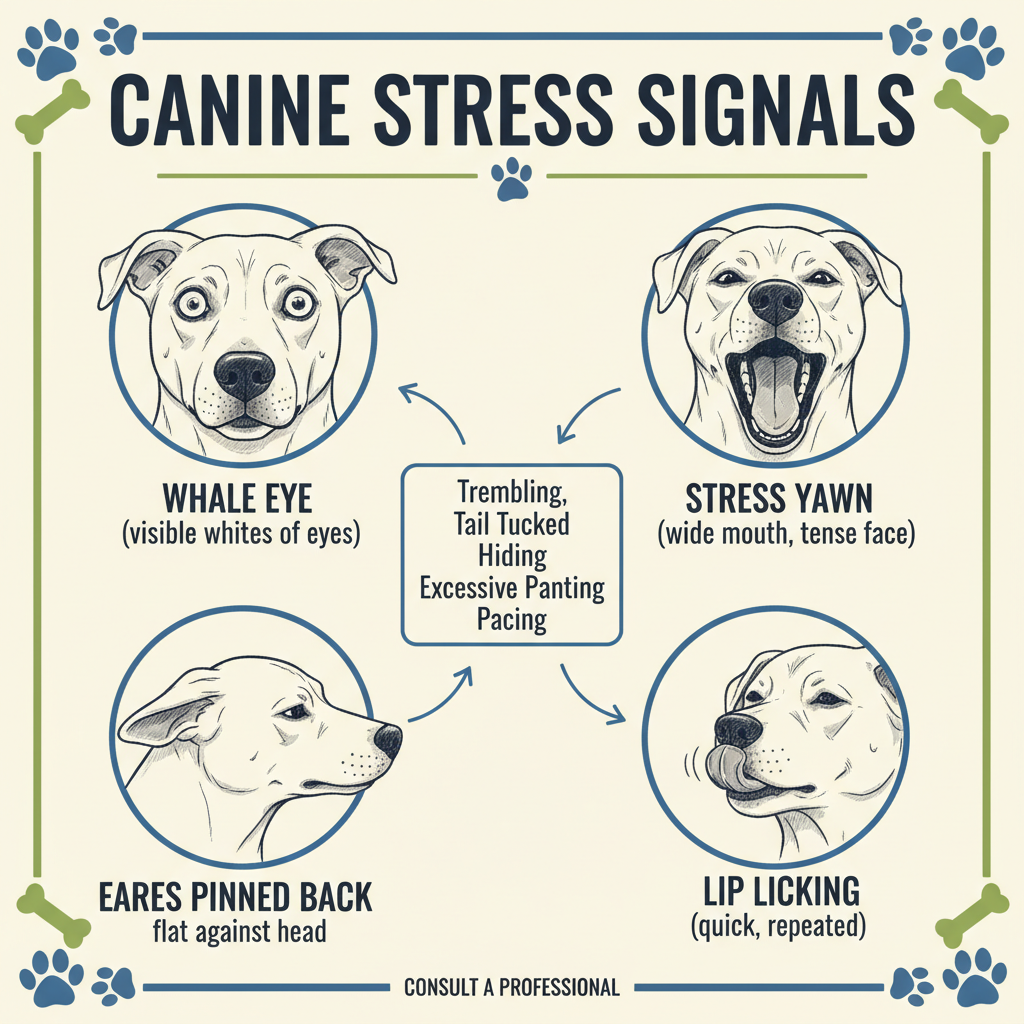
The path to confidence is rarely a straight line. Setbacks are a normal part of the process. The key is to respond correctly by understanding your dog’s communication and adjusting your approach accordingly.
Reading Canine Stress Signals
Learning to recognize the subtle signs of anxiety will allow you to intervene before your dog becomes overwhelmed. Pushing a dog past their threshold will only reinforce their fear. Look for these early warning signs:
- Whale Eye: Showing the whites of their eyes.
- Lip Licking or Nose Licking: Done when not hungry or thirsty.
- Yawning: A stress yawn is different from a sleepy yawn; it’s often more prolonged.
- Panting: When not hot or thirsty.
- Pinned Back Ears: Ears held low and back against the head.
- Tense Body and Furrowed Brow: A stiff posture and worried facial expression.
- Vocalization: Low whining or growling.
- Avoidance: Actively trying to turn away, hide on the floor, or get into your lap.
What to Do If Your Dog Panics
If you miss the early signals and your dog has a fearful reaction (trembling, frantic barking, trying to escape), the most important thing to do is to increase distance from the trigger. Do not punish, scold, or try to ‘reassure’ them with excessive coddling, as this can sometimes be interpreted as praise for the fearful behavior.
The Golden Rule: If your dog becomes overwhelmed, calmly and immediately leave the situation. Don’t make a big deal out of it. Drive away until they settle down. In your next session, revert to the last step where they were fully successful and work from there, perhaps in even smaller increments. The goal is to always end on a successful, positive note, even if it means just sitting in the car far away and getting one treat for being calm.
Alternatives and Professional Guidance
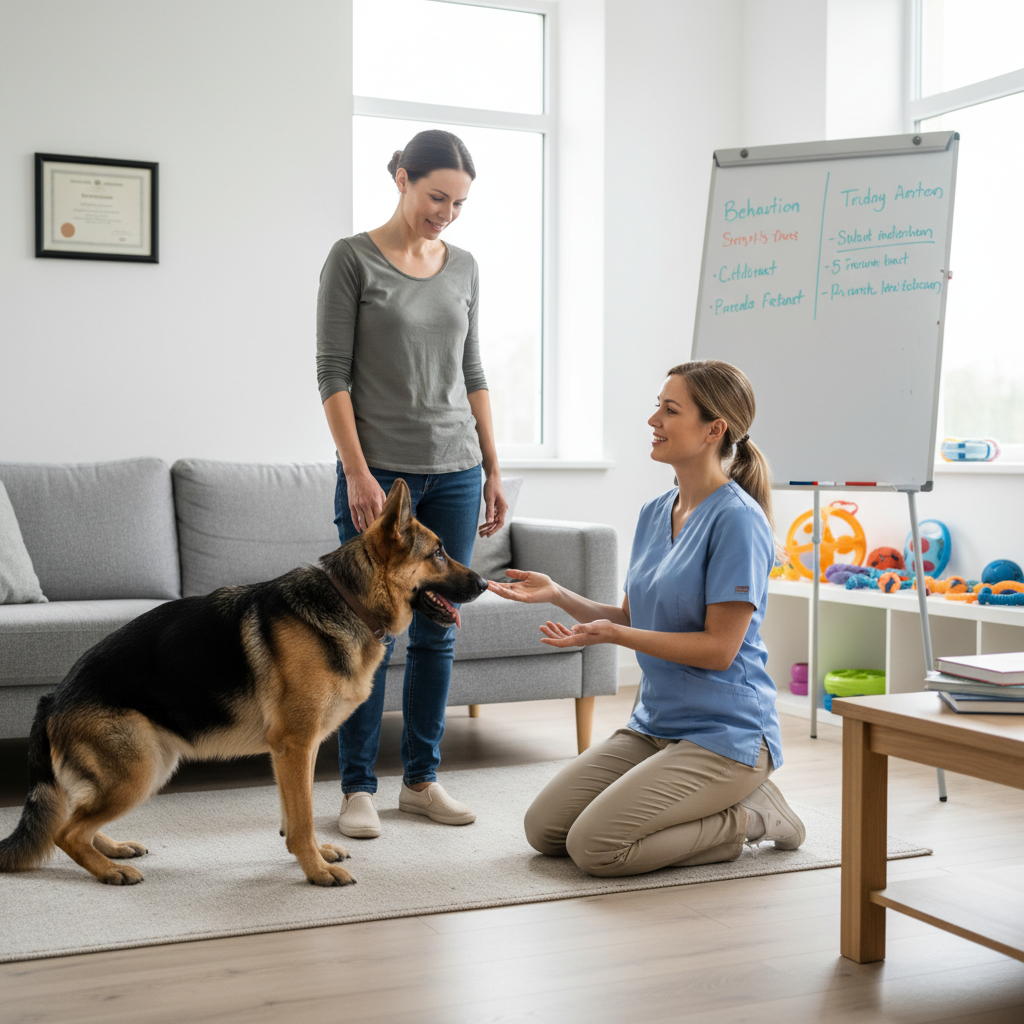
While desensitization is highly effective, it requires a significant investment of time and patience. For some dogs with severe phobias, or for owners with limited time, exploring alternatives is a perfectly valid option. Your dog’s well-being is the top priority.
Practical Alternatives to Automatic Car Washes
- Mobile Car Detailing Services: Many professional detailers will come directly to your home. This allows your car to be cleaned while your dog rests comfortably and securely inside the house, completely removed from the process.
- At-Home Hand Washing: Washing the car in your own driveway can be a great alternative. While some dogs may still be anxious about the hose or vacuum, the environment is familiar and you have complete control over the intensity of the activity. You can even turn it into a positive training opportunity.
- Touchless Car Washes: These automatic car washes do not use brushes. They rely solely on high-pressure water jets and strong detergents. For some dogs, the lack of giant moving objects can make the experience less visually threatening, though the noise level is often still high.
When to Seek Professional Help
Sometimes, a fear is so deeply ingrained that a DIY approach is not enough. It is a sign of responsible ownership to know when to call in an expert. Consider seeking professional help if:
- Your dog’s fear is extreme and they panic at the mere sight of the car wash building.
- The anxiety is generalizing to all car travel, not just the car wash.
- You have been following the desensitization plan for several weeks with no noticeable progress or with worsening symptoms.
- Your dog shows any signs of aggression out of fear.
Look for a qualified professional such as a Veterinary Behaviorist (DACVB), a Certified Applied Animal Behaviorist (CAAB), or a Certified Professional Dog Trainer (CPDT-KA) with specific experience in anxiety and phobias. These experts can provide a customized behavior modification plan and may, in consultation with your veterinarian, discuss the potential for anxiety-relieving medications to aid in the training process.
Conclusion
Helping your dog overcome a fear of the car wash is a journey of patience, empathy, and consistent positive reinforcement. Remember that you are not just teaching your dog to tolerate a noisy machine; you are building a deeper bond of trust and communication. By learning to read their subtle cues and advocating for their emotional well-being, you are strengthening your relationship in a profound way. Celebrate every small step forward, and don’t be discouraged by the occasional step back. With the right tools and a patient heart, you can help your canine companion understand that the world, even the loud and sudsy parts of it, is a safe place by your side.