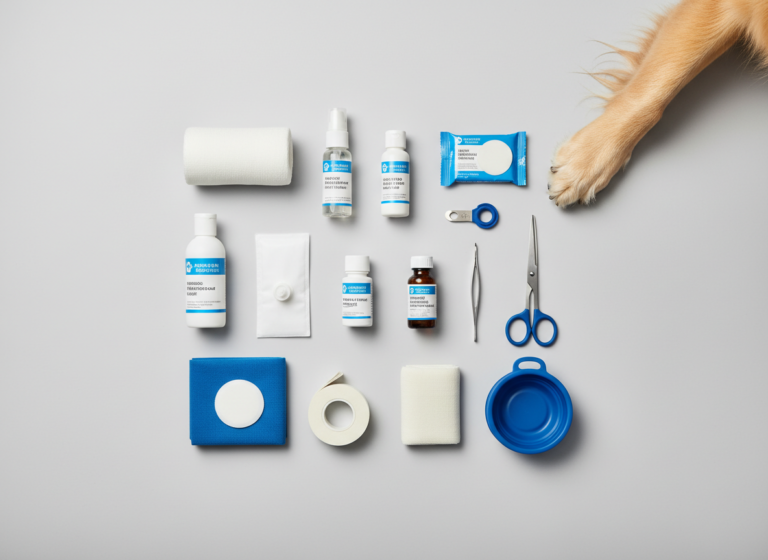
Heal Dog Hot Spots Overnight With This Simple Home Remedy
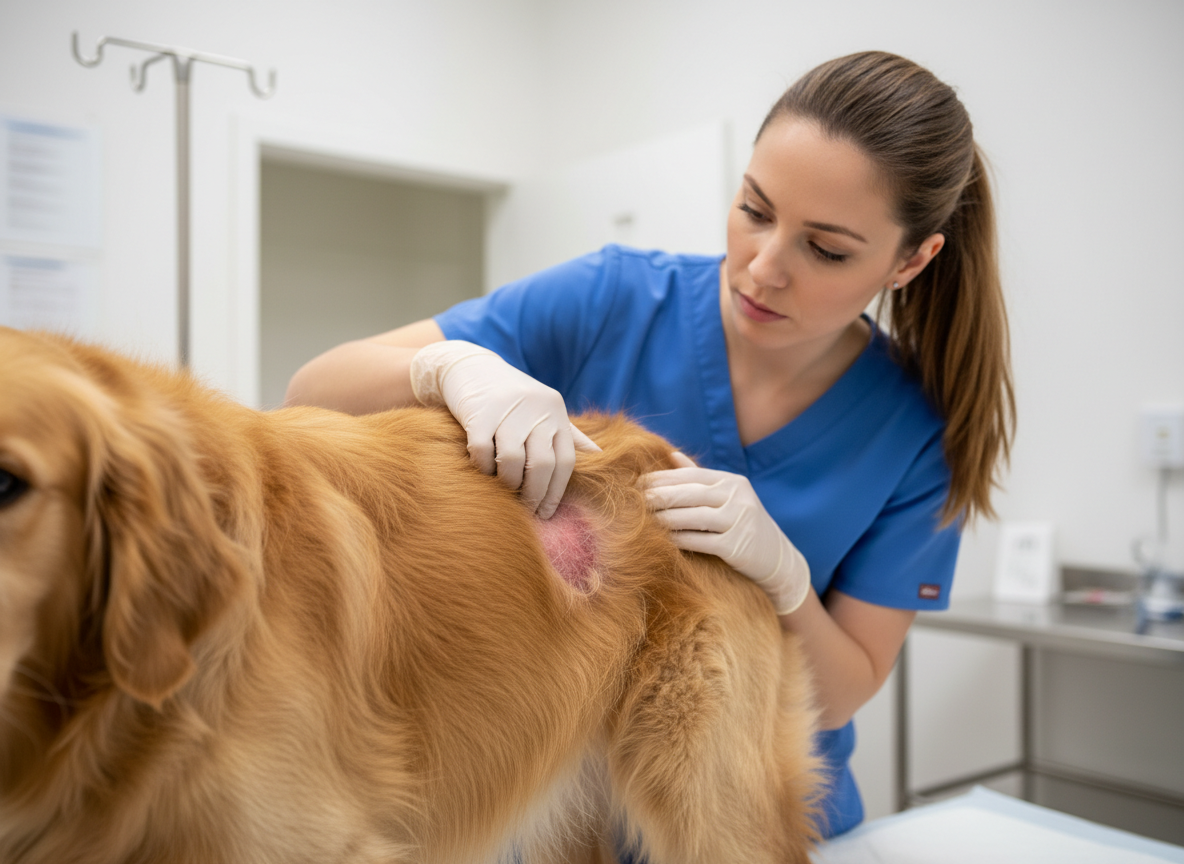
The sight of a painful, weeping hot spot on your dog’s skin can be alarming, sending any loving pet owner searching for a quick solution. The term ‘hot spot,’ known clinically as acute moist dermatitis, refers to a localized, rapidly developing skin infection. These sores can appear seemingly out of nowhere and expand quickly as the dog’s licking and chewing introduces bacteria into irritated skin. While the promise of an ‘overnight cure’ is compelling, it is crucial to approach treatment with a balance of immediate care and realistic expectations. True healing is a process that involves not only soothing the immediate irritation but also identifying and addressing the root cause. This guide will provide a responsible, veterinarian-approved approach to first aid for minor hot spots and clarify when professional medical intervention is non-negotiable for your dog’s health and comfort.
What is a Hot Spot? Identifying the Signs of Acute Moist Dermatitis
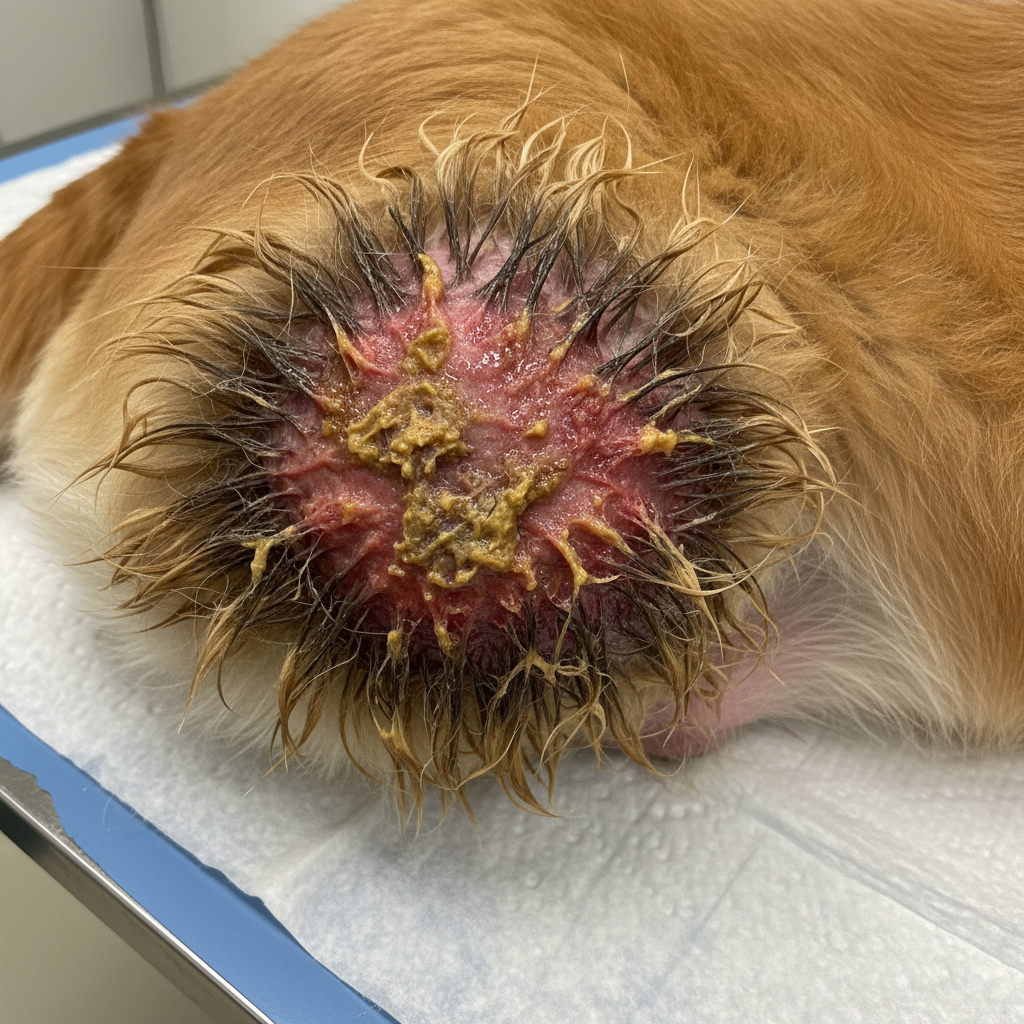
Before you can provide relief, you must be certain you are dealing with a hot spot. These lesions are distinct and typically progress through several stages with alarming speed. Understanding their appearance is the first step toward effective management.
Key Characteristics of a Canine Hot Spot:
- Appearance: A hot spot is a well-defined area of skin that is red, swollen, and moist. You may notice a sticky, pus-like discharge, which can lead to matted fur over and around the lesion.
- Hair Loss: The affected area often experiences rapid hair loss, either from self-trauma (licking and chewing) or the infection itself.
- Pain and Itching: The lesion is intensely itchy and painful. Your dog will likely be unable to leave the area alone, leading to a vicious cycle of irritation and worsening infection.
- Rapid Onset: One of the defining features of a hot spot is its sudden appearance. It can develop from a small patch of irritated skin to a large, angry sore in just a few hours.
- Location: While hot spots can appear anywhere, they are most common on the head, neck, hips, and limbs—areas easily reached by a dog’s mouth.
Expert Tip: Do not confuse a hot spot with other skin issues like ringworm, mange, or a simple rash. A key differentiator is the moist, exudative nature and the extremely rapid development of a hot spot.
Uncovering the Trigger: Common Causes of Hot Spots in Dogs
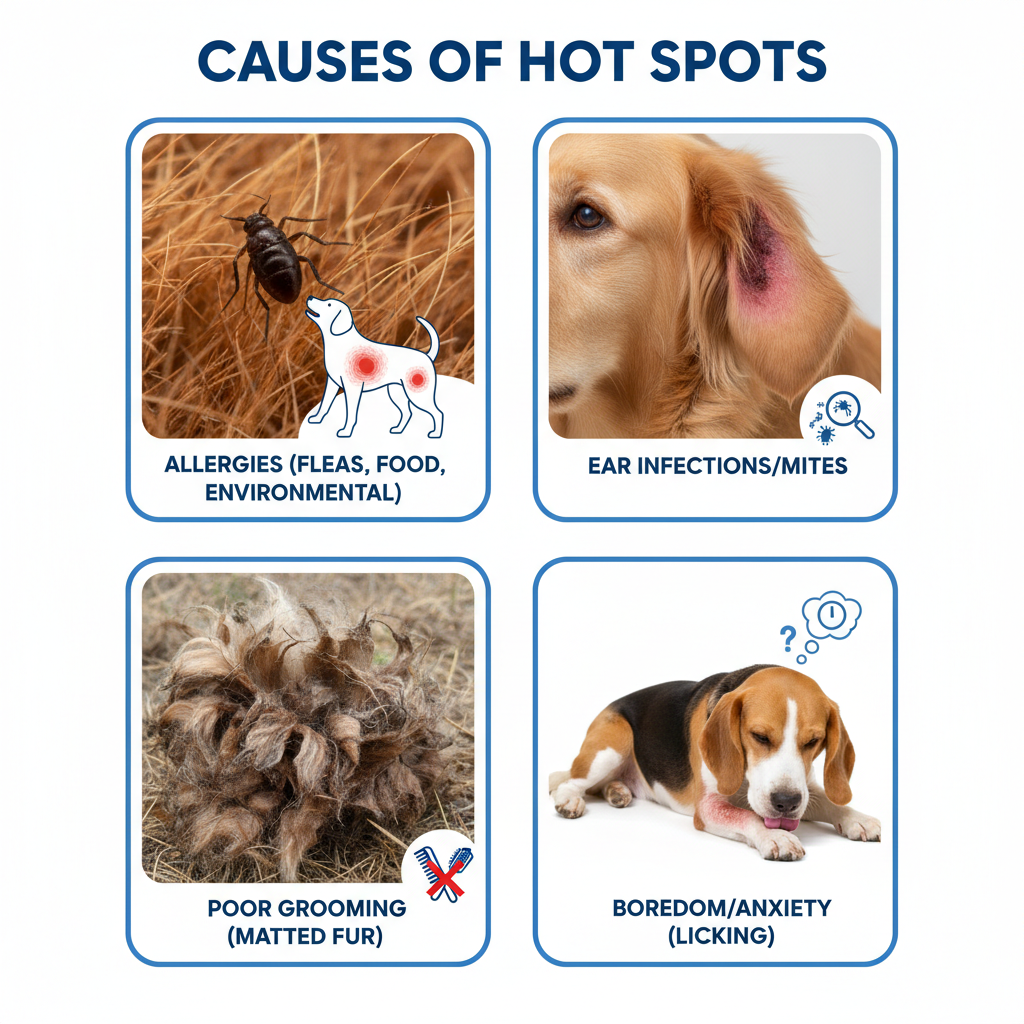
A hot spot is not a disease in itself but a symptom of an underlying problem that initiates an intense itch-scratch cycle. To prevent recurrence, you must play detective and uncover the original trigger. The initial irritation breaks the skin’s surface, and when your dog licks or chews the area, oral bacteria colonize the wound, leading to a secondary infection.
Primary Causes of Initial Irritation:
- Allergies: This is one of the most common culprits. Flea allergy dermatitis, food allergies, and environmental allergies (atopy) to things like pollen or dust mites can all cause the initial itch.
- Parasites: A single bite from a flea, tick, or mosquito can be enough to trigger a hot spot in a sensitive dog.
- Ear or Skin Infections: An underlying bacterial or yeast infection in the ear or on the skin can cause a dog to scratch excessively, leading to self-trauma and a secondary hot spot.
- Poor Grooming: Matted, dirty fur can trap moisture and debris against the skin, creating an ideal environment for bacterial growth and irritation. This is especially common in long-haired breeds.
- Pain: A dog suffering from orthopedic issues like arthritis or an anal gland problem may lick the painful area obsessively, creating a hot spot over the joint or near the tail base.
- Moisture: Dogs that swim frequently or are bathed without being thoroughly dried are at higher risk. Trapped moisture macerates the skin, weakening its defenses.
- Behavioral Issues: Stress, anxiety, or even boredom can lead to psychogenic licking, where a dog licks a single spot compulsively, eventually creating a lesion.
A Safe First-Aid Approach: A Step-by-Step Home Remedy
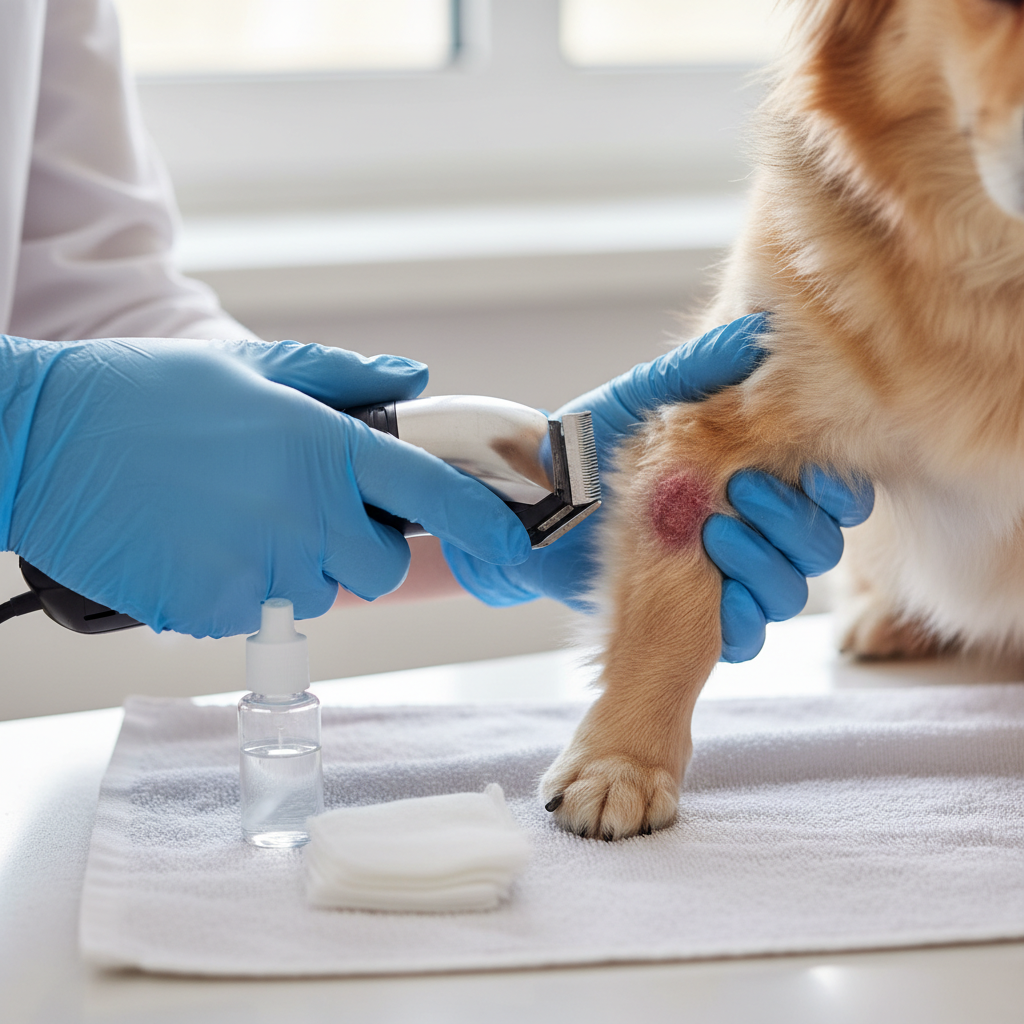
For a very small, new, and superficial hot spot, immediate home care can provide relief and prevent it from worsening while you monitor the situation. However, this is a first-aid measure, not a definitive cure. Always proceed with caution.
- Trim the Fur: The first and most critical step is to expose the hot spot to air. Use electric clippers (not scissors, which can cut the skin) to carefully trim the fur from the hot spot and about a one-inch margin around it. This prevents moisture from being trapped and allows you to see the full extent of the lesion.
- Clean the Area Gently: Clean the skin with a mild, veterinarian-approved antiseptic solution. Chlorhexidine-based cleansers, diluted as per instructions, are an excellent choice. Apply the solution with a clean cotton ball or gauze. Avoid using hydrogen peroxide or rubbing alcohol, as these can damage healthy tissue and cause significant pain. Pat the area completely dry with a clean towel afterward.
- Apply a Cool Compress: A cool, damp washcloth or a wrapped cold pack can be applied to the area for 5-10 minutes, several times a day. This helps soothe inflammation and reduce the itching sensation.
- Prevent Licking and Chewing: This step is non-negotiable. An Elizabethan collar (e-collar or ‘cone of shame’) is the most effective way to stop your dog from further traumatizing the area. Without it, any treatment you apply is likely to be licked off, and the cycle will continue.
- Consider a Topical Application (With Caution): You can apply a thin layer of a non-stinging, pet-safe antiseptic spray or hydrocortisone product designed for dogs. Never use human products like Neosporin or triple-antibiotic ointments, as some ingredients can be toxic if ingested.
Crucial Disclaimer: This home care protocol is intended for minor spots only. Before applying any topical treatment, it is always safest to consult your veterinarian. What appears minor can escalate quickly, and professional guidance ensures your pet’s safety.
Red Flags: When to See a Veterinarian Immediately

Home remedies are not a substitute for professional medical care. Attempting to treat a severe hot spot at home can delay proper treatment, leading to a much more serious infection and prolonged suffering for your dog. Contact your veterinarian immediately if you observe any of the following:
- The hot spot is large or spreading rapidly. If the lesion is larger than a silver dollar or appears to be growing quickly, it requires immediate medical attention.
- Your dog is in significant pain. If your dog yelps, growls, or tries to bite when you touch the area, the pain is too severe for home management.
- There is a foul odor or excessive discharge. A bad smell or thick, yellow-green pus indicates a deep, serious infection (pyoderma) that requires systemic antibiotics.
- The hot spots are recurrent. If your dog repeatedly develops hot spots, it is essential to work with your vet to diagnose and manage the underlying cause, such as allergies.
- Your dog seems unwell. Lethargy, fever, loss of appetite, or any other signs of systemic illness accompanying the hot spot are signs of a widespread infection.
- The hot spot is near an eye, ear, or mouth. These sensitive areas require specialized veterinary care.
Long-Term Prevention: A Proactive Approach to Skin Health

The best way to ‘heal’ a hot spot is to prevent it from ever starting. Once the immediate issue is resolved, focusing on long-term prevention is key to avoiding future outbreaks. This involves a multi-faceted approach to your dog’s overall wellness.
Strategies for Preventing Hot Spots:
- Rigorous Flea and Tick Control: Use a veterinarian-recommended preventative year-round. Flea allergy dermatitis is a leading cause of hot spots, and prevention is far easier than treatment.
- Consistent Grooming: Brush your dog regularly to remove loose fur, prevent mats, and check for any skin abnormalities. For long-haired breeds, professional grooming or a shorter ‘puppy cut’ can help keep the skin dry and healthy.
- Thorough Drying: After baths, swimming, or playing in the rain, make sure to dry your dog completely, especially if they have a thick undercoat. Pay close attention to areas under the collar and in skin folds.
- Allergy Management: If allergies are the suspected cause, work with your vet. This may involve food trials to identify dietary allergens, allergy testing for environmental triggers, or medications like antihistamines, Apoquel, or Cytopoint to manage the itch.
- Mental and Physical Enrichment: A bored or anxious dog is more likely to engage in compulsive licking. Ensure your dog gets plenty of exercise, training, and interactive toys (like food puzzles) to keep their mind and body engaged.
- Nutritional Support: Feed a high-quality, balanced diet. Supplements rich in omega-3 fatty acids (like fish oil) can help support a healthy skin barrier and reduce inflammation. Consult your vet before adding any supplements to your dog’s diet.
Conclusion
While the desire to provide instant, overnight relief for your dog’s painful hot spot is understandable, the reality is that effective treatment is about safety, diligence, and addressing the root cause. A simple home remedy can serve as a crucial first-aid step for a very minor lesion, providing immediate comfort and preventing it from worsening. However, the most powerful tools in your arsenal are vigilance and a strong partnership with your veterinarian. By recognizing the signs of a hot spot early, understanding when to seek professional help, and committing to preventative strategies like proper grooming and allergy management, you can protect your canine companion from the intense discomfort of acute moist dermatitis. True healing comes not from a single overnight fix, but from consistent, informed care that supports your dog’s skin health from the inside out.