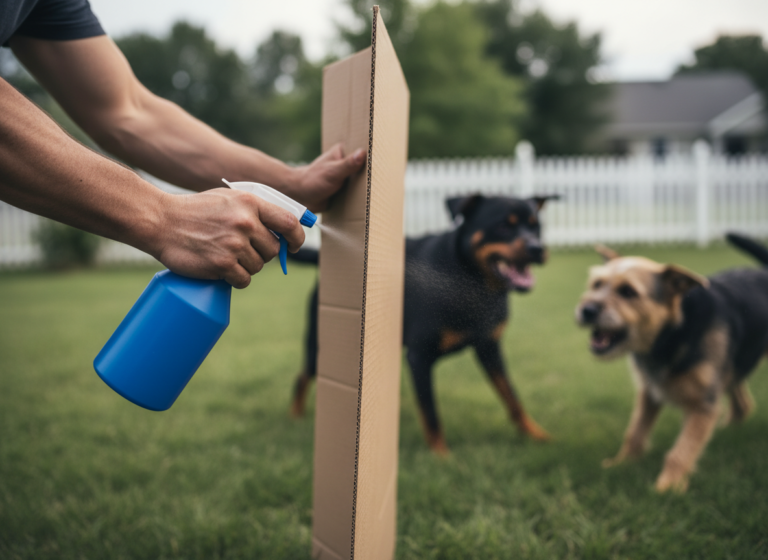
Happy Or Aggressive? How To Handle The “Over-Aroused” Biter
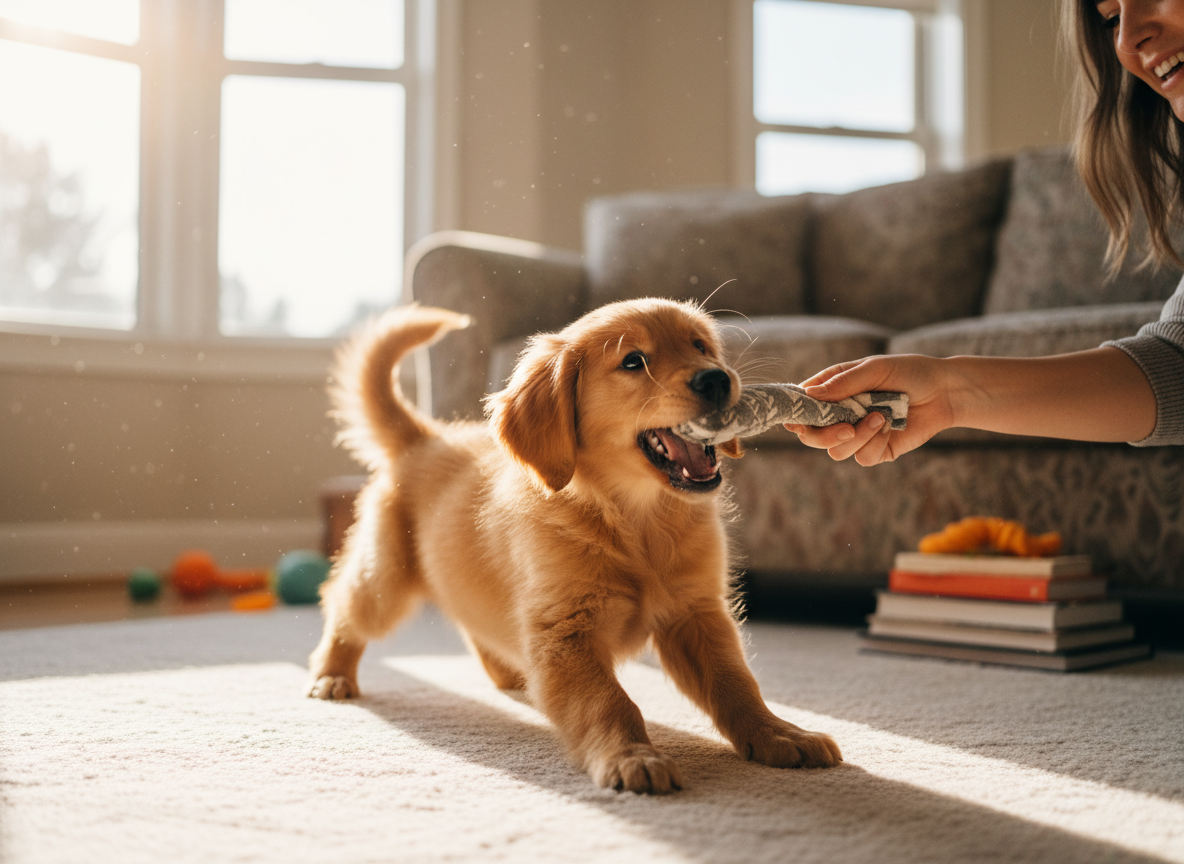
One of the most perplexing and concerning behaviors for dog owners is biting that occurs during moments of high excitement. Your dog is wagging its tail, seemingly overjoyed, yet their teeth are making contact with your skin. This is the confusing world of the over-aroused biter. It immediately begs the question: is this playful exuberance or a sign of budding aggression? Understanding this distinction is not just academic; it is fundamental to addressing the behavior correctly and preserving the bond you share with your canine companion.
Over-arousal biting is a common phenomenon, particularly in puppies and adolescent dogs of high-energy or working breeds. It stems from an inability to regulate excitement, causing their brains to become ‘flooded’ and their bodies to revert to instinctual, mouthy behaviors. It is not born from malice or a desire to harm, but from an overflow of emotion that they haven’t yet learned to manage. This guide is designed to provide you with the professional knowledge and actionable strategies needed to navigate this challenge. We will dissect the subtle cues that differentiate play from aggression, explore the root causes of this behavior, and provide a comprehensive, step-by-step plan for managing and training your over-aroused biter towards calmer, more appropriate interactions.
Decoding the Bite: Understanding the Difference Between Over-Arousal and Aggression
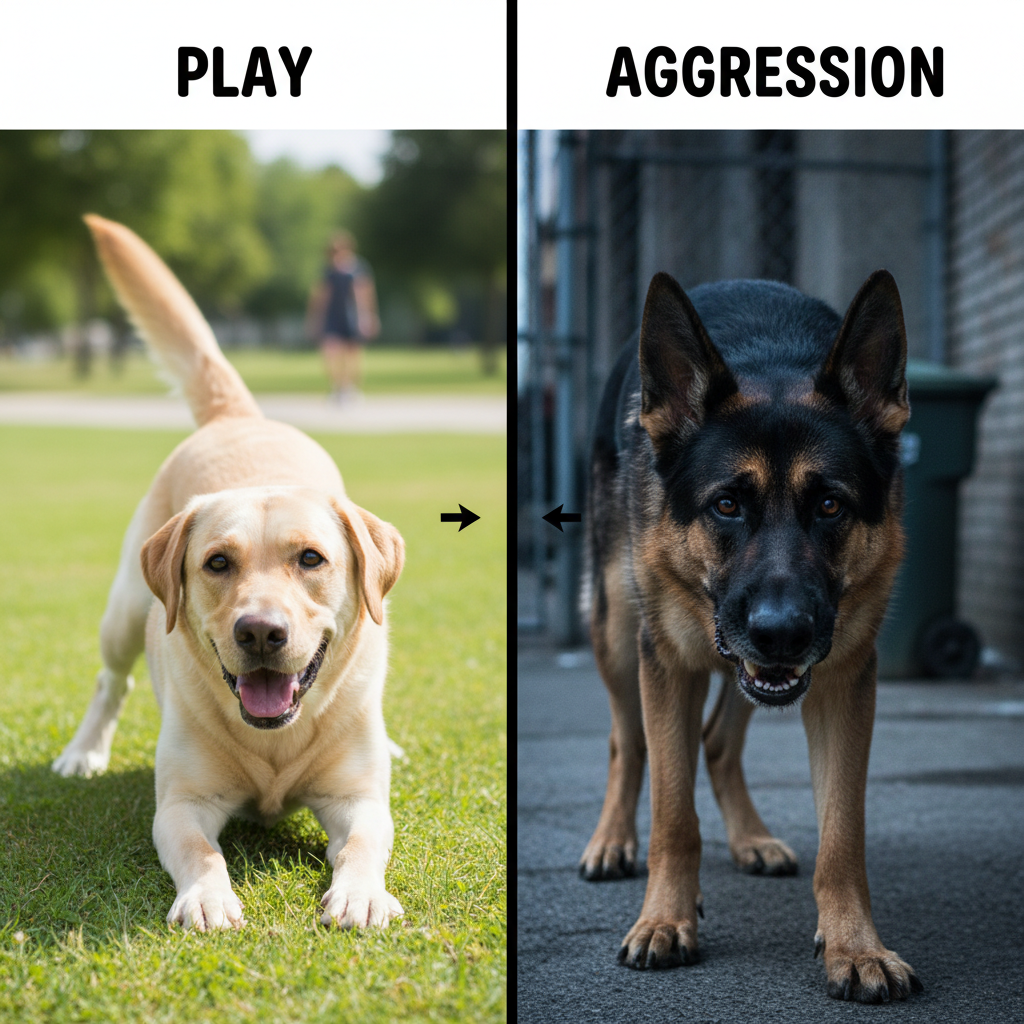
The first and most critical step in addressing biting is accurate identification. Misinterpreting over-arousal as aggression can lead to punitive, fear-based training methods that damage your relationship and can even create true aggression. Conversely, dismissing genuine aggressive signals as ‘just playing’ can lead to dangerous situations. The key lies in observing the dog’s entire body, not just the mouth, and considering the context of the situation.
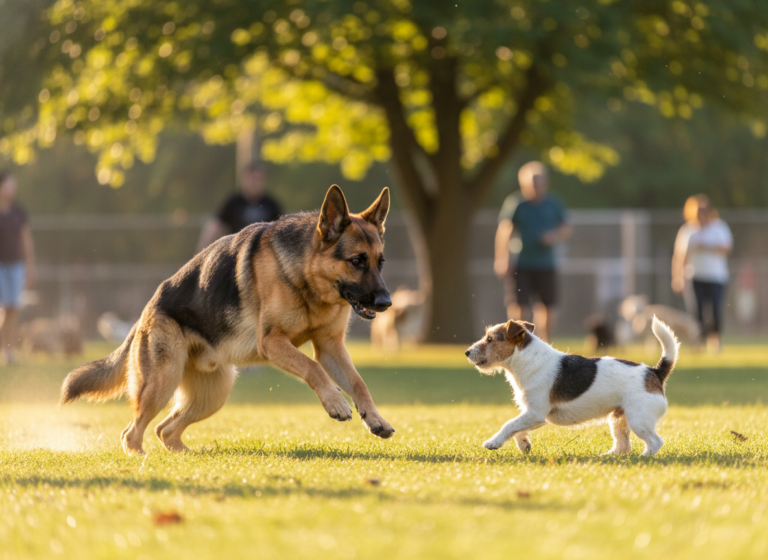
An over-aroused dog’s brain is overwhelmed by stimulating triggers—fast movement, high-pitched noises, or intense physical contact. This ’emotional spillover’ results in behaviors like jumping, frantic zooming, and, most notably, biting. The bites are typically rapid and repeated, and the dog’s pressure inhibition is often poor because they are not thinking clearly. In contrast, true aggression is intentional and often rooted in fear, resource guarding, pain, or territorial defense. It is a communication tool used to increase distance and neutralize a perceived threat.
Observing the dog’s overall physical state is paramount. A playful, aroused dog is typically ‘loose and wiggly,’ while an aggressive dog is often ‘stiff and hard.’ This distinction is the foundation of a correct assessment.
To help you distinguish between these two very different behavioral states, consult the following table which breaks down the common body language signals associated with each.
| Body Language Cue | Over-Aroused (Playful) State | Aggressive (Threatened) State |
|---|---|---|
| Body Posture | Loose, wiggly, bouncy, ‘sloppy’ movements. May offer play bows. | Stiff, rigid, tense. Body may be lowered or leaning forward. Hackles may be raised. |
| Facial Muscles | Relaxed, loose facial muscles. ‘Long lips’ or a relaxed, open mouth, sometimes described as a ‘smile’. | Tense facial muscles, wrinkled muzzle. Lips pulled back vertically (snarl) or horizontally (fear grimace). |
| Eyes | Soft, ‘squinty’ eyes, or wide with excitement but without a hard focus. Avoids prolonged, direct eye contact. | Hard, direct stare. Pupils may be dilated. Whites of the eyes (sclera) may be visible, known as ‘whale eye’. |
| Tail | Loose, sweeping wag, often at mid-height or in a ‘helicopter’ motion. | Stiff, high-held tail with a rapid, short wag (‘flagging’), or tucked low between the legs. |
| Vocalization | High-pitched, excited barks or growls that are part of the game. Often sounds ‘breathy’. | Low-pitched, guttural growl or a deep, threatening bark. Snapping the air. |
| Bite Quality | Frenzied, often repeated nipping. Pressure may vary and can be hard due to lack of self-control, but there is no intent to injure. | Intentional, targeted bite. May be a quick snap or a bite-and-hold. Designed to cause harm or create distance. |
The Science of Excitement: Unpacking the Causes of Arousal Biting
Understanding why your dog resorts to biting when excited is crucial for developing an effective management plan. This behavior isn’t a sign of a ‘bad dog’; it’s a predictable outcome of specific internal and external factors colliding. By addressing these root causes, you can move from simply reacting to the biting to proactively preventing it.
Developmental Stages and Bite Inhibition
Puppies explore the world with their mouths. During their first few months, they learn bite inhibition—the ability to control the pressure of their jaw—through interactions with their littermates and mother. A yelp from a sibling teaches them when they’ve bitten too hard. When we bring a puppy home, we become their primary teachers. Over-arousal biting is common because puppies lack the emotional regulation and impulse control that comes with maturity. Their teething discomfort can also exacerbate mouthiness.
Breed Predispositions and Genetic Drives
Many breeds were selectively bred for traits that involve using their mouths. For example:
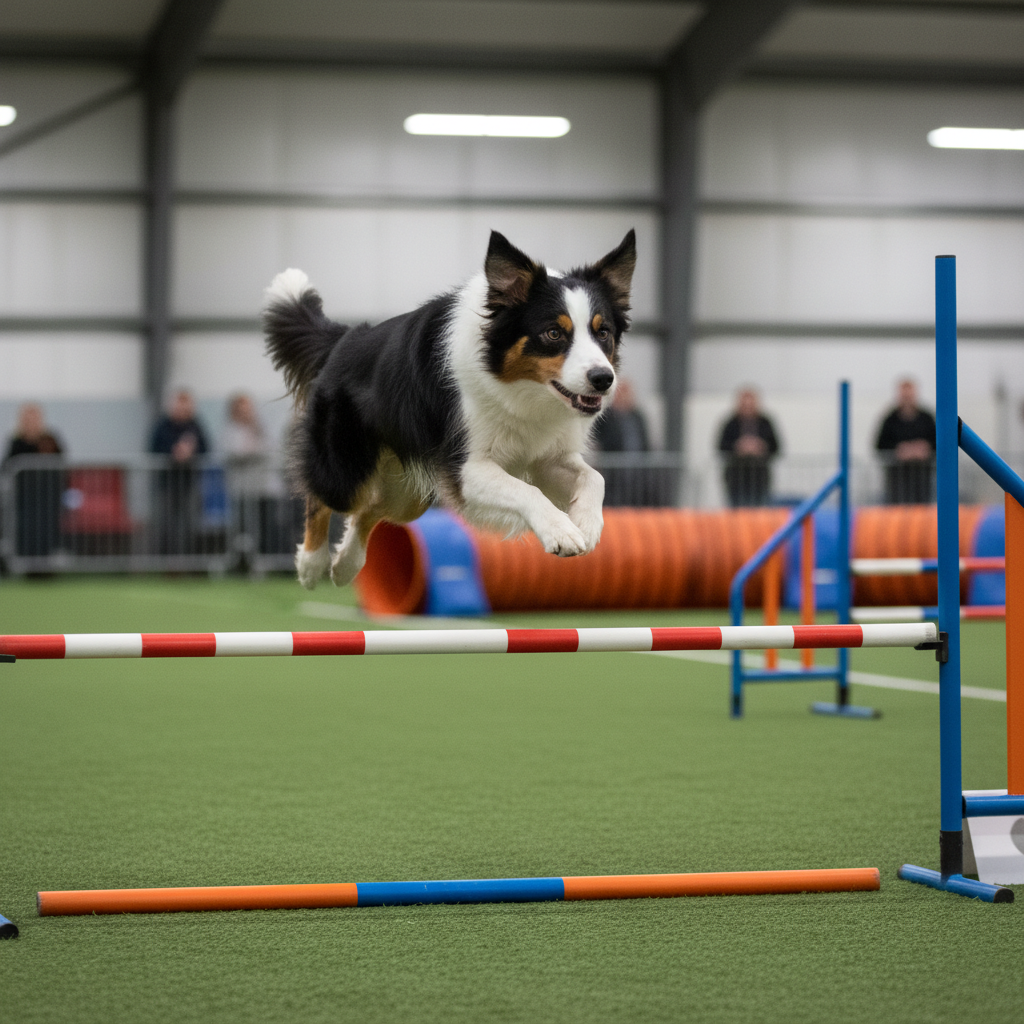
- Herding Breeds (e.g., Border Collies, Australian Shepherds): These dogs are genetically programmed to nip and chase moving objects to control livestock. When over-aroused, this instinct can easily be redirected towards moving hands, feet, or clothing.
- Retrievers (e.g., Labradors, Golden Retrievers): Bred to carry things in their mouths for long periods, these dogs have a natural oral fixation. Excitement can trigger this need to have something in their mouth, which can become a person’s arm if a toy isn’t available.
- Terriers (e.g., Jack Russell Terriers): Bred to grab and shake prey, their play style can be rough and mouthy. High arousal can quickly escalate this into painful nipping.
Environmental Factors and Unmet Needs
A dog’s daily life plays a significant role in its ability to regulate arousal. A primary cause of this behavior is often an imbalance of stimulation.
- Insufficient Physical Exercise: A dog with pent-up physical energy is a tinderbox waiting for a spark. Without an appropriate outlet for their energy, even minor excitement can push them over their arousal threshold.
- Lack of Mental Enrichment: A bored dog is more easily over-stimulated. Mental activities like puzzle toys, nose work, and training sessions tire a dog’s brain, promoting a calmer state of mind and making them less susceptible to emotional overflow.
- Unintentional Reinforcement: Owners can inadvertently make the problem worse. Pushing the dog away, yelping in a high-pitched voice, or flailing your hands can all be interpreted by the dog as part of the game, effectively rewarding the biting and encouraging it to continue.
Step 1: Proactive Management and Prevention Strategies
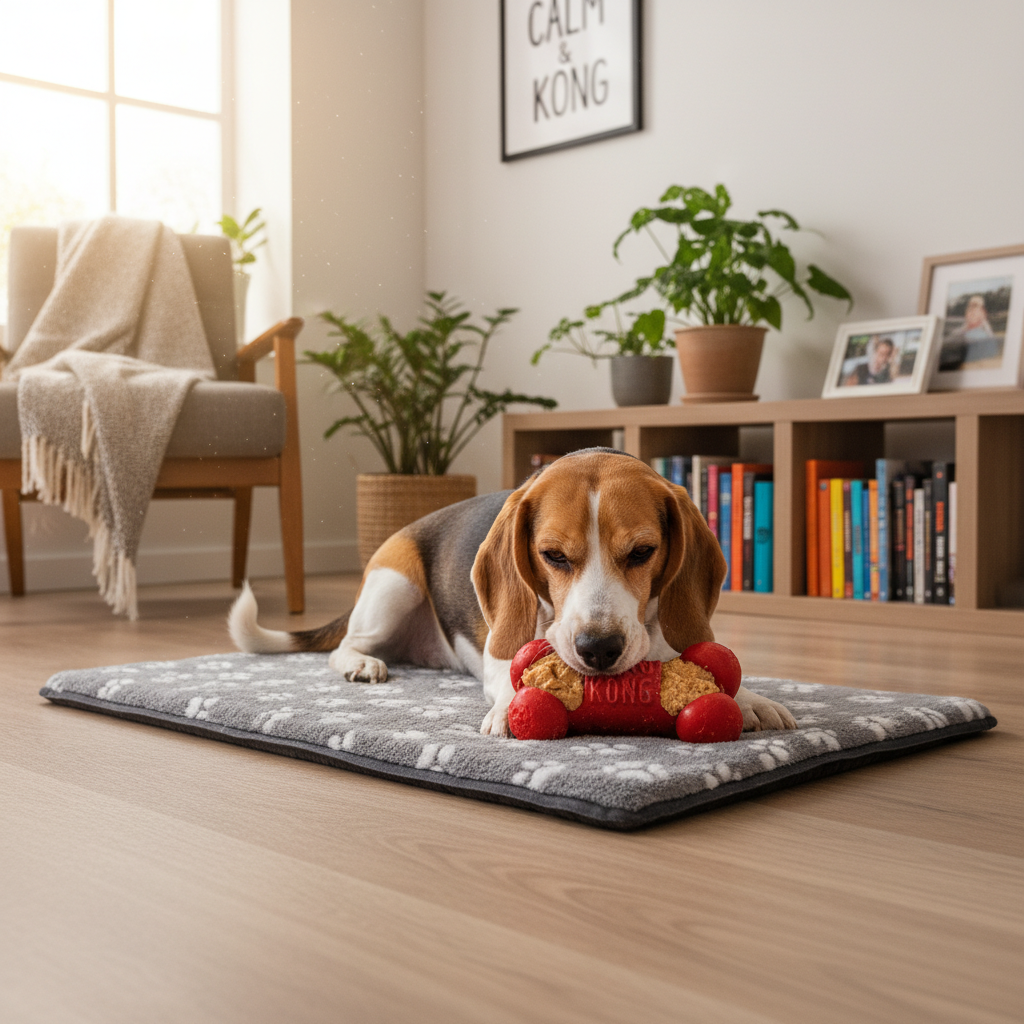
The most effective way to handle over-arousal biting is to prevent the dog from reaching that state in the first place. Management is not about avoiding your dog; it’s about structuring their environment and interactions to set them up for success. This proactive approach reduces the frequency of the unwanted behavior, giving your training efforts a chance to take hold.
Conduct an Arousal Audit
Begin by identifying your dog’s specific triggers. Keep a journal for a week and note when the biting occurs. Is it when you first come home? During games of fetch? When visitors arrive? Recognizing these patterns is the first step. For each trigger, consider how you can lower the intensity. For example, if the trigger is your arrival home, practice a calm greeting protocol where you ignore the dog for the first few minutes until they settle, then reward the calm behavior with quiet affection.
Structure Playtime for Success
Instead of engaging in unstructured, high-intensity play that can quickly spiral out of control, implement structured game sessions.
- Use ‘Rules’ in Games: In a game of tug, teach ‘Take It’ and ‘Drop It’ cues. The game pauses intermittently, and only resumes when the dog is calm and responsive. This teaches the dog that calmness, not frantic arousal, makes the fun continue.
- Keep Sessions Short: It is far better to have several short, successful 5-10 minute play sessions throughout the day than one long session that ends in over-arousal and biting. End the game on a high note, before your dog hits their threshold.
- Use Appropriate Toys: Always play with a toy, never your hands. For dogs that get mouthy, use long-distance toys like flirt poles or tug toys with multiple handles to keep your hands safe and redirect their mouth to an appropriate item.
Enrichment and Decompression
A well-exercised and mentally satisfied dog is a calmer dog. Ensure your dog’s needs are being met daily.
- Decompression Walks: Supplement structured walks with ‘sniffari’ walks on a long line in a natural setting. Allowing a dog to simply sniff and explore at their own pace is incredibly calming and mentally tiring.
- Calming Enrichment: Provide activities that encourage licking, chewing, and sniffing, as these are naturally calming behaviors. LickiMats, stuffed KONGS, and snuffle mats are excellent tools to promote relaxation.
- Teach a ‘Settle’ Cue: Actively train your dog to relax on a mat or bed. Reward them for voluntarily going to their spot and lying down. Over time, this becomes a powerful tool for managing arousal levels during exciting events, like when guests are over.
Step 2: In-the-Moment Intervention Techniques
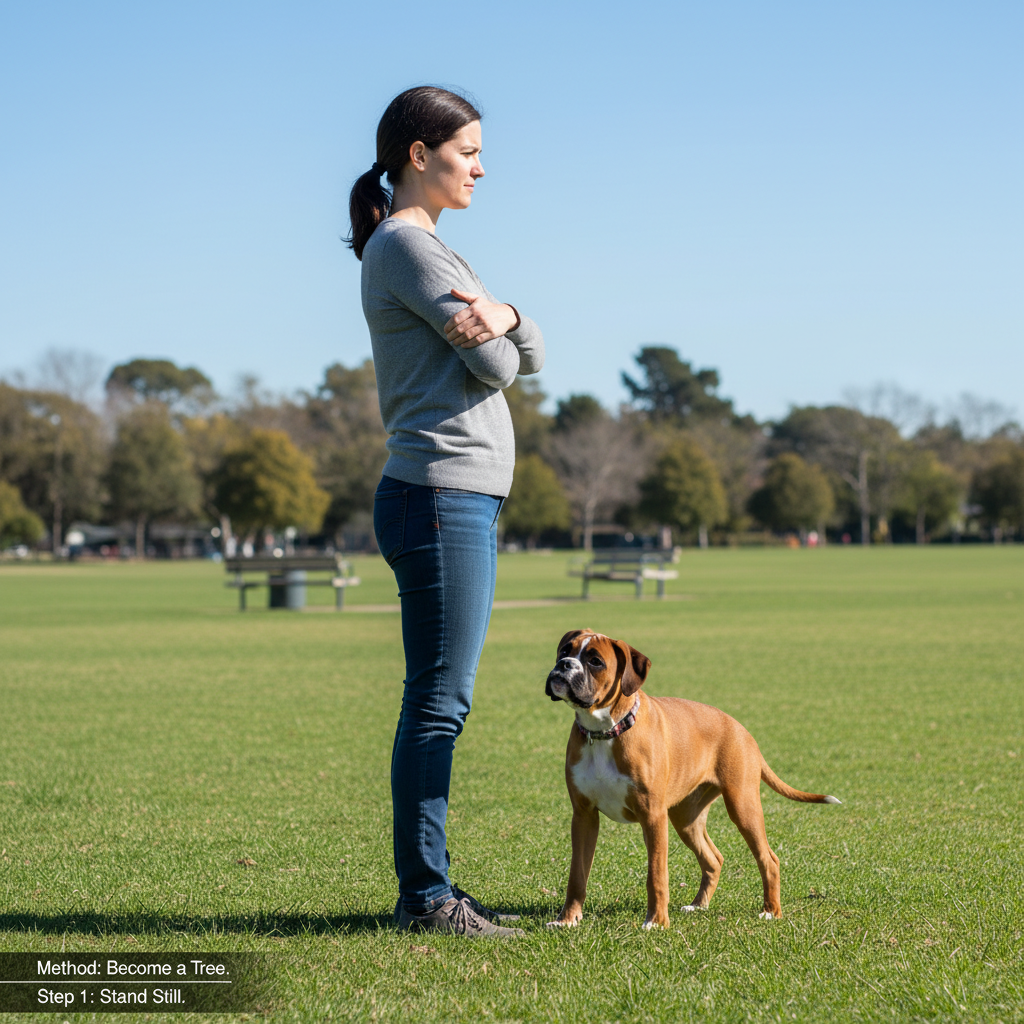
Even with the best management plan, moments of over-arousal will still happen. How you respond in that instant is critical. The goal is to clearly communicate that biting makes all the fun stop, without adding more excitement or fear to the situation. Consistency from every member of the household is key.
The cardinal rule of in-the-moment intervention is to remove the reinforcement. In most cases, the reinforcement is you—your attention, your movement, and your interaction.
The ‘Become a Tree’ Method
The moment you feel your dog’s teeth on your skin or clothes, implement this technique:
- Stop All Movement Immediately: Freeze completely. Stand still, fold your arms across your chest, and look up at the ceiling. Avoid eye contact and do not speak to the dog.
- Wait for Disengagement: Your dog, surprised by the sudden lack of interaction, will likely stop biting and may sit or look at you quizzically. They are processing why the game ended.
- Resume Calmly: Once they have been calm for a few seconds, you can calmly ask for a known cue like ‘Sit’ and reward them, or simply walk away. This teaches a clear lesson: ‘Biting me makes my owner the most boring thing in the world.’
Redirect to an Appropriate Outlet
For persistent puppies or dogs that are slow to disengage, have a redirection strategy ready. Always have appropriate toys easily accessible in rooms where you play. When the nipping starts, and after you’ve frozen for a moment, calmly pick up a toy and redirect your dog’s mouth onto it. Praise them enthusiastically once their mouth is on the toy. This shows them what you want them to do instead.
Implement a Negative Punishment ‘Time-Out’
If freezing or redirecting doesn’t work and the biting continues, it’s time to remove the reward entirely. This is a ‘time-out’ based on negative punishment (which means removing something the dog wants to decrease a behavior).
- Self Time-Out: Calmly and silently walk out of the room, closing a door or baby gate behind you. Stay out for only 15-30 seconds. This is not a long-term punishment; it is a brief, clear consequence.
- Dog Time-Out: Alternatively, you can calmly lead the dog by the collar or a house line to a separate, boring, dog-proofed room for the same short duration.
What NOT to Do: Avoid physical punishment like alpha rolls, muzzle grabs, or hitting. Do not yell or shriek. These actions can increase the dog’s arousal, create fear and anxiety, and severely damage their trust in you. They teach the dog that humans are unpredictable and frightening, which can lead to actual aggression.
Step 3: Building a Foundation of Calmness Through Long-Term Training
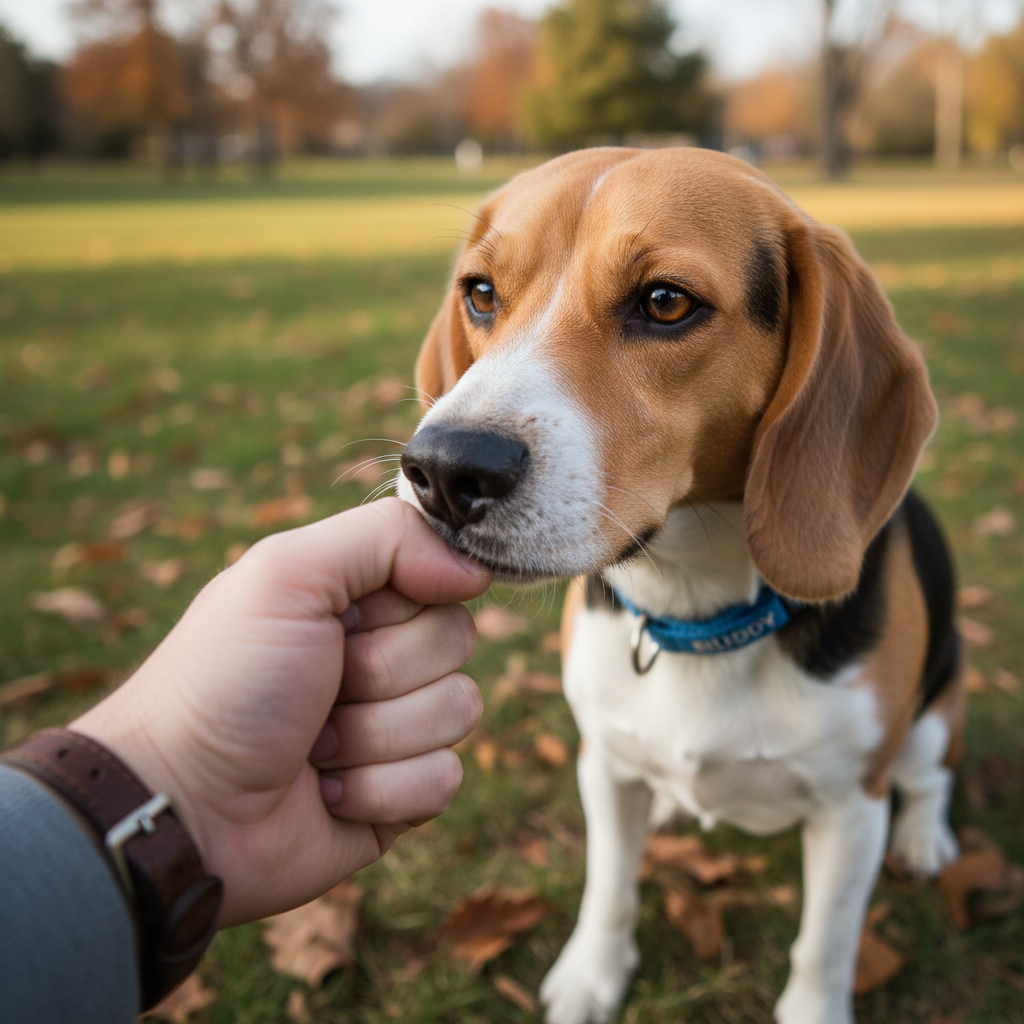
While management and in-the-moment interventions are essential for immediate safety and communication, long-term training is what builds a dog’s resilience to over-arousal. These exercises teach impulse control, frustration tolerance, and a ‘default’ calm state of mind that will serve them throughout their life.
Refining Bite Inhibition
Even if your dog is past the puppy stage, you can still work on the softness of their mouth. When hand-feeding treats or playing with toys, if you ever feel teeth with more pressure than you’re comfortable with, say a calm ‘Oops!’ and withdraw your hand or the toy for a few seconds. Only offer it again when the dog is calmer. This teaches them that a gentle mouth is required to get access to good things.
Impulse Control Games
Incorporate impulse control games into your daily routine. These games are fun for your dog and directly train their ‘mental brakes’.
- ‘It’s Yer Choice’: Hold a low-value treat in your closed fist. Let your dog sniff, lick, and paw at your hand. The moment they back away, even slightly, mark the behavior with a ‘Yes!’ and give them a high-value treat from your other hand. This teaches them that leaving something alone is what gets them the reward.
- Structured Stays: Practice ‘Stay’ in short durations with low distractions, gradually increasing the difficulty. This teaches them to hold a position and resist the urge to move, which is a cornerstone of self-control.
- Wait for a Release Cue: Teach your dog to wait for a release cue (‘Okay!’ or ‘Free!’) before going through doors, getting out of the car, or eating their meals. This reinforces the idea that polite, calm behavior is what gives them access to the things they want.
Capturing Calmness
One of the most powerful but often overlooked training techniques is to actively reinforce calm behavior when it happens spontaneously. Many owners only interact with their dog when it’s active or demanding attention. Make a point to notice when your dog is lying quietly and relaxing on their own.
When you see this, calmly walk over and drop a high-value treat between their paws without making a big fuss. You don’t want to excite them; you simply want to mark and reward the state of relaxation. By doing this consistently, you teach your dog that being calm is a highly profitable behavior, making it a more frequent choice for them.
Recognizing the Limits: When to Consult a Professional
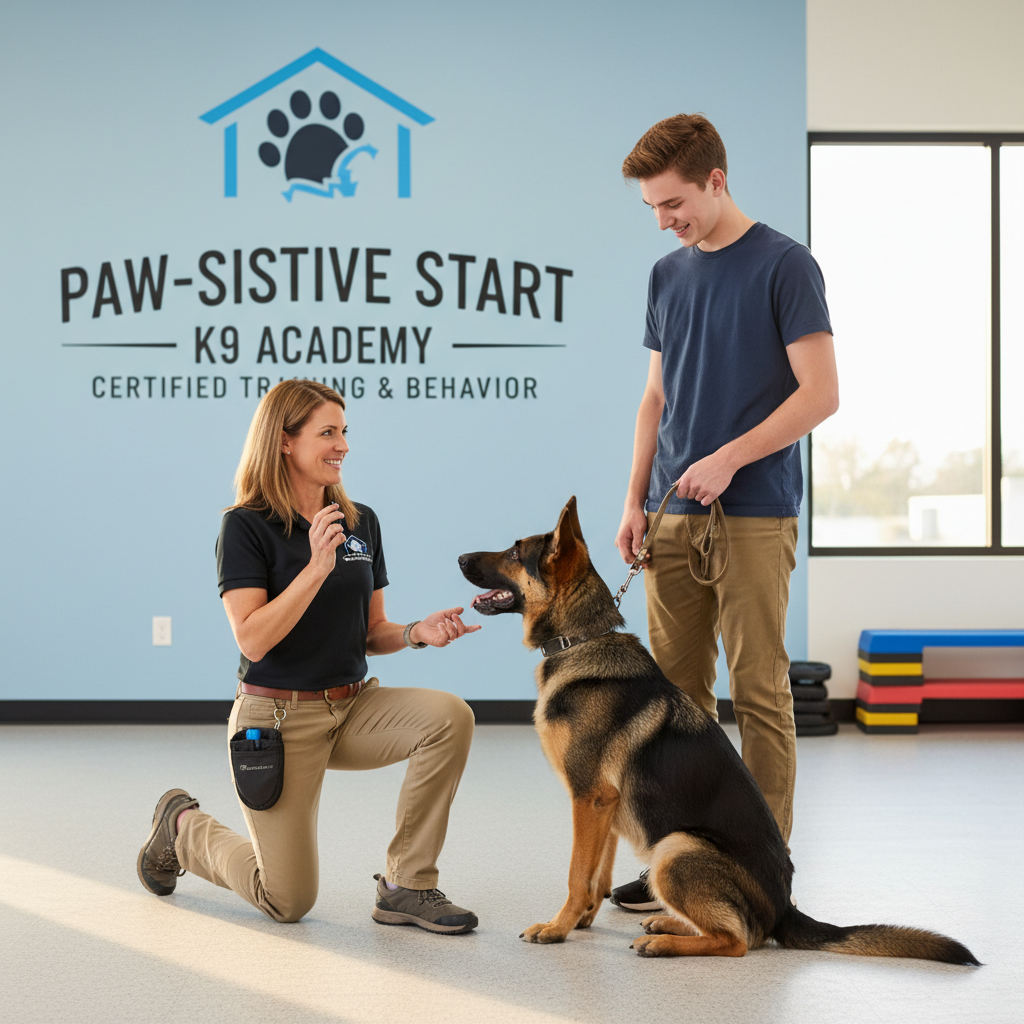
While the strategies outlined in this guide are highly effective for managing typical over-arousal biting, there are situations where professional guidance is not just recommended, but essential for the safety and well-being of both you and your dog. Attempting to handle serious behavioral issues without expert help can be ineffective and potentially dangerous.
It is time to seek professional help if you observe any of the following:
- Bites that Puncture the Skin: If the biting, even in a state of arousal, is consistently breaking the skin, it indicates a significant lack of bite inhibition that requires immediate, expert intervention.
- Presence of Clear Aggressive Body Language: If the biting is accompanied by the stiff body posture, hard stares, snarling, or deep growling detailed in the first section, you are likely dealing with aggression, not just over-arousal.
- Inability to De-escalate: If your dog becomes over-aroused and is unable to calm down for a prolonged period, even after the stimulus is removed, it may indicate a deeper underlying anxiety or physiological issue.
- Resource Guarding: If the biting occurs when you approach the dog’s food, toys, or resting space, this is resource guarding and requires a specific behavior modification plan.
- You Are Afraid of Your Dog: If you or other family members are becoming fearful or resentful of the dog, it is crucial to get help. A professional can provide not only training for the dog but also coaching and support for you, helping to rebuild confidence and repair the relationship.
Finding a Qualified Professional
The dog training industry is unregulated, so it is vital to choose a professional who uses modern, science-based, positive reinforcement methods. Look for credentials from reputable organizations:
- Veterinary Behaviorist (DACVB): A veterinarian who has undergone extensive, specialized training in animal behavior. They are qualified to diagnose and treat behavioral problems and can prescribe medication if necessary. This is the top-tier expert for serious aggression cases.
- Certified Applied Animal Behaviorist (CAAB): A professional with a Ph.D. or Master’s degree in animal behavior.
- Certified Professional Dog Trainer (CPDT-KA/KSA): A trainer who has passed a comprehensive exam and demonstrated experience in the field.
- Karen Pryor Academy Certified Training Partner (KPA-CTP): A trainer who has completed an intensive program focused on positive reinforcement and clicker training.
Avoid any trainer who recommends using pain, fear, or intimidation, such as shock collars (e-collars), prong collars, or ‘alpha roll’ techniques. These methods are outdated and can severely worsen fear and aggression.
Conclusion
Navigating the behavior of an over-aroused biter can be a frustrating and sometimes painful experience, but it is a challenge that can be overcome with understanding, patience, and consistency. The most important takeaway is that in most cases, this behavior is not rooted in aggression but in an overflow of joyful excitement that your dog has not yet learned to manage. By learning to read their body language accurately, you can differentiate between a dog who is playing too hard and one who is issuing a genuine warning.
The path to a calmer canine companion is paved with proactive management, structured enrichment, and clear, calm communication. By preventing your dog from tipping over their arousal threshold and by teaching them what to do instead of biting, you are giving them the tools for lifelong success. The in-the-moment interventions provide immediate relief, while the long-term training in impulse control builds a solid foundation of self-regulation. Remember to celebrate the small victories and reinforce the calm, gentle behaviors you wish to see more often.
If you ever feel overwhelmed or see signs that point towards true aggression, do not hesitate to enlist the help of a qualified professional. Investing in expert guidance is an act of responsible ownership that ensures the safety and happiness of everyone in your home. With a dedicated and informed approach, you can guide your enthusiastic companion towards more appropriate ways of expressing their joy, strengthening your bond for years to come.