Gross! How to Stop Your Dog From Obsessively Licking Guests’ Legs
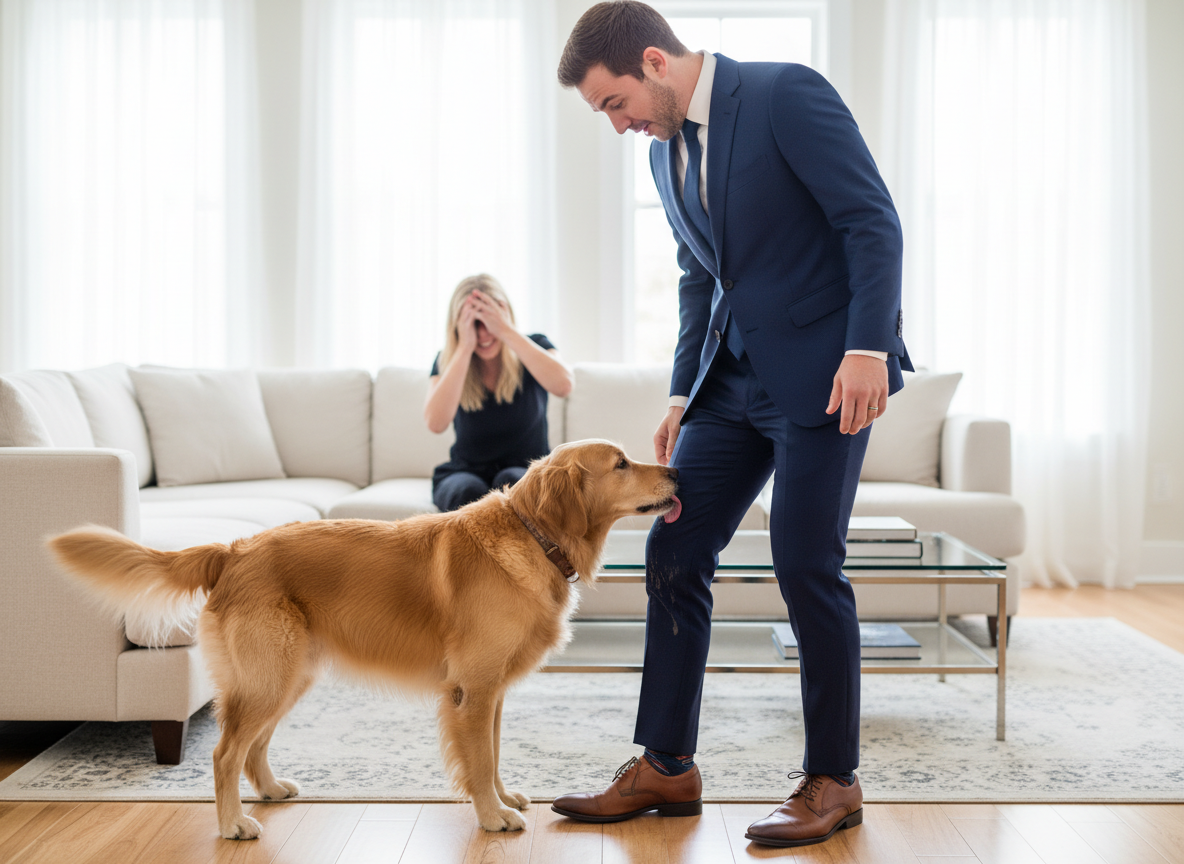
The doorbell rings. Your heart sinks a little. You love having company, but you know what’s coming: the moment your otherwise angelic dog transforms into a relentless, slobbery leg-licking machine. It’s a behavior that can range from mildly annoying to downright embarrassing, leaving both you and your guests in an awkward position. You’ve probably tried pushing them away, saying “No!” with varying degrees of firmness, or even apologizing profusely on your dog’s behalf. If you’re reading this, it’s likely none of that has worked.
First, it’s important to understand that from your dog’s perspective, this isn’t a ‘gross’ or malicious act. Licking is a natural canine behavior with deep roots. It can be a sign of affection, a gesture of submission, a way to gather information (our skin holds a fascinating collection of salty, intriguing scents), or even a manifestation of anxiety. However, when this natural behavior becomes obsessive and directed inappropriately at guests, it crosses the line from communication to a problematic habit. The key to resolving this issue isn’t punishment, which can create fear and anxiety, but rather understanding, management, and consistent training. This guide will provide a professional, step-by-step framework to redirect your dog’s enthusiasm into more polite greetings, ensuring visits from friends and family are enjoyable for everyone involved—two-legged and four-legged alike.
Understanding the Root Cause: Why Do Dogs Obsessively Lick?
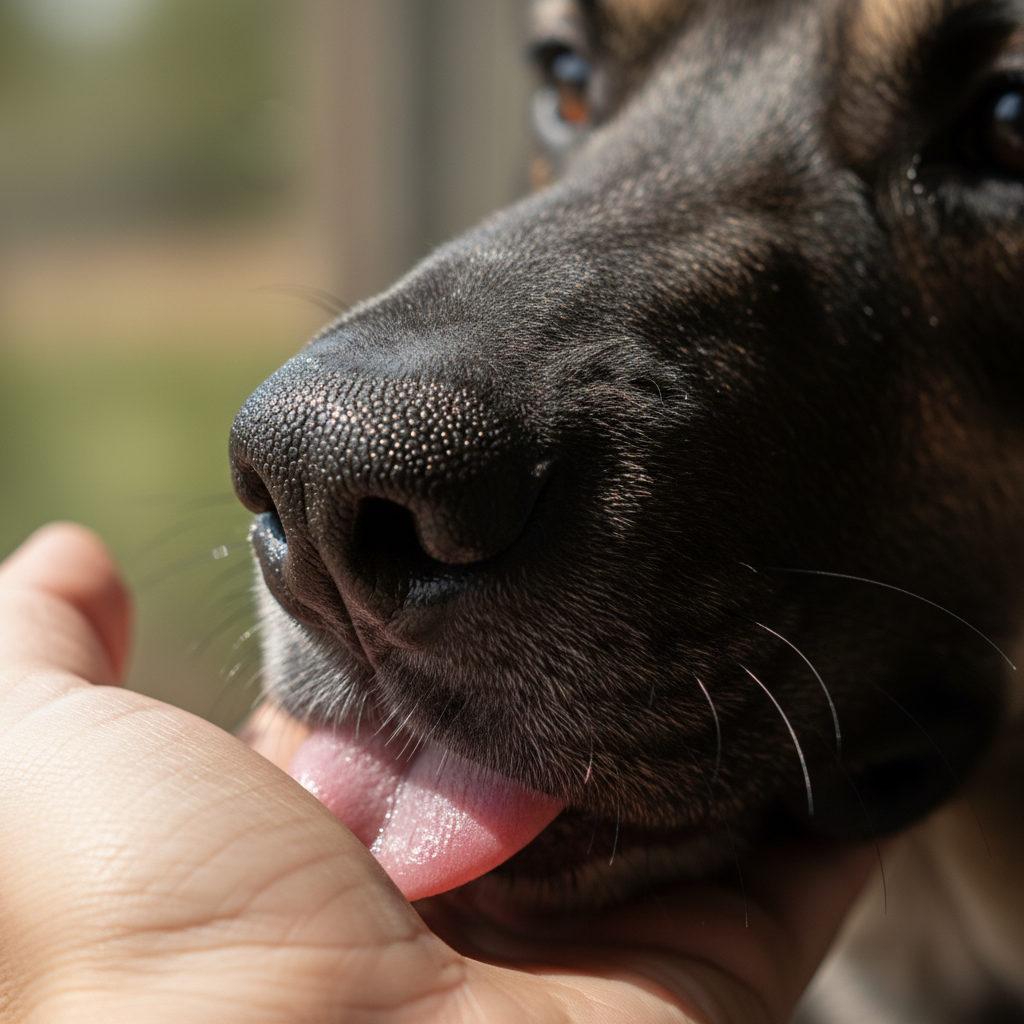
Decoding the Canine Language of Licking
Before we can modify a behavior, we must first understand its function. Licking is a fundamental part of a dog’s toolkit for communication and exploration. Pups lick their mothers to stimulate care and request food, and adult dogs often lick each other as a sign of social bonding or deference. When directed at humans, this behavior can have several meanings:
- Information Gathering: A dog’s sense of taste and smell are intricately linked. By licking a person’s skin, they are gathering a wealth of information about where you’ve been, what you’ve eaten, and even your mood, all through the salt and pheromones on your skin. Guests are new and fascinating sources of data.
- Affection and Appeasement: Licking can be the canine equivalent of a hug or a kiss. It’s a way for your dog to say, “I like you! I mean no harm.” This is often the case with friendly, socially motivated dogs. It can also be an appeasement gesture, a way for an insecure dog to say, “Please don’t be a threat to me.”
- Anxiety or Stress Relief: For some dogs, licking is a self-soothing behavior. The repetitive action can release endorphins, helping to calm them down in an exciting or stressful situation, such as the arrival of new people. If the licking seems frantic or is accompanied by other stress signals (yawning, lip licking, tucked tail), anxiety is a likely contributor.
- A Learned, Reinforced Behavior: This is the most common reason for obsessive licking. Think about what usually happens when your dog licks a guest. The guest might laugh, push the dog away while talking to them, or even pet them to try and make them stop. From the dog’s perspective, any of these reactions—even a negative one—is a form of attention. They lick, they get a reaction. The behavior has been inadvertently reinforced.
Identifying the primary motivation for your dog’s licking is a crucial first step. A dog licking out of anxiety requires a different approach than one who has simply learned it’s a great way to get attention. Observe your dog’s body language when guests arrive. Is it loose and wiggly (likely affection or attention-seeking) or tense and low (more likely anxiety or appeasement)? Knowing the ‘why’ will empower you to implement the ‘how’ more effectively.
Management and Preparation: Setting Your Dog Up for Success
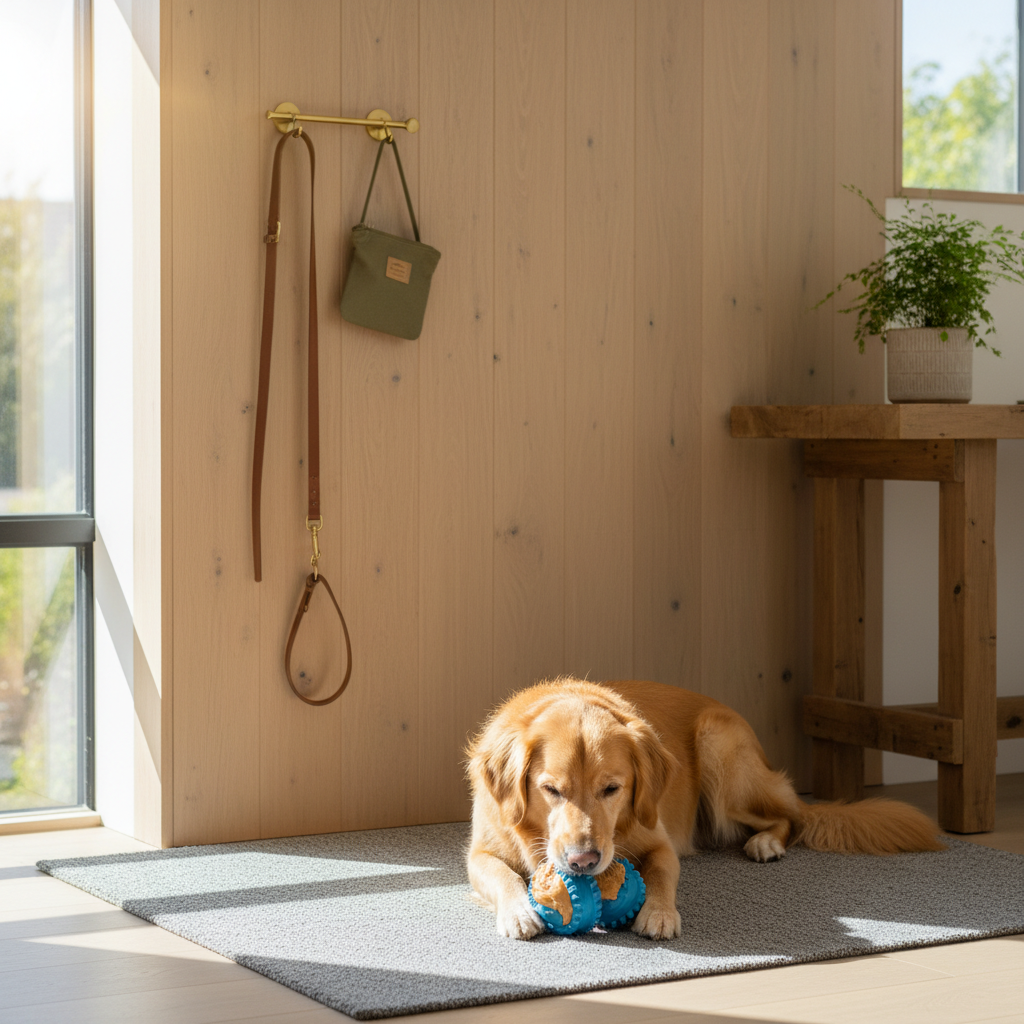
Effective dog training is rarely about a single magic command. It’s about creating an environment where the dog can easily make the right choice. This is where management comes in. Before you even begin to teach your dog what to do, you must prevent them from practicing the unwanted behavior. Every time your dog successfully licks a guest, the habit becomes more ingrained. Here’s how to prepare for success:
1. Control the Environment
Management is your first line of defense. It’s not a long-term solution, but a temporary tool to prevent the problem while you train a better alternative.
- Leashes and Tethers: When you know guests are coming, have a leash on your dog before they even reach the door. This gives you immediate physical control and prevents them from rushing up and starting the lick-fest. A tether station (a leash securely attached to a heavy piece of furniture) a few feet from the door can also be an excellent tool.
- Baby Gates and Crates: If greetings are just too chaotic, use a baby gate to create a separate, safe space for your dog. You can also have them relax in their crate with a high-value chew toy when guests first arrive. This allows the initial excitement to die down before a calm introduction is attempted.
2. Fulfill Your Dog’s Needs
A dog with pent-up energy is more likely to engage in frantic, impulsive behaviors. A tired, mentally satisfied dog is a calmer, more trainable dog.
- Physical Exercise: Ensure your dog has had a good walk, run, or vigorous game of fetch well before your guests are scheduled to arrive. This helps burn off excess physical energy that can fuel obsessive behaviors.
- Mental Stimulation: Don’t neglect the brain. A 15-minute session with a puzzle toy, a snuffle mat, or a short training session on other skills can be just as tiring as a long walk. This helps them enter the situation in a calmer state of mind.
Expert Tip: Never think of management as a failure. It is a proactive, intelligent part of any successful behavior modification plan. It prevents your dog from being put in a situation they cannot yet handle, which builds their confidence and yours.
The Step-by-Step Training Protocol to Stop Leg Licking
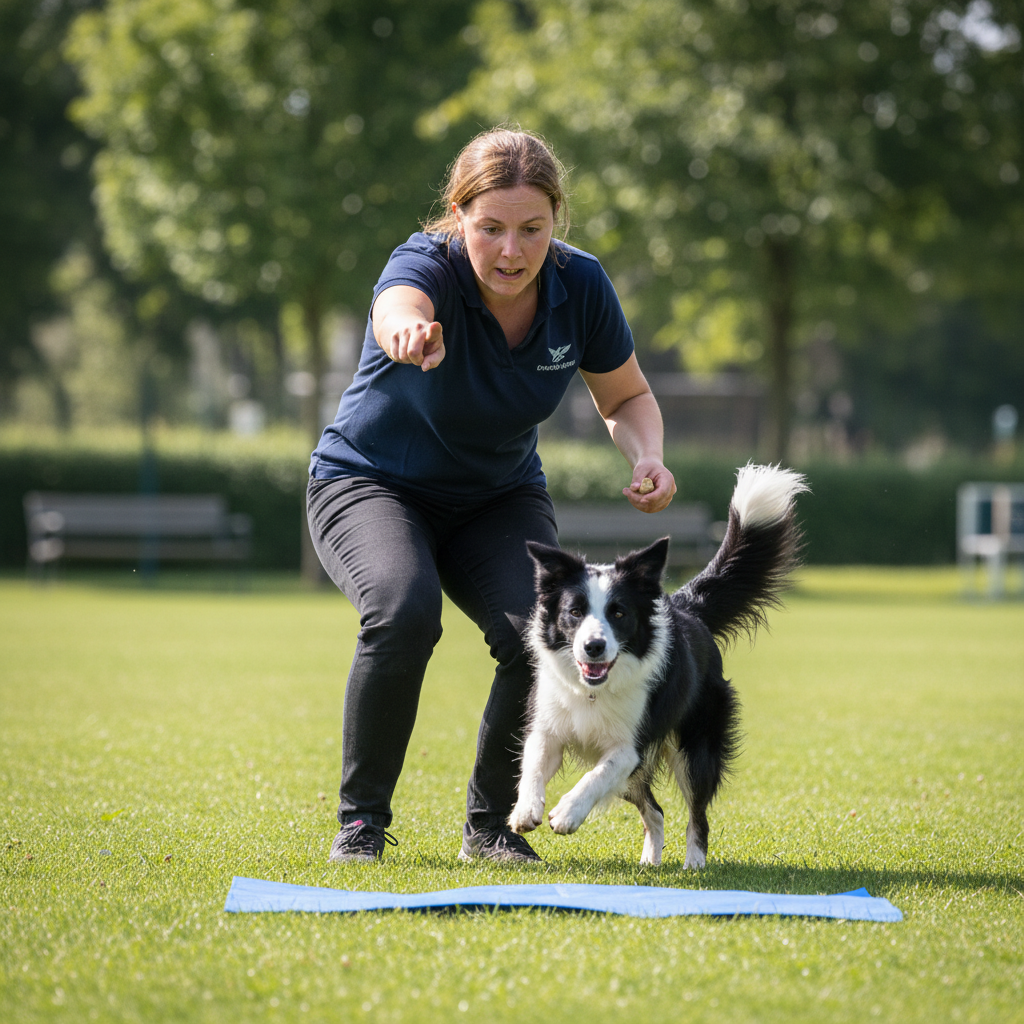
The core of solving this problem is not just about stopping the licking; it’s about teaching your dog a desirable, alternative behavior to perform instead. We will focus on training a rock-solid “Go to Your Mat” cue. This behavior is incompatible with licking a guest’s legs—a dog cannot be on its mat and at the front door simultaneously.
Phase 1: Charging the Mat
First, your dog needs to learn that the mat is a wonderful place to be.
- Place a distinct mat or bed in your living room.
- Without saying anything, toss a high-value treat (like a small piece of chicken or cheese) onto the mat. When your dog steps on the mat to get it, say “Yes!” in a happy tone. Repeat this 10-15 times.
- Soon, your dog will start to anticipate and look at or move toward the mat. The moment they do, say “Yes!” and toss the treat onto the mat.
- Practice this in short, 2-3 minute sessions several times a day.
Phase 2: Building Duration
Now, we want the dog to stay on the mat for longer periods.
- Lure your dog onto the mat. Ask for a ‘down’ or ‘sit’. The moment they comply, say “Yes!” and give them a treat.
- Give them a second treat, and a third, just for staying there. Start with very short intervals (1-2 seconds) between treats.
- Gradually and slowly increase the time between treats. If your dog gets up, it’s not a failure. It just means you increased the time too quickly. Simply lure them back and try again with a shorter interval.
- Introduce a release cue, like “Okay!” or “Free!” Toss a treat off the mat to signal the session is over. This teaches them they should wait for permission to get up.
Phase 3: Adding the Cue and Distance
Once your dog is eagerly going to the mat and staying for 15-20 seconds, you can add the verbal cue.
- As your dog is about to step onto the mat, say your cue, “Go to Your Mat,” in a clear, cheerful voice. When they get there, reward them heavily.
- Start practicing from a few feet away. Point to the mat and give your cue. When they go, walk over and reward them on the mat.
- Gradually increase the distance from which you send them to the mat. The goal is to be able to send them from the front door.
Training Principle: This process is called teaching an incompatible behavior with differential reinforcement. We are heavily reinforcing the ‘Go to Mat’ behavior, making it far more rewarding for the dog than the old, unrewarded behavior of licking guests.
The Real-World Game Plan: Managing Guest Arrivals

Training in a quiet room is one thing; applying it during the chaos of a real arrival is another. This is where your management and training come together. This requires practice and, crucially, the cooperation of your guests.
Before the Guest Arrives
Set the stage. Have your dog’s leash on. Have your high-value treats in a pouch or easily accessible pocket. Briefly explain the plan to your guest before they come inside, either via text or through the door. A simple, “Hey, we’re working on a new polite greeting. Could you please help by completely ignoring the dog when you first come in? No talking, no touching, no eye contact.”
The Greeting Protocol
- Door Opens: As you open the door, ask your dog to “Sit” or keep them by your side with the leash, preventing any lunging.
- Guest Enters: Your guest should walk in and ignore the dog as planned. They should focus on you, setting their things down, and moving away from the doorway. This removes the social pressure and excitement from the dog.
- Send to Mat: Once the initial entry is complete, cue your dog: “Go to Your Mat.” Because you have practiced this extensively, your dog should comply. Walk them over if needed.
- Reinforce Calmness: As your dog lies on the mat, calmly drop high-value treats between their paws. This reinforces the calm behavior in the presence of the new person. Continue this for the first few minutes your guest is there.
- Controlled Introduction: After a few minutes of calm behavior on the mat, you can allow a polite greeting. Keep the leash on. Walk your dog over to the guest. Ask your dog for a “Sit.” Allow the guest to give a calm pat on the chest (not the head). If licking starts, immediately and calmly lead your dog away and back to their mat. The opportunity to greet the guest ends the moment the licking begins.
This structured process teaches your dog a new, predictable, and rewarding routine for guest arrivals. It replaces the frantic, self-rewarding behavior of licking with a calm, owner-rewarded behavior of going to the mat and waiting patiently.
Troubleshooting: Common Mistakes and What Not to Do
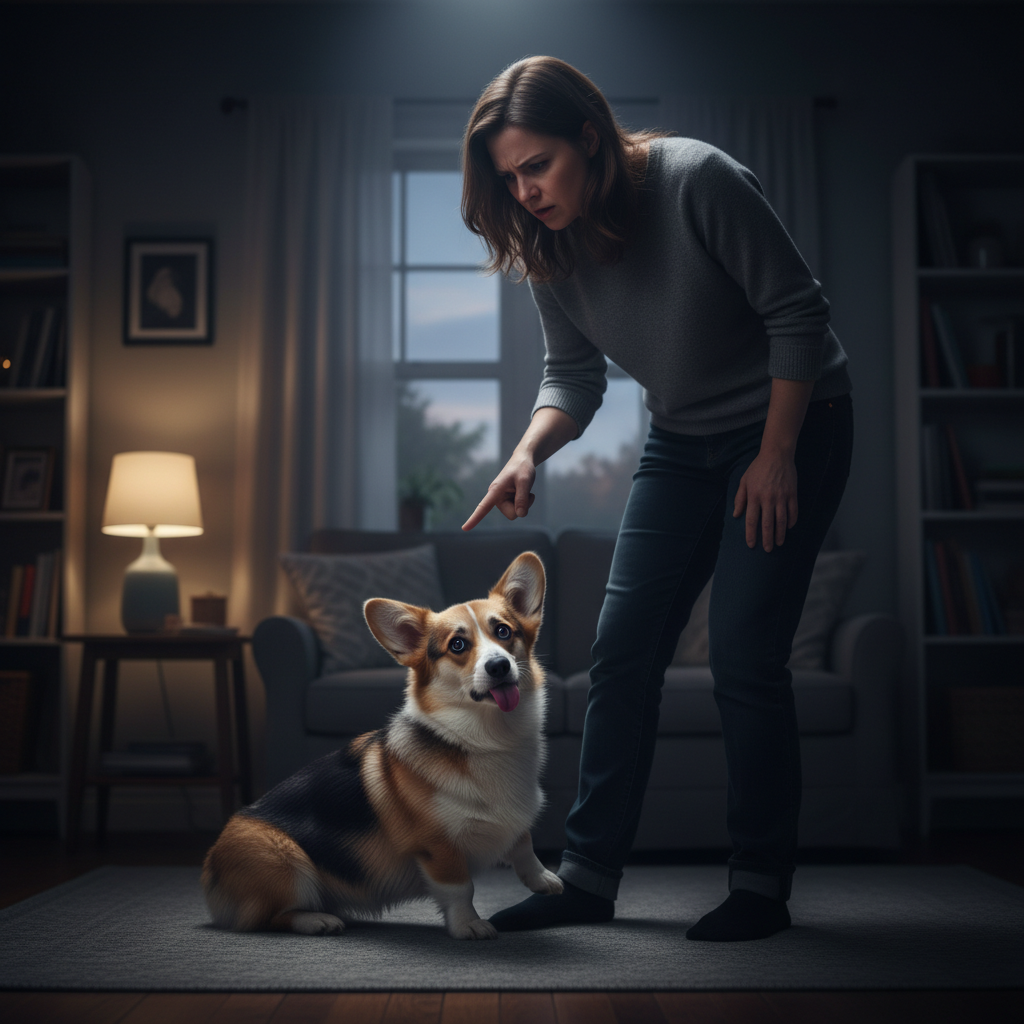
Even with the best plan, you may encounter bumps in the road. Understanding common mistakes can help you avoid them and troubleshoot effectively when they happen.
Common Training Challenges
- My dog keeps breaking their ‘stay’ on the mat. This almost always means you’ve progressed too quickly. The excitement of a guest is a huge distraction. Go back to basics: practice with lower-level distractions (like someone walking around the room) and for shorter durations. Use higher-value treats when guests are present.
- My guests won’t cooperate! This is a major hurdle. People have a hard time ignoring a cute dog. Be firm but polite. Explain that you are in the middle of a critical training protocol and that their cooperation is essential for your dog’s long-term success. If a guest simply cannot or will not follow instructions, it is better to use management (put the dog in another room with a chew toy) than to have them undermine your training.
- The licking seems to be getting worse. Sometimes, when you start to remove reinforcement for a behavior, the dog will try it with more intensity. This is called an ‘extinction burst’. They think, “This used to work, maybe I just need to do it MORE!” Stay consistent. Do not give in. Manage the situation so they don’t get a chance to practice the licking, and continue to heavily reward the alternative behavior on the mat. The extinction burst will pass.
What You Must Avoid
Certain common reactions to licking are not only ineffective but can damage your relationship with your dog and worsen the problem.
| Ineffective Method | Why It Fails |
|---|---|
| Pushing or Kneeing the Dog | This is still a form of physical engagement. For many dogs, this can be interpreted as play, which encourages them. For sensitive dogs, it can create fear and anxiety around guests. |
| Yelling or Scolding | Verbal corrections often just add more excited energy to an already over-aroused situation. It can also create a negative association with guests, leading to anxiety-based behaviors. |
| Using Aversive Tools (e.g., spray bottles, shock collars) | These methods rely on punishment and fear. They suppress the behavior but do not address the underlying motivation. This can lead to other, more severe issues like fear-aggression or generalized anxiety. |
| Inconsistency | Allowing the dog to lick some guests but not others sends confusing signals. The rules for greetings must be black and white during the training phase for the dog to understand what is expected. |
The goal is to be a clear and consistent leader, not a source of punishment or confusion. By avoiding these pitfalls, you pave the way for a more trusting relationship and more effective, lasting results.
Conclusion
Transforming your dog’s obsessive leg-licking into a polite greeting is not an overnight fix. It is a process that requires patience, consistency, and a clear understanding of your dog’s needs and motivations. By moving away from frustrating punishments and embracing a strategy of proactive management and positive reinforcement, you are not just stopping a “gross” habit; you are building a stronger line of communication with your canine companion. You are teaching them that calm, polite behavior is far more rewarding than their old, impulsive actions.
Remember the key pillars of this training: manage the environment to prevent the behavior, fulfill your dog’s daily exercise and mental stimulation needs, and diligently train an incompatible behavior like “Go to Your Mat.” Enlist the help of your guests, celebrate the small victories, and be patient during setbacks. Over time, the frantic, slobbery greetings will be replaced by a calm, confident dog who understands the rules and happily demonstrates them. The result will be a more peaceful home, more pleasant visits, and a deeper bond between you and your well-mannered dog.