Emergency Guide: How to Safely Break Up a Dog Fight Without Getting Bitten

Witnessing a dog fight is a terrifying and chaotic experience for any pet owner. The surge of adrenaline, the cacophony of snarls and growls, and the fear for your beloved pet’s safety can trigger a panic response. However, acting on instinct without a clear plan can lead to serious injury for you and worsen the situation for the dogs. The single most important rule is to prioritize human safety above all else.
This comprehensive guide is designed to equip you with the knowledge and strategies to remain calm, assess the situation, and intervene safely and effectively. We will explore the underlying reasons for canine conflict, detail a step-by-step process for breaking up a fight using proven, low-risk techniques, and outline the critical post-fight protocol for assessment and care. By understanding these principles, you can significantly reduce the risk of injury and manage these high-stress events with authority and confidence.
Understanding the Root Causes of Canine Aggression
Understanding the Root Causes of Canine Aggression
Before you can effectively intervene, it’s crucial to understand why fights happen. Canine conflict is rarely random; it’s typically a form of communication that has escalated to a dangerous level. Recognizing the triggers is the first step toward prevention and safer management.
Common Triggers for Dog Fights:
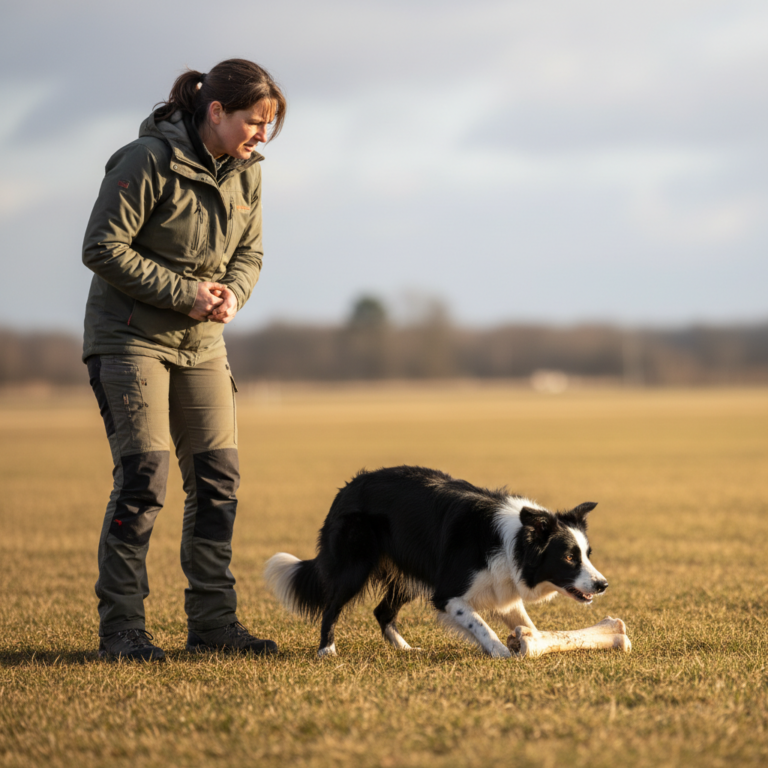
- Resource Guarding: This is one of the most common causes. Dogs may fight over high-value items such as food, toys, bones, a favorite sleeping spot, or even the owner’s attention. This is a primal instinct to protect what they perceive as theirs.
- Fear and Anxiety: A fearful or anxious dog may feel cornered or threatened, causing it to lash out defensively. This is often misinterpreted as unprovoked aggression when it’s actually a desperate attempt to create space.
- Territorial Aggression: Dogs are inherently territorial. A fight can erupt when a dog feels an intruder (another dog or person) has entered its perceived territory, such as the home, yard, or even the family car.
- Redirected Aggression: This occurs when a dog is aroused by a stimulus (like a squirrel or the mail carrier on the other side of a fence) but cannot get to it. It may redirect its frustration and arousal onto the nearest target, which is often another dog in the household.
- Social Status and Dominance: While the concept of a rigid “alpha” hierarchy is outdated, dogs in a multi-dog household do establish a social structure. Conflicts can arise as they navigate this dynamic, especially between dogs of similar age and sex, or when a new dog is introduced.
- Pain or Illness: A dog in pain may become irritable and have a lower tolerance for interaction. A sudden onset of aggression in a normally placid dog warrants an immediate veterinary examination to rule out underlying medical issues.
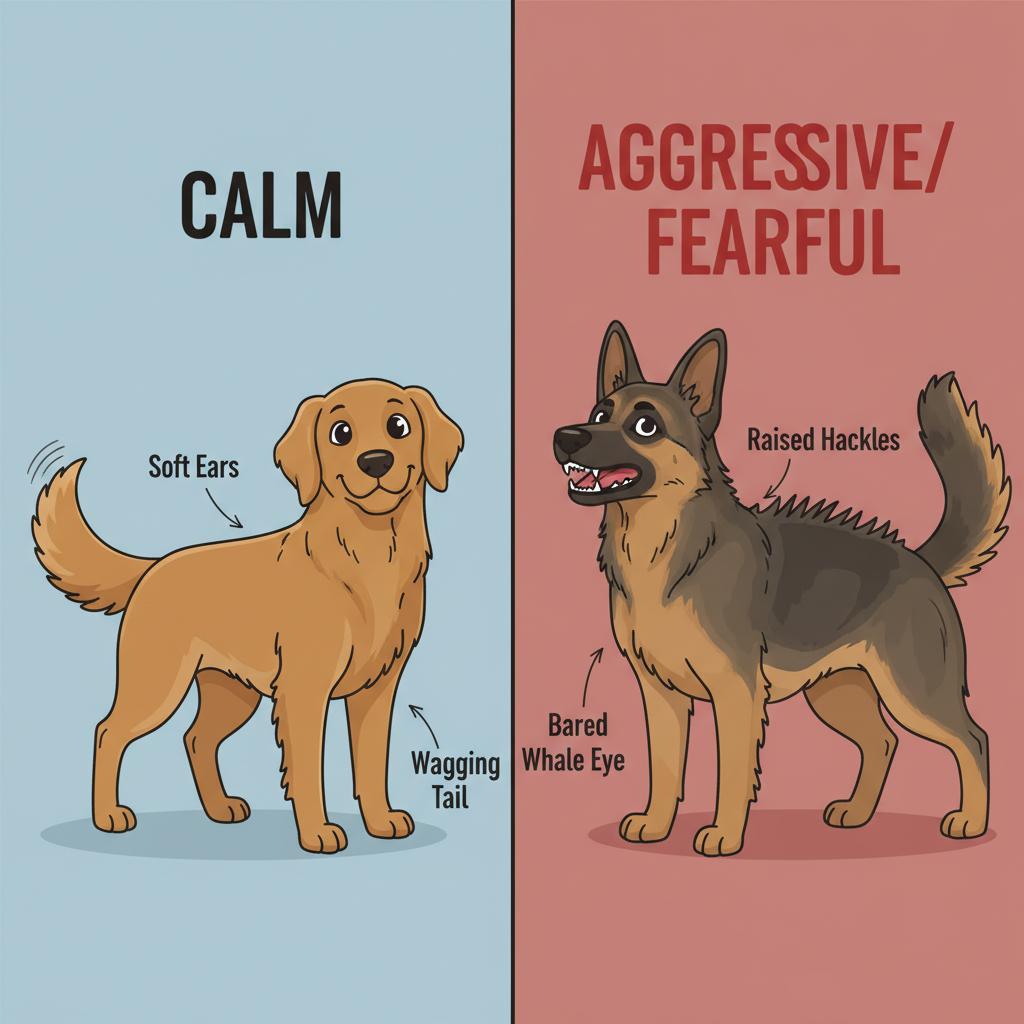
Expert Tip: It’s vital to distinguish between a minor scuffle and a true fight. A scuffle often involves a lot of noise and posturing but little physical contact, and it’s over in seconds. A real fight is characterized by intent to injure, with sustained, damaging bites. Learning to read your dog’s body language—stiff posture, raised hackles, direct stares, and low growls—can help you de-escalate a situation before it becomes a full-blown fight.
Your Safety First: The Golden Rules of Intervention
Your Safety First: The Golden Rules of Intervention
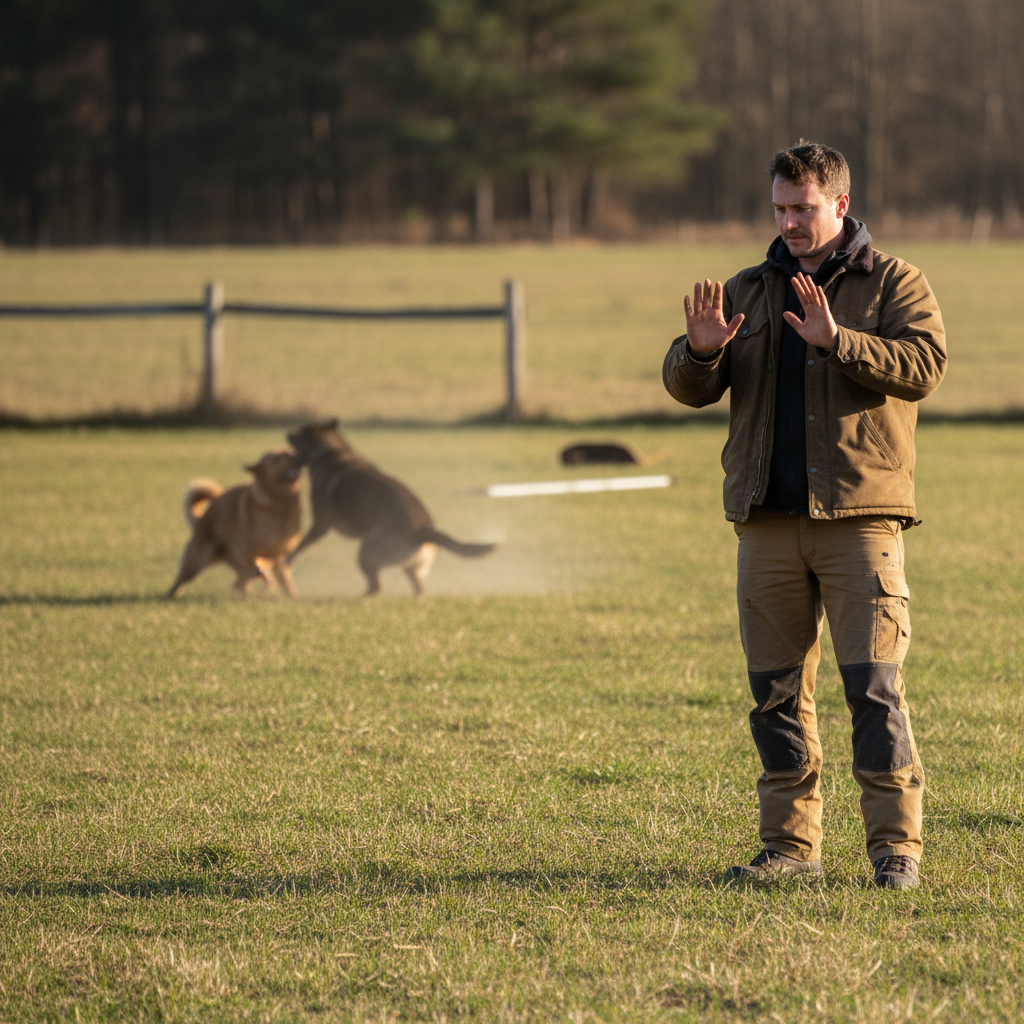
In the heat of the moment, your first instinct may be to physically dive in and separate your dogs. This is the most dangerous mistake you can make. A dog in the midst of a fight is operating on pure adrenaline and instinct. It cannot differentiate between the other dog and your hand, arm, or face. A bite that occurs in this context is not malicious; it’s a reflexive action, but it can cause devastating injuries.
Your primary goal is to break up the fight without becoming a victim yourself. If you are injured, you cannot help either dog. Adhering to these golden rules is non-negotiable.
- Do Not Use Your Body: Never, under any circumstances, place any part of your body between fighting dogs. Do not grab their collars, heads, or tails. This is the most common way owners get severely bitten.
- Stay Calm and Control Your Emotions: Your own panic and screaming will only add more chaotic energy to the situation, potentially escalating the dogs’ arousal and the intensity of the fight. Take a deep breath and focus on thinking clearly. Your calm, authoritative presence is a tool in itself.
- Assess the Environment for Tools: Quickly scan your surroundings for anything you can use to distract the dogs or create a barrier. This could be a water hose, a bucket of water, a large piece of cardboard, a trash can lid, a baby gate, a broom, or even a thick blanket.
- Enlist Help if Possible: If another person is present, work as a team. Agree on a plan quickly and quietly. Coordinated action is far safer and more effective than two people acting independently and chaotically.
Important Takeaway: The concept of “redirected bite” is critical to understand. When you touch a dog that is hyper-aroused and focused on fighting, it may instinctively whip around and bite whatever touched it without even processing what it is. This is why hands-off methods must always be your first resort.
Step-by-Step Guide to Safely Separating Fighting Dogs
Step-by-Step Guide to Safely Separating Fighting Dogs
Intervention methods should be chosen based on the intensity of the fight. Always start with the least physical method first and only escalate if necessary.
Level 1: Distraction Methods (For Low to Moderate Intensity Fights)
These techniques are designed to startle the dogs and break their focus on each other without putting you in physical danger.
- Use a Loud, Surprising Noise: A sudden, sharp noise can be enough to interrupt the fight. Try shouting a firm “HEY!” or “ENOUGH!” in a deep, authoritative voice. Clapping your hands loudly, banging two pots together, or using an air horn can also be effective.
- Water Intervention: Spraying dogs with water is a highly effective and safe method. Use a powerful jet from a garden hose, a bucket of water, or even a super-soaker or spray bottle aimed at their heads/faces. Citronella-based sprays can also work as they are noxious to dogs’ sense of smell.
- Use a Physical Barrier: If you can do so safely, slide a large, sturdy object between the dogs to physically separate them. This could be a piece of plywood, a baby gate, a large cushion, or a plastic trash can lid.
- The Blanket Method: Throwing a heavy blanket or tarp over the dogs can cause momentary confusion and disorientation, which may be enough to break their concentration and allow for separation.
Level 2: Physical Separation (For High-Intensity, Latched-On Fights)
This level of intervention carries a higher risk and should only be attempted when distraction methods have failed and there is a serious risk of injury to the dogs. Ideally, this requires two people.
| Method | Description | Safety Considerations |
|---|---|---|
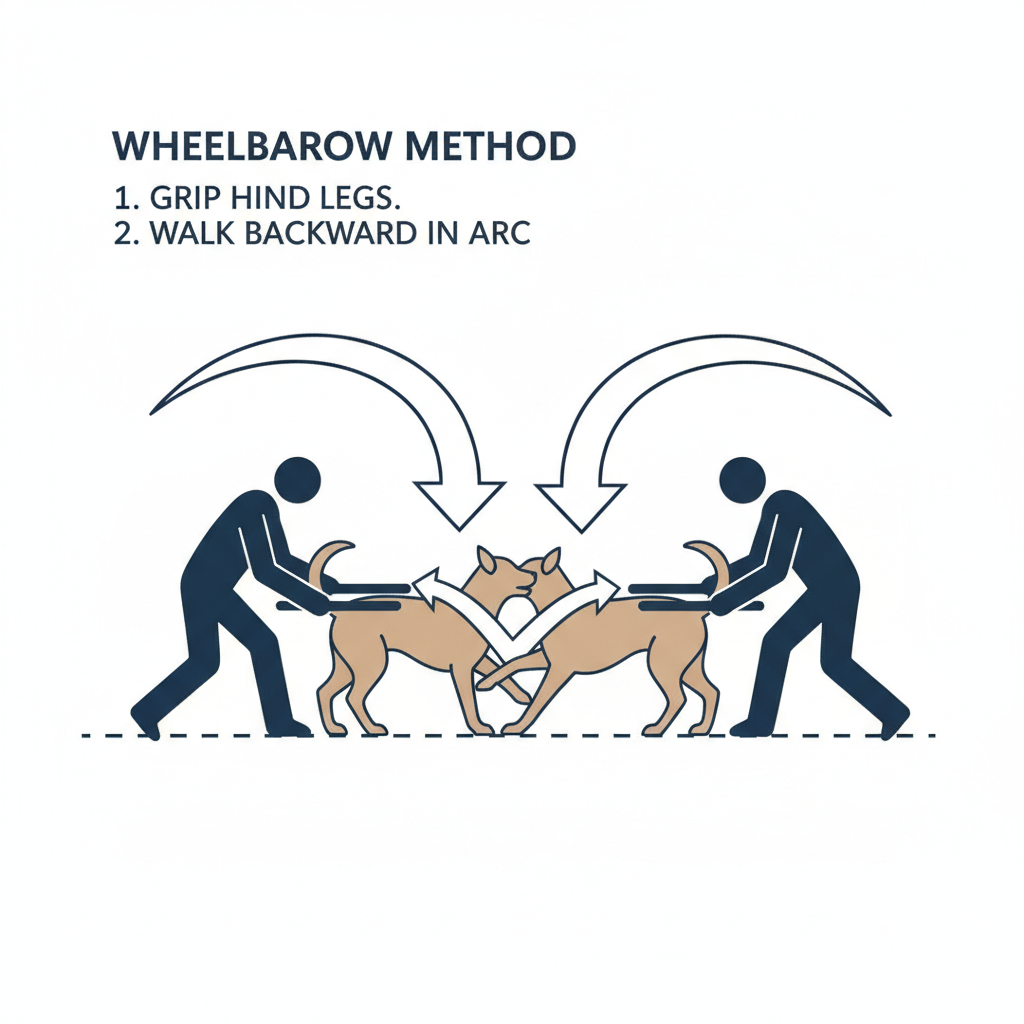
| The Wheelbarrow Method (2 People Required) | Each person approaches one dog from behind. On a coordinated count, each person grabs their dog’s back legs at the top of the thighs, lifting them up like a wheelbarrow. They then move backward in an arc, pulling the dogs away from each other. | CRITICAL: Do not let go until the dogs are far apart and can be secured. Letting go prematurely will allow the dog to rush back into the fight, potentially turning on you. Continue moving backward and circling to keep them off balance. |
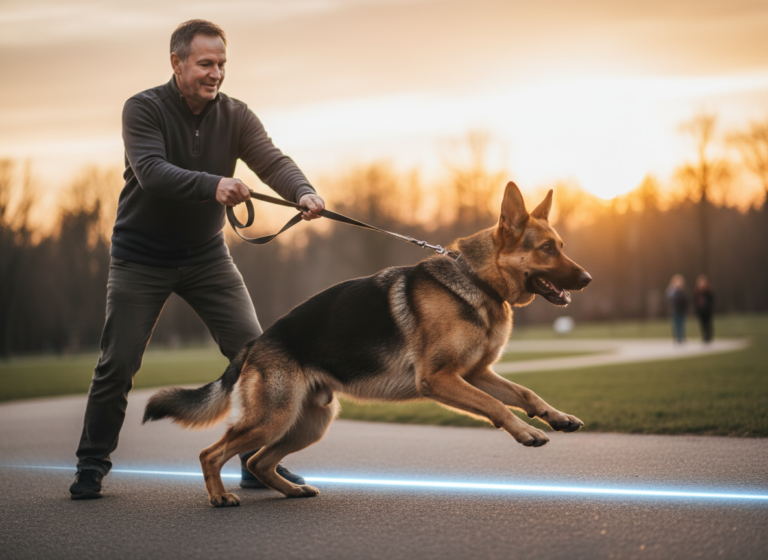
| The Leash Method (1-2 People) | If one or both dogs are wearing a leash, you can use it to pull the dog away. Grab the very end of the leash and pull backward and upward to gain control of the dog’s head and movement. Do not wrap the leash around your hand. | This is safer than grabbing a collar but still carries risk. Be prepared for the dog to thrash and redirect. This is not for breaking a latching bite but for separating dogs that are circling or squaring off. |
If a dog has latched on and will not let go, a ‘break stick’ can be used by trained professionals to pry the jaws open. This is an advanced technique and should not be attempted by untrained owners as it can cause severe injury if done incorrectly.
Post-Fight Protocol: Assessing Injuries and Managing the Aftermath
Post-Fight Protocol: Assessing Injuries and Managing the Aftermath
The moment the dogs are separated is not the end of the emergency. The aftermath requires careful management to ensure the physical and psychological well-being of both animals.
Step 1: Secure the Dogs
Immediately place the dogs in separate, secure areas where they cannot see or hear each other. This could be different rooms with closed doors, crates in separate parts of the house, or one dog secured in the yard and another inside. This cooling-off period is non-negotiable and may need to last for 24-48 hours or more. Do not try to ‘reintroduce’ them to see if they are ‘okay’.
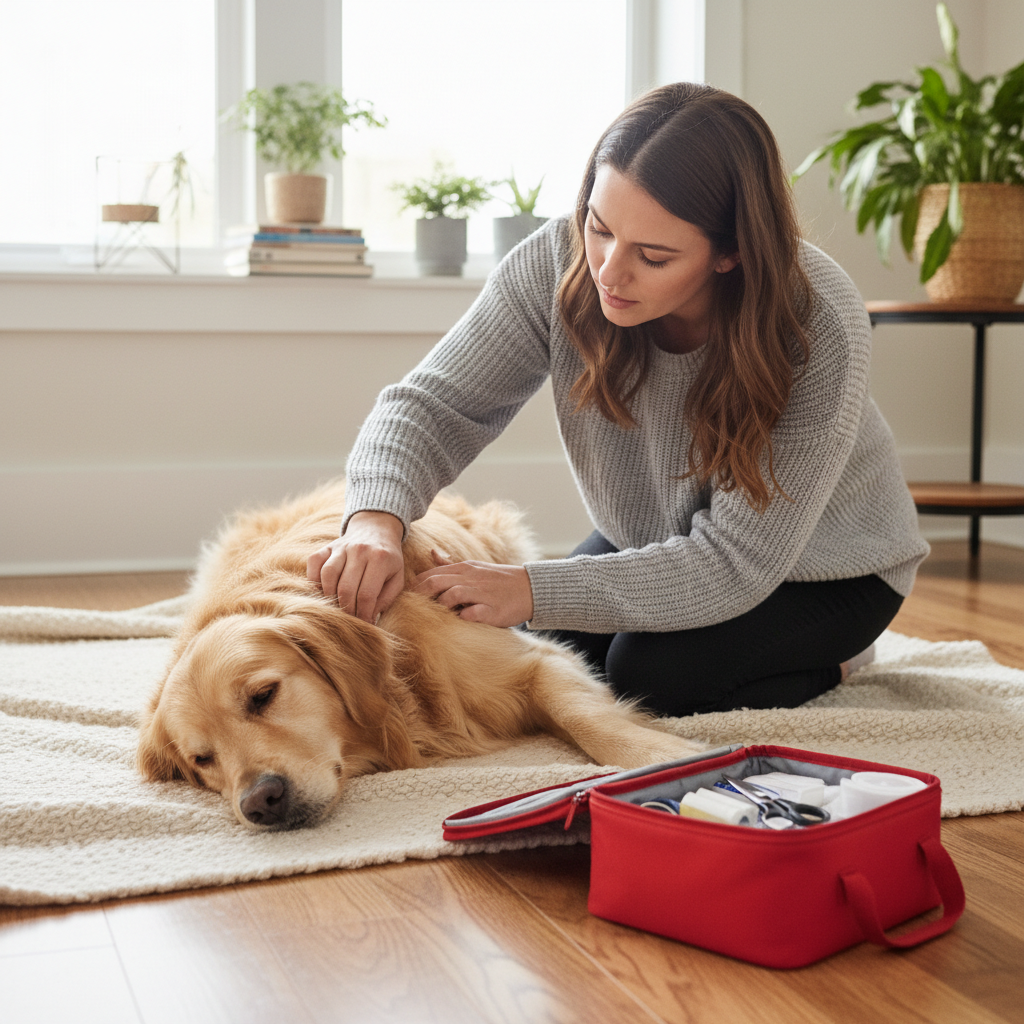
Step 2: Perform a Thorough Physical Examination
Adrenaline can mask pain, so a dog may be seriously injured without showing obvious signs. Once you have calmed down, carefully check each dog from head to tail.
- Check for Puncture Wounds: Part the fur carefully and look for small holes. Bites from canine teeth can be deep and are highly prone to infection, often leading to abscesses. These are common around the neck, face, and legs.
- Look for Lacerations and Bruising: Check for tears in the skin and feel for swelling or areas that are tender to the touch.
- Assess for Limping or Lameness: Watch how the dog moves. Fights can cause sprains, strains, or even broken bones.
- Observe General Demeanor: Note any signs of lethargy, pale gums, or labored breathing, which could indicate internal injuries or shock.
Step 3: Contact Your Veterinarian Immediately
It is imperative to call your vet after any significant fight, even if you don’t see major injuries. Puncture wounds can be deceptively small on the surface but cause significant damage to underlying tissues. Your vet will likely need to clean the wounds, prescribe antibiotics to prevent infection, and provide pain management. Inform them of the situation so they can take appropriate precautions when you bring your dog in.
Step 4: Manage the Emotional Fallout
A dog fight is a traumatic event for the animals involved. Provide a calm, quiet environment for them to decompress. Avoid excessive coddling or punishment. Your goal is to return to a normal, calm routine as soon as it is safe to do so. A long-term management and reintroduction plan should be developed with the help of a certified veterinary behaviorist or a professional dog trainer specializing in aggression.
Conclusion
Breaking up a dog fight is a harrowing task, but being prepared can make all the difference. Remember to prioritize your own safety, stay as calm as possible, and use hands-off distraction methods before resorting to any physical intervention. The aftermath of a fight—immediate separation, a thorough veterinary check, and careful management—is just as critical as the intervention itself.
While this guide provides emergency strategies, the ultimate goal is prevention. Proper socialization, consistent training, managing resources, and understanding your dog’s unique behavioral cues are the most powerful tools you have. If you are dealing with recurring aggression, do not hesitate to seek professional help. A certified veterinary behaviorist can help you identify the root causes of the conflict and create a tailored plan to restore peace and safety in your home.