Earthdog Trials: How to Train Your Terrier to Navigate Tunnels
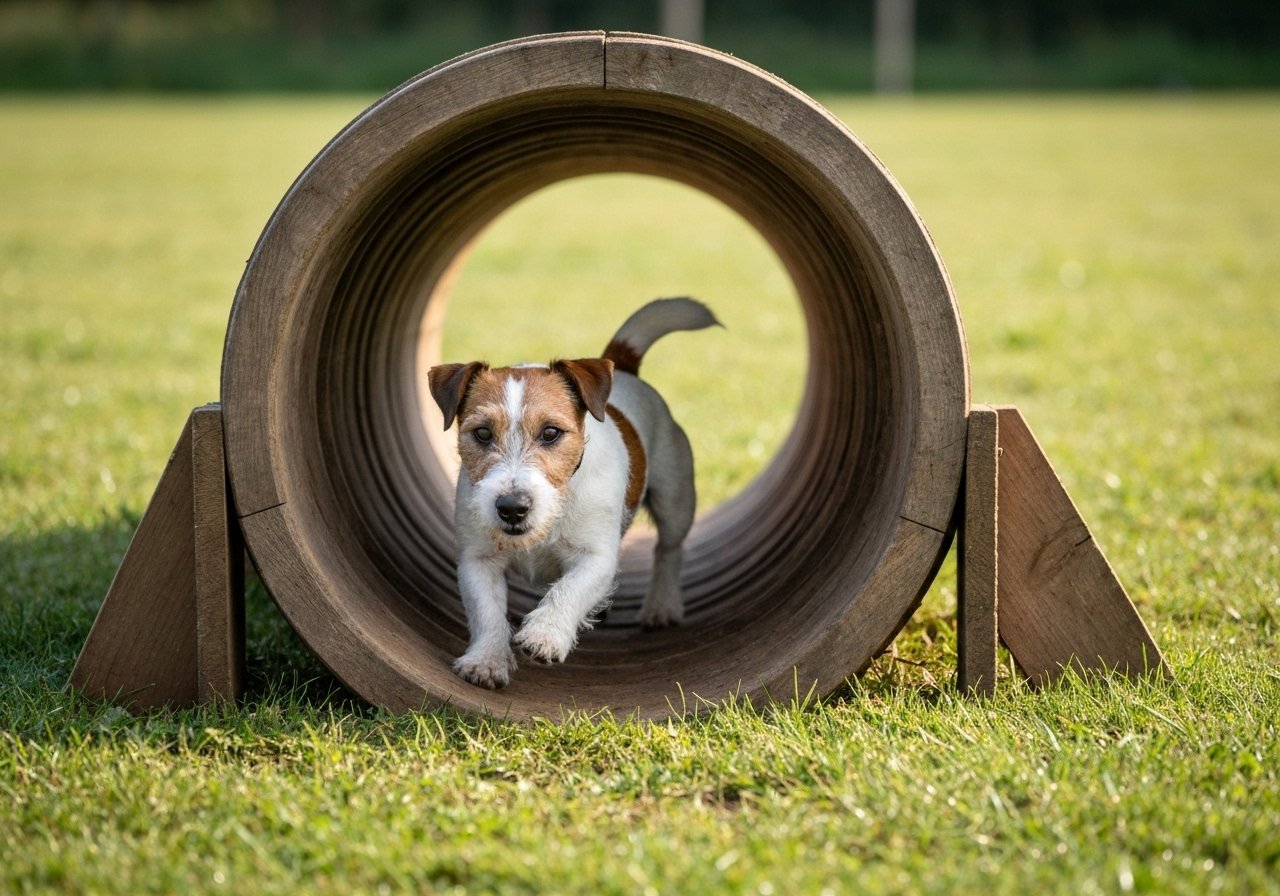
For centuries, terriers were bred for a specific, gritty purpose: to pursue vermin and small game above and below ground. This innate drive, a powerful combination of courage, tenacity, and intelligence, still courses through the veins of our modern companions. Earthdog trials are a sanctioned canine sport designed to honor and test these instincts in a safe, controlled environment. They offer a fantastic outlet for your terrier’s energy and a unique opportunity to strengthen your bond. This guide will provide a comprehensive, step-by-step framework for training your terrier to master the challenges of the tunnel, transforming their natural talents into a rewarding shared activity.
Understanding the World of Earthdog Trials
What Are Earthdog Trials?
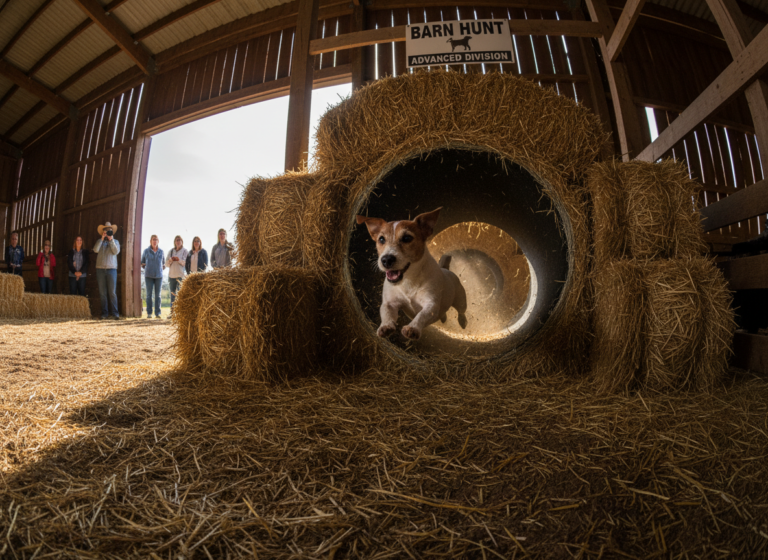
Earthdog trials, sanctioned by organizations like the American Kennel Club (AKC), simulate a terrier’s original job of hunting prey that has gone to ground. In these non-competitive tests, dogs navigate a series of man-made underground tunnels to locate a quarry, which is safely enclosed in a cage and never harmed. The goal is not speed, but rather to demonstrate the dog’s willingness and natural ability to follow scents, work in tight spaces, and signal the location of the quarry.
The Levels of Progression
The sport is structured with several advancing levels, each increasing in complexity:
- Introduction to Quarry (IQ): The most basic level, where the dog is introduced to the quarry’s scent and must show interest. The tunnel is short and straight.
- Junior Earthdog (JE): The dog must navigate a 30-foot tunnel with three 90-degree turns within a set time and ‘work’ the quarry (bark, dig, lunge) for 60 seconds.
- Senior Earthdog (SE): The tunnel is more complex, featuring a false exit and a constriction. The dog has 90 seconds to reach the quarry and must work it for 90 seconds. A handler recall is also required.
- Master Earthdog (ME): The highest level involves two dogs working a complex den system to locate the quarry, simulating a hunting brace. This level tests endurance, intelligence, and teamwork.
Expert Tip: Before beginning any training, it is crucial to understand that Earthdog is about celebrating instinct, not forcing behavior. The most successful teams are built on positive reinforcement and a deep appreciation for the dog’s natural abilities.
Essential Equipment and Setting Up for Success
Gathering Your Gear
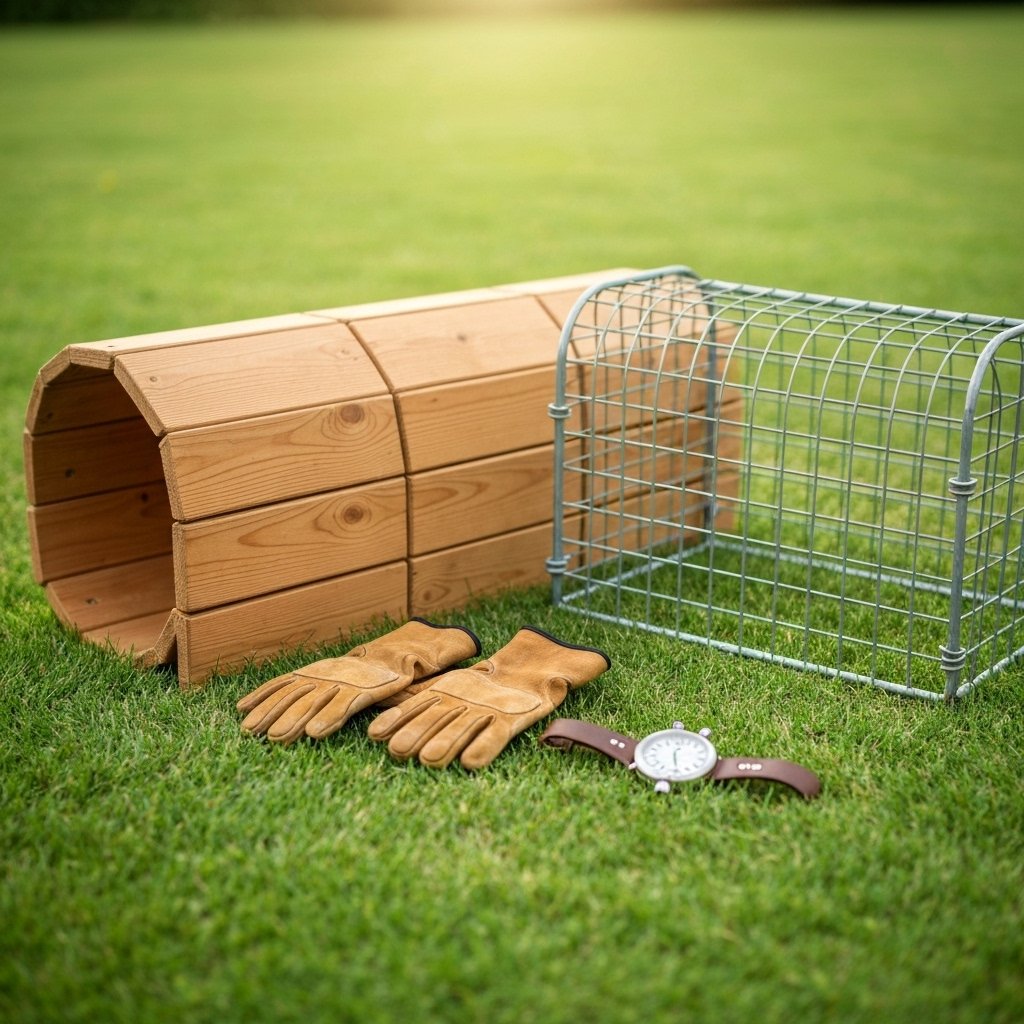
Proper equipment is essential for safe and effective training. While you can start with homemade items, investing in standard-sized equipment will better prepare your dog for actual trials.
- Tunnel Liners: Standard Earthdog tunnels are 9 inches by 9 inches square. You can build these from wood or purchase pre-made sections. Start with a short, straight section and gradually add turns and length as your dog progresses.
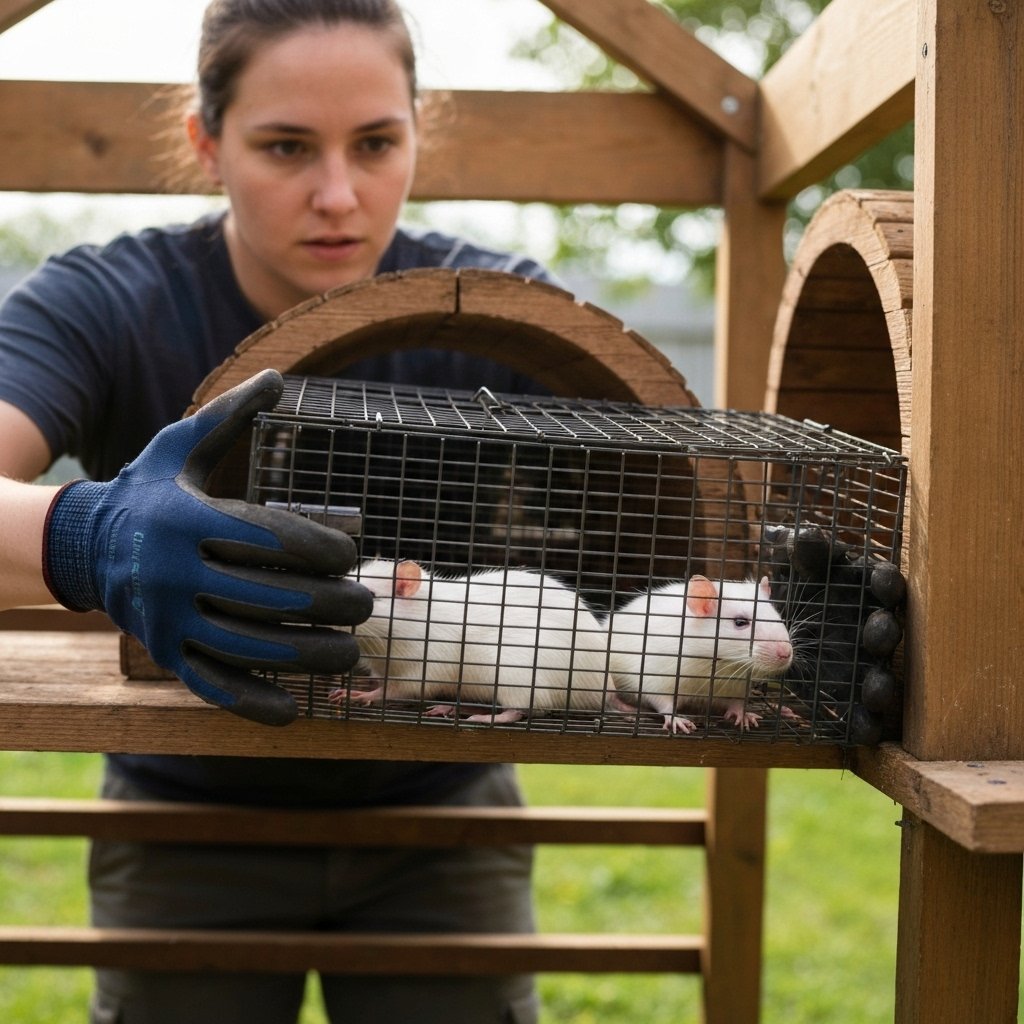
- Quarry Cage: A secure wire cage is needed to hold the quarry (typically rats). The cage must be sturdy enough to prevent any contact between your dog and the quarry, ensuring the safety of both animals.
- The Quarry: Domestic rats are the standard quarry. It is paramount that they are treated humanely as partners in the sport. They should be well-cared for, accustomed to being in the cage, and never put in harm’s way.
- Gloves and Long Sleeves: Always wear protective gear when handling the quarry cage and working around the den entrance for your own safety.
Creating a Safe Training Environment
Your training area should be free of distractions. A quiet backyard is ideal. Ensure the ground is level and free from rocks or sharp objects where you plan to lay your tunnels. Initially, practice above ground to build your dog’s confidence. As they become more proficient, you can begin to partially or fully bury the tunnels to simulate trial conditions. Always ensure the tunnels are stable and will not collapse.
A Step-by-Step Guide to Tunnel Training
Phase 1: Building Drive and Confidence
Before you even introduce a tunnel, you must foster your terrier’s enthusiasm for the ‘game.’ This is all about channeling their prey drive in a positive way.
Step 1: Quarry Introduction
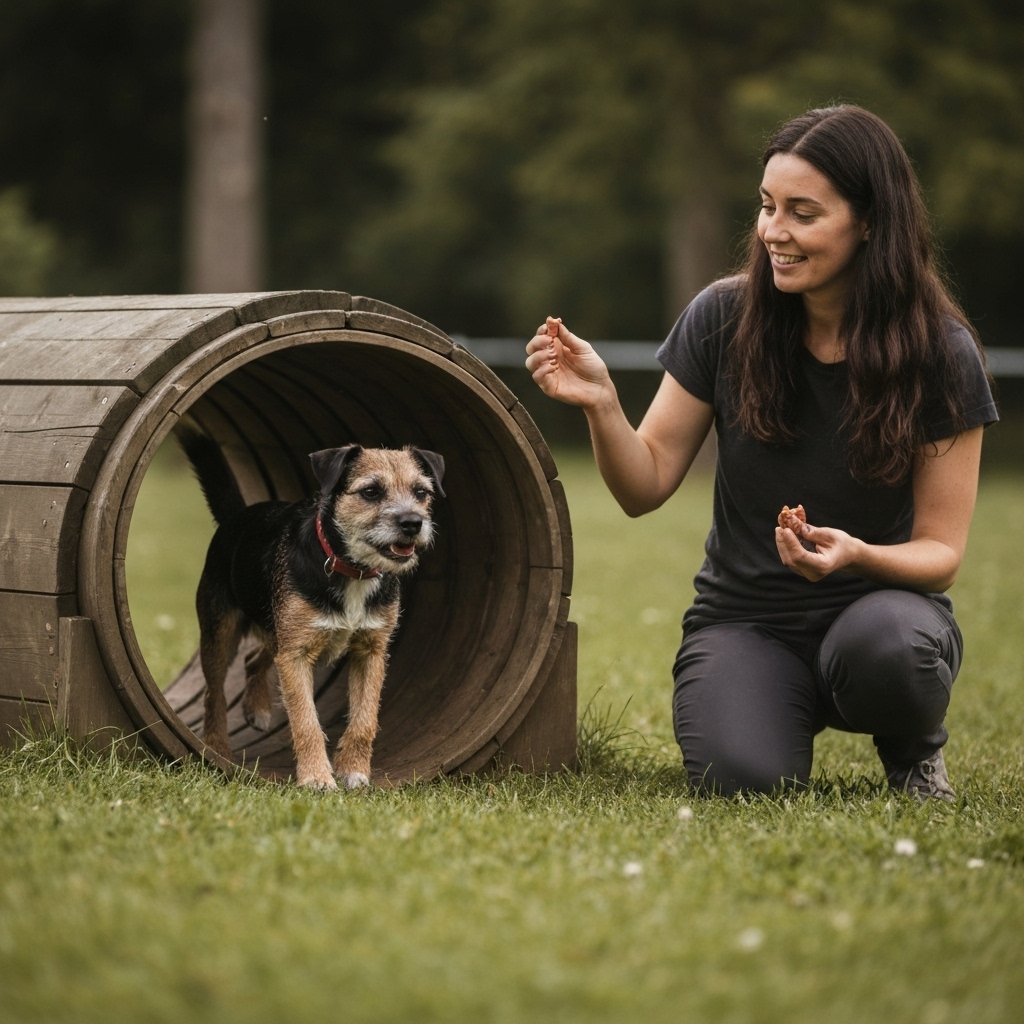
Let your dog investigate the caged quarry from a safe distance. Reward any sign of interest—sniffing, whining, or barking—with praise and high-value treats. Keep these sessions short and exciting to build anticipation. The goal is to create a strong, positive association with the quarry’s scent and presence.
Step 2: The ‘Go-Through’ Game
Start with a very short, straight tunnel section (3-4 feet long) above ground. Make it a fun game. Place a high-value treat or a favorite toy at the far end. Encourage your dog to go through, using an excited tone of voice. Most terriers will dive right in. Praise them lavishly when they emerge from the other side. Repeat this until they are running through eagerly without hesitation.
Phase 2: Mastering the Tunnel
Step 3: Increasing Length and Adding Turns
Once your dog is confident with the short section, add another piece to increase the length. After they master the longer straight tunnel, introduce a 90-degree turn. You can help them by tapping on the outside of the tunnel to guide them. Gradually increase the complexity by adding more sections and turns, mimicking the layout of a Junior Earthdog den.
Step 4: Introducing the Quarry to the Tunnel
Now, combine the two elements. Place the caged quarry at the end of a simple tunnel. The scent will be a powerful motivator. Release your dog at the entrance and let their nose guide them. When they reach the end and begin to ‘work’ the quarry, let them continue for a few seconds before giving a release cue and rewarding them enthusiastically away from the tunnel.
Important: Never leave your dog unattended with the quarry, and always end training sessions on a positive, successful note. This builds a dog who is eager for the next session.
Troubleshooting Common Training Challenges
Addressing Hesitation and Fear
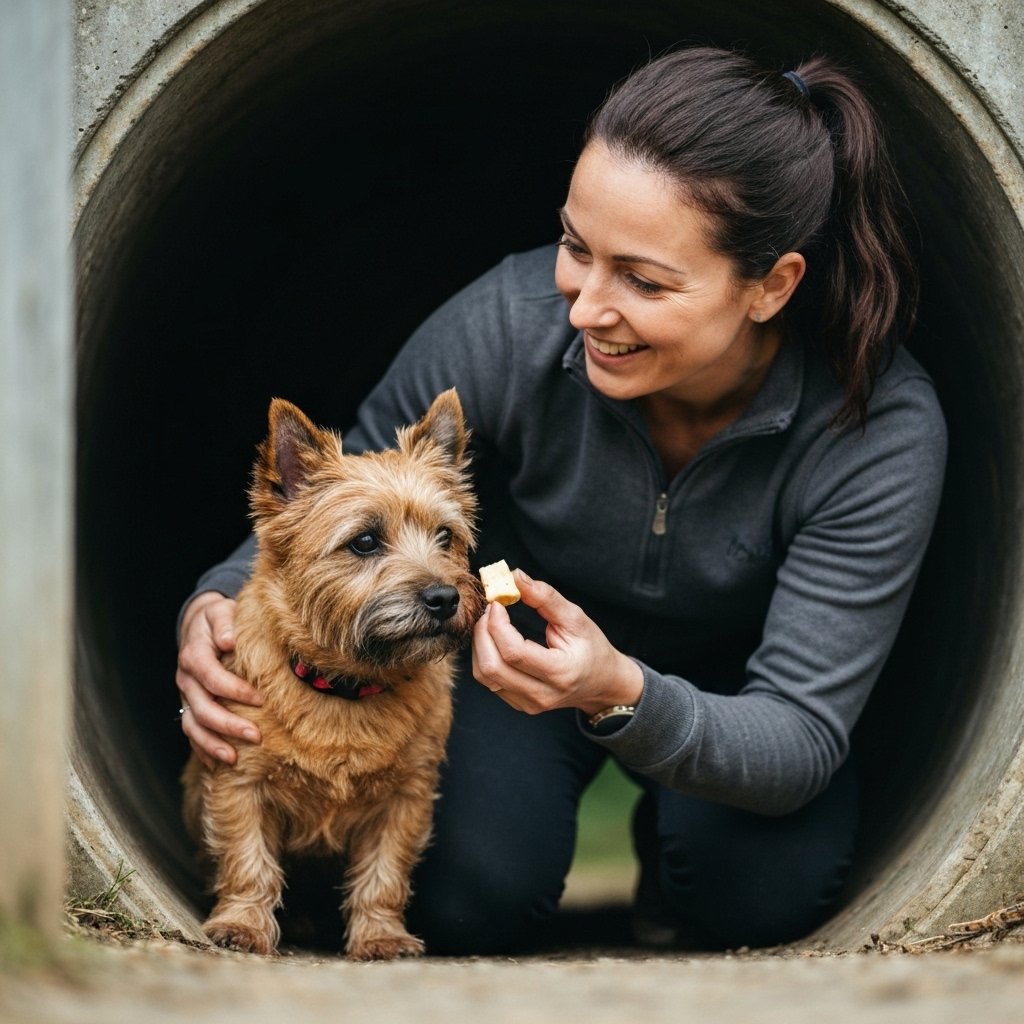
Even the boldest terriers can have moments of uncertainty. It’s crucial to address these issues with patience and positive reinforcement, never force. Pushing a hesitant dog can create a lasting negative association with the tunnels.
Common problems include balking at the entrance, fear of the dark interior, or getting stuck at turns. The key is to break the process down into smaller, more manageable steps. If a dog is hesitant, return to a shorter, simpler tunnel configuration they have already mastered. Use higher-value rewards and make the game incredibly fun to rebuild their confidence. Below are some common issues and their solutions.
| Challenge | Potential Cause | Solution Strategy |
|---|---|---|
| Refuses to Enter Tunnel | Fear of the dark or enclosed space; negative past experience. | Make the tunnel shorter and brighter. Remove the top lid initially. Lure with very high-value food or a favorite toy. Make it a peek-a-boo game. |
| Enters but Backs Out | Lack of confidence; uncertainty about what’s ahead. | Have a second person at the exit to call the dog through. Use a flashlight to illuminate the interior. Keep sessions short and successful. |
| Gets ‘Stuck’ at Turns | Difficulty navigating the turn; confusion. | Isolate the turn with a very short entrance and exit. Tap on the outside of the tunnel wall to guide the dog’s nose in the right direction. |
| Low Interest in Quarry | Lack of prey drive; quarry scent is not motivating enough. | Engage in prey-drive-building games like flirt pole sessions. Ensure the quarry is active and scented. Reward even the slightest interest. |
Preparing for Your First Earthdog Trial
From Training to Trialing
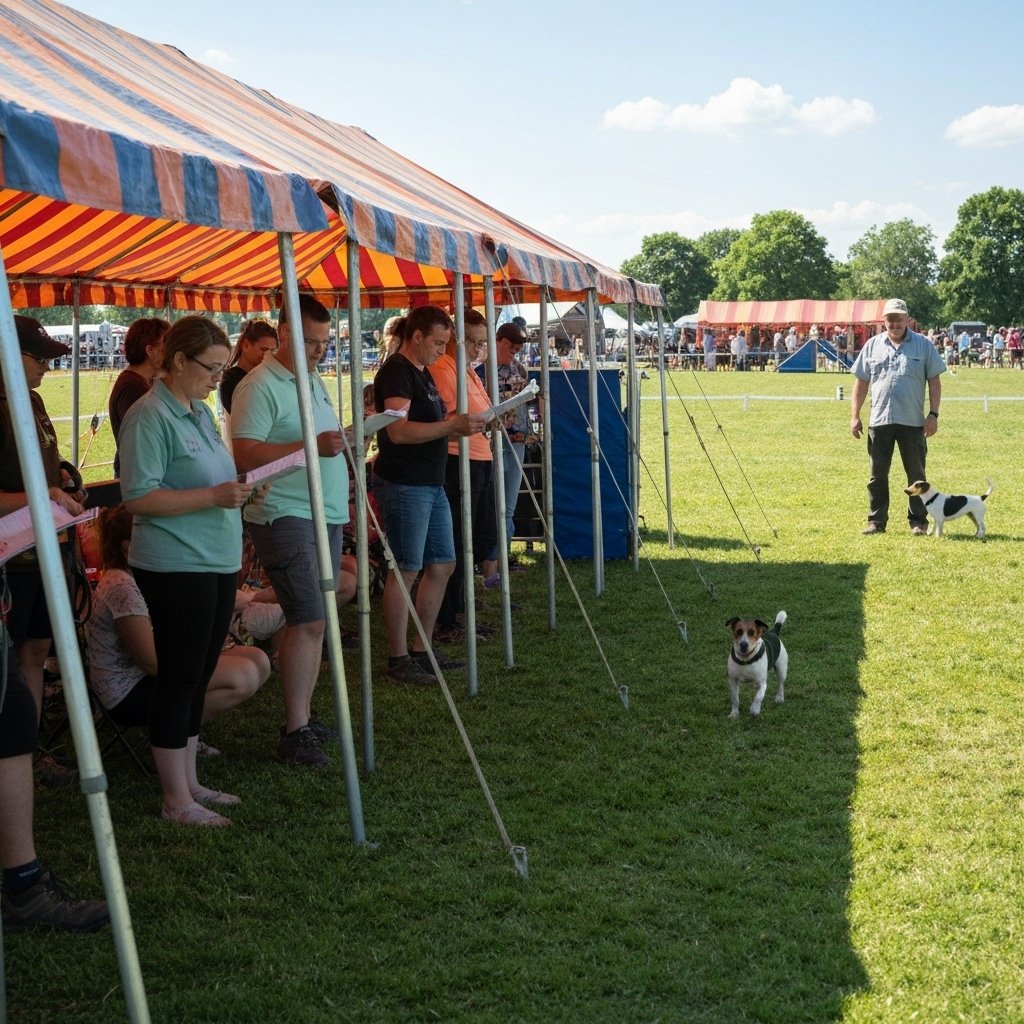
Once your dog is confidently navigating complex tunnels and working the quarry with enthusiasm, you can start thinking about entering a trial. This phase involves fine-tuning skills and accustoming your dog and yourself to the trial environment.
Finding a Club and Practicing
The best way to prepare is to find a local AKC-affiliated Earthdog club. These clubs host practices and fun days where your dog can work in regulation tunnels and get used to a more distracting environment. It’s also an invaluable resource for mentorship and advice from experienced handlers.
Understanding the Rules and Etiquette
Thoroughly read the AKC rulebook for the level you plan to enter. Understand the time limits, what constitutes ‘working’ the quarry, and the judge’s expectations. On trial day, proper etiquette is key. Be respectful of other exhibitors, keep your dog secure when not running, and be a good sport, regardless of the outcome. The primary goal is to have a safe and enjoyable day with your dog.
What to Expect on Trial Day
Arrive early to check in and locate the test area. You’ll be given a running order. When it’s your turn, you’ll bring your dog to the starting line. For the JE level, you can release your dog and offer verbal encouragement. The judge and stewards will monitor the dog’s progress. Whether you qualify or not, praise your dog for their effort. The experience itself is a victory for your partnership.
Conclusion
A Rewarding Journey into Your Dog’s Heritage
Training for Earthdog trials is more than just teaching a dog to run through a tunnel. It’s a journey into the very essence of what makes a terrier a terrier. It provides a vital outlet for their mental and physical energy, reducing the likelihood of behavioral issues stemming from boredom. The process builds incredible confidence in your dog and deepens the trust and communication between you. By engaging in this sport, you are not only having fun but also honoring centuries of breeding and instinct. Embrace the process with patience, celebrate the small victories, and enjoy the incredible experience of watching your terrier do what it was born to do.