Don’t Buy a New Bowl: The Best Inserts to Stop Fast Eating
The sound is unmistakable: the rapid clatter of kibble against metal or ceramic, followed by a series of frantic gulps, and then… silence. In less than a minute, your dog’s entire meal has vanished. While this ‘canine vacuum’ act might seem like a harmless quirk, it is one of the most dangerous eating habits a dog can have. Rapid eating, or tachyphagia, is not just poor manners; it’s a significant health risk linked to serious and potentially fatal conditions like bloat, choking, and obesity.
Many well-intentioned owners rush to buy expensive, cumbersome slow-feeder bowls to combat this issue. However, there is a more practical, cost-effective, and versatile solution: the slow-feeder bowl insert. These simple yet ingenious devices transform your existing bowls into powerful tools for promoting healthier eating habits. This comprehensive guide will delve into the dangers of fast eating, explore the mechanics and benefits of bowl inserts, and provide expert analysis to help you select the ideal insert to protect your beloved companion.
Why Fast Eating is a Health Hazard for Your Dog
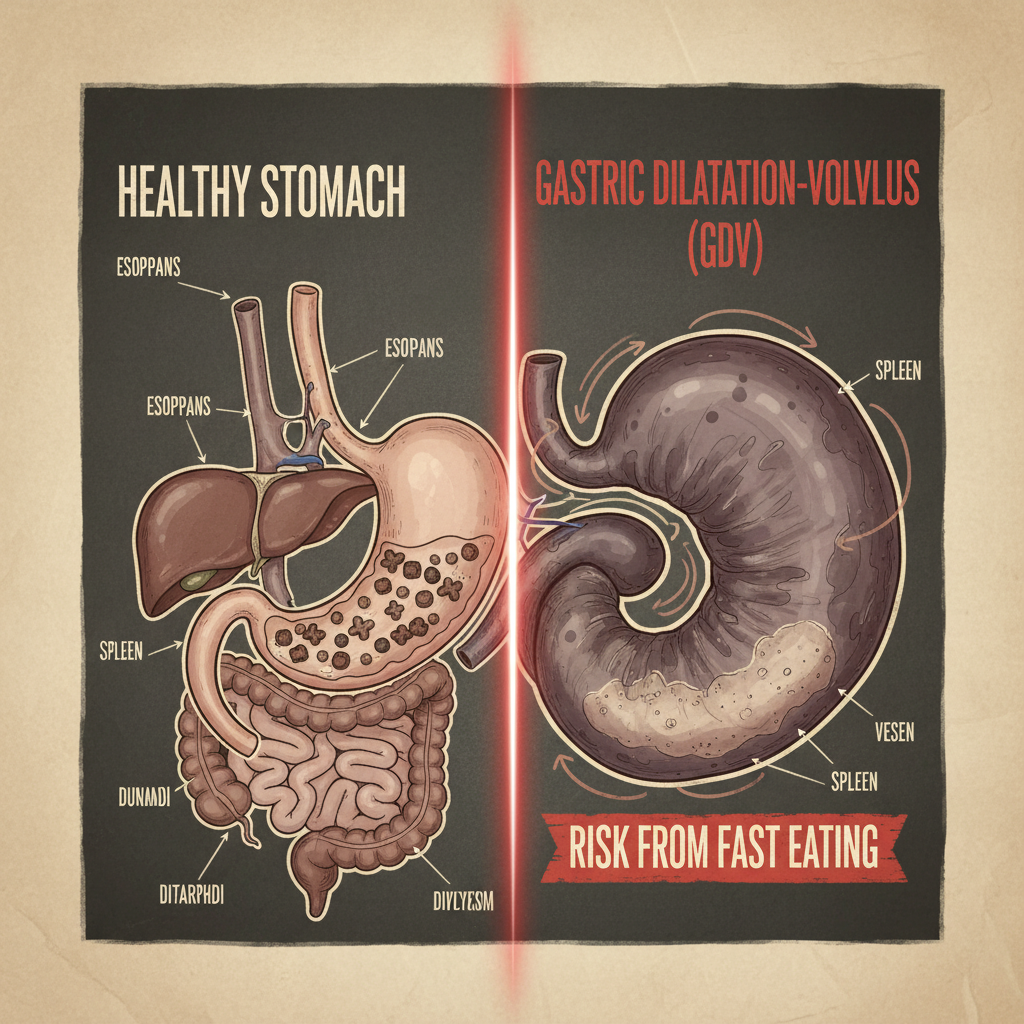
Understanding the physiological consequences of speed-eating is the first step toward appreciating the necessity of intervention. When a dog ingests food too quickly, it also swallows a large amount of air, a process known as aerophagia. This combination of unchewed food and excess air places immense strain on the digestive system and can lead to several acute and chronic health problems.
Gastric Dilatation-Volvulus (GDV) or ‘Bloat’
This is the most severe risk associated with rapid eating. GDV is a two-stage, life-threatening condition. First, the stomach fills with gas, causing it to dilate or ‘bloat.’ In the second, more critical stage, the gas-filled stomach twists on its axis (volvulus), cutting off blood flow to the stomach and spleen and blocking the exit of gas and food. This is an extreme medical emergency where every second counts.
Once the stomach twists, it acts like a sealed pressure cooker. The dog’s abdomen will appear swollen and hard, they may attempt to vomit without success, and they will show signs of extreme pain. Immediate veterinary intervention is the only chance for survival.
Regurgitation and Aspiration
Unlike vomiting, which is an active process involving abdominal contractions, regurgitation is a passive expulsion of undigested food from the esophagus. Dogs that eat too fast often regurgitate their meal shortly after finishing because the food hasn’t had time to properly travel to the stomach. This not only means they lose the nutritional value of the meal but also puts them at risk for aspiration pneumonia, a serious lung infection caused by inhaling food particles.
Choking and Discomfort
Gulping large mouthfuls of kibble without proper chewing presents a significant choking hazard. The food can become lodged in the esophagus, causing distress and potential suffocation. Even if choking doesn’t occur, the rapid influx of food can cause general gastrointestinal discomfort, gas, and pain, turning mealtime into a negative experience for your pet.
Long-Term Digestive and Weight Issues
Slower eating promotes better digestion. Chewing is the first stage of the digestive process, signaling the stomach to produce necessary acids. When a dog bypasses this step, the digestive system has to work harder. Furthermore, eating slowly allows the brain time to receive satiety signals from the stomach, helping the dog feel full and reducing the likelihood of overeating, which is a key contributor to the canine obesity epidemic.
The Bowl Insert Advantage: A Smarter Solution
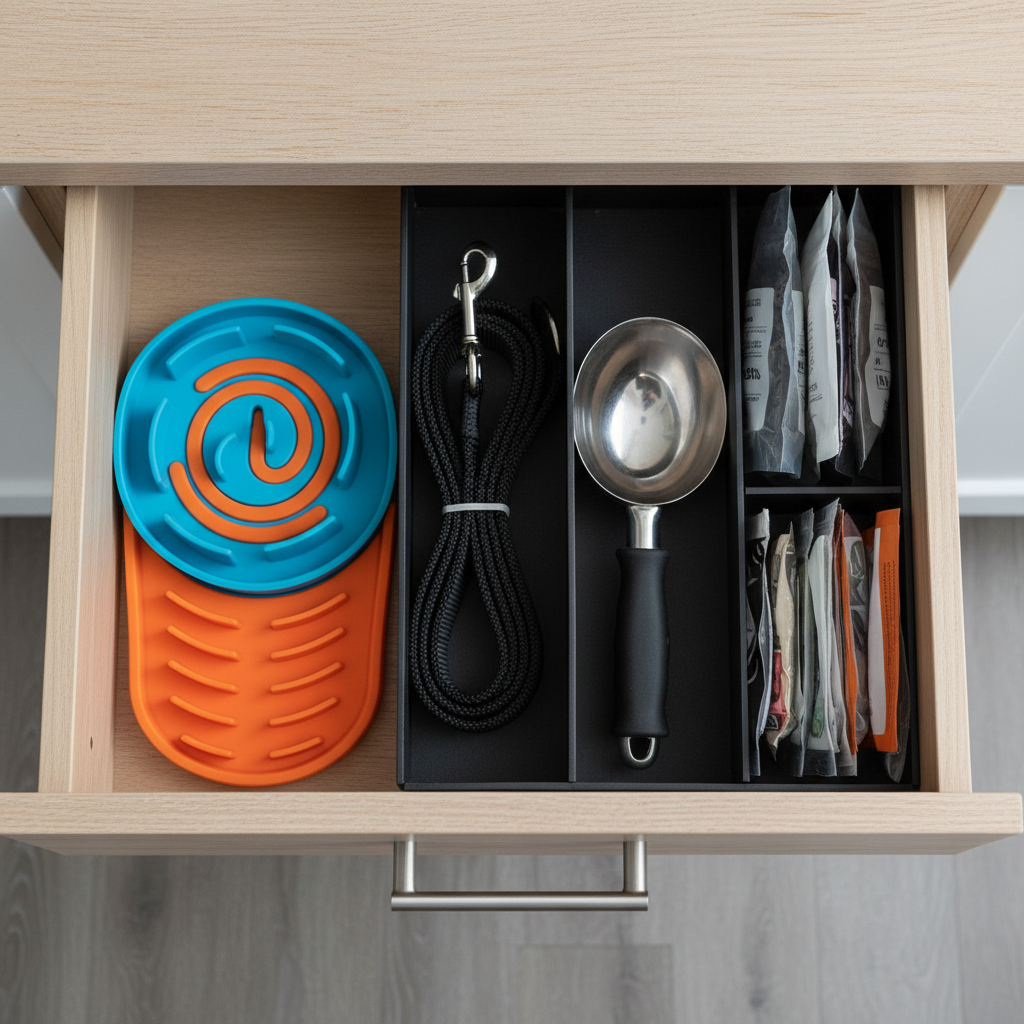
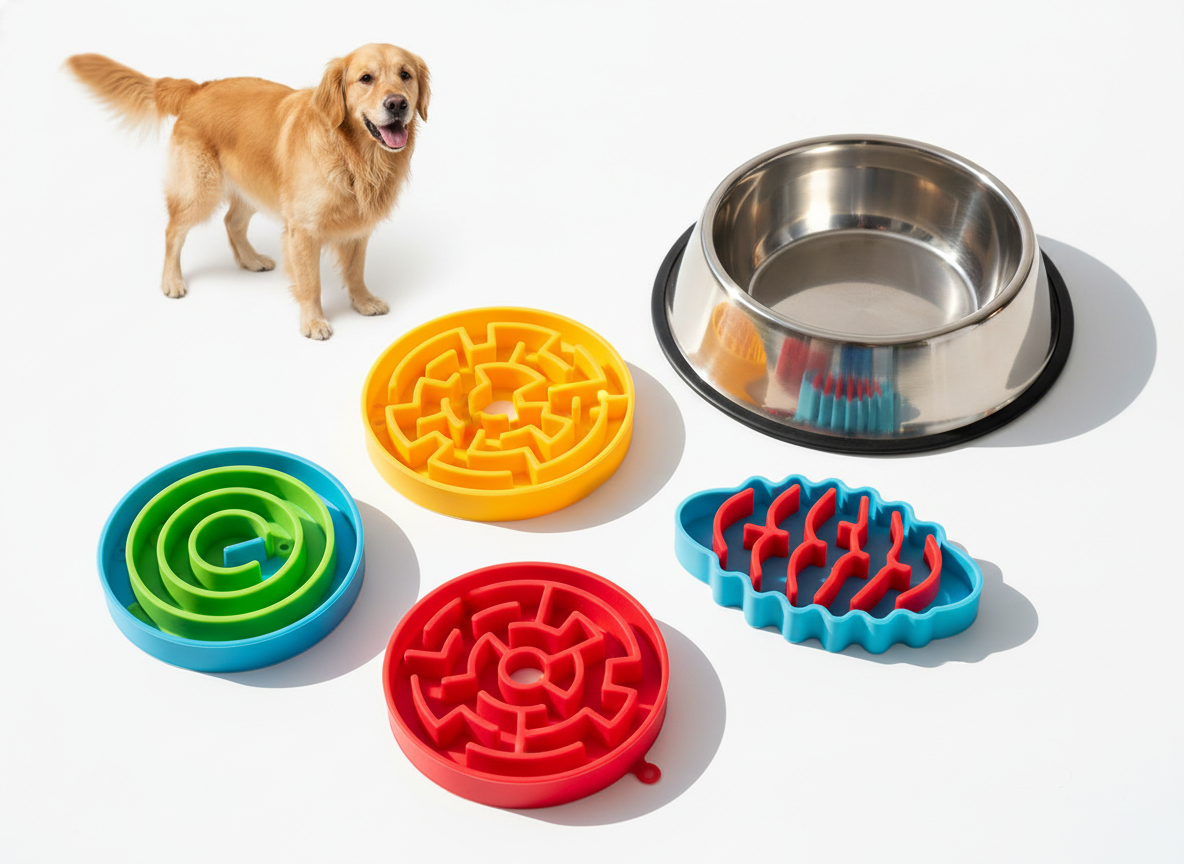
A slow-feeder insert is a device, typically made from food-grade silicone or plastic, designed to be placed inside your dog’s existing food bowl. Its surface is covered with patterns, obstacles, or mazes that force the dog to navigate around them to get to the food. This simple mechanism effectively prevents them from taking large gulps, extending mealtime from mere seconds to several minutes.
Key Benefits Over a Dedicated Slow-Feeder Bowl
- Cost-Effectiveness: Inserts are significantly cheaper than purchasing a brand-new, high-quality slow-feeder bowl. You can upgrade your current setup for a fraction of the price.
- Versatility and Portability: A single insert can often be used in multiple bowls of a similar size, whether at home, at a pet-sitter’s house, or while traveling. They are lightweight and easy to pack, ensuring your dog’s healthy eating habits remain consistent anywhere you go.
- Space-Saving: Instead of storing another bulky dog bowl, an insert can be easily tucked away in a drawer. This is especially beneficial for those with limited kitchen or storage space.
- Ease of Cleaning: Many inserts are designed with smooth, flowing patterns and are made from dishwasher-safe silicone, making them easier to clean than some complex plastic bowls with tight crevices where bacteria can hide.
- Test-Driving the Concept: If you’re unsure whether your dog will adapt to a slow-feeder, an insert is a low-commitment way to test the method before investing in a more expensive, permanent bowl.
A Comparative Analysis of Slow-Feeder Insert Designs
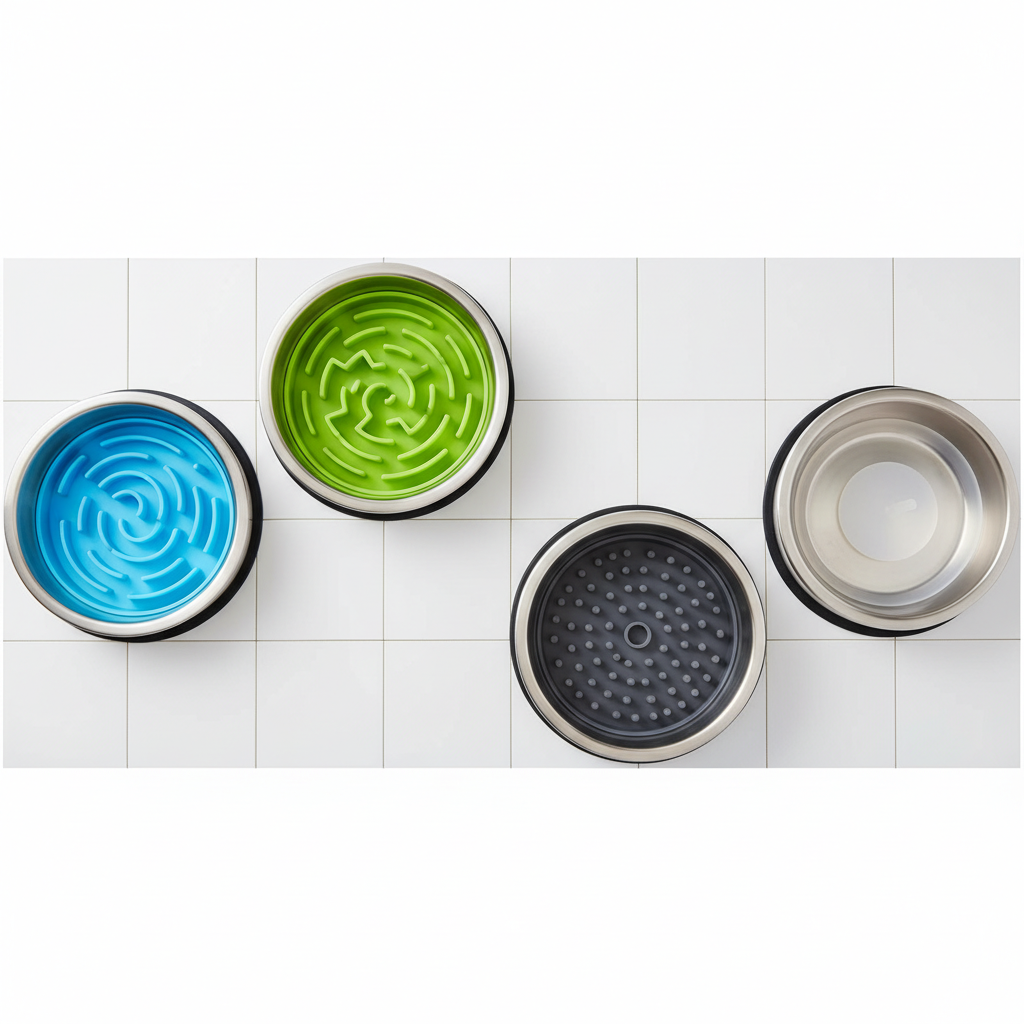
Slow-feeder inserts are not a one-size-fits-all product. The design you choose should be based on your dog’s size, snout shape, and determination level. The primary goal is to create a challenge that slows eating without causing excessive frustration. Below is a detailed comparison of the most common designs available.
| Insert Design Type | Primary Mechanism | Best For | Pros | Cons |
|---|---|---|---|---|
| Spiral & Swirl | Creates a single, winding path for the dog to follow with their tongue or nose. | Most dog sizes, especially beginners. Good for both kibble and wet food. | Easy to clean, intuitive for most dogs, moderate difficulty level. | May be too simple for highly intelligent or determined eaters. |
| Maze & Puzzle | Features complex, intersecting walls and channels that require more problem-solving. | Intelligent breeds, dogs that need mental stimulation, experienced slow-feed users. | Provides excellent mental enrichment, significantly extends feeding time. | Can be difficult to clean, may cause frustration in some dogs. |
| Nodule & Post | Uses a series of rounded bumps or posts as simple obstacles. | Brachycephalic (flat-faced) breeds like Pugs and Bulldogs, as the obstacles are shallow. | Very easy for flat-faced dogs to access, simple to clean. | Offers the least challenge and may not slow down very fast eaters enough. |
| Suction Cup Base | The insert has one or more suction cups on the bottom to secure it firmly to the bowl. | Enthusiastic eaters who might try to flip or remove the insert. Works best with smooth bowls (stainless steel, ceramic). | Extremely stable, prevents the dog from cheating by removing it. | Suction can fail on textured or plastic bowls; suction cups can be harder to clean. |
When making your selection, consider starting with a simpler design like a spiral and observing your dog’s reaction. If they master it too quickly, you can graduate to a more complex maze. For owners of brachycephalic breeds, the nodule or other shallow-patterned inserts are essential to prevent breathing difficulties during meals.
The Ultimate Checklist for Selecting the Perfect Insert
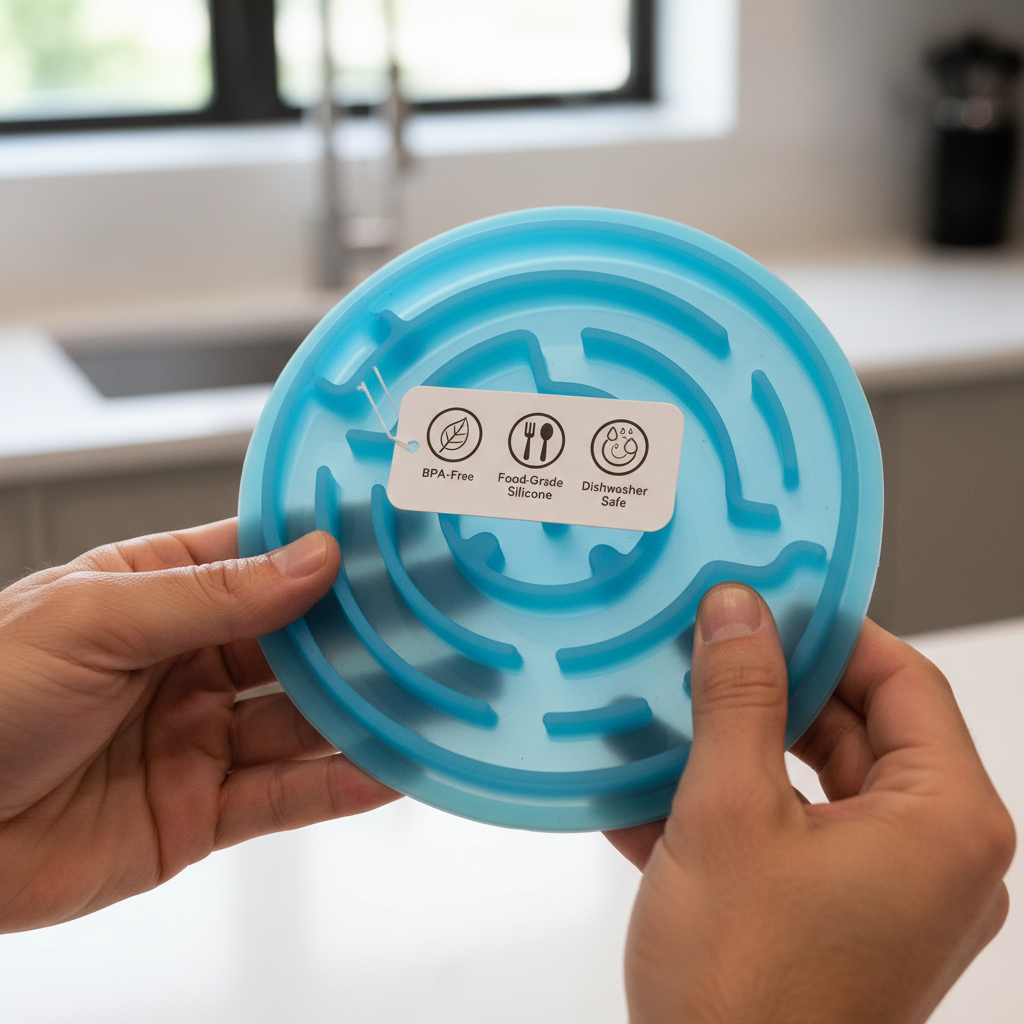
Choosing the right insert involves more than just picking a fun pattern. The safety, durability, and practicality of the device are paramount. Use this checklist to ensure you make an informed and responsible purchase for your pet.
- Material Safety: This is non-negotiable. Look for inserts explicitly labeled as ‘BPA-free’, ‘non-toxic’, and made from ‘100% food-grade silicone’ or a high-quality, durable plastic. Avoid cheap, unlabeled products that could leach harmful chemicals into your dog’s food.
- Size and Fit: Before buying, measure the interior diameter of your dog’s food bowl at the base. The insert should fit snugly without leaving large gaps around the edge where food can collect, which would defeat its purpose. It also shouldn’t be so tight that it’s difficult to remove for cleaning. Most products list the bowl diameters they are compatible with.
- Ease of Cleaning: A clean feeding environment is crucial for your dog’s health. Prioritize inserts that are dishwasher-safe (top rack). Examine the design for deep, narrow crevices that could trap food particles and harbor bacteria. Smoother, more open patterns are generally easier to keep sanitized.
- Durability and Chew-Resistance: If your dog is a known power-chewer, this is a critical factor. While no insert is completely indestructible, thick, high-quality silicone is generally more resilient and flexible than hard plastic. Supervise your dog during the initial uses to ensure they are not attempting to chew or ingest pieces of the insert.
- Snout and Breed Considerations: As mentioned, brachycephalic breeds require special consideration. Look for shallow, wide-set patterns that their shorter snouts can easily access. For dogs with long, narrow muzzles, more complex and deeper mazes can provide a suitable challenge.
Implementation: How to Introduce the Insert and Troubleshoot Issues
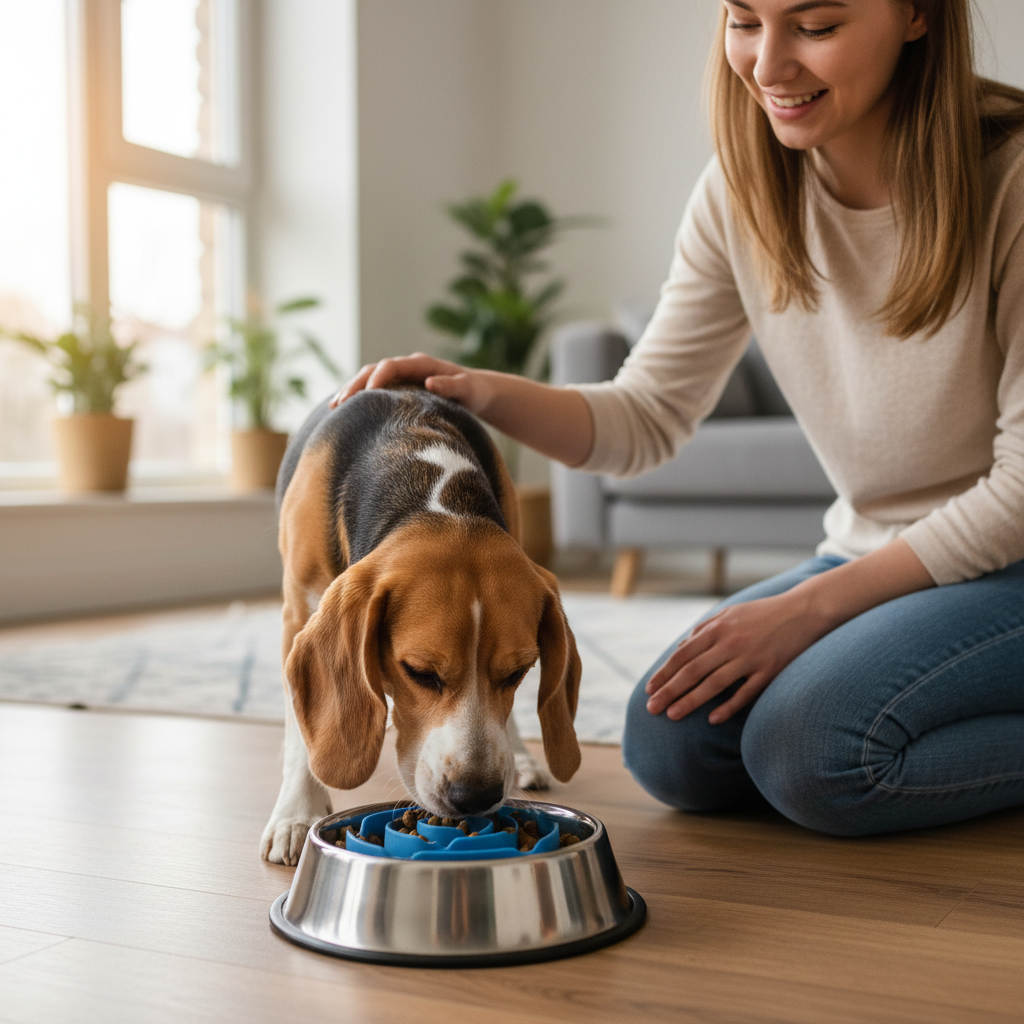
Proper introduction can make the difference between a successful transition and a frustrating failure. Your goal is to associate the new device with the positive experience of eating, not with a stressful puzzle. Follow these steps for a smooth rollout.
A Step-by-Step Introduction Plan
- Wash First: Before its first use, wash the new insert thoroughly with soap and warm water to remove any manufacturing residues.
- Neutral Introduction: Let your dog investigate the clean, dry insert on its own terms. Place it on the floor and allow them to sniff it without any food involved. Reward their calm curiosity with praise.
- Initial Association: Place the insert into the bowl and scatter a few high-value treats, like small pieces of chicken or their favorite training reward, around the obstacles. This creates an immediate positive association.
- Start with a Smaller Meal: For the first real meal, use a slightly smaller portion of their regular food. This reduces the stakes and minimizes potential frustration as they learn to navigate the new setup.
- Supervise and Observe: Stay present for the first several feedings with the insert. Watch your dog’s body language. Are they engaged? Are they becoming overly frustrated or anxious? Supervision ensures they don’t try to chew the insert or flip the bowl over in annoyance.
Troubleshooting Common Problems
Some dogs may resist the change initially. If your dog paws at the insert, tries to lift it out, or walks away from the bowl, don’t be discouraged. This is a common reaction to a new challenge.
Patience is paramount. Your dog is learning a new skill. Forcing them or making mealtime stressful will only create negative associations with their food and bowl. Keep sessions short and positive.
If frustration is high, try smearing a bit of wet food or dog-safe peanut butter into the crevices to make it more enticing. You can also revert to a simpler insert design if a complex maze proves too difficult. The key is to build their confidence until slow, methodical eating becomes their new normal.
Conclusion
The dangers posed by rapid eating are real, but the solution doesn’t have to be complicated or expensive. By opting for a slow-feeder bowl insert, you are choosing a versatile, affordable, and highly effective tool to safeguard your dog’s health. This simple device does more than just slow down mealtime; it provides mental stimulation, aids in proper digestion, helps manage weight, and can significantly reduce the risk of life-threatening conditions like GDV. By taking the time to select the right material, design, and size for your specific dog, you are making a proactive investment in their long-term well-being. Transforming a dangerous habit into a healthy, engaging activity is one of the most impactful changes you can make, ensuring many more happy, healthy mealtimes together.