Dog Scared Of Cooking Noises? How To Desensitize Kitchen Fears

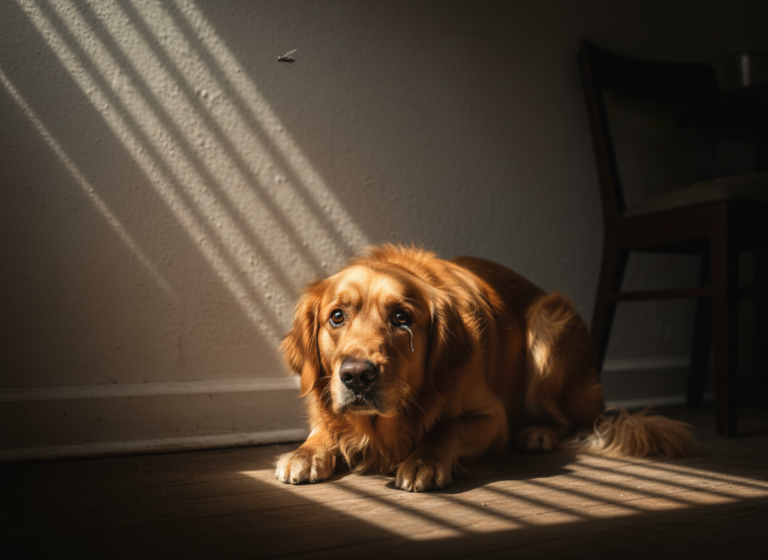
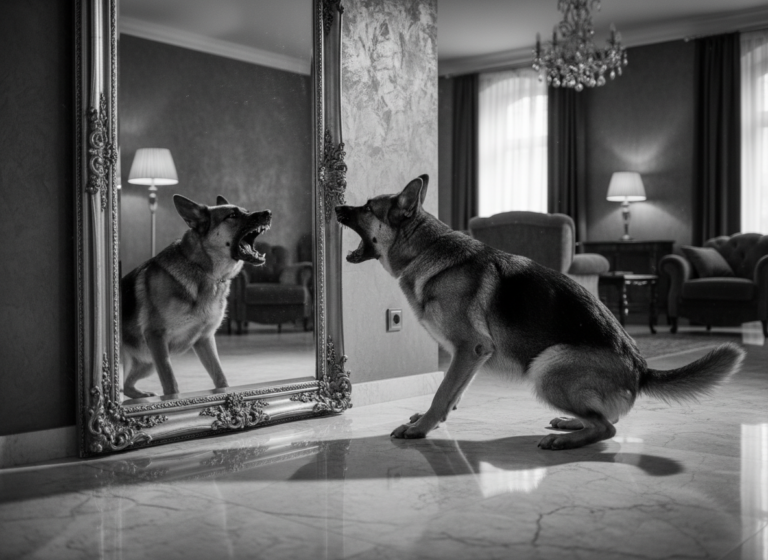
The kitchen is often called the heart of the home, a place of warmth, delicious smells, and gathering. For many dogs, however, it can be a source of intense fear and anxiety. The sudden, sharp, and unpredictable sounds of cooking—the whir of a blender, the sizzle of a hot pan, the clang of dropped utensils—can be overwhelming for a dog’s sensitive hearing. If you’ve noticed your canine companion trembling, hiding, or barking frantically every time you start preparing a meal, you are not alone. This is a common form of noise phobia in dogs.
Understanding the root of this fear is the first step toward resolving it. Dogs hear at frequencies far beyond human capability, making loud noises not just startling but potentially painful. Unlike predictable sounds like a doorbell, kitchen noises are chaotic and varied, preventing the dog from habituating to them. This guide will provide a comprehensive, professional framework for addressing your dog’s fear. We will delve into the proven behavioral modification techniques of desensitization and counter-conditioning. By following this structured protocol, you can systematically reduce your dog’s fear and help them build a new, positive association with the kitchen, turning a place of terror into one of calm coexistence.
Understanding the Fear: Why Kitchens Can Be Terrifying for Dogs
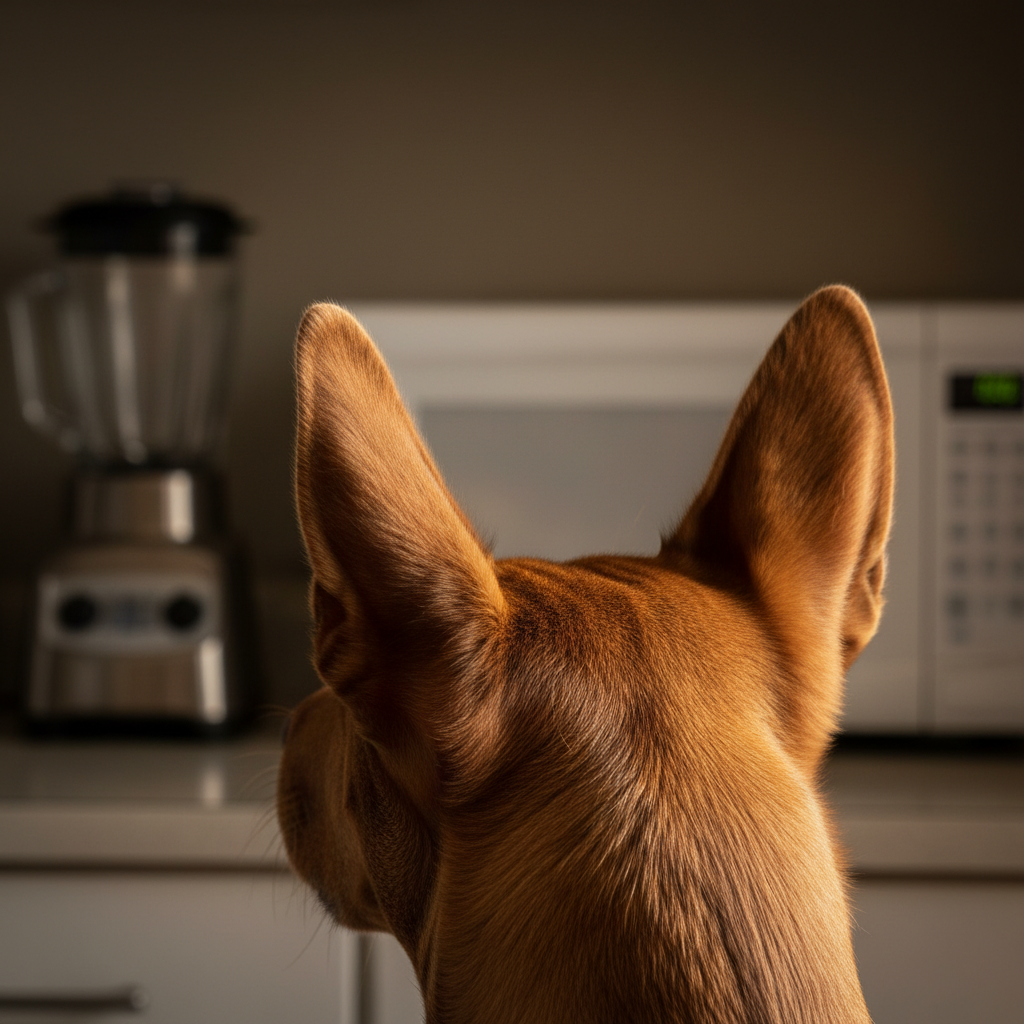
To effectively address your dog’s fear, we must first understand the issue from their perspective. A dog’s auditory world is vastly different from our own. They can detect a range of frequencies nearly twice as large as humans, making them exceptionally sensitive to high-pitched sounds common in the kitchen.
Common Auditory Triggers in the Kitchen
Many everyday cooking sounds can trigger a fear response. It’s important to identify which specific noises are most troubling for your dog. Common culprits include:
- High-Frequency Appliance Noises: Blenders, coffee grinders, food processors, and smoke alarms emit high-pitched sounds that can be particularly jarring.
- Sudden, Sharp Sounds: The chopping of a knife on a cutting board, the clatter of dropped silverware, or the slamming of a cabinet door are unpredictable and sharp.
- Sizzling and Popping: The sound of oil in a hot pan can be menacing, resembling a hissing or growling sound to a dog.
- Pressure Cookers and Kettles: The gradual build-up of steam followed by a sudden release can be extremely frightening.
Beyond the noise, other sensory inputs can contribute to the anxiety. Strong smells, intense heat from the oven, and the bustling activity of people moving quickly in a confined space can create an environment of sensory overload. For some dogs, a single negative experience, such as a pan falling and crashing loudly near them, can be enough to create a lasting phobia. Recognizing these triggers is the foundational step in creating a targeted and effective desensitization plan.
Preparation is Key: Setting Up for Successful Desensitization

Before beginning any training, it is crucial to prepare your environment and gather the necessary tools. A well-prepared session minimizes stress for both you and your dog, setting the stage for positive outcomes. The goal is to control the environment completely so you can introduce stimuli at a level your dog can handle.
Essential Tools and Environment Setup
- High-Value Food Rewards: These are not your dog’s regular kibble. You need treats that are exceptionally motivating, such as small pieces of cooked chicken, cheese, or commercial high-value training treats. The reward must be more compelling than the fear.
- A Sound Source: You will need a smartphone, tablet, or computer to play recorded kitchen noises. Find high-quality recordings of triggers like blenders, chopping, and sizzling on platforms like YouTube.
- A Safe and Comfortable Space: Designate a comfortable spot for your dog, like a plush bed or mat, at a significant distance from the kitchen. This ‘safe zone’ is where training will begin. Your dog should already have a positive association with this spot.
- Patience and a Plan: Desensitization is a marathon, not a sprint. Commit to short, frequent sessions (5-10 minutes daily is more effective than one long weekly session). Never push your dog past their threshold of fear. If they show signs of stress (panting, yawning, lip licking), you have progressed too quickly.
Expert Tip: Before your first session, ensure your dog is well-exercised and has had a chance to relieve themselves. A physically and mentally tired dog is often calmer and more receptive to training.
The Step-by-Step Desensitization and Counter-Conditioning Protocol
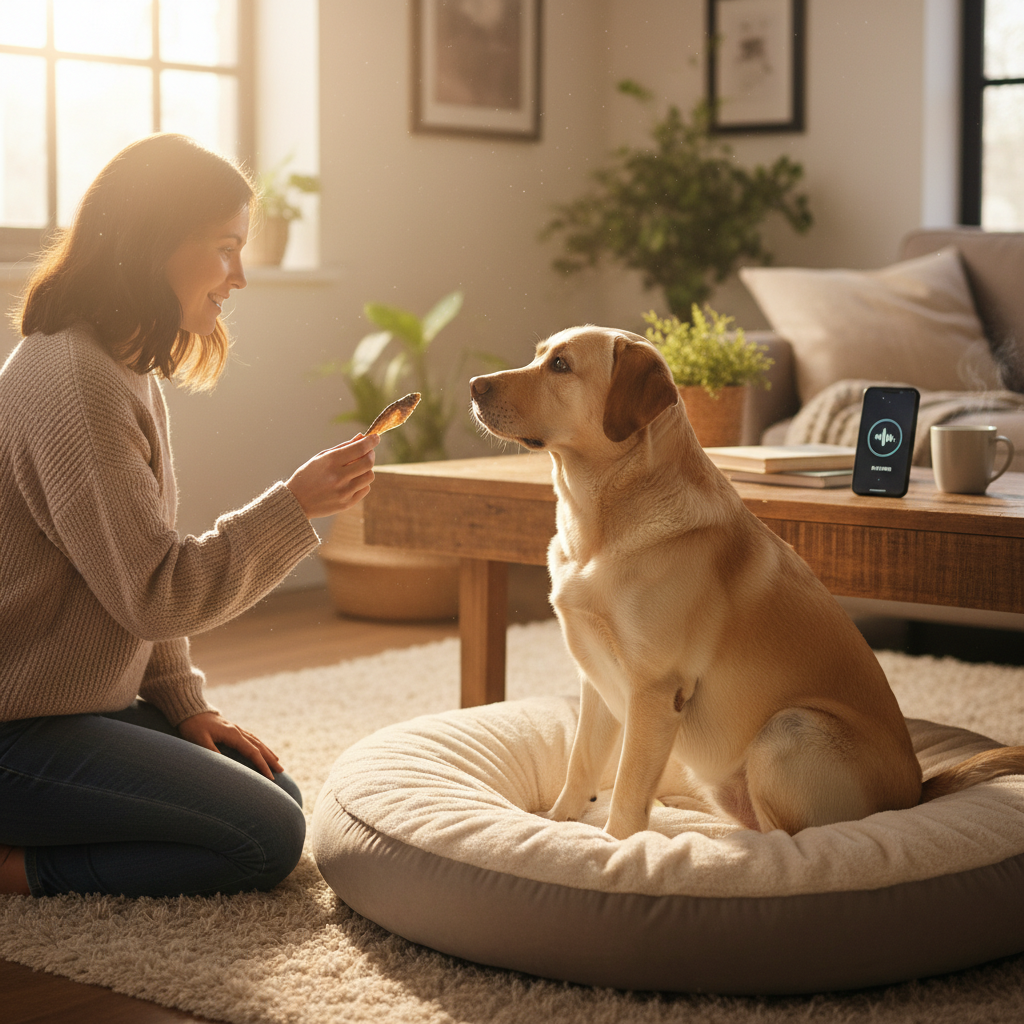
This protocol systematically combines two powerful techniques. Desensitization is the gradual exposure to a stimulus at a low intensity that does not provoke fear. Counter-conditioning is the process of changing the dog’s emotional response to that stimulus from fear to pleasure by pairing it with something they love, like a high-value treat.
- Establish a Baseline: From your dog’s safe space, play a recorded kitchen sound (e.g., a blender) at the lowest possible volume. You are looking for the point where your dog can hear it but does not react fearfully. This is your starting point.
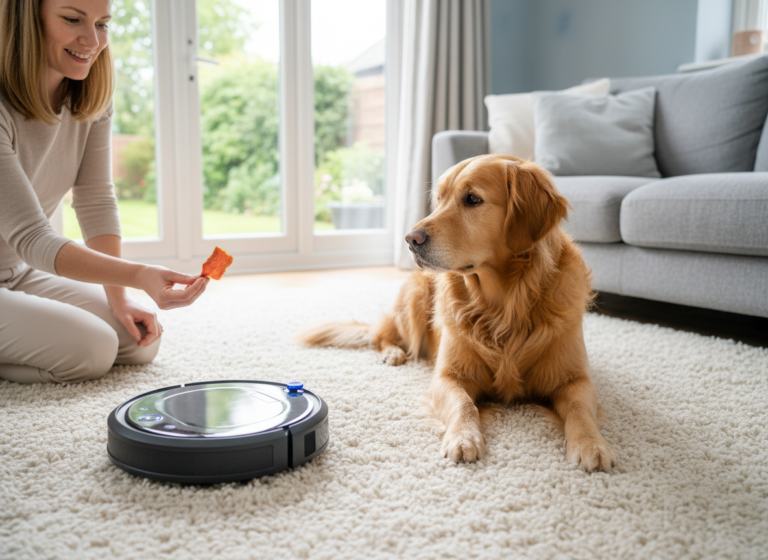
- Pair Sound with Reward: Play the sound at that very low volume for a few seconds. The moment the sound starts, give your dog a high-value treat. The moment the sound stops, the treats stop. Repeat this several times. The sequence is critical: Sound begins, then treat appears. Sound ends, then treat disappears. This teaches the dog that the sound predicts the amazing treat.
- Gradual Volume Increase: Over many sessions and many days, slowly increase the volume of the recording, one level at a time. At each new level, watch your dog’s body language closely. If you see any signs of anxiety, you have gone too far. Return to the previous volume where they were successful and work at that level for a few more sessions before trying to increase it again.
- Introduce Real-World Sounds: Once your dog is comfortable with the recorded sounds at a realistic volume, you can move to creating sounds yourself, still at a distance. For example, while your dog is in their safe space in another room, gently tap a knife on a cutting board in the kitchen. Immediately after the sound, have a partner give the dog a treat, or walk over and give it yourself.
- Decrease the Distance: As your dog becomes comfortable, gradually decrease the distance between them and the kitchen. Move their ‘safe zone’ mat a few feet closer. Repeat the process of making quiet, controlled kitchen sounds followed by rewards.
- Practice During Mock Cooking: Before attempting a full meal, simulate cooking activities. Open and close cabinets quietly, run the microwave for a few seconds, or stir an empty pan. Reward calm behavior throughout this process. This helps the dog generalize their newfound confidence to the real context.
Management Strategies: Keeping Your Dog Safe and Calm

While you are working on the long-term solution of desensitization, you still need to cook. Management strategies are essential to prevent your dog from being repeatedly traumatized, which would undo your training progress. Management is not a substitute for training, but a necessary component of the overall plan.
Practical Management Techniques
- Create a Sanctuary: Designate a room far from the kitchen as your dog’s safe space during meal prep. Make this a pleasant place with a comfortable bed, favorite toys, and perhaps a long-lasting chew like a stuffed KONG.
- Use Sound Masking: In their sanctuary, play calming music, a white noise machine, or turn on a television to help muffle the sharp sounds coming from the kitchen.
- Pre-prepare Ingredients: Do as much of the noisy chopping and preparation as possible while your dog is outside or otherwise occupied. This reduces the duration of their exposure to triggers.
- Ensure Safety: A frightened dog may bolt or get underfoot, creating a dangerous situation in a busy kitchen. Using baby gates to prevent access to the kitchen during cooking times keeps everyone safe.
Common Mistakes to Avoid
Your progress can be easily derailed by common mistakes. It is critical to avoid these behaviors:
| Mistake | Why It’s Harmful |
|---|---|
| Punishing the Fear | Scolding or punishing a dog for being scared will only increase their anxiety and damage their trust in you. The fear is involuntary, not a sign of misbehavior. |
| Flooding | This involves exposing the dog to the scary noise at full intensity, hoping they will ‘get over it.’ This is a highly traumatic and outdated method that almost always makes the phobia worse. |
| Excessive Coddling | While you should not punish fear, overly soothing your dog with ‘it’s okay, it’s okay’ in a high-pitched voice can inadvertently reinforce the idea that there is something to be afraid of. Be calm and confident. |
When to Consult a Professional

While the desensitization protocol outlined here is highly effective for many dogs with mild to moderate fear, some cases require professional intervention. It is a sign of responsible pet ownership to recognize when you need help. Severe phobias can be debilitating and may not resolve with training alone.
Signs That You Need Professional Guidance
Consider seeking help from a professional if you observe any of the following:
- Extreme Panic Responses: This includes uncontrollable trembling, drooling, urinating or defecating, attempting to escape (clawing at doors or windows), or complete catatonia.
- No Progress or Regression: If you have been consistently following the protocol for several weeks with no noticeable improvement, or if your dog’s fear is getting worse.
- Aggression: If the fear manifests as aggression, such as growling, snapping, or biting when approached or when the noise occurs. This is a serious safety concern.
- Generalized Anxiety: If the fear of kitchen noises is starting to spread to other sounds or situations, indicating a more generalized anxiety disorder.
Who to Contact
When seeking help, it’s important to find a qualified expert. Look for one of the following:
- Veterinary Behaviorist (DACVB): A veterinarian who has undergone specialized training in animal behavior. They can diagnose underlying medical issues, prescribe anti-anxiety medication if necessary, and create a comprehensive behavior modification plan.
- Certified Applied Animal Behaviorist (CAAB): A non-veterinarian with advanced degrees in animal behavior. They are experts in behavior modification protocols.
- Certified Professional Dog Trainer (CPDT-KA/KSA): Look for trainers with certifications and experience specifically in anxiety, fear, and desensitization. Ensure they use positive reinforcement methods exclusively.
A professional can provide a tailored plan for your specific dog and situation, and in some cases, medication may be a necessary tool to reduce anxiety to a level where the dog is calm enough to learn from behavior modification.
Conclusion
Helping your dog overcome a fear of kitchen noises is a journey that requires patience, consistency, and a deep understanding of their perspective. By implementing the structured desensitization and counter-conditioning protocol, you are not just silencing a fearful reaction; you are building your dog’s confidence and strengthening the bond of trust between you. Remember to progress at your dog’s pace, celebrate small victories, and utilize management strategies to prevent setbacks. While the process may take time, the reward—a calm, confident dog who can relax in the heart of your home—is immeasurable. If the challenge feels too great, never hesitate to seek the guidance of a qualified professional. Your commitment to their well-being is the most powerful tool you have.