Does Tug of War Cause Aggression? The Surprising Truth Revealed
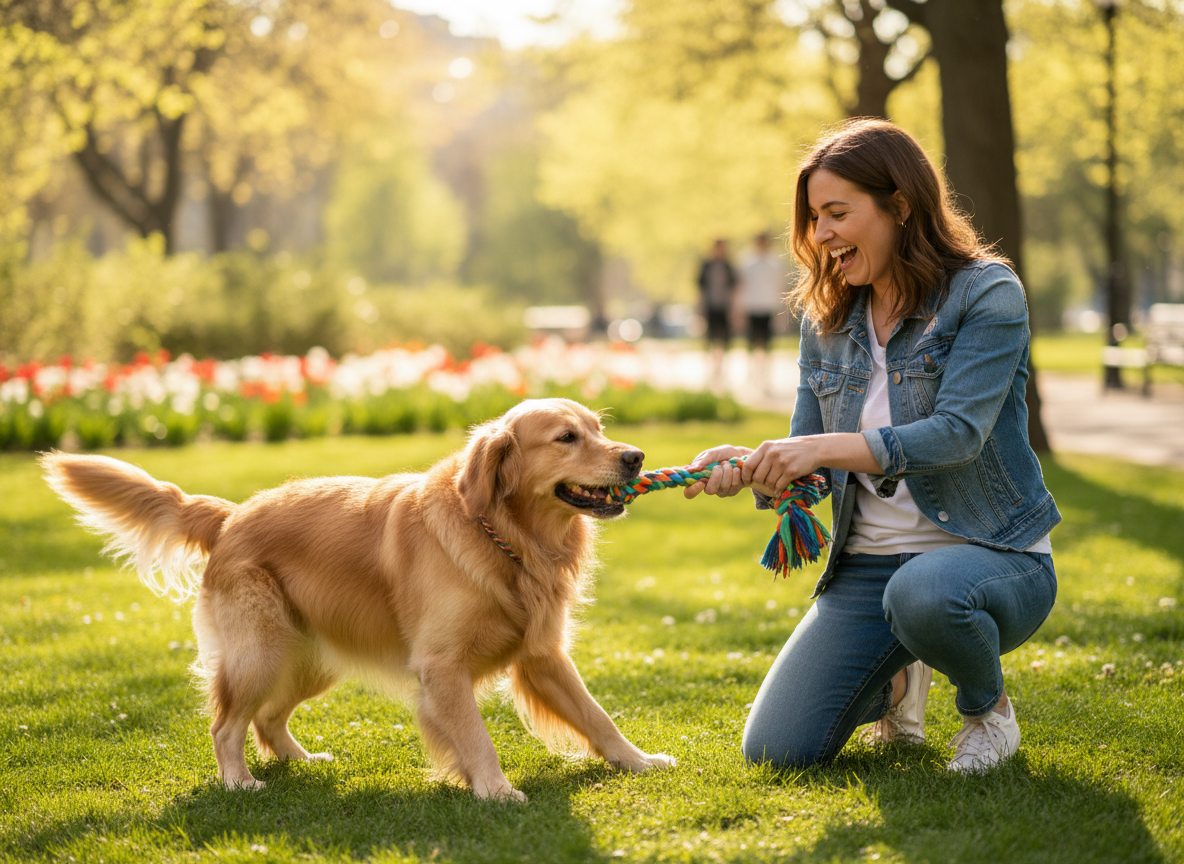
The game of tug of war holds a controversial place in the minds of many dog owners. For decades, a persistent myth has circulated: that allowing your dog to play, and especially to win, a game of tug will foster aggression and a desire to dominate. This belief has led countless well-meaning owners to avoid what is one of a dog’s most natural and enjoyable forms of play. But does this common wisdom hold up to scrutiny? The surprising truth, according to modern canine behaviorists and trainers, is a resounding no.
This comprehensive guide will dismantle the outdated theories surrounding tug of war and reveal its true nature. We will explore the deep-seated behavioral instincts that drive this game and uncover the significant psychological and physical benefits it offers. Far from being a dangerous activity, tug of war, when structured with clear rules, becomes an invaluable tool for building impulse control, reinforcing your bond, and providing essential mental and physical stimulation. Prepare to see this classic game in a new light and learn how to incorporate it safely and productively into your dog’s routine.
Debunking the Myth: Understanding the True Nature of Tug of War
The Outdated Dominance Theory
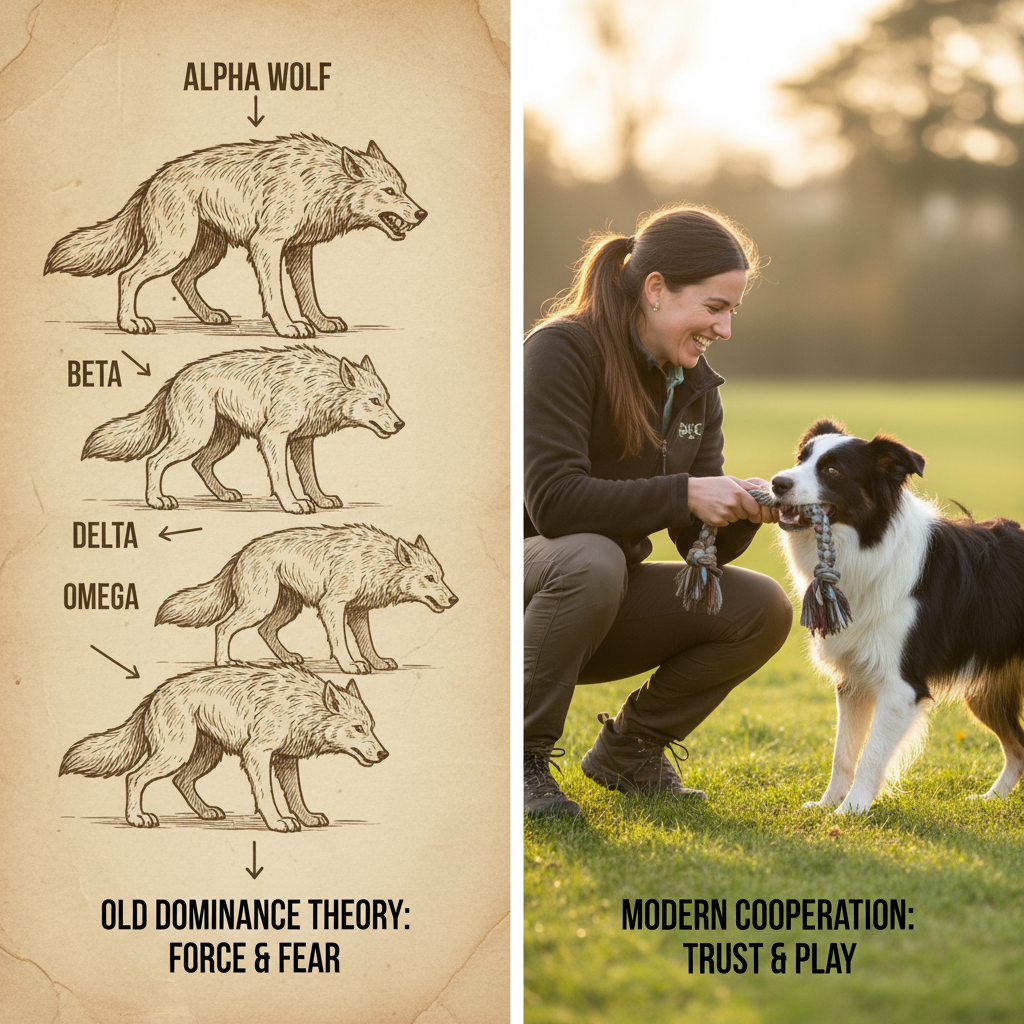
The primary source of fear surrounding tug of war is rooted in outdated and largely debunked ‘dominance’ or ‘alpha’ theories of dog behavior. This theory proposed that dogs view their human families as a pack and are constantly vying for a higher rank. According to this model, allowing a dog to pull against you in a game of tug, and especially letting them win the toy, was seen as relinquishing your ‘alpha’ status, which could supposedly lead to disobedience and aggression.
However, modern ethology—the scientific study of animal behavior—has shown that the dynamics between dogs and humans are far more complex and cooperative than this simplistic hierarchical model suggests. The original studies on wolf packs that fueled this theory were based on captive, unrelated wolves forced into an artificial social structure. Studies of natural family wolf packs, and particularly domestic dogs, reveal a system based on cooperation, deference, and established relationships, not a constant struggle for power.
Tug as a Natural, Cooperative Behavior
For dogs, tug is not a battle for supremacy; it’s a simulation of a cooperative activity. In the wild, canids often work together to bring down prey. The act of grabbing, shaking, and pulling on an object together taps into this innate predatory sequence in a safe, controlled way. It’s a team activity. When your dog brings you a toy to initiate a game of tug, they are not challenging your authority. They are inviting you to participate in a mutually enjoyable and instinctually satisfying game.
Expert Insight: Playful growling during a game of tug is completely normal and is typically not a sign of aggression. It’s a form of canine communication that signals engagement and excitement, much like a person might shout or laugh during a competitive sport.
Understanding this distinction is crucial. When we reframe tug from a ‘human vs. dog’ conflict into a ‘human and dog’ cooperative play session, we can begin to appreciate its immense value.
The Surprising Benefits: Why Tug is a Powerful Tool for Training and Bonding
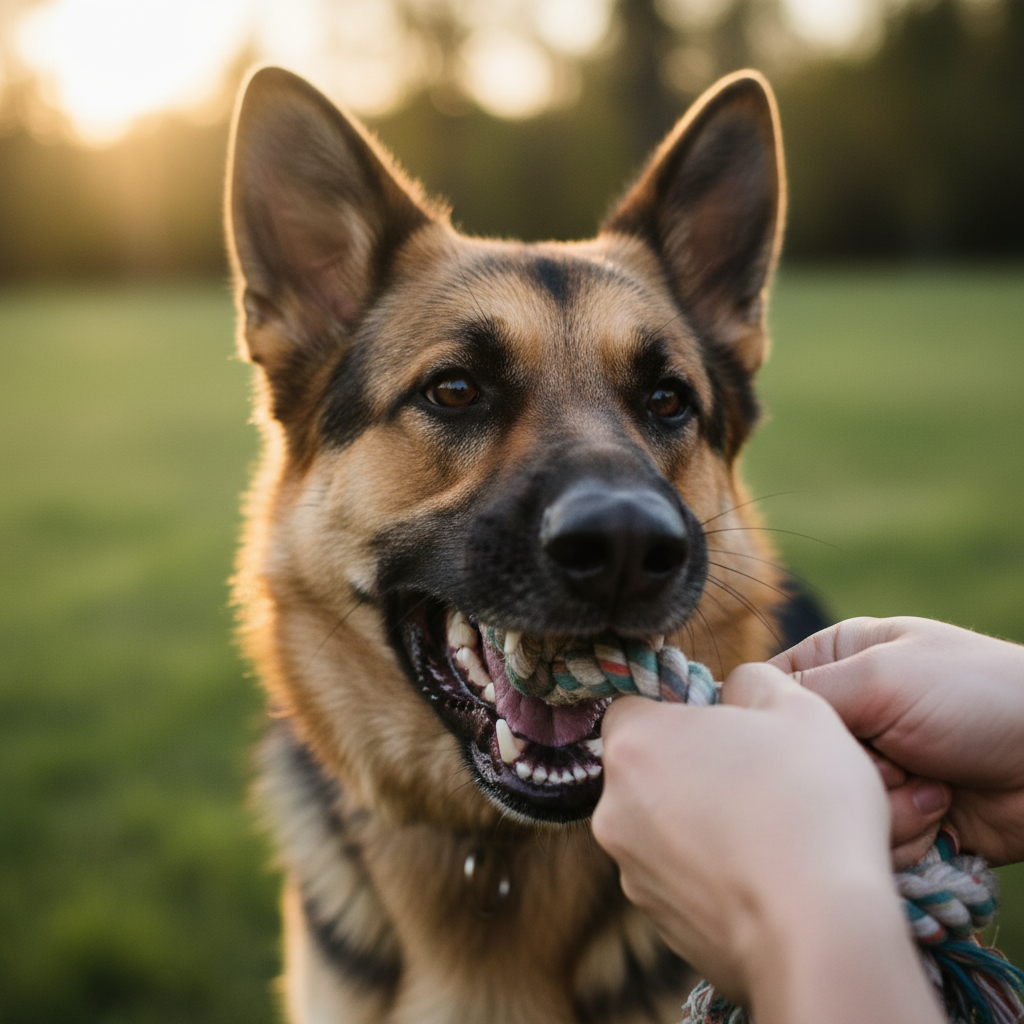
When played with established rules, tug of war transforms from a simple game into a multifaceted enrichment activity with profound benefits for your dog’s well-being and your relationship.
Physical and Mental Stimulation
Tug is a fantastic workout. It engages a dog’s entire body, from their jaw and neck to their core and leg muscles, providing a great outlet for excess energy. This is particularly beneficial for high-energy breeds or dogs living in apartments with limited space for running. Beyond the physical, the game is also mentally taxing. It requires focus, strategy, and adherence to rules, preventing boredom and the destructive behaviors that often accompany it.
Building Confidence and Resilience
For timid or anxious dogs, tug can be a remarkable confidence-builder. The act of pulling, holding on, and occasionally ‘winning’ the toy can make a dog feel more capable and secure. This controlled, successful interaction teaches them that they can positively influence their environment, which can translate to greater confidence in other areas of their life.
A Masterclass in Impulse Control
Perhaps the most significant training benefit of structured tug is its ability to teach impulse control. The game is a dynamic dance between high arousal and calm obedience. Your dog learns to follow cues like “Take it” and “Drop it” even when in an excited state. This practice of ’emotional regulation’ is a foundational skill for a well-behaved dog, helping them manage their excitement in various real-world situations.
Strengthening the Human-Canine Bond
Shared, enjoyable activities are the bedrock of any strong relationship. Tug of war is an interactive game that requires your full participation. It’s dedicated one-on-one time that builds trust and communication. Your dog learns that you are the source of fun and engagement, reinforcing your role as a benevolent leader and trusted partner.
The Golden Rules: How to Play Tug of War Safely and Effectively
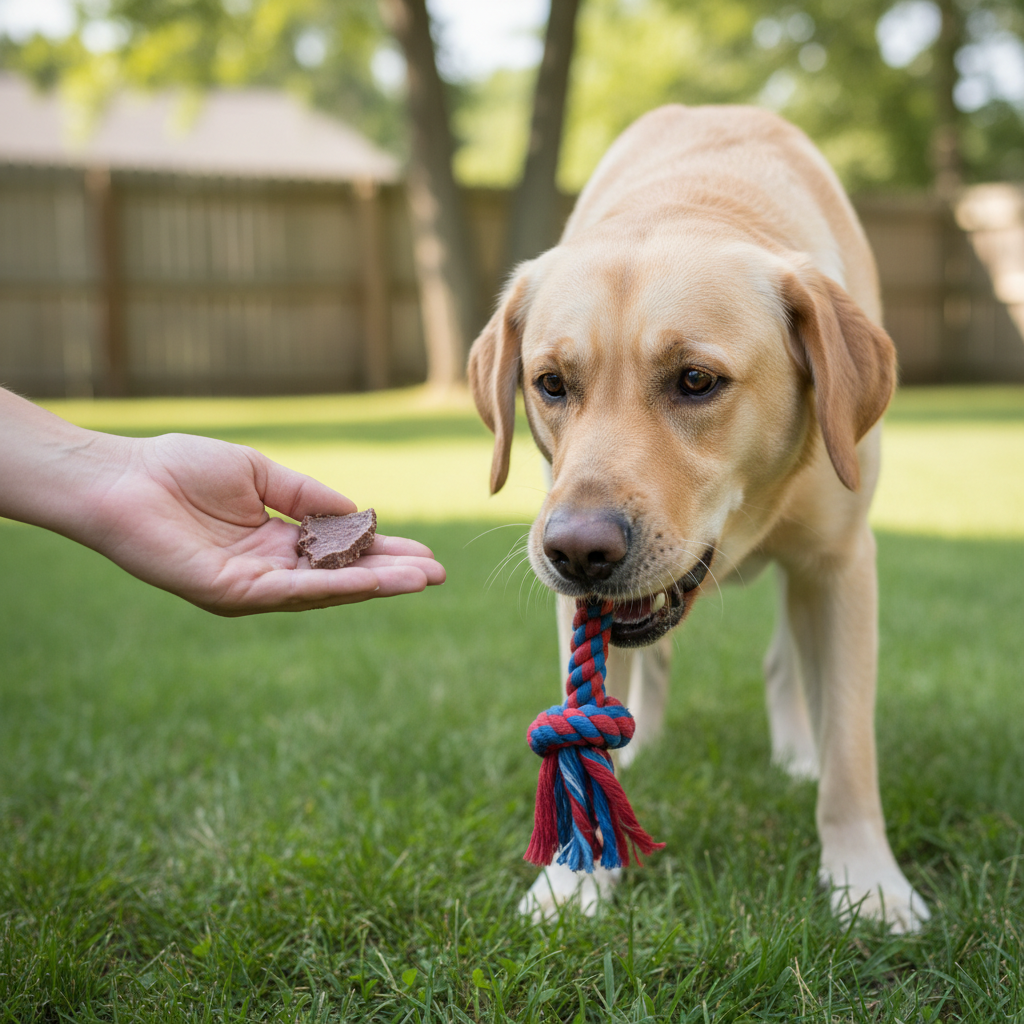
To unlock the benefits of tug and ensure it remains a positive experience, it is essential to establish and consistently enforce a set of rules. This structure is what prevents the game from escalating into problematic behavior.
-
You Initiate and End the Game.
The game should always begin and end on your terms. This reinforces your role as the leader of the activity. Do not allow your dog to demand a game by pushing a toy into you or barking incessantly. Instead, keep tug toys put away and bring one out when you decide it’s playtime. Similarly, end the game before your dog becomes overly aroused or bored, putting the toy away with a clear ‘All done!’ cue.
-
Teach a Rock-Solid ‘Drop It’ Cue.
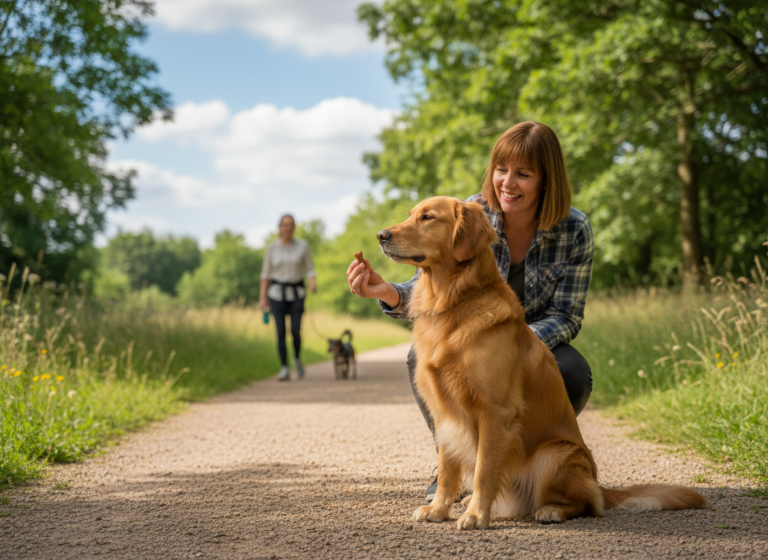
This is the most critical rule. Your dog must be willing to release the toy on command, instantly and without conflict. To teach this, have two identical toys. When your dog is tugging with one, present the other, more excitingly. When they drop the first to take the second, say “Drop it!” and reward them. Practice this until the verbal cue alone is enough to make them release the toy. A reliable ‘Drop it’ demonstrates that the game is controlled and cooperative.
-
Implement the ‘No Teeth on Skin’ Rule.
Accidents happen, but your dog must learn that teeth should never make contact with human skin. If their teeth touch your hand, even gently, immediately yelp ‘Ouch!’ in a high-pitched voice, drop the toy, and walk away for 30-60 seconds. This brief withdrawal of your attention clearly communicates that teeth on skin ends all the fun.
-
Monitor Arousal Levels.
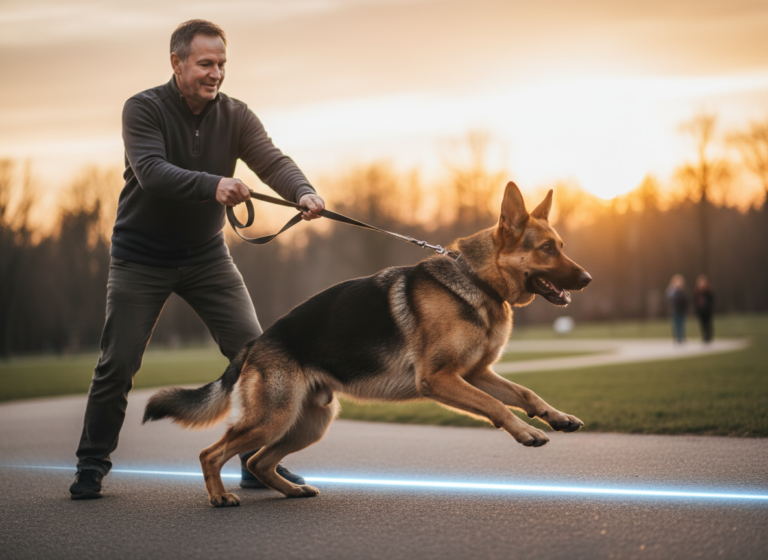
Pay close attention to your dog’s body language. Playful tug involves a loose, wiggly body, perhaps a play bow, and soft, engaged eyes. Signs of over-arousal include a stiffening body, a hard, fixed stare, frantic, lunging pulls, and a change in the tone of their growl from playful to menacing. If you see these signs, calmly ask for a ‘Drop it,’ and enforce a short break to help your dog calm down before resuming.
-
Let Them Win (Most of the Time)!
Contrary to the old myth, letting your dog ‘win’ the toy is not a sign of weakness; it’s a reward that keeps them engaged and builds their confidence. A good rule of thumb is to let them win about 70% of the time. A game where they never win becomes frustrating and they will lose interest. Winning makes the game more fun and reinforces their desire to play with you.
Warning Signs: When to Avoid Tug and How to Troubleshoot Problems
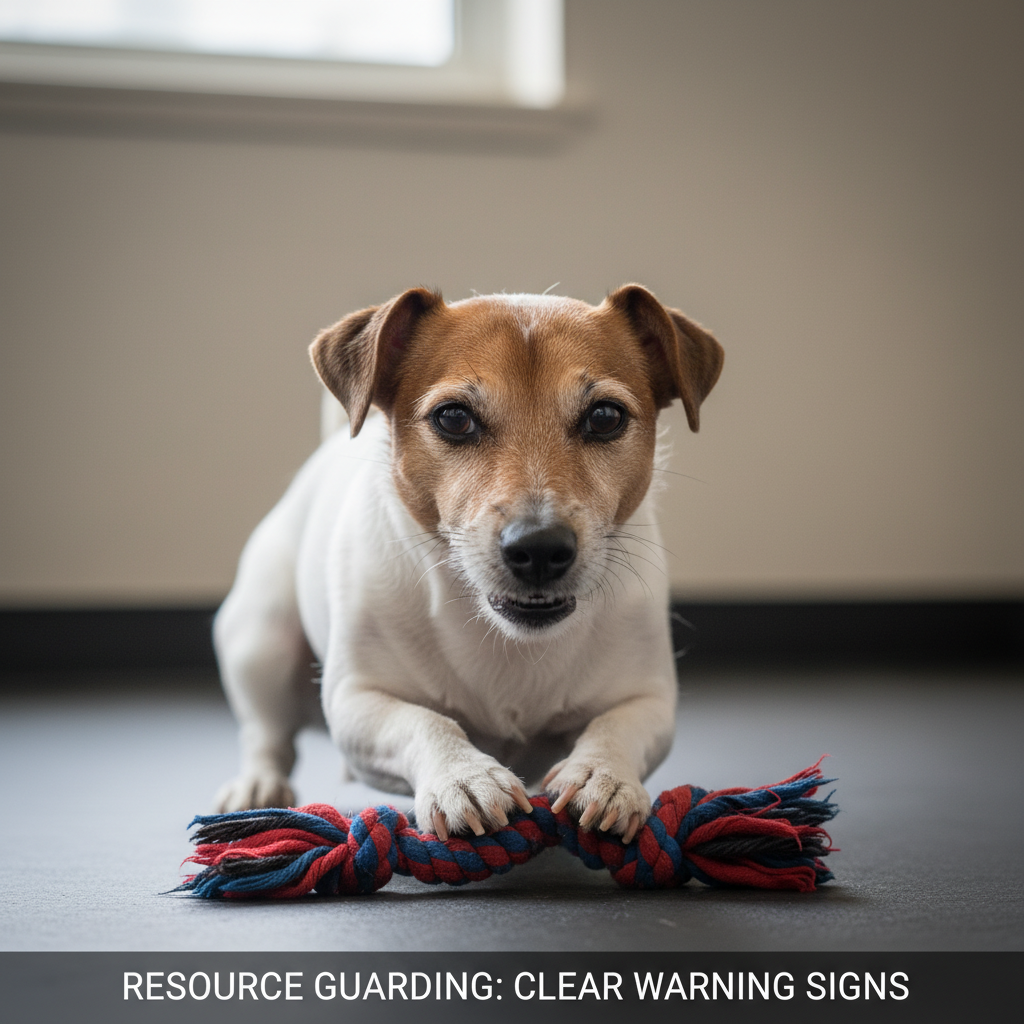
While tug is beneficial for most dogs, it may not be appropriate in certain situations, particularly if underlying behavioral issues are present. It’s crucial to recognize the red flags that indicate you should pause the game and potentially seek professional help.
When Tug Might Not Be the Right Game
You should avoid playing tug, or at least proceed with extreme caution, if your dog exhibits any of the following behaviors:
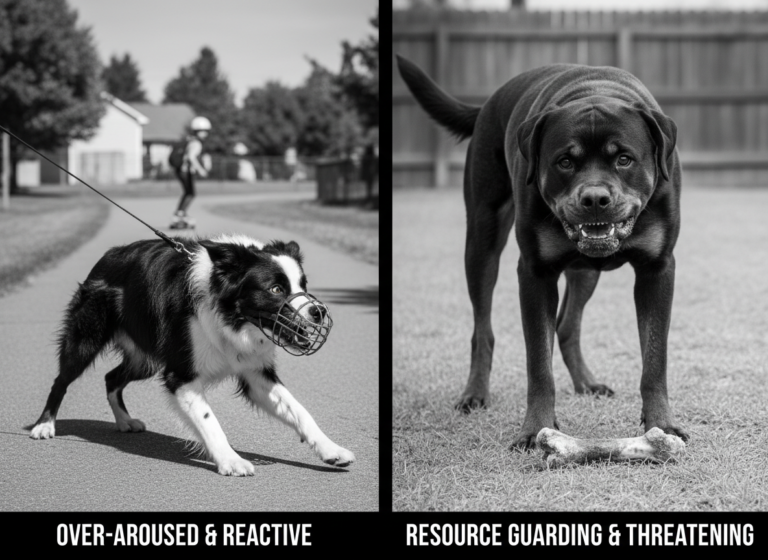
- Serious Resource Guarding: If your dog already shows signs of guarding toys, food, or other objects (e.g., freezing, growling, snarling, or snapping when you approach), tug of war can exacerbate this issue. The game’s focus on possessing an object can intensify their guarding instincts. Work on the resource guarding with a certified professional before introducing tug.
- A History of Aggression: For dogs with a known history of aggression towards people, the high-arousal nature of tug can be risky. It’s essential to have a solid foundation of obedience and a clear understanding of the dog’s triggers before playing this game.
- Lack of a ‘Drop It’ Cue: If you cannot get your dog to reliably release the toy on command, you do not have the necessary control to keep the game safe. Do not play tug until this foundational skill is mastered.
Troubleshooting Common Issues
What if the game starts well but problems arise? If your dog becomes overly possessive during play, consistently refuses to release the toy, or their arousal escalates too quickly, go back to basics. Shorten the play sessions, increase the frequency of ‘Drop it’ practice with high-value rewards, and ensure you are the one starting and ending every single game. If the problems persist, it is wise to consult a certified professional dog trainer or a veterinary behaviorist. They can assess your specific situation and provide a tailored plan to ensure play remains a safe and positive part of your dog’s life.
Choosing Your Equipment: Selecting the Best and Safest Tug Toys
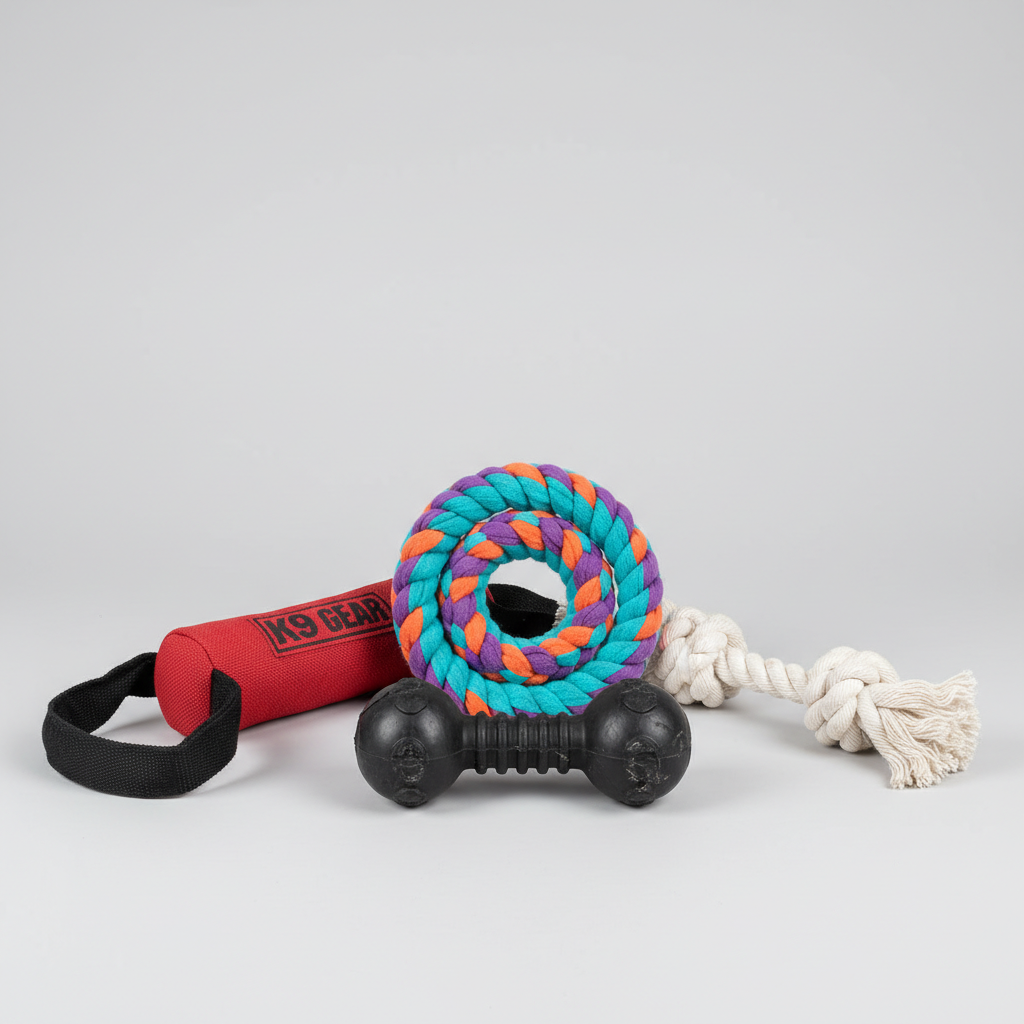
The quality of your equipment is paramount to a safe and enjoyable game of tug. The right toy is comfortable for both you and your dog, durable enough to withstand vigorous play, and designed to minimize the risk of injury.
Qualities of a Great Tug Toy
Look for toys that are:
- Long Enough: The toy should be sufficiently long to keep your hands a safe distance from your dog’s mouth. This helps prevent accidental nips during excited play.
- Comfortable to Hold: If the toy is painful for you to hold, you won’t want to play. Look for handles or materials that are easy to grip.
- Durable but Not Damaging: The material should be strong enough not to shred or break apart easily, which could create a choking hazard. However, it should also have some ‘give’ and not be so hard that it could damage your dog’s teeth. Avoid hard plastics, metal, or brittle materials.
- Easy to Clean: Tug toys can get grimy quickly. Choose materials that are machine washable or easy to wipe down.
Comparing Common Tug Toy Materials
Different materials offer different benefits. Choosing the right one depends on your dog’s size, jaw strength, and play style.
| Toy Material | Pros | Cons | Best For |
|---|---|---|---|
| Braided Fleece | Soft on dog’s mouth and human hands; slightly stretchy to absorb shock; machine washable. | Not ideal for extreme chewers; can be destroyed if left unsupervised. | Puppies, gentle players, and training sessions. |
| Fire Hose/Durable Fabric | Extremely tough and durable; often includes handles for a better grip. | Can be abrasive on some dogs’ mouths; less ‘give’ than fleece or rubber. | Strong pullers and dogs that are tough on toys. |
| Natural Rope | Classic design; satisfying to chew; helps clean teeth. | Can fray and be ingested, causing blockages; must be supervised. | Moderate pullers; owners who supervise play closely. |
| Durable Rubber (e.g., KONG) | Very durable and long-lasting; often has a satisfying ‘spring’; easy to clean. | Can be heavy; some dogs may not like the texture. | Power chewers and extremely strong dogs. |
Conclusion
The notion that tug of war is a catalyst for aggression is a relic of a bygone era of dog training. Modern, evidence-based understanding reveals it to be a healthy, natural, and profoundly beneficial activity. By establishing clear, consistent rules—chief among them a reliable ‘Drop it’ cue—you transform a simple game into a powerful exercise in communication, impulse control, and mutual trust.
Remember, the goal of tug is not to dominate your dog, but to engage with them in a cooperative and instinctually fulfilling way. It’s an opportunity to burn energy, build confidence, and strengthen the incredible bond you share. So, choose a safe toy, establish your house rules, and embrace the growls and wags. You’re not creating a rival; you’re building a more resilient, well-adjusted, and happier canine partner.