Ditch The Chemicals: 3 DIY Dog Toothpaste Recipes That Actually Work
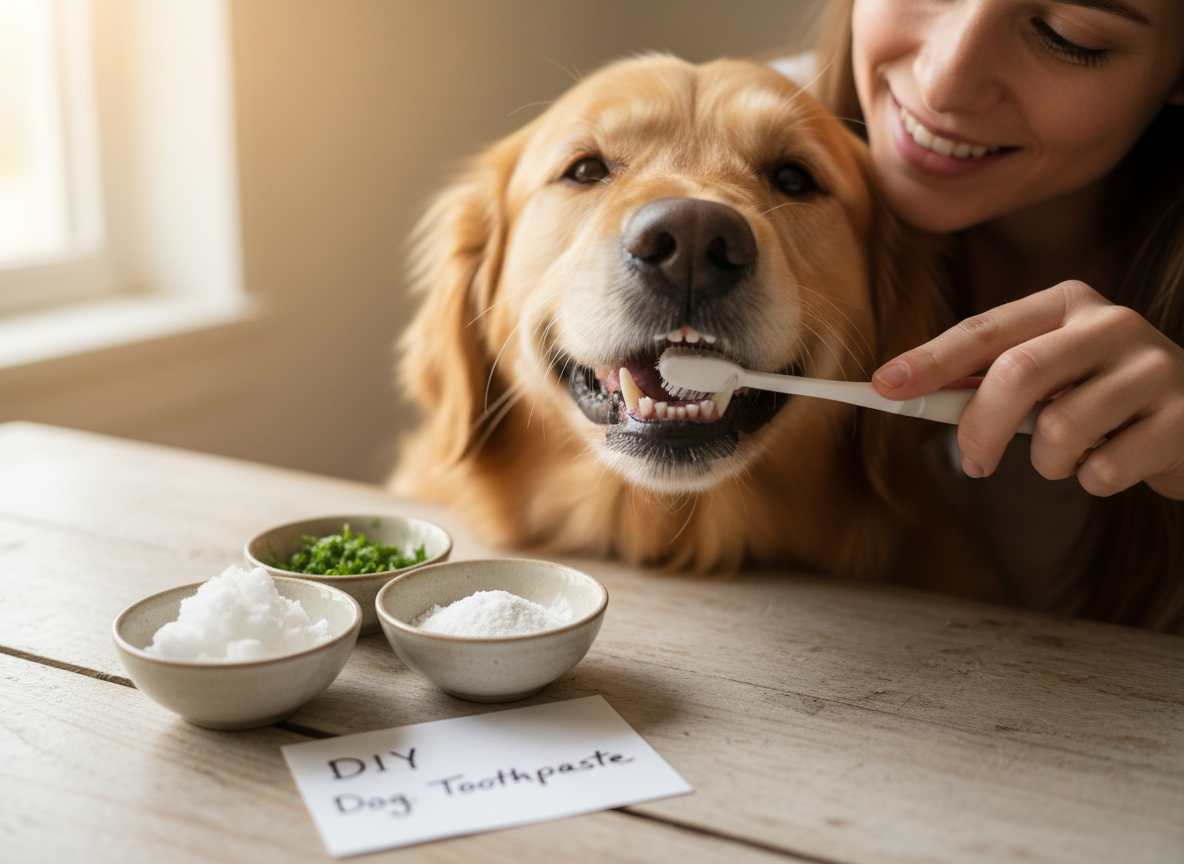
A dog’s oral health is a critical, yet often overlooked, component of their overall well-being. Just as with humans, plaque and tartar buildup can lead to serious health complications, ranging from localized gum disease to systemic issues affecting the heart, liver, and kidneys. Periodontal disease is one of the most common clinical conditions in adult dogs, but it is largely preventable with consistent home care. While commercial dog toothpastes are readily available, many discerning pet owners are seeking more natural alternatives to avoid synthetic chemicals, artificial flavors, and preservatives. This guide provides a comprehensive overview of canine dental hygiene, empowering you to take control of your dog’s oral health with three effective, safe, and easy-to-make DIY toothpaste recipes. By understanding the science behind the ingredients and mastering the proper brushing technique, you can provide your furry companion with the best possible care, naturally.
The Critical Link Between Oral Hygiene and Your Dog’s Overall Health
Why Brushing Matters More Than You Think
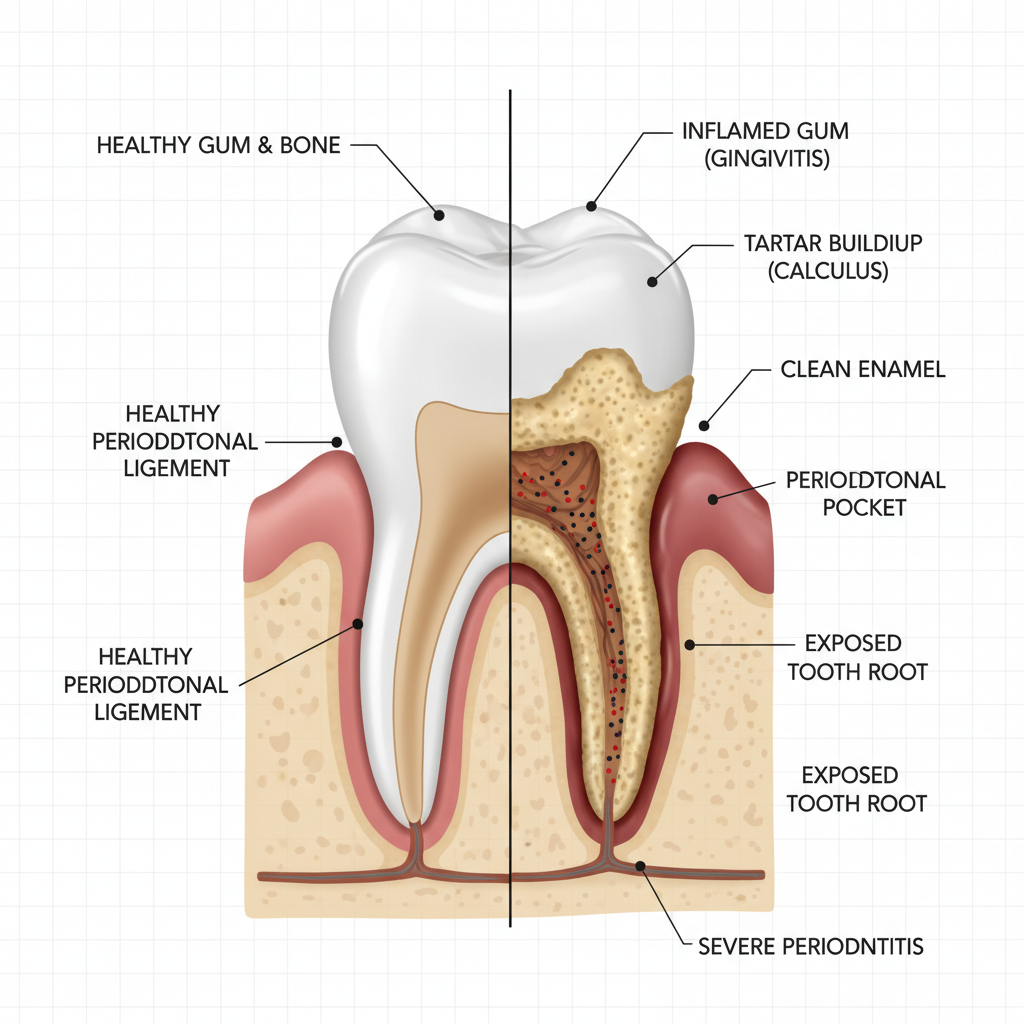
Many pet owners underestimate the profound impact dental health has on a dog’s quality of life. The mouth is a gateway to the rest of the body, and bacteria originating from dental disease can have far-reaching consequences. Periodontal disease begins when bacteria in the mouth form a film of plaque on the teeth. If not removed, this plaque hardens into tartar, which irritates the gums, causing gingivitis—inflammation, redness, and bleeding. Left untreated, gingivitis progresses to periodontitis, a more severe condition where the gums pull away from the teeth, creating pockets where more bacteria can thrive. This can lead to bone loss, loose teeth, and eventually, tooth loss. The chronic inflammation and bacteria associated with advanced dental disease can enter the bloodstream, a condition known as bacteremia. This can seed infections in vital organs, potentially leading to serious conditions like endocarditis (inflammation of the heart lining) and negatively impacting kidney and liver function. Therefore, a simple act like daily brushing is not just about fresh breath; it is a fundamental pillar of preventative healthcare for your dog.
Recognizing the Signs of Dental Problems
Early detection is key to managing canine dental issues. As a responsible pet owner, you should be vigilant for the following symptoms:
- Bad breath (halitosis): While ‘doggy breath’ is common, persistently foul or unusually strong odor is often the first sign of a problem.
- Red, swollen, or bleeding gums: Healthy gums should be pink and firm. Any deviation from this can indicate inflammation.
- Yellow-brown tartar buildup: Look for hard, crusty deposits, especially on the molars and canine teeth.
- Difficulty or reluctance to eat: Your dog may drop food, chew on one side of the mouth, or avoid hard kibble altogether due to pain.
- Pawing at the mouth or face: This can be a sign of oral discomfort or a painful tooth.
- Excessive drooling: Sometimes accompanied by ropes of thick, stringy saliva.
- Changes in behavior: Irritability, lethargy, or a reluctance to be touched around the head can be linked to dental pain.
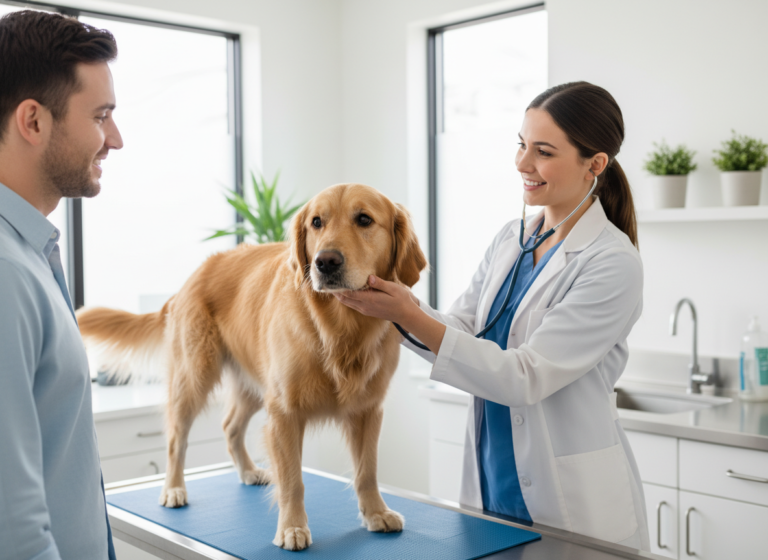
If you observe any of these signs, a veterinary consultation is essential before starting a new home care routine.
Safe vs. Unsafe: Deconstructing Toothpaste Ingredients
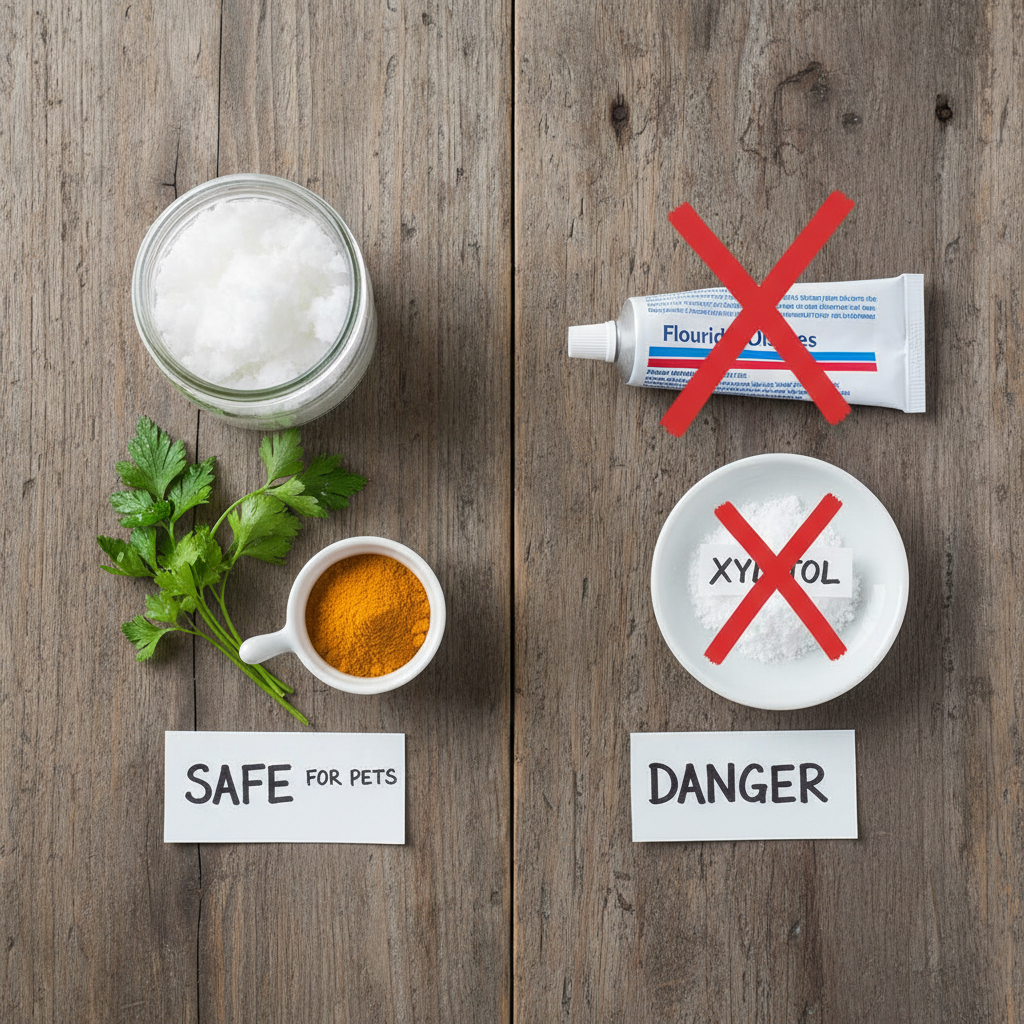
Before creating your own toothpaste, it is paramount to understand which ingredients are beneficial and which are dangerously toxic to dogs. Human toothpaste should never be used on a dog, as it contains several harmful substances.
Never use human toothpaste for your dog. Ingredients like xylitol and fluoride are highly toxic to canines and can cause severe illness or even death.
Understanding the ingredient landscape allows you to make informed decisions, whether you’re buying a commercial product or making one at home. Here is a breakdown of common ingredients to look for and those to avoid at all costs.
| Safe & Beneficial Ingredients | Dangerous & Harmful Ingredients |
|---|---|
| Coconut Oil: Contains lauric acid, which has natural antibacterial and anti-inflammatory properties that help reduce plaque-causing bacteria. | Xylitol: An artificial sweetener that is extremely toxic to dogs. It can cause a rapid, life-threatening drop in blood sugar (hypoglycemia) and liver failure. |
| Baking Soda (in moderation): A mild abrasive that helps to scrub away plaque. Its alkaline nature also helps neutralize odor-causing acids. Use sparingly as excessive amounts can upset a dog’s stomach. | Fluoride: While used in human dental care to strengthen enamel, it can cause severe stomach upset in dogs and is toxic in larger quantities. |
| Turmeric: Known for its powerful anti-inflammatory properties, which can help soothe irritated gums. It is also a natural teeth whitener. | Artificial Sweeteners (Sorbitol, etc.): While not as toxic as xylitol, other sweeteners can cause gastrointestinal distress and diarrhea. |
| Parsley & Mint: These herbs contain chlorophyll, a natural breath freshener that helps combat halitosis from the inside out. | Detergents (Sodium Lauryl Sulfate – SLS): These are foaming agents that can cause significant stomach and intestinal irritation in pets. |
| Kelp: Rich in an enzyme (Bacillus licheniformis) that can break down plaque and prevent tartar from forming on the teeth. | Artificial Colors and Dyes: Unnecessary additives that can cause allergic reactions or sensitivity in some dogs. |
Recipe 1: Basic Antibacterial Coconut Oil & Baking Soda Paste
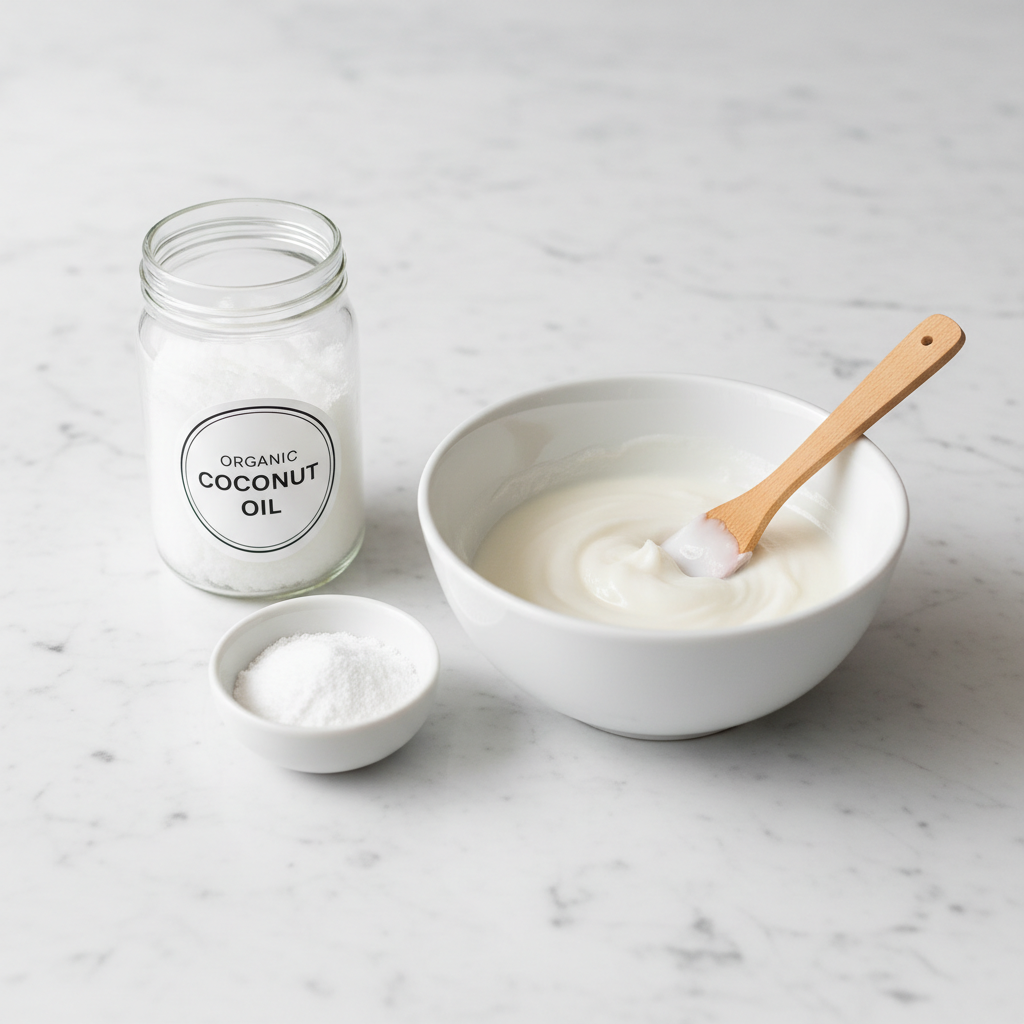
This is the foundational recipe for DIY dog toothpaste. It’s simple, effective, and uses only two primary ingredients known for their dental benefits. Coconut oil acts as a natural antibacterial agent, while baking soda provides gentle abrasion to scrub away plaque. This paste is ideal for dogs new to teeth brushing or for owners looking for a straightforward, no-fuss solution.
Ingredients:
- 2 tablespoons of organic, virgin coconut oil (in solid or semi-solid state)
- 1 teaspoon of baking soda
Instructions:
- Prepare the Coconut Oil: If your coconut oil is completely solid, gently warm it for a few seconds until it becomes soft and malleable, but not fully liquid. You want a paste-like consistency.
- Combine Ingredients: In a small glass jar or bowl, add the 2 tablespoons of softened coconut oil.
- Add Baking Soda: Sprinkle the 1 teaspoon of baking soda over the coconut oil.
- Mix Thoroughly: Using a small spoon or spatula, mix the ingredients together until they are fully combined and form a smooth paste. There should be no clumps of baking soda.
- Storage: Store the toothpaste in a sealed, airtight container (a small glass jar with a lid works perfectly) at room temperature. It will keep for several weeks.
Expert Tip: To make this paste more appealing to your dog, you can add a pinch of powdered beef or chicken bouillon (ensure it is low-sodium and contains no onion or garlic powder). This can help picky dogs accept the brushing process more readily.
Recipe 2: Advanced Breath-Freshening Turmeric & Parsley Gel
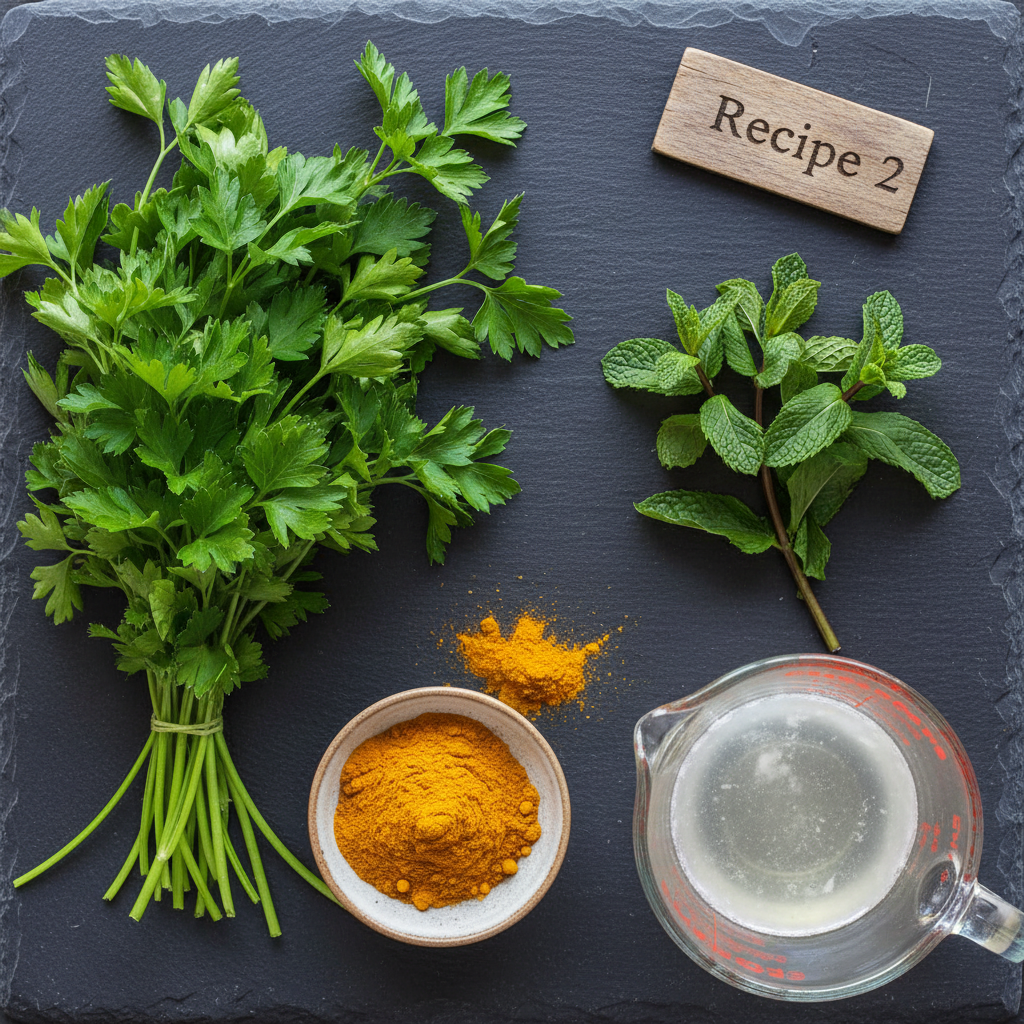
This recipe is designed specifically to combat bad breath while also providing anti-inflammatory benefits for the gums. Parsley and mint are natural breath fresheners packed with chlorophyll. Turmeric is a powerhouse anti-inflammatory that can help soothe gum irritation. The gel-like consistency from the coconut oil makes it easy to apply.
Ingredients:
- 1/4 cup of organic, virgin coconut oil
- 1 tablespoon of finely chopped fresh parsley
- 1/2 teaspoon of organic turmeric powder
- Optional: 5-6 fresh mint leaves, finely chopped
Instructions:
- Melt the Coconut Oil: In a small saucepan over low heat, gently melt the coconut oil until it is completely liquid. Be careful not to overheat it.
- Prepare the Herbs: While the oil is melting, wash and finely chop the fresh parsley and mint leaves (if using). The finer the chop, the better they will incorporate into the gel.
- Combine all Ingredients: Remove the melted coconut oil from the heat. Stir in the chopped parsley, mint, and turmeric powder. Mix vigorously to ensure all the ingredients are evenly distributed throughout the oil.
- Pour and Chill: Pour the mixture into a small, wide-mouthed glass jar or silicone ice cube tray (for single-serving portions). Place it in the refrigerator for 1-2 hours, or until it has solidified into a firm gel.
- Storage: This toothpaste must be stored in the refrigerator to maintain its solid consistency. It will last for 1-2 weeks.
A Note on Staining: Turmeric can cause temporary yellow staining on surfaces and, to a lesser extent, on the toothbrush bristles. This is normal and does not stain your dog’s teeth. Use a dedicated dog toothbrush for this recipe.
Recipe 3: Enzymatic Plaque-Fighting Kelp & Brewer’s Yeast Powder
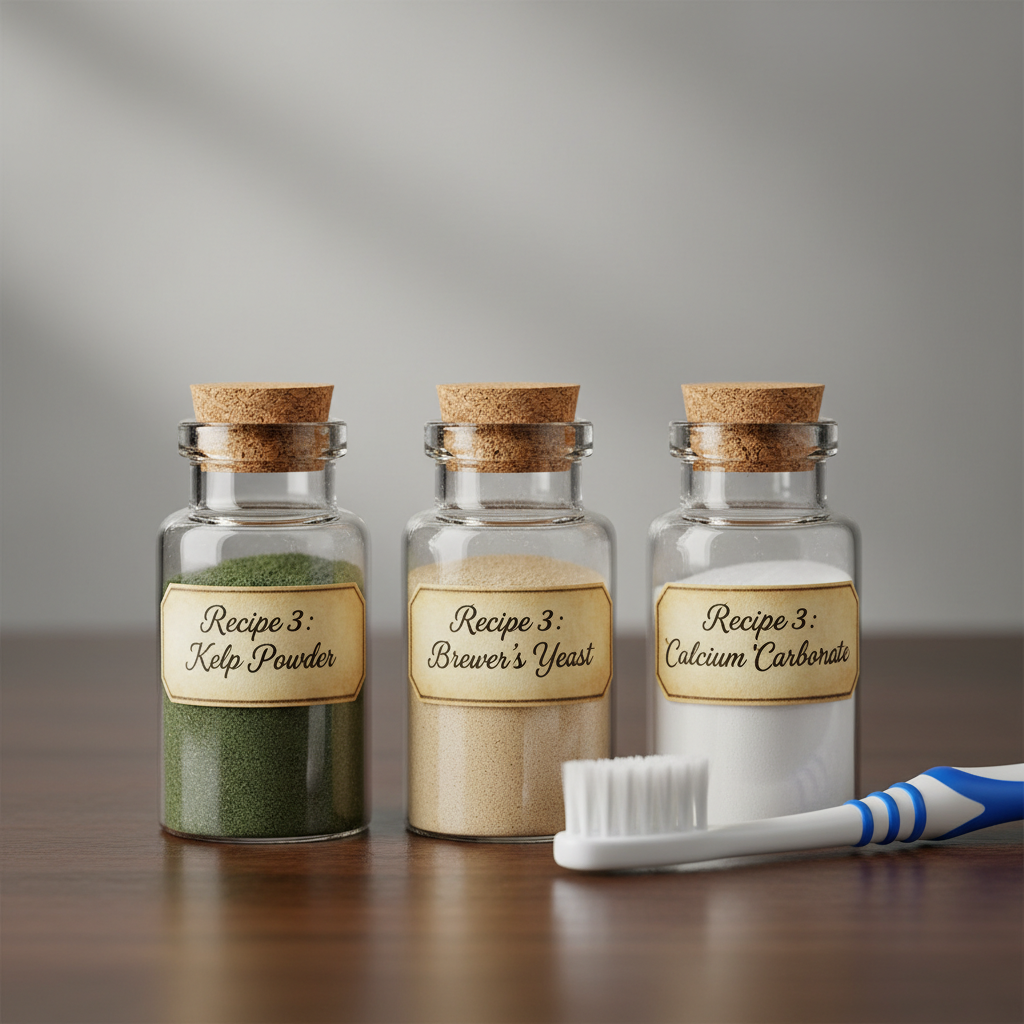
This recipe is a ‘powdered’ toothpaste that offers a different approach to dental cleaning. It leverages the natural enzymes found in kelp to break down existing plaque and prevent new tartar from adhering to the teeth. Brewer’s yeast not only adds a savory flavor that dogs love but is also rich in B vitamins. This powder can be applied with a damp toothbrush or even sprinkled on food for a passive dental benefit, although direct application is most effective.
Ingredients:
- 3 tablespoons of organic kelp powder
- 2 tablespoons of brewer’s yeast (ensure it does not contain garlic)
- 1 tablespoon of calcium carbonate powder (food grade, for gentle abrasion)
Instructions:
- Gather Dry Ingredients: In a clean, dry bowl, measure out the kelp powder, brewer’s yeast, and calcium carbonate powder.
- Mix Thoroughly: Use a whisk or a fork to combine the powders until they are a uniform color and consistency. It is important to break up any clumps to ensure an even mix.
- Store Properly: Transfer the finished powder to a dry, airtight container, such as a spice shaker or a small glass jar. Store it in a cool, dark place away from moisture. This powder has a long shelf life of several months if stored correctly.
How to Use:
To use this powdered toothpaste, simply wet your dog’s toothbrush with a small amount of water, dip the bristles into the powder to get a light coating, and then brush your dog’s teeth as you normally would. The moisture will form a paste directly on the brush.
Mastering the Technique: How to Brush Your Dog’s Teeth Effectively
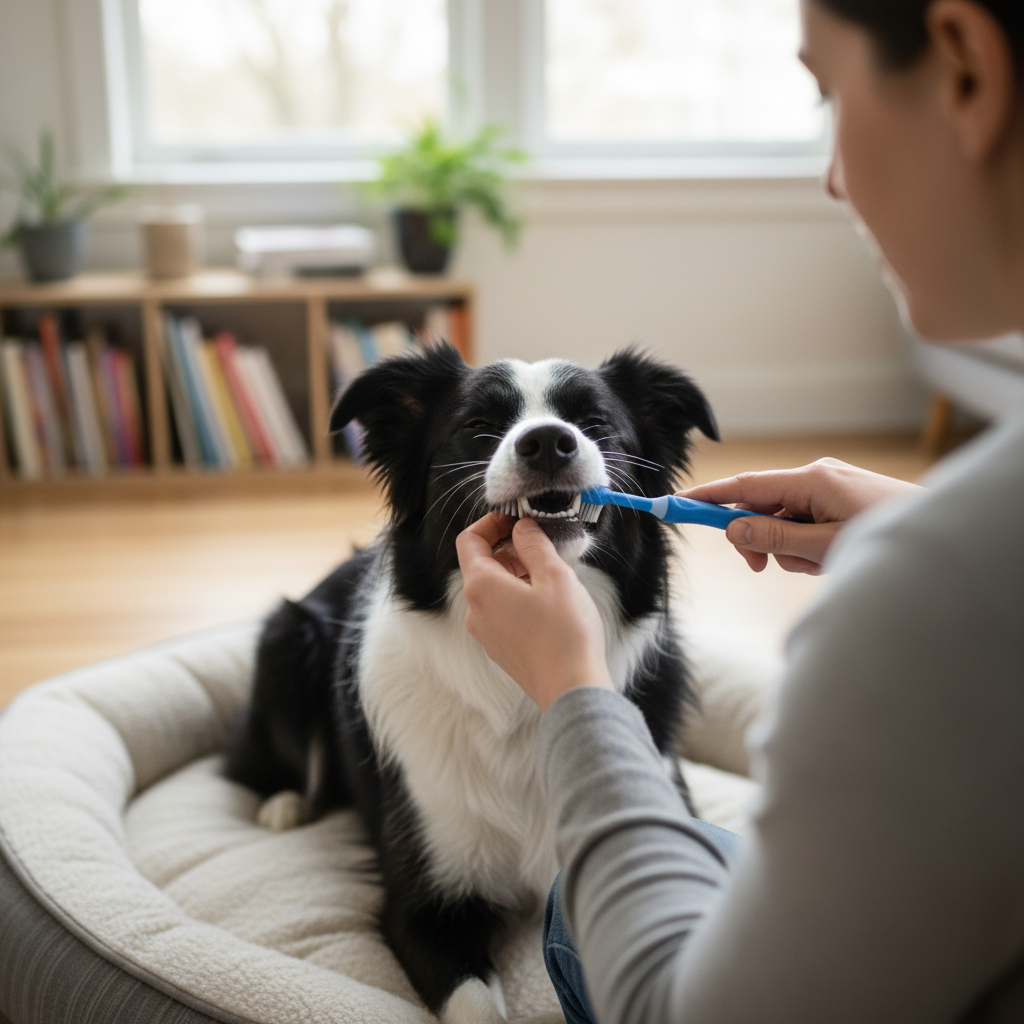
Having the best toothpaste is only half the battle; proper technique is essential for success. The goal is to make teeth brushing a positive, stress-free experience for both you and your dog. Patience and consistency are your greatest tools.
Step-by-Step Brushing Guide:
- Choose the Right Tools: Select a toothbrush designed for dogs. They come in various sizes, including finger brushes which are great for beginners and small dogs, and double-headed brushes for reaching all angles.
- Introduce the Paste: Start without the brush. Put a small amount of the DIY toothpaste on your finger and let your dog lick it off. Do this for a few days so they become accustomed to the taste and texture.
- Introduce the Toothbrush: Once your dog accepts the paste, apply a small amount to the toothbrush and let them lick it off. Don’t attempt to brush yet. The goal is to associate the brush with the positive experience of the tasty paste.
- Begin Brushing Gently: After a few more days, start to gently brush the front teeth (canines) in a circular motion. Lift your dog’s lip, but don’t force their mouth open. Praise them lavishly during and after. Keep these initial sessions very short—30 seconds is plenty.
- Move to the Back Teeth: As your dog becomes more comfortable, gradually move towards the back teeth (premolars and molars), where tartar buildup is most common. Angle the brush at 45 degrees to the gum line to clean effectively. You only need to focus on the outer surfaces of the teeth, as the dog’s tongue does a decent job of keeping the inner surfaces clean.
- Establish a Routine: Aim to brush your dog’s teeth daily, or at least 3-4 times a week. Consistency is what prevents plaque from hardening into tartar. Make it part of your daily routine, like after their evening walk.
Positive Reinforcement is Key: Always end the brushing session on a positive note with praise, a favorite toy, or a short play session. Never punish or scold your dog, as this will create a negative association with dental care.
When DIY Is Not Enough: Recognizing the Need for Professional Care
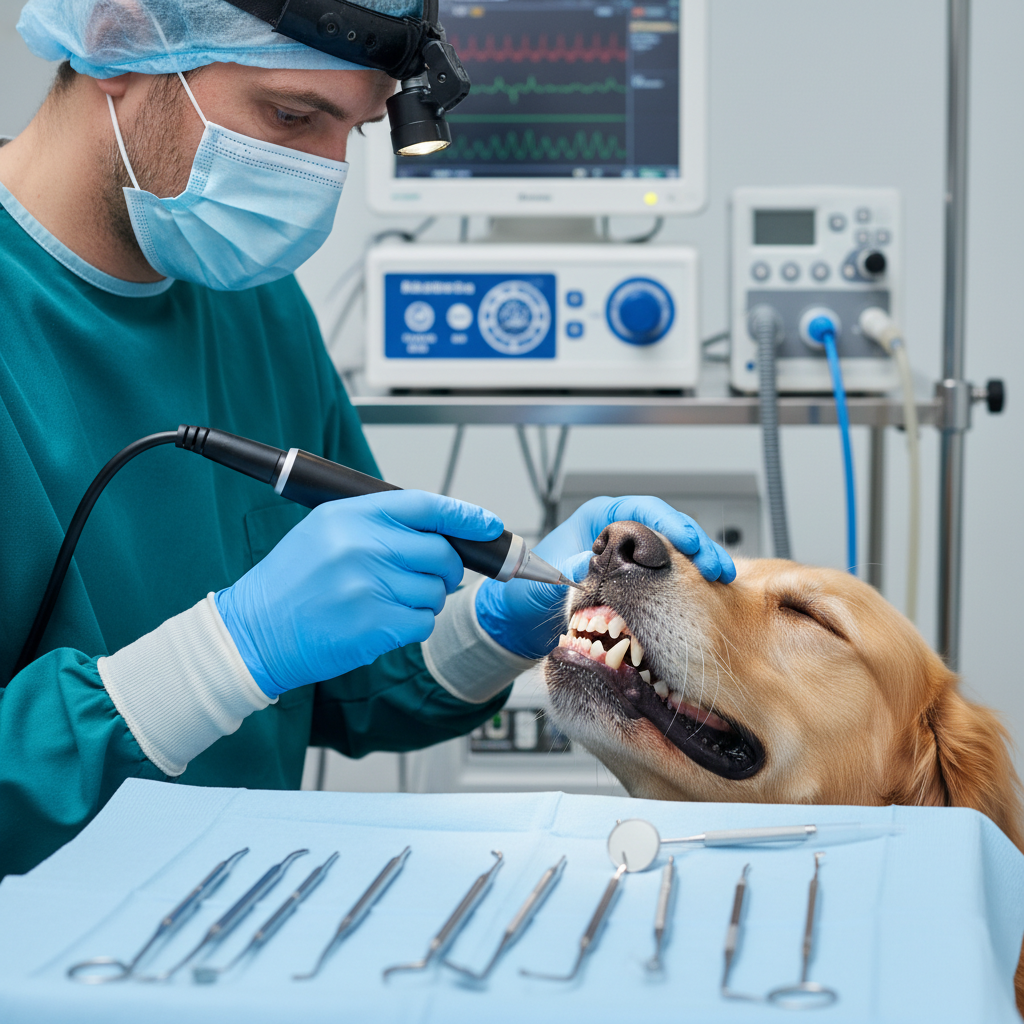
While DIY toothpaste and regular home brushing are excellent for preventative care, they cannot replace professional veterinary dental cleanings, especially once significant tartar has formed. Home brushing cleans plaque, but it cannot remove hardened calculus (tartar). Furthermore, certain conditions require a veterinarian’s expertise and equipment.
Consult Your Veterinarian Immediately If You Notice:
- Cracked or Broken Teeth: A fractured tooth is extremely painful and can lead to a root infection or abscess if not treated.
- Heavily Caked Tartar: If your dog’s teeth are covered in a thick, hard, brown layer, a professional cleaning under anesthesia is necessary to remove it safely and effectively.
- Loose Teeth: This is a sign of advanced periodontal disease and significant bone loss.
- Pus or Discharge from the Gums: This indicates a severe infection or abscess that requires veterinary intervention, often including antibiotics and potential tooth extraction.
- Facial Swelling: Swelling below the eye is a classic sign of an abscess in an upper root.
- Persistent and Severe Pain: If your dog is consistently showing signs of severe oral pain, stop home brushing and see a vet immediately.
Think of home care and professional care as a partnership. Your daily brushing routine maintains the clean slate provided by a professional veterinary dental cleaning, extending the time between necessary procedures and ensuring your dog’s mouth remains healthy for years to come.
Conclusion
Embracing a proactive approach to your dog’s dental health is one of the most significant contributions you can make to their long-term vitality. By choosing to create your own toothpaste, you are not only avoiding potentially harmful chemicals but also providing a tailored, natural solution for your pet’s specific needs. The three recipes provided—from a basic antibacterial paste to an advanced enzymatic powder—offer a versatile toolkit for any pet owner. However, the success of any dental care regimen hinges on consistency and proper technique. Make teeth brushing a positive and regular bonding activity. Remember to partner with your veterinarian, scheduling regular check-ups and professional cleanings as needed. A healthy mouth is the foundation of a healthy dog, and with these natural tools and knowledge, you are well-equipped to protect your companion’s pearly whites for a lifetime.