Did Your Dog Just Wink At You? What That Eye Flutter Really Means
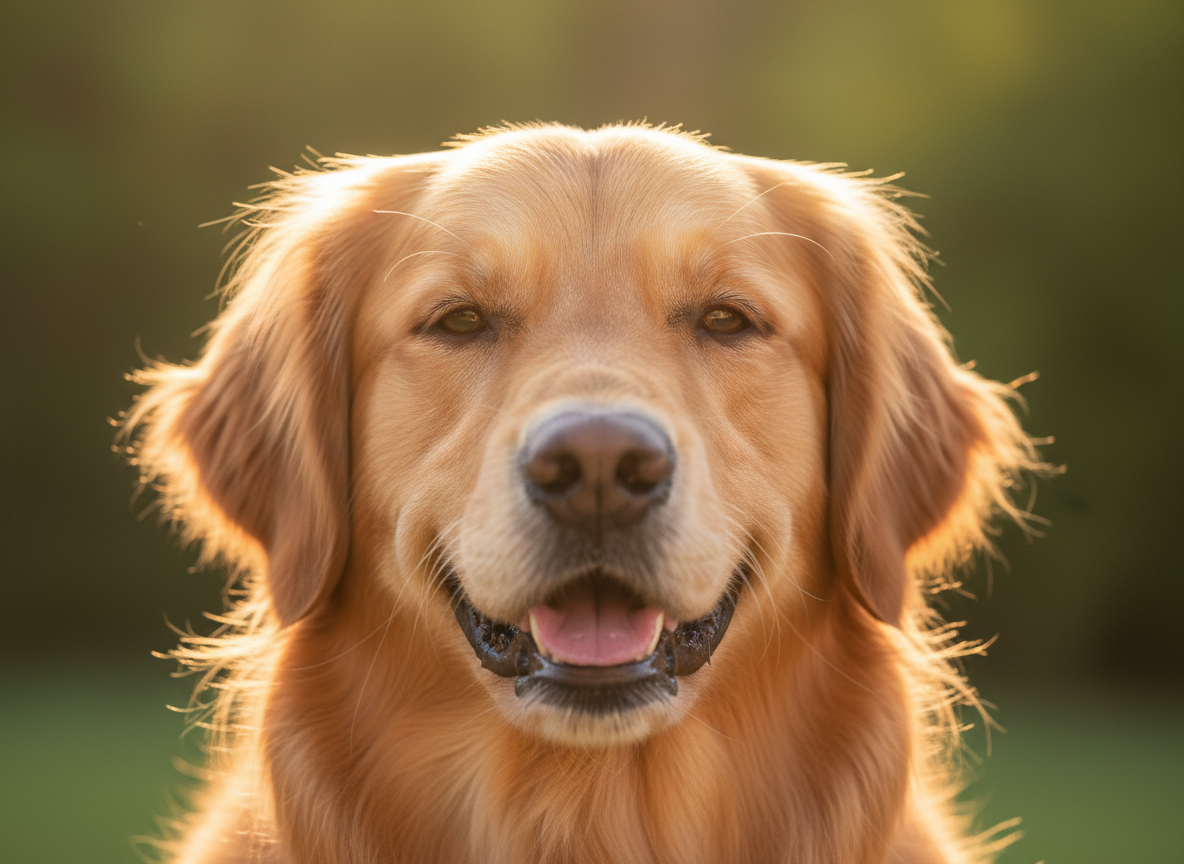
It’s a moment that can melt any dog owner’s heart. You’re sharing a quiet moment with your canine companion, and suddenly, they close one eye in what looks exactly like a deliberate wink. Is it a secret signal, a shared joke, or just a random muscle twitch? This seemingly simple gesture is a fascinating intersection of canine behavior, communication, and physiology. While often a benign and even endearing action, a dog’s wink can carry a spectrum of meanings, from a display of pure affection to a subtle cry for help.
Understanding the nuances of your dog’s body language is fundamental to providing them with the best possible care. The eyes, in particular, are powerful tools for communication in the canine world. This article will serve as your comprehensive guide to decoding the dog wink. We will explore the behavioral science behind this action, differentiating between affectionate signals and learned behaviors, and delve into the critical medical conditions that can manifest as an eye flutter. By the end, you will be equipped to interpret your dog’s wink with confidence and know precisely when it’s a moment to cherish and when it’s a signal to consult your veterinarian.
The Language of Eyes: Decoding Canine Communication
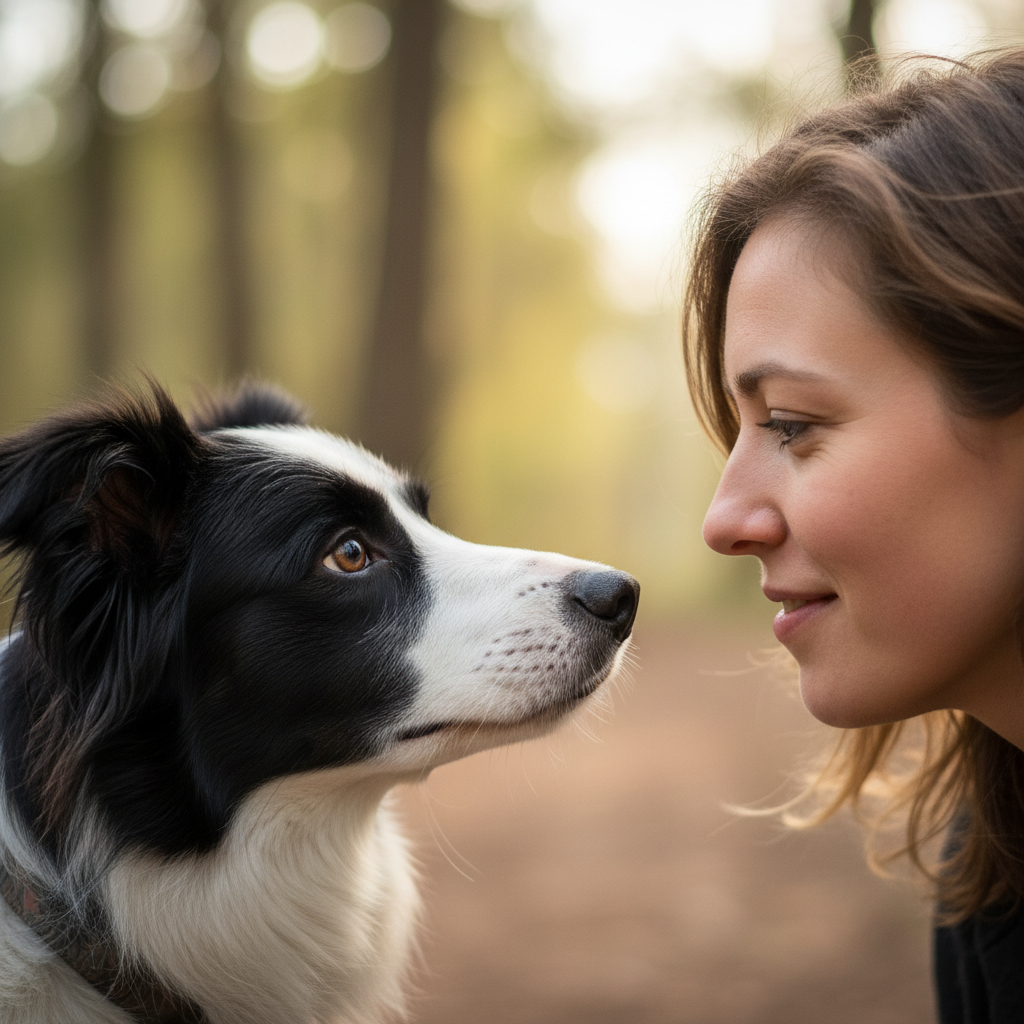
Before we can understand the specific act of winking, it’s essential to appreciate the broader role of eyes in canine communication. Unlike humans, who rely heavily on verbal language, dogs are masters of non-verbal cues. Their entire body, from the tip of their tail to the flick of their ears, is constantly sending signals. The eyes are one of the most expressive and vital components of this system.
Direct eye contact in the canine world can be a complex issue. A hard, unblinking stare is often interpreted as a challenge or threat, a display of dominance that can precede aggression. This is why trainers and behaviorists frequently advise against staring down an unfamiliar or anxious dog. Conversely, a soft gaze, where the eyes are relaxed and the dog may even blink slowly, is a sign of trust and comfort. When a dog willingly makes gentle eye contact with you, they are expressing their confidence in your relationship.
Key Forms of Eye Communication:
- Averting Gaze: This is a common appeasement gesture. A dog that looks away is signaling that it is not a threat and wishes to avoid conflict. It’s a polite way of showing deference.
- Whale Eye: This occurs when a dog turns its head away but keeps its eyes fixed on something, revealing the whites of the eyes (the sclera). This is a clear indicator of stress, anxiety, or fear. The dog is monitoring a perceived threat while simultaneously signaling its discomfort.
- Dilated Pupils: While often a reaction to low light, suddenly large pupils can also indicate a state of high arousal, which could be fear, excitement, or aggression. Context is crucial for interpretation.
A wink or a slow blink fits into this intricate system as a powerful de-escalation signal. It breaks the intensity of a direct stare, transforming a potential challenge into a gesture of peace. It’s the canine equivalent of a disarming smile, designed to tell other dogs—and their human family—that their intentions are friendly and non-threatening.
The Affectionate Wink: A Sign of Peace and Submission
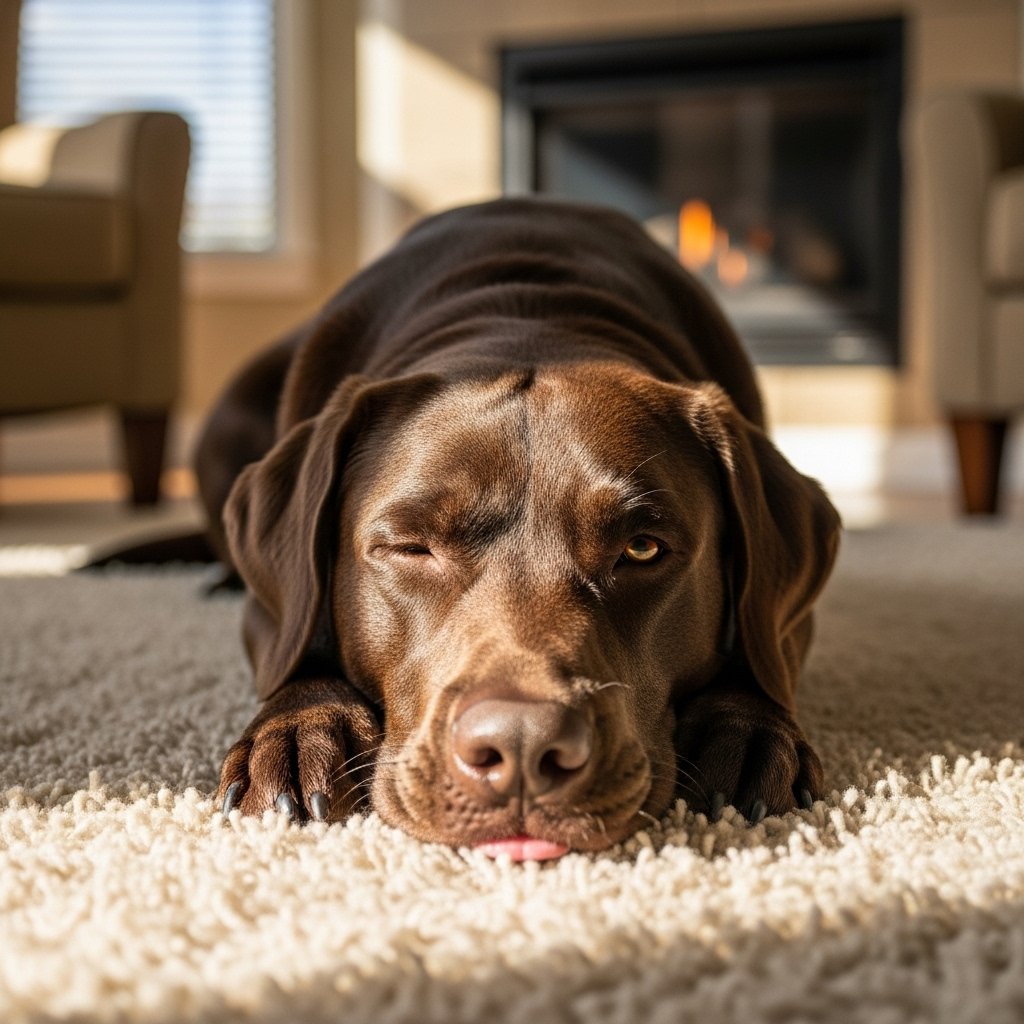
The most common and heartwarming interpretation of a dog’s wink is that it is a deliberate, social signal of affection and trust. Often called a ‘calming signal’ by canine behaviorists, this slow, intentional closing of one or both eyes is a dog’s way of saying, ‘I am comfortable with you, and I am not a threat.’ It effectively breaks the tension of direct eye contact, which, as we’ve discussed, can be confrontational in the animal kingdom.
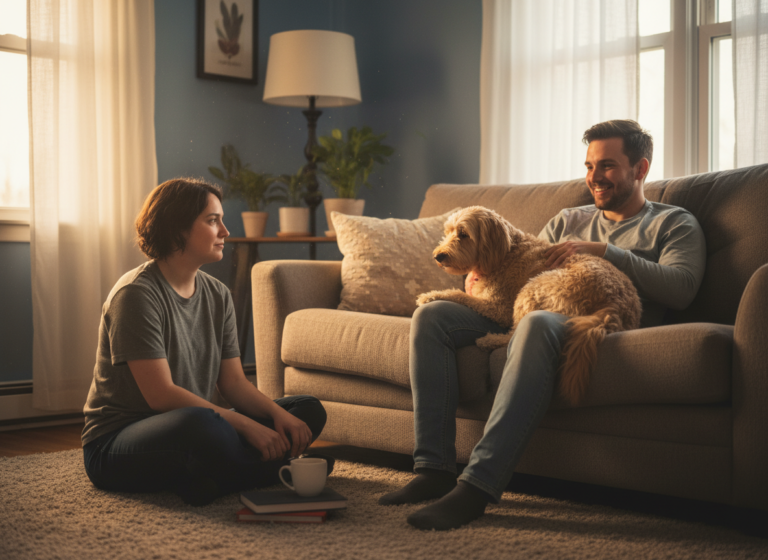
Think of it from your dog’s perspective. By momentarily obscuring their vision, even for a second, they are making themselves vulnerable. This act of vulnerability is a profound display of trust. They are so secure in your presence that they feel safe enough to let their guard down. This gesture is particularly common in dogs that have a strong bond with their owners and often occurs during relaxed moments, such as when you are cuddling on the sofa or speaking to them in a soft, soothing tone.
A slow wink from a relaxed dog is one of the highest compliments they can pay you. It is a conscious choice to break a stare and communicate peace, trust, and contentment.
Furthermore, some experts believe that dogs may learn to wink by mimicking their humans. Dogs are incredibly perceptive and are adept at learning which of their behaviors elicit a positive response. If your dog happens to blink one eye and you react with praise, laughter, or affection, they may associate the action with a positive outcome and begin to repeat it. This form of social learning strengthens the bond between you and your pet, turning a simple reflex into a shared, private communication.
When a Wink Isn’t a Wink: Medical Reasons for Eye Closing
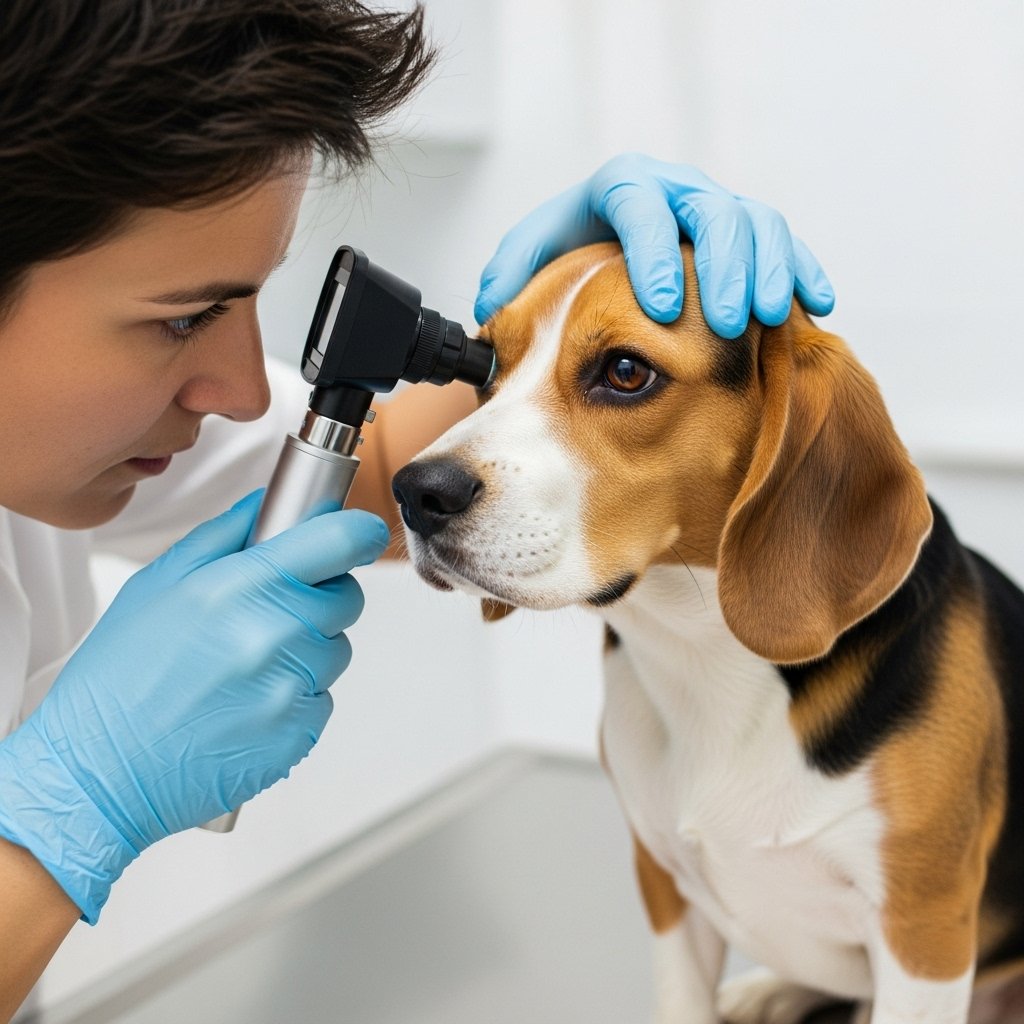
While a wink is often a charming behavioral quirk, it is imperative for responsible pet owners to recognize when it may signal an underlying medical problem. An involuntary or frequent closing of one eye can be a symptom of pain, irritation, or a more serious ocular condition. Ignoring these signs can lead to worsening conditions, vision impairment, or significant discomfort for your dog. If you notice your dog winking excessively, or if the ‘wink’ is accompanied by other symptoms, a veterinary examination is crucial.
Common Medical Causes for Unilateral Eye Closing:
- Foreign Body or Irritant: This is one of the most common causes. A speck of dust, a stray eyelash, a blade of grass, or even a bit of dirt can get trapped in the eye, causing irritation and prompting your dog to blink or squint to try and dislodge it.
- Corneal Abrasion (Scratched Cornea): A scratch on the surface of the eye is painful and can be caused by trauma, rubbing the eye on a rough surface, or a foreign object. This will cause persistent squinting, redness, and tearing.
- Conjunctivitis (Pink Eye): An inflammation of the tissue lining the eyelids, conjunctivitis can be caused by allergies, viruses, or bacteria. It results in a red, swollen, and often goopy eye, leading to excessive blinking or squinting.
- Entropion: This is a genetic condition where the eyelid rolls inward, causing the eyelashes to rub against the cornea. It is a constant source of irritation and pain, leading to what appears to be a persistent wink or squint. It is more common in certain breeds like Shar-Peis, Bulldogs, and Rottweilers.
- Blepharospasm: This is the medical term for an involuntary twitching or spasm of the eyelid muscle. While it can be benign, it can also be a sign of an underlying neurological issue or severe eye pain.
- Dry Eye (Keratoconjunctivitis Sicca – KCS): This condition occurs when the eye does not produce enough tears to stay lubricated. The resulting dryness causes irritation, a sticky discharge, and chronic squinting.
- Glaucoma: Increased pressure within the eye is a serious and painful condition that can rapidly lead to blindness. One of the early signs can be pain that manifests as squinting or holding the eye closed.
Distinguishing between a behavioral wink and a medical squint is about context and observation. A quick, relaxed wink during a happy interaction is worlds away from a dog persistently holding its eye shut while showing other signs of distress.
Observation is Key: Differentiating Behavior from a Health Concern
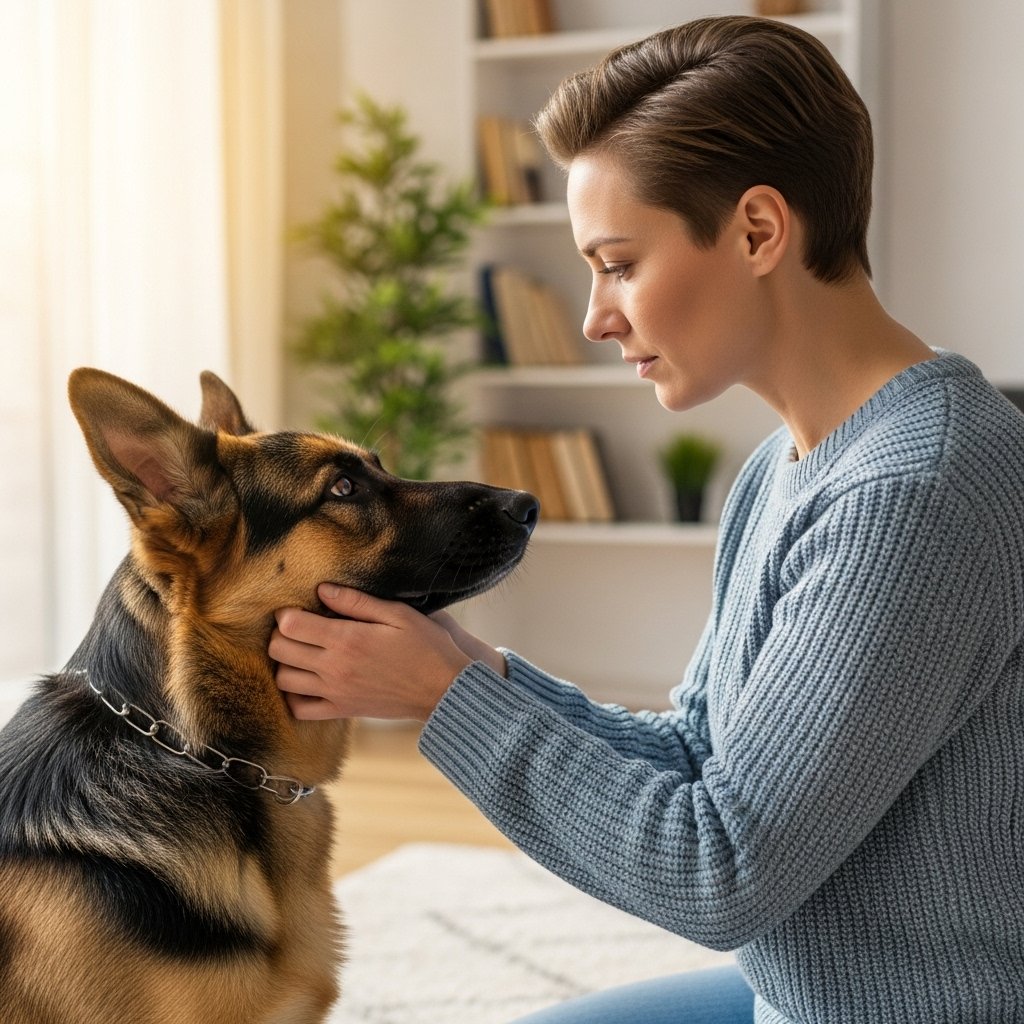
As a pet owner, you are the first line of defense in protecting your dog’s health. Your ability to observe your dog’s normal behavior and recognize deviations is critical. When it comes to a wink, context is everything. To determine if you’re witnessing a charming communication or a symptom of a health issue, you need to become a careful observer. Ask yourself a series of questions: What else is happening when my dog winks? What does the rest of their body language look like? Are there any other physical signs around the eye itself?
A behavioral wink is typically a fleeting, relaxed gesture. It happens, and then it’s over. The dog’s overall demeanor is calm, happy, or playful. A medical issue, however, usually presents with more persistent signs and is often accompanied by other symptoms of discomfort. Use the following table to help you distinguish between the two scenarios.
| Sign/Context | Behavioral Wink (Likely Benign) | Medical Squint (Potential Concern) |
|---|---|---|
| Frequency | Occasional, not repetitive. | Frequent, persistent, or happening in long bouts. |
| Associated Body Language | Relaxed posture, soft ears, gentle tail wag, loose body. | Tense posture, head shy, pawing or rubbing at the face. |
| Timing | Often occurs during positive social interactions (e.g., petting, talking). | Can happen at any time, including when the dog is at rest. |
| Physical Signs (The Eye) | The eye appears clear, white, and bright. No discharge or redness. | Redness, swelling, cloudiness, or a visible discharge (clear, yellow, or green). |
| Other Symptoms | No other symptoms are present. The dog is acting normally. | Sensitivity to light (photophobia), excessive tearing (epiphora), visible third eyelid. |
| Your Dog’s Reaction | The dog seems happy and content. | The dog may seem lethargic, irritable, or in obvious discomfort. |
When to See a Veterinarian Immediately
While a single odd wink is rarely an emergency, you should seek immediate veterinary care if the squinting is accompanied by any of the following:
- Obvious trauma to the eye or head.
- A visible foreign object in the eye that you cannot flush out.
- The eye appears cloudy, blue, or bulging.
- Your dog is in severe pain, yelping when their head is touched.
- A sudden and complete inability to open the eye.
These can be signs of serious conditions like glaucoma or a deep corneal ulcer that threaten your dog’s vision and require urgent medical intervention.
Conclusion
The simple flutter of a dog’s eyelid is a testament to the complex and wonderful world of canine communication. That wink can be a profound expression of love and trust, a secret language shared between you and your loyal companion. It can be a playful, learned trick designed to win your affection or a deliberate signal to calm a situation and express peaceful intentions. These are the moments of connection that make the human-animal bond so uniquely rewarding.
However, it is our responsibility as caregivers to remain vigilant. We must also recognize that this same action can be an involuntary response to pain or a symptom of a serious medical condition. By understanding the difference—by observing the context, monitoring for accompanying symptoms, and trusting your intuition—you can effectively advocate for your pet’s well-being. A behavioral wink is a joy to be celebrated, but a medical squint is a call to action.
Ultimately, your dog relies on you to interpret its world and its needs. Whether their wink is saying ‘I love you’ or ‘my eye hurts,’ being able to understand the message is the greatest gift you can give them. When in doubt, the safest and most loving course of action is always to consult with your veterinarian. They can provide a definitive diagnosis and ensure that your companion’s eyes remain healthy, bright, and ready to share many more affectionate winks for years to come.