Did Your Dog Just “Air Snap”? Why It’s Actually a Good Sign
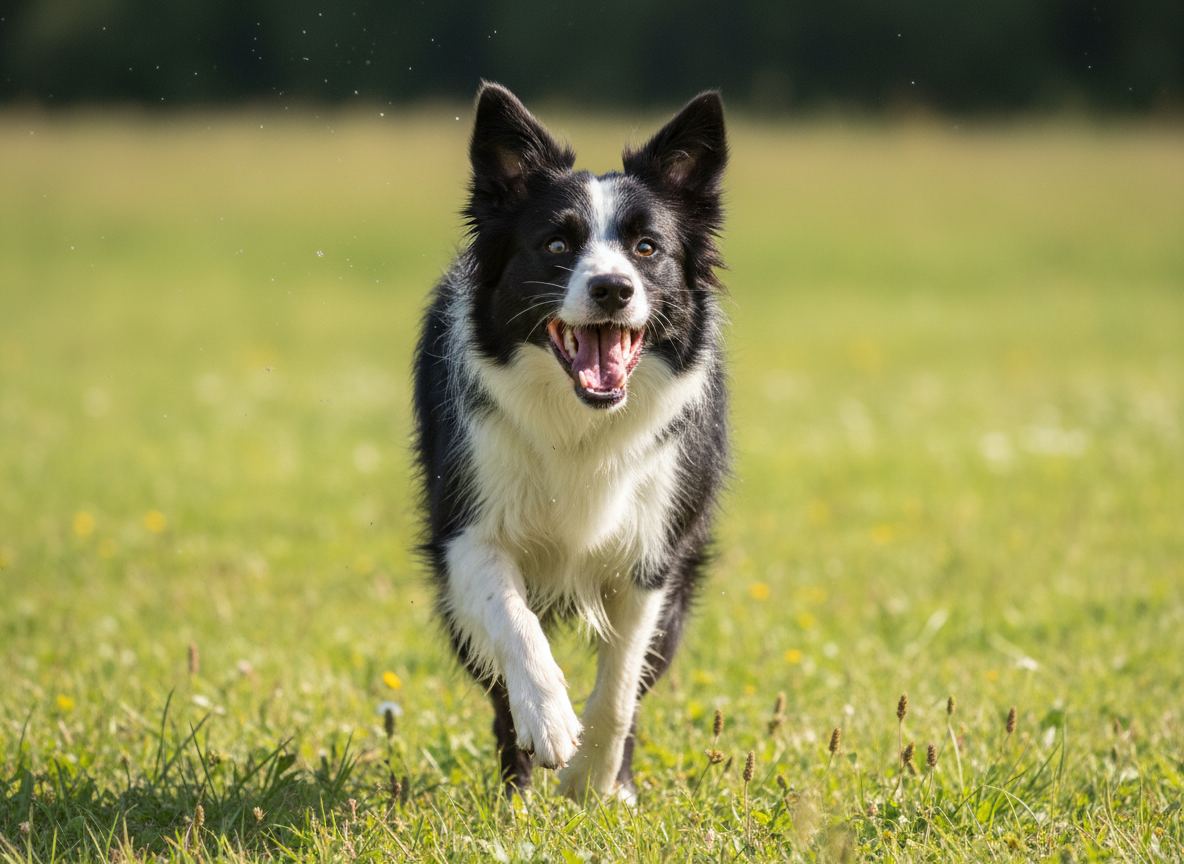
The sound is sharp, sudden, and unmistakable: the click of your dog’s jaws snapping shut. But when you look, they haven’t bitten anything—or anyone. They’ve snapped at the air. For many pet owners, this moment is filled with confusion and concern. Is it a warning? A sign of aggression? A strange habit? This behavior, known as ‘air snapping,’ is one of the most misunderstood signals in the canine communication repertoire. While it can be startling, it is very rarely a precursor to a bite. In fact, in most contexts, it’s a sophisticated and controlled signal—a form of communication that, once understood, can be seen as a good sign of a dog who is trying to express itself clearly.
This comprehensive guide will demystify the air snap. We will explore its function as a vital communication tool, differentiate it from genuine aggression, and provide you with the knowledge to interpret your dog’s intentions accurately. By learning to read this signal, you can strengthen your bond, build trust, and respond to your dog’s needs more effectively than ever before.
Decoding the Air Snap: A Form of Canine Communication
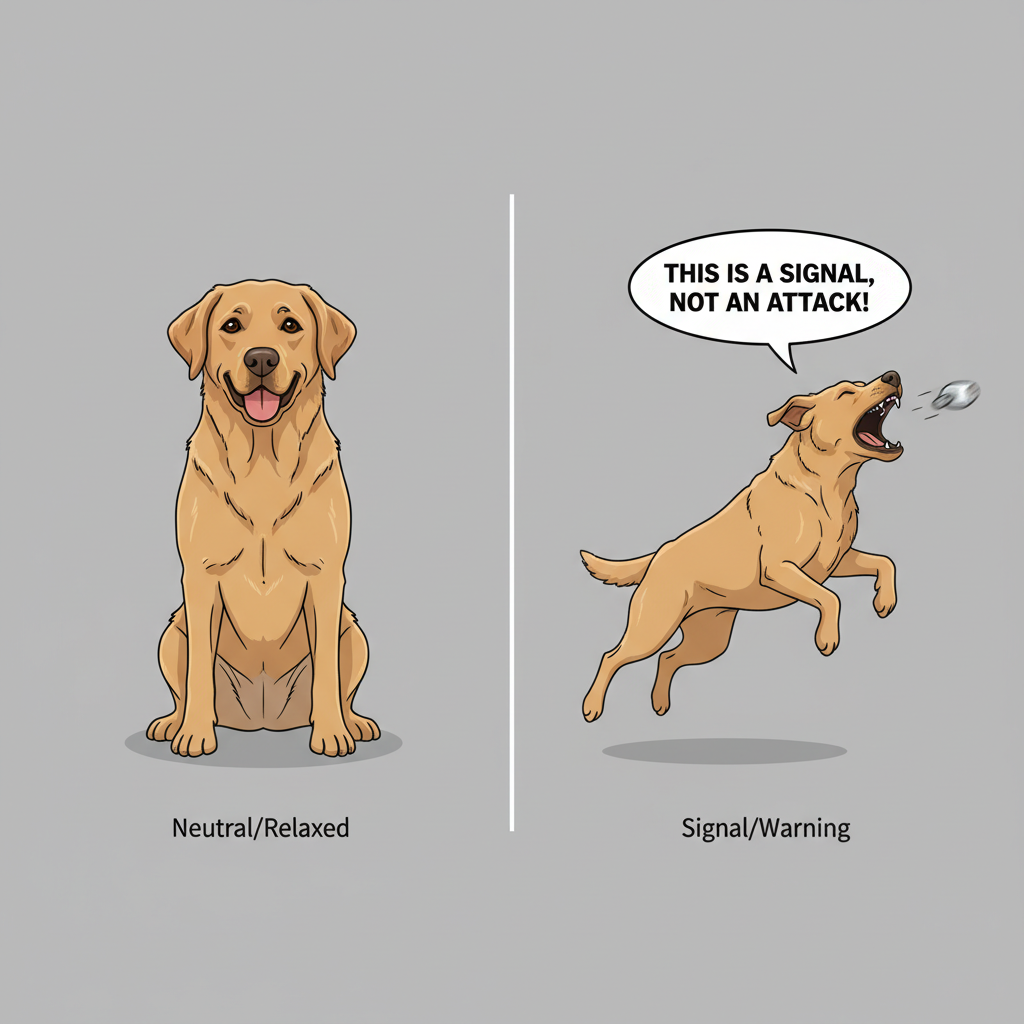
Before we can interpret the ‘why,’ we must first understand the ‘what.’ An air snap is technically defined as a high-velocity, audible closing of the jaws that does not make physical contact with a target. It is a deliberate and often precise action. Unlike an aggressive lunge or a bite attempt, which is intended to connect, the air snap is designed specifically not to connect. It is communication through sound and motion.
Think of it as a form of non-verbal punctuation in a dog’s language. Humans use gestures like holding up a hand to say ‘stop’ or waving to say ‘hello.’ Dogs use their entire bodies to communicate, and the air snap is a distinct tool in their vocabulary. It is more emphatic than a simple look away but significantly less severe than a growl, snarl, or bite. It’s a way for a dog to say, “Hey, I need you to pay attention to this right now.”
Expert Tip: The key differentiator between an air snap and a bite attempt is intent and follow-through. An air snap is a controlled, self-limiting action. A dog that intends to bite will typically lunge forward with its body and will not deliberately miss its target.
Understanding this distinction is the first step. Your dog is not ‘missing’ on purpose; the miss is the purpose. They are using the minimum force necessary to send a clear message, which is a sign of good bite inhibition and social awareness.
The Positive Intent Behind the Snap: Common Scenarios
The title of this article promises that air snapping is often a good sign, and that holds true across several common contexts. The ‘good’ part is that your dog is choosing a non-violent method to communicate a need or emotion. Here are the most prevalent reasons for a communicative air snap:
A Request for Space (A Distance-Increasing Signal)
This is perhaps the most common and important function of the air snap. When a dog feels crowded, uncomfortable with handling, or protective of a resource (like a toy or food bowl), it may use an air snap as a polite but firm request for distance. It’s a warning shot that says, “You’re too close. Please respect my personal bubble.” This is a fantastic communication signal because the dog has chosen a non-contact method to resolve its discomfort. It could have growled, snarled, or bitten, but instead, it chose a warning. Acknowledging and respecting this signal by giving the dog space will build immense trust.
Excitement and Play Initiation
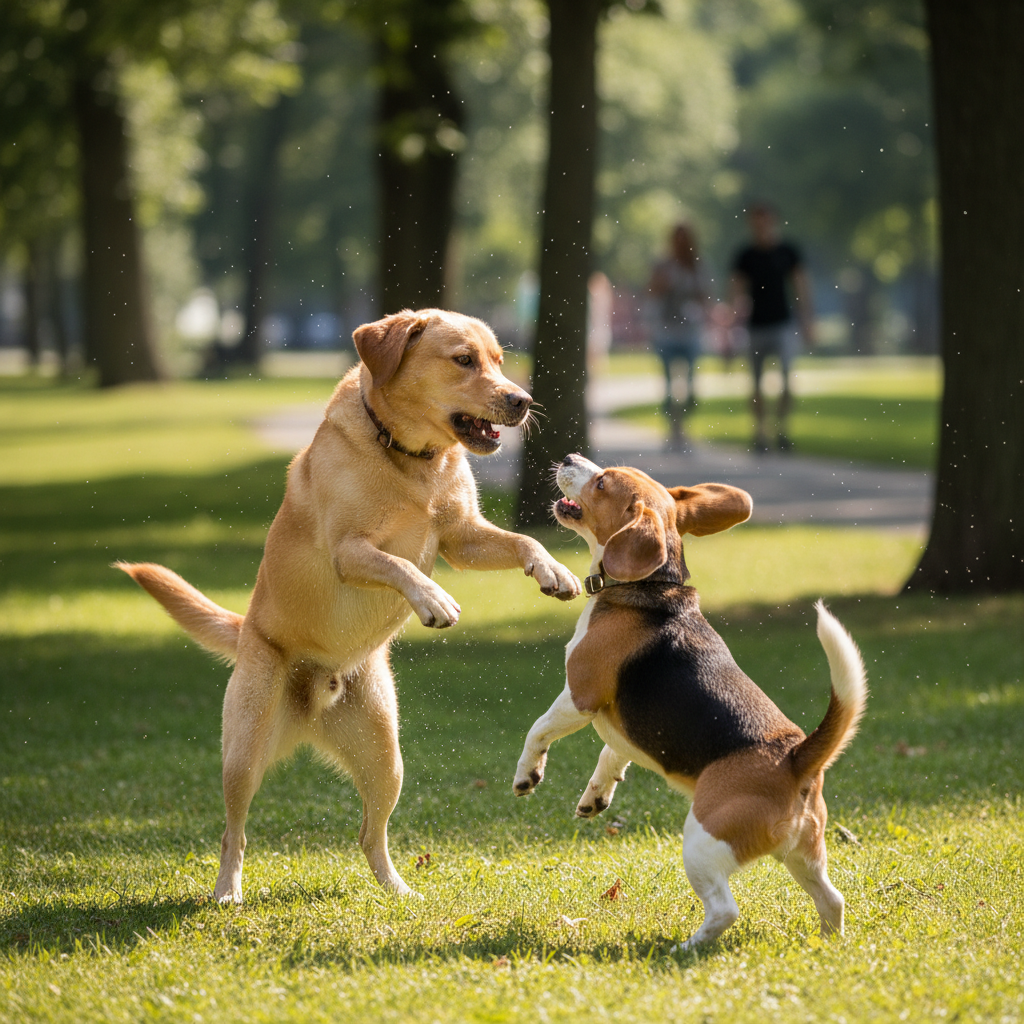
During a spirited play session, you may see dogs air snapping at each other or even at you. In this context, the body language is entirely different. The dog will be loose, wiggly, and may perform a play bow. Here, the air snap is a punctuation of excitement, like a human shouting “Woo!” or “Let’s go!” It can be used to initiate a game of chase or to show enthusiasm during wrestling. It’s a key part of the playful, sometimes rowdy, dialogue between well-socialized dogs.
Learned Attention-Seeking Behavior
Dogs are intelligent learners. If an air snap once got a big reaction from you—even a negative one—your dog might have learned that it’s a highly effective way to get your immediate attention. If your dog snaps at the air and then looks directly at you, waiting for a response, it may be that they want you to play, feed them, or let them outside. This is less of a ‘good’ signal in that it’s a potentially annoying habit, but it’s ‘good’ in the sense that it’s not rooted in fear or aggression.
Frustration or Over-Arousal
Sometimes, a dog’s brain moves faster than its body or its environment. A dog that is frustrated because it can’t solve a puzzle toy, or is held back on a leash from greeting another dog, might perform an air snap. This is a displacement behavior—a way to release pent-up energy and arousal. It’s similar to a person muttering under their breath or gesturing in frustration. It’s a sign that your dog is reaching its emotional threshold and may need help calming down or a break from the stimulating situation.
Reading the Full Picture: When to Be Concerned
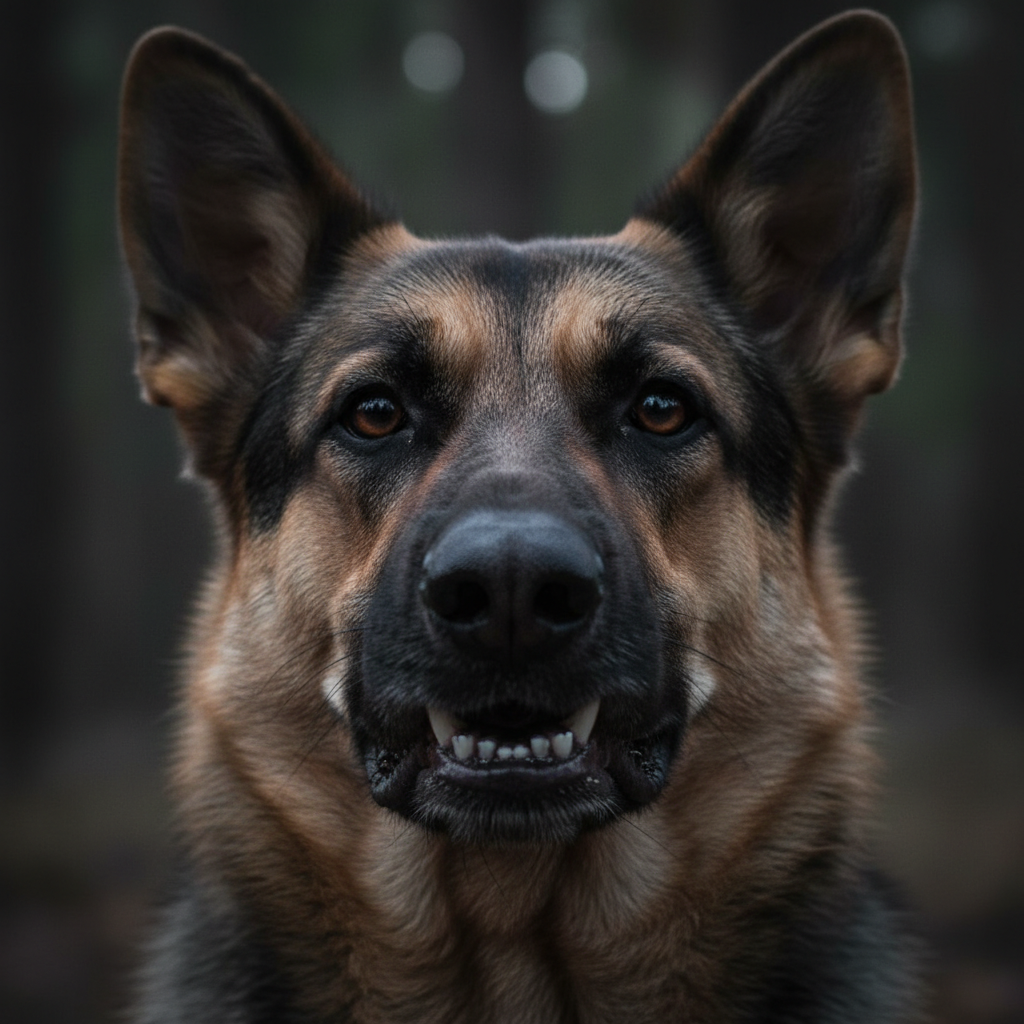
While most air snaps are communicative, it is crucial for owners to understand that they can also be part of a larger sequence of aggressive warnings. The air snap itself is not the red flag; the accompanying body language and context are. A dog on the path to aggression will give many signals, and an air snap might be one of them. Your job is to be a skilled observer of your dog’s complete message.
An aggressive or fearful dog’s air snap will be accompanied by other ‘distance-increasing’ signals that are much more serious. These include a stiff, rigid body posture, a hard, unblinking stare, growling, snarling (lifting the lips to expose teeth), and piloerection (raised hackles). If you see these behaviors, the air snap is not a polite request; it is a final warning before a potential bite. It’s essential to differentiate between these two scenarios.
| Signal Aspect | Communicative Air Snap | Aggressive Warning Snap |
|---|---|---|
| Body Posture | Loose, relaxed, wiggly, or a neutral stance. | Stiff, rigid, tense, body weight shifted forward. |
| Facial Expression | Soft eyes, relaxed mouth (when not snapping), neutral ears. | Hard stare, dilated pupils, curled lips (snarl), ears pinned back. |
| Vocalization | Usually silent, or may be accompanied by play yips. | Often accompanied by a low growl or a deep snarl. |
| Context | Play, excitement, mild discomfort with handling, or attention-seeking. | Guarding resources, reacting to a perceived threat, fear, or pain. |
| Meaning | “Let’s play!”, “I’m excited!”, “Please give me space.”, “Pay attention to me!” | “Back off NOW or I will bite you.” |
If you observe the signs in the ‘Aggressive Warning Snap’ column, you should not ignore them. Immediately create space between your dog and the trigger. Do not punish the dog for warning you. The growl and snap are vital communications that tell you the dog is past its threshold. Seek professional help from a certified veterinary behaviorist or a positive reinforcement-based trainer to address the underlying cause of the fear or aggression.
Your Role as the Observer: How to Respond Appropriately
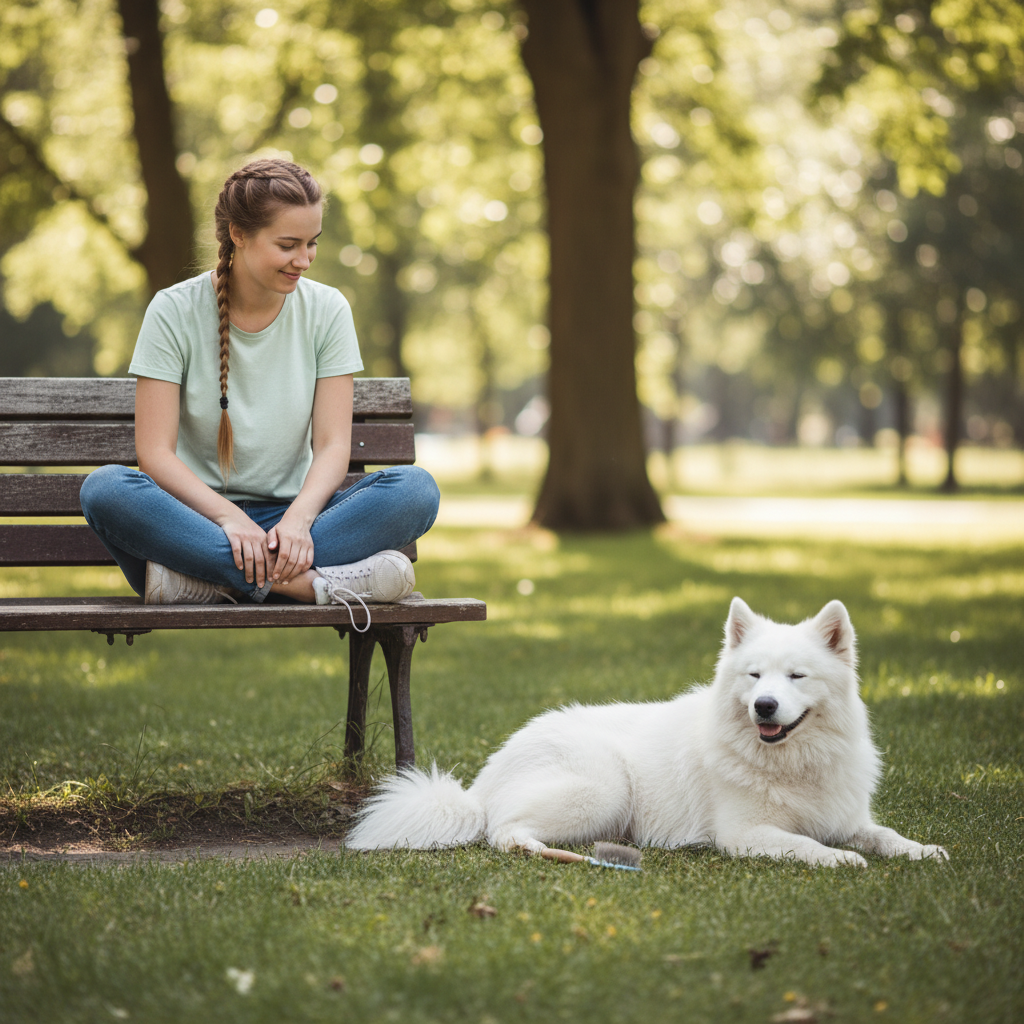
Your response to an air snap should be dictated entirely by the context you’ve just learned to read. A thoughtful reaction builds trust, while an incorrect one can damage your relationship or exacerbate a problem.
- If it’s a request for space: The best response is respect. If you are petting your dog and it air snaps, stop petting and allow the dog to move away. You have just taught your dog that its polite communication works, making it less likely to escalate to a bite in the future. Teach family members, especially children, to recognize and respect this signal.
- If it’s for play or excitement: Engage! If the context is appropriate and the body language is happy, reciprocate the play. Throw a ball, initiate a tug game, or simply praise your dog’s happy energy. This validates their feelings and strengthens your bond through shared fun.
- If it’s attention-seeking: This is a behavior you likely want to extinguish. The key is to ignore the snap itself and reward the behavior you do want. When the snap happens, turn away or remain neutral. The moment your dog offers a calmer behavior, like sitting or lying down, reward it with the attention it was seeking. This teaches your dog a more polite way to ask.
- If it’s due to frustration: Be your dog’s advocate. If your dog is frustrated on a leash, create more distance from the trigger. If a training session is becoming too difficult, end on an easy, successful cue and take a break. Help your dog learn to manage its arousal levels by removing them from overwhelming situations before the snapping starts.
Beyond Behavior: Ruling Out Medical Causes
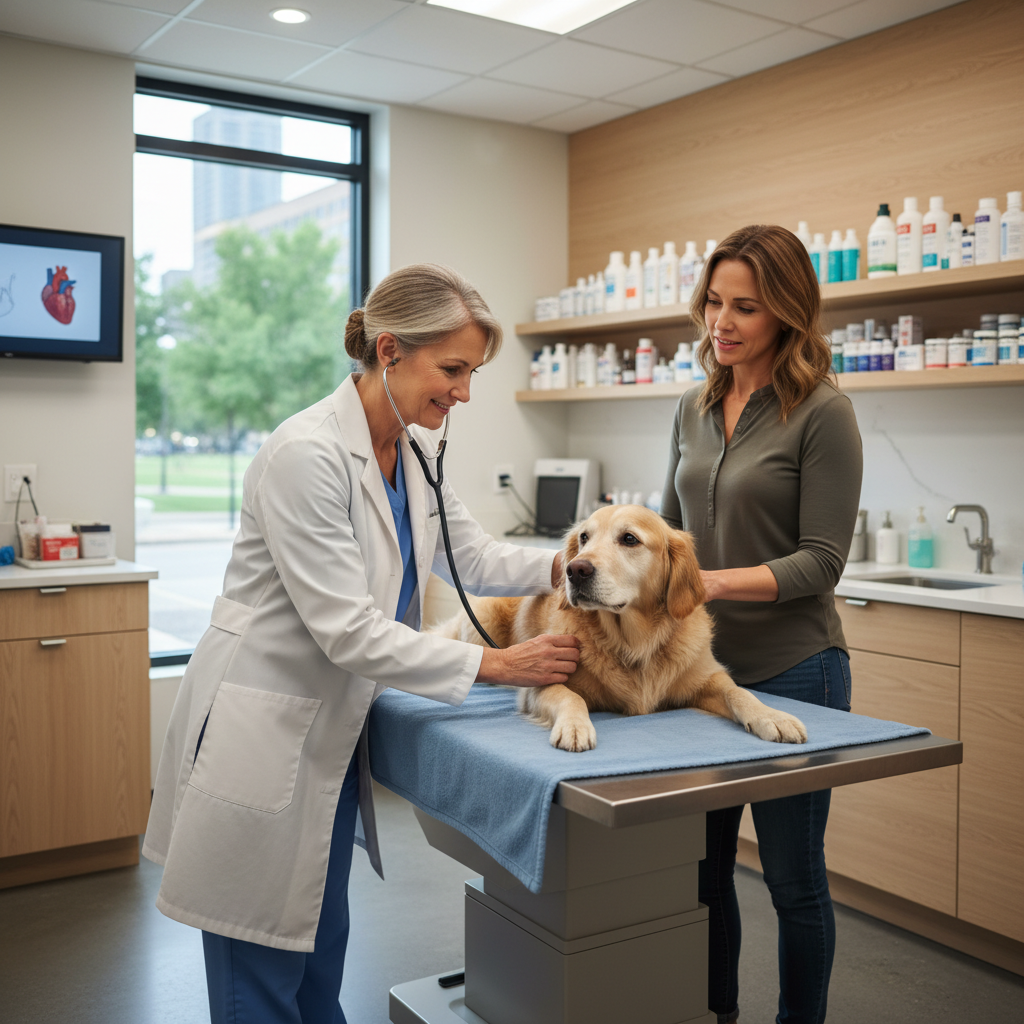
While the vast majority of air snapping is behavioral, there are rare instances where it can be linked to an underlying medical condition. It’s crucial to consider these possibilities, especially if the behavior is new, has no obvious trigger, or seems involuntary.
One condition to be aware of is often called “fly-biting” or “fly-snapping” syndrome. In this case, a dog appears to be snapping at imaginary flies. This can be a symptom of a partial or focal seizure, a neurological issue originating in the brain. It can also be related to gastrointestinal distress or even eye problems (floaters). If you observe your dog snapping at nothing repeatedly, especially if they seem dazed or disoriented afterward, a veterinary consultation is essential. Recording a video of the episode can be incredibly helpful for your veterinarian.
Additionally, pain can cause a dog to snap. A dog with a painful tooth, a sore neck, or an arthritic joint might snap if touched near the sensitive area. This is a reflexive, defensive action. If your normally placid dog suddenly begins air snapping when you approach or handle it, a thorough physical exam by a veterinarian is the first step to rule out a source of pain.
Finally, in senior dogs, new behaviors like air snapping can sometimes be associated with Canine Cognitive Dysfunction (CCD), the dog equivalent of Alzheimer’s disease. Confusion and anxiety from CCD can lead to unusual behaviors. In all these cases, the key is to consult your veterinarian to ensure your dog’s behavior isn’t a cry for medical help.
Conclusion
The air snap is a perfect example of the depth and complexity of canine communication. What at first appears alarming is, more often than not, a demonstration of remarkable social grace and self-control. Your dog is choosing its words carefully, using a signal that is designed to be noticed without causing harm. By learning to read the context—the subtle shifts in body posture, the softness of the eyes, the situation at hand—you move beyond being just an owner and become a true partner to your dog.
Embrace the air snap as a piece of information. Listen to what your dog is telling you. Are they asking for space? Are they inviting you to play? Are they feeling overwhelmed? Responding appropriately not only prevents the need for your dog to ‘shout’ its message more loudly (through a growl or bite) but also builds a foundation of trust and mutual respect that is the cornerstone of any great human-animal relationship.