Chlorine Warning: How to Stop Your Dog Drinking From the Swimming Pool Instantly
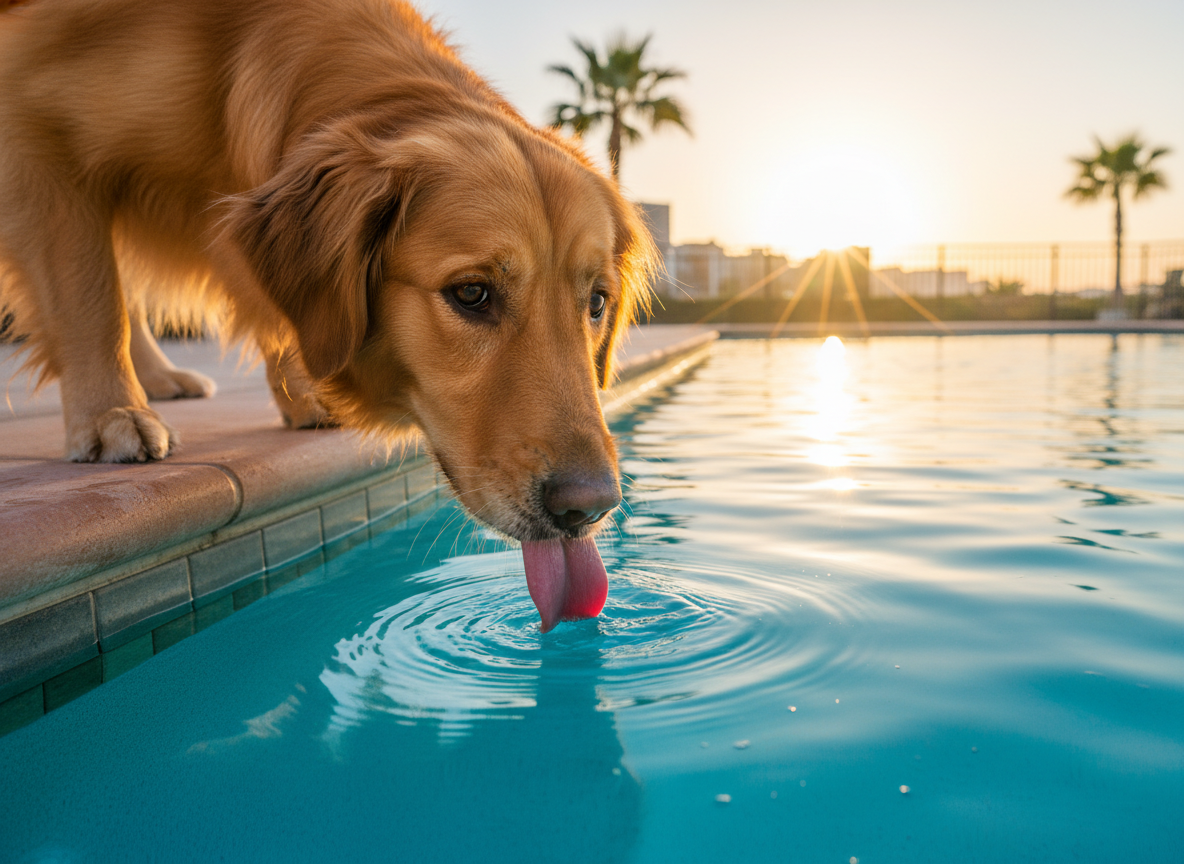
The sight of a sparkling swimming pool on a blistering summer day is a welcome relief for humans and canines alike. While you might enjoy a refreshing dip, your dog might see the pool as a giant, convenient water bowl. However, this seemingly harmless habit poses significant health risks. The chemicals used to keep pool water clean and safe for people, primarily chlorine, can be toxic to dogs when ingested in sufficient quantities.
Many pet owners underestimate the potential for harm, assuming a few laps are harmless. In reality, regular consumption of pool water can lead to gastrointestinal distress, irritation of the mouth and esophagus, and in severe cases, a dangerous condition known as water intoxication. Understanding these dangers is the first step. The second, and most crucial, is implementing effective management and training strategies to curb this behavior immediately.
This definitive guide will first illuminate the specific health hazards lurking in your swimming pool. Following that, we will provide a clear, authoritative, step-by-step training protocol designed to instantly stop your dog from drinking pool water, ensuring a safe and enjoyable summer for every member of your family.
The Hidden Dangers: Why Pool Water is Unsafe for Dogs
The Hidden Dangers: Why Pool Water is Unsafe for Dogs
While a well-maintained pool has chlorine levels considered safe for human swimmers, the dynamic is different for dogs who may intentionally drink large volumes of this water. It’s not just about the chlorine; a cocktail of chemicals and potential contaminants makes your pool an unsuitable drinking source.
Chlorine and Chemical Irritants
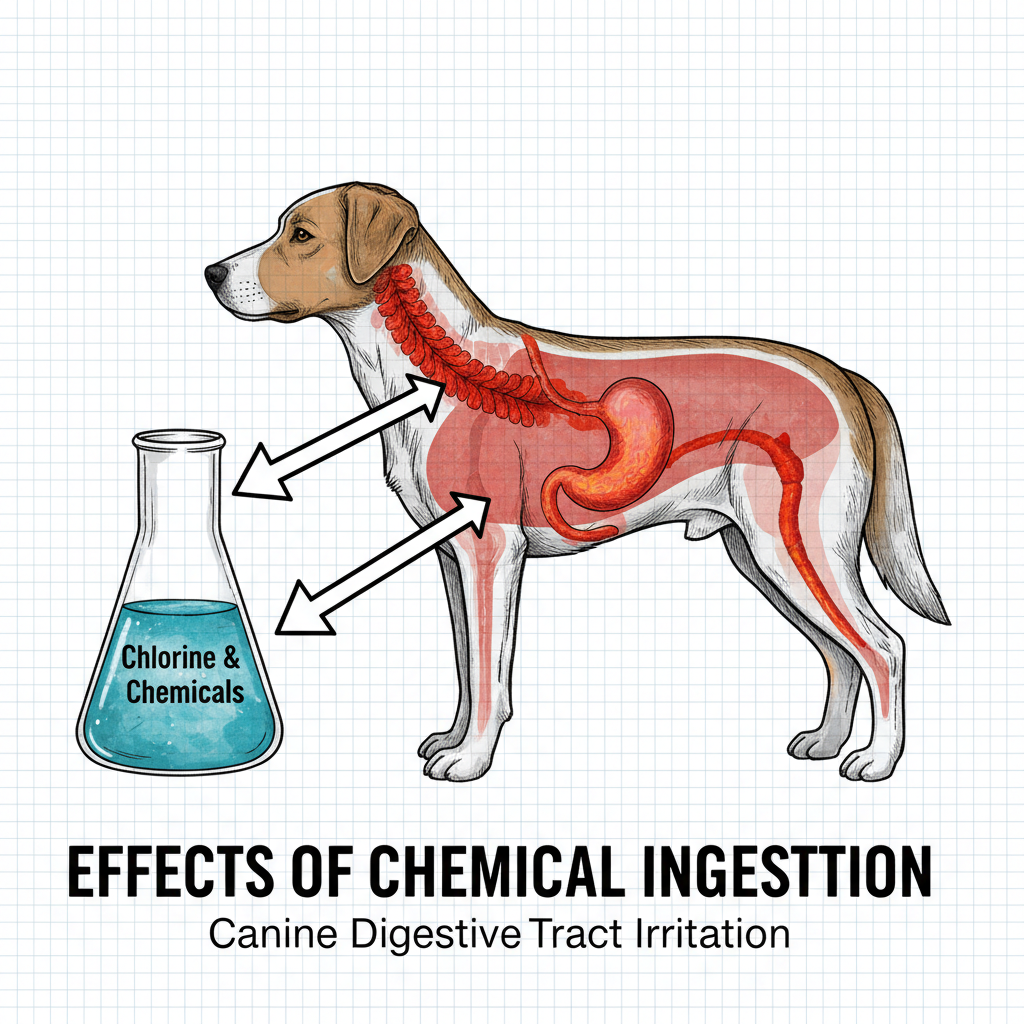
The most prominent chemical in pool water is chlorine, used to disinfect and kill harmful bacteria. When a dog ingests chlorinated water, it can act as a significant irritant to their gastrointestinal tract. The immediate effects often include:
- Vomiting and Diarrhea: The body’s natural response to an irritant is to expel it. This can lead to dehydration, especially on a hot day.
- Esophageal and Stomach Lining Irritation: Repeated exposure can cause inflammation and discomfort, potentially leading to a decreased appetite and abdominal pain.
Beyond chlorine, other chemicals used for pool maintenance, such as algaecides and cyanuric acid (a chlorine stabilizer), can contribute to toxicity if ingested. While diluted, their cumulative effect from regular drinking should not be dismissed.
The Myth of ‘Safe’ Saltwater Pools
A common misconception is that saltwater pools are a safe alternative. While they use a generator to convert salt into chlorine, eliminating the need to add chlorine tablets directly, the water is still chlorinated and, more importantly, has high salinity. Ingesting excessive amounts of saltwater can lead to a dangerous spike in sodium levels in your dog’s body, a condition called hypernatremia or salt poisoning. Symptoms can range from vomiting and diarrhea to severe neurological signs like seizures, depression, and loss of coordination. In extreme cases, it can be fatal.
Microorganisms and Contaminants
Pools are not sterile environments. They can harbor waterborne parasites like Giardia and Cryptosporidium, which can survive in chlorinated water. These organisms can cause severe gastrointestinal illness in dogs. Furthermore, bacteria and algae can still be present, especially if maintenance is not perfect, posing additional health risks.
Expert Takeaway: Never assume any type of pool water is safe for consumption. The combination of disinfecting chemicals, high salt content in saltwater systems, and potential for parasites makes it imperative to prevent your dog from using the pool as a water source.
Understanding the Behavior: Why Do Dogs Drink Pool Water?
Understanding the Behavior: Why Do Dogs Drink Pool Water?
To effectively stop a behavior, we must first understand its root cause. Dogs are not drinking from the pool to be defiant; they are typically driven by instinct, convenience, or simple curiosity. Identifying the primary motivator for your dog’s behavior is key to selecting the most effective prevention strategy.
Primary Motivators for Drinking Pool Water
- Overwhelming Thirst: This is the most common reason. On a hot day, especially after a bout of exercise or play, a dog’s need for water is immediate. The vast, cool expanse of the pool is an obvious and tempting choice to quench that thirst.
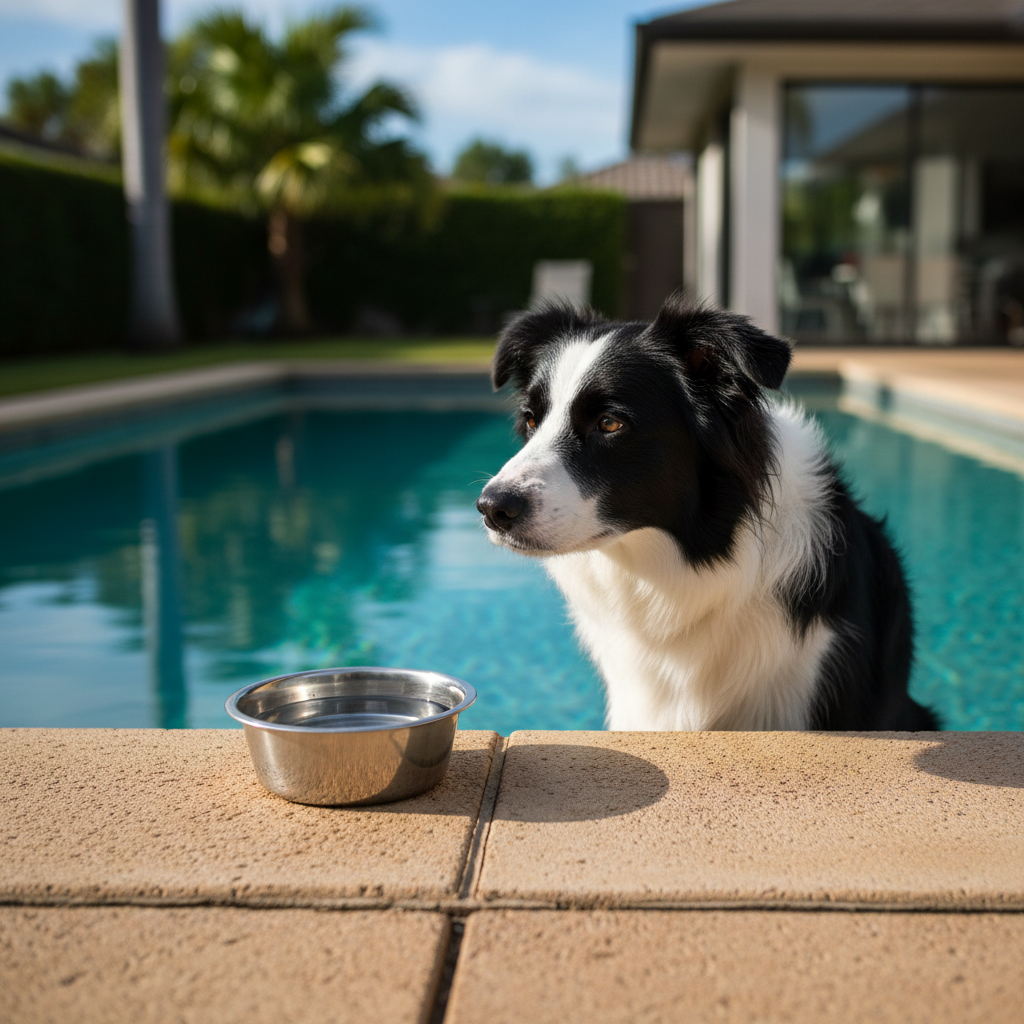
- The Convenience Factor: From a dog’s perspective, the pool is the largest, most accessible water bowl they have ever seen. If their own water bowl is empty, warm, dirty, or inconveniently located, the pool becomes the default option.
- Play and Accidental Ingestion: Many dogs love to play in or near the water. Splashing, diving for toys, or simply biting at the water’s surface can lead to the accidental ingestion of significant amounts of water. This is often not intentional drinking but can be just as dangerous.
- Boredom: For some dogs, interacting with the pool water is a form of self-entertainment. Lapping at the surface can be a way to pass the time if they lack other forms of mental or physical stimulation.
- Temperature and Taste: The cool temperature of pool water can be more appealing than water that has been sitting in a bowl in the sun. Some dogs may also be intrigued by the unique chemical taste, even if it is not good for them.
By assessing your dog’s habits, you can determine if the primary issue is a lack of fresh water, a need for more engaging toys, or a training deficit. This understanding forms the foundation of the behavioral modification plan that follows.
The Instant Fix: A Step-by-Step Training Guide
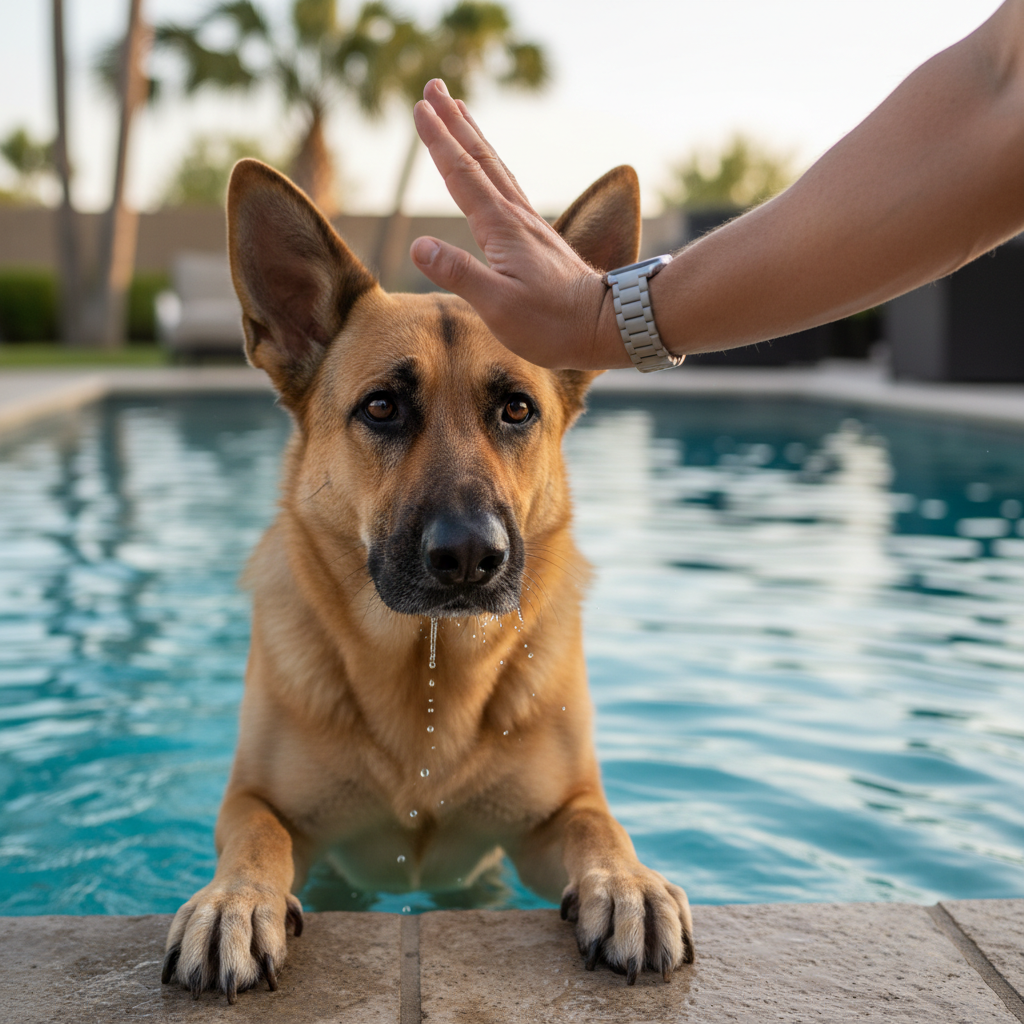
The Instant Fix: A Step-by-Step Training Guide
Stopping this behavior requires a two-pronged approach: immediate management to prevent access and consistent training to build new habits. The word ‘instantly’ in this context refers to implementing management techniques that immediately stop the behavior, while you concurrently work on the long-term training solution.
Step 1: Immediate Management and Prevention
Before you even begin training, you must make it impossible for your dog to practice the unwanted behavior. This is the fastest way to see an ‘instant’ result.
- Provide Abundant Fresh Water: The best defense is a good offense. Place multiple, large bowls of fresh, cool water in easily accessible, shady locations around your yard and near the pool area. Consider adding ice cubes or using a pet drinking fountain to make it more appealing.
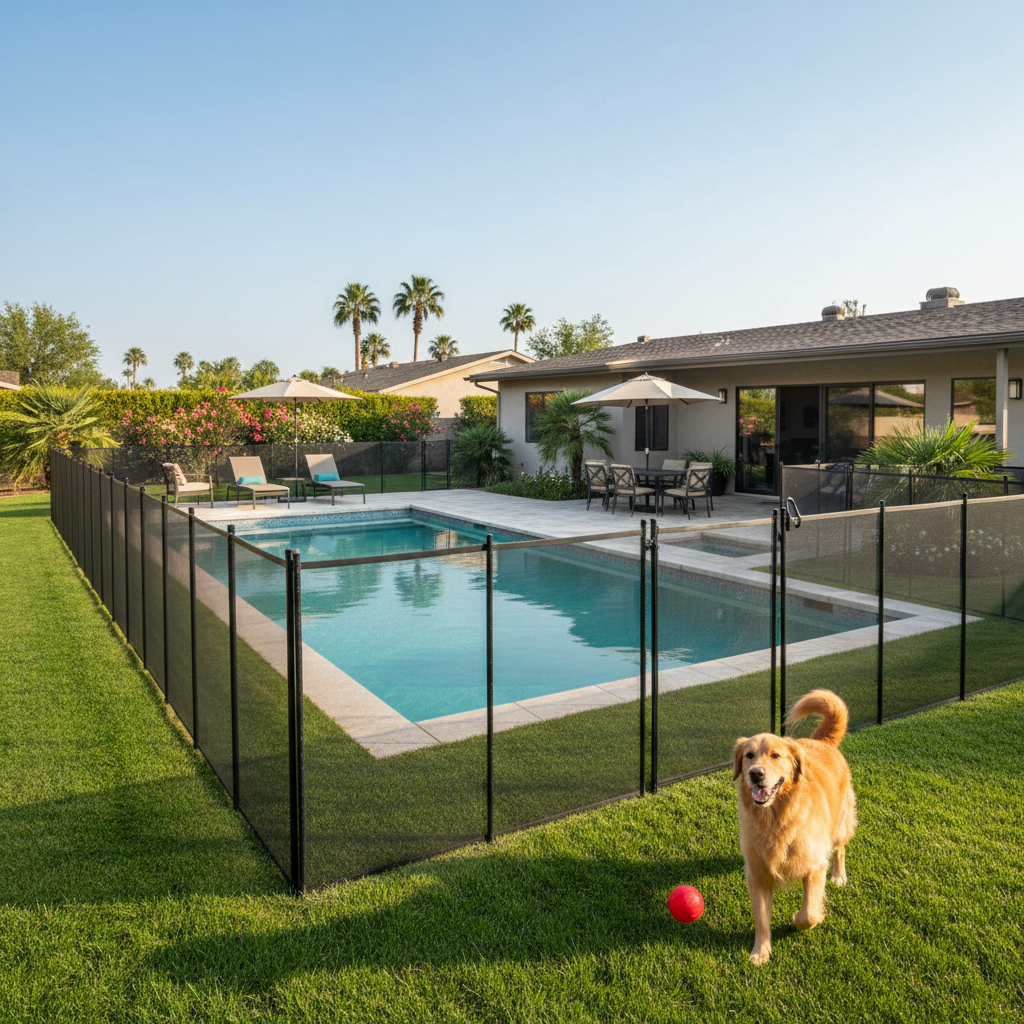
- Restrict Access: When your dog is unsupervised, they should not have access to the pool. Use baby gates, secure pool fencing, or an automatic pool cover. Never leave your dog unattended in the pool area.
- Lead or Leash: During the initial training phases, keep your dog on a leash when they are near the pool. This gives you complete control and allows you to physically prevent them from drinking while you teach them the correct behavior.
Step 2: Perfecting the ‘Leave It’ Command
The ‘Leave It’ command is your most powerful tool. It teaches your dog to disengage from a specific object or, in this case, the pool, on cue.
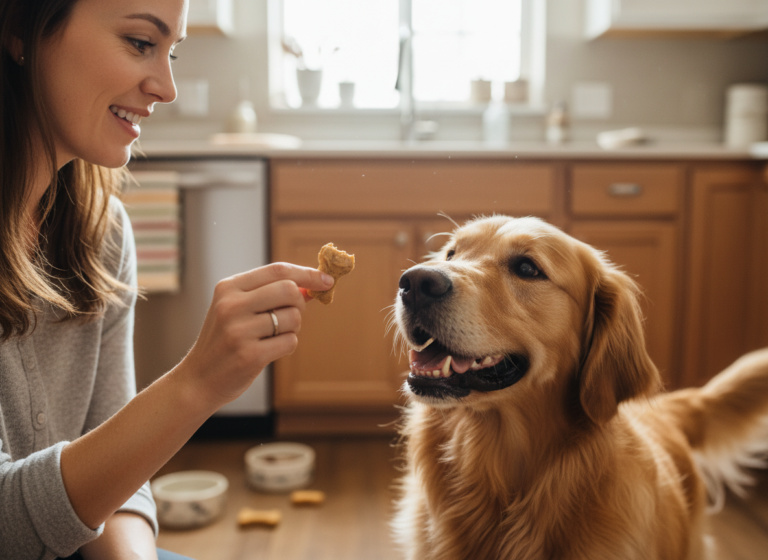
- Start Indoors: Place a low-value treat on the floor. When your dog moves toward it, say ‘Leave It’ in a firm voice and cover the treat with your hand. The moment your dog backs off or looks away, praise them and give them a high-value treat from your other hand.
- Increase Difficulty: Practice until your dog ignores the floor treat upon hearing the cue. Gradually increase the temptation of the ‘leave it’ item.
- Transition Outdoors: Move the training to the yard, using toys or other objects.
- Apply to the Pool: With your dog on a leash, walk them near the pool. The moment they lower their head to drink, give the ‘Leave It’ command. Due to your previous training, they should hesitate. The instant they do, praise them enthusiastically and reward them with a high-value treat. Guide them to their designated fresh water bowl and praise them for drinking there.
Step 3: Positive Interruption and Redirection
Your goal is to make drinking from the correct bowl more rewarding than drinking from the pool. When you see your dog approaching the pool with the intent to drink, calmly interrupt them with a positive sound (like a clap or a happy ‘Hey!’). As soon as you have their attention, call them over to their fresh water bowl. When they drink from it, offer lavish praise and a treat. This creates a positive association with their own bowl and teaches them that it’s the most rewarding place to get a drink.
Training Tip: Consistency is paramount. Every single person who interacts with the dog in the pool area must enforce these rules without exception. A single instance of the dog successfully drinking from the pool can set your training back.
Essential Safety Tools and Environmental Management
Essential Safety Tools and Environmental Management
Training is crucial, but a safe environment is non-negotiable. Physical barriers and deterrents provide a safety net, especially when you cannot provide 100% supervision. Investing in the right tools can prevent accidents and reinforce your training efforts.
A multi-layered safety approach is the most effective strategy. Consider combining physical barriers with alarms and ensuring your dog always has a safe way to exit the pool, which reduces panic and potential water ingestion.
| Safety Solution | Primary Function | Best For |
|---|---|---|
| Pool Safety Fence | Creates a physical barrier around the entire pool perimeter. | Households with children and pets; provides the highest level of unsupervised protection. |
| Automatic Pool Cover | A motorized cover that completely seals the pool surface, bearing significant weight. | Convenience and safety; prevents access and reduces water evaporation and debris. |
| Pool Alarms | Detects motion when an object (like a pet) breaks the water’s surface and sounds a loud alarm. | An additional layer of security; alerts owners to an emergency but does not prevent access. |
| Pet-Safe Exit Ramp | A ramp or set of steps (like a Skamper Ramp) that attaches to the side of the pool. | All dog owners with pools; ensures a dog that falls in can easily get out, preventing drowning and panicked water intake. |
Choosing the Right Barrier
When selecting a pool fence, look for one that is at least 4 feet high with a self-closing, self-latching gate. The vertical slats should be close enough together that your dog cannot squeeze through. For automatic covers, ensure they meet ASTM F1346-91 safety standards, which means they can support the weight of an adult, ensuring they will also support your pet.
These physical management tools are not a replacement for training and supervision, but they are an indispensable part of a comprehensive safety plan to protect your dog from the dangers of the swimming pool.
When to See a Veterinarian: Recognizing Signs of Toxicity

When to See a Veterinarian: Recognizing Signs of Toxicity
Even with the best precautions, accidents can happen. It is vital for every dog owner to recognize the clinical signs of illness related to the ingestion of pool water. Acting quickly can make a significant difference in the outcome for your pet.
Symptoms of Chlorine or Saltwater Ingestion
If your dog has consumed a significant amount of pool water, be vigilant for the following symptoms, which can appear within a few hours:
- Persistent vomiting or diarrhea
- Lethargy or unusual tiredness
- Loss of appetite
- Abdominal pain or bloating
- Excessive drooling
- Signs of neurological distress (especially with saltwater), such as stumbling, disorientation, or seizures.
What to Do in an Emergency
If you observe any of these signs, especially if they are severe or if your dog is a small breed, elderly, or has a pre-existing health condition, contact your veterinarian or an emergency veterinary hospital immediately. Do not induce vomiting unless specifically instructed to do so by a veterinary professional.
Immediate Action: If you suspect your dog has ingested a large amount of pool water, remove them from the area, provide plenty of fresh, clean water, and monitor them closely. Call your veterinarian or the ASPCA Animal Poison Control Center for guidance based on your dog’s specific symptoms, size, and the type of pool water ingested.
Prompt veterinary care is essential for diagnosing the severity of the issue, providing supportive care like IV fluids to correct dehydration and electrolyte imbalances, and managing any gastrointestinal distress. Your veterinarian is your best resource for ensuring your dog’s health and safety.
Conclusion
Protecting your dog from the allure of the swimming pool is a critical aspect of responsible pet ownership. The risks posed by chlorine, salt, and other contaminants are real and demand your attention. However, keeping your canine companion safe is an achievable goal built on a foundation of three key principles: vigilant management, consistent training, and proactive awareness.
By implementing immediate preventative measures like fences and readily available fresh water, you eliminate the opportunity for this dangerous habit to take hold. Reinforce this management with dedicated, positive training, making the ‘Leave It’ command an unbreakable rule and redirecting your dog to healthier choices. Finally, remain aware of the signs of toxicity so you can act decisively if an accident occurs.
With commitment and consistency, you can teach your dog that the pool is a place for supervised swimming only, not a drinking fountain. This ensures that your summer days can be filled with safe, joyful memories for you and your beloved pet.