Can You Trust A Greyhound Off-Leash? The Honest Truth
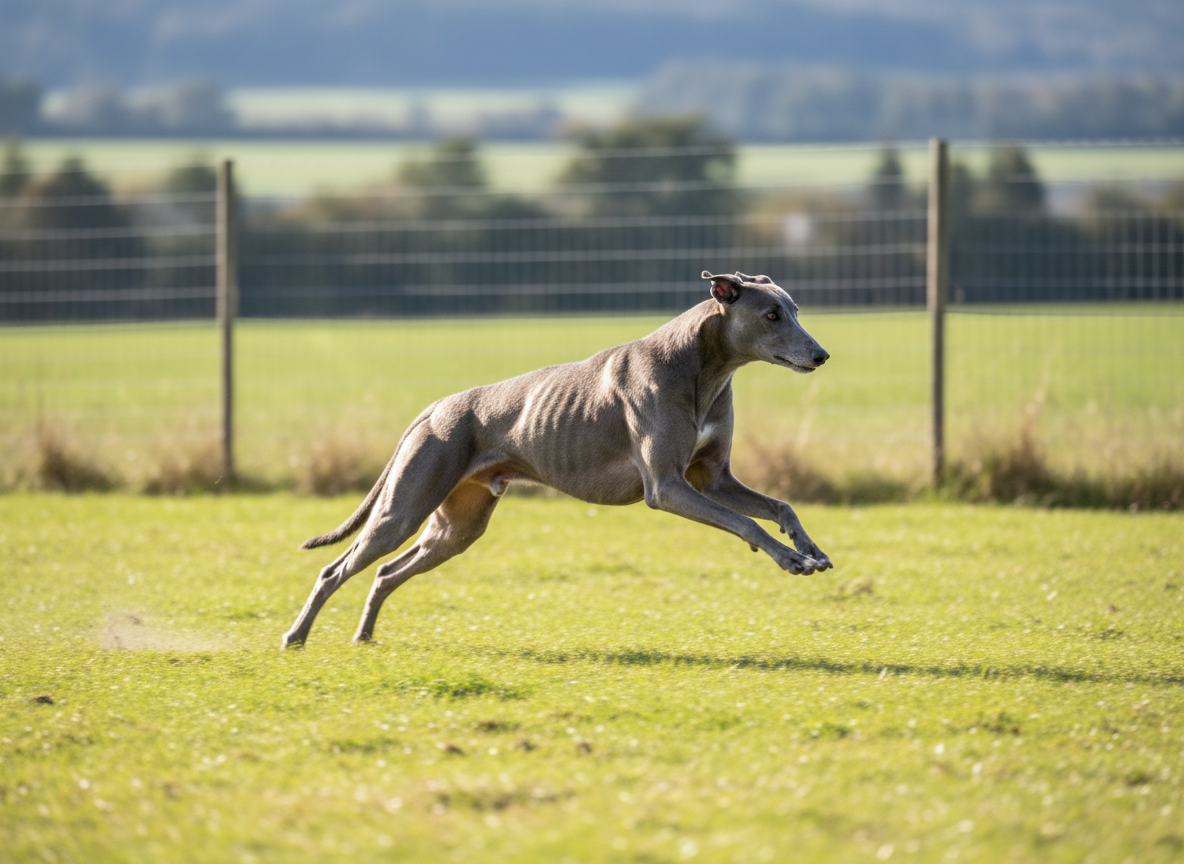
The image of a dog running freely through an open field is a dream for many pet owners. For those who share their lives with Greyhounds, however, this dream is often accompanied by a significant sense of dread. The prevailing wisdom, echoed in adoption kennels and online forums, is stark: never trust a Greyhound off-leash. But is this an unbreakable rule, or a guideline born from caution? The truth is complex, rooted deeply in the breed’s genetic makeup and thousands of years of selective breeding.
Greyhounds are sighthounds, bred for a single, explosive purpose: to spot prey from a distance and pursue it with unmatched speed. This instinct is not a matter of disobedience or a lack of bonding; it is a fundamental part of who they are. When a Greyhound sees a distant squirrel, a plastic bag blowing in the wind, or another small animal, their brain can trigger an automatic, hardwired chase sequence that can override even the most consistent training. Capable of reaching speeds up to 45 miles per hour in just a few strides, a Greyhound can cover hundreds of yards in seconds, long before an owner’s recall command has even registered. This article provides an authoritative and honest examination of the risks, the realities, and the rigorous requirements for even considering off-leash freedom for a Greyhound. We will explore their innate behaviors, outline the essential training protocols, and deliver a clear verdict on what it truly means to keep these magnificent athletes safe.
Understanding the Greyhound’s Instincts: More Than Just a Couch Potato
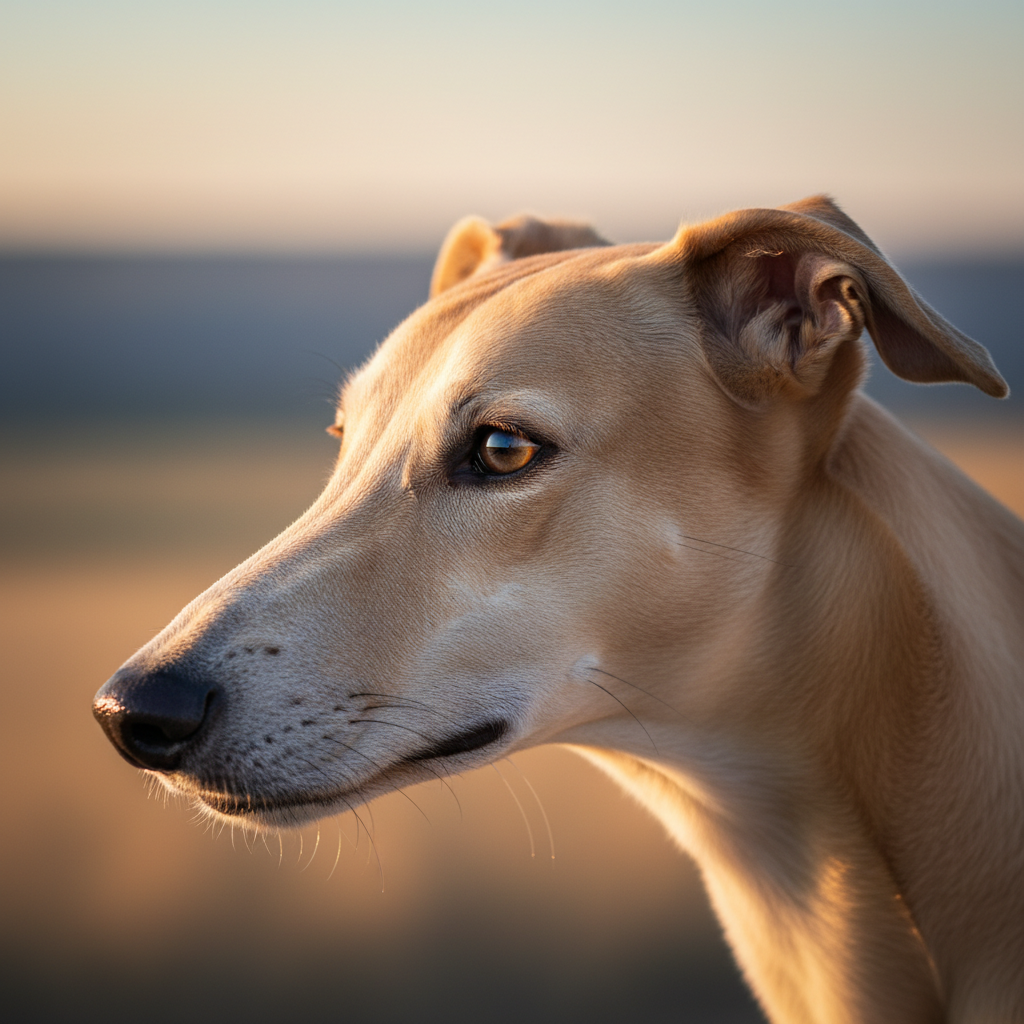
While famous for their ’45-mph couch potato’ persona, the Greyhound’s placid nature indoors belies the powerful instincts simmering just beneath the surface. To comprehend the off-leash challenge, one must first respect their heritage as premier sighthounds. Unlike scent hounds that follow a trail with their nose to the ground, sighthounds hunt using their incredibly keen, wide-field vision.
A Greyhound’s eyes are anatomically different from many other breeds, providing them with a 270-degree field of vision. This allows them to spot movement at great distances. The sequence of events is primal and instantaneous:
- Spot: The eyes detect movement, often something small and fast-moving.
- Lock-on: The dog’s entire focus narrows onto the target. To them, this is not a pet cat or a squirrel; it is ‘prey’.
- Chase: An explosive burst of speed is unleashed. This is not a conscious decision to disobey; it’s a deeply ingrained reflex. During this chase, their hearing can become secondary—a phenomenon often called ‘auditory exclusion’—where they are so visually focused that they may not even hear your frantic calls.
This prey drive is further amplified by their unique physiology. The double-suspension gallop is a running gait unique to Greyhounds, cheetahs, and a few other species, where the animal’s body is fully extended and airborne twice during each stride. This incredible efficiency is what allows them to reach such breathtaking speeds. Once a chase is initiated, a Greyhound can be a quarter-mile away in under 30 seconds. In an unenclosed area near roads, this genetic gift becomes a life-threatening liability. Understanding this is the first and most critical step; you are not training against a bad habit, you are managing a powerful, innate instinct.
The Non-Negotiable Prerequisites for Off-Leash Consideration
Before a single training session begins, a rigorous and honest assessment of both the dog and the environment is paramount. Attempting off-leash work without meeting these foundational requirements is irresponsible and dangerous. Not every Greyhound is a candidate for off-leash reliability, no matter how much training is invested.
Individual Temperament and History
Every dog is an individual. Retired racing Greyhounds, in particular, have a unique history. They have been trained to chase a mechanical lure and may have an extremely high, trigger-happy prey drive. Assess your dog’s specific personality. Is their prey drive exceptionally high, where they fixate on every squirrel or cat they see even while on a leash? Or are they more environmentally focused, easily spooked by loud noises or new sights? A dog that is nervous, fearful, or overly stimulated is a poor candidate, as fear can trigger a blind flight response just as effectively as prey drive triggers a chase.
The Environment is Everything
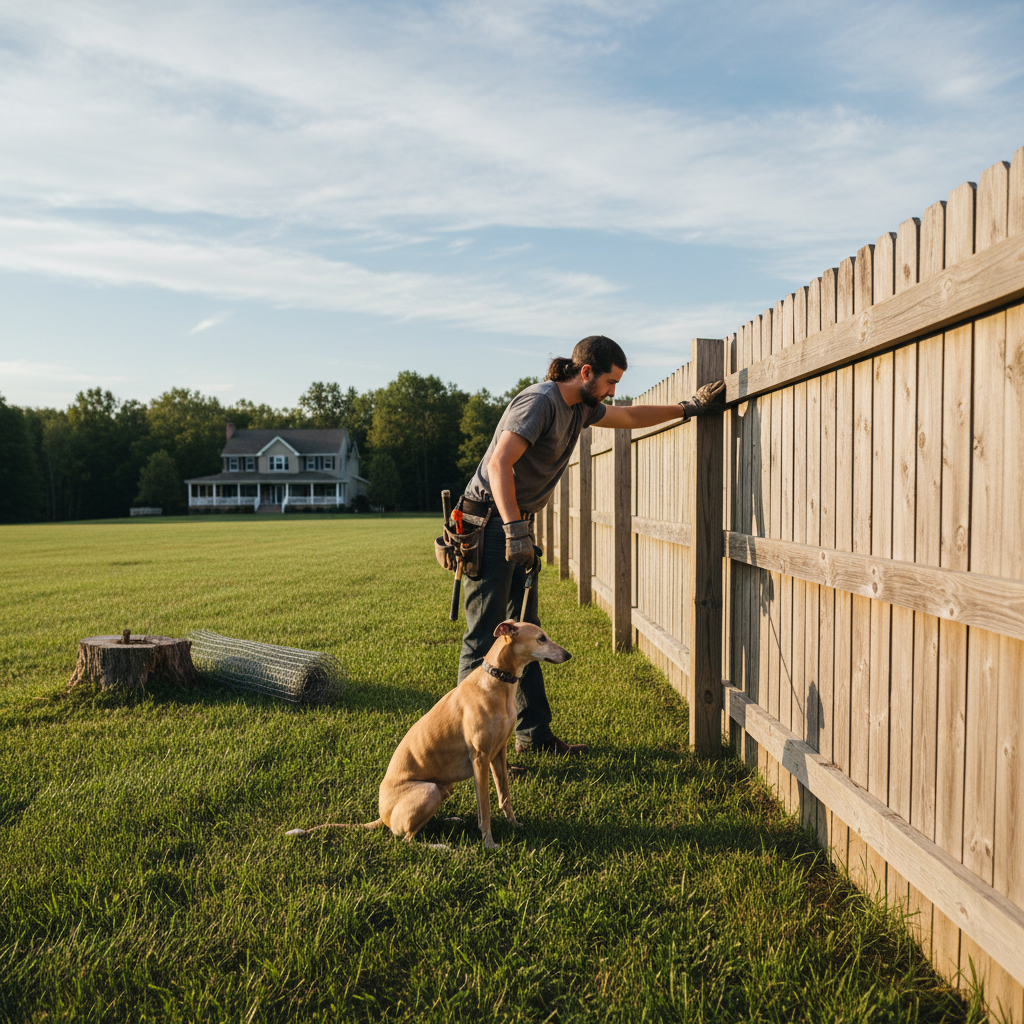
The term ‘off-leash’ must be redefined for a Greyhound owner. It does not mean a typical dog park, a hiking trail, or an open field near a quiet road. For a Greyhound, the only acceptable off-leash environment is one that is large and securely fenced.
- Fence Height: A standard 4-foot fence is insufficient. Greyhounds are remarkable jumpers when motivated. A minimum of a 6-foot fence is the professional recommendation.
- Fence Integrity: The fence must be inspected meticulously for any gaps, holes, or weak points at the base where a determined dog could push through.
- Area Visibility: The space should be large enough for them to run, but you should still have a clear line of sight to your dog at all times.
- Zero Access to Dangers: The area must be completely free of potential hazards like roads, bodies of water, or wildlife that could provoke a chase.
Never mistake a dog’s good behavior in a familiar, fenced yard for reliability in an open, unpredictable environment. The two are not comparable.
Building a Rock-Solid Recall: A Step-by-Step Training Protocol
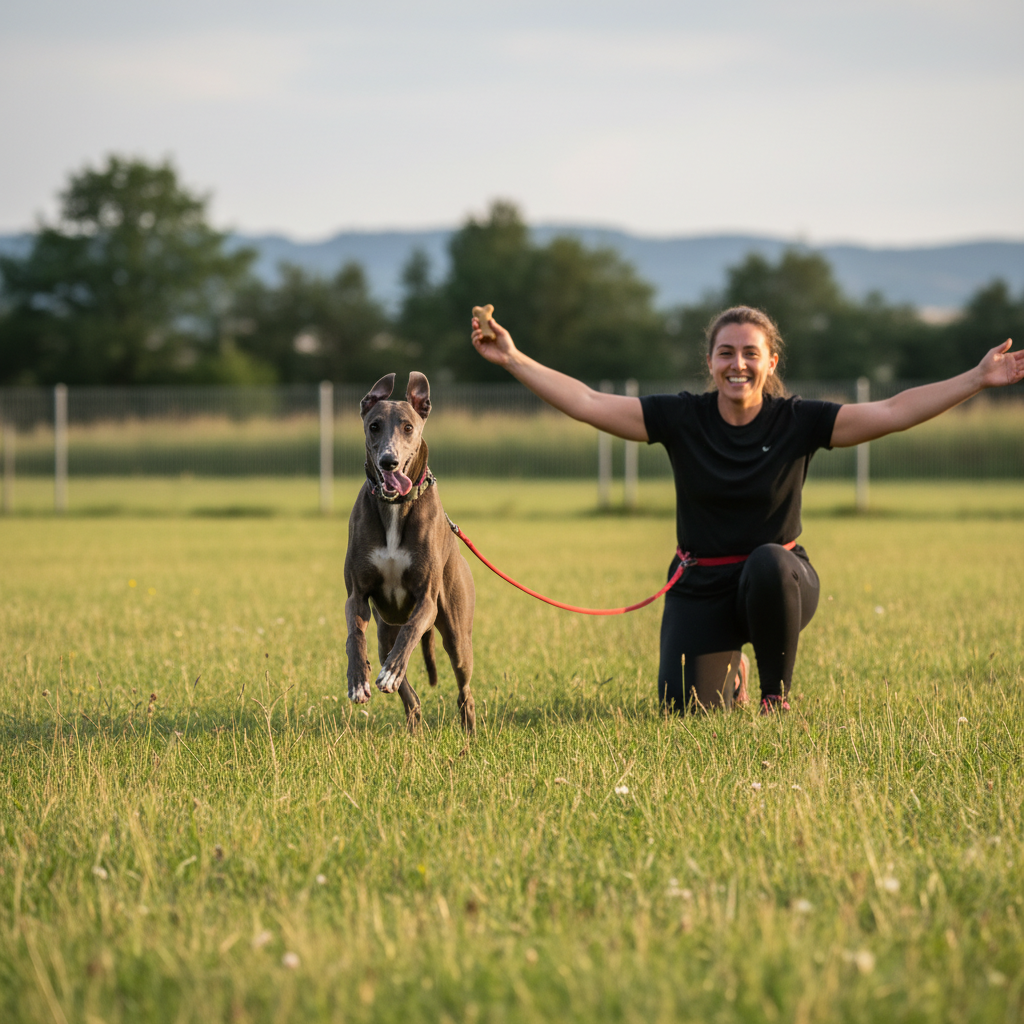
If you have assessed your dog and have access to a secure location, you can begin the long process of building a reliable recall. This training must be approached with military precision and absolute consistency. The goal is to make returning to you more rewarding than any other distraction.
-
Step 1: Charge the Cue
Your recall cue (e.g., ‘Come!’, ‘Here!’, or a specific whistle) must be associated with something incredibly wonderful. For several weeks, without asking for any action, simply say your cue in a happy, upbeat tone and immediately give your dog an extremely high-value treat—something they love but rarely get, like boiled chicken, cheese, or liver. Do this multiple times a day in your home until your dog’s head whips around in excitement the moment they hear the word.
-
Step 2: Indoor Practice
Start practicing in a low-distraction environment like your living room. Say the cue when your dog is only a few feet away. When they come, shower them with praise and the high-value reward. Gradually increase the distance across the room and practice from different rooms in the house.
-
Step 3: Introduce the Long Line
This is the most critical tool for safely transitioning outdoors. A 30 to 50-foot long line allows the dog to feel a sense of freedom while you maintain ultimate control. In your secure backyard, let the dog wander to the end of the line. Use your recall cue. If they hesitate, use a light, steady pull on the line to guide them in. When they arrive, reward them lavishly. Never yank or ‘reel them in’ like a fish; the line is a safety net and a gentle guide, not a tool for punishment.
-
Step 4: Proofing Against Distractions
Once the recall on the long line is reliable in your yard, move to a larger, secure, fenced area. Continue using the long line. This is where you ‘proof’ the behavior. Have a friend walk by at a distance. Practice with their favorite toy on the ground. The key is to start with low-level distractions and gradually increase the intensity, always ensuring the dog is set up for success. Every successful recall, especially in the face of distraction, must be met with an exceptionally high-value reward.
-
Step 5: The Final Test in a Secure Area
Only after months of flawless performance on a long line in a secure area should you even consider dropping the line. Let it drag on the ground first, so you can still grab it in an emergency. If, after many sessions, the recall remains perfect, you can progress to removing it entirely—but only ever within that same, large, securely fenced location. This is the final goal: reliable off-leash recall within a completely safe and enclosed space.
Common Mistakes and Dangerous Misconceptions
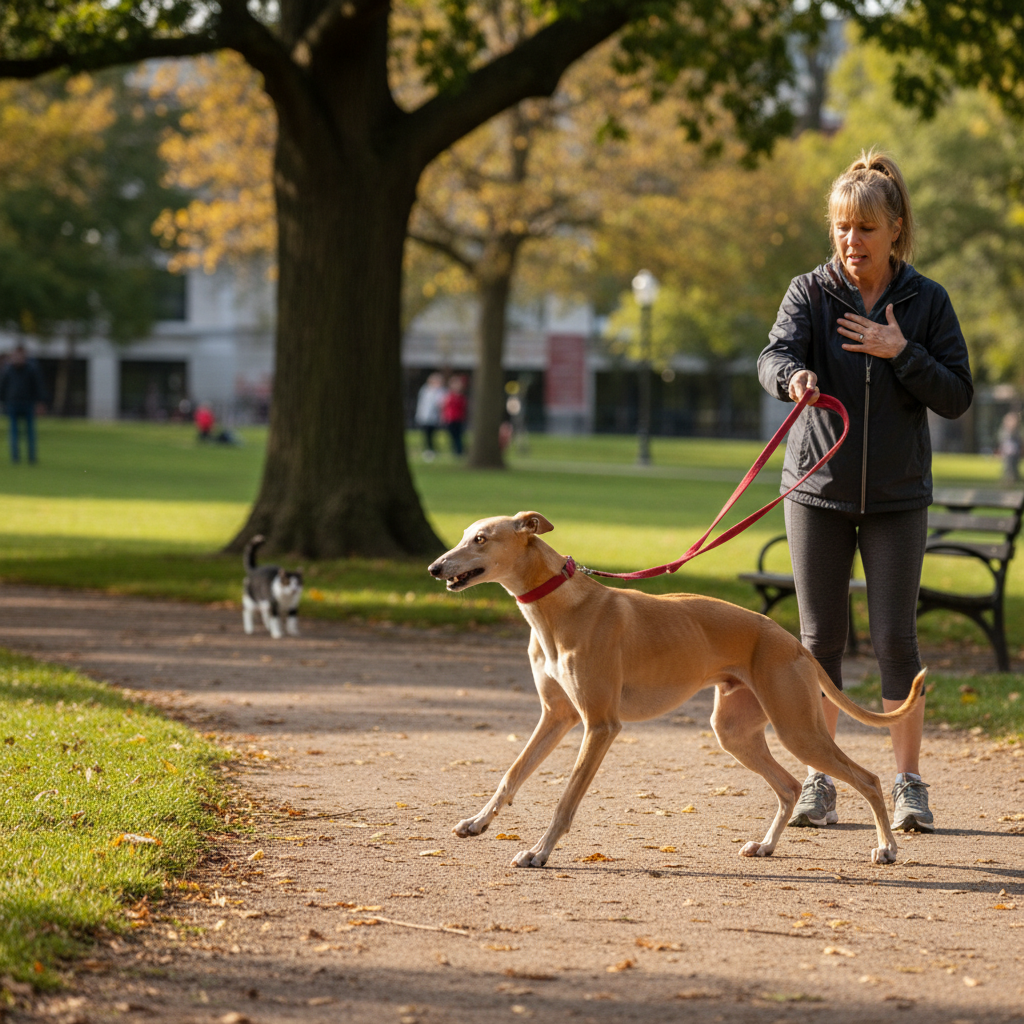
The path to a reliable recall is fraught with potential errors that can undermine months of hard work and, in the worst-case scenario, lead to tragedy. Understanding these common misconceptions is as important as the training itself.
- Mistaking a Strong Bond for Reliability: Your Greyhound may love you deeply, follow you around the house, and be incredibly affectionate. This emotional bond, while wonderful, does not override thousands of years of breeding. Do not assume love will conquer instinct.
- Poisoning the Cue: A common and devastating mistake is to use the recall cue for something the dog dislikes, such as leaving the park, getting a bath, or having their nails trimmed. The recall cue must always predict a wonderful outcome. If it’s time to go, walk over and get your dog; do not call them to you only to end their fun.
- Rushing the Process: This training cannot be rushed. Each step may take weeks or months. Moving to the next stage before the current one is 100% solid in various conditions is setting your dog up to fail. Patience is not just a virtue here; it’s a critical safety component.
- Underestimating ‘Trigger Stacking’: A dog might ignore a single squirrel. But what if they’ve had a stressful day, then hear a loud noise, and then see a squirrel? This ‘stacking’ of triggers can push a dog over their threshold, causing their training to momentarily vanish. You must always be aware of your dog’s state of mind.
- The ‘He’s Always Done It Before’ Fallacy: Believing that a hundred successful recalls guarantee the hundred-and-first is a dangerous gamble. It only takes one failure, one unexpected trigger at the wrong moment, for a Greyhound to be lost. Complacency is the enemy of safety.
The Verdict: Is It Ever Truly 100% Safe?
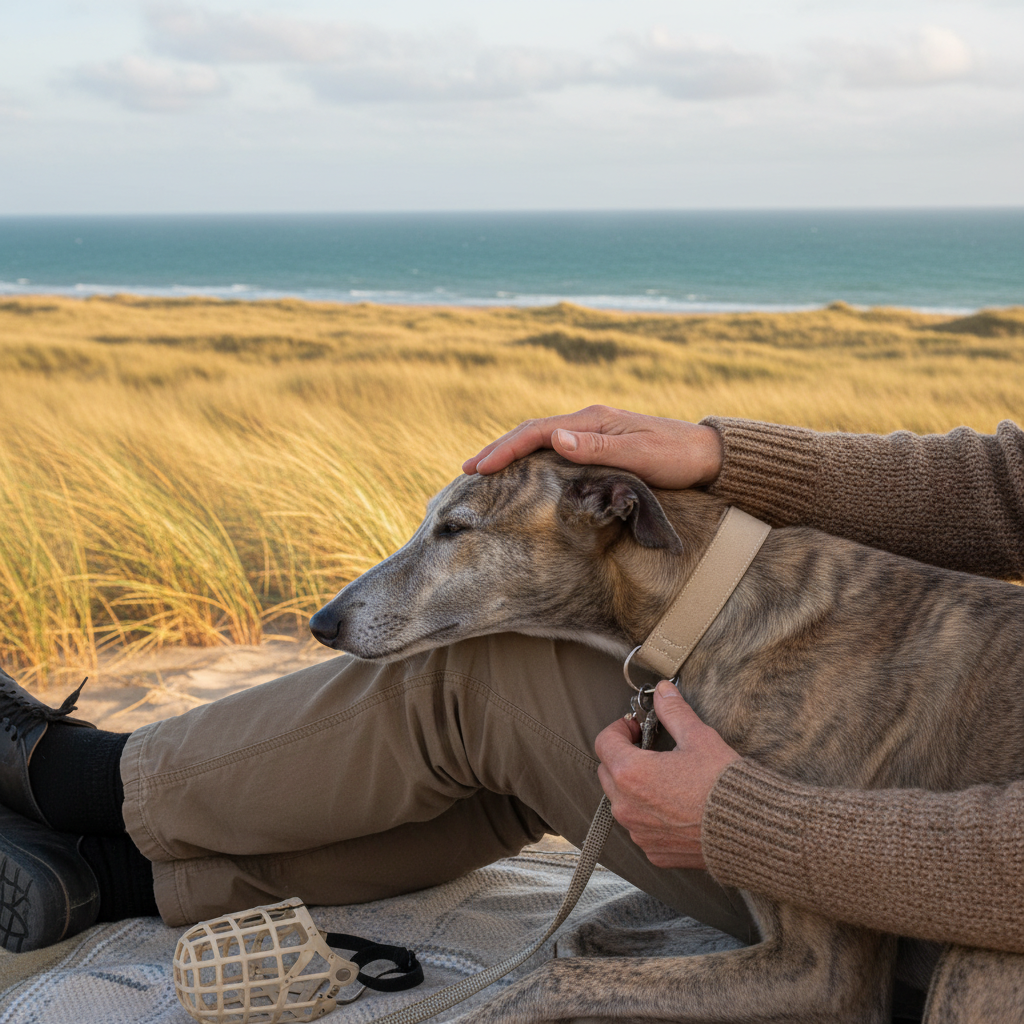
After understanding the genetics, assessing the dog, and committing to a rigorous, long-term training plan, we arrive at the core question: can you ever truly trust a Greyhound off-leash in an unenclosed area? The professional, responsible, and honest answer is no.
There is no such thing as a 100% reliable recall for a sighthound in an open environment. No amount of training can completely erase the hardwired instinct to chase. While you can build an incredibly strong recall that works beautifully in a controlled setting, the real world is filled with unpredictable variables. All it takes is the sudden appearance of a deer, a stray cat, or even a child’s wind-blown kite to trigger a response that no amount of training can stop in that split second.
The fundamental truth for a Greyhound owner is this: You are not managing a pet. You are the custodian of a world-class athlete with a powerful, pre-programmed instinct. Your primary job is to keep them safe from that instinct.
Trust is not the right word. The goal is not to ‘trust’ your dog. The goal is to understand them so completely that you never put them in a position where their life depends on choosing your command over their deepest genetic programming. The immense joy a Greyhound experiences when running at full speed can and should be a part of their life, but it must be facilitated responsibly. This means embracing secure, fenced-in areas as your dog’s personal paradise, where they can run with abandon and you can watch with peace of mind, knowing they are completely safe.
Conclusion
The desire to see our dogs experience pure freedom is a natural and loving one. For the Greyhound owner, however, love must be expressed through the lens of profound responsibility. The honest truth is that the inherent risks associated with off-leash activity in any unfenced area are simply too great for this breed. Their world-class speed and deeply ingrained prey drive are a magnificent sight to behold, but in our modern world, these traits are a significant liability.
Instead of striving for the unattainable goal of 100% off-leash trust, the focus should be on risk management and safety. The training protocols outlined here are not intended to prepare a Greyhound for off-leash hikes, but to build a life-saving recall that can be used within the safe confines of a securely fenced space, and to strengthen the bond between you and your dog. The safest and most joyful way to honor a Greyhound’s ‘need for speed’ is to provide them with regular opportunities to run freely and safely in a location specifically designed to protect them. Ultimately, a Greyhound on a leash in an open park is safe. A Greyhound running in a secure field is happy. Finding the balance between their safety and their joy is the truest form of responsible ownership.