Backyard Destroyed? How to Stop Digging Before Your Dog Escapes
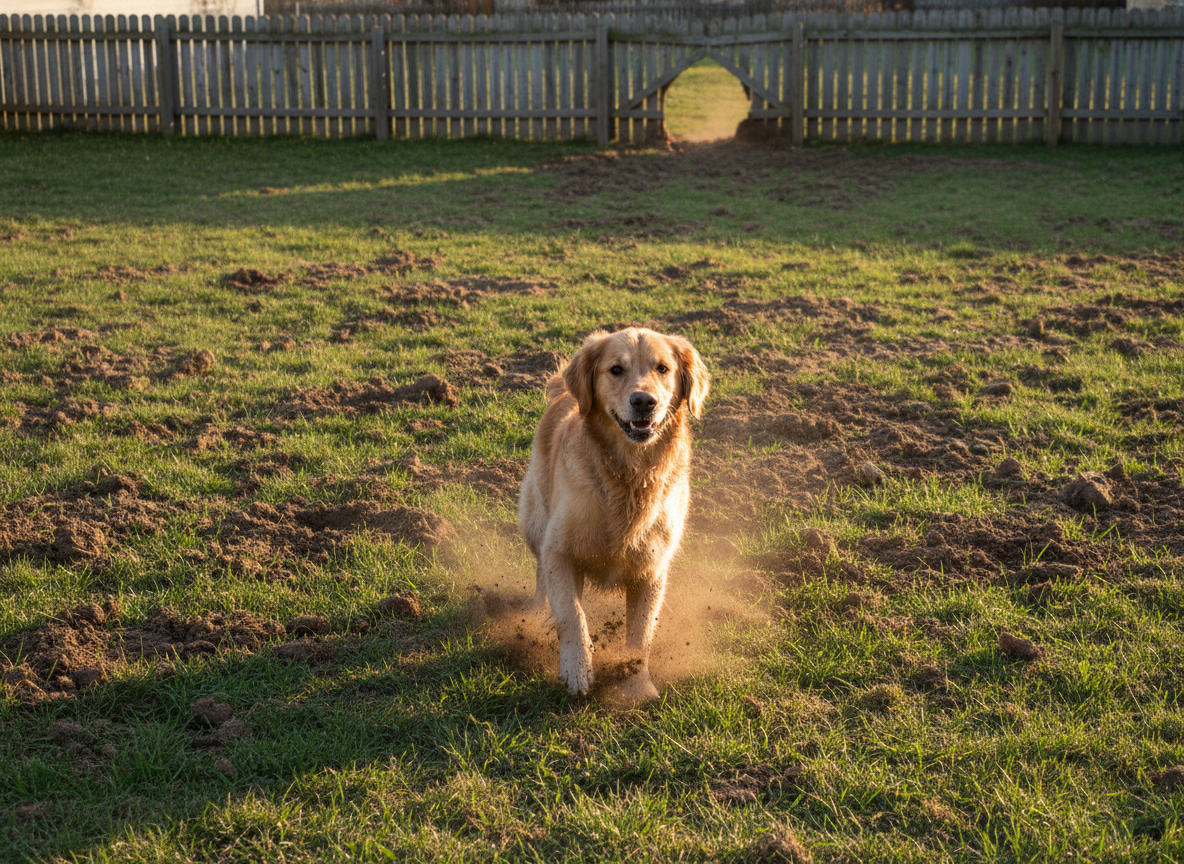
The sight of a once-pristine backyard transformed into a landscape of craters can be incredibly frustrating for any pet owner. Beyond the aesthetic damage, this common canine behavior can pose a significant risk, leading to damaged irrigation lines, uprooted plants, and most alarmingly, a potential escape route for your beloved companion. Digging is not an act of malice; it is a deeply ingrained, natural instinct for dogs. However, when this behavior becomes destructive or dangerous, it requires a thoughtful and strategic intervention.
Understanding that digging stems from various motivations—from boredom and anxiety to the primal urge to hunt or den—is the first step toward a solution. Simply punishing the behavior is often ineffective and can create further behavioral issues. Instead, a successful approach involves identifying the specific cause, managing the environment to make digging less appealing, and redirecting your dog’s energy toward more appropriate outlets. This guide provides a professional, authoritative framework to help you diagnose the root of the problem and implement effective, humane strategies to stop destructive digging, ensuring your yard remains a safe and beautiful space for everyone in your family to enjoy.
Understanding the ‘Why’: Decoding Your Dog’s Digging Instinct
Understanding the ‘Why’: Decoding Your Dog’s Digging Instinct
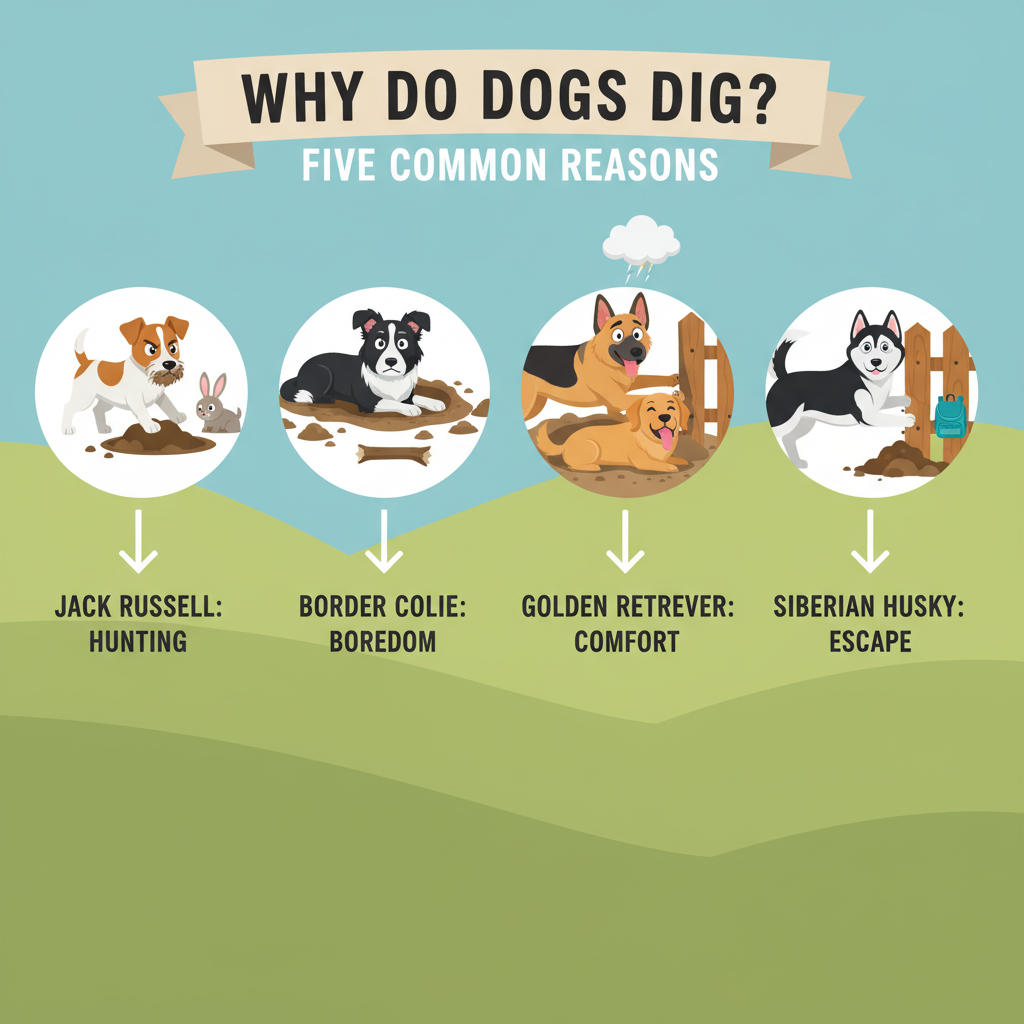
Before any training plan can be effective, it is critical to understand the underlying motivation for your dog’s digging. This behavior is a form of communication; your dog is telling you something about their physical or emotional state. By playing detective, you can tailor your solution to the specific cause, dramatically increasing your chances of success. Most digging behaviors can be attributed to one or more of the following categories:
Common Motivations for Canine Digging
- Innate & Breed-Specific Instincts: Many breeds, particularly Terriers (whose name derives from ‘terra,’ meaning earth) and Dachshunds, were historically bred to hunt vermin in underground burrows. For these dogs, digging is not just a pastime; it’s a genetic calling. They may be intensely focused on pursuing moles, gophers, or other rodents in your yard. Other dogs dig to create a den—a safe, sheltered space to rest.
- Boredom and Lack of Stimulation: A primary culprit behind many unwanted behaviors, including digging, is a lack of sufficient physical and mental exercise. A dog with pent-up energy will find their own ‘job’ to do, and excavating your lawn can be a very engaging activity for them. If the digging is paired with other signs like destructive chewing or excessive barking, boredom is a likely cause.
- Anxiety and Stress: Digging can be a self-soothing activity for an anxious dog. This is often the case with dogs suffering from separation anxiety, who may dig at exits like gates and doors in an attempt to escape and find their owner. Thunderstorms, fireworks, or other loud noises can also trigger fear-based digging as the dog tries to create a hideout.
- Seeking Physical Comfort: Dogs are resourceful when it comes to regulating their body temperature. On a hot day, they may dig a hole to lie in the cooler subterranean soil. Conversely, in colder weather, a shallow pit can provide shelter from wind and preserve body heat. Observe if the digging corresponds with weather changes.
- Escape Artistry: Some dogs dig with a clear purpose: to get out. This can be motivated by a desire to roam, chase a squirrel across the street, or escape a source of fear within the yard. This type of digging is almost always concentrated along fence lines and poses the most immediate safety risk.
Expert Tip: Keep a simple journal for a week. Note when and where your dog digs, what the weather is like, and what happened just before the digging began. This log will often reveal a clear pattern, pointing directly to the primary motivation you need to address.
The Proactive Approach: Environmental Management and Enrichment
The Proactive Approach: Environmental Management and Enrichment
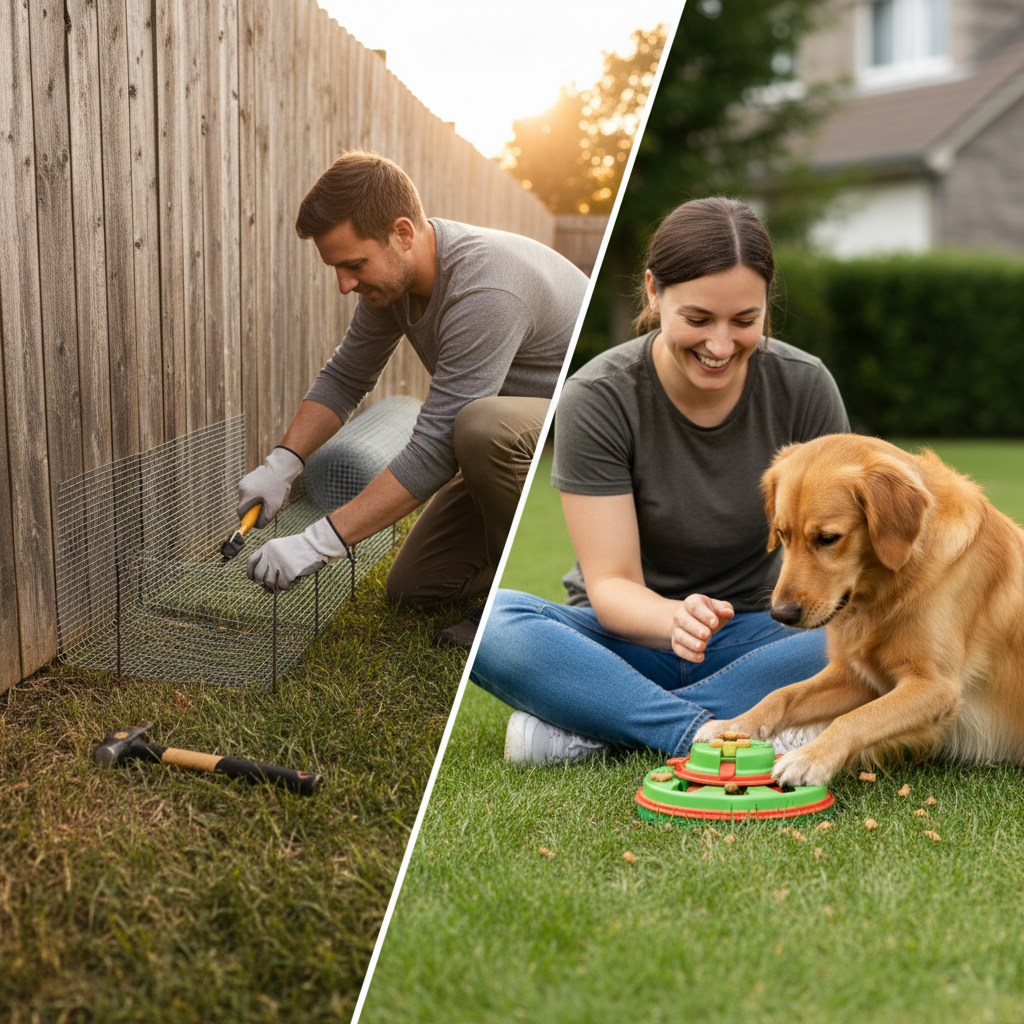
The most effective way to curb unwanted digging is to manage your dog’s environment and daily routine proactively. This foundational step involves making the yard a less appealing place for unauthorized excavation while simultaneously providing for all of your dog’s physical and mental needs. A fulfilled dog is far less likely to develop destructive habits.
Enrichment Strategies to Reduce Digging
An under-stimulated dog is a recipe for a destroyed yard. Focus on enriching their daily life with a combination of activities:
- Increase Physical Exercise: Ensure your dog receives adequate physical activity for their age, breed, and health level. This means more than just letting them out in the yard. Engage in structured activities like brisk walks, jogging, games of fetch, or visits to a dog park. A tired dog is a well-behaved dog.
- Provide Mental Stimulation: Mental exercise can be just as tiring as physical exercise. Incorporate puzzle toys, treat-dispensing balls, and regular training sessions into your dog’s routine. Activities like scent work, where a dog uses their nose to find hidden treats, are fantastic for channeling their natural instincts in a productive way.
Modifying the Yard to Deter Digging
Alongside enrichment, you can make the targeted digging spots less attractive:
- Secure the Perimeter: For dogs digging to escape, fortifying your fence line is paramount. Bury chicken wire or hardware cloth at least one to two feet deep along the base of the fence, bending it into an ‘L’ shape facing into the yard. This creates a barrier they cannot dig through. Large rocks or concrete pavers along the fence line can also be effective.
- Use Safe Deterrents: Many dogs are repelled by certain smells and textures. You can try burying their own feces in the holes they’ve started (dogs are generally averse to eliminating where they dig). Alternatively, citrus peels—like orange, lemon, or grapefruit—can be placed in the holes, as most dogs dislike the scent. Some commercial, non-toxic sprays are also available.
- Remove the Temptation: If your dog is digging for rodents, address the pest problem directly. Consult with a pet-safe pest control company to remove the moles or gophers, thereby removing your dog’s motivation to hunt them.
Important Safety Note: Never use harmful deterrents like cayenne pepper, mothballs, or other toxic substances. These can cause serious harm to your dog if ingested or inhaled.
Step-by-Step Training: Redirecting the Digging Behavior
Step-by-Step Training: Redirecting the Digging Behavior
While environmental management reduces the opportunity and motivation to dig, direct training teaches your dog what you want them to do instead. The goal is not to extinguish the digging instinct entirely, but to redirect it to an appropriate time and place. This requires consistency, patience, and positive reinforcement.
Step 1: Create a Designated ‘Digging Zone’
Fighting a natural instinct head-on is a losing battle. A far more effective strategy is to provide a sanctioned outlet for the behavior. Create an area in your yard where your dog is allowed and even encouraged to dig.
- Build the Box: Construct a simple sandbox using landscape timbers or purchase a large plastic kiddie pool.
- Fill It Up: Use a mixture of loose soil and sand. This texture is highly appealing for digging.
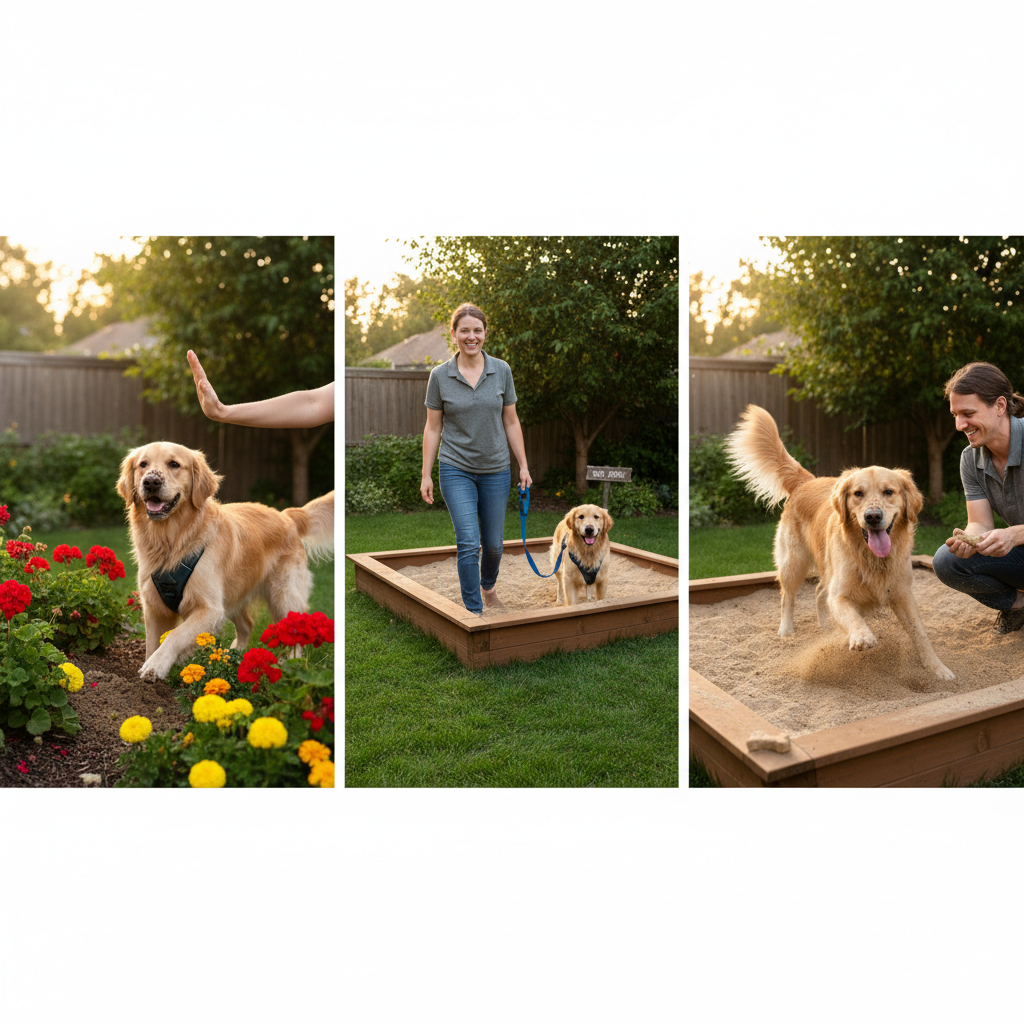
- Make it Fun: Bury some of your dog’s favorite toys or high-value treats just under the surface. Lead your dog to the box and encourage them to find the ‘treasure.’ When they start digging in the box, praise them enthusiastically and reward them.
Step 2: Master the ‘Interrupt and Redirect’ Technique
This technique requires active supervision, especially in the early stages of training. The moment you see your dog begin to dig in an unauthorized area, you must intervene calmly and consistently.
- Interrupt Calmly: Make a sharp, attention-getting noise—a loud clap or a firm “Ah-ah!” is sufficient. Avoid yelling or scaring your dog, as this can create anxiety.
- Redirect Immediately: As soon as you have their attention, cheerfully call them over to you. Leash them if necessary and lead them to their designated digging zone.
- Encourage Appropriate Digging: Once at the dig box, encourage them to dig there. You can use a specific command like “Go dig!” Uncover one of the buried toys to get them started.
- Reward Success: When they put their paws in the sand and start digging in the right spot, shower them with praise and offer a treat. This reinforces the connection: digging here is highly rewarding.
Step 3: Reinforce Incompatible Behaviors
Strengthen commands that are incompatible with digging. A strong “Leave It” command is invaluable. Practice this command with low-value items and gradually work up to more tempting objects. You can then apply it when you see your dog showing interest in an old digging spot. Similarly, a solid “Come” or “Place” command can be used to call your dog away from a potential digging adventure before it begins.
Troubleshooting Common and Persistent Digging Problems
Troubleshooting Common and Persistent Digging Problems
Even with a solid management and training plan, you may encounter specific challenges. Addressing these persistent issues often requires a more targeted adjustment to your strategy.
| Common Problem | Underlying Cause | Targeted Solution |
|---|---|---|
| Digging Only When Left Alone | Separation anxiety or boredom. | Increase exercise significantly before you leave. Provide high-value, long-lasting ‘departure toys’ (like a frozen Kong) that are only available when you’re gone. For severe anxiety, consult a professional trainer or veterinary behaviorist. |
| Obsessive Hunting of Yard Pests | High prey drive; presence of rodents. | Engage in professional, pet-safe pest removal. Increase alternative prey-drive outlets like flirt poles, lure coursing, or advanced scent work games to satisfy this instinct productively. Do not rely on deterrents alone. |
| Digging Under the Fence Despite Barriers | Strong escape motivation; insufficient barrier. | Re-evaluate your fence line. The L-footer mesh may need to be wider or buried deeper. Add large, heavy rocks or paving stones at the base. Most importantly, do not leave the dog unsupervised in the yard until the behavior is resolved. |
| Ignoring the Designated Dig Pit | The ‘illegal’ spot is more rewarding; pit isn’t appealing enough. | Make the dig pit the most exciting place in the yard. Rotate the ‘treasures’ buried there daily. Make unauthorized spots less appealing by temporarily covering them with a tarp, outdoor mat, or installing motion-activated sprinklers. Ensure you are praising enthusiastically for use of the correct spot. |
What If Nothing Seems to Work?
If you have consistently applied these strategies for several weeks without seeing improvement, it may be time to reassess. Consider the intensity of the behavior. Is it frantic or obsessive? Does it happen even when the dog is clearly exhausted? This could signal a more deeply rooted issue like a compulsive disorder or severe, unmanaged anxiety. In these cases, your management and training efforts are still valuable, but they may need to be supplemented with professional guidance to be truly effective.
When to Seek Professional Help

When to Seek Professional Help
While most digging issues can be resolved with dedication and the right techniques, some situations warrant the expertise of a professional. Recognizing when to seek help is not a sign of failure but a responsible step toward ensuring your dog’s well-being and your own peace of mind. You should consider consulting a professional if you observe any of the following:
- Digging Accompanied by Other Severe Behaviors: If the digging is part of a larger cluster of issues, such as severe separation anxiety, aggression, extreme fear, or self-harm (like chewing paws raw), it’s crucial to seek expert help.
- Risk of Injury or Successful Escapes: If your dog’s digging puts them in danger—such as escaping the yard and running into traffic—or if they are damaging utility lines, professional intervention is needed immediately.
- Signs of Compulsive Behavior: If the digging seems frantic, is difficult to interrupt, and the dog engages in it for long periods to the exclusion of other activities, it may be a compulsive disorder that requires a veterinary behaviorist’s diagnosis.
- Lack of Progress: If you have diligently implemented a comprehensive management and training plan for over a month with no noticeable improvement, a professional can offer a fresh perspective and more advanced techniques.
Who to Contact for Help
Navigating the world of animal behavior professionals can be confusing. Here are the experts to look for:
- Certified Professional Dog Trainer (CPDT): A CPDT can help you implement and refine behavior modification plans, improve your training mechanics, and provide practical, hands-on coaching. Ensure they use positive reinforcement-based methods.
- Veterinary Behaviorist (DACVB): A DACVB is a veterinarian who has undergone extensive, specialized training to become board-certified in animal behavior. They are uniquely qualified to diagnose and treat complex behavioral issues, rule out underlying medical causes, and prescribe medication if necessary. This is the highest level of expertise in the field.
- Certified Applied Animal Behaviorist (CAAB): A CAAB is a non-veterinarian with an advanced degree (Ph.D. or Master’s) in animal behavior. They are experts in developing and implementing behavior modification protocols for complex cases.
Seeking professional guidance is an investment in your relationship with your dog. A qualified expert can provide a customized plan that addresses the specific nuances of your dog’s behavior, leading to a faster and more effective resolution.
Conclusion
Reclaiming your yard from a determined digger is a process that demands more than just filling in holes. It requires empathy, observation, and a commitment to meeting your dog’s fundamental needs. By shifting your perspective from punishing a ‘bad’ behavior to solving a problem, you can build a stronger, more trusting relationship with your canine companion. The key pillars of success are consistent management of the environment, dedicated enrichment to combat boredom, and positive training that clearly communicates where digging is acceptable.
Remember that patience is paramount. You are working to modify a deeply ingrained, instinctual behavior, and progress will come in stages. Celebrate the small victories—a day with no new holes, the first time your dog chooses their dig pit on their own. By implementing the strategies outlined in this guide, you can restore order to your backyard and, more importantly, ensure your dog remains a safe, happy, and well-adjusted member of your family. A beautiful yard and a fulfilled dog are not mutually exclusive; they are the result of thoughtful, proactive ownership.