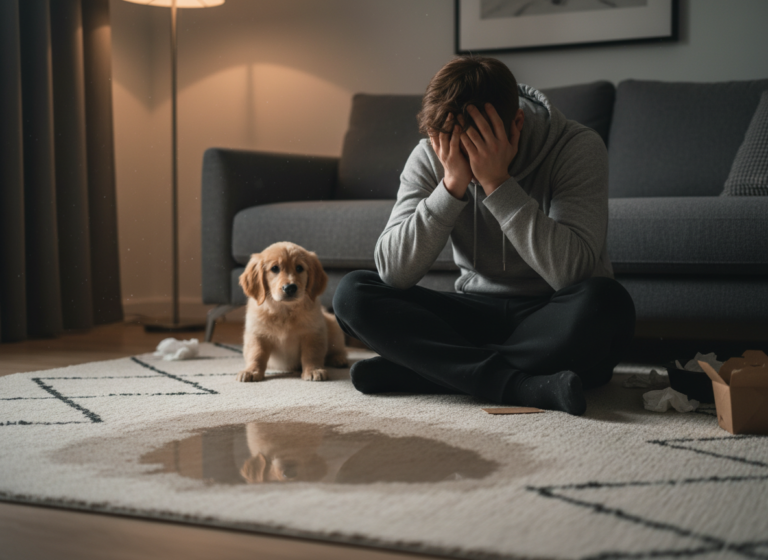
Apartment Survival: Are Real Grass Potty Patches Actually Worth It?
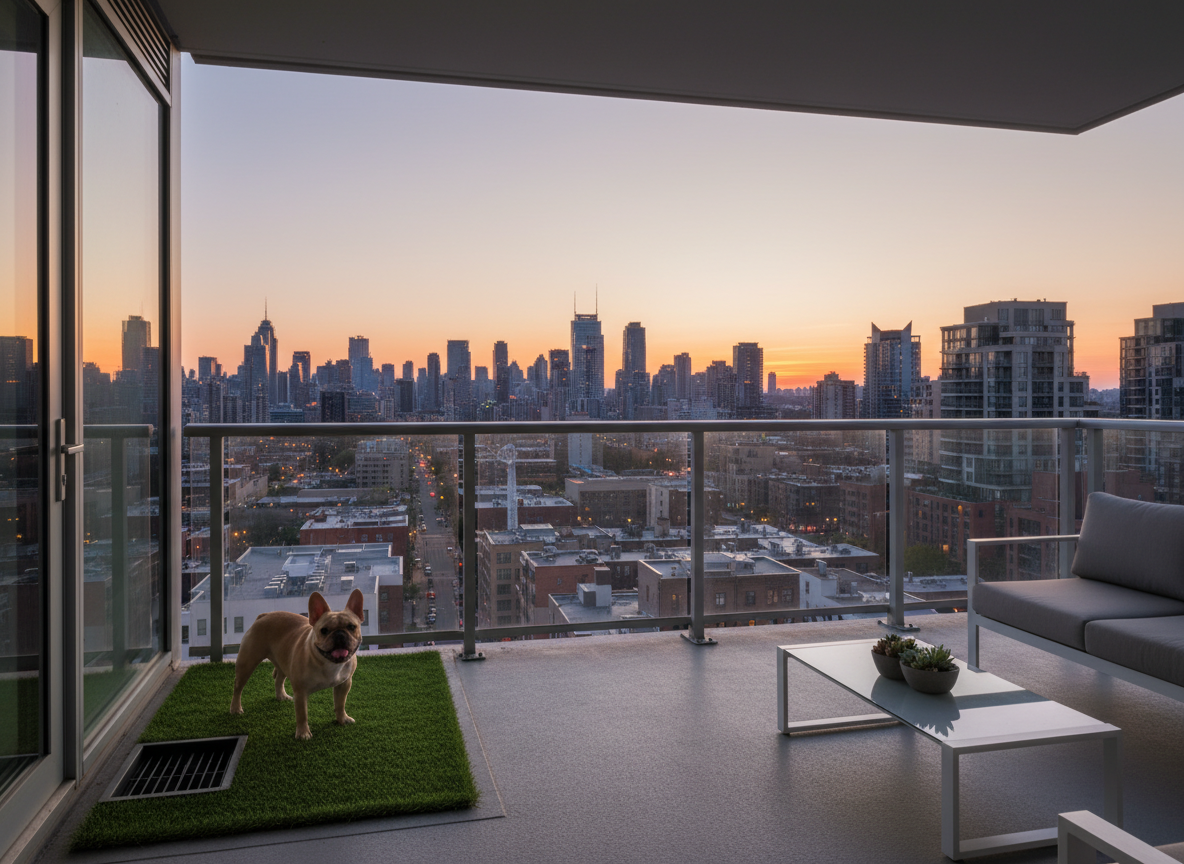
Living in an apartment or high-rise with a canine companion offers unique joys and significant challenges, none more pressing than the daily potty routine. The late-night elevator rides, the frantic dashes in pouring rain, and the logistical hurdles for puppies or senior dogs can test the patience of even the most dedicated pet owner. In response to this urban dilemma, a seemingly perfect solution has gained immense popularity: the real grass potty patch. Marketed as a natural, convenient, and dog-friendly alternative to disposable pads and synthetic turf, these miniature lawns promise to bring a piece of the park right to your balcony.
But beyond the clever marketing and idyllic images, what is the reality of maintaining a living patch of grass in a small space? Is it a revolutionary tool for city-dwelling pet parents, or an expensive, high-maintenance hassle? This comprehensive guide will delve deep into the world of real grass potty patches. We will dissect their functionality, weigh the significant advantages against the practical drawbacks, and compare them directly to other indoor potty solutions. Our goal is to provide you with an authoritative, unbiased analysis to help you decide if a real grass potty patch is truly worth the investment for you and your beloved pet.
Understanding the Real Grass Potty Patch System
What Exactly Is a Real Grass Potty Patch?
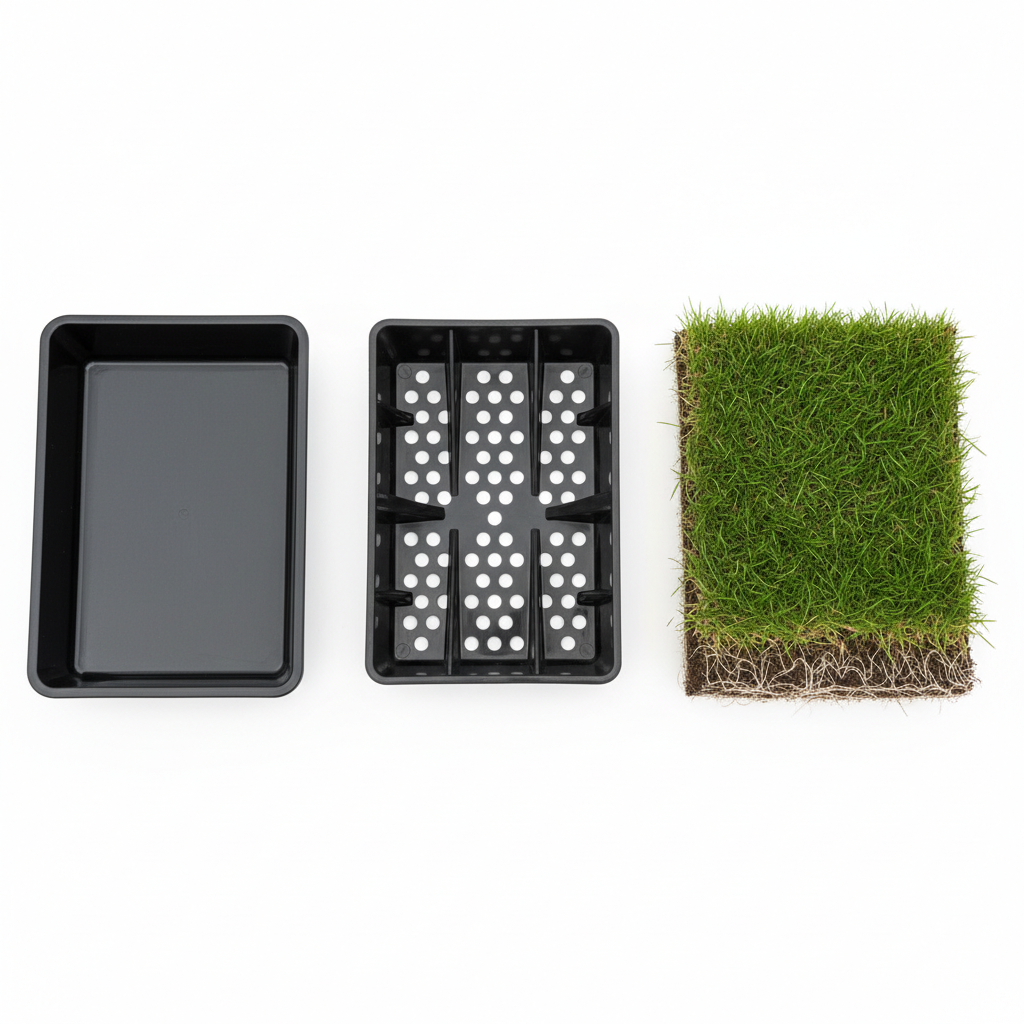
Before weighing the pros and cons, it’s essential to understand what a real grass potty patch is and how it functions. Unlike its artificial turf counterpart, this system uses living grass, typically a durable, soil-free sod grown hydroponically. This isn’t just a random piece of turf dug up from a field; it’s specifically cultivated to be absorbent and resilient in a contained environment.
The typical system consists of several components working in concert:
- The Grass Layer: This is the star of the show. The living grass and its root system are naturally adept at absorbing liquids and, crucially, breaking down the odor-causing compounds in urine. This biological process is the primary advantage over synthetic materials.
- The Tray or Container: The grass is housed within a shallow tray, usually made of durable plastic, wood, or another waterproof material. This tray contains the system and protects your floors or balcony surface from moisture. Some more advanced systems feature a two-tiered design with a drainage grate that separates the grass from a collection basin below.
- The Subscription Model: Most real grass potty patches operate on a subscription or delivery service model. Because the grass is a living organism, it has a finite lifespan. It will eventually become oversaturated with urine, and the grass will naturally die. Companies deliver a fresh roll of sod to your door at regular intervals (e.g., every 1-4 weeks, depending on your dog’s size and usage), and you are responsible for disposing of the old one.
Expert Tip: The effectiveness of a real grass patch is directly tied to its natural design. The grass doesn’t just mask odors; the microbes in the root system actively neutralize them, a key differentiator from plastic-based solutions that primarily rely on antimicrobial coatings and frequent washing.
The Compelling Advantages of a Natural Potty Solution
Why Pet Owners Are Turning to Real Grass
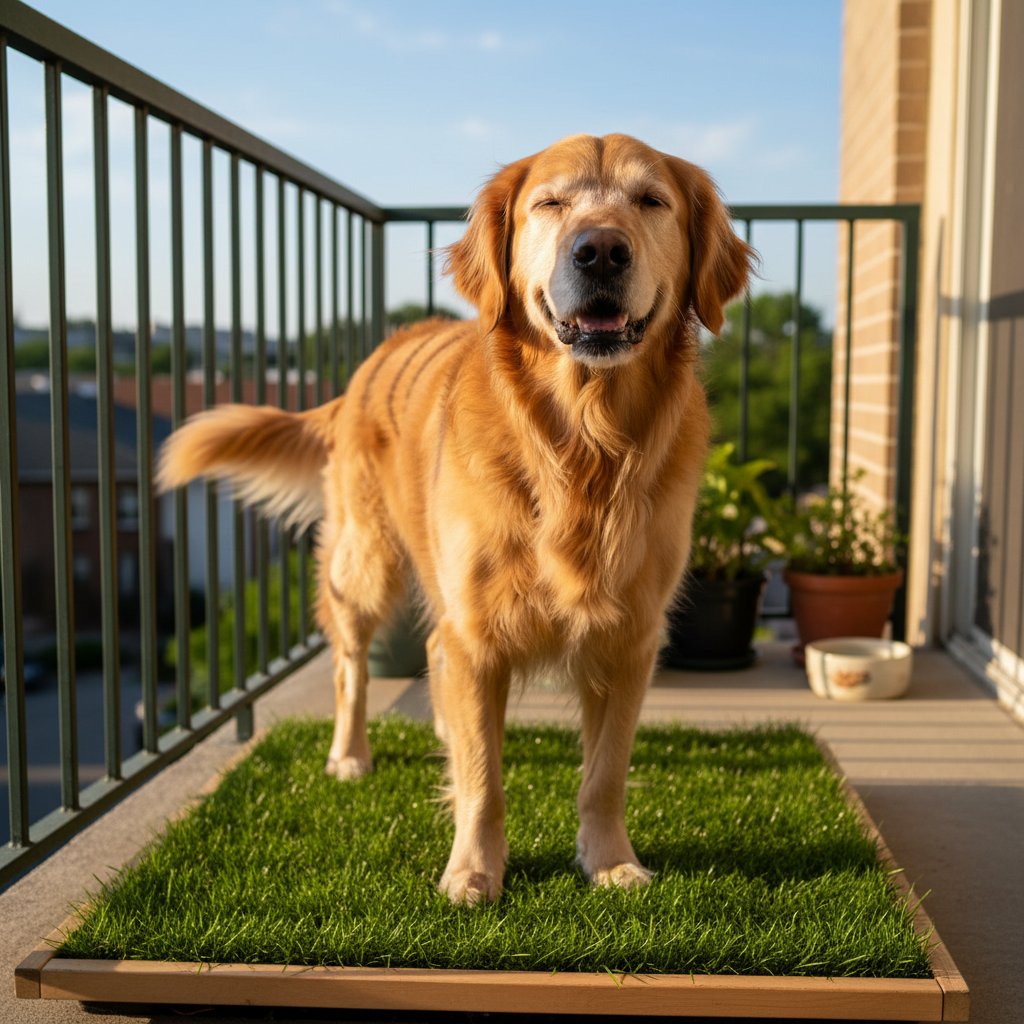
The popularity of real grass systems isn’t unfounded. They offer several powerful benefits that directly address the pain points of urban pet ownership, making them an attractive option for many.
Instinctive and Training-Friendly
Dogs are biologically programmed to relieve themselves on natural surfaces. The scent and texture of real grass are powerful instinctual triggers. This can significantly accelerate the potty training process for puppies, who may become confused by the artificial feel of pee pads, associating them with other soft surfaces in the home like rugs or blankets. For adult dogs, a grass patch provides a clear and appropriate spot, reinforcing the desired behavior of ‘potty on the grass’ even when they’re indoors or on a balcony.
Superior Odor Control
This is arguably the most significant advantage. While artificial turf and pee pads require constant washing and can still retain persistent ammonia smells, a living grass patch works as a natural odor neutralizer. The soil and root structure harbor beneficial microbes that break down uric acid and other smelly compounds. As long as the grass is healthy and not completely oversaturated, it will manage odors far more effectively and for longer than any synthetic alternative. This means less ‘dog smell’ in your apartment and a more pleasant environment for both you and your pet.
Unmatched Convenience and Accessibility
For many pet owners, convenience is paramount. A grass patch on the balcony or patio provides a safe and accessible potty option at any time of day or night. This is a game-changer for:
- Puppies: Who have small bladders and need frequent breaks, often more than an owner’s schedule allows.
- Senior Dogs: Pets with arthritis or mobility issues who cannot handle frequent trips up and down stairs.
- Owners with Mobility Challenges: Providing a safe alternative to navigating apartment buildings and streets multiple times a day.
- Inclement Weather: No more standing in a blizzard or thunderstorm for a 2 a.m. potty break.
- High-Rise Living: Eliminates the long elevator ride and trek to the nearest patch of green space, which can be critical for a dog with an urgent need.
The Practical Realities: Cost, Maintenance, and Potential Issues
Before You Buy: Acknowledging the Downsides
While the benefits are compelling, a real grass potty patch is not a maintenance-free solution. Prospective buyers must be aware of the ongoing commitment in terms of both finances and labor.
The Financial Investment
Real grass patches are a premium product with a corresponding price tag. The primary expense is not the initial tray but the recurring cost of grass replacement. Subscription services can range from $30 to $50+ per delivery, and a medium-sized dog might require a new patch every two weeks. This can add up to over $100 per month, a significant expense compared to other options. It is crucial to honestly assess your budget for this ongoing commitment.
Maintenance, Upkeep, and Disposal
You are, in effect, managing a tiny lawn. This involves more than just setting it down. Regular maintenance includes:
- Scooping Solids: Just like on a walk, solid waste must be removed immediately.
- Watering: The grass may need occasional light watering to stay fresh, especially in dry or hot climates, but overwatering can lead to sogginess and leaks.
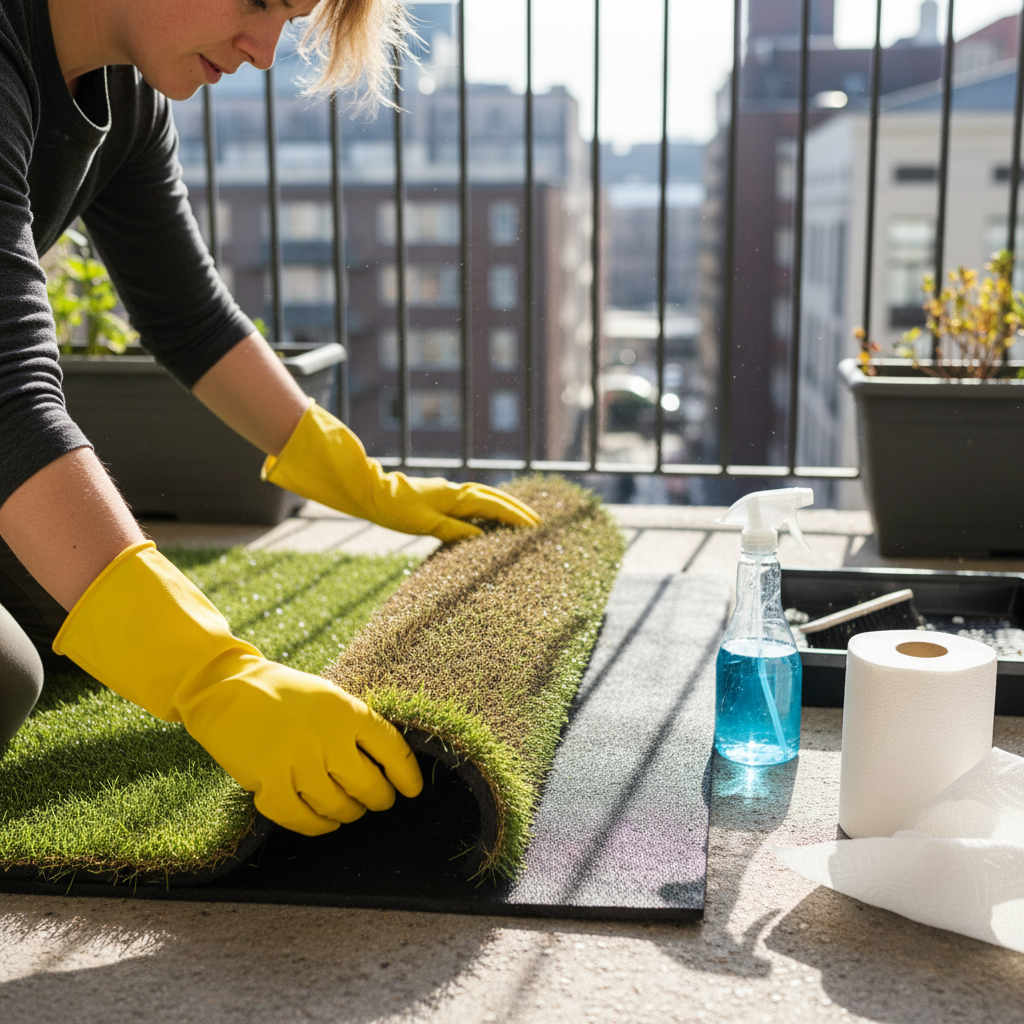
- Replacement: The most significant task is swapping out the old grass. This involves rolling up a heavy, potentially soiled piece of sod, cleaning the tray thoroughly, and laying down the new one. Disposing of the old sod can also be a challenge in some apartment buildings.
Potential for Mess and Pests
Bringing a piece of nature onto your balcony can have unintended consequences. Dogs may track dirt, mud, or wet grass into your home after using the patch. Furthermore, because it is a living ecosystem, it can potentially attract small insects like gnats or flies, especially if not well-maintained. While not a common issue with high-quality hydroponic sod, it is a possibility that owners should be aware of.
A Realistic Viewpoint: Think of a real grass patch less like a product and more like a service or a plant you need to care for. It requires consistent attention to function correctly. If you are looking for a ‘set it and forget it’ solution, this is likely not it.
Choosing Your Indoor Potty Solution: A Comparative Analysis
How Does Real Grass Stack Up Against the Alternatives?
To determine if a real grass patch is ‘worth it,’ it must be compared directly to the other leading indoor potty solutions. Each option serves a different need and comes with its own set of trade-offs.
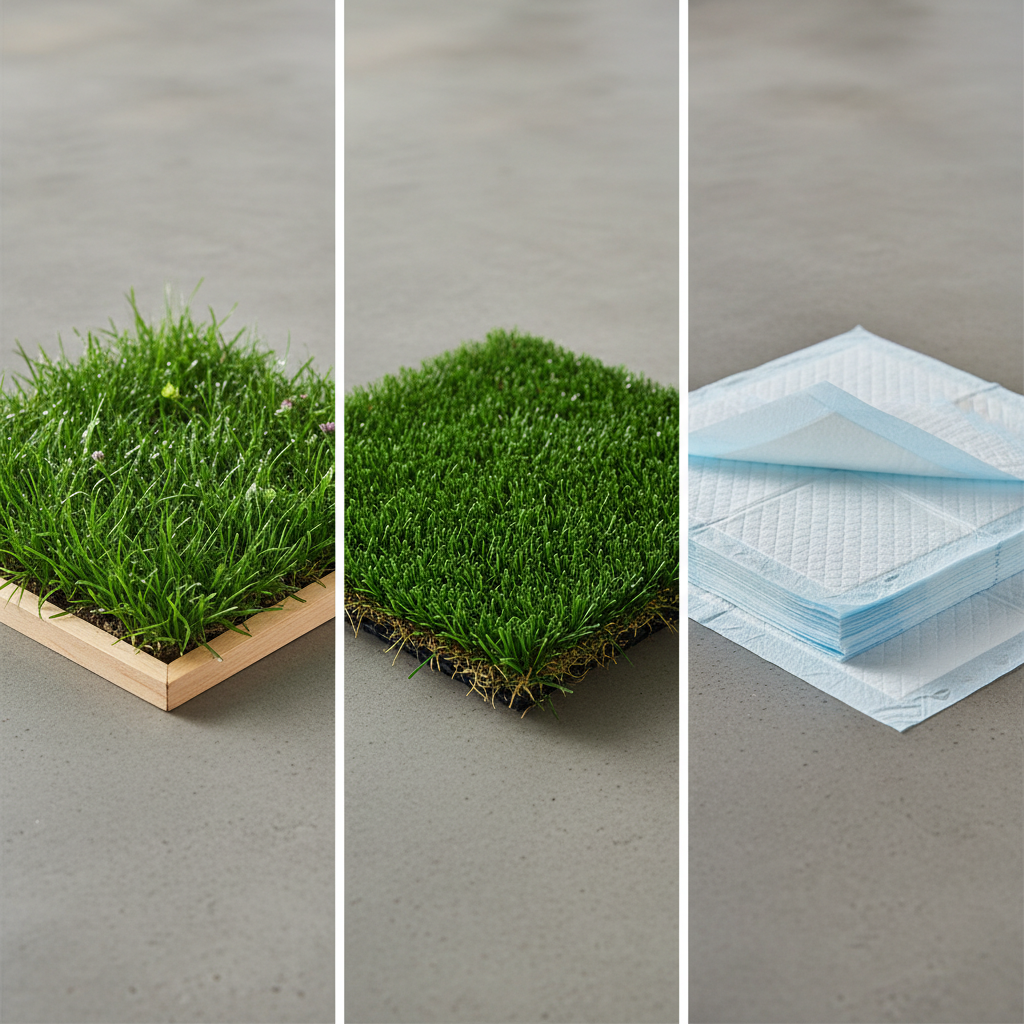
| Feature | Real Grass Patch | Artificial Turf Patch | Disposable Pee Pads |
|---|---|---|---|
| Odor Control | Excellent (Natural neutralization) | Fair to Poor (Requires frequent, deep cleaning) | Poor (Masks odor temporarily, then requires disposal) |
| Training Ease | Excellent (Instinctively attractive to dogs) | Good (Texture is better than pads, but still artificial) | Fair (Can cause surface confusion with rugs/carpets) |
| Upfront Cost | Moderate to High (For tray system) | Moderate (For quality tray and turf) | Very Low (Cost of a single pack) |
| Ongoing Cost | High (Recurring grass subscription) | Low (Cleaning supplies, occasional turf replacement) | Moderate to High (Constant purchasing of new pads) |
| Maintenance Level | High (Scooping, watering, full replacement) | Moderate (Scooping, regular rinsing and deep cleaning) | Low (Simply dispose of used pad and replace) |
| Environmental Impact | Good (Grass is biodegradable) | Poor (Made from plastics, requires water/chemicals to clean) | Very Poor (Single-use plastic, contributes to landfill waste) |
| Aesthetics | Excellent (Looks and feels like a real lawn) | Fair (Can look obviously plastic) | Poor (Looks clinical and can be an eyesore) |
As the table illustrates, the ‘best’ option is highly subjective. The real grass patch excels in performance—odor control, training ease, and aesthetics—but demands the highest ongoing cost and maintenance. Disposable pads offer convenience at a significant environmental cost and with poor odor control. Artificial turf sits in the middle, offering a reusable solution but requiring diligent cleaning to prevent persistent smells.
Maximizing Success: Best Practices for Using a Grass Potty Patch
Tips for a Smooth Transition and Effective Use
If you decide to invest in a real grass potty patch, proper implementation is key to getting your money’s worth and ensuring your dog uses it successfully. Follow these best practices to make the experience positive for everyone involved.
1. Choose the Right Size and Location
Don’t try to save money by getting a patch that’s too small. Your dog should have enough room to comfortably walk in a circle and choose a spot, just as they would outdoors. A dog that feels cramped may reject the patch entirely. Place it in a location that is easily accessible to your dog but also in a well-ventilated area, such as a balcony, patio, or near an openable window, to help with any ambient odors.
2. Master the Introduction
Don’t just put the patch down and expect your dog to understand. Guide the process with positive reinforcement:
- Leash Up: Initially, walk your dog on a leash to the patch, just as you would for an outdoor walk. This signals that it’s a designated potty area.
- Use a Cue: Use your established potty cue (e.g., ‘Go potty,’ ‘Hurry up’).
- Scent Transfer: Lightly dab a paper towel in a spot where your dog has previously urinated (outside, or on a pad) and place it on the new grass. Their own scent will encourage them to use the spot.
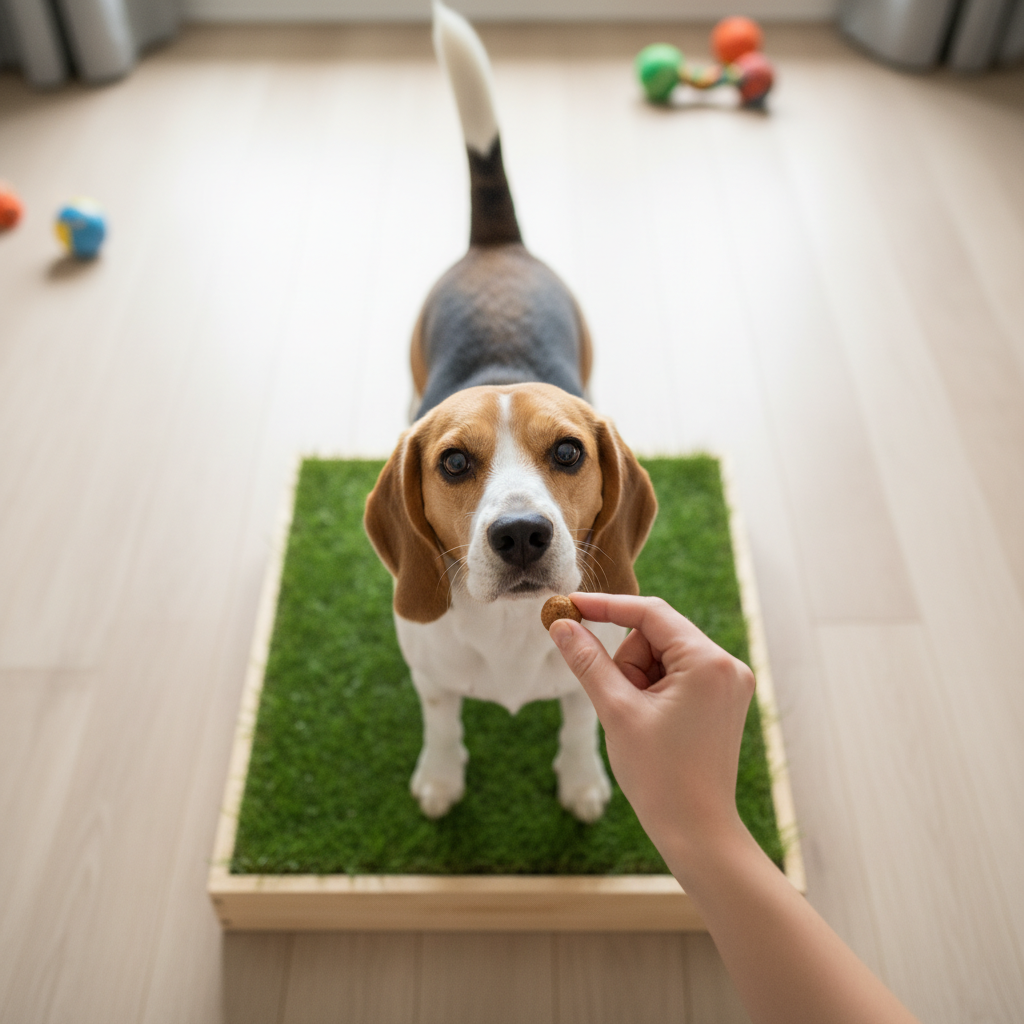
- Reward Success: When they use the patch successfully, offer immediate, high-value praise and a treat. This creates a strong positive association.
3. Establish a Cleaning Routine
Consistency is key to preventing odors and mess. Scoop solid waste immediately. If your balcony is exposed to heavy rain, ensure the tray has adequate drainage or is temporarily protected to avoid becoming a swamp. Pay attention to the condition of the grass. When it starts to look yellow or brown and feels overly saturated, it’s time for a replacement. Pushing a patch beyond its lifespan is the number one cause of odor problems.
4. Troubleshoot Common Problems
Be prepared for a few hiccups. If your dog tries to eat the grass, use a ‘Leave it’ command and redirect their attention. If they are hesitant to use it, be patient and persistent with the positive reinforcement training. Never punish them for not using it, as this will create fear and anxiety around the potty patch.
Conclusion
The Final Verdict: Is a Real Grass Potty Patch Worth It?
After a thorough examination, the answer is a qualified yes. A real grass potty patch can be an absolutely invaluable tool for the right dog and owner. For those living in high-rise apartments, for owners of puppies and senior dogs, or for anyone seeking a convenient and odor-free indoor potty solution, the benefits are substantial and can genuinely improve quality of life.
However, this recommendation comes with a critical caveat: it is a premium solution that requires a commitment of both money and effort. It is not a passive product but an active part of your pet care routine. You must be prepared for the recurring subscription cost and the physical task of replacing the sod regularly. If your budget is tight or if you are looking for a zero-hassle option, the ongoing demands of a real grass patch may lead to frustration.
Ultimately, the ‘worth’ of a real grass potty patch lies in a personal calculation of cost versus convenience. If you can comfortably accommodate the expense and maintenance, you will be rewarded with a clean, natural, and highly effective potty system that your dog will instinctively love. It successfully bridges the gap between the convenience of indoor living and a dog’s fundamental need for a natural place to go, making it a top-tier choice for surviving—and thriving—in an apartment with your four-legged friend.