7 Signs You’re Accidentally Encouraging Small Dog Syndrome (And How to Stop)
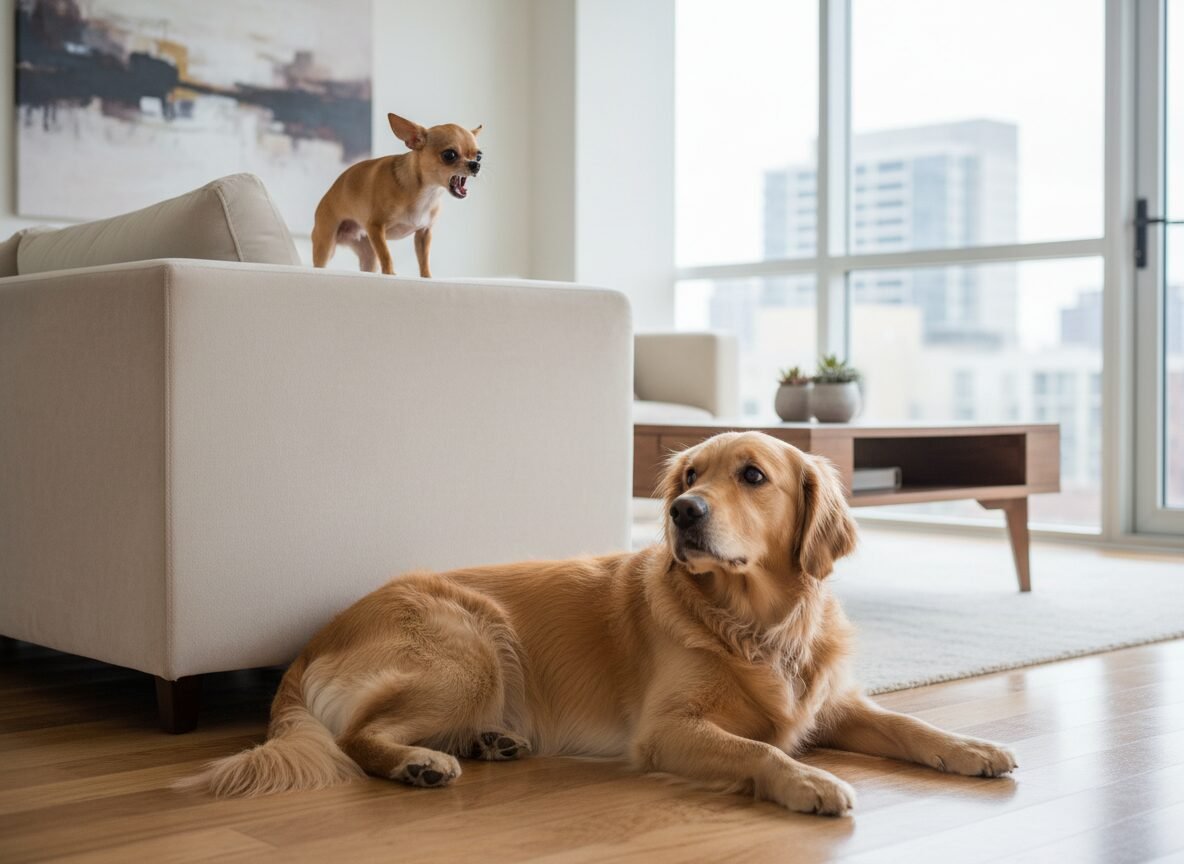
The term ‘Small Dog Syndrome’ is widely used among pet owners and trainers, yet it’s not a formal diagnosis you’ll find in a veterinary textbook. Instead, it describes a collection of undesirable behaviors—such as excessive barking, aggression towards larger dogs, and general bossiness—that are often tolerated or even inadvertently encouraged in small breeds. While a growling German Shepherd is immediately seen as a threat, a growling Pomeranian is often dismissed as ‘cute’ or ‘sassy.’ This disparity in perception and reaction is the root cause of the problem.
The reality is that these behaviors stem from insecurity and a lack of proper training and boundaries, not from the dog’s size itself. As an owner, your actions, intentions, and reactions play the most significant role in shaping your dog’s behavior. Many well-meaning habits, born out of a desire to protect a seemingly fragile companion, can actually foster anxiety and aggression. This article will serve as a comprehensive guide to identify seven common ways owners accidentally encourage Small Dog Syndrome and provide clear, authoritative strategies to correct these patterns, helping you raise a happy, well-adjusted dog, no matter how small.
Sign 1: Constant Carrying and Coddling
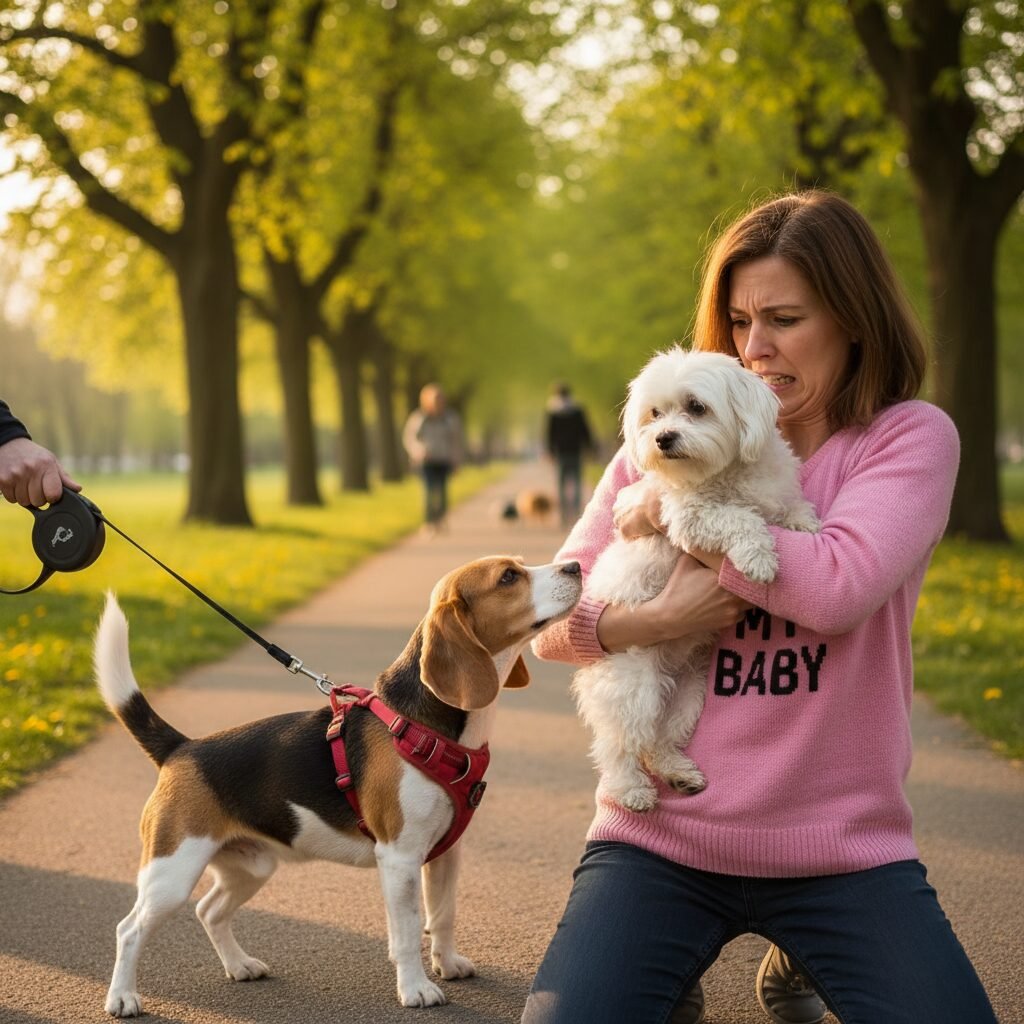
The Behavior: Treating Your Dog Like an Accessory
One of the most common ways owners contribute to Small Dog Syndrome is by constantly carrying their dog. Whether navigating a busy sidewalk, entering a pet-friendly store, or greeting a visitor at the door, the instinct is often to scoop up the small dog to ‘protect’ them. While the intention is good, the message this sends to the dog is detrimental. It communicates that the world is a dangerous place that they are not equipped to handle on their own. This prevents them from developing crucial social skills, confidence, and the ability to assess situations for themselves. A dog that is always held is denied the opportunity to learn appropriate canine greetings, read body language, and experience the world through their powerful sense of smell. They exist in a bubble, and when that bubble is burst, they often react with fear or aggression.
How to Stop: Encourage Four on the Floor
The solution is to allow your dog to be a dog. This means letting them walk on their own four paws as much as is safely possible. It is your responsibility to create a safe environment, but not to remove all challenges.
- Controlled Greetings: When meeting new people or calm, known dogs, keep your dog on a short, standard leash on the ground. Guide them through the interaction, rewarding calm behavior with praise or a small treat. If you are nervous, your dog will sense it. Project confidence.
- Build Obstacle Confidence: Instead of lifting your dog over a curb or a small puddle, encourage them to navigate it themselves. This builds problem-solving skills and physical confidence.
- Establish a ‘No-Carry Zone’: Designate specific times and places, like daily walks or time in the backyard, where carrying is not an option. This helps them understand that walking is the default mode of transportation.
Expert Tip: Carrying your dog should be reserved for genuine safety concerns, such as dense crowds or the presence of a known aggressive animal, not as a default way to move from point A to point B.
Sign 2: Excusing or Ignoring Nuisance Barking
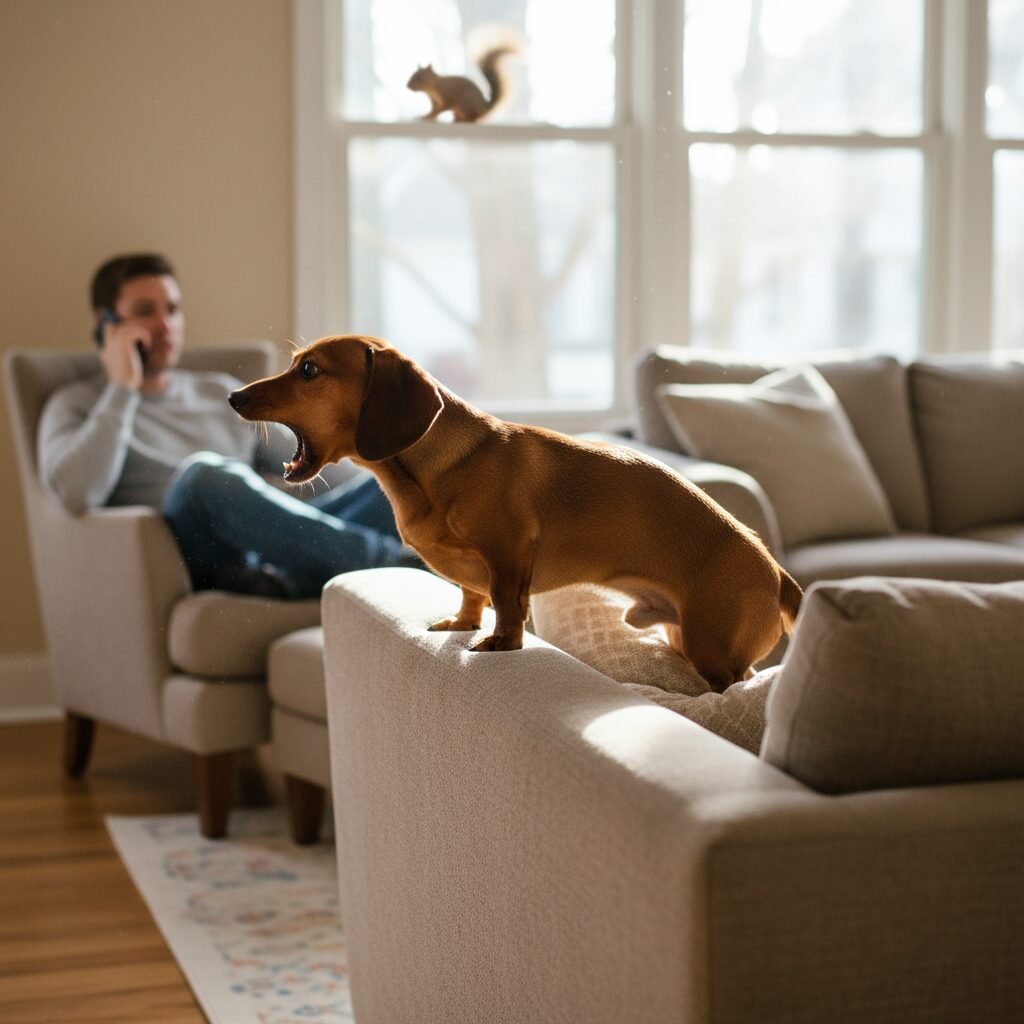
The Behavior: Tolerating ‘Cute’ Yelps and Yaps
A deep, booming bark from a Rottweiler is immediately addressed. A high-pitched, incessant yap from a Yorkshire Terrier is often ignored or even met with amusement. This inconsistency is a major contributor to Small Dog Syndrome. When a small dog barks at the mail carrier, a passing dog, or a knock at the door, and receives no correction, they learn that barking is an acceptable and effective way to control their environment and express their demands. They are, in effect, being rewarded for the behavior because there is no negative consequence. This reinforces their role as the household’s ‘alarm system’ and can escalate into territorial aggression and generalized anxiety, as they feel responsible for managing every perceived threat.
How to Stop: Implement a ‘Quiet’ Command
Consistent training is the key to managing nuisance barking, regardless of your dog’s size. Your goal is to acknowledge the alert, then take control of the situation.
- Teach the ‘Quiet’ Cue: When your dog starts barking, let them bark two or three times. Then, step in front of them, get their attention, and say ‘Quiet’ in a firm, calm voice.
- Reward the Silence: The moment they stop barking, even for a second, praise them enthusiastically and give them a high-value treat. The timing here is critical. You are rewarding the silence, not the barking.
- Gradually Increase Duration: As they begin to understand, gradually extend the amount of time they must be quiet before receiving the reward. Start with one second, then three, then five, and so on.
- Manage the Environment: If your dog barks at things outside the window, manage their access to that window. Use blinds or removable film to block the view when you are not actively training.
Sign 3: Shielding Them From All Other Dogs
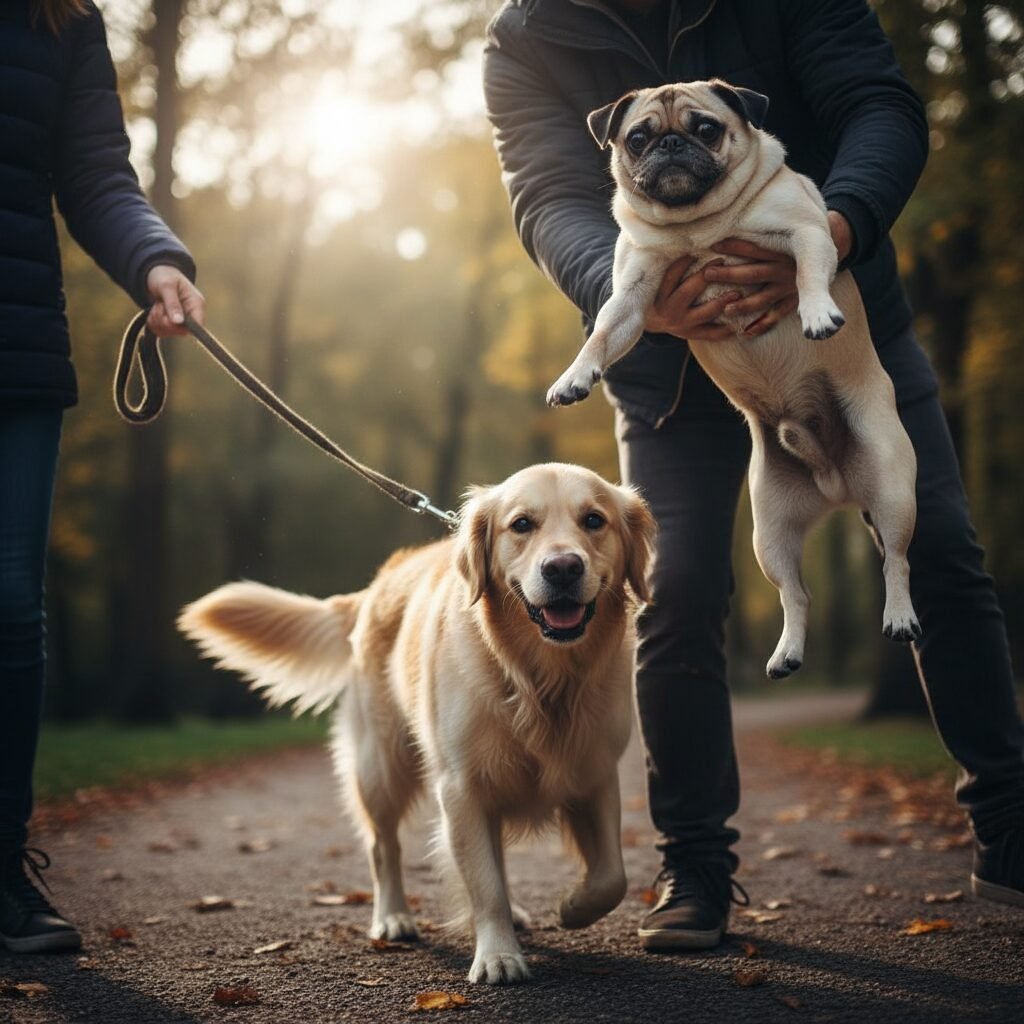
The Behavior: The Protective ‘Snatch and Grab’
You’re walking your Shih Tzu when you see a large Labrador approaching from a distance. Your heart rate quickens, and your immediate instinct is to snatch your dog up into the safety of your arms. This action, while driven by a protective urge, is one of the most damaging things you can do for your dog’s social development. It teaches them several negative lessons simultaneously:
- Other dogs, especially large ones, are terrifying threats.
- The appropriate response to a potential threat is to panic.
- Their owner does not trust them to handle social situations.
This creates a cycle of fear. The dog becomes reactive because they’ve been taught to be fearful, and the owner becomes more likely to pick them up because the dog is reactive. This lack of proper socialization can lead to leash reactivity, fear-based aggression, and an inability to enjoy environments with other dogs.
How to Stop: Facilitate Positive, Controlled Socialization
Proper socialization is not about letting your dog run wild at a dog park. It’s about creating positive, controlled experiences with other dogs.
Focus on Neutrality: The goal is not for your dog to love every dog, but to be neutral and calm in their presence. Practice walking past other dogs at a distance where your dog can see them but not react. Reward your dog for looking at the other dog and then looking back at you. Gradually decrease the distance over many sessions.
Choose Social Partners Wisely: Arrange one-on-one playdates with dogs you know are calm, gentle, and well-socialized. A calm, older large breed dog can be an excellent teacher for a small, insecure dog. Always supervise interactions closely.
Advocate for Your Dog: It is perfectly acceptable to be your dog’s advocate. If an off-leash dog approaches, confidently step between that dog and your dog. Use a firm voice to tell the other owner to ‘get your dog.’ This teaches your dog that you are the protector, so they don’t have to be.
Sign 4: Inconsistent Enforcement of Basic Rules
The Behavior: The ‘Small Dog Pass’ on Manners
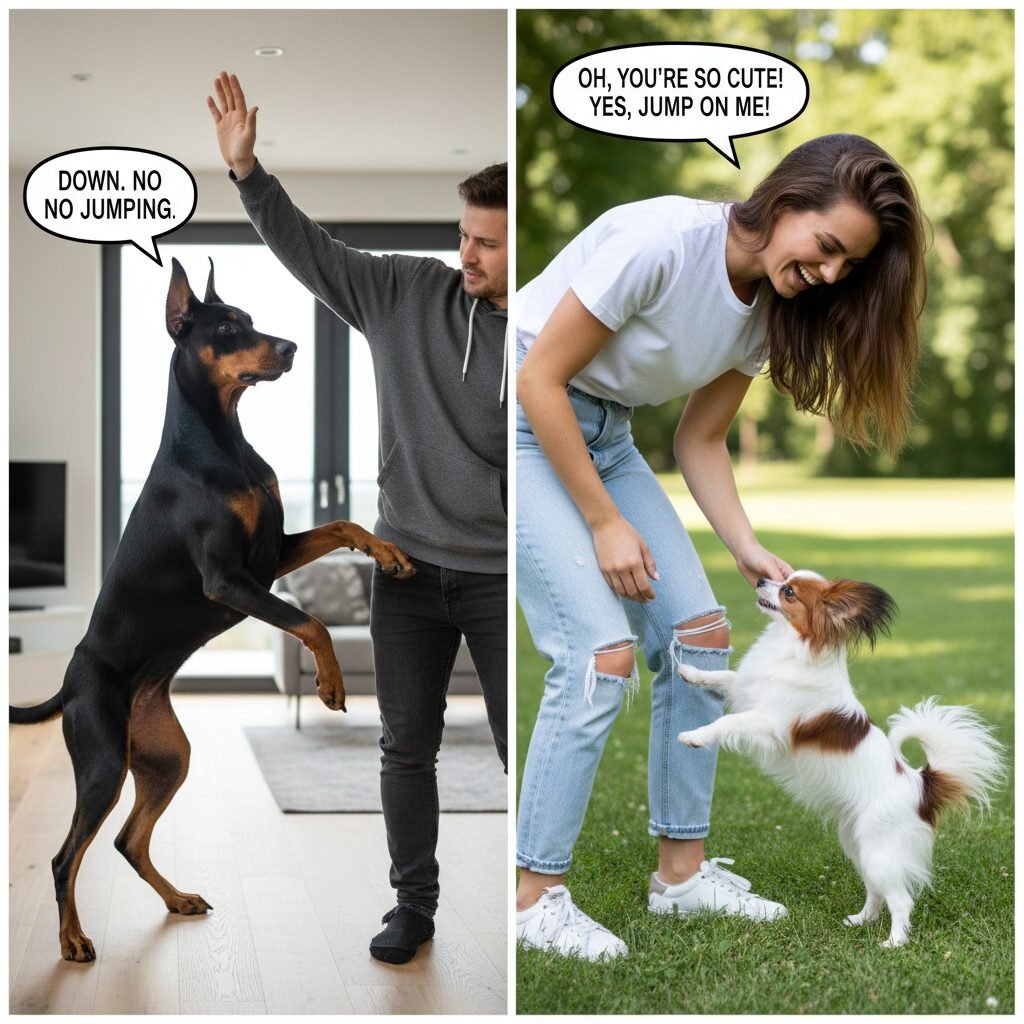
Jumping on guests. Begging at the dinner table. Lightly nipping during play. Pawing for attention. These are all behaviors that would be quickly corrected in a 70-pound dog, but are often overlooked or deemed endearing in a 7-pound dog. This is what can be called the ‘small dog pass.’ When you fail to enforce the same basic rules of polite society on your small dog, you are creating a dog who does not respect boundaries. This lack of structure can lead to a dog that is demanding, difficult to manage, and even dangerous—a bite from a small dog can still cause significant injury, especially to a child or elderly person. Consistency is the foundation of a healthy human-canine relationship, and it must apply equally to all dogs in the household.
How to Stop: Treat Them Like a Big Dog in Training
The solution is simple in concept but requires discipline in practice: hold your small dog to the same standards of behavior as you would a large dog.
| Common Infraction | ‘Small Dog’ Reaction | Corrective ‘Big Dog’ Training |
|---|---|---|
| Jumping on visitors | ‘Oh, he’s just saying hello!’ | Teach a solid ‘sit’ or ‘place’ command for when guests arrive. The dog must remain calm to earn affection. |
| Begging at the table | Giving in and sharing a small piece of food. | Enforce a strict ‘no begging’ rule. Teach the dog to lie on their bed during mealtimes. |
| Nipping during play | Pulling hand away but continuing the game. | Immediately end the play session with a firm ‘no bite.’ Teach bite inhibition by yelping loudly if teeth make contact with skin. |
| Pawing for attention | Petting the dog to make them stop. | Ignore the pawing completely. Only give attention when the dog is calm and offering a polite behavior, like a sit. |
Sign 5: Mismanaging Leash Etiquette and Control
The Behavior: The Retractable Leash Fallacy
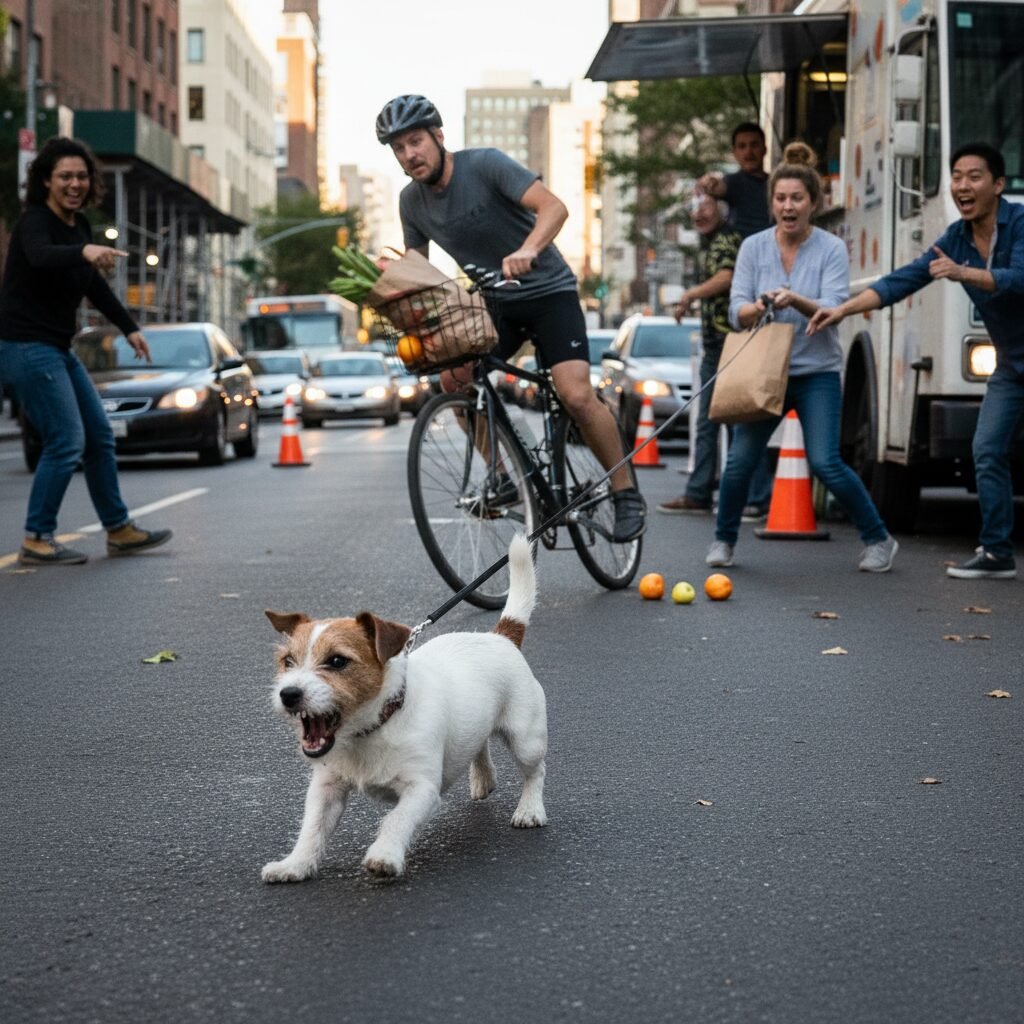
Retractable leashes are incredibly popular, but for a small dog prone to reactive behavior, they can be a disaster. These leashes teach a dog to pull to get where they want to go and allow them to get too far away from their handler. When a small dog is 15 feet ahead of you and decides to charge a skateboarder, another dog, or a child, you have virtually no control. You cannot give a quick, effective leash correction, and you cannot reel them in fast enough to prevent an incident. This freedom reinforces the dog’s belief that they are in charge of the walk and responsible for confronting anything they perceive as a threat. It allows them to practice and perfect their reactive behaviors on every single walk.
How to Stop: Master Loose-Leash Walking on a Standard Leash
Switch to a standard 4-to-6-foot leash made of leather or nylon. This gives you better control and a more direct connection to your dog. Then, dedicate time to teaching proper loose-leash walking.
- Be a Tree: The moment your dog pulls and the leash tightens, stop walking. Stand still and silent. Do not move forward until the dog releases the tension on the leash, even if they just turn their head back toward you. The second the leash goes slack, start walking again. This teaches them that pulling gets them nowhere.
- Reward the Check-in: Whenever your dog voluntarily looks back at you or walks close to your side, reward them with praise or a treat. You want them to learn that staying close to you is the most rewarding place to be.
- The ‘About-Turn’: If your dog is fixated on something ahead and pulling relentlessly, surprise them by cheerfully saying ‘This way!’ and turning 180 degrees to walk in the opposite direction. This breaks their focus and reminds them that you are leading the walk.
Sign 6: Neglecting Formal Training and Mental Stimulation
The Behavior: Assuming Small Dogs ‘Don’t Need It’
There is a pervasive myth that small dogs do not require the same level of formal obedience training or mental stimulation as their larger counterparts. Owners of large, powerful breeds understand that training is non-negotiable for safety and management. Owners of small breeds, however, may feel they can physically manage their dog’s bad behavior, so they skip formal classes altogether. This is a profound disservice to the dog. All dogs, regardless of size, are intelligent animals that thrive on structure, learning, and having a ‘job.’ A bored dog is a destructive or anxious dog. Without the mental workout that training and enrichment provide, small dogs can develop behavioral problems like separation anxiety, destructive chewing, and, yes, the constellation of behaviors known as Small Dog Syndrome.
How to Stop: Engage Their Brains Daily
Commit to training and enrichment as a vital part of your dog’s daily routine. A mentally tired dog is a happy and well-behaved dog.
- Enroll in a Class: Sign up for a basic obedience or puppy kindergarten class. The structured environment, professional guidance, and socialization opportunities are invaluable. Consider fun dog sports like nose work or agility, which are fantastic for building confidence in small dogs.
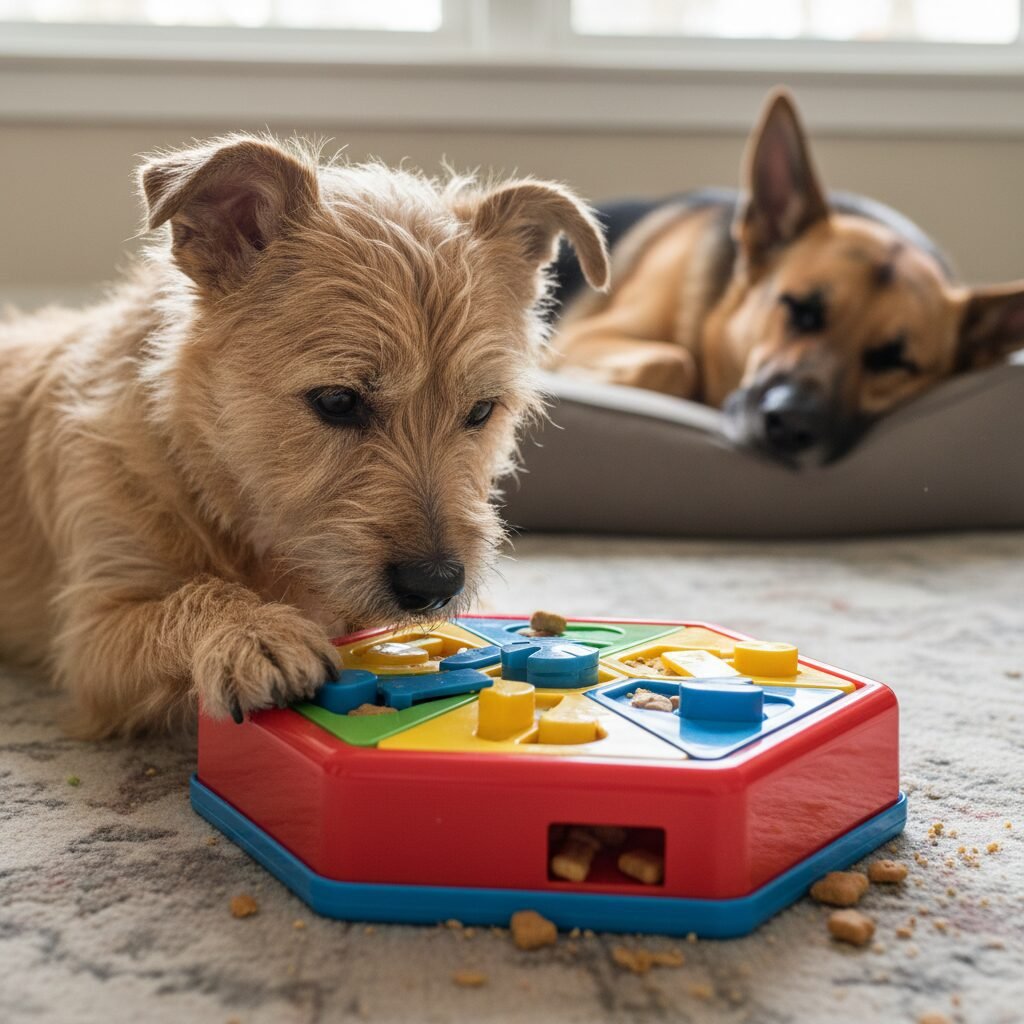
- Incorporate Puzzle Toys: Ditch the standard food bowl. Feed your dog’s meals from puzzle toys, snuffle mats, or treat-dispensing balls. This forces them to use their brain and problem-solving skills to eat, which is incredibly fulfilling for them.
- Practice ‘Trick Training’: Teach fun tricks like ‘spin,’ ‘roll over,’ or ‘play dead.’ These 5-10 minute sessions are powerful bonding experiences and provide excellent mental exercise. They also reinforce the concept that listening to you is fun and rewarding.
Expert Tip: Mental exercise can be just as tiring, if not more so, than physical exercise. A 15-minute training session can wear a dog out more effectively than a 30-minute walk.
Sign 7: Projecting Human Emotions onto Anxious Behaviors
The Behavior: Comforting Instead of Correcting
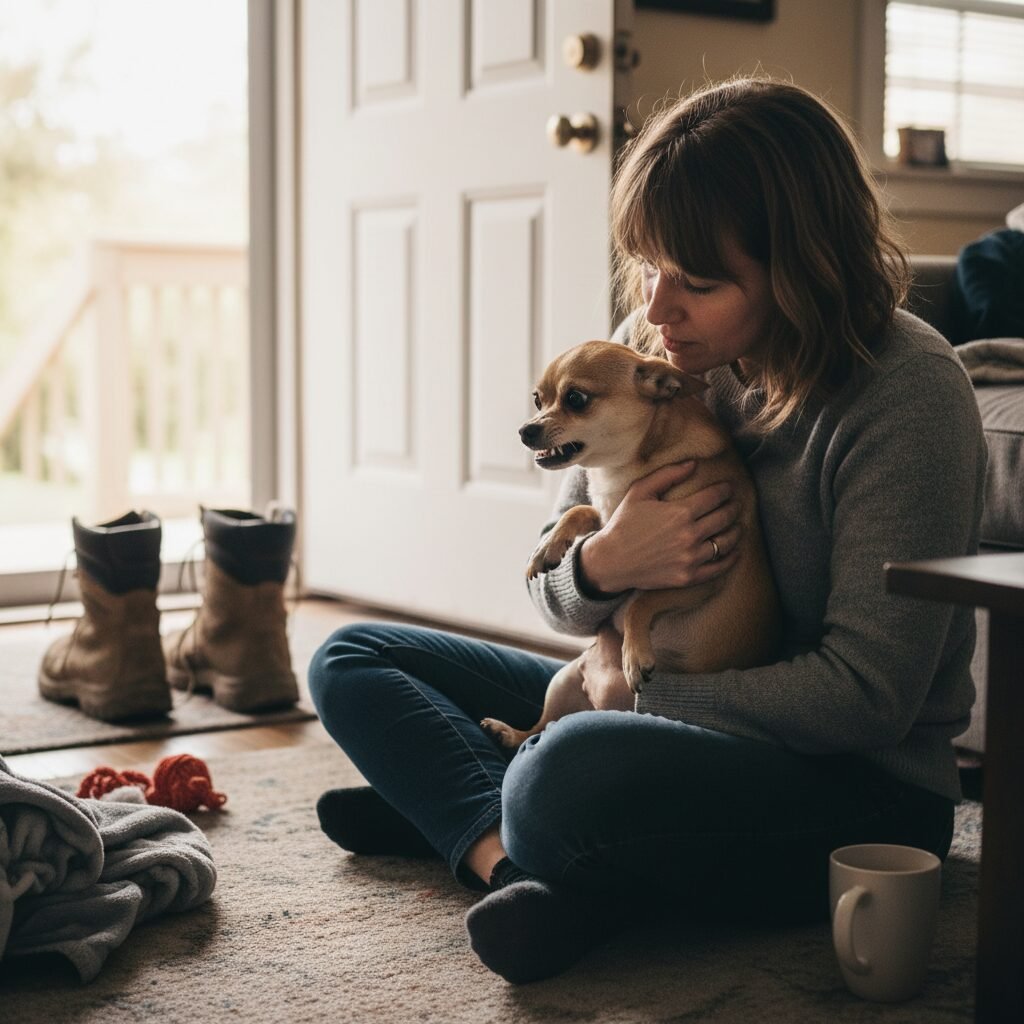
When a small dog growls, shakes, or barks from a position of fear, a common human reaction is to soothe them. The owner might scoop the dog up, stroke them, and whisper ‘It’s okay, you’re okay.’ From a human perspective, this is an act of comfort. From a canine perspective, this is reinforcement. You are essentially praising the dog for their fearful or aggressive reaction. You are communicating, ‘Yes, that was the correct way to behave in that situation. I approve of your growling.’ This validation of fear only makes the behavior more likely to occur in the future. You are not calming the dog; you are rewarding the anxious state of mind, trapping them in a cycle of fear and reactivity.
How to Stop: Be a Calm and Confident Leader
Your dog takes its cues from you. If you are anxious and emotional, they will be too. If you are calm, confident, and in control, you provide the leadership they need to feel secure. Instead of comforting the fear, you must redirect the behavior.
Redirect with a Command: When your dog starts to show signs of fear or reactivity (before it escalates), redirect their attention immediately. Ask for a simple command they know well, like ‘sit’ or ‘look at me.’ This breaks their fixation on the trigger and engages the thinking part of their brain, making it harder for the emotional, reactive part to take over.
Create Positive Associations: This technique, known as counter-conditioning, involves changing your dog’s emotional response to a trigger. For example, if your dog is afraid of the vacuum cleaner, start by having the vacuum visible at a distance while you give your dog very high-value treats. Over time, you can slowly decrease the distance and eventually turn the vacuum on for a second, always pairing the trigger with something wonderful. This changes the association from ‘scary monster’ to ‘predictor of chicken.’
Remain Neutral: Your energy is paramount. Do not talk to the dog in a high-pitched, soothing voice. Do not tense up on the leash. Breathe, remain upright, and project an aura of ‘I’ve got this.’ Your calm confidence is the most powerful tool you have to show your dog that there is nothing to fear.
Conclusion
Ultimately, ‘Small Dog Syndrome’ is a human problem, not a canine one. The behaviors we label with this term are the direct result of our own actions, perceptions, and inconsistencies. The good news is that because we are the cause, we can also be the solution. By shifting your perspective and committing to change, you can undo the damage of unintentional encouragement.
Stop seeing your companion as a fragile object to be protected and start seeing them as a capable, intelligent dog who craves structure, leadership, and clear communication. Let them walk, let them learn, and hold them to the same standards you would any other dog. Provide them with the training, socialization, and mental enrichment they need to build true confidence—the kind that doesn’t need to express itself through yaps, growls, or lunges. By implementing these strategies consistently, you will not only eliminate unwanted behaviors but also forge a deeper, more respectful, and rewarding bond with your small but mighty companion.