Does Your Dog Need A Life Vest? Fit & Training Guide For Swimmers
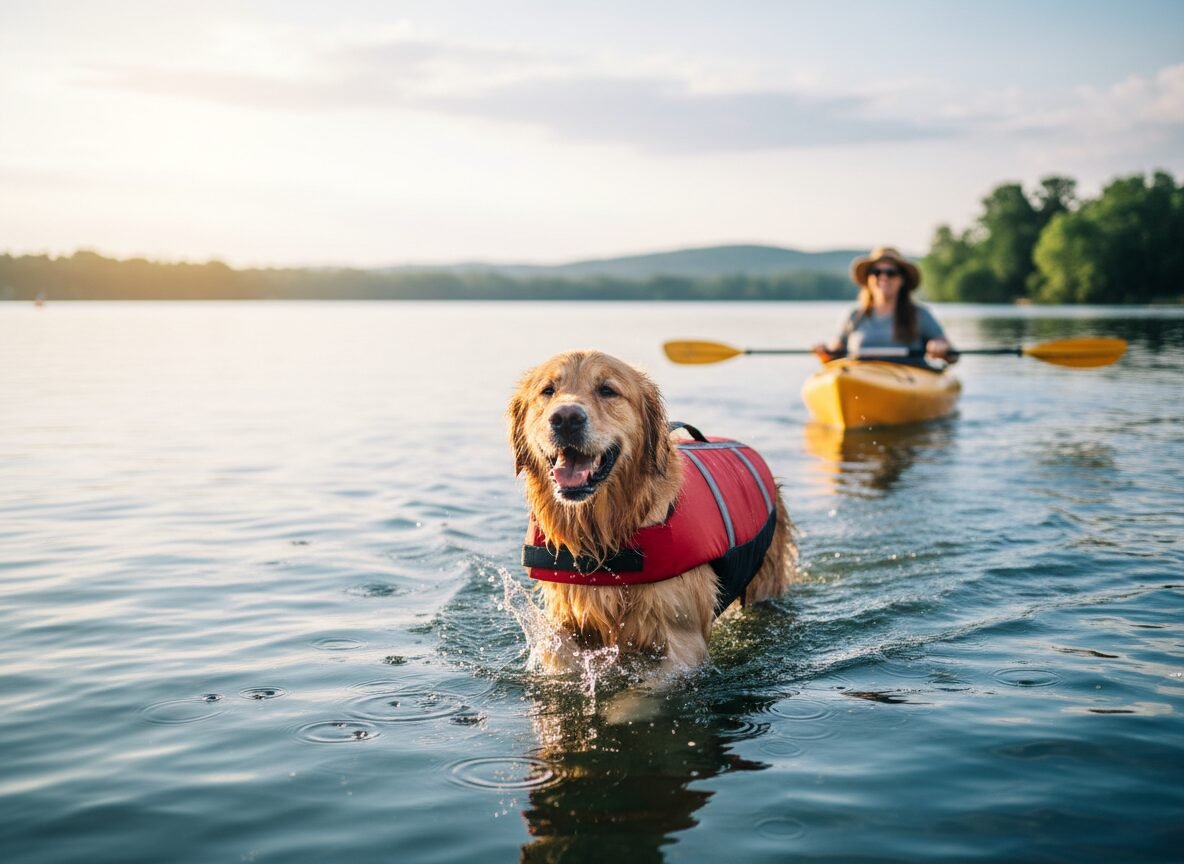
The image of a dog joyfully leaping into a lake or paddling alongside a kayak is a classic portrait of summer fun. As pet owners, we cherish these moments, but our enthusiasm must be matched by a commitment to safety. A common and dangerous misconception is that all dogs are innate, powerful swimmers. While many dogs have a natural instinct to paddle, this doesn’t equate to universal water safety. Factors like breed, age, health, and water conditions can turn a pleasant swim into a perilous situation. A canine life vest, or Personal Flotation Device (PFD), is not just an accessory; it is a critical piece of safety equipment that can prevent tragedy.
This guide is designed to provide pet owners with the authoritative information needed to make an informed decision. We will delve into the specific circumstances and breeds that necessitate a life vest, break down the essential features of a high-quality PFD, provide a detailed methodology for measuring and fitting the vest, and offer a step-by-step training plan to acclimate your dog to their new gear. By understanding these key elements, you can ensure your water-bound adventures are both thrilling and secure for your four-legged family member.
Identifying the Need: When is a Canine Life Vest Essential?
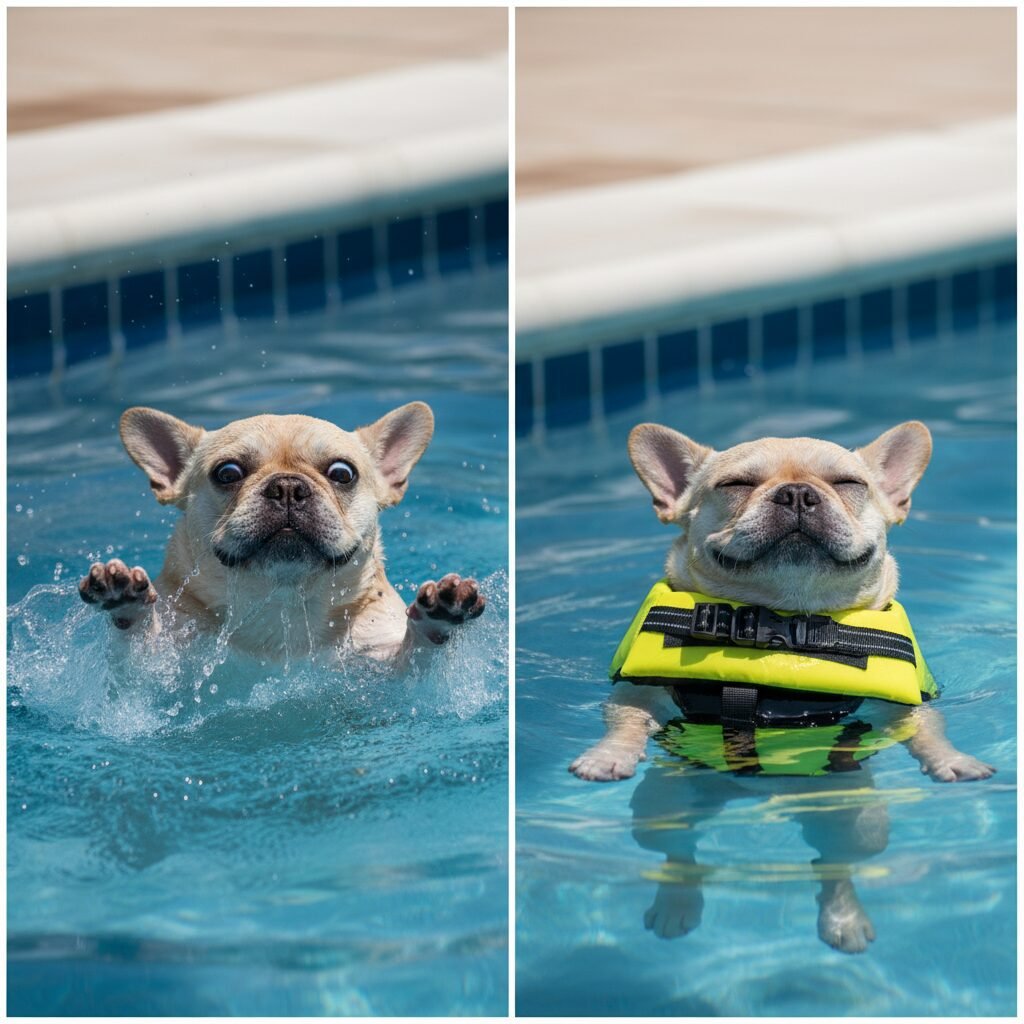
Identifying the Need: When is a Canine Life Vest Essential?
While a life vest is a wise precaution for nearly any dog around water, for some, it is an absolute necessity. Certain physical traits, health conditions, and environmental factors dramatically increase a dog’s risk in the water. Understanding these risk categories is the first step in responsible aquatic stewardship.
Dogs with High-Risk Physical Traits
Certain breeds are simply not built for swimming. Their anatomy can make staying afloat difficult and exhausting.
- Brachycephalic Breeds: Dogs with short snouts and flat faces, such as Pugs, French Bulldogs, English Bulldogs, and Boxers, often struggle to keep their heads above water without tilting their entire body into an inefficient, near-vertical position. This requires immense effort and can lead to rapid fatigue and inhalation of water.
- Breeds with Low Body Fat: Lean, muscular dogs like Greyhounds, Whippets, and Dobermans lack the natural buoyancy that body fat provides. They may be strong, but they must work much harder to avoid sinking.
- Top-Heavy Breeds: Breeds with large chests and small hindquarters, like Corgis and Basset Hounds, can have difficulty maintaining a balanced, horizontal swimming posture. Their powerful front ends may paddle effectively, but their less buoyant rears can drag them down.
Age and Health Considerations
A dog’s life stage and physical condition play a significant role in their water competency.
- Puppies: Young dogs are full of energy but lack the experience, coordination, and stamina of an adult. They can become easily overwhelmed, chilled, or tired.
- Senior Dogs: Older dogs may suffer from decreased stamina, muscle weakness, or joint pain from conditions like arthritis. A life vest provides crucial support, allowing them to enjoy the low-impact benefits of swimming without overexertion.
- Dogs with Medical Issues: Any dog with a condition affecting mobility, strength, or balance—such as hip dysplasia, neurological issues, or seizure disorders—should always wear a life vest near water.
Situational Imperatives
Even for a dog that is a strong, confident swimmer, certain situations warrant the mandatory use of a PFD.
Even the most accomplished canine swimmer can be overcome by strong currents, sudden exhaustion, or disorientation after an unexpected fall into cold water. A life vest provides the time needed for a safe rescue.
- Boating and Watercraft: Any dog on any type of boat—from a speedboat to a canoe—must wear a life vest. A sudden turn or wave can easily send a dog overboard, and in open water, locating them can be incredibly difficult.
- Rough or Cold Water: Oceans with rip currents, fast-moving rivers, and very cold lakes present significant dangers. A vest provides buoyancy against currents and can help a dog conserve energy and body heat.
- Pools with Limited Egress: While a dog may enjoy a pool, they don’t always know how to find the stairs to get out. If they fall in unexpectedly and panic, they can tire themselves out trying to claw at the edge. A vest keeps them afloat until help arrives.
The Anatomy of a High-Quality Dog Life Vest
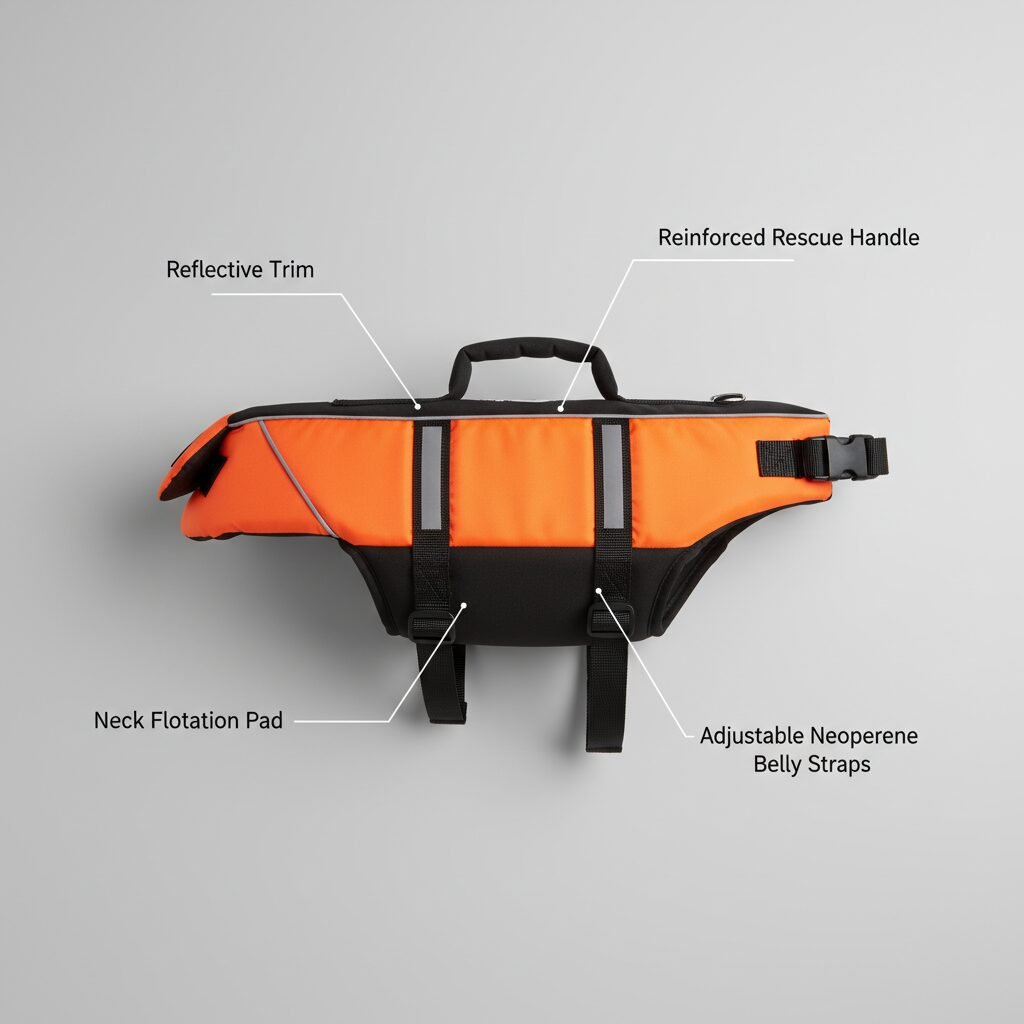
The Anatomy of a High-Quality Dog Life Vest
Not all canine life vests are created equal. Investing in a well-designed, durable PFD is an investment in your dog’s safety. When evaluating options, look beyond color and price and focus on the functional components that make a vest effective in an emergency.
Key Features to Evaluate
| Feature | Description & Importance |
|---|---|
| Optimal Buoyancy & Foam Placement | Look for vests with strategically placed closed-cell foam. Superior designs feature flotation not only on the back but also under the belly and around the neck. A front neck float is critical as it helps keep the dog’s head above water, even if they are fatigued. |
| Durable Rescue Handle | This is arguably the most important safety feature. The handle should be securely reinforced and positioned on the top of the vest, allowing you to quickly and safely lift your dog out of the water and onto a boat, dock, or pool deck. Test the stitching and material to ensure it can support your dog’s full weight. |
| Secure Fit & Adjustability | A proper fit is non-negotiable. The vest should have multiple adjustable straps, typically around the neck and chest/belly. These straps, combined with sturdy quick-release buckles, ensure the vest stays snug and doesn’t shift, rotate, or come off during activity. |
| High-Visibility Elements | Bright colors like red, orange, or yellow make your dog much easier to spot in the water, especially in choppy conditions or low light. Reflective piping or trim is another crucial feature for visibility during dawn or dusk. |
| Material and Construction | The vest should be made from durable, ripstop materials like neoprene or heavy-duty polyester that can withstand branches, rocks, and general wear. Ensure the seams are double-stitched for longevity. |
| Leash Attachment Point | A sturdy D-ring, typically located near the rescue handle, allows you to attach a leash. This is invaluable for keeping your dog close on docks, boat ramps, or when guiding them in the water. |
A vest that is too loose can slip off or entangle the dog, while one that is too tight can restrict breathing and movement. The goal is a snug, secure fit that becomes a seamless extension of your dog.
A Perfect Fit: How to Measure Your Dog and Choose the Right Size
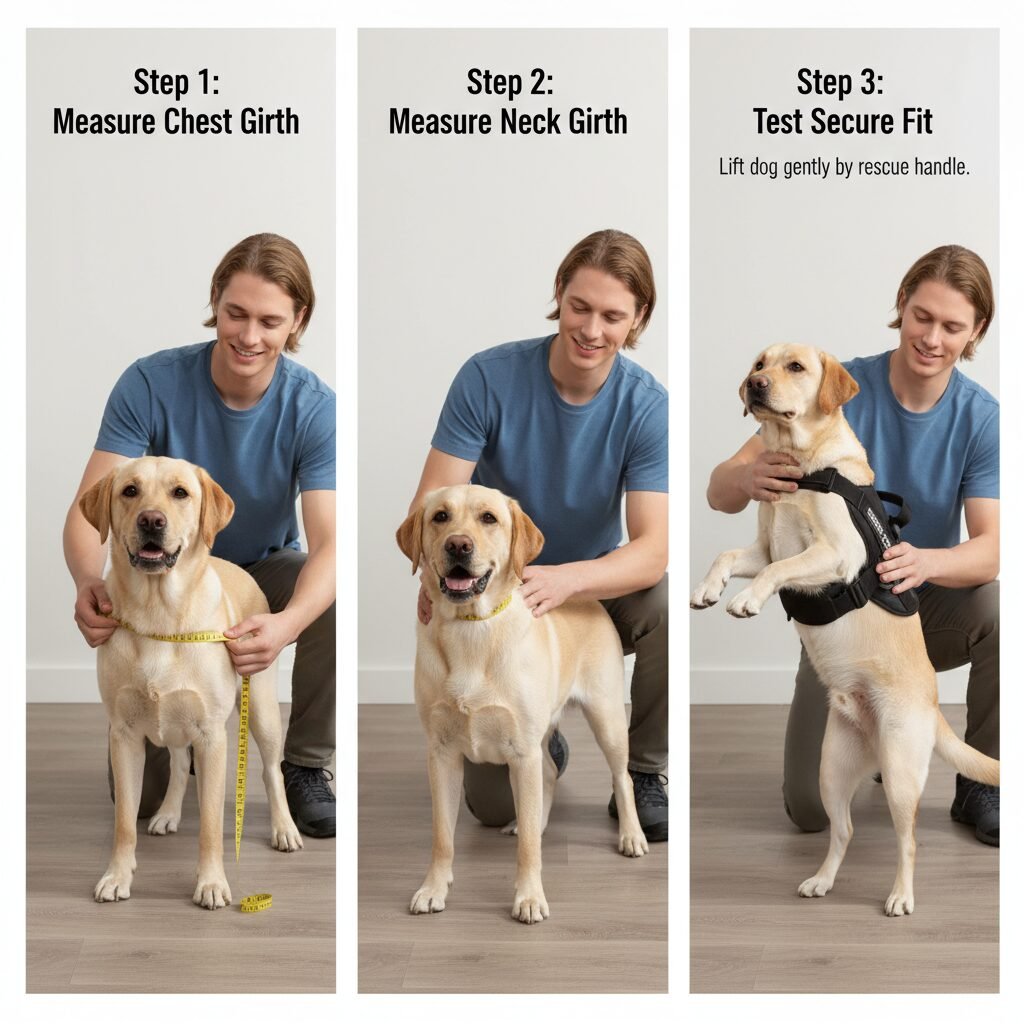
A Perfect Fit: How to Measure Your Dog and Choose the Right Size
Selecting the correct size is the most critical step in choosing a life vest. Manufacturer sizing charts are reliable, but they depend on you providing accurate measurements. Do not guess or base your decision solely on your dog’s weight. Take the time to measure properly using a soft, flexible measuring tape.
The Three Essential Measurements
- Chest Girth: This is the most important measurement. Wrap the tape measure around the widest part of your dog’s rib cage, typically just behind the front legs. The tape should be snug, but you should be able to fit two fingers between the tape and your dog’s body.
- Neck Girth: Measure around the base of your dog’s neck, where their collar would typically sit. Again, ensure it is snug but not tight.
- Back Length: Measure from the base of the neck (just above the withers/shoulder blades) to the base of the tail. While less critical than girth for fit, this measurement helps ensure the vest provides adequate back coverage without being so long that it interferes with tail movement or toileting.
Using a Sizing Chart
Once you have your measurements, compare them to the manufacturer’s sizing chart. If your dog falls between two sizes, the general rule is to choose the larger size to ensure there is no constriction, especially around the chest which expands during heavy breathing. However, read the specific manufacturer’s recommendation, as some may advise sizing down.
The Final Fit Check
After purchasing the vest, conduct a fit check at home before heading to the water.
- Strap Adjustment: Adjust all straps so the vest is snug. It should not shift from side to side or rotate around your dog’s torso when you gently tug on it.
- Two-Finger Rule: You should be able to comfortably slip two fingers under all the straps.
- Mobility Check: Encourage your dog to walk around. The vest should not chafe under their front legs or restrict their natural movement.
- Lift Test: Briefly and gently lift your dog by the rescue handle. The vest should support their weight without the dog slipping out. Their body should be lifted evenly.
Step-by-Step Training: Acclimating Your Dog to Their New Gear
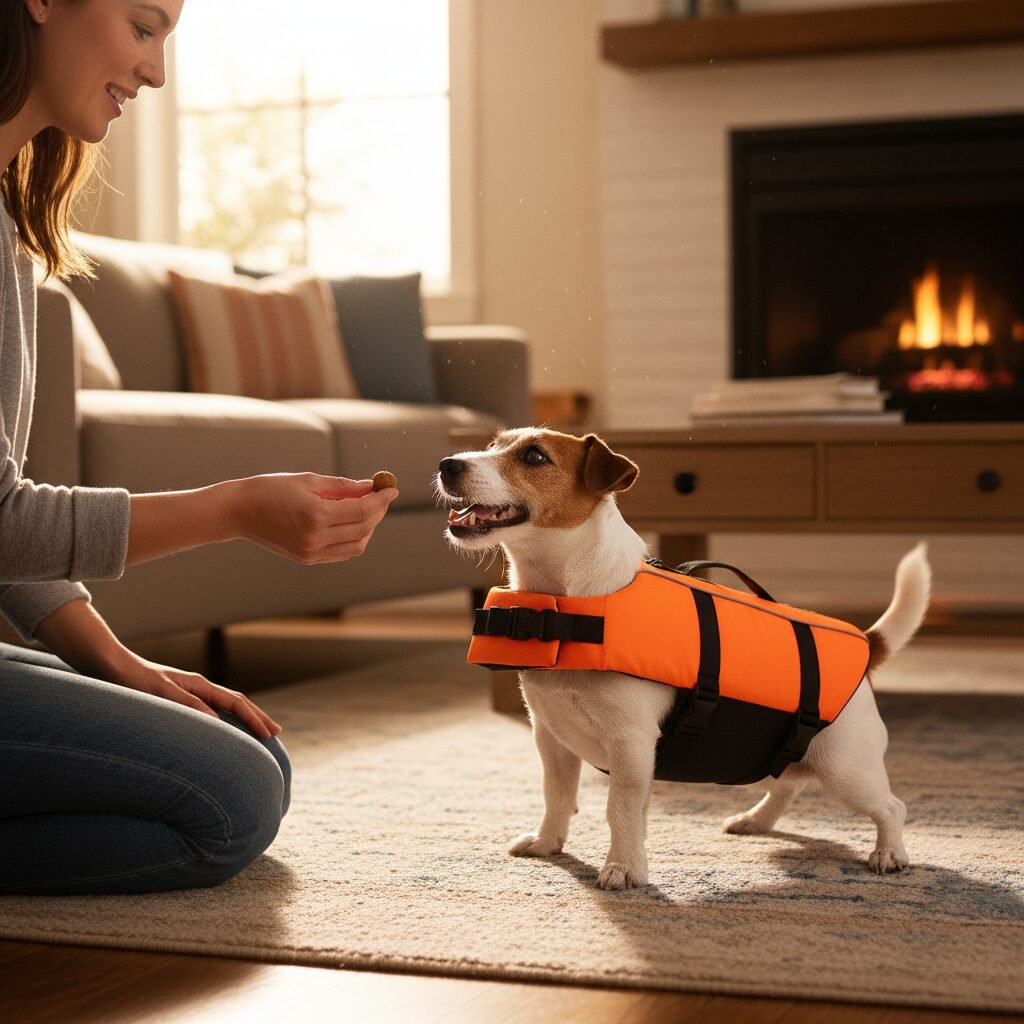
Step-by-Step Training: Acclimating Your Dog to Their New Gear
A life vest will only be effective if your dog is comfortable wearing it. Forcing a dog into a new piece of gear, especially right before an exciting activity like swimming, can create a negative association. The key is a gradual introduction process built on positive reinforcement.
Step 1: Introduction and Association
Before you even try to put the vest on, create a positive first impression. Place the new vest on the floor. When your dog approaches it to sniff, praise them enthusiastically and give them a high-value treat. Repeat this several times over a day or two. The goal is for your dog to see the vest and think, ‘Good things happen when that object is around.’
Step 2: The First Fitting (Short & Sweet)
In a calm indoor environment, lay the vest across your dog’s back for a few seconds, offering praise and treats. Then, remove it. Next, loosely fasten the neck buckle, treat, and remove. Then, fasten the belly straps, treat, and immediately remove. Keep these initial sessions extremely short—no more than 30-60 seconds—to prevent any anxiety from building.
Step 3: Building Duration Indoors
Once your dog is comfortable with the fastening process, have them wear the vest for short periods inside the house. Start with 5 minutes during a fun activity, like a play session with a favorite toy or during mealtime. This helps them associate the vest with enjoyable, normal activities. Gradually increase the duration over several days until they can comfortably wear it for 15-20 minutes without showing any signs of stress (like freezing, scratching at it, or trying to roll it off).
Step 4: The First Water Introduction
Your dog’s first swim with the vest should be in a controlled, calm, and shallow body of water. Leash your dog and walk them into the water. Let them get used to the feeling of the vest’s buoyancy. Many dogs are surprised the first time they feel the vest lifting them. Use the rescue handle to support and guide them, keeping the experience positive and reassuring. Keep the first session very short and end on a high note with lots of praise and a special treat.
Troubleshooting Tip: If your dog freezes or seems anxious when wearing the vest, you have likely moved too fast. Go back a step. Shorten the duration and increase the value of your rewards. Your patience will pay off in a confident, water-safe companion.
Beyond the Fit: Safety Protocols for Water Activities
Beyond the Fit: Safety Protocols for Water Activities
A life vest is a cornerstone of canine water safety, but it is not a substitute for supervision and responsible practices. Integrating the vest into a broader safety-conscious mindset ensures every outing is as safe as it is enjoyable.
Constant Supervision is Non-Negotiable
Never leave a dog unattended near or in water, even for a moment. A dog wearing a PFD can still face dangers such as entanglement, temperature extremes, or panic. Always maintain a direct line of sight.
Be Mindful of Water and Weather Conditions
- Temperature: Dogs can suffer from hypothermia, even in water that feels mild to us. Signs include shivering, lethargy, and pale gums. Keep swim sessions short in cold water and dry your dog thoroughly afterward.
- Currents and Tides: Be aware of local conditions. A strong current or rip tide can quickly sweep a dog away. If you wouldn’t swim in it, neither should your dog.
- Water Quality: Avoid water with strong odors, strange colors, or surface scum, as these can indicate the presence of harmful bacteria or toxic blue-green algae.
Hydration and Health
It may seem counterintuitive, but dogs can become dehydrated while swimming. Prevent them from drinking large amounts of pool, lake, or ocean water, which can cause gastrointestinal upset or, in rare cases, life-threatening water intoxication. Always provide an accessible source of fresh, clean drinking water.
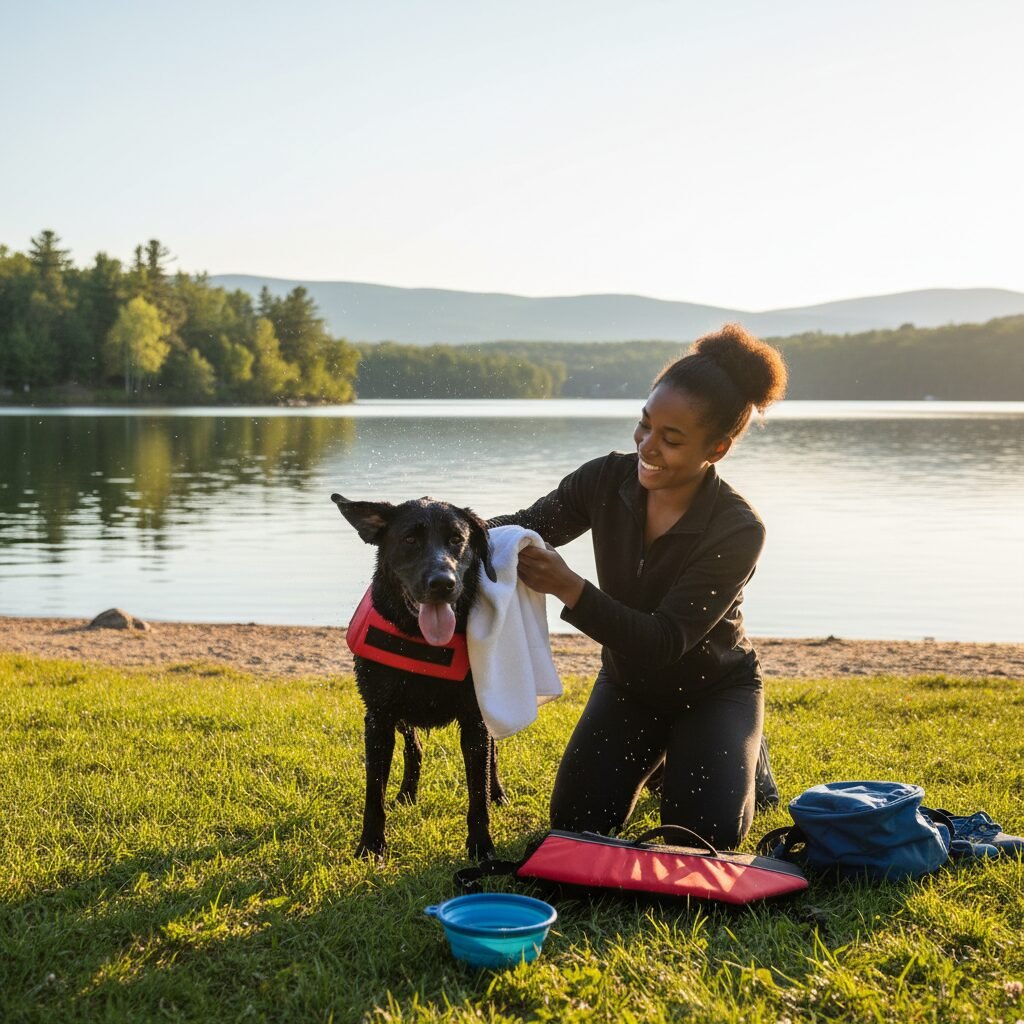
Post-Swim Care
After every water adventure, take a few moments for proper care.
- Rinse Thoroughly: Rinse your dog’s coat with fresh water to remove chlorine, salt, bacteria, and minerals that can irritate their skin.
- Dry Completely: Towel-dry your dog as much as possible, paying special attention to their ears. Trapped moisture in the ear canal is a leading cause of painful ear infections. Consider using a veterinarian-approved ear cleaning solution after swimming.
- Inspect for Issues: Do a quick check of their paws for cuts, their skin for any irritations, and their body for any ticks or leeches.
By pairing the right equipment with vigilant supervision and smart practices, you create a comprehensive safety net that allows for worry-free enjoyment of the water.
Conclusion
A dog life vest is more than just a piece of gear; it is a declaration of your commitment to your pet’s well-being. As we have explored, the need for a PFD extends far beyond just ‘weak swimmers.’ It is an essential tool for specific breeds, a safeguard for the very young and old, and a non-negotiable piece of equipment for any dog participating in boating or braving unpredictable waters. By taking the time to understand the critical features of a quality vest, meticulously measuring for a perfect fit, and patiently training your dog with positive reinforcement, you are empowering them to enjoy the water with confidence and security.
Ultimately, the responsibility for our dogs’ safety rests squarely on our shoulders. Investing in a high-quality life vest and adhering to smart water safety protocols are among the most profound ways we can honor that responsibility. It transforms our shared aquatic adventures, replacing underlying anxiety with the pure, unadulterated joy of watching our best friends paddle, splash, and swim safely by our side.