Fast CAT 101: How To Start Your Dog In Sprinter Sports This Weekend
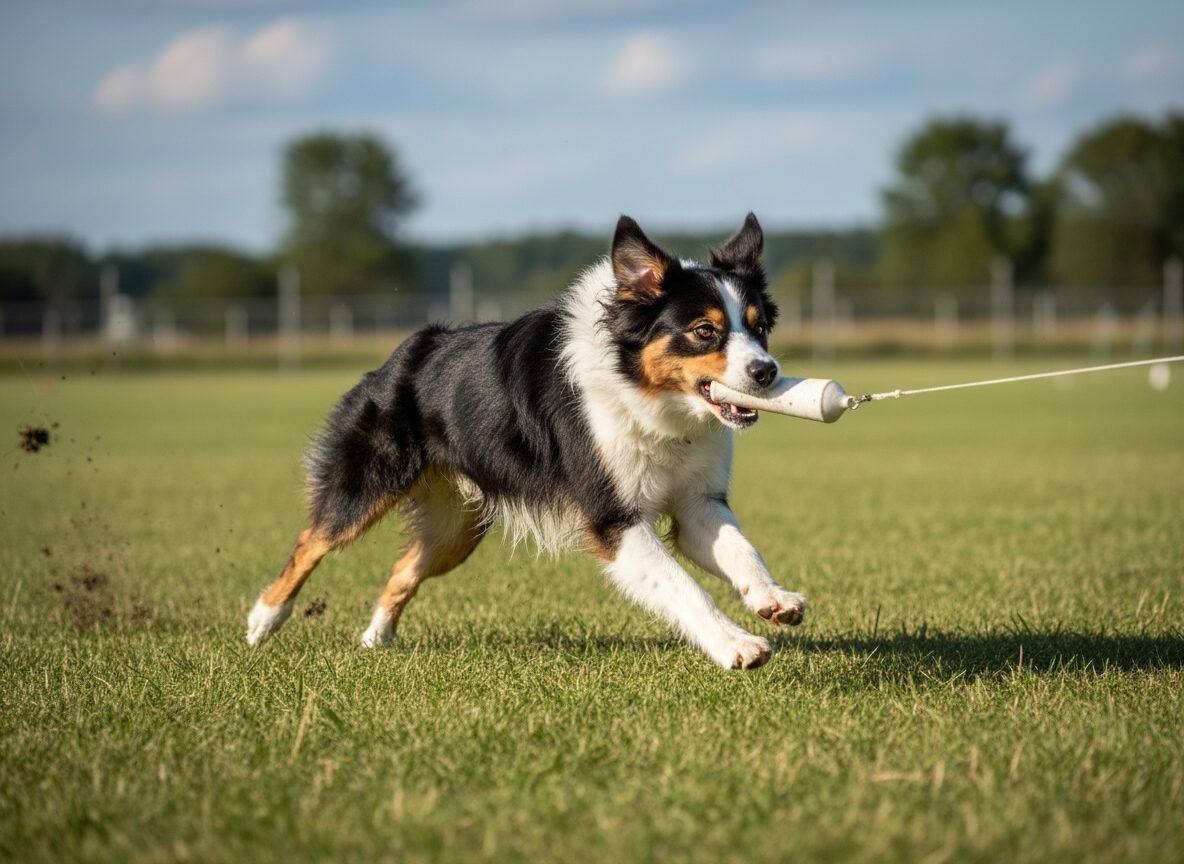
The sight of a dog running at full speed is a breathtaking display of natural athleticism and pure joy. For pet owners seeking an outlet for their dog’s energy and drive, the world of canine sports offers numerous opportunities. Among the most accessible and thrilling is Fast CAT, a sport that celebrates one of a dog’s most instinctual behaviors: the chase. Fast CAT, which stands for Coursing Ability Test, is a timed 100-yard dash where dogs, one at a time, chase a lure. It is an inclusive event, welcoming dogs of nearly every breed and size, making it a perfect entry point into the world of canine athletics. This guide is designed to be your comprehensive resource, providing a step-by-step plan to take your dog from a backyard enthusiast to a Fast CAT participant, potentially as soon as this weekend.
Understanding Fast CAT: The Basics of the Sport
What is Fast CAT?
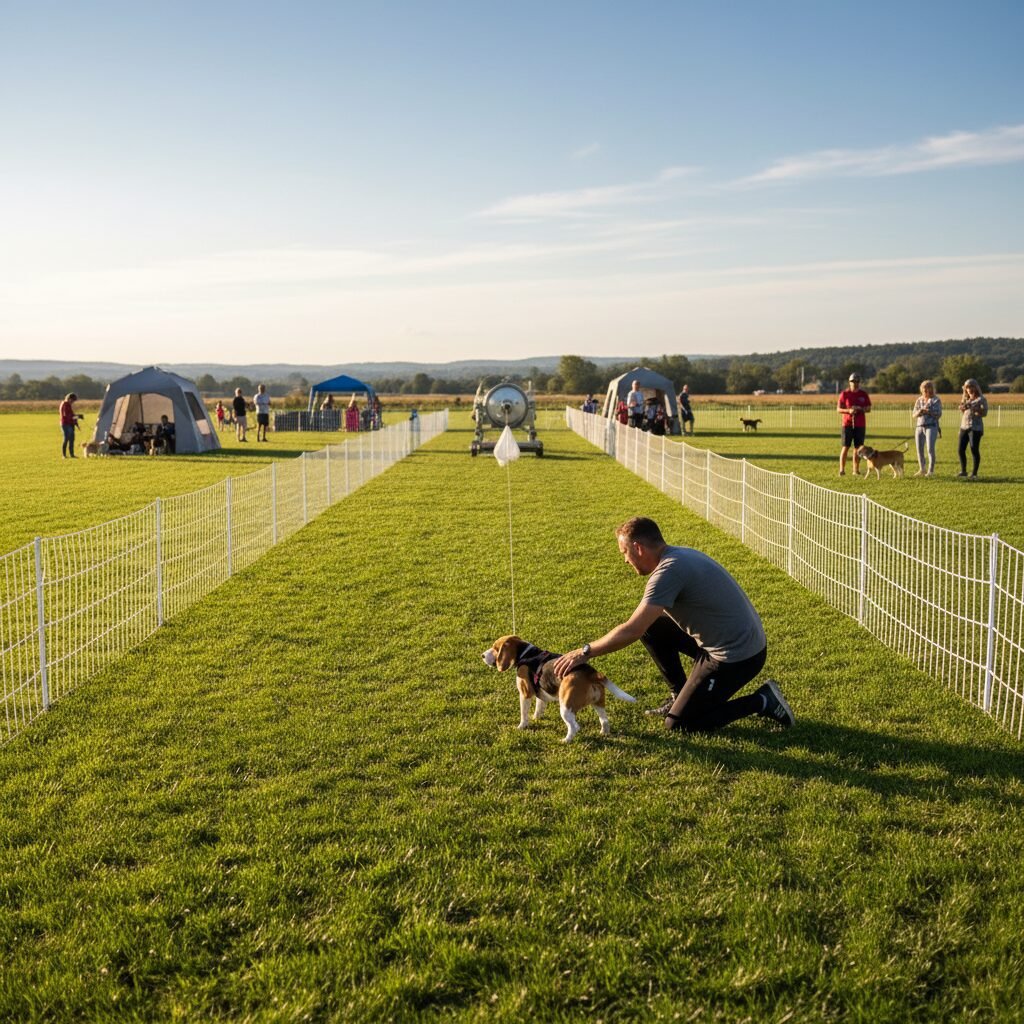
Fast CAT is a straightforward and exciting timed trial officially recognized by the American Kennel Club (AKC). The concept is simple: a dog chases a mechanized lure—typically a white plastic bag—down a straight, fenced 100-yard course. The dog’s time is recorded, and this time is then converted into Miles Per Hour (MPH). This MPH is then multiplied by a handicap based on the dog’s height at the withers to determine the points earned for that run. The handicap system ensures that dogs of all sizes, from Chihuahuas to Great Danes, can compete fairly for titles.
The Objective and Scoring
The primary objective is for the dog to complete the 100-yard course as quickly as possible while remaining focused on the lure. Points accumulate towards AKC titles, starting with the BCAT (Fast CAT) title, which requires 150 points. Subsequent titles like DCAT, FCAT, and beyond require more points, marking a dog’s continued success and consistency in the sport.
| Title | Points Required | Common Abbreviation |
|---|---|---|
| Fast CAT | 150 | BCAT |
| Fast CAT 2 | 500 | DCAT |
| Fast CAT 3 | 1,000 | FCAT |
| Fast CAT 4 | 1,500 | FCAT4 |
Expert Tip: Don’t get too caught up in points and titles during your first few events. The initial goal should be to provide your dog with a positive and fun experience. Speed and titles will come as your dog gains confidence and understanding of the game.
The course itself is designed for safety. It is flat, securely fenced, and the finish line includes a generous catch pen area of at least 30 yards to allow dogs to decelerate safely before being retrieved by their owners.
Is Your Dog a Good Candidate for Fast CAT?
Assessing Your Dog’s Suitability
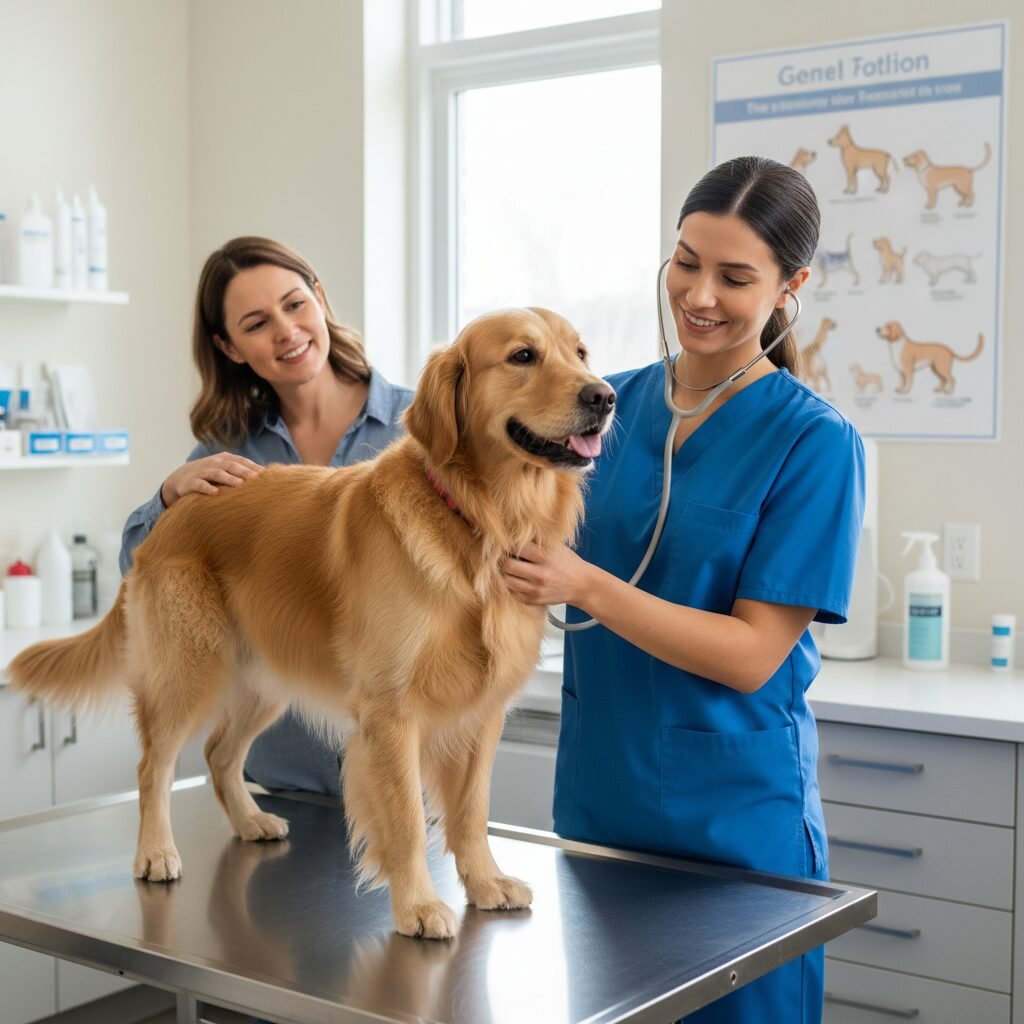
While Fast CAT is one of the most inclusive dog sports, not every dog is suited for it. A successful and safe experience depends on your dog’s health, temperament, and natural inclinations. Before you register for an event, consider the following factors:
Physical Health and Condition
The most critical prerequisite is physical health. The 100-yard dash is an intense, high-impact sprint. Your dog should be in excellent physical condition, free from any lameness, and at a healthy weight.
- Age: Dogs must be at least 12 months old to compete in an official AKC Fast CAT event. This ensures their growth plates have had sufficient time to close, reducing the risk of injury.
- Veterinary Check-up: It is highly recommended to have your veterinarian perform a thorough physical examination, paying close attention to your dog’s heart, lungs, and orthopedic health (hips, elbows, and knees). Inform your vet of your intention to participate in a sprinting sport.
- Breed Considerations: While all breeds can participate, brachycephalic (flat-faced) breeds like Pugs, Bulldogs, and French Bulldogs may be at a higher risk for respiratory distress. Owners of these breeds should be especially cautious and consult their vet.
Temperament and Drive
Beyond physical health, a dog’s temperament is key. A good Fast CAT candidate typically exhibits:
- Prey Drive: Does your dog love to chase squirrels, balls, or toys? This natural instinct, or prey drive, is the engine that powers a Fast CAT run. A dog with a high chase drive is more likely to understand and enjoy the game.
- Confidence: The event environment can be busy with new sounds, sights, and other dogs. A dog that is generally confident and not easily spooked will adapt more quickly.
- Focus: The ability to stay focused on a single object (the lure) while ignoring distractions is crucial for a clean run.
Important Note: This is a solo event. Dogs run one at a time. Dog aggression is not a direct barrier to participation, but your dog must be under your control at all times when not on the course. The environment is stimulating, so a solid leash-walking skill is essential.
Essential Gear and Preparation Before You Go
Packing for Your First Fast CAT Event
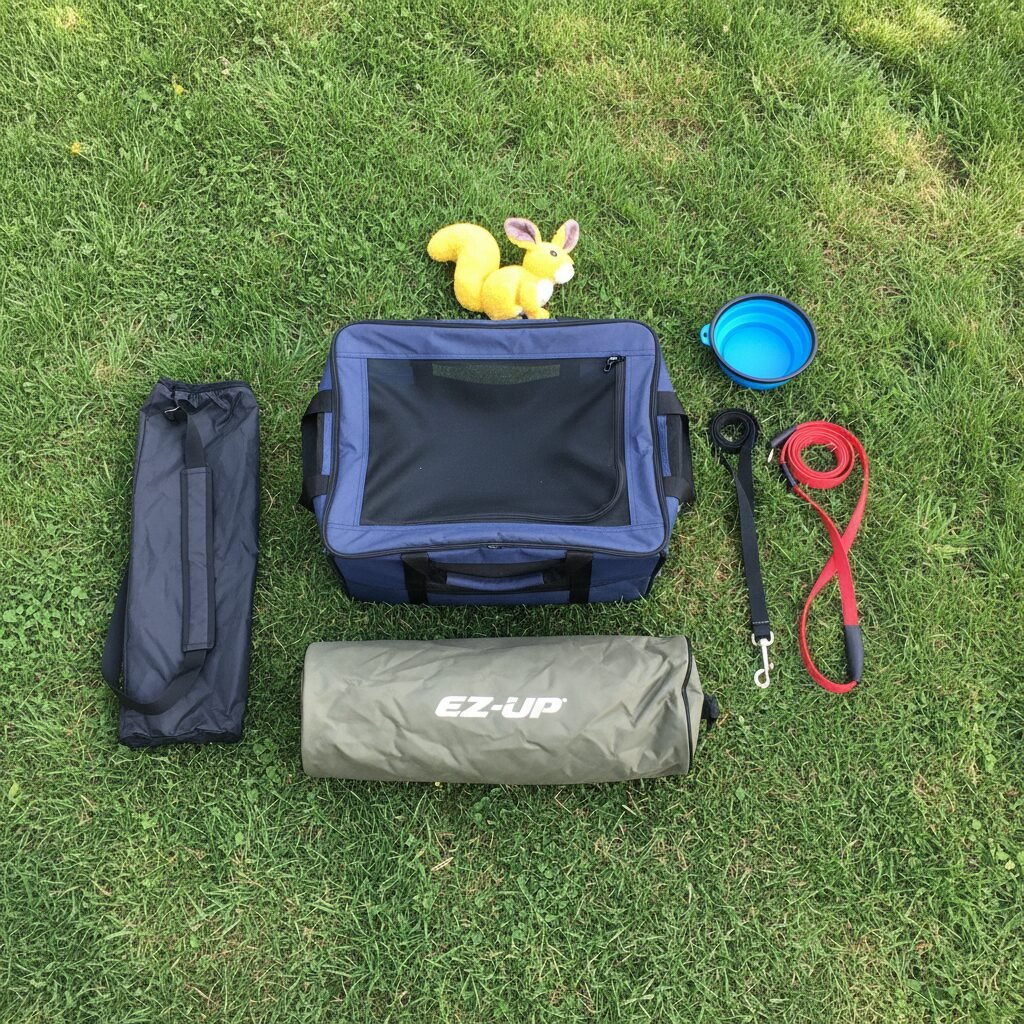
Being well-prepared for event day can make the difference between a stressful outing and a fantastic experience. Think of it like packing for a day trip or a picnic, but with a specific focus on your canine athlete’s comfort and safety. Here is a checklist of essential items to bring:
- Crate: A safe and comfortable space for your dog to rest between runs. A crate provides security and helps manage their energy and arousal levels. A wire crate with a cover or a fabric soft crate works well.
- Water and Bowl: Bring more water than you think you’ll need. Your dog will need to stay hydrated, especially on warm days. A portable water bowl is essential.
- Shade: Many event venues have limited shade. A pop-up canopy tent, shade cloth for your crate, or even a large umbrella can provide crucial relief from the sun.
- Leashes and Collars: You will need at least two leashes. Your dog should wear a well-fitting flat collar or a secure harness. No choke chains, prong collars, or electronic collars are allowed on the field. A slip lead can be very useful at the starting line.
- Chair: For your own comfort! You may have significant waiting times, so a comfortable camping chair is a must-have.
- High-Value Toys: Bring your dog’s absolute favorite toy. This will be used to get them excited at the start line and can be used by the ‘catcher’ at the finish line to entice them into the catch pen.
- Poop Bags: A fundamental rule of any dog event is to clean up after your pet promptly.
- AKC Registration Number: You will need your dog’s AKC, PAL, or Canine Partners number to register for the event. Have this information readily available.
Proper preparation extends beyond just packing. Ensure your dog has had a chance to relieve themselves before you head to the check-in table. Avoid feeding a large meal right before the event; a light breakfast several hours before is ideal to prevent discomfort or risk of bloat.
A Step-by-Step Guide to Your First Event Day
Navigating the Big Day
Arriving at your first Fast CAT trial can feel overwhelming, but the process is quite systematic. Here is a breakdown of what to expect from arrival to the completion of your run.
Step 1: Arrival and Check-In
Plan to arrive at least 30-60 minutes before the scheduled start time. Find a parking spot and set up your ‘camp’ (crate, chair, shade). Once your dog is settled, proceed to the check-in table without your dog. You will need your dog’s registration number. Here, you’ll sign a waiver and receive a run ticket or number for your dog.
Step 2: Inspection
Before their first run of the day, each dog must undergo a brief inspection. A volunteer will check your dog for any signs of lameness, injury, or illness. They will also check to ensure female dogs are not in season. This is a quick process designed purely for the safety of all participating dogs.
Step 3: The Paddock and Waiting Your Turn
The ‘paddock’ is the waiting area near the starting line. Pay attention to the run order being called by the event administrators. When your dog’s number is close, proceed to the paddock. This is the time to get your dog lightly warmed up and focused. Keep them on a leash and maintain a safe distance from other dogs.
Step 4: The Roles – Releaser and Catcher
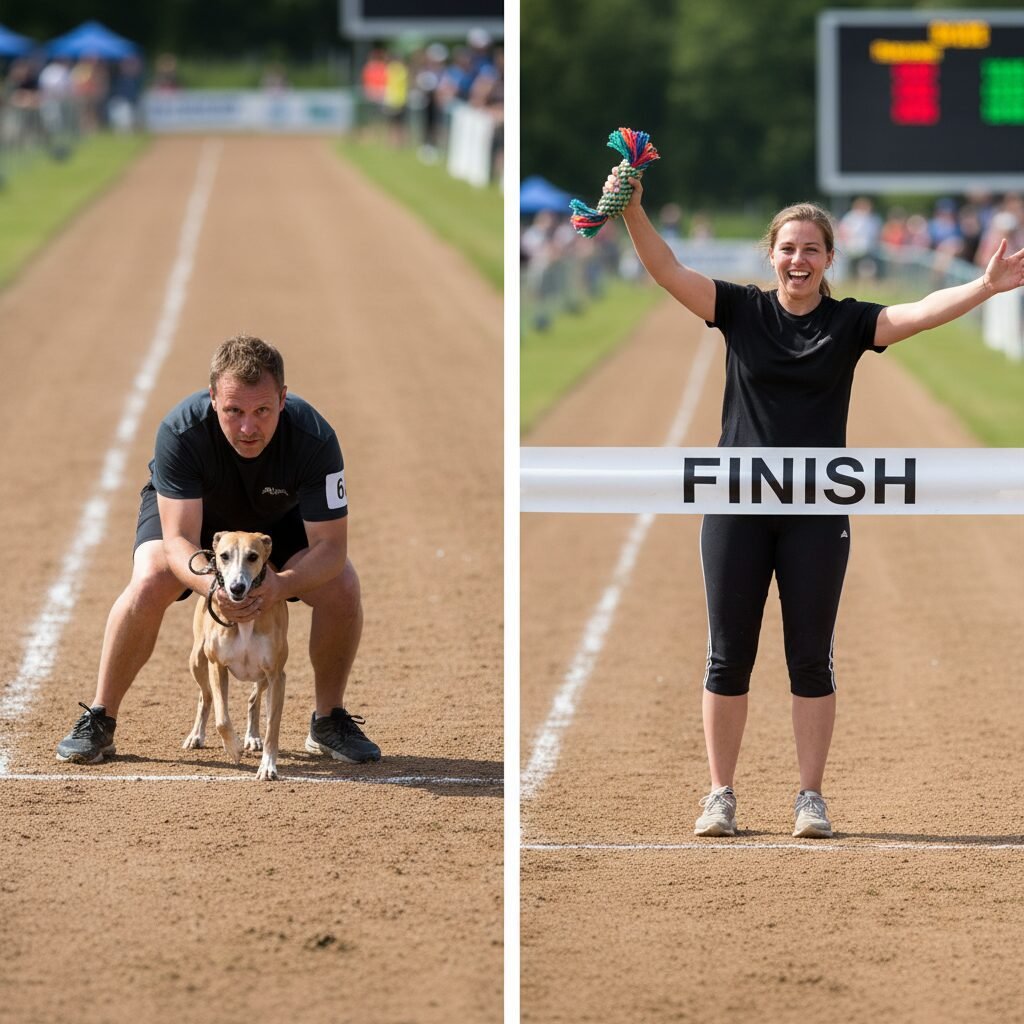
You will need two handlers for each run: a ‘releaser’ and a ‘catcher’.
- The Releaser: This person holds the dog at the starting line. Their job is to build the dog’s excitement and release them smoothly when the huntmaster signals that the lure is in motion.
- The Catcher: This person waits at the finish line in the catch pen. Their job is to excitedly call the dog across the finish line and securely catch them once they enter the pen. The catcher can use a favorite toy to help attract the dog.
If you are attending alone, it is perfectly acceptable to ask another competitor or a volunteer for assistance. The Fast CAT community is known for being friendly and helpful to newcomers.
Step 5: The Run
When it’s your turn, the releaser will bring the dog to the start line. The huntmaster will confirm you are ready. They will then shout ‘Tally-Ho!’ as the lure starts moving. The releaser’s job is to aim the dog straight down the track and release them. Do not push your dog; a clean release is key. The dog sprints the 100 yards, the catcher catches them, and you’ve completed your first run! After securing your dog on a leash, exit the catch pen promptly so the next dog can run.
Training at Home: Building Drive and Focus
Preparing for Success Between Events
While many dogs will instinctively chase the lure, some foundational training at home can significantly improve their performance and enjoyment of the sport. These exercises are fun, build your bond, and translate directly to the Fast CAT course.
Building Toy and Lure Drive
The entire sport is predicated on the dog’s desire to chase the lure. You can foster this drive at home.
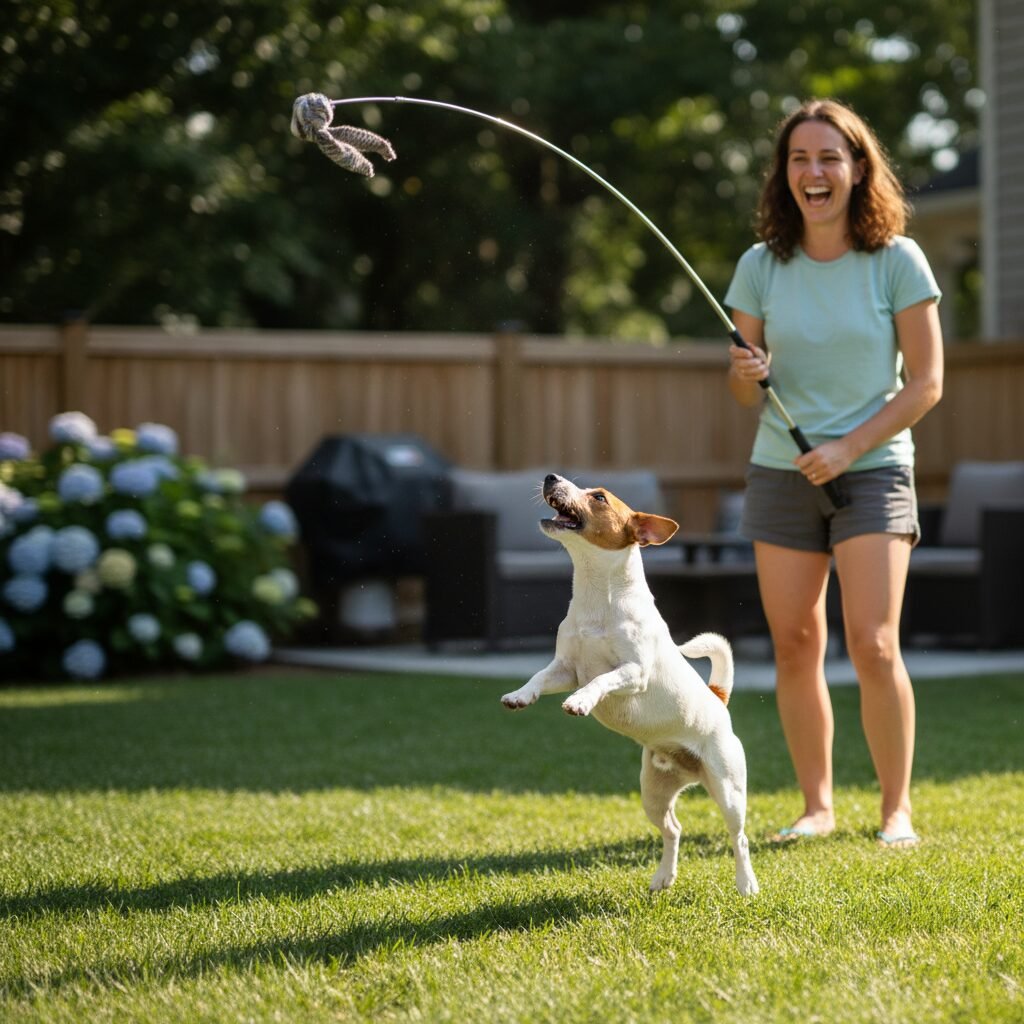
- Flirt Pole: A flirt pole is one of the best tools for practicing for lure sports. It consists of a long pole, a cord, and a toy or lure attached to the end. It allows you to simulate the movement of the lure, teaching your dog to chase, focus, and even change direction. Keep sessions short (1-2 minutes) and always let your dog ‘win’ and catch the toy periodically to build their confidence.
- Restrained Recalls: This is a two-person exercise that builds explosive speed and drive for coming when called. One person holds the dog’s collar or harness while the other person (the ‘catcher’) runs away excitedly, calling the dog and waving a favorite toy. After a few seconds of building anticipation, the holder releases the dog to sprint to the catcher for a big reward and party.
Practice the ‘Catch’
It’s equally important to practice the end of the run. A reliable recall is essential. Practice calling your dog to you from a distance in a safe, fenced area. When they come, reward them enthusiastically with treats, praise, and toys. This ensures that after the run, your dog will eagerly come to the catcher in the finish pen.
Training Tip: Never use the lure or chase games as a punishment or to tire your dog out excessively. The goal is to make the ‘chase’ the most exciting and rewarding game possible. Always end on a high note while your dog is still eager to play.
Conclusion
Fast CAT offers a unique opportunity for you and your dog to engage in a sport that is both thrilling and instinctually satisfying. It celebrates your dog’s natural speed and agility in a safe, controlled, and incredibly welcoming environment. By understanding the basics of the sport, ensuring your dog is physically and temperamentally prepared, and knowing what to expect on event day, you are well on your way to a successful and enjoyable experience. The journey from a spectator to a participant is short, and the bond forged through training and competing together is immeasurable. So, pack your gear, find a local event, and get ready to witness the pure, unadulterated joy of your dog doing what they were born to do: run.