Why Is My Dog Licking The Couch? 5 Gross Reasons & How To Stop It
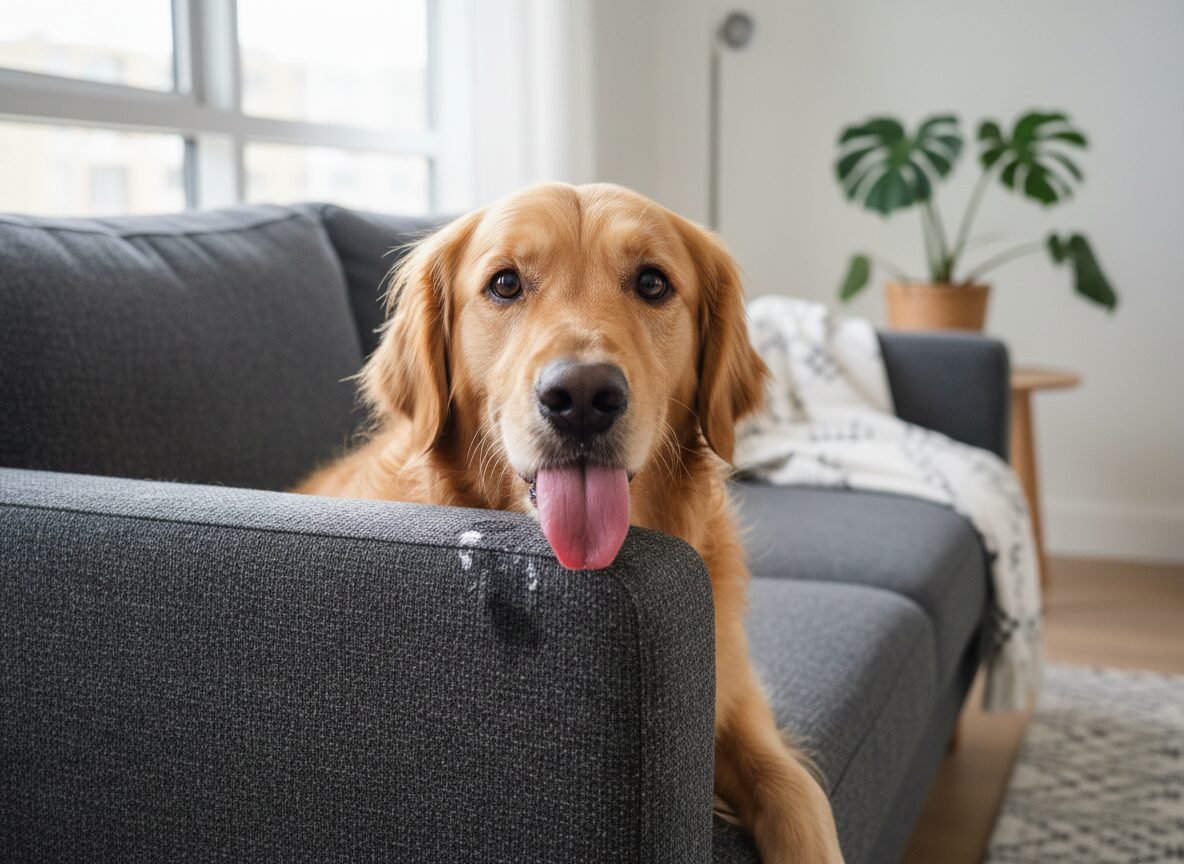
As a pet owner, you are accustomed to a wide array of canine behaviors, some endearing and others utterly baffling. Among the more perplexing habits is incessant couch licking. You may have found yourself wondering, ‘Why is my dog licking the couch?’ Is it a harmless quirk, a sign of boredom, or a symptom of something more serious? This behavior, while common, should not be dismissed without investigation. It can stem from simple causes, like leftover crumbs, or be an outward sign of complex underlying issues, including anxiety, nutritional deficiencies, or significant medical distress.
Understanding the root cause is the first critical step toward addressing the behavior effectively. This guide will provide a detailed analysis of the five most common reasons for this habit, from the benign to the concerning. We will explore the behavioral, psychological, and medical triggers that compel a dog to lick furniture. More importantly, we will outline a clear, step-by-step action plan to help you manage and eliminate this behavior, ensuring both your dog’s well-being and the longevity of your furniture.
Reason 1: Simple Sensory Exploration and Taste
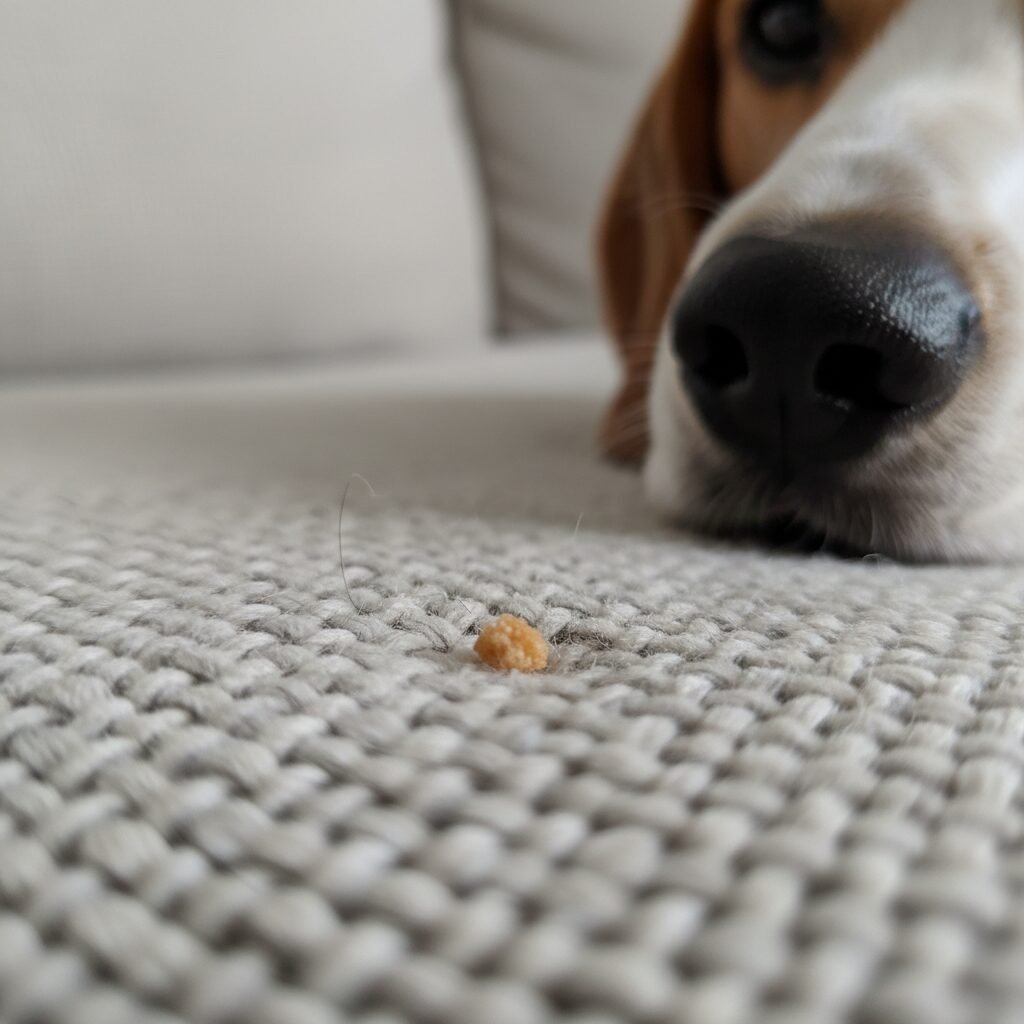
The most straightforward reason for couch licking is often the most overlooked: it simply tastes interesting.
A dog’s world is primarily interpreted through scent and taste. Their sense of smell is estimated to be 10,000 to 100,000 times more acute than ours, allowing them to detect microscopic residues that are entirely invisible to the human eye. Your couch, a hub of household activity, is a veritable smorgasbord of intriguing scents and flavors.
What Are They Tasting?
- Food Crumbs: Microscopic particles from snacks enjoyed while watching television can become embedded deep within the fabric fibers. Your dog can easily detect these tasty morsels.
- Human Sweat and Oils: We constantly shed skin cells and leave behind sweat and body oils on furniture. The salty taste of perspiration can be particularly appealing to some dogs.
- Spills and Stains: Even after cleaning, faint remnants of a spilled beverage or food can linger, providing a tempting spot for your dog to investigate with their tongue.
This type of licking is typically exploratory and intermittent. It’s not usually accompanied by other signs of distress and is often seen in younger, more curious dogs. While it is the least concerning cause, it’s important to manage it to prevent it from becoming a habit. A dog that learns the couch is a source of tasty rewards may begin to lick more frequently, potentially leading to fabric damage or ingestion of harmful cleaning chemical residues.
Expert Tip: A thorough, deep cleaning of your upholstery using a pet-safe enzymatic cleaner can often eliminate these sensory temptations and resolve the issue if taste is the sole motivator.
Reason 2: Behavioral Triggers – Anxiety, Boredom, and Self-Soothing

When medical and sensory causes are ruled out, psychological factors become a primary consideration. Licking can be a powerful self-soothing mechanism for dogs experiencing emotional distress.
The repetitive motion of licking releases endorphins in a dog’s brain, which are natural chemicals that produce feelings of pleasure and comfort. This action is functionally similar to a child sucking their thumb. If your dog is licking the couch persistently, it may be a coping mechanism for an underlying behavioral issue.
Common Psychological Drivers:
- Boredom: A dog without sufficient mental or physical stimulation will invent its own activities. Licking a stationary object like a couch provides a low-energy, repetitive task to pass the time. This is especially common in high-energy breeds left alone for long periods without adequate exercise or enrichment.
- Anxiety: Separation anxiety is a frequent culprit. Licking may intensify when you prepare to leave the house or after you’ve been gone for some time. Other sources of anxiety, such as thunderstorms, fireworks, or changes in the household (a new baby, another pet, or moving), can also trigger this self-soothing behavior.
- Stress: A chaotic environment, lack of a consistent routine, or even negative interactions can elevate a dog’s stress levels, leading them to seek comfort through licking.
Behavioral licking is often characterized by its context and rhythm. It may occur at specific times of day, such as when the house is quiet or when stressors are present. The dog might appear to be in a trance-like state while licking. Addressing this requires identifying the source of the boredom or anxiety and implementing a comprehensive enrichment plan.
Reason 3: Medical Concerns – Pica and Nutritional Deficiencies
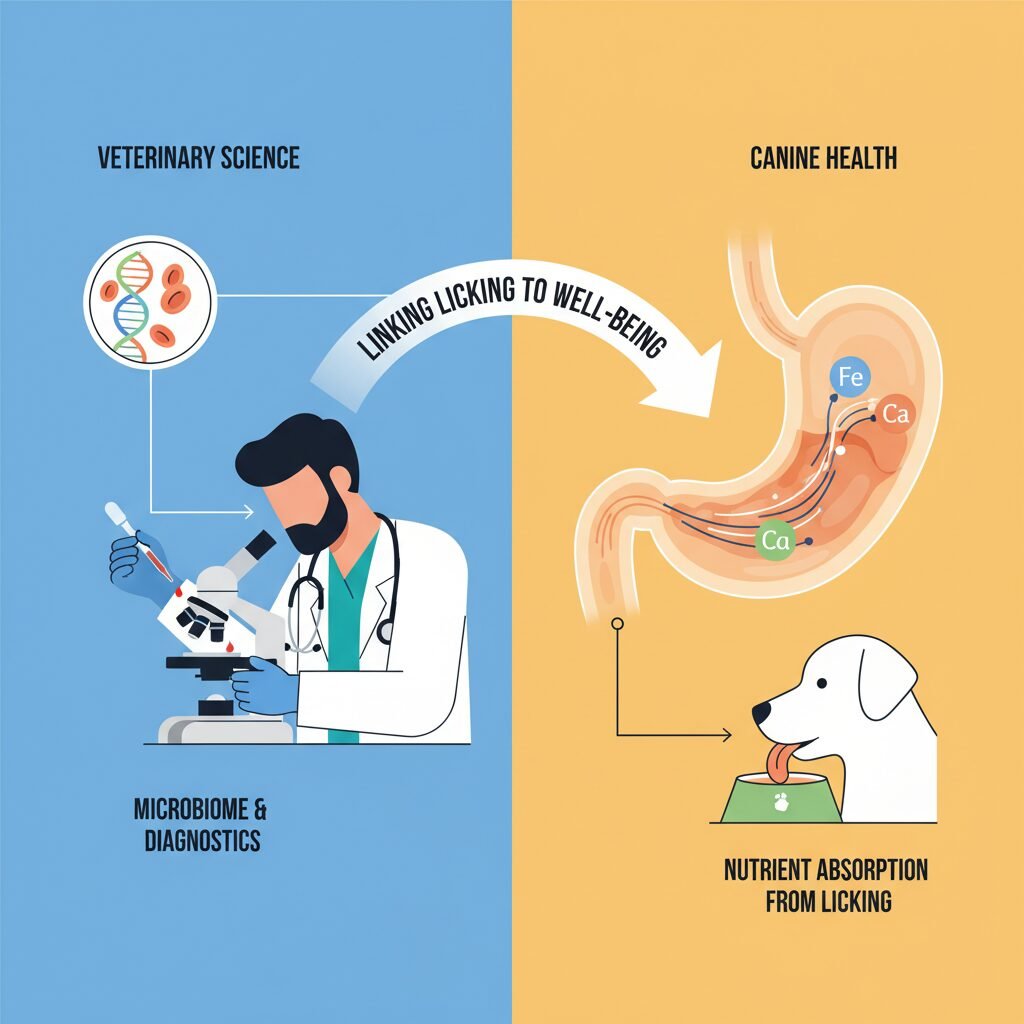
Persistent licking of non-food items can be a symptom of a more serious underlying medical condition known as Pica.
Pica is the compulsive ingestion of non-nutritive substances. While licking the couch is not the same as eating it, it is often a precursor to this dangerous behavior. A dog may start by licking and then progress to chewing and swallowing fabric, stuffing, or wood. This behavior can be rooted in either psychological or physiological issues, and a veterinary consultation is essential.
Potential Physiological Causes of Pica:
- Nutritional Deficiencies: While less common with modern balanced commercial dog foods, a diet lacking in essential minerals or vitamins can sometimes lead a dog to seek out these nutrients from unconventional sources. The dog may be instinctively drawn to lick surfaces in an attempt to correct an internal imbalance.
- Malabsorption Syndromes: Certain gastrointestinal diseases can prevent a dog from properly absorbing nutrients from their food, even if the diet itself is complete. This can create deficiencies that trigger Pica-like behaviors.
- Underlying Illnesses: Conditions such as anemia, liver disease, or endocrine disorders can sometimes manifest with Pica as a clinical sign.
If you suspect Pica, it is imperative to seek veterinary attention. A veterinarian can perform blood tests to check for anemia and nutritional deficiencies and conduct a thorough examination to rule out other systemic diseases. Ignoring this behavior can lead to life-threatening gastrointestinal blockages if the dog ingests parts of the couch.
Reason 4: Gastrointestinal Distress and Nausea
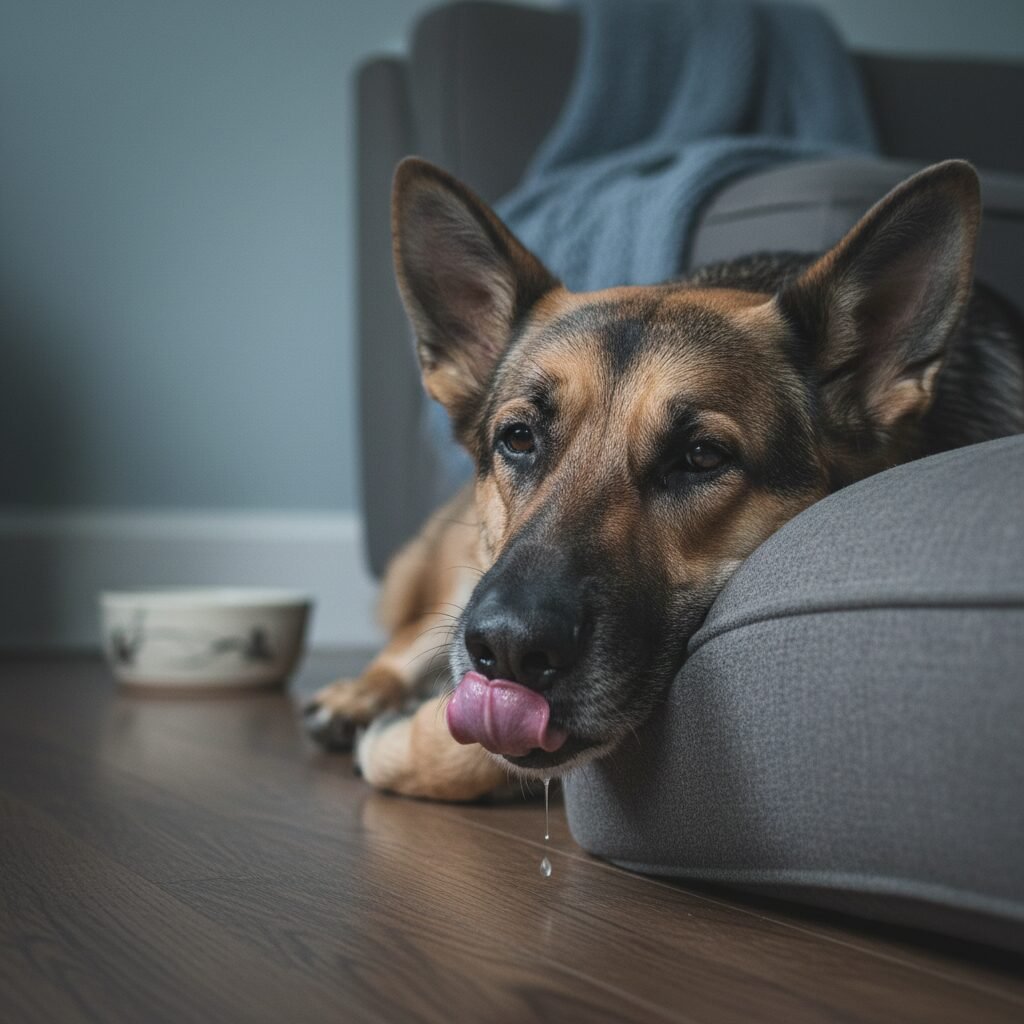
Excessive licking is a well-documented and often-missed sign of nausea and gastrointestinal (GI) discomfort in dogs.
When a dog feels nauseous, it may produce excess saliva (a condition known as ptyalism). To manage this, the dog may lick surfaces excessively in an attempt to clear the saliva and soothe its upset stomach. The couch is often simply the most convenient and absorbent surface available. This is not a behavioral choice but a direct response to a feeling of sickness.
Common Causes of Canine Nausea:
- Acid Reflux: Also known as gastroesophageal reflux disease (GERD), this condition can cause stomach acid to irritate the esophagus, leading to discomfort and nausea. Licking may be more prevalent after meals or when the dog is lying down.
- Pancreatitis: Inflammation of the pancreas is a serious condition that causes severe nausea, vomiting, and abdominal pain.
- Inflammatory Bowel Disease (IBD): Chronic inflammation of the GI tract can lead to persistent feelings of nausea and discomfort.
- Dietary Indiscretion: Eating something they shouldn’t have, from garbage to rich human food, is a common cause of temporary GI upset.
If the couch licking is accompanied by other symptoms such as lip smacking, excessive drooling, loss of appetite, lethargy, or vomiting, it is highly likely that nausea is the cause. A prompt visit to the veterinarian is crucial to diagnose the source of the GI distress and begin appropriate treatment.
Reason 5: Canine Compulsive Disorder (CCD)
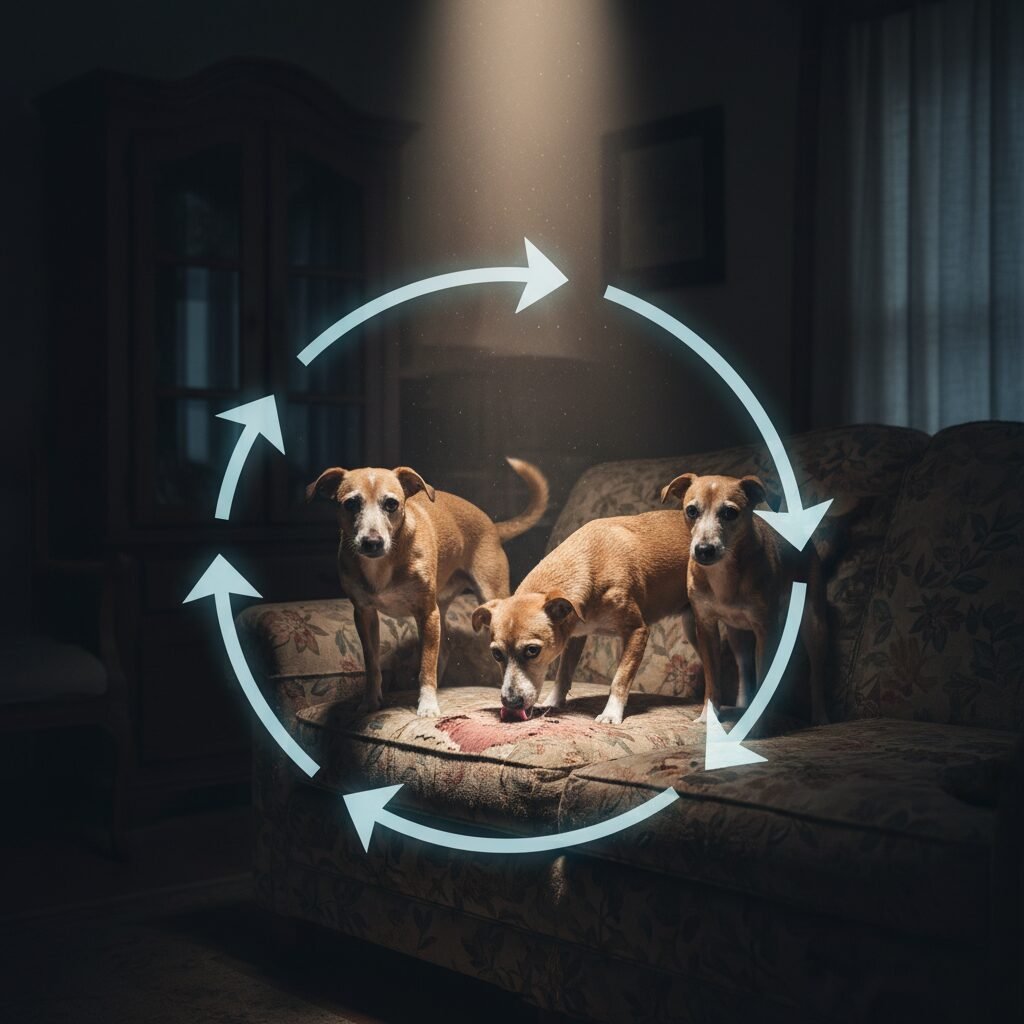
In some cases, licking can escalate from a simple habit into a true obsession, characteristic of Canine Compulsive Disorder (CCD).
Canine Compulsive Disorder is the animal equivalent of Obsessive-Compulsive Disorder (OCD) in humans. It involves performing repetitive, ritualistic behaviors to the point where they interfere with the dog’s normal functioning. These behaviors, known as compulsions, often originate from normal activities like grooming or licking but become exaggerated and fixed over time.
A dog with CCD is not licking the couch out of choice; it is driven by an overwhelming compulsion that it cannot control. This behavior is often a response to chronic, unresolved anxiety or stress. The dog becomes trapped in a behavioral loop where anxiety triggers the licking, and while the licking may provide momentary relief, it does not solve the underlying anxiety, thus perpetuating the cycle.
Differentiating CCD from Other Behaviors:
- Intensity and Duration: The licking is intense, prolonged, and occurs for long periods each day.
- Difficulty to Interrupt: It is very difficult to distract the dog from the behavior. Even when interrupted, the dog will quickly return to licking.
- Interference with Life: The dog may choose licking over eating, playing, or interacting with family members.
Treating CCD is complex and requires a multi-faceted approach, almost always involving a veterinary behaviorist. Treatment typically includes a combination of behavior modification techniques, environmental management to reduce stress, and, in many cases, anti-anxiety medication to help regulate brain chemistry. Early intervention is key to successfully managing this challenging condition.
An Actionable Plan to Stop the Couch Licking
Addressing couch licking requires a systematic approach. Follow these steps to identify the cause and implement effective solutions.
Step 1: Consult Your Veterinarian
Before attempting any behavioral modification, your first and most critical step is to schedule a thorough examination with your veterinarian. Discuss the behavior in detail, including its frequency, duration, and any other symptoms you’ve observed. This visit is essential to rule out medical causes such as GI disease, nutritional deficiencies, Pica, or underlying pain.
Step 2: Manage the Environment
Make the couch a less appealing and less accessible target. This involves two key strategies:
- Thorough Cleaning: Use a high-quality enzymatic cleaner designed to break down organic material like saliva, oils, and food particles. Avoid ammonia-based cleaners, as their scent can attract dogs. Clean all cushions, blankets, and pillows regularly.
- Use Deterrents: Apply a pet-safe deterrent spray, such as a bitter apple or bitter cherry formula, to the areas your dog licks. The unpleasant taste will create a negative association with licking the furniture. You may also physically block access to the couch using baby gates or furniture when you cannot supervise your dog.
Step 3: Increase Physical and Mental Enrichment
Combat boredom and anxiety by enriching your dog’s daily life. A tired and mentally stimulated dog is far less likely to engage in destructive or compulsive behaviors.
- Physical Exercise: Ensure your dog receives adequate daily exercise appropriate for its breed, age, and health. This includes brisk walks, jogging, swimming, or games of fetch.
- Mental Stimulation: Engage your dog’s brain. Use puzzle feeders and food-dispensing toys instead of a regular bowl. Practice short, fun training sessions throughout the day. Introduce nose work games by hiding treats around the house for your dog to find.
Step 4: Redirect and Reinforce Positive Behavior
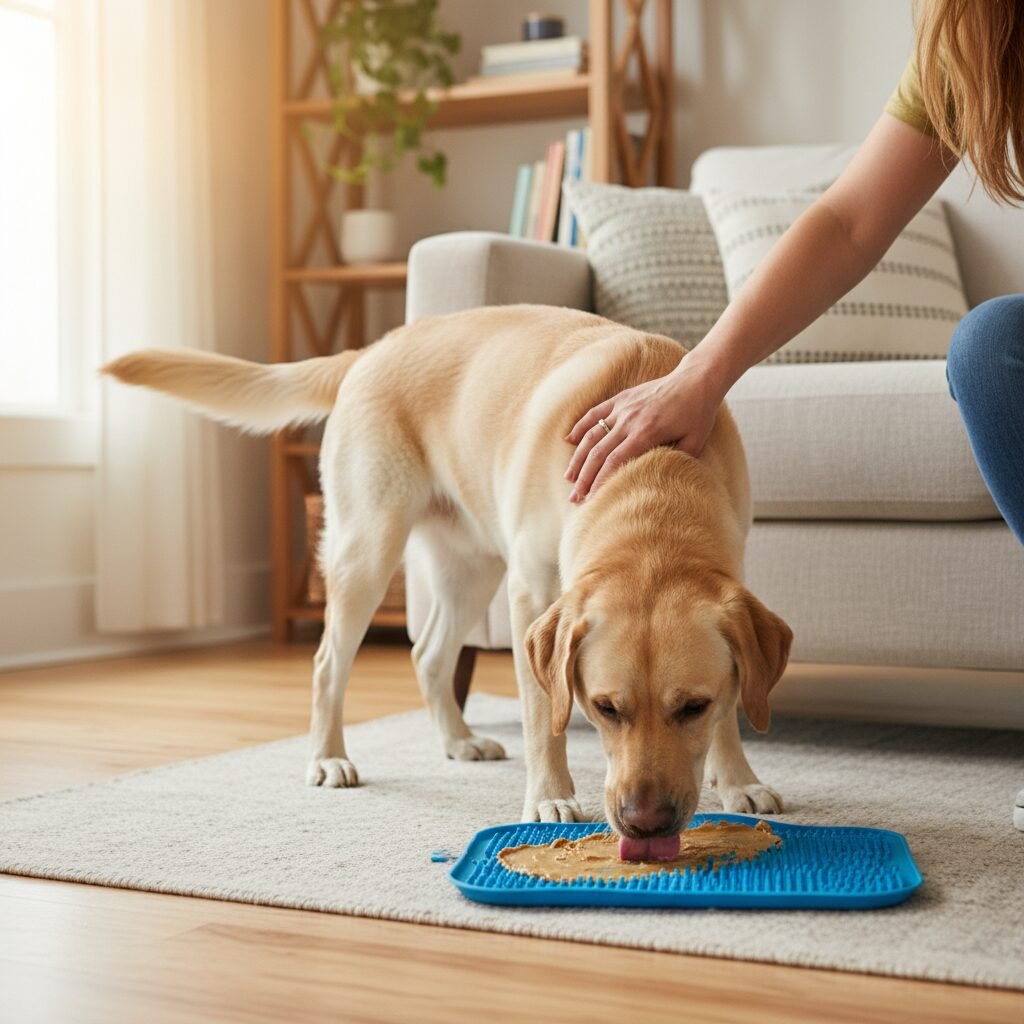
Actively teach your dog what you want it to do instead of licking the couch. When you see your dog begin to lick, calmly interrupt the behavior with a neutral sound like ‘uh-oh’. Immediately redirect its attention to a more appropriate item. Offer a high-value chew toy, a frozen Kong, or a lick mat spread with dog-safe peanut butter or yogurt. When your dog engages with the appropriate item, praise it enthusiastically. This method, known as redirection and positive reinforcement, teaches your dog a better way to satisfy its need to lick or self-soothe without punishment or fear.
Conclusion
The act of a dog licking a couch is a multifaceted behavior that can signal anything from a simple quest for a salty snack to a complex cry for help. By systematically evaluating the potential causes—sensory, behavioral, and medical—you can move from being a perplexed observer to a proactive advocate for your pet’s health. The journey begins with observation and a crucial partnership with your veterinarian to eliminate any underlying health concerns.
Once medical issues are ruled out, your focus can shift to creating a more enriching and secure environment for your dog. Through diligent management of the space, increased physical and mental exercise, and consistent, positive redirection, you can teach your dog more appropriate ways to handle boredom, anxiety, or the simple desire to chew and lick. Remember that patience and consistency are your greatest tools. By addressing the root cause rather than just the symptom, you can not only save your couch but also significantly improve your dog’s overall quality of life and strengthen the bond you share.