
Can a Raw Diet Reduce Aggression in Dogs? The Surprising Truth
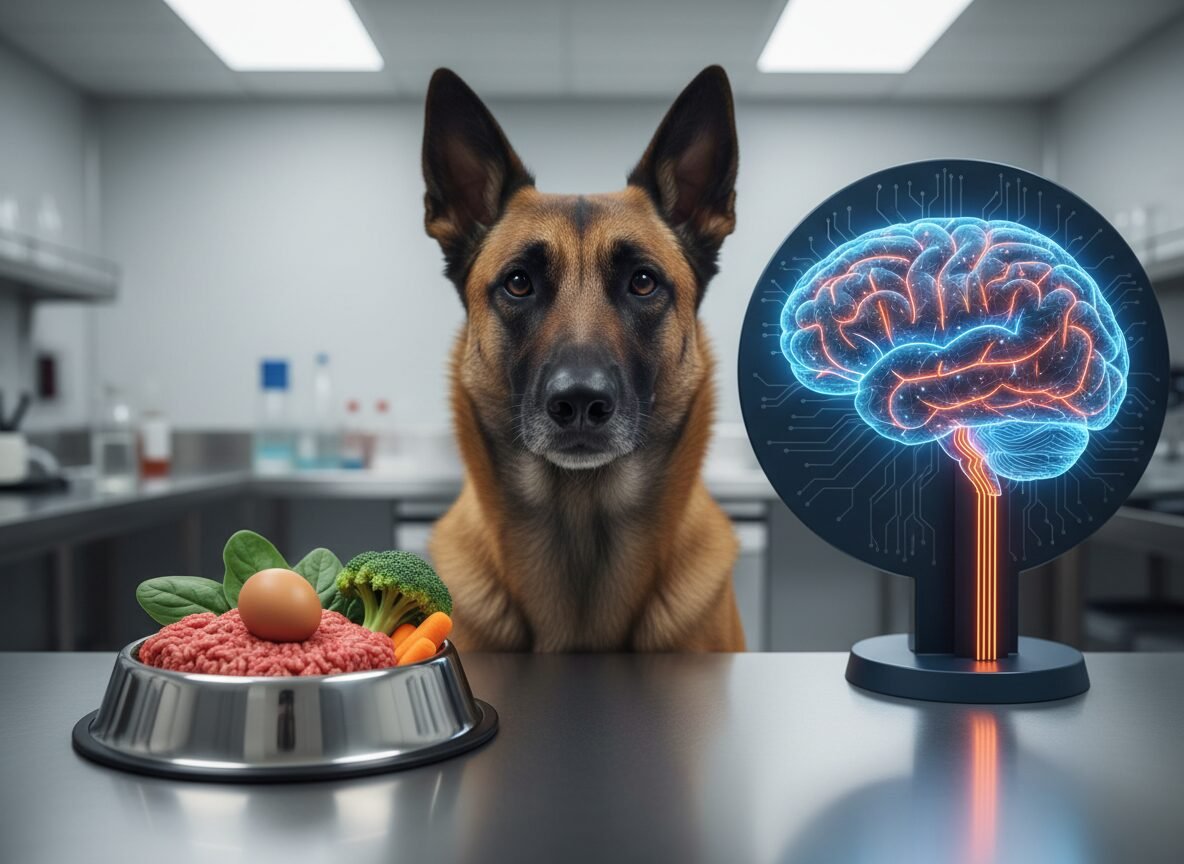
Aggression in dogs is a serious concern for any pet owner, often leading to a desperate search for solutions. In recent years, the raw food diet movement has gained significant traction, with proponents suggesting it can resolve a host of health and behavioral issues, including aggression. The theory posits that a return to an ‘ancestral’ diet can rebalance a dog’s system and calm their temperament. But is there scientific merit to these claims, or is it merely anecdotal hope? This article provides a comprehensive, authoritative examination of the link between raw diets and canine aggression. We will delve into the nutritional science, critically evaluate the potential benefits against the documented risks, and clarify why a holistic approach involving professional guidance is paramount when addressing complex behavioral problems.
The Scientific Link: How Nutrition Influences Canine Behavior
The Scientific Link: How Nutrition Influences Canine Behavior
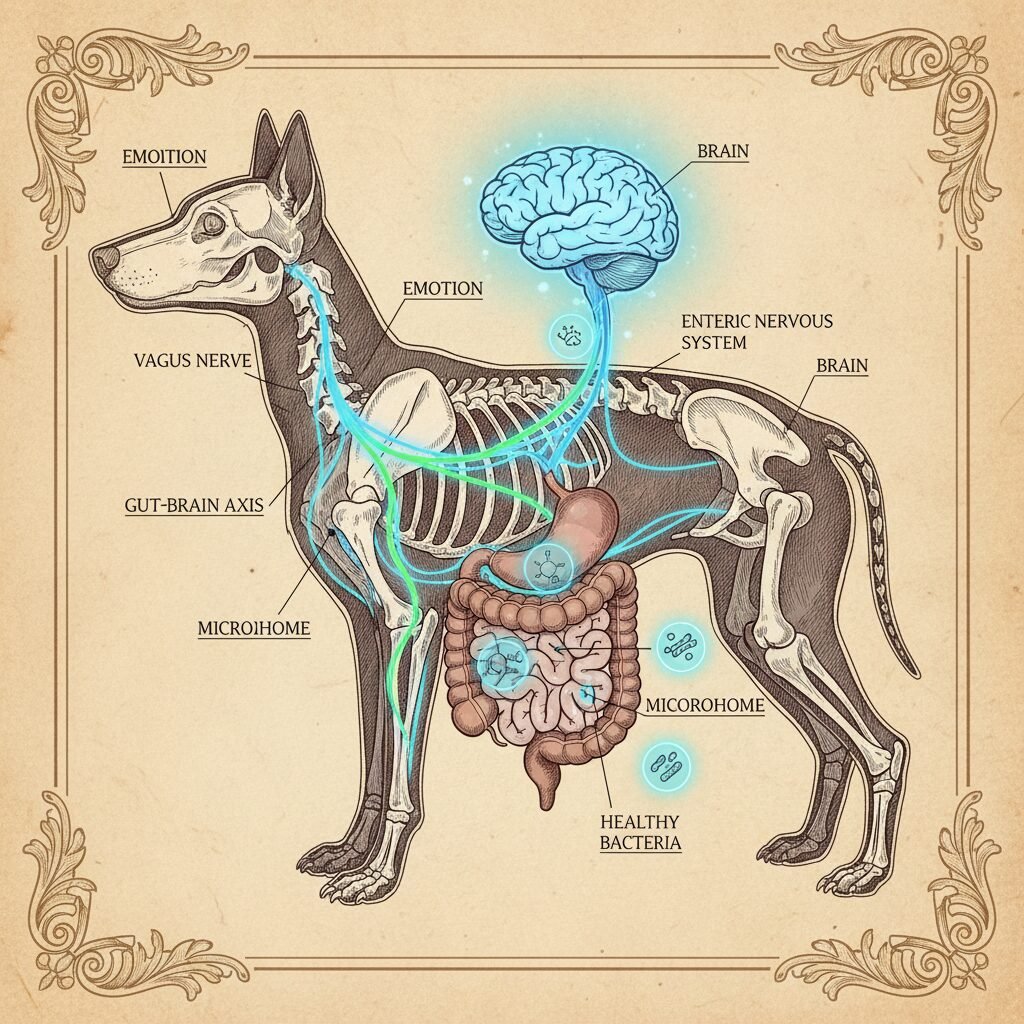
Before we can assess the specific claims of raw diets, it is essential to understand the fundamental connection between what a dog eats and how it behaves. This relationship is not speculative; it is rooted in complex biological processes. The gut, often called the ‘second brain,’ plays a pivotal role in regulating mood and behavior through a connection known as the gut-brain axis.
The Gut-Brain Axis and Neurotransmitters
A dog’s gastrointestinal tract is home to trillions of microbes that are critical for more than just digestion. This gut microbiome communicates directly with the central nervous system. An unhealthy gut environment can lead to inflammation and disrupt the production of key neurotransmitters. For instance, approximately 90% of the body’s serotonin, a neurotransmitter vital for feelings of well-being and calmness, is produced in the digestive tract. Diets that promote a healthy, diverse microbiome can therefore support stable moods.
The Role of Specific Nutrients
Certain nutrients have a direct impact on brain chemistry:
- Tryptophan: This essential amino acid is a precursor to serotonin. Diets deficient in tryptophan, or those where its absorption is inhibited, can potentially contribute to irritability and aggression.
- Omega-3 Fatty Acids: Found in fish oil and other sources, DHA and EPA are critical for brain health and function. They have anti-inflammatory properties and have been shown in some studies to help reduce anxiety and aggression.
- Blood Sugar Levels: Diets high in simple carbohydrates and refined sugars (often found as fillers in low-quality kibble) can cause rapid spikes and crashes in blood sugar. This volatility can lead to irritability, low impulse control, and reactive behaviors. A diet that promotes stable blood sugar can contribute to a more even temperament.
Understanding these biological mechanisms is the first step in evaluating any dietary strategy. Behavior is not solely a training issue; it has a physiological foundation that begins with nutrition.
The Case for Raw Diets: Theoretical Benefits for Behavior
The Case for Raw Diets: Theoretical Benefits for Behavior
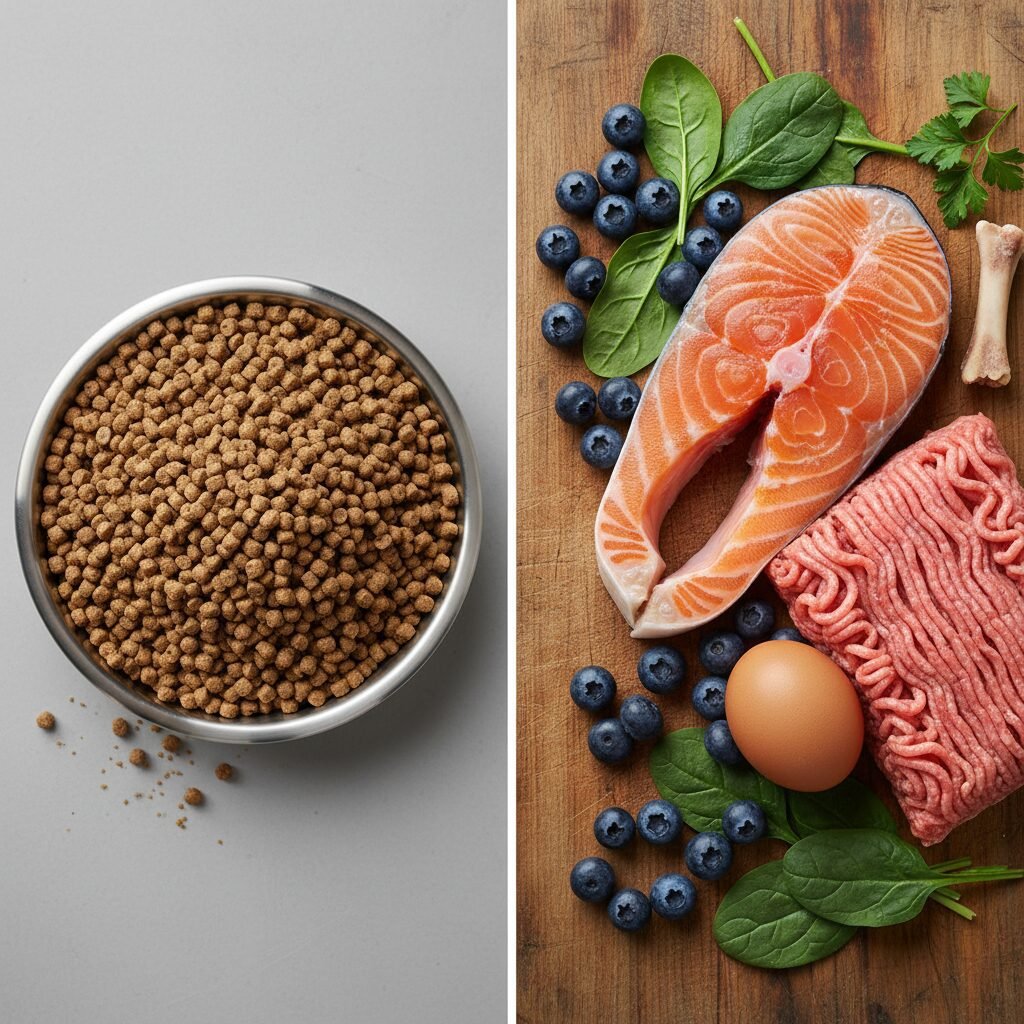
Proponents of raw feeding argue that this dietary model addresses many of the nutritional shortcomings of processed commercial foods, thereby positively influencing behavior. While large-scale, peer-reviewed studies are lacking, the theoretical arguments are compelling and based on established nutritional principles.
Enhanced Nutrient Bioavailability
The primary argument is that nutrients in raw, unprocessed foods are more ‘bioavailable,’ meaning they are more easily absorbed and utilized by the body. Cooking and high-pressure processing used to make kibble can denature some proteins and degrade certain vitamins and enzymes. A raw diet, in theory, provides nutrients in their natural state, potentially leading to better overall health that supports a stable temperament. This includes a more readily available supply of amino acids like tryptophan.
Absence of Artificial Additives and Fillers
Many commercial dog foods contain artificial colors, flavors, and preservatives that some behaviorists and holistic veterinarians believe can contribute to hyperactivity and other behavioral issues. Furthermore, the high content of grain fillers like corn and wheat in some products can lead to the blood sugar fluctuations discussed earlier. A properly formulated raw diet eliminates these variables, providing a ‘cleaner’ source of energy that may promote a calmer state.
Hormonal Balance and Satiety
Raw diets are typically higher in protein and healthy fats and lower in carbohydrates than most kibbles. This composition can promote satiety, leaving a dog feeling fuller and more satisfied after meals. A chronically hungry or unsatisfied dog can become irritable and prone to resource guarding. Additionally, the act of chewing on raw meaty bones can be a mentally stimulating and calming activity for many dogs, providing an appropriate outlet for their natural instincts.
A Critical Examination: Risks and Lack of Scientific Consensus

A Critical Examination: Risks and Lack of Scientific Consensus
Despite the theoretical benefits, it is irresponsible to discuss raw diets without a thorough and serious examination of the significant risks and the current state of scientific evidence. The veterinary community at large urges caution for several well-documented reasons. The most critical point is this: there are no peer-reviewed scientific studies that conclusively prove raw diets reduce aggression in dogs. The evidence remains overwhelmingly anecdotal.
Bacterial and Parasitic Contamination
This is the most significant and well-documented risk. Raw meat is frequently contaminated with harmful bacteria, including Salmonella, E. coli, and Listeria. While healthy dogs may sometimes handle these pathogens without showing symptoms, they can still become carriers, shedding the bacteria in their feces and saliva. This poses a serious health risk to humans in the household, especially children, the elderly, and immunocompromised individuals.
Nutritional Imbalances
Formulating a complete and balanced diet from scratch is incredibly difficult. Many homemade raw diets are deficient in essential nutrients or have improper mineral ratios, such as the critical calcium-to-phosphorus ratio. These imbalances can lead to severe health problems, including metabolic bone disease, especially in growing puppies. A diet that is nutritionally deficient will stress the body, which can exacerbate, rather than alleviate, behavioral problems.
| Diet Type | Primary Risks | Primary Benefits (Claimed) |
|---|---|---|
| Commercial Raw Diet (Reputable) | Bacterial contamination risk (though often mitigated by high-pressure processing); higher cost. | High-quality ingredients; balanced formulation; no artificial fillers. |
| Homemade Raw Diet (DIY) | High risk of nutritional imbalance; high risk of bacterial contamination; time-consuming preparation. | Complete control over ingredients; potentially lower cost than commercial raw. |
| Premium Commercial Kibble | Processing can degrade some nutrients; may contain fillers or allergens for sensitive dogs. | Nutritionally complete and balanced; proven safe from pathogens; convenient. |
Expert Takeaway: The decision to feed raw should not be taken lightly. The risk of disease transmission to human family members is real and must be a primary consideration in your decision-making process.
Beyond the Food Bowl: The True Causes of Canine Aggression
Beyond the Food Bowl: The True Causes of Canine Aggression
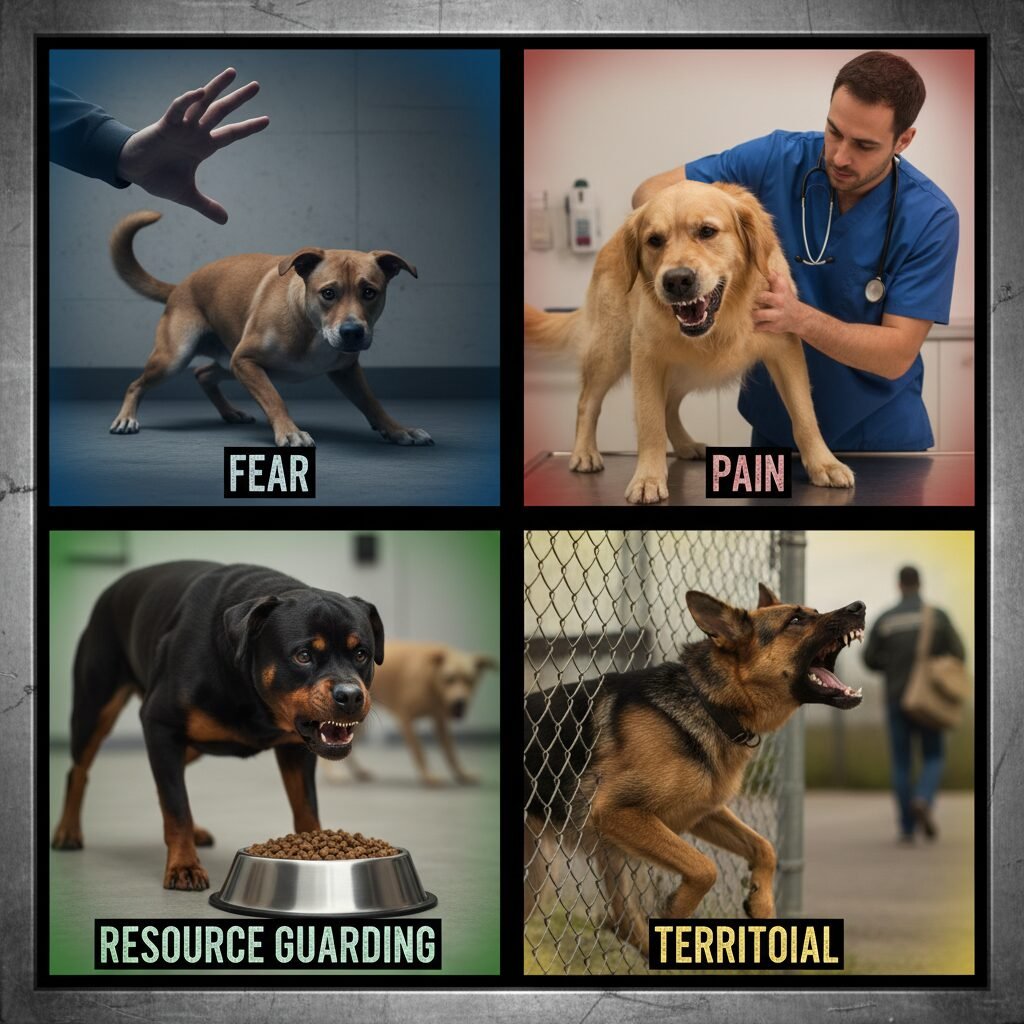
Focusing solely on diet as a cure for aggression is a dangerous oversimplification. Aggression is a complex clinical sign, not a diagnosis in itself. It is a form of communication that signals a dog is in distress. Attributing it to a single cause, like diet, ignores the vast majority of factors that are far more likely to be the root cause.
Common Triggers for Aggression
Understanding the underlying reason for the aggressive display is the only way to effectively address it. Common causes include:
- Fear and Anxiety: Most aggression stems from fear. A dog that feels threatened or cornered may use aggression to create distance and protect itself.
- Pain or Undiagnosed Medical Issues: A dog in chronic pain from conditions like arthritis, dental disease, or an injury can have a much lower tolerance for being handled and may lash out unexpectedly. A thorough veterinary exam is the first step in any aggression case.
- Resource Guarding: This instinctual behavior involves a dog protecting what it perceives as valuable, such as food, toys, or even its owner.
- Genetics and Breed Predisposition: While no breed is inherently ‘aggressive,’ genetics can play a role in temperament, arousal levels, and reactivity.
- Lack of Socialization: Insufficient positive exposure to new people, places, and other dogs during the critical puppy socialization window can lead to fear-based reactivity in adulthood.
- Territorial or Protective Instincts: Many dogs will naturally guard their home and family, and this can manifest as aggression towards strangers or perceived threats.
Viewing diet as a magic bullet prevents owners from addressing these more probable and pressing causes. An aggressive dog needs a comprehensive behavioral modification plan, not just a new menu.
The Responsible Path: Professional Consultation and a Holistic Approach

The Responsible Path: Professional Consultation and a Holistic Approach
If you are dealing with aggression in your dog, the most responsible and effective course of action is to seek professional help. Self-diagnosing the problem and prescribing a diet without expert input can be ineffective at best and dangerous at worst.
Step 1: The Veterinary Examination
Your first stop must always be your veterinarian. They will perform a complete physical exam to rule out any underlying medical conditions that could be causing pain or discomfort and contributing to the aggression. Discuss your concerns openly and be prepared to run diagnostic tests if recommended.
Step 2: Consulting a Specialist
Once medical causes are ruled out, it is time to consult specialists. This is a two-pronged approach:
- For Diet: If you are committed to exploring dietary changes, do not do it alone. Consult a board-certified veterinary nutritionist (DACVN). They can help you formulate a diet (whether it’s raw, home-cooked, or a prescription commercial diet) that is complete, balanced, and appropriate for your dog’s specific needs. They can also objectively discuss the risks and benefits of a raw diet for your individual situation.
- For Behavior: The most critical step is to work with a qualified professional to address the behavior itself. Seek out a veterinary behaviorist (DACVB) or a certified professional dog trainer (CPDT-KA) or certified dog behavior consultant (CDBC) who uses positive reinforcement-based methods. They will help you identify the triggers for your dog’s aggression and develop a comprehensive management and behavior modification plan.
A change in diet should be considered a supplement to a professional behavior modification plan, not a replacement for one. There are no shortcuts when it comes to managing aggression safely and effectively.
Conclusion
So, can a raw diet reduce aggression in dogs? The surprising truth is that while nutrition is undeniably a pillar of overall health that can influence behavior, there is currently no scientific evidence to support the claim that a raw diet is a specific remedy for aggression. The theoretical benefits—such as better nutrient absorption and the absence of artificial fillers—are plausible but must be weighed against the very real and documented risks of bacterial contamination and nutritional imbalances.
Aggression is a complex and serious issue with deep roots in genetics, health, and life experiences. The most effective and responsible path forward is not to seek a simple dietary cure, but to embrace a holistic approach. This begins with a thorough veterinary check-up to rule out pain and is followed by a partnership with a qualified behavior professional to address the root cause of the behavior. Any dietary changes, especially a move to a raw diet, should only be made under the strict guidance of a board-certified veterinary nutritionist. By prioritizing professional expertise over popular trends, you provide your dog with the safest and most effective path toward a calmer, more balanced life.