Start Canicross: How to Run With Your Dog Without Getting Dragged
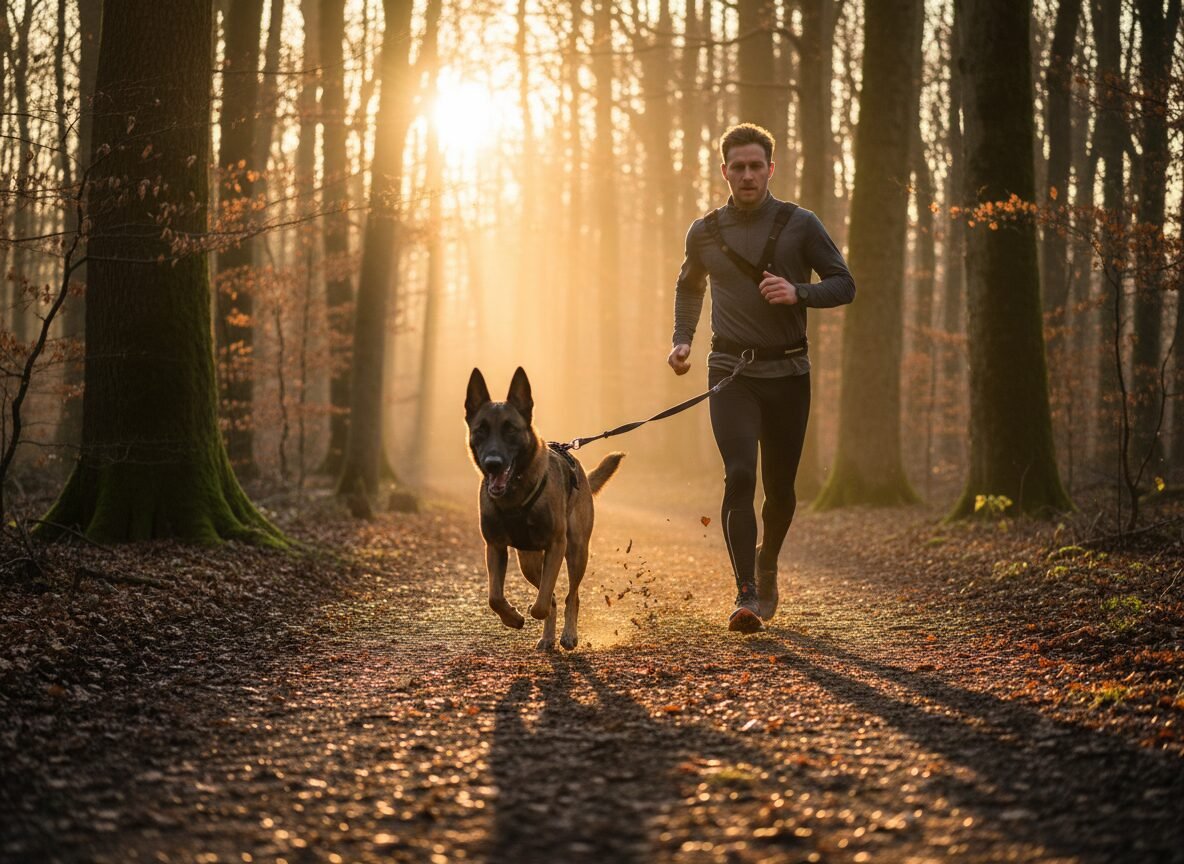
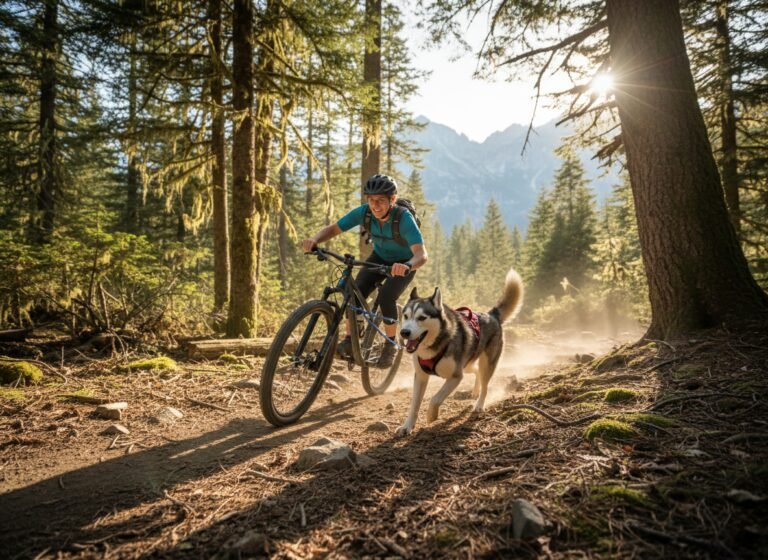
Running with a dog can be one of the most rewarding experiences for any pet owner. It combines fitness, companionship, and a shared love for the outdoors. However, the idyllic image of jogging alongside your furry friend can quickly turn into a frustrating battle of wills, with you being pulled down the path. This is where Canicross transforms the experience from a chaotic drag into a synchronized team sport. Canicross is the sport of cross-country running with a dog attached to your waist via a bungee line, where your dog is actively encouraged to pull and run ahead, acting as your engine.
This guide is designed for the enthusiastic beginner who wants to harness their dog’s natural energy productively. We will move beyond the basics of leash-walking and delve into the specific equipment, training techniques, and commands that form the foundation of successful Canicross. By following these steps, you will learn not only how to run with your dog but how to run as a cohesive unit, building an incredible bond while exploring the trails together safely and effectively.
Gearing Up for Success: Essential Canicross Equipment
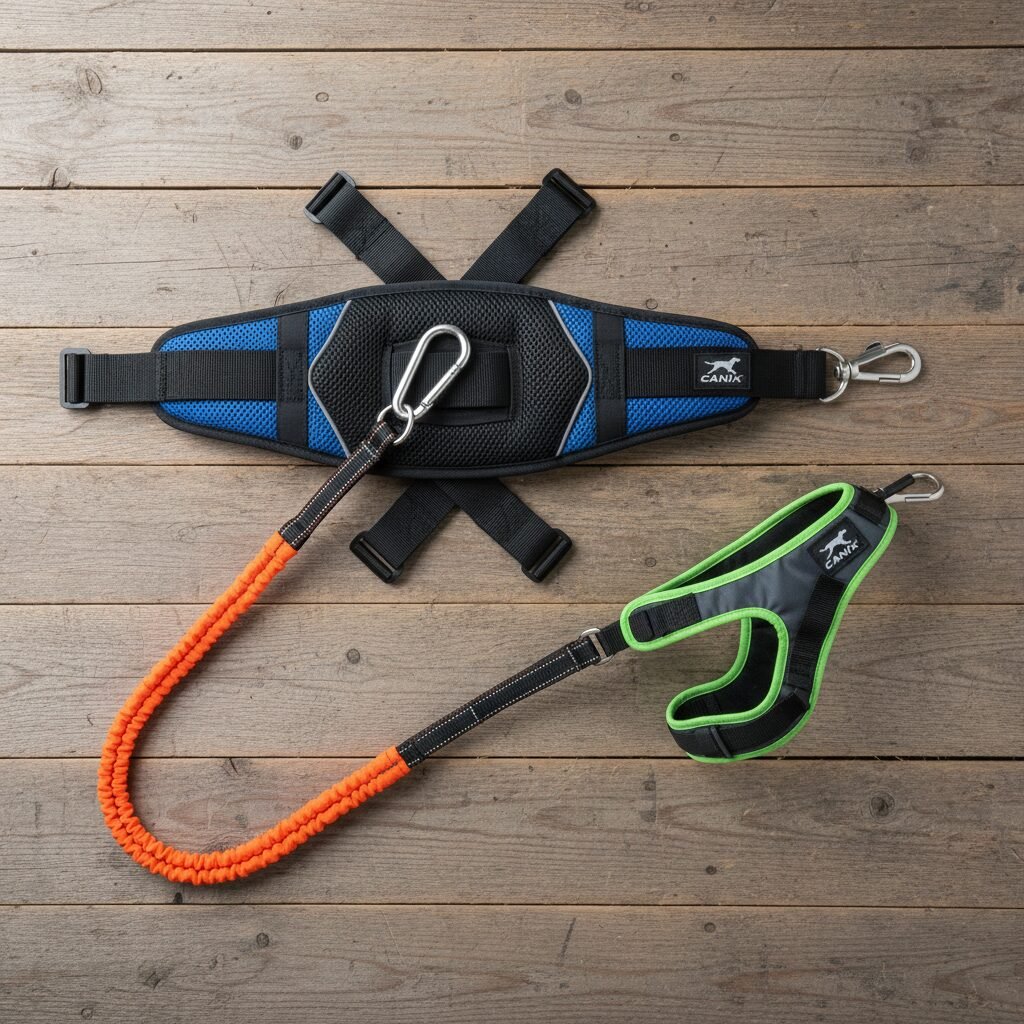
Gearing Up for Success: Essential Canicross Equipment
Before you take your first step on the trail, investing in the correct equipment is paramount. Using standard walking gear like a collar and handheld leash is not only inefficient but can be dangerous for both you and your dog in a running context. Proper Canicross gear is designed to distribute force, absorb shock, and allow for comfortable, uninhibited movement. There are three non-negotiable components to a safe Canicross setup.
The Human Canicross Belt
This is not a simple waist pack. A proper Canicross belt is a wide, padded belt that sits low on your hips, aligning with your center of gravity. This design has several critical functions:
- Hands-Free Running: It liberates your hands, allowing for a natural running form, better balance, and the ability to react to trips or falls.
- Force Distribution: It distributes the dog’s pulling force across your strong pelvic area and glutes, rather than straining your back or shoulders.
- Safety and Control: Many belts include leg straps to prevent them from riding up into your lower back, ensuring stability and comfort throughout your run. A quick-release mechanism is also a vital safety feature.
When choosing a belt, look for adjustability, ample padding, and a secure attachment point for the bungee line that is low and centered.
The Bungee Line
The bungee line is the crucial link between you and your dog. It’s an elasticated leash, typically 1.5 to 2 meters long when extended, that serves as a shock absorber. Every time your dog surges forward or you adjust your pace, the bungee element smooths out the jerking motions. This protects your spine from jarring impacts and prevents injury to your dog’s neck and back. A quality bungee line will have secure, durable clips on both ends—one to attach to your belt and one to your dog’s harness.
The Dog Pulling Harness
This is arguably the most important piece of equipment for your dog’s safety and performance. A standard walking harness or, worse, a collar, should never be used for Canicross. Collars can restrict breathing and damage the trachea when a dog is pulling. Many walking harnesses are designed to restrict pulling and can impede shoulder movement. A proper Canicross or pulling harness is specifically engineered to:
- Allow Free Range of Motion: The design, often an X-back or H-back style, leaves the dog’s shoulders completely free to move naturally.
- Distribute Pressure Evenly: The harness distributes the pulling force across the dog’s chest and back, avoiding sensitive areas like the neck and abdomen.
- Promote Efficient Pulling: The attachment point for the bungee line is located further down the dog’s back, near the base of the tail. This creates the optimal angle for forward propulsion.
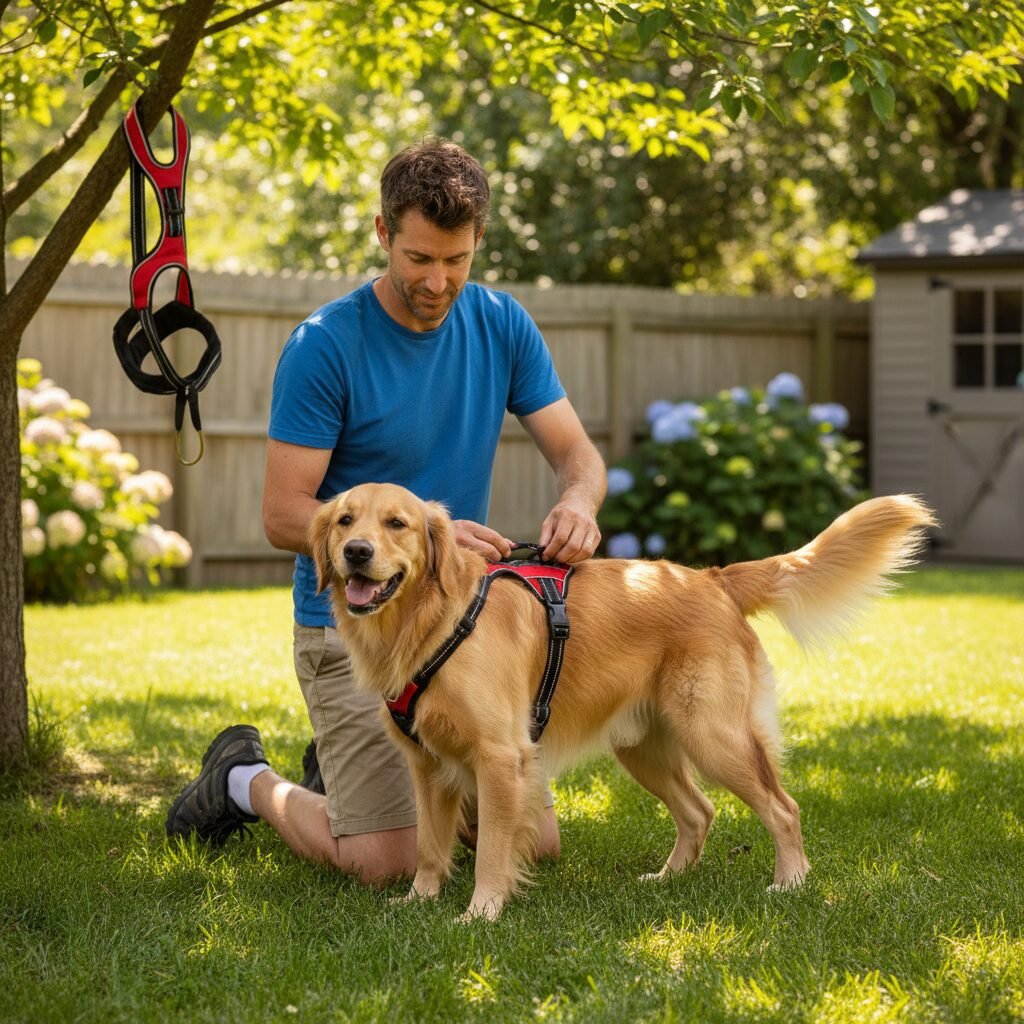
Ensure the harness is properly fitted. It should be snug enough not to chafe or shift excessively, but not so tight that it restricts breathing or movement. A poorly fitted harness can cause discomfort and sour your dog on the activity entirely.
Foundation Training: Before You Hit the Trail
Foundation Training: Before You Hit the Trail
With the right gear in hand, it’s tempting to immediately head for the hills. However, a successful Canicross partnership is built on a solid foundation of fitness, obedience, and comfort with the equipment. Skipping these preliminary steps can lead to frustration and potential injury.
Canine Readiness Assessment
Not every dog is ready to run the moment they get a new harness. A thorough readiness check is a responsible first step.
- Age and Growth: A dog should be skeletally mature before starting any high-impact sport like Canicross. For most medium to large breeds, this is between 12 and 18 months. Running on joints with open growth plates can cause long-term damage. Consult your veterinarian to be sure.
- Breed Considerations: While many breeds excel at Canicross, brachycephalic (flat-faced) breeds like Pugs, Bulldogs, and Boxers are generally not suited for this strenuous activity due to their compromised respiratory systems.
- Veterinary Check-Up: A clean bill of health from your vet is essential. This visit can confirm your dog is at a healthy weight, has no underlying heart or joint issues, and is physically prepared for the demands of running.
Mastering Basic Obedience
Canicross is an off-leash sport at heart, even though you are physically connected. The bungee line is for propulsion, not for steering or braking. Your verbal commands are the steering wheel and the brakes. Before you start, your dog should have a rock-solid understanding of basic cues like ‘Sit’, ‘Stay’, and especially ‘Come’ or recall. These commands are your safety net if you ever become detached from your dog or need to stop suddenly.
Positive Harness Introduction
The pulling harness feels very different from a regular collar or walking harness. It’s crucial to associate this new piece of gear with positive experiences. Start by simply letting your dog sniff and investigate the harness. Reward their curiosity with high-value treats. Progress to placing it on them for a few seconds, followed by a treat, and then take it off. Gradually increase the duration they wear it around the house, always pairing it with praise, play, or treats. You want your dog to be excited to see the harness, as it signals a fun activity is about to begin.
The Core Canicross Commands: Teaching Your Dog to Be Your Engine
The Core Canicross Commands: Teaching Your Dog to Be Your Engine
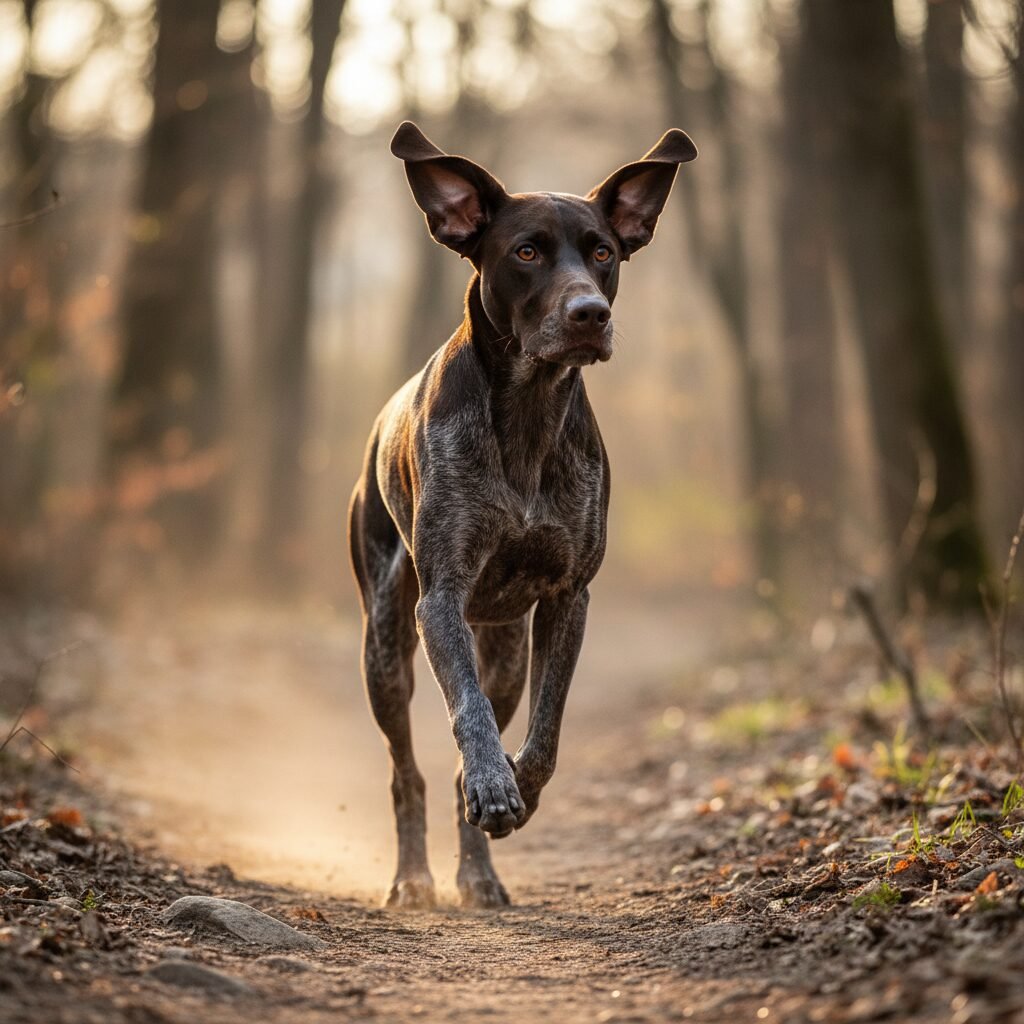
Clear, consistent communication is the key to running as a team. In Canicross, your voice guides the way. These commands should be taught in a low-distraction environment before you attempt them at speed on a trail. Use a unique, upbeat tone for these cues that is distinct from your everyday conversation with your dog.
Essential Verbal Cues
- ‘Hike On’ / ‘Let’s Go’: This is your ignition command. It tells your dog it’s time to move forward and start pulling. To teach it, stand behind your dog in full gear. Toss a treat a few feet in front of them and say your command enthusiastically as they move to get it. The feeling of the line tightening as they move forward teaches them the concept of pulling into the harness.
- ‘Whoa’ / ‘Easy’: This is your brake pedal. It means slow down or prepare to stop. Practice this while walking. As you say ‘Whoa’ in a calm, steady voice, simultaneously slow your own pace to a stop. Reward your dog when they stop with you. This is one of the most important safety commands.
- ‘Gee’ (Right) & ‘Haw’ (Left): These are your steering commands. While traditional sled dog terms, you can use ‘Right’ and ‘Left’ if you prefer. To teach ‘Gee,’ for example, approach a right turn on a path. As you near the turn, give the ‘Gee’ command and use your body to guide them in that direction. When they successfully make the turn, reward them with effusive praise. Repetition on familiar routes is key.
- ‘On By’ / ‘Leave It’: This command is your secret weapon against distractions. It tells your dog to ignore the squirrel, the other dog, or the interesting smell and continue straight ahead. Practice this by having a friend stand off the path with a calm dog. As you approach, say ‘On By’ with focus and energy, and give a high-value reward as soon as you pass the distraction without incident.
Expert Tip: Keep your commands short, crisp, and consistent. Everyone in the family who might run with the dog should use the exact same words to avoid confusion. Patience and positive reinforcement are your best training tools.
Your First Runs: A Step-by-Step Training Plan
Your First Runs: A Step-by-Step Training Plan
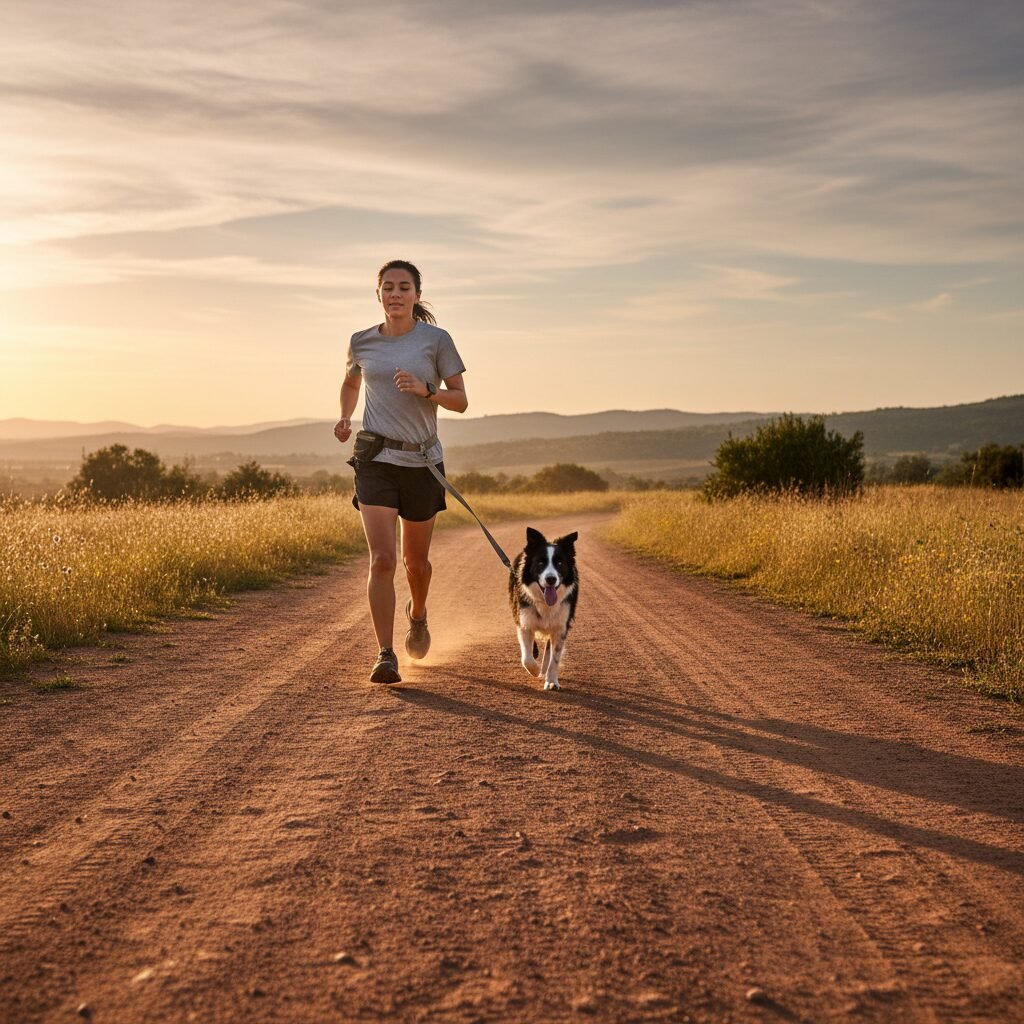
Transitioning from stationary command training to actual running requires a gradual, structured approach. Pushing for too much, too soon, can lead to burnout or injury for you or your dog. The goal of this initial phase is to build confidence, reinforce commands, and slowly develop endurance.
Weeks 1-2: Walking with Purpose
Your first outings should not involve any running. The entire focus is on getting your dog accustomed to wearing the full gear and understanding the concept of pulling ahead while walking. On a quiet trail or in a park, give your ‘Hike On’ command and start walking at a brisk pace. Encourage your dog to stay out in front and maintain a slight tension on the bungee line. Practice your ‘Gee,’ ‘Haw,’ and ‘Whoa’ commands frequently at intersections and turns. Keep these sessions short and positive, around 15-20 minutes.
Weeks 3-4: Introducing Short Running Intervals
Now you can start to introduce speed. Begin your session with a 5-minute warm-up walk. Then, on a straight, clear section of trail, give your ‘Hike On’ command with extra excitement and jog for just 30 to 60 seconds. As you slow down, give your ‘Whoa’ or ‘Easy’ command and transition back to a walk. Praise your dog enthusiastically for the effort. Repeat these short intervals 3-4 times during your session, with several minutes of walking in between. The goal isn’t to tire your dog out but to teach them that the command means it’s time to run together.
Weeks 5-8: Building Duration and Endurance
As your dog gets the hang of it, you can gradually extend the running intervals and shorten the walking recovery periods. A session might look like a 5-minute warm-up walk, followed by 2 minutes of running and 2 minutes of walking, repeated 4-5 times. Slowly increase the running time as your and your dog’s fitness improves. Listen to your dog; their enthusiasm is your best gauge. If their tail starts to drop or they begin lagging behind, it’s time to slow down or end the session.
Critical Monitoring and Care
Throughout this process, be a vigilant partner. Always carry water for both of you. After each run, check your dog’s paws for any cuts or abrasions. Be acutely aware of the signs of overheating, which include excessive panting, drooling, lethargy, or stumbling. It is crucial to avoid running in high heat or humidity, as dogs are much more susceptible to heatstroke than humans.
Troubleshooting: How to Run in Sync and Avoid Being Dragged
Troubleshooting: How to Run in Sync and Avoid Being Dragged
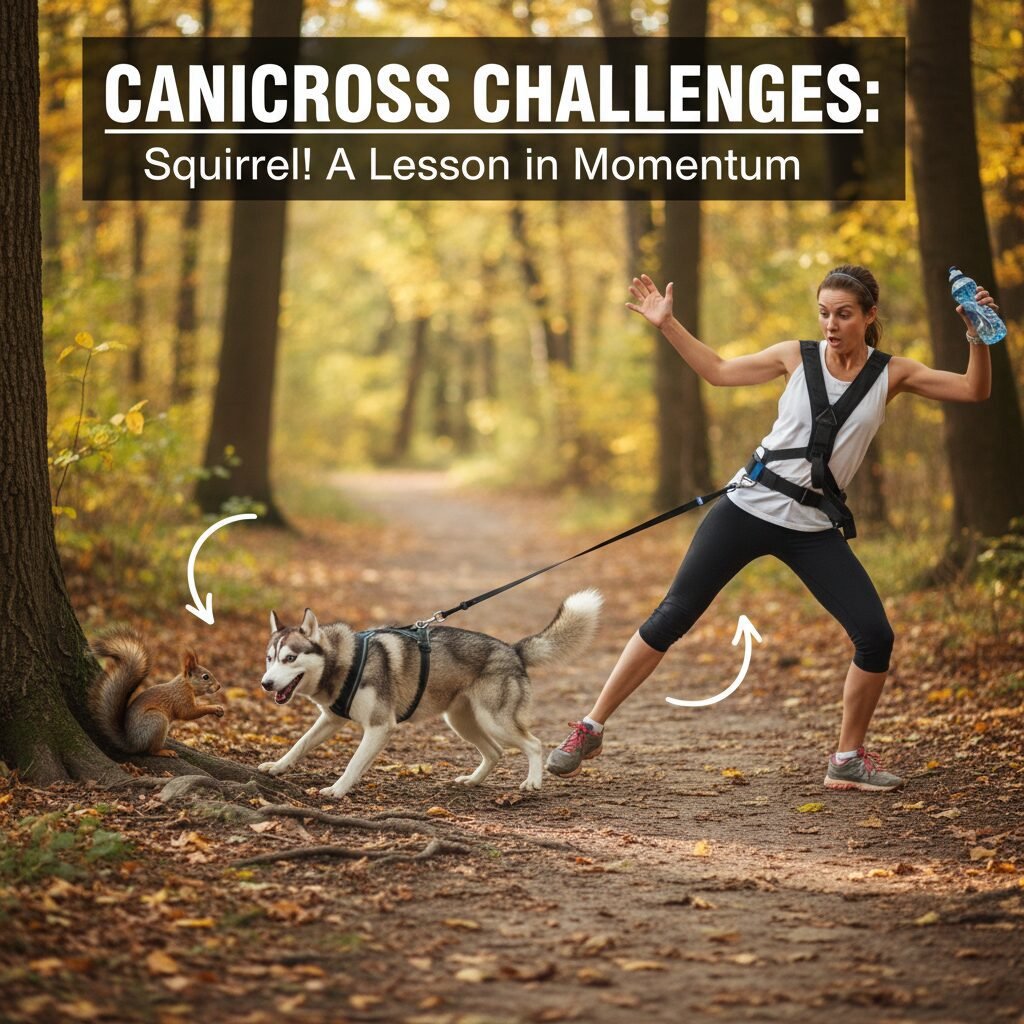
Even with careful training, you’ll likely encounter some common challenges. The key is to address them calmly and consistently, reinforcing the core training principles. This section directly tackles the ‘getting dragged’ problem and other frequent hurdles.
| Common Problem | Underlying Cause & Solution |
|---|---|
| The Rocket Start: Dog bolts and pulls uncontrollably at the beginning. | This is often caused by pent-up excitement. Solution: Implement a pre-run routine. Before you give the ‘Hike On’ command, ask for a ‘Sit’ or ‘Wait’. Only begin when the dog is calm and focused on you. Do not start the run in a state of chaos; you are teaching your dog that calm focus is what starts the fun. |
| The Distraction Magnet: Dog veers off-trail for squirrels, other dogs, or smells. | The environment is more rewarding than you are. Solution: Increase your value. Use higher-value rewards for the ‘On By’ command. Practice in progressively more distracting environments. Sometimes, it’s best to stop, reset, and ask the dog to refocus on you before continuing. Ensure your dog is well-exercised generally, so the run isn’t their only outlet for energy and sniffing. |
| The Zig-Zag: Dog weaves from side to side instead of pulling straight. | This can be a sign of confusion, distraction, or a young dog’s playfulness. Solution: Keep your forward momentum consistent to encourage a taut line. Practice on straight, narrow trails initially to provide a clear path. Reward heavily for any period of straight, focused pulling. Sometimes, a slightly shorter bungee line can provide better feedback for the dog. |
| The Sudden Stop: Dog stops pulling mid-run or lags behind. | This could be fatigue, discomfort, confusion, or a loss of motivation. Solution: First, rule out physical issues. Check the harness fit and inspect their paws. Are they tired or too hot? If it’s motivational, make it fun again. Go back to shorter intervals with lots of praise. You may have progressed too quickly. Never punish a dog for not pulling; keep the experience positive. |
Remember, Canicross is a partnership. The goal is not to have a perfectly behaved dog, but to build a line of communication that allows you to work through these challenges together. Every run is a training opportunity to strengthen your bond and improve your teamwork.
Conclusion
Embarking on your Canicross journey is an investment in the health and happiness of both you and your dog. It transforms a simple run into a powerful exercise in teamwork and communication. The key to success—and to avoiding being dragged across the landscape—lies in a patient and methodical approach. By investing in the proper safety gear, building a solid foundation of command training, and progressing at a pace that is comfortable for your canine partner, you set the stage for countless miles of shared adventure.
Remember that every dog learns differently, and consistency is more important than intensity. Celebrate the small victories, work patiently through the challenges, and cherish the unique bond that is forged when you and your dog learn to run as one. The trails are waiting.