7 Heart-Melting Signs Your Dog Has ‘Imprinted’ on You (True Bonding)

The relationship between a human and their dog is one of the most unique and powerful bonds in the animal kingdom. While all dog owners experience affection from their pets, some connections transcend simple companionship, evolving into a profound phenomenon known as imprinting. This term, often associated with young animals forming an attachment to the first moving object they see, takes on a deeper, more nuanced meaning in the context of a dog’s relationship with its human caregiver. It signifies that your dog views you not just as a provider, but as their ultimate source of safety, comfort, and emotional stability. Recognizing the signs of this true bonding can be incredibly rewarding, affirming the love and effort you invest in your canine companion. This guide will explore seven definitive, heart-melting signs that your dog has truly imprinted on you, offering insights into the psychology behind these behaviors and celebrating the incredible depth of the human-canine connection.
Sign 1: Intense and Sustained Eye Contact
The ‘Windows to the Soul’ Connection
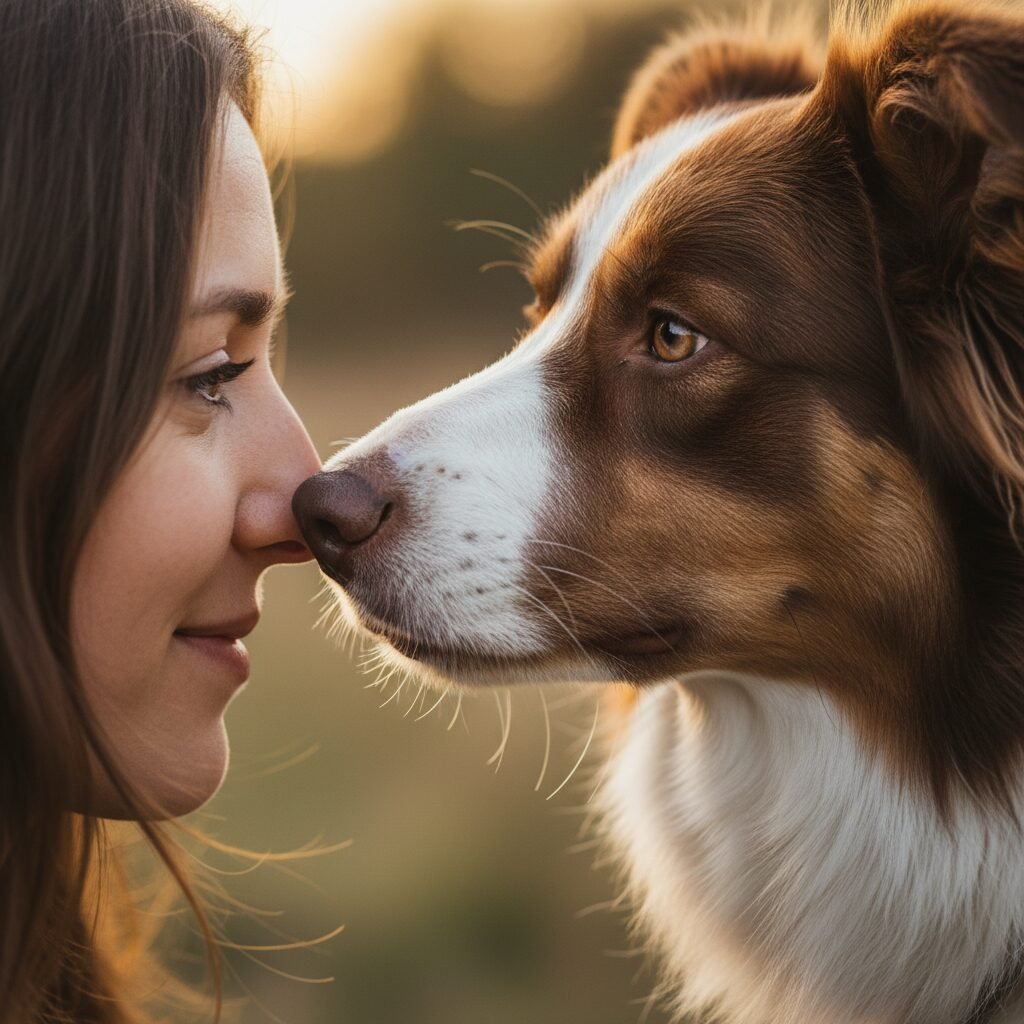
In the canine world, direct and prolonged eye contact is often interpreted as a challenge or a threat. However, when a dog has imprinted on its human, this rule is completely rewritten. One of the most powerful indicators of a deep bond is your dog’s ability to gaze into your eyes with a soft, relaxed expression. This mutual gaze is not a challenge for dominance; it is an expression of absolute trust and affection.
Scientific studies have shown that when dogs and their owners share this loving stare, both of their brains release oxytocin. Often called the ‘love hormone’ or ‘bonding hormone,’ oxytocin is instrumental in forming social attachments. This is the same hormonal response that occurs between a mother and her infant, highlighting the incredible depth of this connection. A dog that actively seeks out eye contact with you, holds your gaze during quiet moments, and seems to be ‘listening’ with its eyes is demonstrating a level of trust and emotional intimacy reserved only for their most important person. This behavior signifies that they see you as a safe harbor and a focal point of their world.
Expert Insight: The ability to comfortably hold a mutual gaze is a unique adaptation in domesticated dogs, likely developed over thousands of years of co-evolution with humans. It’s a communication tool that strengthens the social bond, effectively ‘hugging you with their eyes.’ A dog who does this is not just looking at you; they are connecting with you on a deep emotional level.
Sign 2: Constant Physical Proximity (The ‘Velcro Dog’ Phenomenon)

Your Personal Shadow
Does your dog follow you from room to room, settling down at your feet no matter where you are? This ‘Velcro dog’ behavior is a classic sign of imprinting. While sometimes mistaken for separation anxiety, in a well-adjusted dog, it’s simply a powerful desire to remain within your sphere of influence. For an imprinted dog, your presence is a source of constant comfort and security. They are not necessarily demanding attention; they are simply content to be near their person.
This behavior stems from the pack instincts of their ancestors. In a wolf pack, proximity maintains social cohesion and ensures safety. By staying close to you, their perceived pack leader and protector, your dog is fulfilling a deep-seated instinct. They are monitoring your location, your mood, and your actions, not out of anxiety, but out of a sense of belonging and duty. Whether they are resting their head on your lap during a movie, lying on the bathmat while you shower, or ‘supervising’ you in the kitchen, this need for closeness is a testament to your central role in their life. They have chosen you as their anchor in the world.
Sign 3: Emotional Mirroring and Empathy
Tuned In to Your Feelings
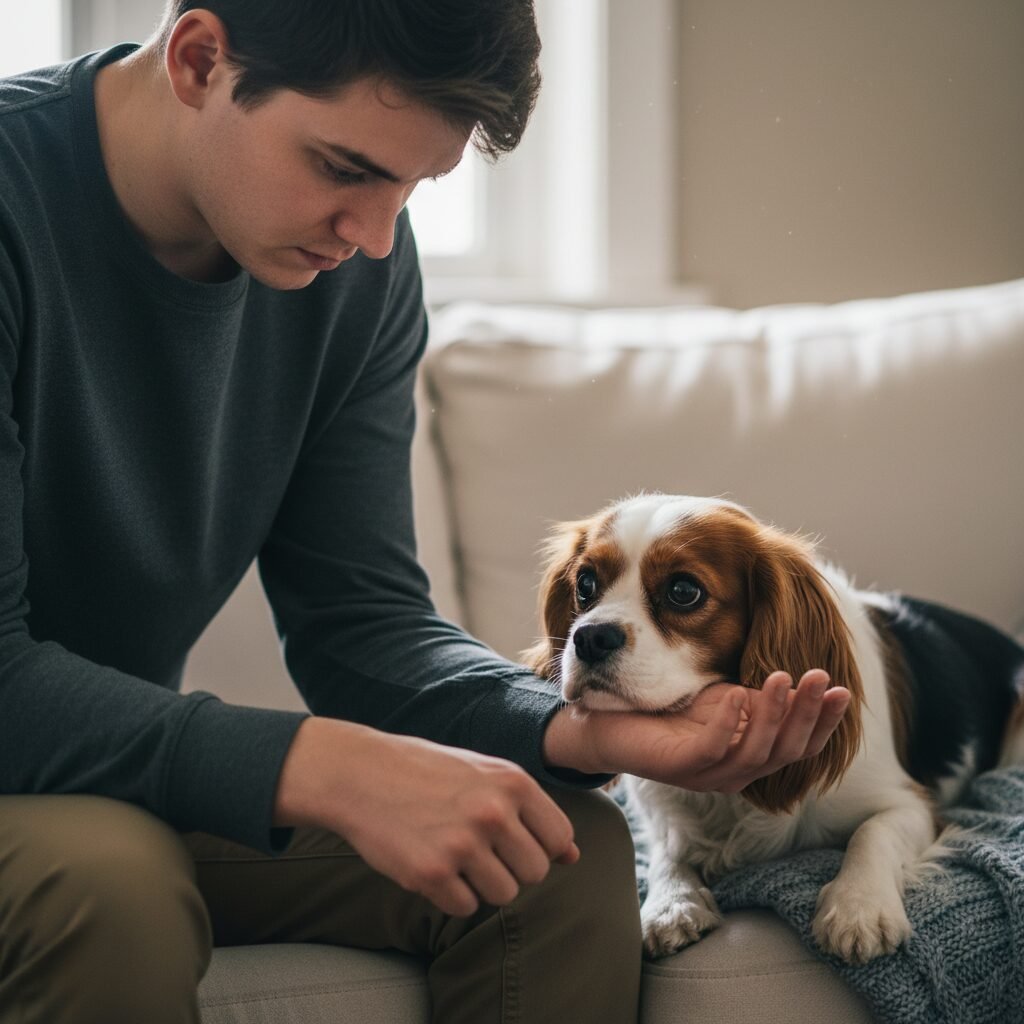
A truly bonded dog is remarkably attuned to your emotional state. This goes beyond reacting to overt cues like a raised voice or tears; it’s a subtle, almost psychic, ability to mirror your feelings. This phenomenon, known as emotional contagion, is a strong indicator of imprinting. When you are happy and energetic, your dog may become playful and excited. Conversely, when you are sad, stressed, or unwell, they may become subdued, stay closer than usual, and offer comforting nuzzles or licks.
They learn to read your micro-expressions, your tone of voice, and even your scent, which can change with your emotional state. An imprinted dog doesn’t just react to these changes; they seem to genuinely share them. They might try to distract you from your sadness with a toy or offer a calming presence by simply resting a head on your knee. This empathetic response demonstrates that their well-being is intrinsically linked to yours. They are not just your pet; they are your emotional partner, celebrating your joys and offering silent, unwavering support during your sorrows.
Sign 4: Offering ‘Gifts’ and Valued Possessions
The Ultimate Act of Trust
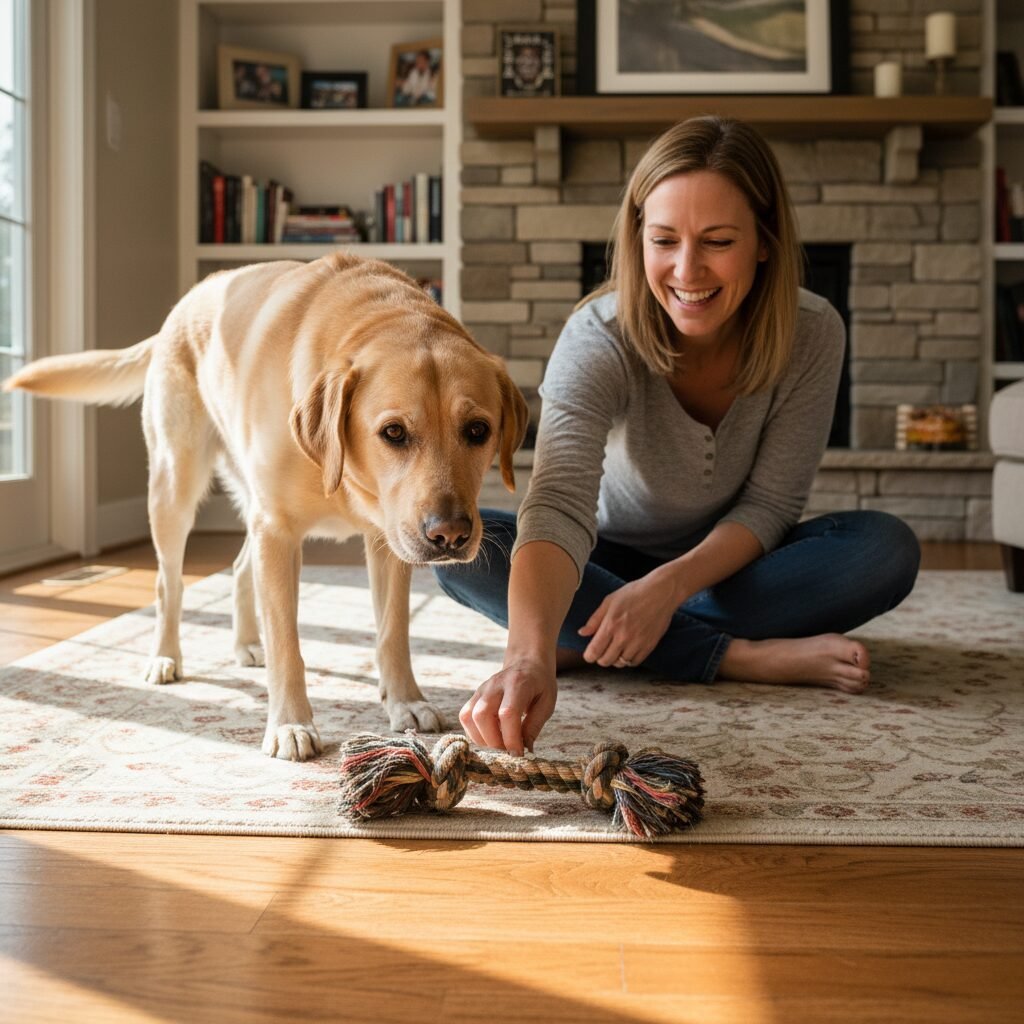
When your dog brings you their favorite, slobber-covered tennis ball or a prized squeaky toy, it’s more than just an invitation to play. It’s an act of honor and trust. In the canine social structure, resources like toys, food, and bones are valuable. By presenting you with their most cherished possession, your dog is communicating a profound message: ‘This is my favorite thing in the world, and I want to share it with you.’
This behavior is a form of ‘gifting.’ They are not just sharing a toy; they are sharing a piece of themselves. It demonstrates that they see you as a worthy and trusted member of their pack, someone they don’t need to compete with for resources. They trust that you will not take their prized possession away permanently. This act of vulnerability and generosity is a clear sign that they view you as their benevolent leader and a central figure in their life, worthy of receiving their most valuable treasures.
Sign 5: Seeking Reassurance and Direction
Looking to You for Guidance
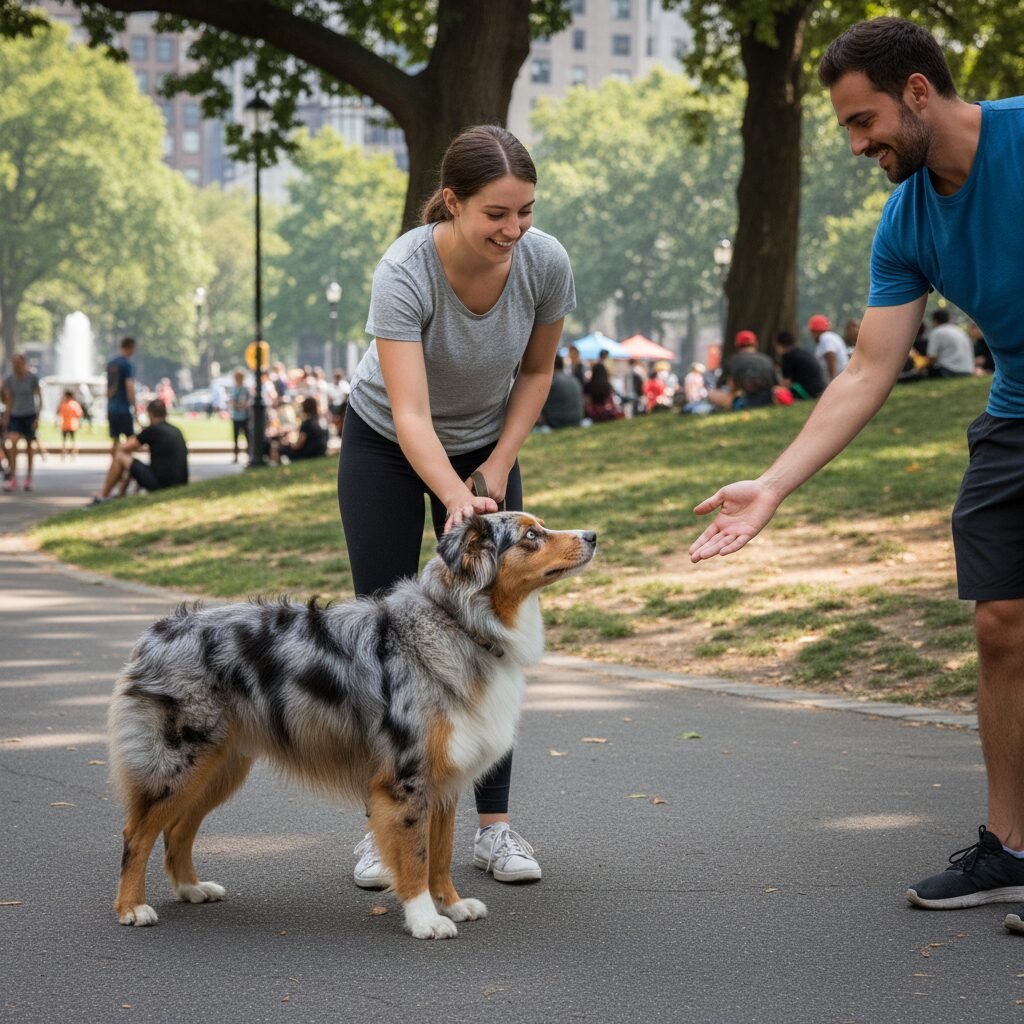
An imprinted dog sees you as their trusted leader and guide to the world. In uncertain or novel situations, they will instinctively look to you for cues on how to react. This behavior is known as social referencing. For instance, when a stranger or another dog approaches, your dog may glance back at you before deciding how to proceed. A calm and positive demeanor from you will signal that everything is okay, while a tense reaction will put them on alert.
This reliance on your judgment shows that they trust your interpretation of the environment more than their own. They are not just looking for a command; they are seeking emotional reassurance. This is especially evident during stressful events like thunderstorms, fireworks, or a visit to the veterinarian. A dog that presses against you or consistently checks in with you in these moments is not just scared; they are actively seeking the comfort and security that only their imprinted person can provide. Your calm leadership gives them the confidence to navigate a world that can sometimes be overwhelming.
Sign 6: Preferential Treatment and Unwavering Loyalty
You Are Their ‘One and Only’
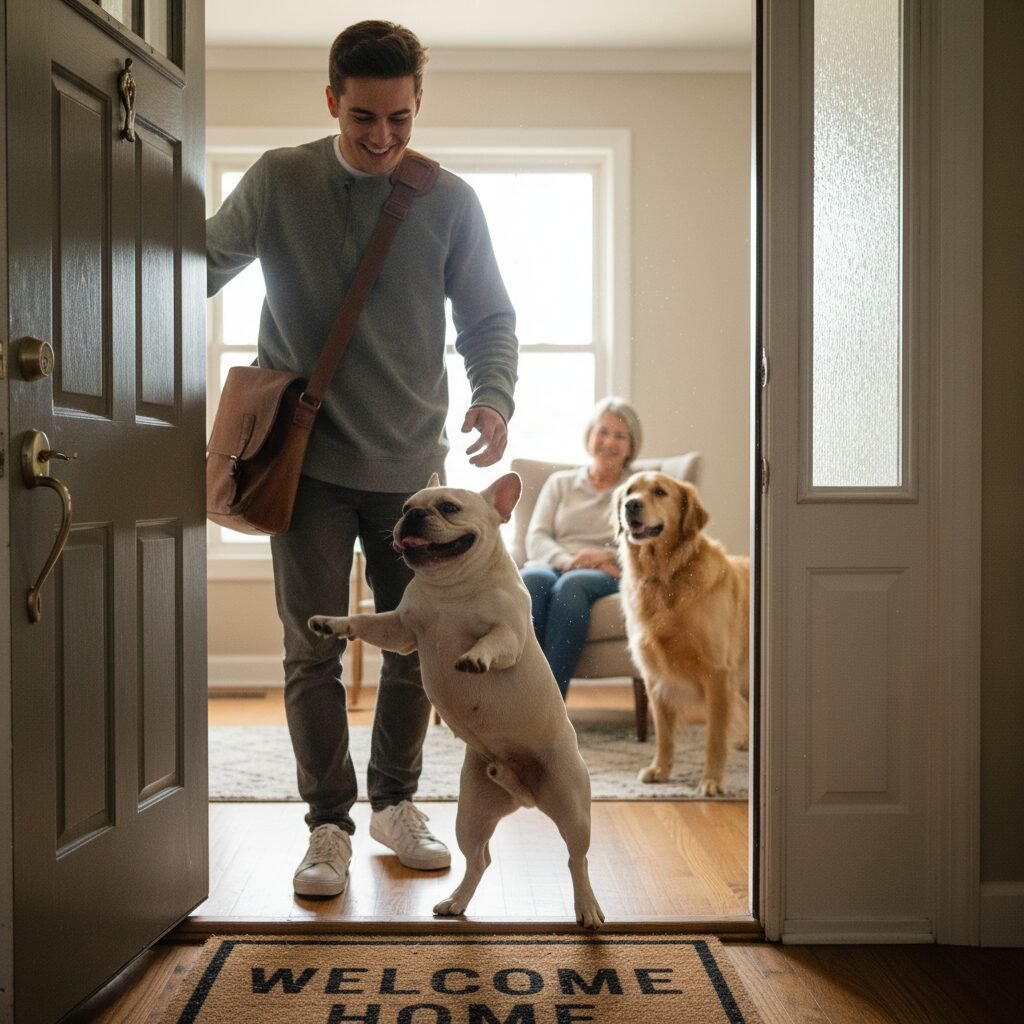
In a multi-person household, an imprinted dog may love everyone, but they will almost always have a clear favorite. This preferential treatment is a hallmark of a primary bond. You are the one they greet with the most enthusiasm, the one whose commands they follow most readily, and the one they choose to sit with at the end of the day. While they may enjoy playing with other family members, their core allegiance is to you.
This loyalty can manifest in several ways:
- Excited Greetings: Their reaction to your arrival home is noticeably more ecstatic than for anyone else.
- Selective Obedience: They might be more attentive and responsive to your training cues.
- Positional Choice: When the family is gathered, they will almost always position themselves closest to you.
- Protective Behavior: They may show subtle signs of protectiveness, like positioning themselves between you and a stranger.
This clear preference is not a slight to other family members but rather a powerful confirmation of the unique, imprinted bond you share. You are their primary attachment figure, the sun around which their social orbit revolves.
Sign 7: Sleeping in Contact or in Your Room

Vulnerability and Ultimate Trust
Sleep is the most vulnerable state for any animal. A dog’s willingness to sleep near you, or even in physical contact with you, is perhaps the ultimate sign of imprinting and trust. By choosing to rest in your presence, they are demonstrating that they feel completely safe and protected with you. They are letting their guard down, confident that you will keep them safe from harm.
This behavior taps into their innate pack instinct to sleep in a communal den for warmth and security. Whether they insist on sleeping on your bed, in a crate in your room, or on a dog bed right next to yours, the key element is the proximity. They are choosing to spend their most vulnerable hours under your protection. If your dog sighs contentedly and drifts off to sleep while touching you—be it a paw on your leg or their back pressed against yours—it is a profound, non-verbal declaration of their deep-seated bond and absolute faith in you as their guardian.
Conclusion
The bond you share with your dog is a dynamic, living connection built on trust, respect, and mutual affection. Recognizing these seven signs of imprinting is more than just a heartwarming exercise; it’s a confirmation that your efforts to provide a loving, stable home have been successful. The constant companionship, the empathetic responses, the trusting gazes, and the unwavering loyalty are all pieces of a beautiful mosaic that illustrates your dog’s deep attachment to you. This profound bond is a gift—a testament to the incredible capacity of dogs to love and connect with us on a level that enriches our lives beyond measure. Cherish this connection, for it is one of the purest and most rewarding relationships one can ever hope to experience.