Barn Hunt 101: The Addictive New Sport Your Terrier Will Obsess Over
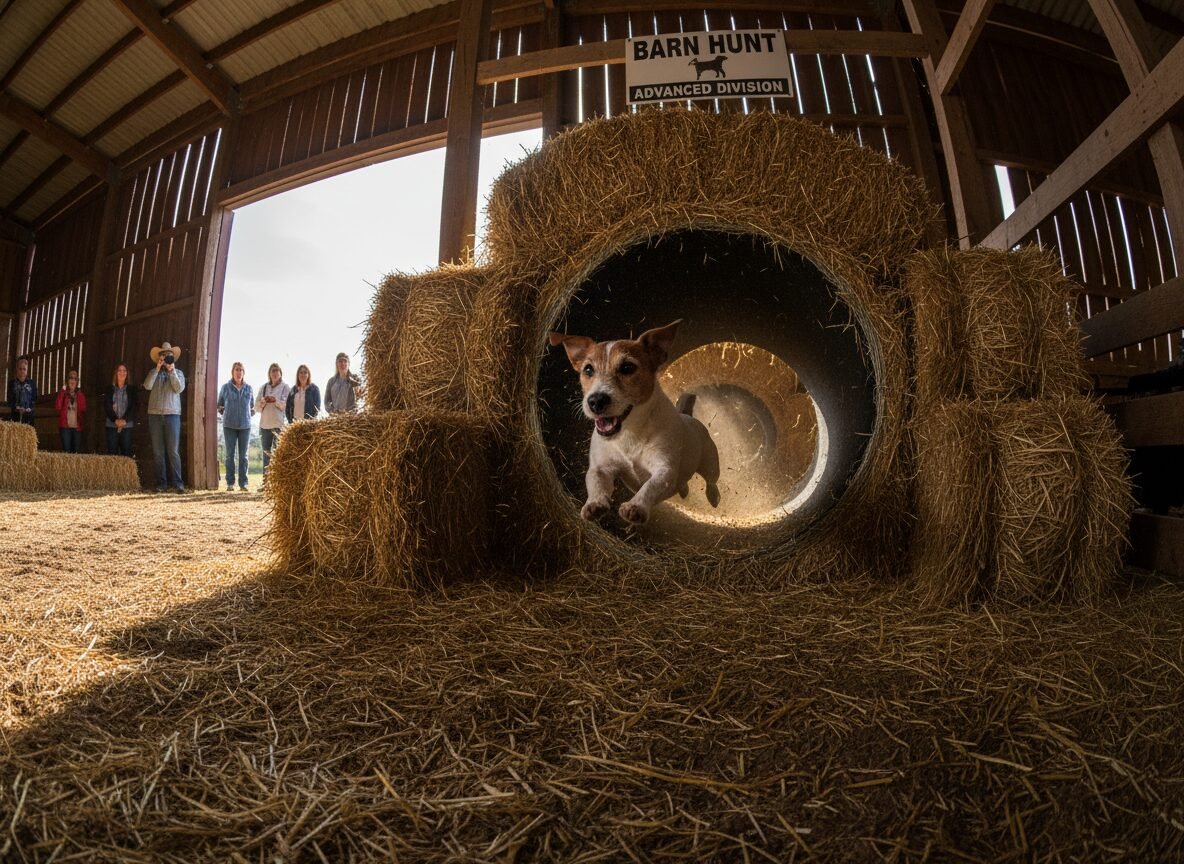
Every terrier owner knows the look: the unwavering focus on a rustling leaf, the explosive energy directed at a backyard squirrel, the determined digging in a flowerbed. These behaviors aren’t signs of mischief; they are echoes of centuries of breeding for a specific purpose: to hunt vermin. For terrier breeds, this instinct is not just a quirk, it’s a core part of their identity. The challenge for modern owners is to provide a safe, constructive outlet for this powerful drive. Enter Barn Hunt, a rapidly growing dog sport that is not just an activity, but a celebration of the terrier’s innate talents.
Barn Hunt is a timed event where dogs use their incredible sense of smell to locate live rats, which are safely and humanely contained in aerated tubes, hidden within a maze of hay bales. It’s a sport that tests speed, agility, and scenting ability, all while strengthening the bond between dog and handler. This guide will serve as your comprehensive introduction, covering the foundational rules, why terriers are uniquely suited for this challenge, and a step-by-step plan to take you and your canine partner from curious beginner to confident competitor.
Understanding the Hunt: Core Principles and Rules of Barn Hunt
Before you and your terrier step into the ring of hay, it’s crucial to understand the foundation of the sport. Barn Hunt is sanctioned and governed by the Barn Hunt Association (BHA), which ensures safety, fairness, and standardized rules across all trials. The sport is designed to simulate the original job of vermin-hunting dogs on a farmstead.
The Objective
The primary goal in Barn Hunt is for a dog and handler team to locate all the hidden ‘quarry’ rats on a course within a set time limit. In addition to finding the rats, the dog must also perform two other key actions: navigate a tunnel made from hay bales and climb onto at least one bale. The handler’s job is to read their dog’s body language and confidently call ‘Rat!’ when they believe their dog has made a find. A correct call results in a point; an incorrect call results in a fault.
The ‘Quarry’ and Safety
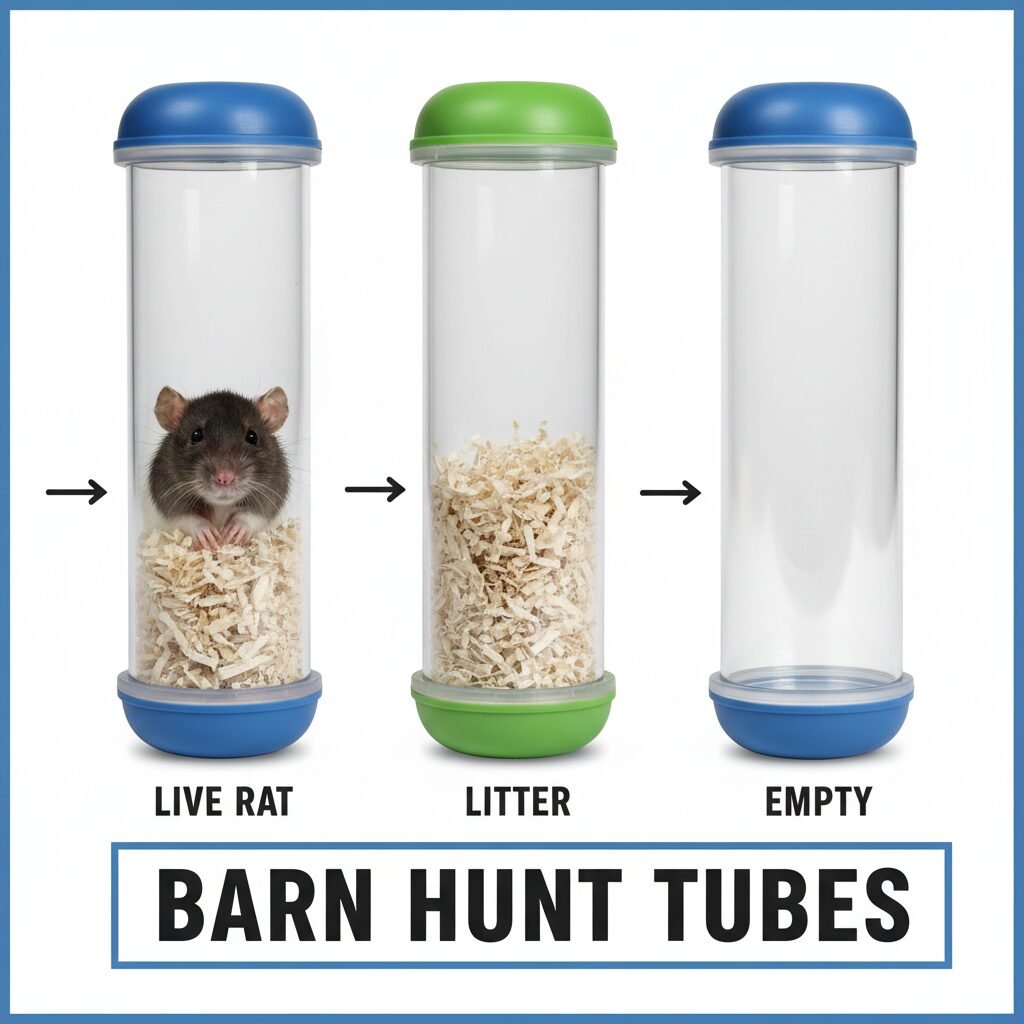
A common concern for newcomers is the welfare of the rats. The BHA places animal safety—for both dogs and rats—as its highest priority. The rats used are domesticated pet rats, accustomed to being handled. During the trial, they are placed inside heavy-duty, aerated PVC tubes that are designed to be indestructible by dogs. These tubes allow scent to escape but keep the rats completely safe from harm. The sport is about scent detection, not confrontation.
The Course Elements
Every Barn Hunt course, regardless of difficulty, contains three types of hidden tubes to challenge the dog’s nose:
- Live Rat Tube: The target tube containing a live, safe rat.
- Litter Tube: A tube containing only used rat bedding (but no rat). This serves as a distractor scent.
- Empty Tube: A clean, empty tube that has never housed a rat.
The dog must correctly identify only the live rat tube(s). The handler must signal the find to the judge, who then confirms if it is correct. The team must also complete a tunnel and a climb to earn a qualifying score. The tunnel is a straight-through passage between or under hay bales, and the climb requires the dog to get all four paws onto a bale.
The Terrier Instinct: Why This Breed Group Dominates the Sport

While Barn Hunt is open to any dog of any breed or mix that can fit through an 18-inch-wide tunnel, the sport seems tailor-made for terriers. Their history is deeply rooted in the very tasks the sport emulates, giving them a significant natural advantage and an undeniable passion for the game.
Genetically Hardwired for the Job
The name ‘terrier’ comes from the Latin word ‘terra,’ meaning ‘earth.’ These dogs were selectively bred for centuries to be fearless, tenacious hunters that would ‘go to ground’ to dispatch vermin on farms and estates. This genetic programming manifests in several key traits that make them exceptional Barn Hunt partners:
- High Prey Drive: An intense, instinctual motivation to chase and locate small, fast-moving animals. In Barn Hunt, this drive is channeled directly into finding the scent source.
- Tenacity: Terriers are famous for their determination. They do not give up easily, a trait that serves them well when a scent is faint or the quarry is cleverly hidden.
- Exceptional Scenting Ability: While often overshadowed by hounds, terriers possess a keen sense of smell, honed specifically for locating small mammals in complex environments like barns and burrows.
- Agility and Size: Most terrier breeds are small to medium-sized, with athletic, nimble bodies perfect for navigating the tight turns, tunnels, and climbs of a hay bale course.
A Mental and Physical Outlet
A bored terrier is often a destructive terrier. Without a job to do, their formidable intelligence and energy can be channeled into unwanted behaviors. Barn Hunt provides the perfect solution. It challenges them mentally, requiring intense focus and problem-solving, and physically, as they navigate the course. It’s a productive and thrilling ‘job’ that satisfies their deepest instincts, leading to a calmer, more fulfilled dog at home.
Expert Tip: For terriers, Barn Hunt isn’t just a game; it’s a validation of their heritage. Allowing them to engage in this instinctual behavior in a controlled environment can significantly boost their confidence and overall well-being.
Getting Started: Your Step-by-Step Guide to the First Hunt
The journey into Barn Hunt is designed to be accessible and encouraging for newcomers. The process begins with simple introductions to the core concepts and gradually builds confidence in both the dog and the handler. Following these steps will ensure a positive and successful start.
Step 1: The ‘Instinct’ Test
The very first step for any aspiring Barn Hunt dog is the Instinct Test (RATI). This is a non-competitive class where your dog is introduced to the scent for the first time in a controlled setting. The test involves three tubes (one live, one litter, one empty) placed in the open in a small, fenced area. You bring your dog into the ring on leash and are given one minute to see if your dog shows interest in any of the tubes. The goal is simply to identify and reward the dog’s natural curiosity towards the rat scent. Passing this test demonstrates your dog has the basic instinct for the game.
Step 2: Building Scent Association
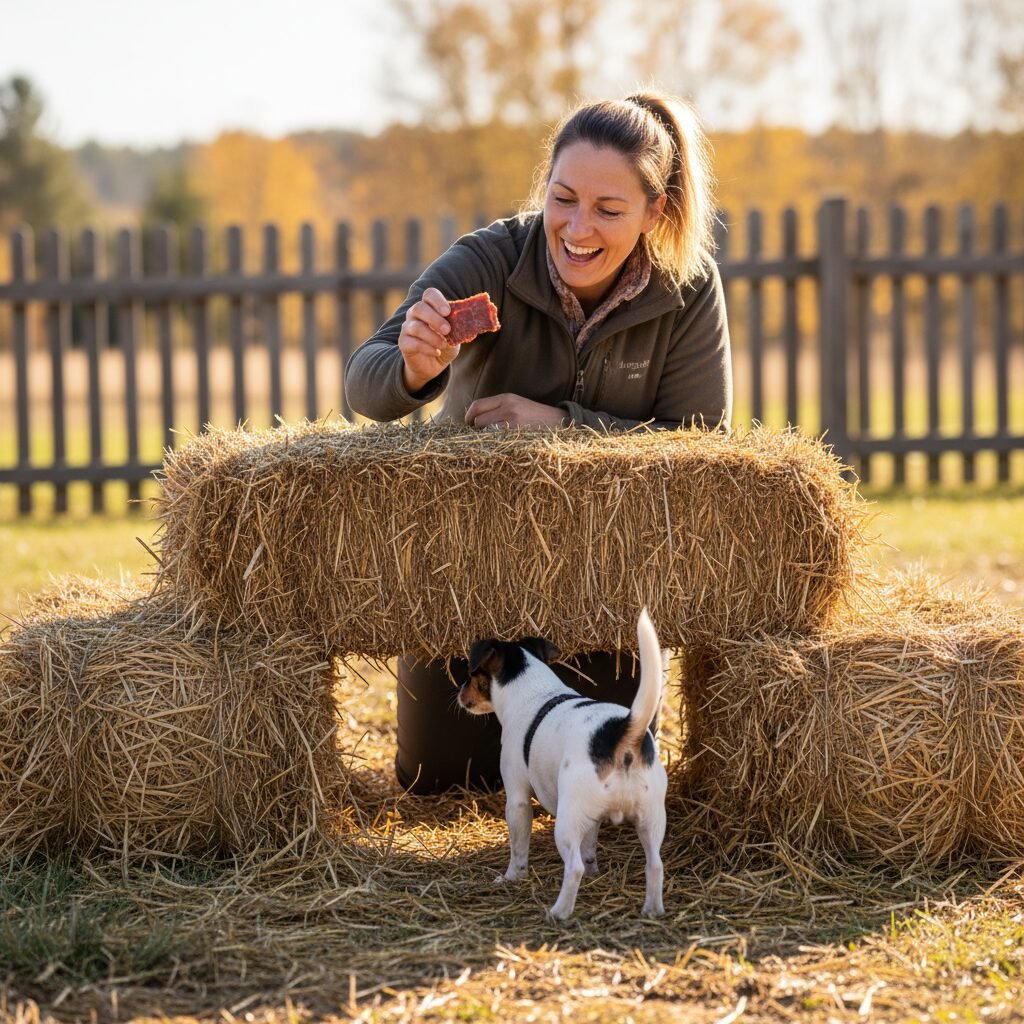
Once your dog has shown interest, the next step is to build a strong, positive association with the target scent. This is often done in classes or workshops. Trainers will use games to teach the dog that finding the ‘rat scent’ leads to a high-value reward, like a favorite toy or a delicious treat. This process, known as ‘proofing,’ helps the dog learn to ignore the distractor scents (litter) and focus solely on the live quarry.
Step 3: Mastering the Course Elements
Parallel to scent work, you’ll introduce your dog to the physical components of the course. This must be done positively to avoid creating fear or anxiety.
- The Tunnel: Start with a very short, straight tunnel. Encourage your dog to go through by tossing a toy or treat to the other side, or by having a second person call them. Keep sessions short and fun, gradually increasing the tunnel’s length as your dog’s confidence grows.
- The Climb: Begin by encouraging your dog to put their front paws up on a low, stable hay bale. Reward this behavior heavily. Progress to asking them to jump up with all four paws. Ensure the bales are secure and won’t wobble to build your dog’s trust.
Step 4: Finding a Class and Entering Your First Trial
While you can practice some elements at home, there is no substitute for a qualified instructor. A good Barn Hunt class provides access to live rats in a safe setting and a variety of course setups. Use the official Barn Hunt Association website to find a sanctioned club or trainer in your area. Once your dog is confidently finding the rat and navigating the tunnel and climb, you are ready to enter your first Novice trial (RATN).
Climbing the Ladder: Understanding the Levels of Barn Hunt Competition
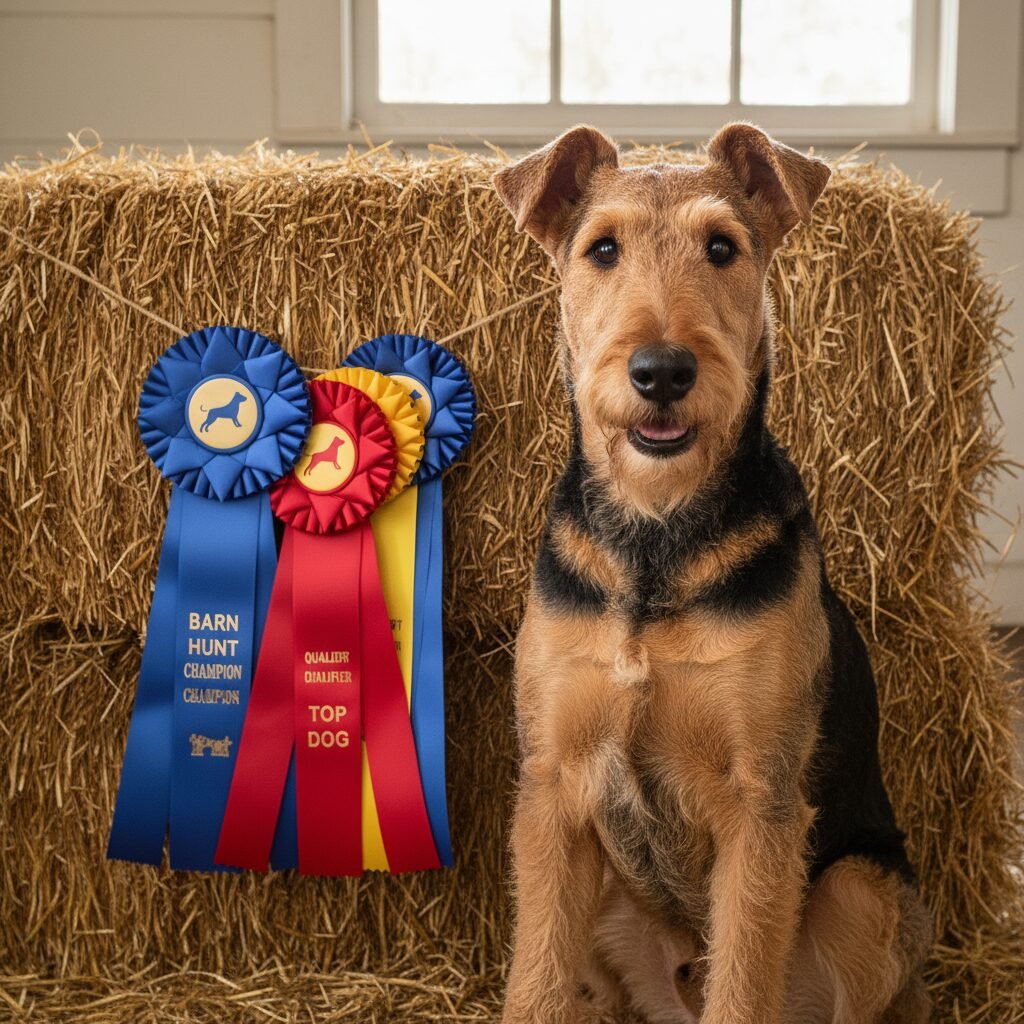
Barn Hunt offers a clear and rewarding progression system, allowing teams to advance as their skills develop. Each level introduces new challenges, increasing the number of rats, the complexity of the course, and the number of distractor scents. Earning a ‘qualifying leg’ (or ‘Q’) means completing all required elements of a course within the time limit. A set number of Qs is needed to earn a title at each level.
The main progression path is an exciting journey that showcases a team’s growing expertise and teamwork. Below is a breakdown of the primary title classes.
| Level (Title) | Number of Rats | Number of Litter Tubes | Course Time | Key Challenges |
|---|---|---|---|---|
| Novice (RATN) | 1 | 1 | 2 minutes | The dog must find one rat, plus complete a tunnel and a climb. A foundational test of basic skills. |
| Open (RATO) | 2 | 2 | 2 minutes, 30 seconds | Handler must identify which of the two finds is correct. The dog must indicate both rats to the handler. |
| Senior (RATS) | 4 | 3 | 3 minutes, 30 seconds | Increased course complexity and more rats to find. The handler must call all four finds within the time limit. |
| Master (RATM) | 1 to 5 (variable) | 3 | 4 minutes, 30 seconds | The judge determines the number of rats (from 1 to 5). The handler must tell the judge when they believe they have found all the rats on the course. This is the ultimate test of the handler’s ability to read their dog. |
Beyond Master, dedicated teams can pursue the prestigious Barn Hunt Champion (RATCh) and even higher-level champion titles, demonstrating consistent excellence in the sport.
Gearing Up and Playing Fair: Equipment and Etiquette for Trial Day
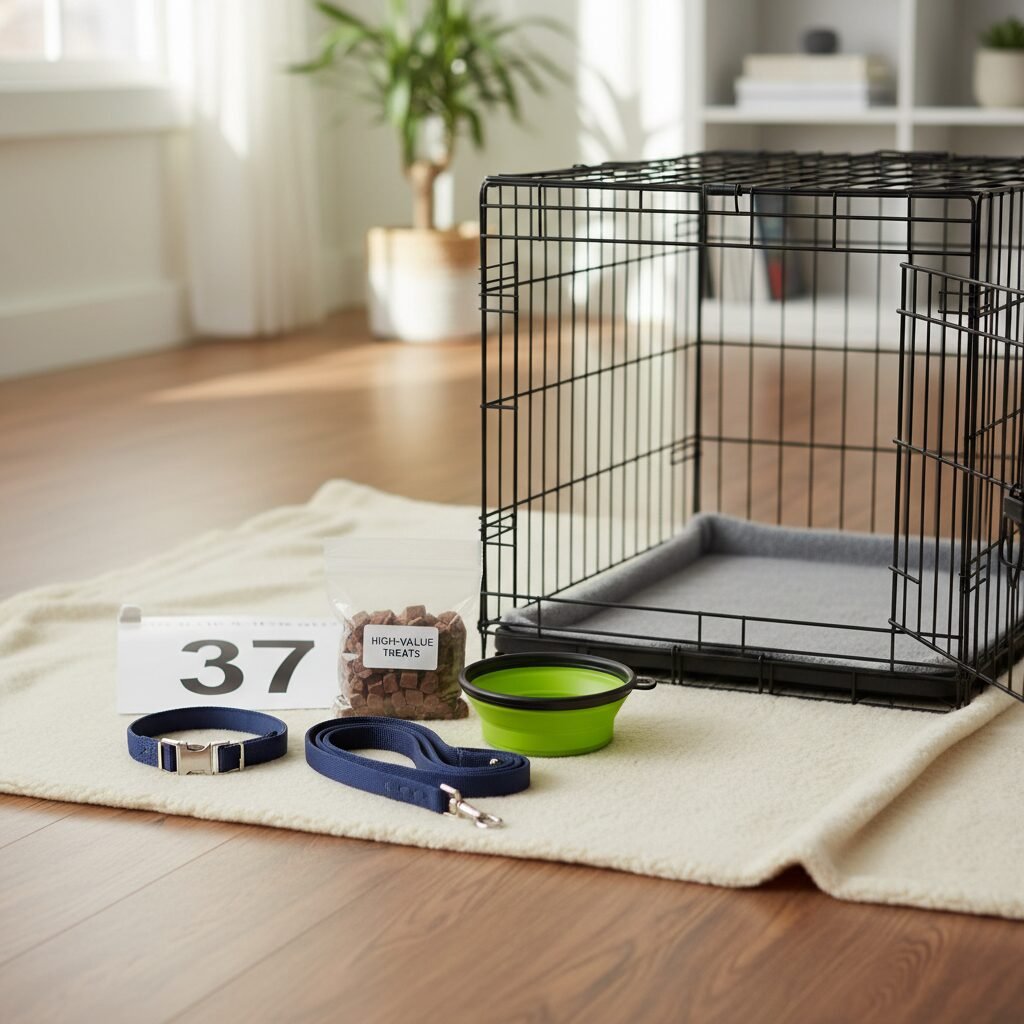
A successful and enjoyable trial day involves more than just your dog’s performance in the ring. Proper preparation, the right equipment, and good sportsmanship are essential components of the Barn Hunt community culture.
Essential Equipment for a Trial
You don’t need a lot of fancy gear for Barn Hunt, but having the right items will make your day smoother and safer. The BHA has strict rules about what is and is not allowed in the ring.
- Collar/Harness: Your dog must wear a flat buckle or snap collar. Slip leads, choke chains, prong collars, electronic collars, and head halters are strictly forbidden in the ring. A non-restrictive back-clip harness is also acceptable.
- Leash: A standard 4-to-6-foot leash is required. Retractable (flexi) leashes are not allowed on the trial grounds for safety reasons.
- Crate: A crate is essential for your dog to have a safe, quiet place to rest between runs. Trials can be long days, and a crate provides a necessary sanctuary from the excitement.
- Water and Bowl: Always bring plenty of fresh water for your dog to stay hydrated.
- High-Value Rewards: While you cannot bring food or toys into the ring, having them ready for a big reward immediately after your run is a great way to keep your dog motivated and happy.
Trial Day Etiquette
Barn Hunt trials are known for being friendly and supportive, and following proper etiquette helps maintain that atmosphere.
- Know the Rules: Read the BHA rulebook before your first trial. Understanding the procedures will reduce stress and help you feel more confident.
- Respect the ‘Blind’: In Barn Hunt, the course map is not revealed until just before the class starts. Competitors are kept in a designated area (the ‘blind’) so they cannot see the course being set or other dogs running. Do not try to peek.
- Be a Good Sport: Cheer for your fellow competitors. Everyone, from the newest novice to the most seasoned champion, was a beginner once. Celebrate every success.
- Listen to the Judge: The judge’s decisions are final. Be respectful and thank them for their time.
- Clean Up: Always, without exception, pick up after your dog.
Conclusion
Barn Hunt offers more than just a weekend activity; it provides a profound connection to your terrier’s heritage and a deepens the bond you share. It is a sport that celebrates instinct, rewards teamwork, and offers endless challenges and triumphs. By providing a sanctioned outlet for their natural drives, you are giving your terrier the ultimate form of mental and physical enrichment. The intense focus in their eyes as they work the scent, the joyful pounce when they locate the tube, and the proud wag of their tail as you exit the ring are rewards in themselves. Whether your goal is to earn championship titles or simply to have fun and try something new with your dog, Barn Hunt is an addictive, thrilling world waiting to be explored. We encourage you to visit the Barn Hunt Association website, find a club near you, and take the first step by signing up for an Instinct Test. Your terrier will thank you for it.