Why Is My Dog Staring At The Wall? It Might Be More Serious Than Ghosts
As a pet owner, you become attuned to your dog’s unique quirks and behaviors. A happy tail wag, a playful bark, or a specific spot they love to nap in are all part of their personality. However, some behaviors can be more perplexing and even concerning. One such behavior is when you find your dog staring intently at a blank wall, seemingly fixated on nothing. While the internet may offer humorous suggestions involving ghosts or paranormal activity, the reality is that this behavior can range from completely benign to a symptom of a serious underlying health issue. Understanding the potential causes is the first step in ensuring your canine companion’s well-being. This comprehensive guide will explore the various reasons for wall-staring, from simple environmental triggers to complex medical and psychological conditions, and provide clear guidance on when it’s time to seek professional veterinary help.
Benign and Environmental Causes: Is It Just a Distraction?
Before jumping to serious conclusions, it’s important to consider the simpler explanations for why your dog might be staring at the wall. Dogs have senses that are far more acute than our own, and they may be picking up on stimuli that are completely invisible or inaudible to us.
Heightened Senses at Play
A dog’s hearing and sight are exceptionally powerful. What appears to be an empty wall to you could be a source of immense interest to them.
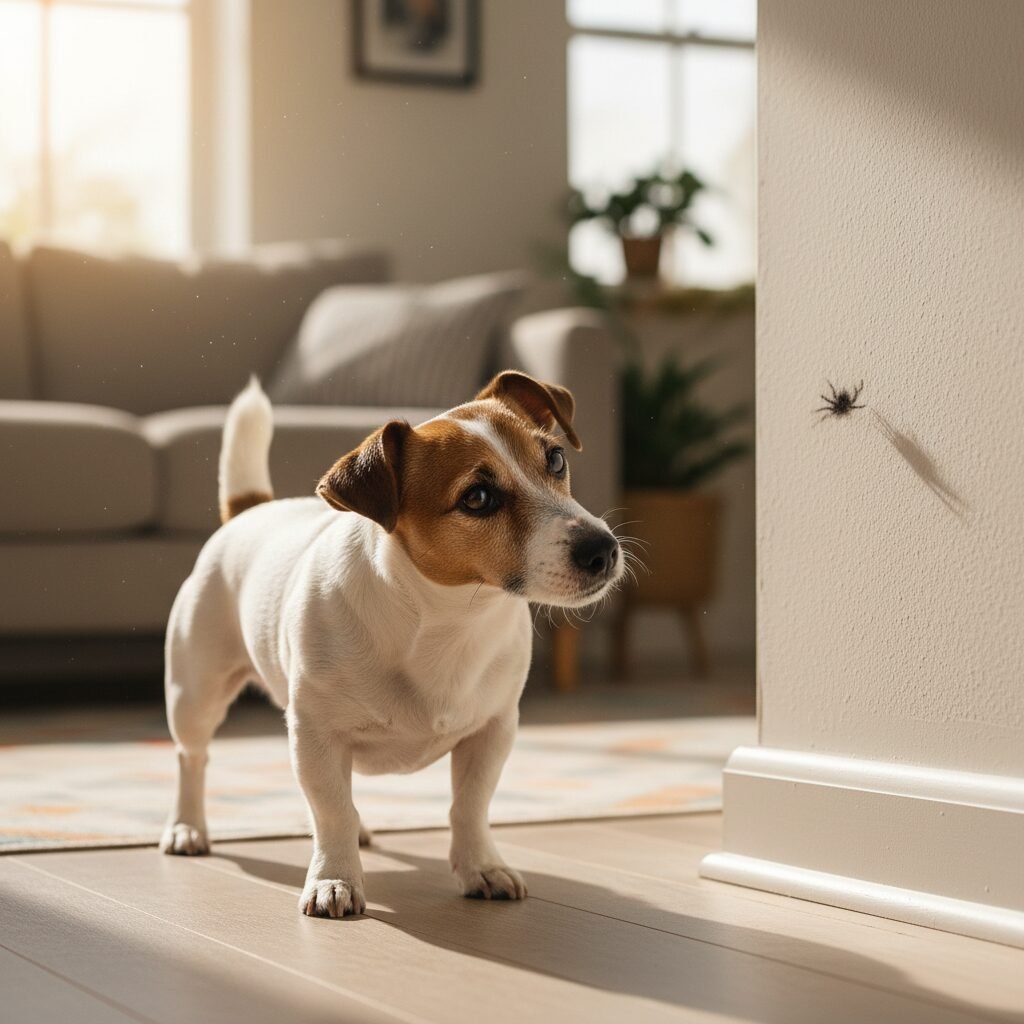
- Pests in the Walls: The most common reason for this behavior is the presence of rodents or insects within the wall cavity. Your dog can hear the faint scratching, squeaking, or scurrying of mice, termites, or other pests long before you would notice any signs. Their fixed stare is often them trying to pinpoint the source of the sound.
- Light and Shadows: Dogs can be fascinated by the play of light and shadow. Reflections from a watch, sunlight bouncing off a car window, or even the shadows cast by a ceiling fan can create moving patterns on the wall that capture your dog’s attention.
- Vibrations and Distant Sounds: Your dog might be sensing low-frequency vibrations from plumbing within the walls or hearing distant sounds like a neighbor’s new appliance that you can’t perceive.
Attention-Seeking Behavior
Dogs are intelligent animals and quickly learn what actions get a reaction from their owners. If you previously responded to their wall-staring with concern, petting, or even a treat to distract them, they may have learned that this is an effective way to get your attention. If the staring only happens when you are in the room and it stops once you engage with them, it may be a learned behavior rather than a sign of distress.
Significant Medical Conditions That Cause Wall-Staring

When simple explanations are ruled out, it becomes crucial to consider potential medical causes. Staring into space or at a wall can be a prominent sign of several neurological and age-related conditions. Ignoring these signs can delay critical diagnosis and treatment.
Canine Cognitive Dysfunction (CCD)
Often referred to as ‘dog dementia,’ CCD is a neurodegenerative disease that affects senior dogs. Similar to Alzheimer’s in humans, it leads to a decline in cognitive function. Wall-staring is a classic symptom, often accompanied by others:
- Disorientation and confusion, even in familiar surroundings.
- Changes in sleep-wake cycles (e.g., restlessness at night).
- Loss of house-training.
- Decreased interaction with family members.
- Increased anxiety and irritability.
A dog with CCD may stare at a wall because they are ‘stuck’ or confused about where they are and what they should be doing.
Seizure Activity
Not all seizures involve dramatic convulsions (grand mal seizures). Focal seizures, also known as partial seizures, affect only a small part of the brain and can manifest in very subtle ways. Staring blankly at a wall can be a primary sign of a focal seizure. During such an episode, your dog may be unresponsive and difficult to distract. Other signs might include fly-biting (snapping at the air), licking, or facial twitching. These episodes are typically brief but can occur in clusters.
Vision Problems
A gradual or sudden loss of vision can cause a dog to stare. They may be trying to make sense of blurry shapes, ‘floaters’ in their vitreous fluid, or flashes of light associated with conditions like retinal detachment. Glaucoma, cataracts, and progressive retinal atrophy can all lead to behaviors that appear like staring at nothing.
Head Trauma or Brain Tumors
Any condition that puts pressure on the brain can lead to a host of neurological symptoms, including compulsive behaviors or blank staring. A past head injury or, more seriously, a brain tumor can cause this behavior. It is often accompanied by other concerning signs like circling, head pressing (compulsively pressing their head against a wall or furniture), changes in gait, or personality shifts.
Expert Tip: If your dog is pressing their head against the wall, in addition to staring at it, this is a medical emergency. Head pressing is a strong indicator of severe neurological disease and requires immediate veterinary attention.
Behavioral and Psychological Triggers
Beyond specific medical diagnoses, a dog’s psychological state can also lead to unusual behaviors like wall-staring. These are often rooted in anxiety, stress, or a lack of fulfillment in their daily lives.
Compulsive Disorders
Dogs can develop compulsive behaviors, similar to Obsessive-Compulsive Disorder (OCD) in humans. These are repetitive, ritualistic behaviors that serve no obvious purpose. They often develop as a coping mechanism for anxiety, stress, or frustration. Staring at walls or shadows can be one such compulsion, alongside others like tail chasing, flank sucking, or excessive licking.
Anxiety and Stress
A dog experiencing high levels of anxiety may ‘zone out’ as a way to disengage from a stressful environment. Changes in the household, such as a new baby, another pet, construction noise, or even a change in your schedule, can be significant stressors. The staring behavior is a form of dissociation, allowing them to mentally escape a situation they find overwhelming.
Boredom and Lack of Enrichment
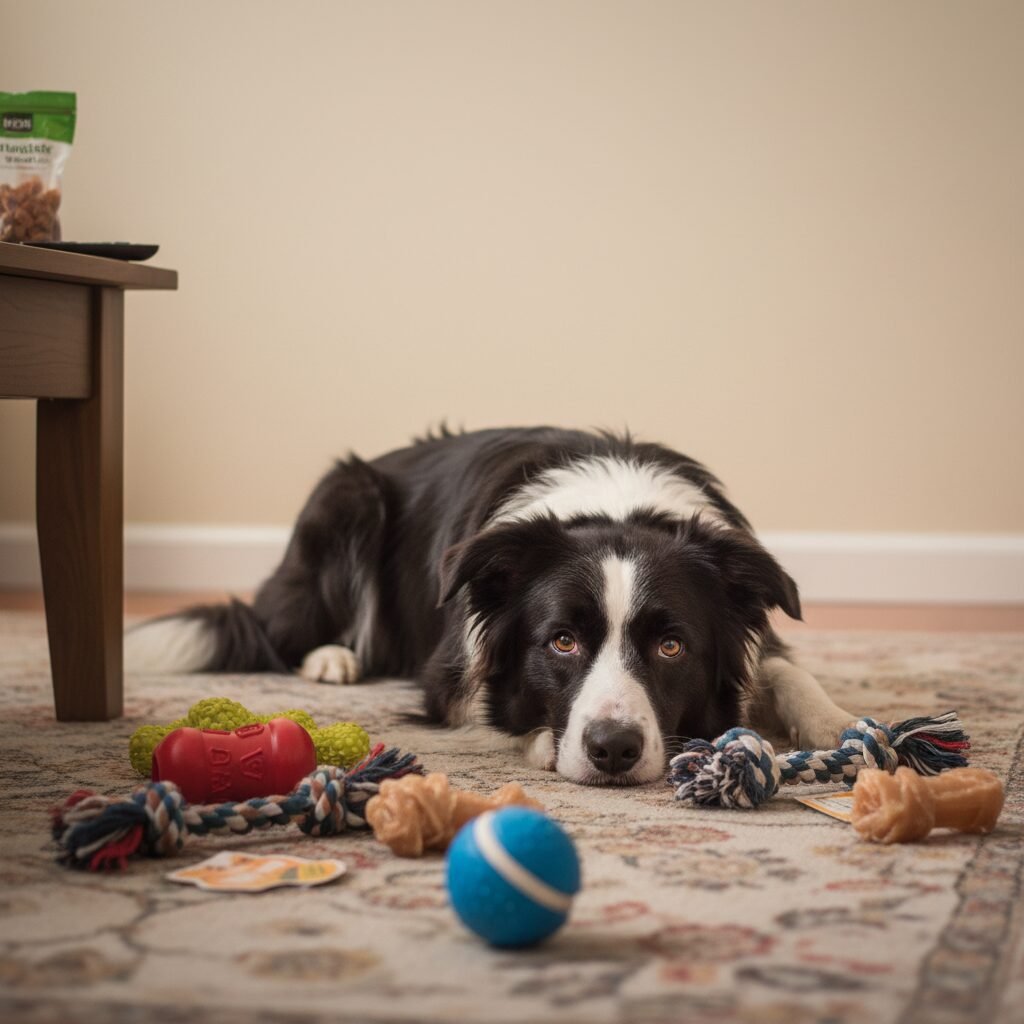
Intelligent and high-energy breeds are particularly susceptible to developing unusual behaviors when they are under-stimulated. If a dog doesn’t have adequate outlets for its mental and physical energy, it may invent its own. Staring at a wall can be a symptom of profound boredom. It’s a passive activity that fills an otherwise empty schedule. It’s crucial to ensure your dog is receiving enough exercise, training, and mental engagement through puzzle toys, walks, and playtime.
What to Do: A Proactive Approach for Owners

If you’ve noticed your dog staring at the wall, it’s important not to panic but to become a careful observer. Your detailed observations will be invaluable to your veterinarian in reaching an accurate diagnosis. The goal is to gather information and manage the environment while preparing to seek professional advice.
Document Everything: Create a Behavior Log
Start a journal or use a note-taking app on your phone to log every instance of the behavior. This is the most crucial step you can take at home.
| Information to Record | Example |
|---|---|
| Date and Time | October 26th, 9:15 PM |
| Duration of Episode | Approximately 4 minutes |
| Location | Staring at the wall in the hallway |
| Dog’s Demeanor | Seemed dazed, unresponsive to name |
| Preceding Events | Loud fireworks went off outside |
| Accompanying Behaviors | Slight twitching of the left ear |
| How It Ended | Shook his head and walked away |
Record a Video
Words can sometimes fail to capture the nuances of a behavior. A video is one of the most powerful diagnostic tools you can provide your vet. The next time your dog starts staring, quietly record them on your phone. Capture the behavior from start to finish, and try to show their level of responsiveness by calling their name gently.
Assess and Modify the Environment
While you are documenting, take steps to rule out environmental triggers. Cover windows at night to prevent light reflections. Use a white noise machine to mask distant sounds. Ensure your home is free of pests. By controlling these variables, you can help determine if the cause is external or internal.
Increase Mental and Physical Enrichment
Regardless of the cause, increasing enrichment is almost always beneficial. It can alleviate boredom, reduce anxiety, and improve cognitive function. Introduce new puzzle toys, practice short training sessions with positive reinforcement, and vary your walking routes to provide new smells and sights. This can help address behavioral causes and improve the quality of life for a dog with medical issues.
When to See a Veterinarian: Recognizing the Red Flags
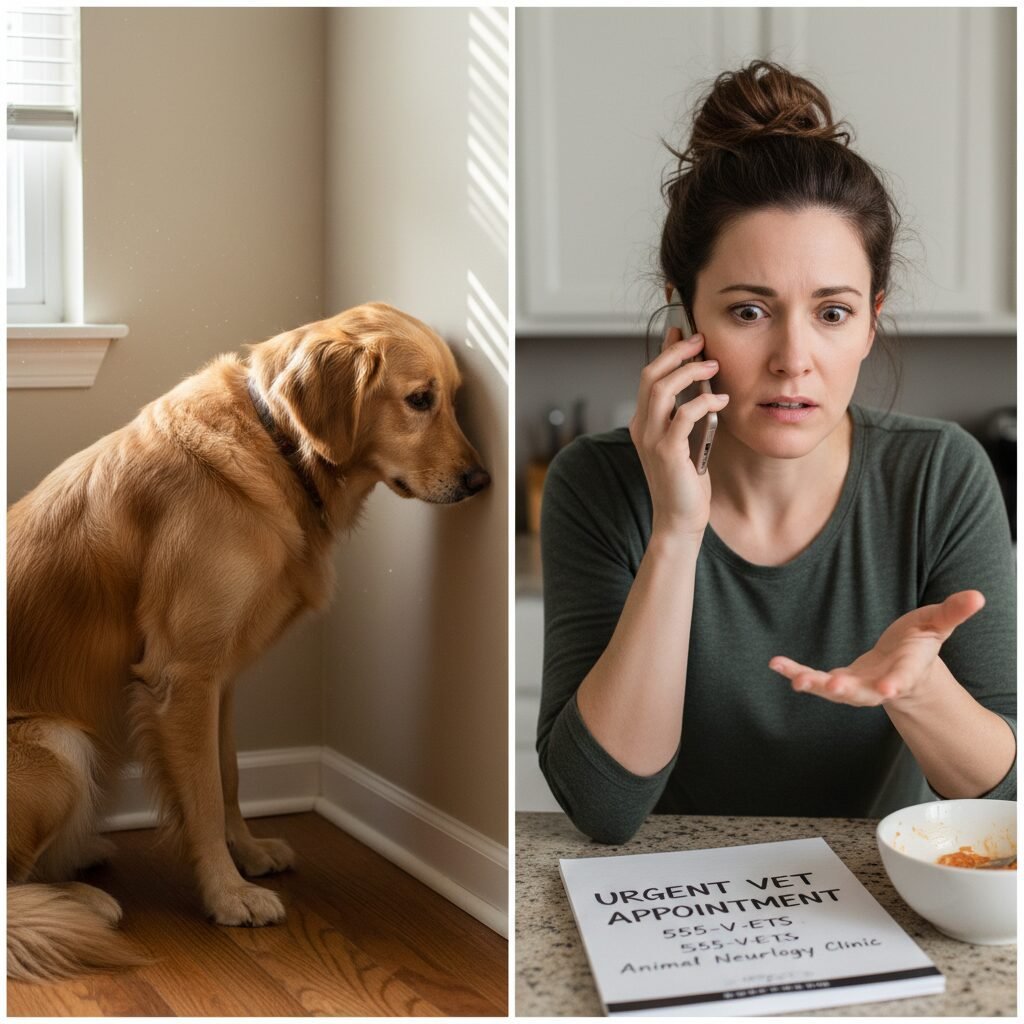
While occasional or brief staring might not be an emergency, certain signs indicate that an immediate veterinary consultation is necessary. Do not delay seeking help if you observe any of the following red flags, as they can point to serious and progressive conditions.
Key Indicators for an Urgent Vet Visit
- Head Pressing: As mentioned, if your dog is physically pressing their head into the wall, floor, or other objects, it is a sign of severe neurological distress. This is a medical emergency.
- Cluster Episodes: The staring episodes are becoming more frequent or are occurring back-to-back (in clusters). This can be a sign of worsening seizure activity.
- Accompanied by Other Neurological Signs: The staring is paired with other symptoms such as circling, stumbling or loss of balance, sudden blindness, seizures (convulsions), or a noticeable head tilt.
- Sudden Onset in a Senior Dog: If your older dog suddenly begins this behavior and it seems out of character, it warrants a prompt investigation for Canine Cognitive Dysfunction or other age-related diseases.
- Changes in Consciousness: Your dog is extremely difficult or impossible to rouse from the staring episode. They seem completely ‘checked out’ and unaware of their surroundings.
- Signs of Pain or Distress: The behavior is accompanied by whining, crying, panting, or other clear indications that your dog is in pain or anxious.
Preparing for the Veterinary Appointment
When you go to the vet, be prepared. Bring your detailed log and any videos you have recorded. Be ready to answer questions about your dog’s diet, routine, any recent changes in the household, and a full history of their health. The more information you can provide, the better equipped your veterinarian will be to form a diagnostic plan, which may include a physical and neurological exam, bloodwork, or even a referral to a veterinary neurologist for advanced imaging like an MRI or CT scan.
Conclusion
Seeing your dog stare at a wall can be a uniquely unsettling experience, leaving you to wonder what’s happening inside their mind. While it’s tempting to brush it off as a harmless quirk, it’s a behavior that deserves your attention. By systematically evaluating the potential causes—from environmental stimuli and boredom to serious medical conditions like seizures and Canine Cognitive Dysfunction—you can take a proactive role in your dog’s health. Your careful observation, documentation, and willingness to seek professional guidance are your most powerful tools. Never hesitate to contact your veterinarian to discuss your concerns. A thorough examination can provide peace of mind or, if necessary, be the first step toward a diagnosis and management plan that ensures your beloved companion continues to live a healthy, comfortable, and happy life.