The “Look At That” Game: A Life-Saver for Reactive Dogs
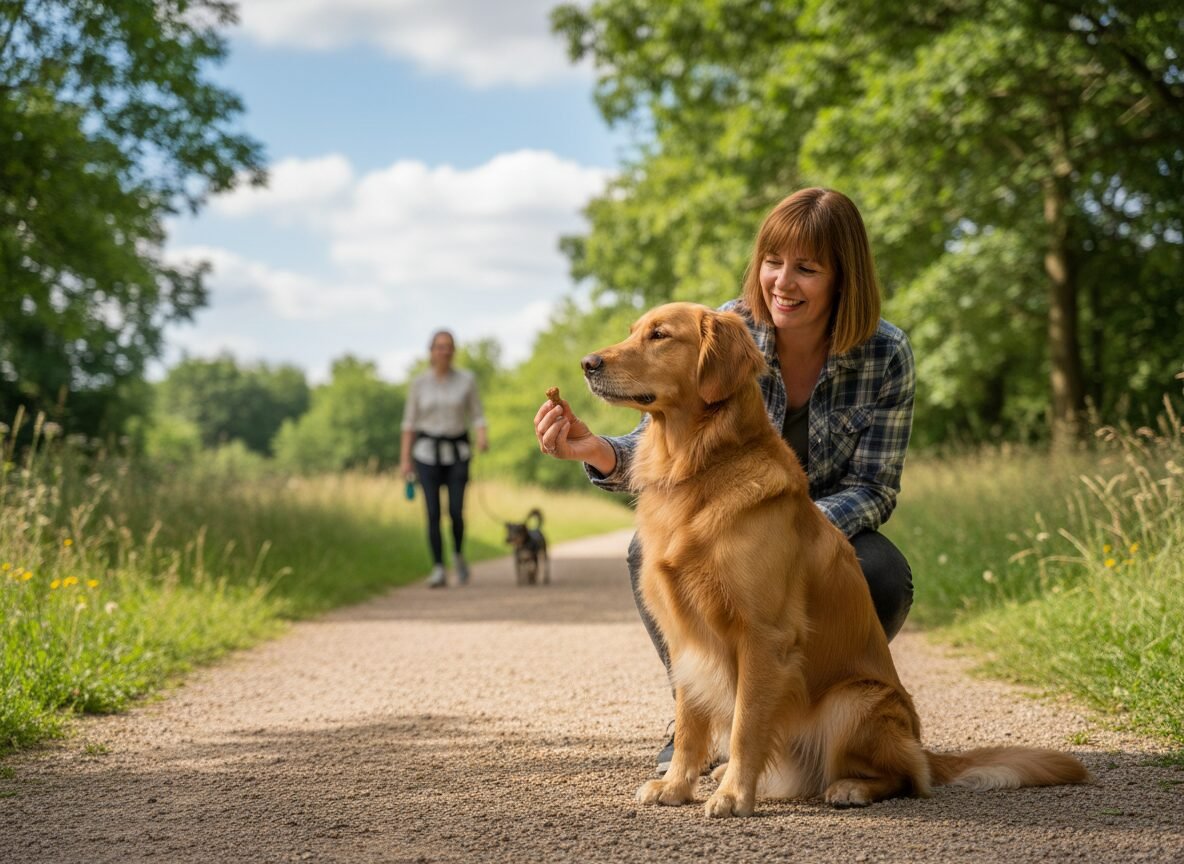
Living with a reactive dog can be a stressful, isolating, and often overwhelming experience. The lunging, barking, and growling directed at other dogs, people, or even inanimate objects can turn a simple walk into a source of anxiety. It’s crucial to understand that this behavior isn’t born from aggression or dominance, but typically from a place of fear, anxiety, or frustration. Your dog is not giving you a hard time; they are having a hard time. Fortunately, there are powerful, science-based methods to help your dog cope and change their emotional response. One of the most effective and widely acclaimed techniques is the “Look At That” (LAT) game.
Developed by renowned trainer Leslie McDevitt, LAT is a foundational exercise in behavior modification that uses the principles of desensitization and counter-conditioning. Instead of punishing the reactive behavior, this game teaches your dog that the very thing they find scary or exciting can actually predict the arrival of something wonderful—a high-value treat. It shifts their emotional state from ‘Oh no, there’s that scary thing!’ to ‘Oh great, there’s that thing! Where’s my reward?’. This guide will provide a comprehensive, step-by-step walkthrough of the LAT game, empowering you with the knowledge and skills to help your reactive dog navigate the world with greater confidence and calm.
The Science of ‘Look At That’: Why It Works
To fully appreciate the genius of the ‘Look At That’ game, it’s essential to understand the behavioral science that underpins its success. LAT is not a magic trick; it’s a systematic application of two core learning principles: classical conditioning and operant conditioning. By leveraging these, we can effectively rewire a dog’s brain to form new, positive associations with their triggers.
Classical Conditioning: Changing the Emotion
Remember Pavlov’s dogs? Ivan Pavlov, a Russian physiologist, discovered that dogs could be conditioned to associate a neutral stimulus (a bell) with an unconditioned stimulus (food) to produce a conditioned response (salivation). This is classical conditioning in a nutshell—it’s about creating automatic, involuntary emotional responses.
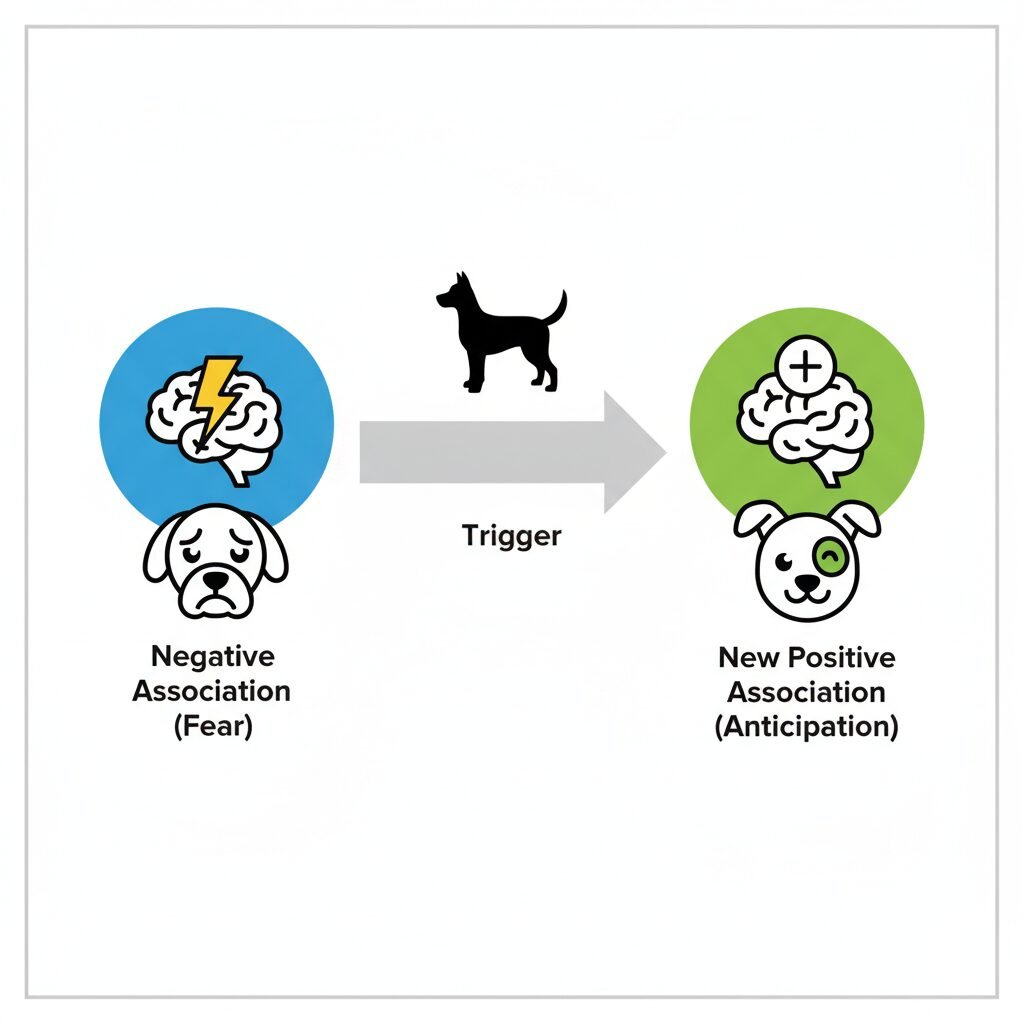
A reactive dog has often formed a negative classical association. For example:
- Trigger (another dog) = Negative Emotion (fear/anxiety)
The LAT game works to reverse this. We pair the appearance of the trigger with something the dog loves unconditionally, like a piece of roasted chicken. The new equation becomes:
- Trigger (another dog) + High-Value Treat (chicken) = Positive Emotion (happy anticipation)
Over many repetitions, the trigger itself starts to predict the reward, and the dog’s underlying emotional state begins to shift from fear to pleasant anticipation. The trigger is no longer a threat; it’s a predictor of good things.
Operant Conditioning: Reinforcing a Choice
While classical conditioning changes the underlying emotion, operant conditioning shapes voluntary behavior. It teaches the dog to make a choice and reinforces that choice. In the LAT game, the specific behavior we want to reinforce is the dog looking at the trigger and then disengaging to look back at you.
The sequence is as follows:
- The dog performs a behavior: Looks at the trigger.
- You mark this behavior with a clicker or a verbal marker like “Yes!”.
- The dog performs a second behavior: Turns its head back to you.
- You provide a reward (the high-value treat).
By rewarding the act of looking at the trigger and then voluntarily looking away, you are teaching a new default behavior. Instead of fixating and escalating into a reaction, the dog learns that seeing a trigger and checking in with their handler is a highly profitable action. This gives the dog a constructive ‘job’ to do in a stressful situation, which builds confidence and strengthens the bond between you and your dog.
Expert Tip: The power of LAT lies in its ability to work on two levels simultaneously. It changes the dog’s involuntary emotional response while also teaching a voluntary coping skill. This two-pronged approach is what makes it a life-saver for so many reactive dogs.
Preparation and Tools: Setting Your Dog Up for Success
Proper preparation is just as critical as the training itself. Rushing into a training session without the right tools or mindset can be counterproductive and may even worsen the reactivity. Before you begin playing the LAT game, you must gather your equipment and, most importantly, understand your dog’s triggers and thresholds.
Essential Equipment
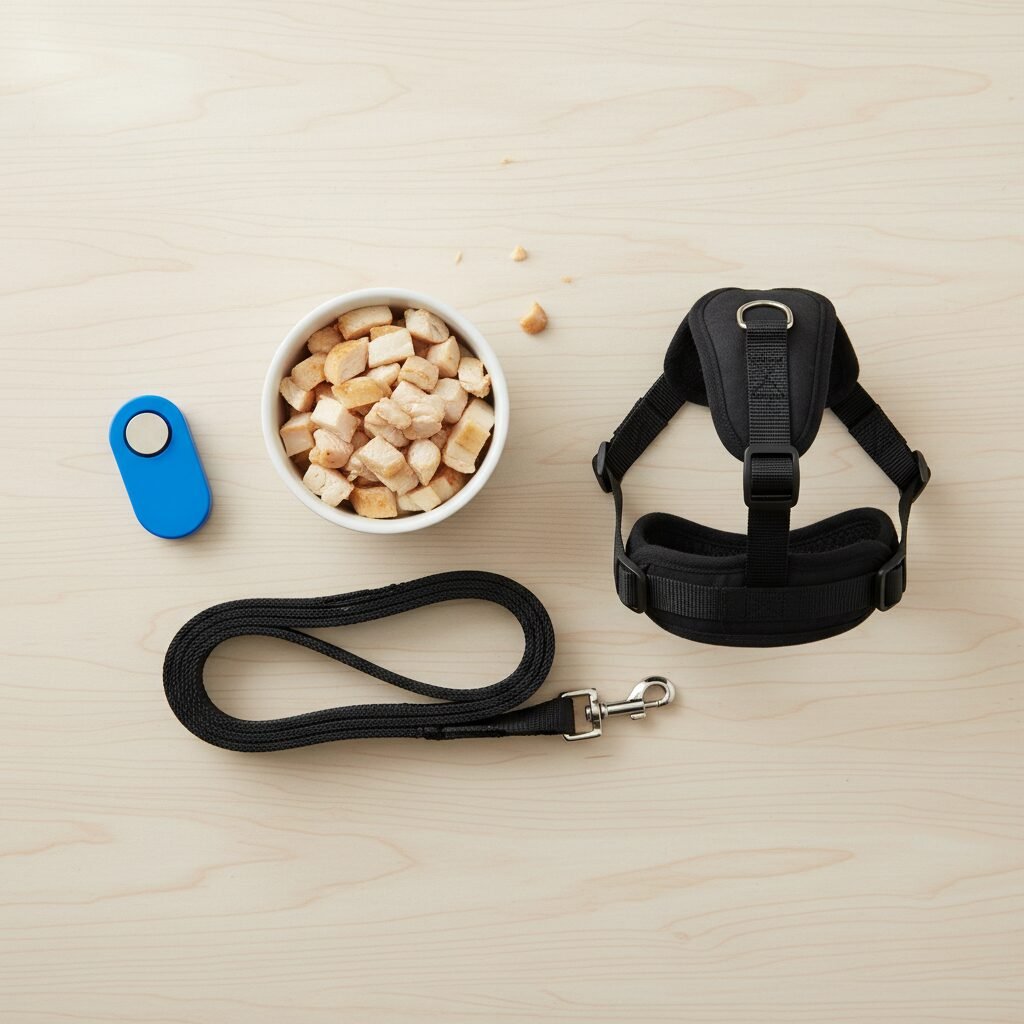
- High-Value Treats: This is not the time for dry kibble. You need rewards that are exceptionally motivating for your dog. Think small, soft, and smelly pieces of cooked chicken, hot dogs, cheese, or commercial training treats. The value of the reward must outweigh the distraction of the trigger.
- A Clicker or Verbal Marker: A clicker provides a clear, consistent, and precise signal to the dog that they have performed the correct action. If you’re not comfortable with a clicker, a short, sharp verbal marker like “Yes!” can be used instead. The key is consistency. ‘Charge’ your marker beforehand by saying the word or clicking the clicker and immediately giving a treat, repeating this 10-15 times until your dog associates the sound with a reward.
- A Standard 6-Foot Leash: Avoid retractable leashes, which offer little control and can create tension. A standard leash allows you to manage distance effectively without putting constant pressure on your dog’s neck.
- A Well-Fitted Harness or Collar: A front-clip harness can be particularly helpful for managing pulling, but a comfortable flat collar or back-clip harness is also acceptable. Avoid using punitive tools like choke chains, prong collars, or e-collars, as they can increase fear and anxiety, undermining the entire goal of the LAT game.
Identifying Triggers and Finding the Threshold
This is the most critical step in preparation. You need to know exactly what your dog reacts to and at what distance.
- List the Triggers: Make a specific list. Is it all dogs? Only large dogs? Men with hats? Skateboards? Be as detailed as possible.
- Determine the Threshold: The threshold is the precise distance at which your dog can see a trigger and remain ‘sub-threshold’—aware of the trigger but not yet reacting. At this distance, they might show subtle signs of alertness (ears perking up, a slight stiffening of the body) but can still think, respond to cues, and take food. If your dog is lunging, barking, or refusing treats, you are too close. This is called being ‘over-threshold.’
Finding this distance is a matter of observation. Start far away from a known trigger and slowly decrease the distance until you see the first subtle sign of awareness. That is your starting point for training. The goal of LAT is to always work with your dog while they are under their threshold.
How to Play the ‘Look At That’ Game: A Step-by-Step Guide
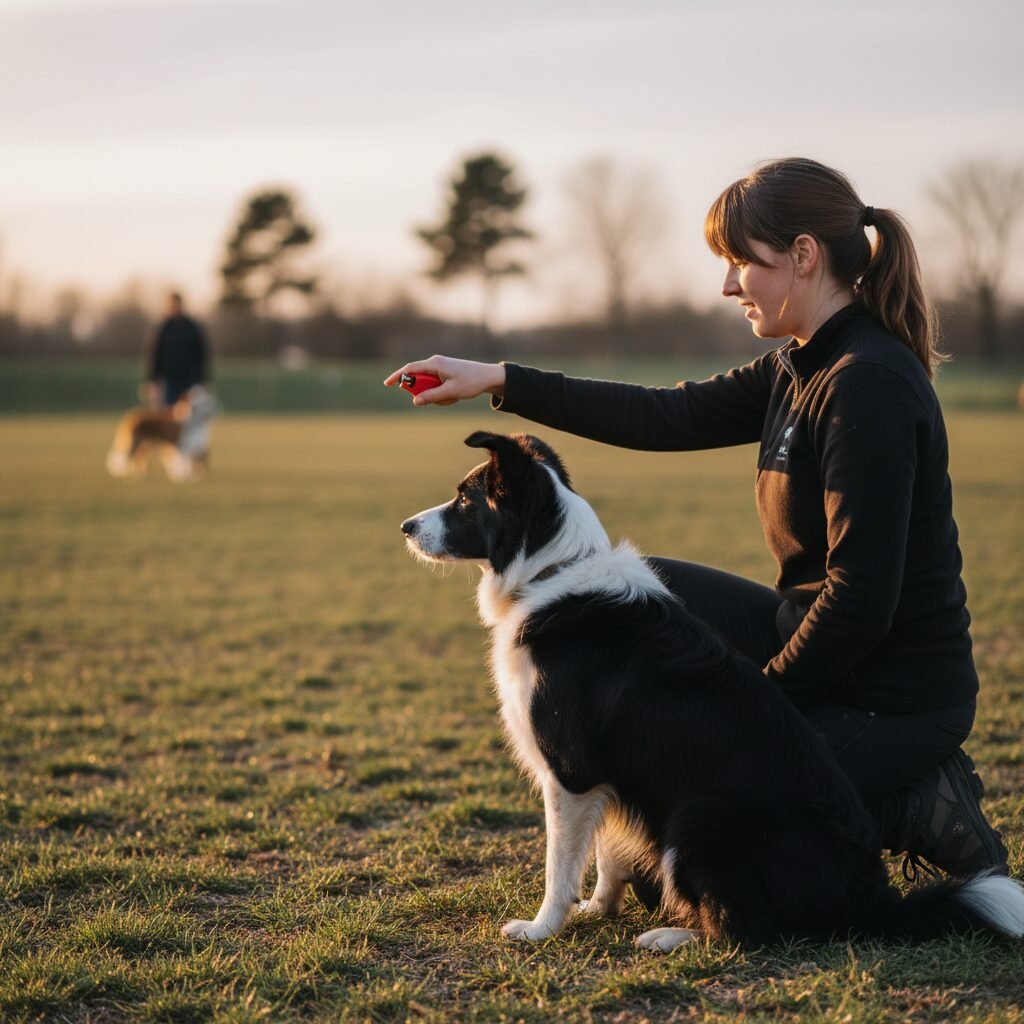
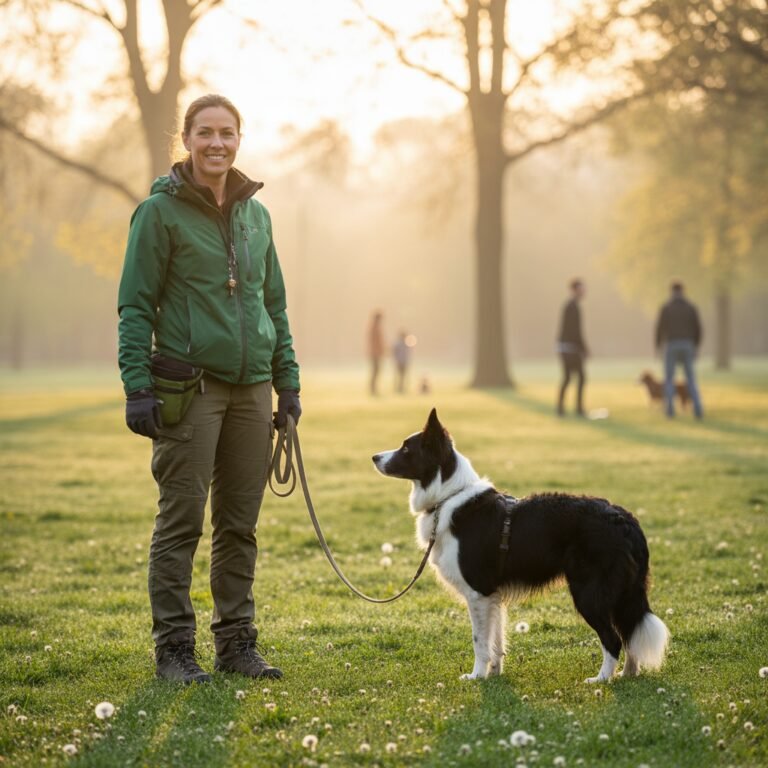
With your preparations complete, you are ready to begin training. Remember that the key to success is patience and working at your dog’s pace. The goal is not to rush through the steps but to build a strong foundation of positive experiences. Find a location where you can observe triggers from your dog’s threshold distance, such as a quiet park bench or the edge of a field.
The Foundational Steps
- Establish Your Position: Position yourself and your dog at the predetermined threshold distance from a potential trigger. Stay relaxed. Your dog can sense your tension through the leash. Keep the leash loose.
- Wait for the ‘Look’: Stand quietly and wait for your dog to naturally notice the trigger. The moment your dog’s head turns and their eyes lock onto the trigger, proceed to the next step. Do not point out the trigger or say anything.
- Mark the ‘Look’: The very instant your dog looks at the trigger, mark the behavior. Click your clicker or say your verbal marker (“Yes!”). The timing here is critical—you are marking the observation of the trigger, not any subsequent reaction.
- Reward the Head Turn: After the mark, your dog will likely turn their head toward you in anticipation of a treat. As they turn, bring a high-value treat to their mouth. Some trainers prefer to toss the treat on the ground near the handler’s feet to encourage sniffing and further disengagement. The key is that the reward happens after they look away from the trigger and toward you.
- Reset and Repeat: Allow your dog to finish the treat. They will likely look back toward the trigger. Repeat the sequence: dog looks at trigger, you mark, dog turns to you, you reward.
Keep initial sessions short, just a few minutes at a time, and always end on a positive note. You are building a new pattern of behavior, and quality repetitions are far more important than quantity.
Important Clarification: You are not asking your dog to look at the trigger. You are waiting for them to do it on their own and marking that moment. The game’s name comes from what the handler is essentially saying to themselves: ‘My dog is looking at that, time to mark!’
Advancing the Game and Generalizing the Skill
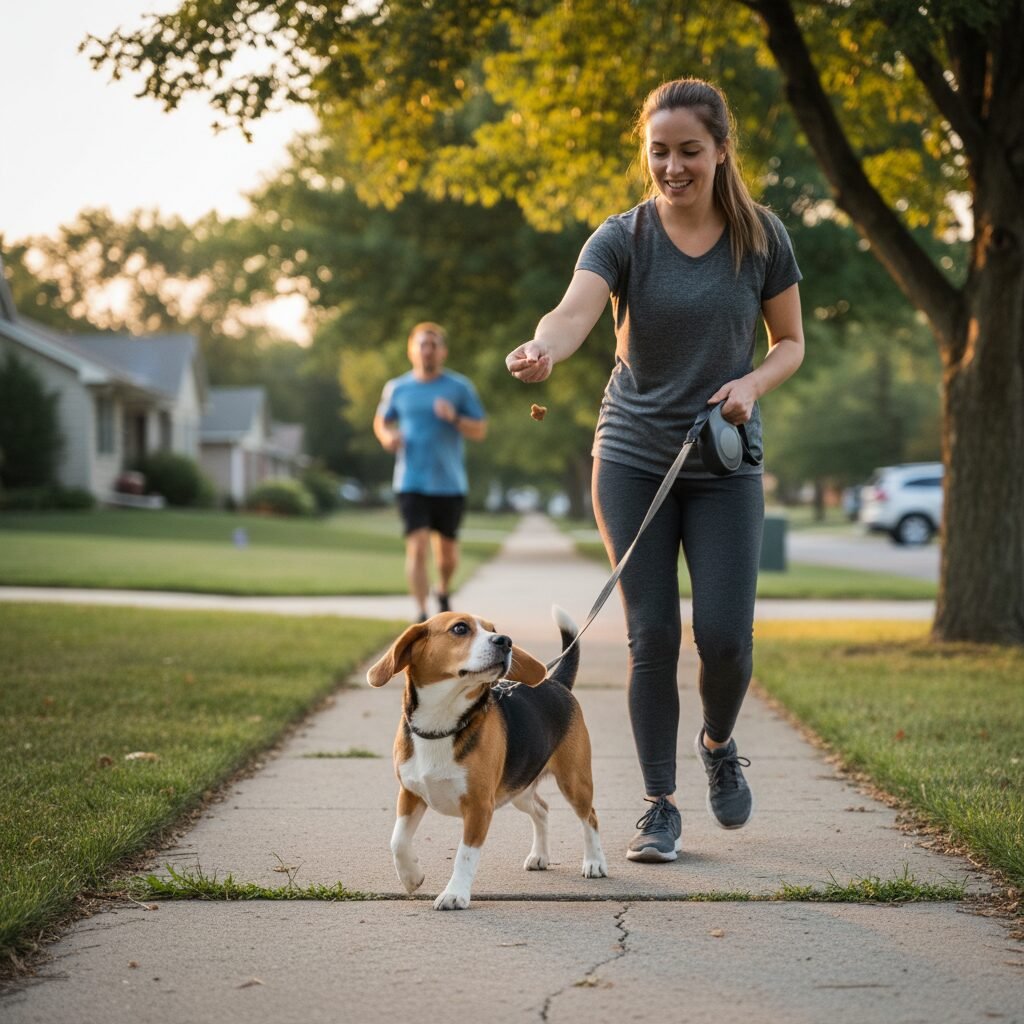
Once your dog has mastered the basic mechanics of the LAT game and reliably looks back at you after seeing a trigger from a distance, it’s time to gradually increase the difficulty. This process, known as ‘proofing’ or ‘generalizing,’ helps ensure the new skill holds up in a variety of real-world situations. The rule is to only change one criterion at a time: distance, duration, or distraction level.
Methods for Advancing
- Decreasing Distance: This is the most common way to progress. If you started at 100 feet, try a session at 90 feet. Move closer to the trigger in very small increments, always watching your dog’s body language to ensure they remain under threshold. If you see signs of stress, you’ve moved too fast. Simply increase the distance again to a point where your dog is comfortable and successful.
- Increasing Duration: As your dog becomes more proficient, they may start to offer a ‘longer look’ at the trigger before turning back to you, waiting for the click. You can begin to delay the click by a split second, marking a slightly longer, calm stare. This builds the dog’s ability to tolerate the presence of the trigger for longer periods without reacting. This should be done with caution and only after the initial head-turn is automatic.
- Varying the Environment: Practice in different locations. If you’ve only practiced at one park, your dog may think the ‘game’ only applies there. Try a different park, a quiet street, or a pet-friendly store’s parking lot. New environments add a layer of distraction, so you may need to initially increase your distance from triggers again.
- Introducing Movement: So far, the game has been played while stationary. The next level is to play it on the move. While walking, when a trigger appears, you can mark your dog’s look and deliver the treat as you continue to move in a curve away from the trigger, keeping the leash loose. This teaches the dog that they can see a trigger and continue to move calmly with you.
| Progression Variable | How to Implement | Key Consideration |
|---|---|---|
| Distance | Gradually move closer to the trigger in small increments (e.g., 5-10 feet at a time). | Constantly monitor body language. Retreat if the dog shows stress. |
| Duration | Delay the ‘click’ by a half-second to a second to mark a longer, calm stare. | Only attempt after the initial head-turn is reflexive and reliable. |
| Environment | Practice in new locations with different sights, sounds, and smells. | Be prepared to increase your starting distance in a new, more distracting setting. |
| Movement | Play the game while walking, rewarding the look-and-turn while maintaining forward motion. | Focus on smooth mechanics and keeping the leash loose to avoid pressure. |
Troubleshooting Common Challenges in LAT Training
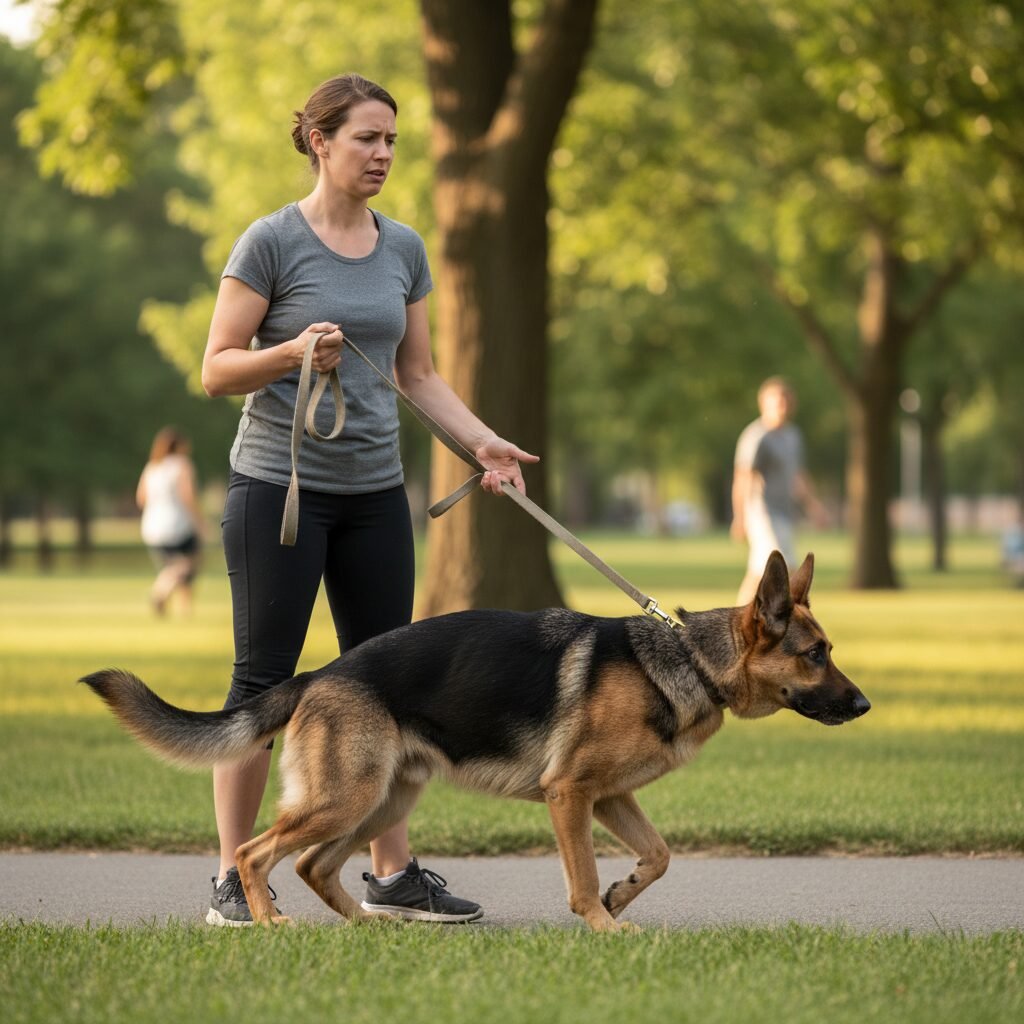
Even with the best preparation, you may encounter challenges during your LAT training. This is completely normal. Behavior modification is not a linear process; there will be good days and bad days. Recognizing common pitfalls and knowing how to address them will keep you on the track to success.
My Dog Won’t Look Back at Me After the Mark
If your dog looks at the trigger and you click, but they remain fixated and don’t turn back, it’s a clear sign that you are too close. The trigger’s intensity is overriding the value of your reward. The solution is simple: increase your distance. You need to find a distance where the click is exciting enough to break their focus. Also, ensure your treats are genuinely high-value.
My Dog Reacted Before I Could Mark the Look
This means your dog went ‘over threshold.’ It happens. Do not scold or punish the dog. Your primary goal is to calmly and quickly create distance. Turn and walk away in the opposite direction, using cheerful encouragement if needed. Once you are far enough away for your dog to calm down, you can attempt to re-engage in a different, easier activity to end the session on a positive note. In the next session, start at a much greater distance from the trigger.
My Dog is Too Focused on Me and Won’t Look at the Trigger
Sometimes, a dog becomes so focused on the ‘game’ and the source of treats (you!) that they stop noticing the environment. While this is a better problem to have, the point of LAT is to change their association with the trigger. If this happens, you can simply wait. Stand still and be ‘boring’ until their natural curiosity causes them to scan their surroundings and eventually spot the trigger. You can also try taking a short break and resetting.
| Problem | Likely Cause | Solution |
|---|---|---|
| Dog fixates on trigger, won’t turn back after mark. | Too close to the trigger (over-threshold); treats aren’t valuable enough. | Immediately increase distance until the dog can disengage. Use higher-value rewards. |
| Dog has a full-blown reaction (barking, lunging). | Trigger appeared too suddenly or was too intense for the current training level. | Calmly and quickly move away. Do not punish. End the session or reset at a much greater distance. |
| Dog ignores the trigger and only stares at the handler. | The dog has learned the game so well they are anticipating the reward. | Be patient and ‘boring.’ Wait for the dog to naturally look at the trigger. Do not cue them to look. |
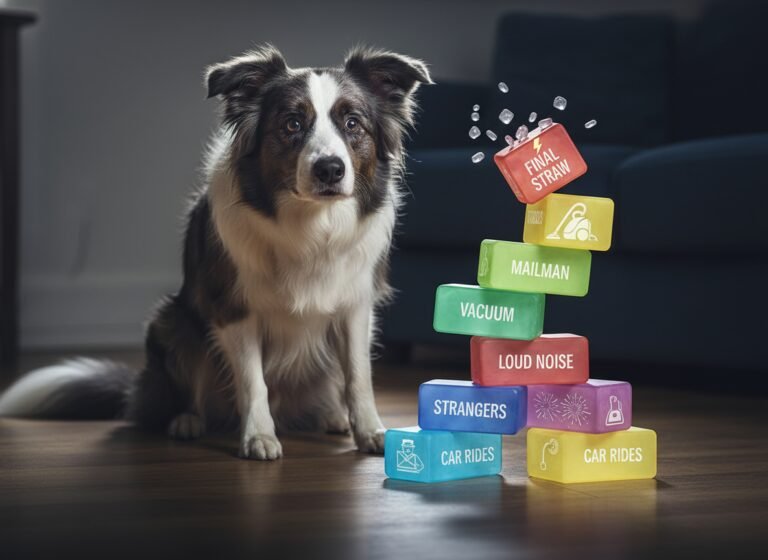
| Progress has stalled or regressed. | Trigger stacking (exposure to multiple stressors in a short time), or handler stress. | Take a few days off from formal training. Go for relaxing ‘sniffari’ walks. Ensure you are relaxed during sessions. |
Conclusion
The “Look At That” game is more than just a training exercise; it’s a communication tool that profoundly reshapes your relationship with your reactive dog. By replacing fear and uncertainty with confidence and predictability, you empower your dog with a constructive way to handle stressful situations. It teaches them that they have a choice—a choice to disengage from a trigger and connect with you, their trusted guardian.
Consistency, patience, and realistic expectations are paramount. Progress will come with ebbs and flows, but every successful repetition builds a stronger foundation of trust and positive association. Remember to celebrate the small victories—a calm glance at a trigger from 100 feet away is a massive achievement for a reactive dog. Through the dedicated practice of LAT, you are not just managing a behavior problem; you are healing your dog’s emotional state and giving them the gift of a calmer, happier life.