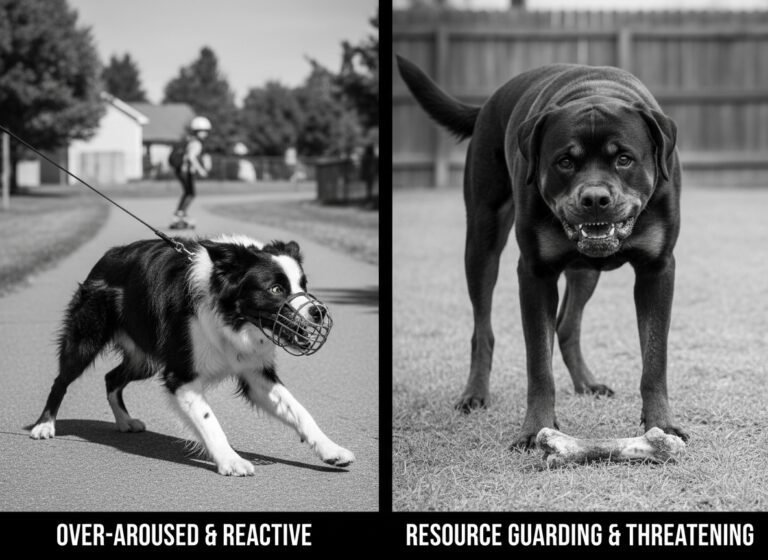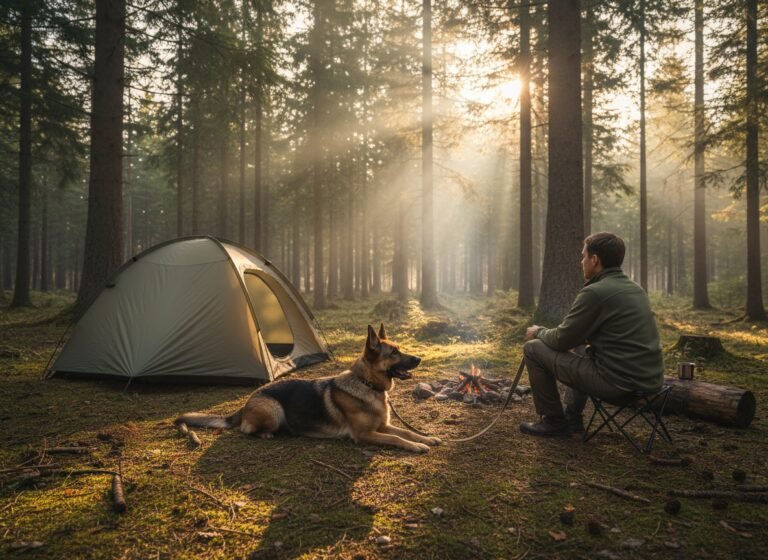
It’s Not Always Aggression: The Real Reason Your Dog’s Hackles Go Up
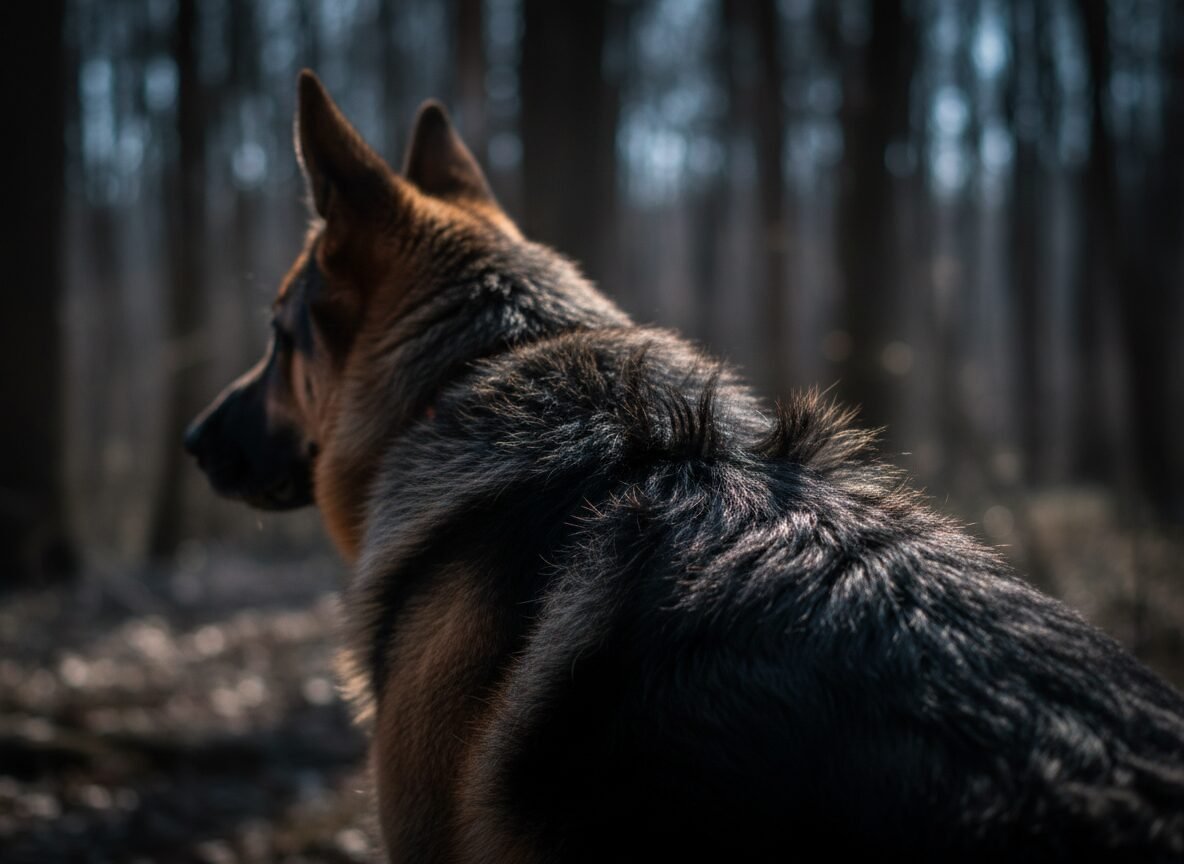
As a dog owner, you have likely witnessed it: that sudden, almost primal moment when the fur along your dog’s spine and shoulders stands on end. This raising of the hackles is often misinterpreted as a definitive sign of impending aggression, causing immediate concern and anxiety. While it can be part of an aggressive display, this assumption oversimplifies a complex and fascinating canine behavior. The truth is, raised hackles are not always a prelude to a fight.
This phenomenon, known scientifically as piloerection, is an involuntary physiological response, much like goosebumps in humans. It is a direct indicator of a dog being in a state of high arousal, but arousal itself is a broad term. It can be triggered by a wide range of emotions, including fear, excitement, surprise, anxiety, or intense interest. Your dog has no more conscious control over their hackles raising than you do over your skin prickling in a cold wind or during a scary movie.
Understanding the real reasons behind piloerection is crucial for responsible and empathetic pet ownership. It allows you to move beyond snap judgments and become a more astute interpreter of your dog’s communication. This article will delve into the science of this involuntary reaction, explore the diverse emotional triggers that cause it, and provide you with the tools to read your dog’s complete body language for a more accurate assessment of any situation.
Understanding Piloerection: The Involuntary Response Explained
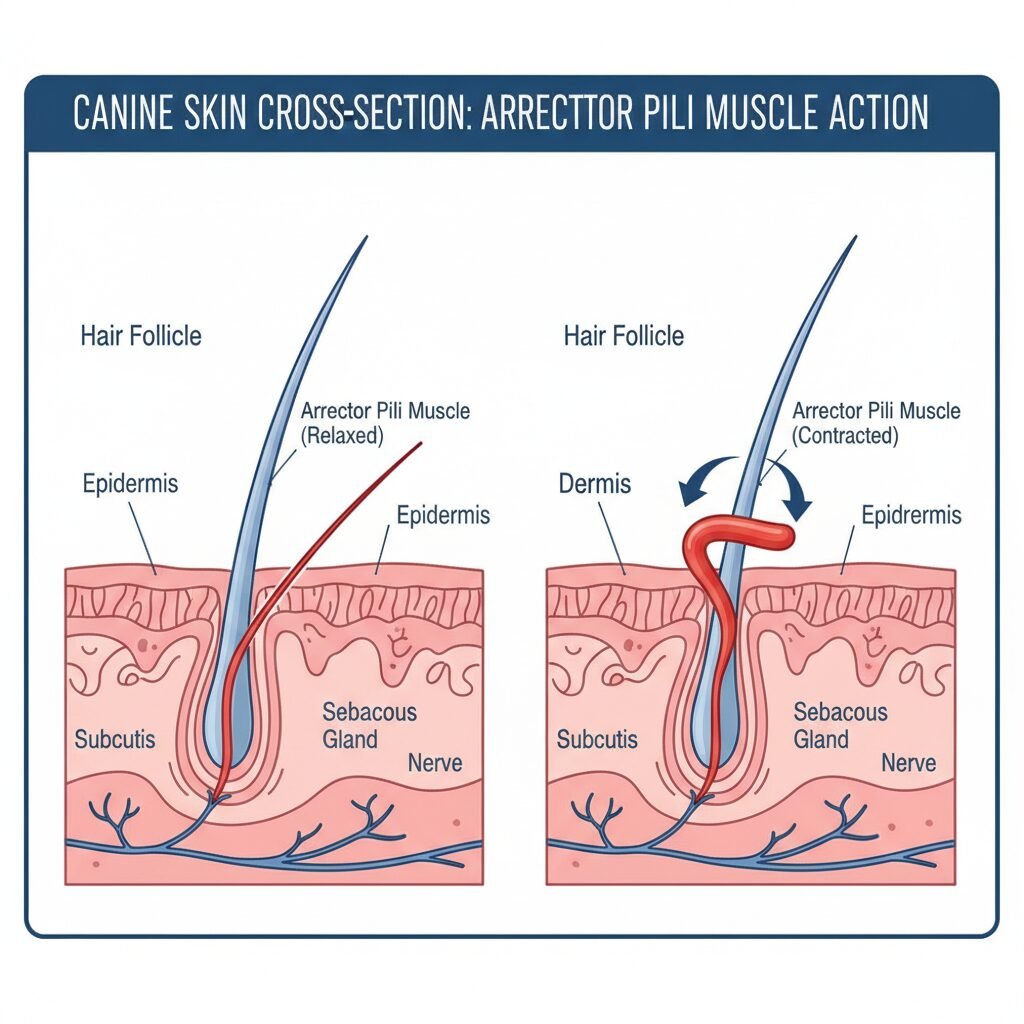
Before we can interpret why a dog’s hackles are raised, it is essential to understand the biological mechanism at work. Piloerection is not a conscious decision or a planned signal; it is an automatic reflex controlled by the sympathetic nervous system, the same system that governs the ‘fight or flight’ response.
Attached to each hair follicle on your dog’s body is a tiny, smooth muscle called the arrector pili. When a dog experiences a sudden or intense stimulus that triggers arousal, the sympathetic nervous system releases adrenaline. This hormone causes the arrector pili muscles to contract, pulling the hair follicles upright and making the fur stand on end. This is most visible along the dog’s dorsal line—the neck (cervical), shoulders (interscapular), and down the back to the tail (sacral)—where the hair is typically longest and coarsest.
Think of it as your dog’s internal emotional barometer made visible. Just as human goosebumps can be triggered by a sudden chill, a powerful piece of music, or a feeling of unease, a dog’s piloerection is a physical manifestation of a significant internal emotional shift. The key takeaway for any owner is its involuntary nature. Punishing a dog for having raised hackles is akin to scolding someone for shivering. The response itself is not the behavior to be addressed; rather, it is a critical signal that prompts you to investigate the underlying cause and the environmental trigger.
Expert Tip: Note where the hackles are raised. While not a definitive science, some behaviorists observe patterns. Fur raised only on the neck and shoulders can indicate uncertainty or initial reactivity, while fur raised all the way down the back to the tail often signals a higher level of arousal and confidence, which could be either positive (intense play) or negative (imminent conflict).
The Emotional Spectrum: Arousal States That Trigger Piloerection
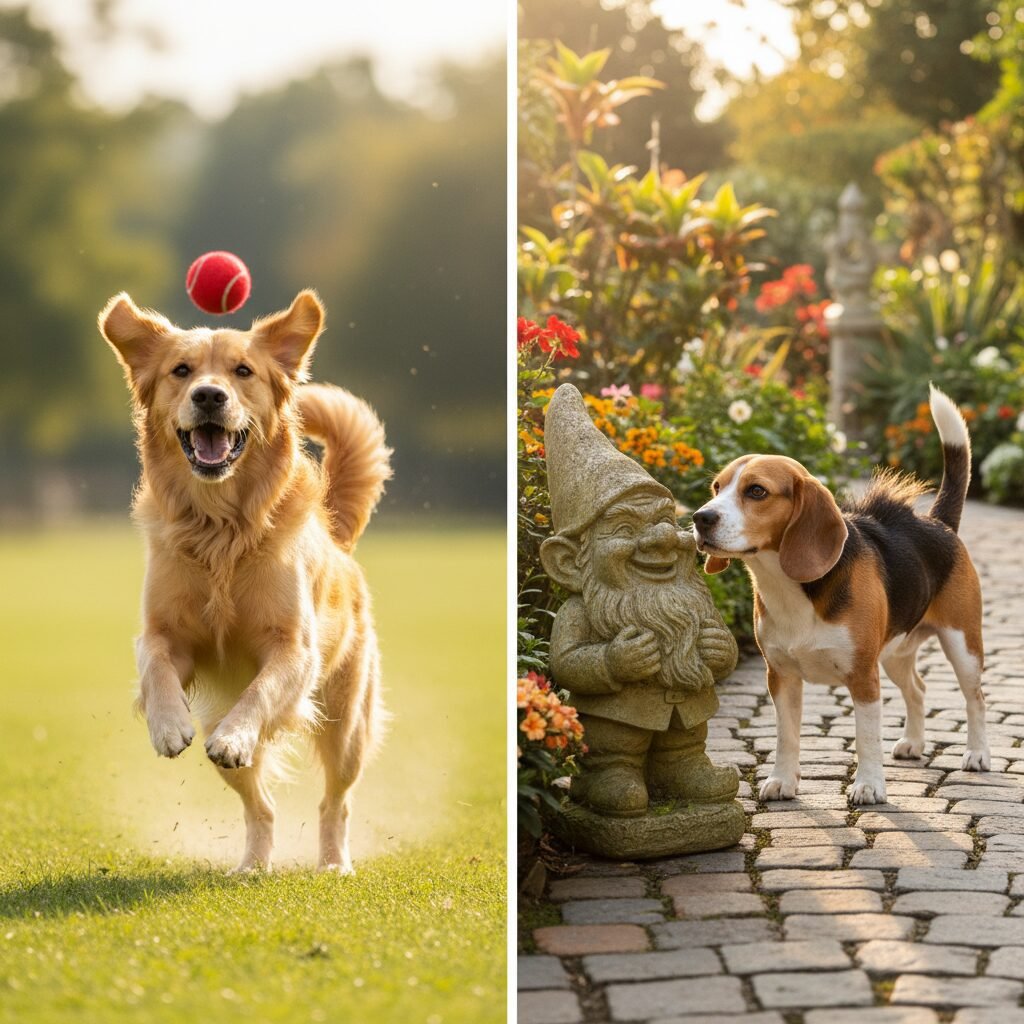
The most common misconception is that piloerection equals aggression. In reality, it simply signals a high-arousal state. The specific emotion driving that arousal can vary dramatically. Discerning the true cause requires observing the entire situation, including the environment and the dog’s other body language cues.
Fear and Anxiety
A fearful or anxious dog is a highly aroused dog. When confronted with a perceived threat—a larger dog, a loud, sudden noise, or a stranger in their territory—their body goes into a defensive mode. Piloerection makes the dog appear larger and more intimidating, a vestigial trait designed to ward off potential danger. In this context, the raised hackles are part of a fear response, not an offensive one. The dog is communicating, ‘I am scared, please stay away.’
Excitement and Intense Play
Have you ever seen your dog’s hackles go up during a vigorous game of tug-of-war or while wrestling with a familiar canine friend? This is a perfect example of non-aggressive piloerection. The sheer joy, energy, and focus of intense play create a state of high arousal. This is a positive, happy emotional state, but the physiological response is the same. The dog’s body is flooded with adrenaline from the excitement of the game, triggering the arrector pili muscles.
Curiosity and Uncertainty
When a dog encounters something novel or confusing—a strange object on the sidewalk, an unusual smell, or an animal they’ve never seen before—their senses are on high alert. This state of intense focus and information gathering is another form of arousal. The raised hackles indicate that the dog is highly stimulated and actively assessing the situation. They are neither fearful nor aggressive yet; they are simply in a state of heightened awareness and uncertainty.
Overstimulation
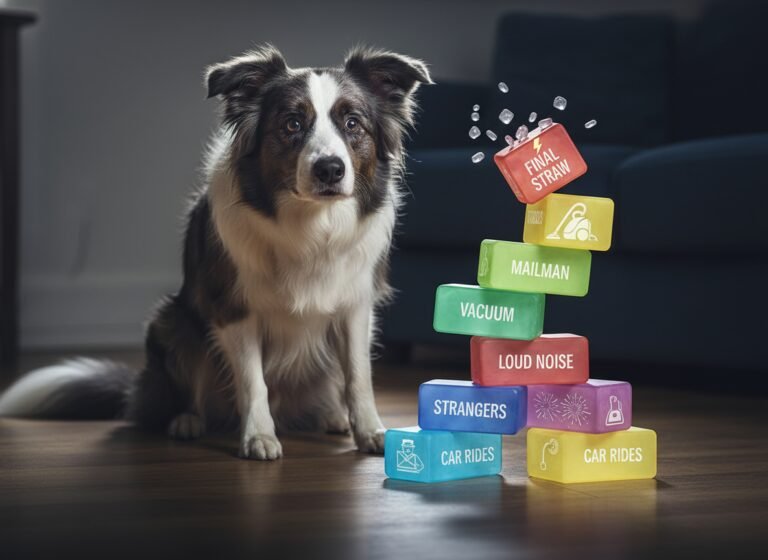
Sometimes, too much of a good thing can be overwhelming. A chaotic dog park, a loud family gathering, or a busy city street can bombard a dog’s senses. This sensory overload can push a dog into a state of overstimulation and stress. Their hackles may raise as a sign that their nervous system is overwhelmed and they are struggling to process everything happening around them. This is a signal that the dog may need a break in a quieter space.
Context is Key: How to Interpret Your Dog’s Full Body Language
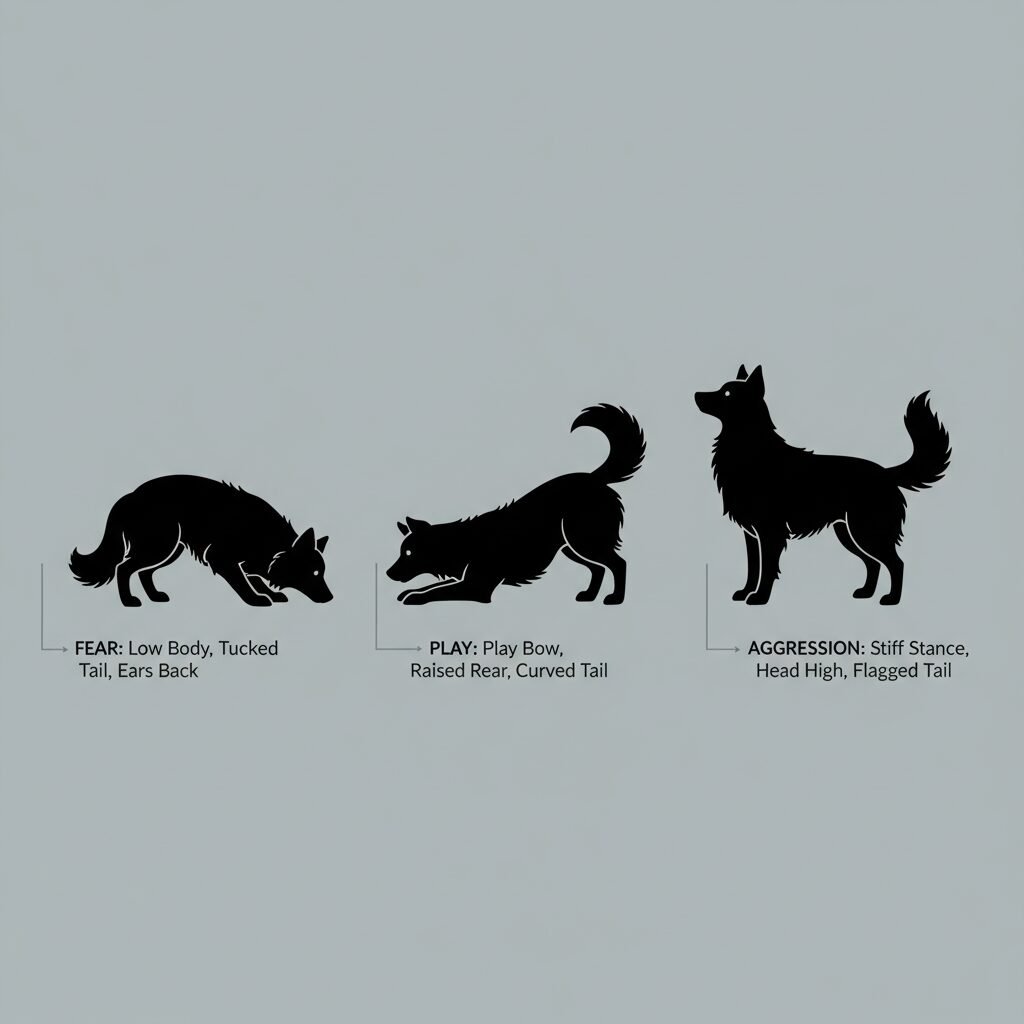
Piloerection should never be evaluated in isolation. It is a single word in a complex sentence of body language. To truly understand what your dog is communicating, you must look at the complete picture. A dog’s posture, tail position, ear set, and facial expressions provide the critical context needed to interpret the meaning behind their raised hackles.
Consider the entire cluster of signals to make an informed assessment. A dog with raised hackles could be about to play, flee, or fight, and the surrounding cues are your only guide. Below is a table to help you differentiate between the messages your dog might be sending when their hackles are up.
| Body Language Signal | Potential Meaning (Fearful / Anxious) | Potential Meaning (Excited / Playful) | Potential Meaning (Offensive / Aggressive) |
|---|---|---|---|
| Posture | Body lowered, cowering, weight shifted back, ready to flee. | ‘Play bow’ (front end down, back end up), bouncy, inefficient movements. | Stiff, hard body, weight shifted forward, standing tall to appear larger. |
| Tail | Tucked between legs, low position, possibly a slight, rapid wag. | High, loose, sweeping wag or rapid ‘helicopter’ wags. | Held high and stiff, possibly with a slow, deliberate wag from the base. |
| Ears | Pinned back and flat against the head. | Neutral and relaxed position, or forward and alert. | Pricked forward, tense, and erect. |
| Mouth | Lips pulled back horizontally, yawning, lip licking, panting with a tense mouth. | Open-mouthed, relaxed ‘smile’, tongue lolling out. | Lips curled back to expose teeth (snarl), tense mouth, closed tightly. |
| Eyes | Dilated pupils, avoiding eye contact, showing the whites of the eyes (‘whale eye’). | Soft, relaxed eyes, normal pupil size, intermittent and relaxed eye contact. | Hard, direct stare, unblinking focus on the trigger. |
| Vocalization | Whining, whimpering, high-pitched barks. | Exaggerated, high-pitched barks or growls intended to initiate play. | Deep, low-pitched growl from the chest, menacing barking. |
Your Action Plan: Responding Appropriately to Piloerection
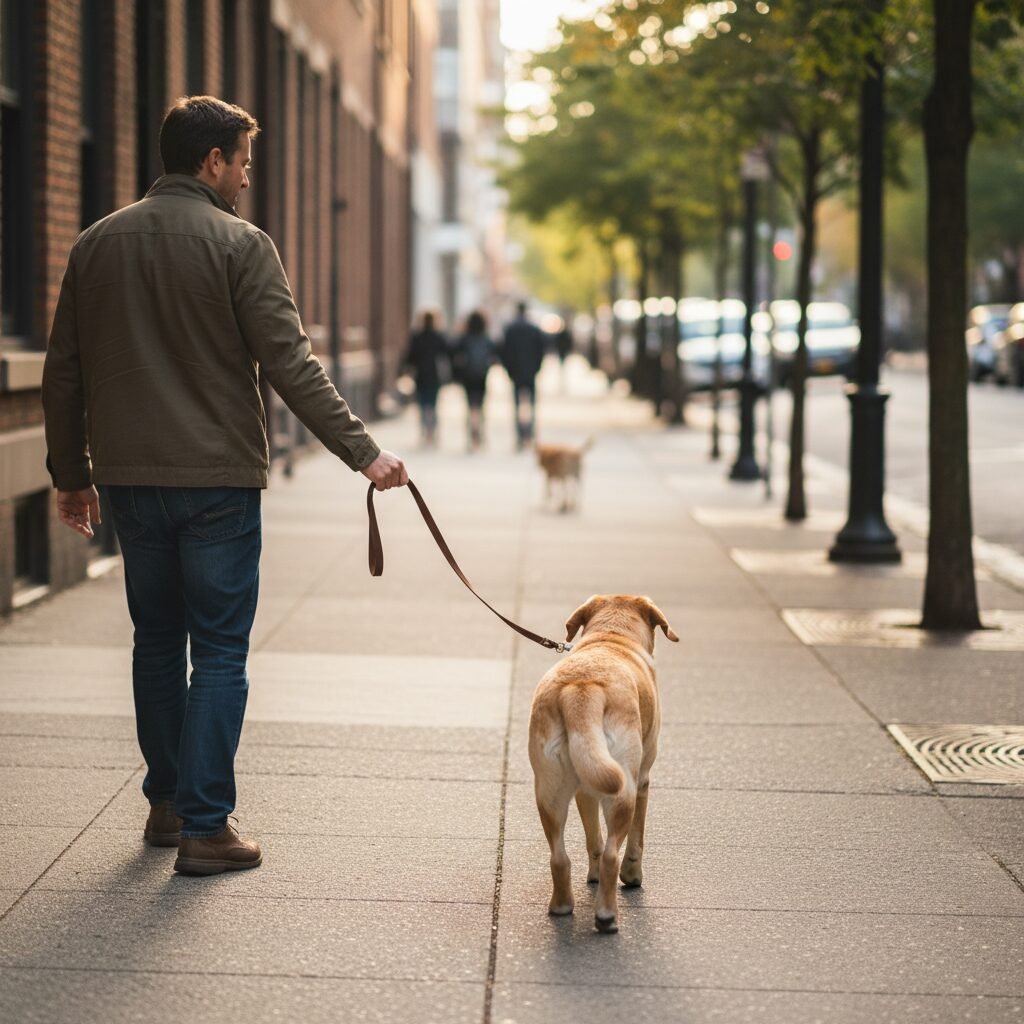
Observing raised hackles on your dog is a call to action. It means their emotional state has intensified, and they need your support and guidance. Your response should be calm, deliberate, and tailored to the context you have just assessed.
1. Remain Calm and Neutral
Your dog is highly attuned to your emotional state. If you become tense, anxious, or angry, you will only add fuel to the fire, potentially escalating their arousal. Take a deep breath, keep your body language relaxed, and maintain a neutral tone of voice. Your calmness can help de-escalate the situation.
2. Assess the Environment and Identify the Trigger
Quickly scan your surroundings to determine what caused your dog’s reaction. Is it an approaching dog? A person wearing a hat? A squirrel? A loud truck? Identifying the trigger is the first step toward managing the situation effectively.
3. Create Distance Immediately
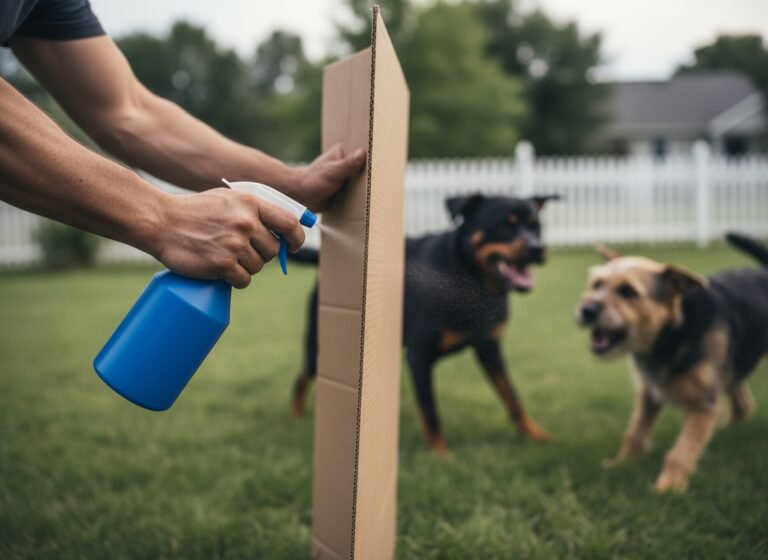
Regardless of whether the cause is fear, uncertainty, or potential aggression, the safest and most effective immediate action is to increase the distance between your dog and the trigger. This is not avoidance; it is proactive management. Calmly turn and walk in the opposite direction, cross the street, or guide your dog behind a parked car. Creating space lowers the intensity of the stimulus and gives your dog a chance to calm down.
Important Note: Never punish, scold, or physically correct a dog for exhibiting piloerection. The response is involuntary, and punishment will only increase their stress and anxiety, potentially worsening the underlying issue and damaging your bond.
4. Redirect Attention When Appropriate
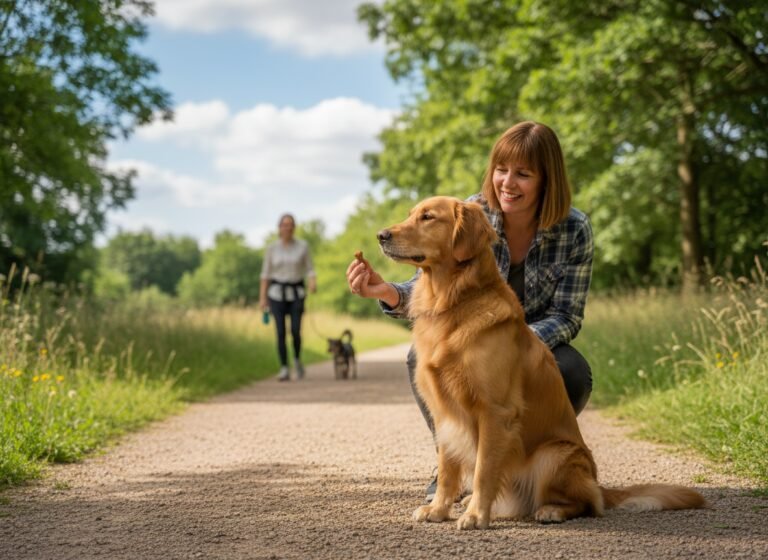
If you assess the situation as non-threatening (e.g., over-excitement or mild uncertainty), you may be able to redirect your dog’s focus. Use a cheerful tone to ask for a simple, known cue like ‘Touch’ or ‘Find it’ (after tossing a treat on the ground). This can help shift their mental state from reactive to thinking.
5. Know When to Seek Professional Help
If you frequently see your dog’s hackles go up in conjunction with consistently aggressive behaviors such as lunging, snarling, snapping, or biting, it is imperative to seek professional assistance. Contact a certified veterinary behaviorist or a certified professional dog trainer who uses positive reinforcement methods. They can help you identify the root cause of the behavior and develop a safe, effective behavior modification plan.
Conclusion
The sight of a dog’s raised hackles is a powerful signal, but it is not a simple one. By moving past the outdated belief that piloerection is solely a sign of aggression, we open the door to a deeper and more nuanced understanding of our canine companions. It is an honest, unfiltered glimpse into their emotional world—a physical manifestation of arousal that can be driven by a multitude of feelings, from fear and uncertainty to unbridled joy and excitement.
As a pet owner, your role is to become a skilled observer. Pay attention to the context, analyze the full spectrum of your dog’s body language, and respond with empathy and intelligence. By recognizing that raised hackles are a question, not a statement, you can provide the support your dog needs, whether that means creating space from a threat, sharing in their excitement, or simply giving them a moment to process something new. This mindful approach will not only prevent misunderstandings and potential conflicts but will also profoundly strengthen the bond of trust and communication you share with your dog.