The “Predatory Drift” Danger: Why Small Dogs Are At Risk In Big Groups
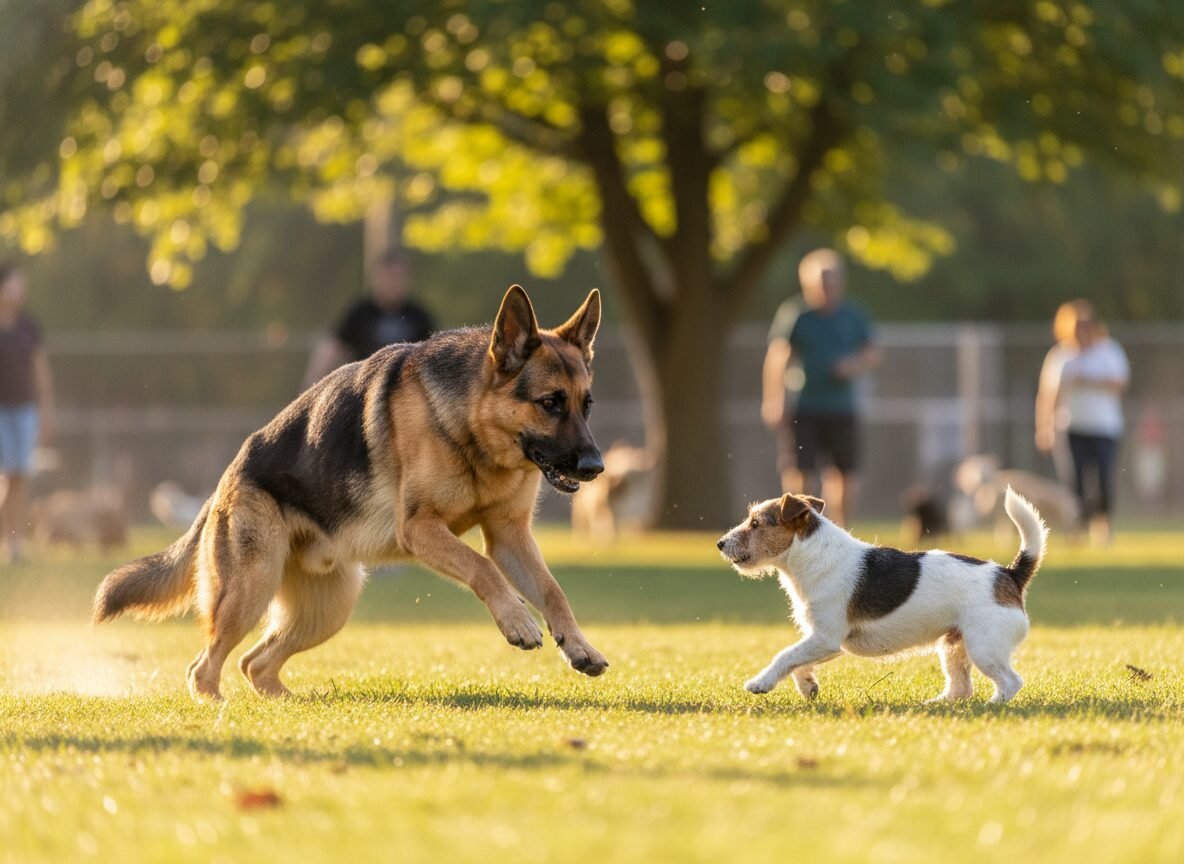
As pet owners, we delight in watching our dogs play, their joyous romps and mock battles a source of endless entertainment. Yet, within this seemingly innocent play, a deeply ingrained instinct can surface with startling speed. This phenomenon, known as predatory drift, is a sudden and often shocking shift from playful interaction to a full-blown predatory sequence. It is not born from malice or aggression in the traditional sense, but from an ancient, hardwired instinct that can have devastating consequences, particularly for small dogs interacting with larger ones.
Understanding predatory drift is not about villainizing any particular breed or dog; it is about acknowledging the powerful genetic heritage all dogs carry from their predator ancestors. For owners of small dogs, and for those who frequent multi-dog environments like parks and daycares, recognizing the triggers and warning signs is not just important—it is a critical component of responsible pet ownership. This comprehensive guide will delve into the behavioral science behind predatory drift, identify high-risk scenarios, and provide you with the authoritative knowledge and actionable strategies needed to protect your beloved pets.
Understanding the Instinct: What is Predatory Drift?
Understanding the Instinct: What is Predatory Drift?
To effectively prevent predatory drift, one must first understand its biological roots. Unlike fear-based or resource-guarding aggression, which are reactive social behaviors, predatory behavior is a fundamental survival instinct. It is a pre-programmed sequence of actions designed to hunt and acquire food. Every dog, from the tiniest Chihuahua to the most massive Great Dane, possesses this instinct to varying degrees.
Predatory drift occurs when the lines between play and predation blur. A specific trigger—often the quick, erratic movement or high-pitched yelp of a smaller dog—can flip a switch in a larger dog’s brain. The playmate is no longer perceived as a fellow dog, but as prey. This activates the predatory sequence, a distinct and chillingly efficient chain of behaviors.
The Predatory Sequence Unpacked
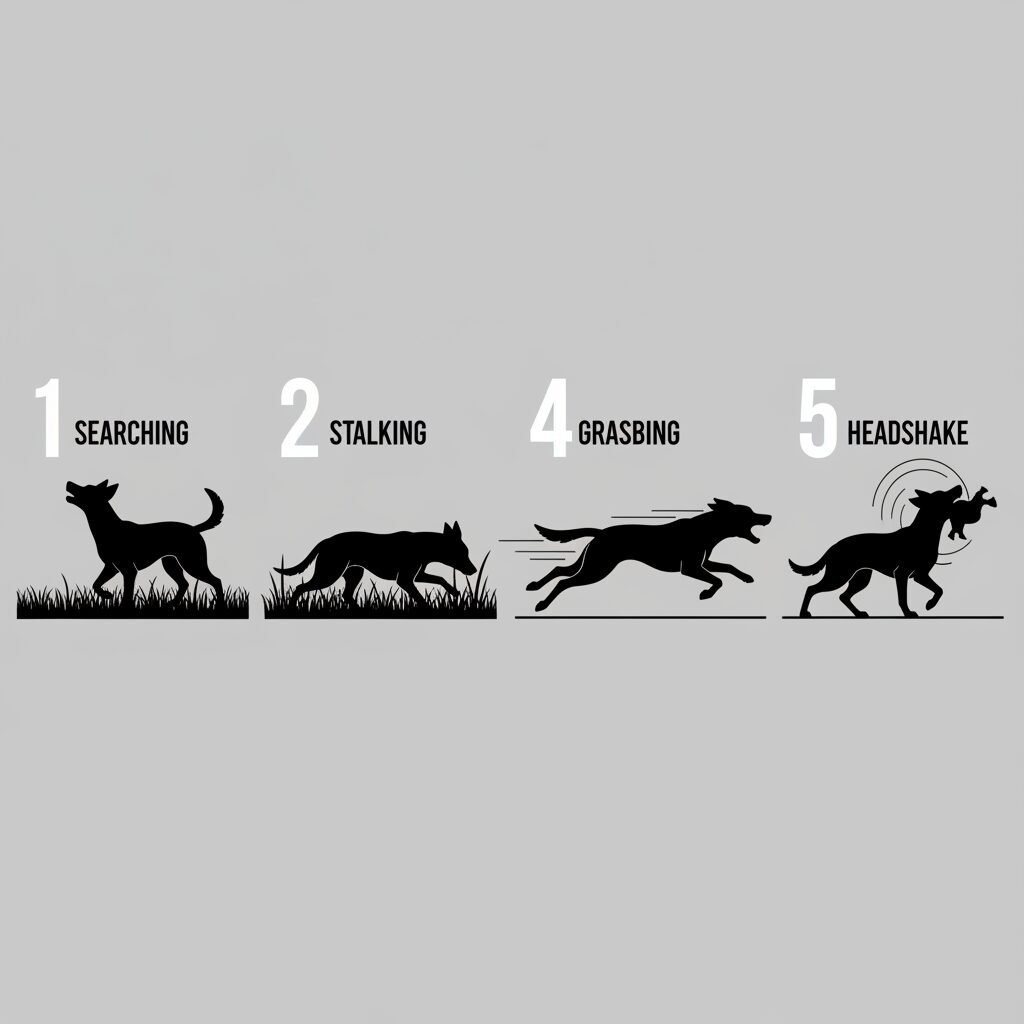
Behavioral scientists have broken down the predatory sequence into several distinct stages. While play can mimic these stages, the intensity and intent change dramatically during a drift event.
- Search/Orient: The initial scanning of the environment for potential prey. In a play scenario, this is simply looking for a playmate.
- Eye/Stalk: The dog’s focus intensifies and locks onto the target. The body lowers and grows still, a behavior often seen in herding breeds. This is a critical warning sign.
- Chase/Pursuit: The explosive pursuit of the target. During play, this is often a fun game of tag. In a predatory context, it is a relentless, goal-oriented chase.
- Grab-Bite/Hold: The dog makes physical contact. In play, this is a soft, inhibited mouth-bite. During a drift, this becomes a hard, puncturing bite intended to immobilize.
- Kill-Bite/Dissect: This is the most dangerous stage, often characterized by a powerful bite and a violent headshake designed to quickly dispatch prey. It is this action that causes the most severe injuries or death in predatory drift incidents.
Expert Tip: It is crucial to distinguish predatory drift from true aggression. A dog exhibiting predatory drift often appears quiet, focused, and efficient, lacking the loud vocalizations (growling, barking) typically associated with a dog fight. This silent intensity is a key indicator of a much more dangerous situation.
Identifying the Triggers: Recognizing High-Risk Scenarios
Identifying the Triggers: Recognizing High-Risk Scenarios
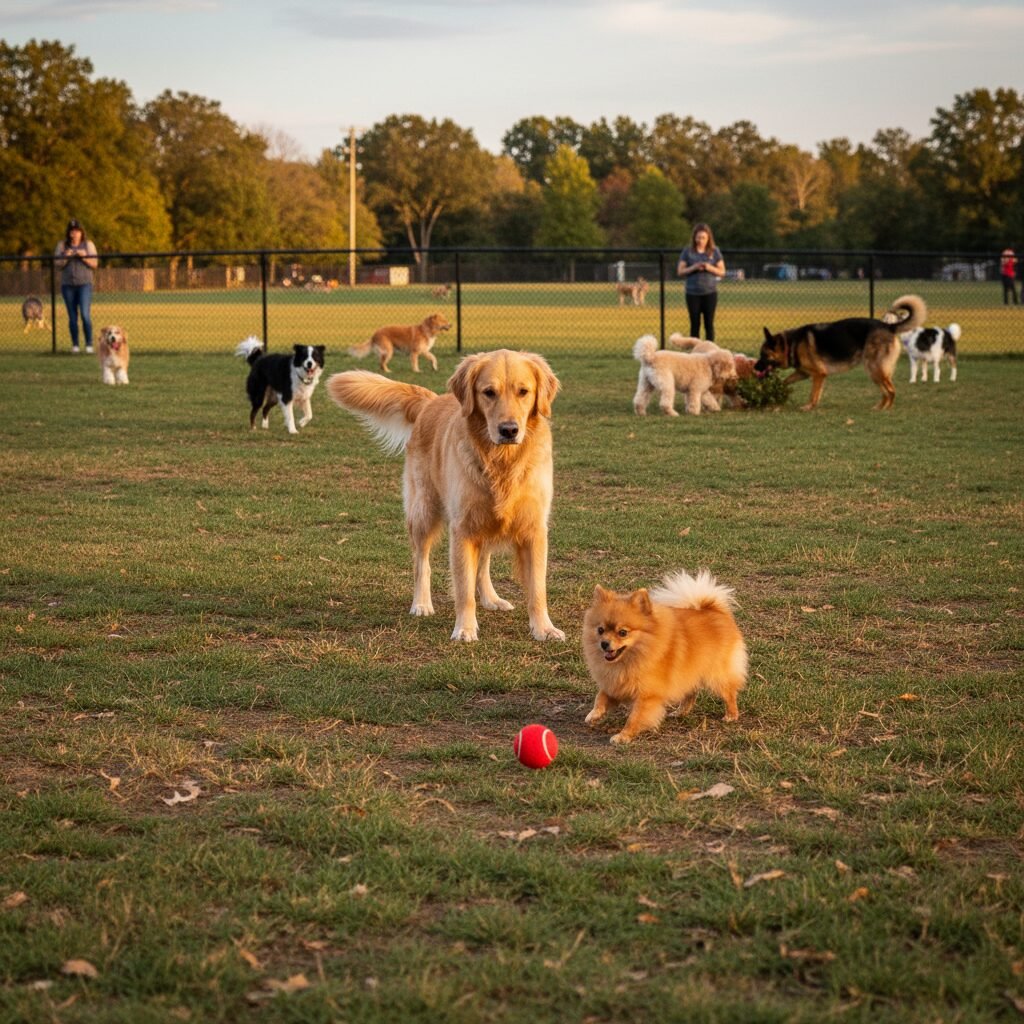
Predatory drift is not a random event. It is precipitated by specific environmental and behavioral triggers that increase arousal and activate instinct. Being able to identify these high-risk scenarios is the first line of defense in preventing a tragedy. The risk increases exponentially when multiple triggers are present simultaneously.
Common Environmental and Behavioral Triggers
- Significant Size Disparity: This is the single most significant risk factor. A large dog is more likely to view a much smaller dog as a different species, akin to prey like a rabbit or squirrel.
- High-Arousal Environments: Busy dog parks, chaotic daycare settings, or even a backyard with too many dogs can create an over-stimulated state where instinct is more likely to override training and social etiquette.
- Erratic, High-Speed Movement: The quick, unpredictable running of a small dog is a powerful trigger for the chase instinct.
- High-Pitched Sounds: A small dog’s yelp of excitement, fear, or pain can mimic the sound of injured prey, which can be a potent catalyst for predatory drift. Squeaky toys can have the same effect.
- Group Dynamics (Pack Mentality): The presence of multiple dogs can lead to a phenomenon called social facilitation, where one dog’s rising predatory arousal can trigger a similar response in the other dogs present, leading to a group attack.
Evaluating the risk level of any given situation is a skill every dog owner should cultivate. Below is a table outlining common scenarios and their associated risk levels.
| Scenario | Key Triggers | Risk Level | Recommended Action |
|---|---|---|---|
| One large and one small dog, supervised, in a calm home. | Size disparity. | Low | Constant supervision; separate during high-energy moments. |
| A mixed-size group at a dog park with squeaky toys. | Size disparity, high arousal, prey-like sounds, group dynamics. | Very High | Avoid this scenario entirely. Use separate small-dog areas. |
| Two large dogs chasing one small dog. | Size disparity, chase instinct, group dynamics. | Extreme | Immediate, safe intervention required. This is an emergency. |
| A well-matched group of similar-sized dogs playing. | General arousal. | Very Low | Standard supervision. |
Proactive Prevention: Safeguarding Your Small Dog
Proactive Prevention: Safeguarding Your Small Dog
Prevention is paramount when it comes to predatory drift. Relying on your ability to react in a split-second emergency is a failing strategy. Instead, responsible ownership involves creating safe environments and managing interactions proactively.
Choosing Safe Play Environments and Partners
Not all play is safe play. The most effective way to prevent predatory drift is to control your dog’s environment. Seek out dog parks or daycare facilities that have separate, securely fenced areas for large and small dogs. When arranging playdates, carefully vet the other dog. A large dog with a known high prey drive (e.g., a history of chasing cats or wildlife) may not be a suitable playmate for your small dog, no matter how friendly they seem.
Mastering Body Language and Early Intervention
Dogs communicate their intentions long before they act. Learn to recognize the subtle cues that indicate a shift from play to predation. Intervene immediately if you see a larger dog exhibiting:
- A fixed, unblinking stare at the smaller dog.
- Body stiffening or freezing in place.
- A closed mouth during what should be open-mouthed play.
- Low, slow, stalking movements.
At the first sign of these behaviors, calmly and immediately interrupt the interaction. Use a cheerful but firm “That’s enough!” and physically separate the dogs for a cool-down period. This is not a punishment, but a necessary management technique to de-escalate arousal.
Essential Management Tools and Training
Training and management tools provide a crucial safety net.
- A Rock-Solid Recall: The single most important command your dog can know. Practice relentlessly in various environments so your dog will return to you immediately, even in a high-distraction setting.
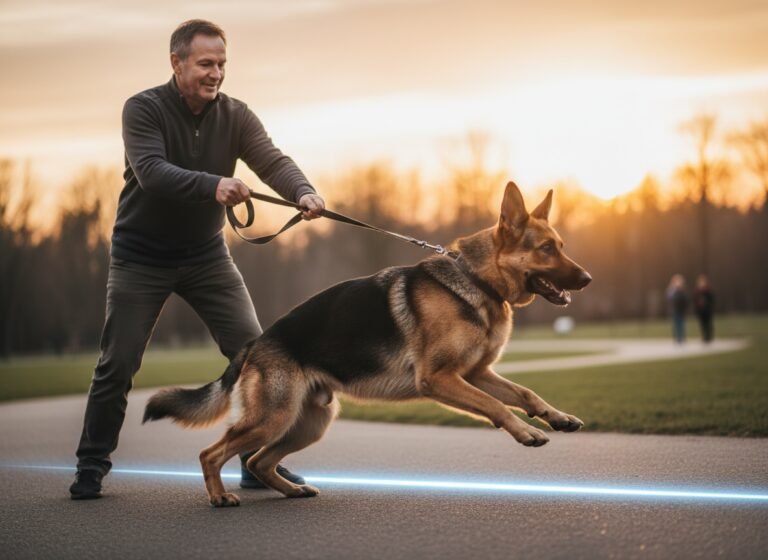
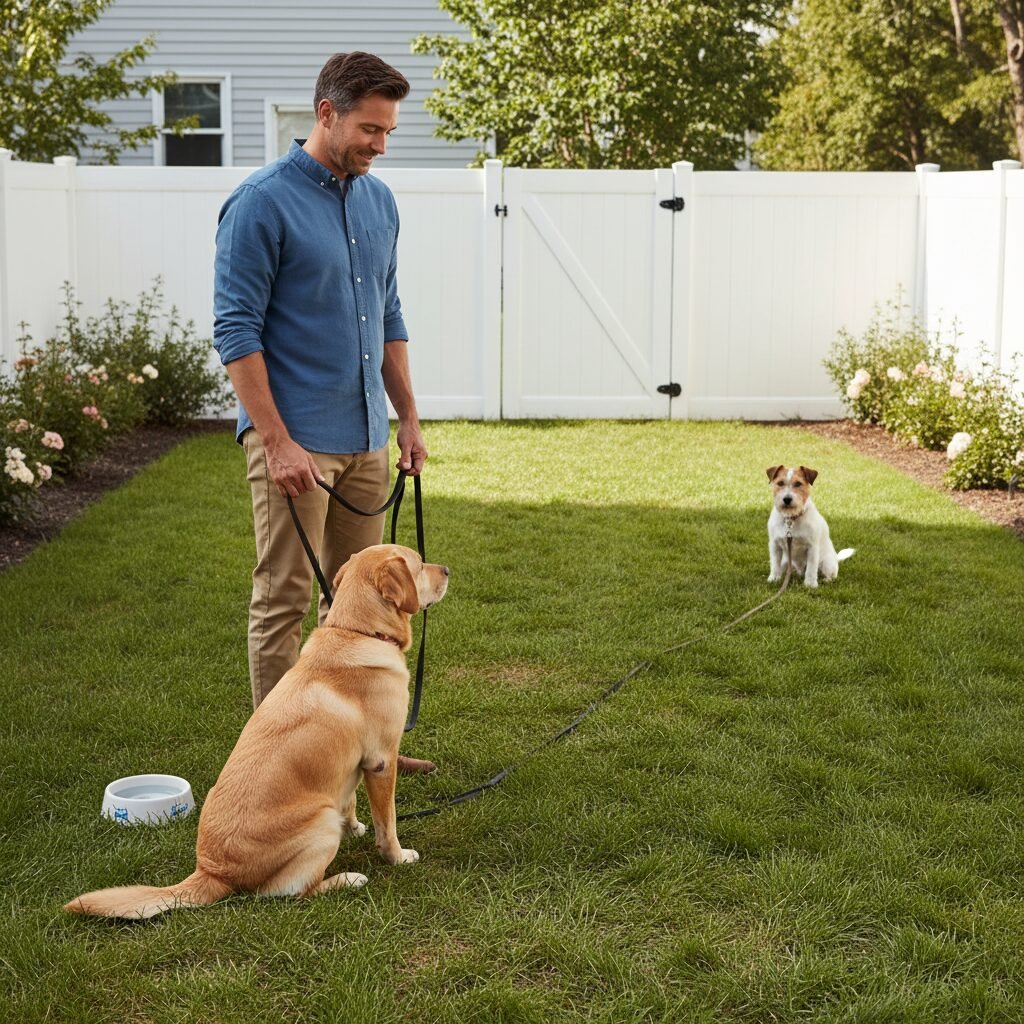
- Long Lines: In unfenced or unfamiliar areas, a 20-30 foot long line allows your dog freedom to explore while ensuring you have ultimate control to prevent an unwanted chase.
- Avoid Provocative Toys: Do not use squeaky toys or small, furry lures in a mixed-size group, as these can unintentionally trigger prey drive.
Emergency Response: What to Do If Predatory Drift Occurs

Emergency Response: What to Do If Predatory Drift Occurs
Despite the best prevention efforts, emergencies can happen. If you witness a predatory drift event, your immediate, calculated actions can mean the difference between life and death. Panicking is a natural response, but it is counterproductive. You must act decisively.
Immediate and Safe Intervention
Your goal is to break up the attack without becoming a victim yourself. A dog in the midst of a predatory sequence is not thinking and can easily inflict a severe bite, even on its owner.
- Do NOT Reach for the Collar: Never put your hands or face near the biting dog’s mouth. This is the most common way owners get seriously injured.
- Make a Loud, Startling Noise: Use an air horn, bang metal pans together, or yell in a deep, loud voice. The shock of the noise can sometimes be enough to interrupt the dog’s focus.
- Use Water: A powerful spray from a hose, a bucket of water, or even a water bottle aimed at the aggressor’s face can be an effective and safe deterrent.
- The Wheelbarrow Method (Use with Extreme Caution): If there are two people, each person can grab the back legs of one dog and lift them off the ground like a wheelbarrow, then pull them backward and apart. This should only be used as a last resort as it can put you at risk if the dog redirects its bite.
Post-Incident Protocol
Once the dogs are separated, the priority shifts to damage control.
- Secure the Aggressor: Immediately leash and remove the aggressing dog from the area and secure them in a crate, car, or separate room.
- Administer First Aid to the Victim: Assess the small dog for injuries. Even if there are no visible wounds, there can be severe internal damage. Cover any bleeding wounds with a clean cloth and apply gentle pressure.
- Seek Immediate Veterinary Care: Transport the injured dog to the nearest emergency veterinary hospital immediately. Puncture wounds can be deeper than they appear and carry a high risk of infection. Internal bleeding is a life-threatening possibility.
- Manage the Aftermath: A predatory drift event is traumatic for everyone involved. The aggressing dog is not ‘evil,’ but it has demonstrated a dangerous level of prey drive. It will require strict management and a consultation with a certified veterinary behaviorist to assess future risk and create a safety plan.
Frequently Asked Questions About Predatory Drift

Frequently Asked Questions About Predatory Drift
The concept of predatory drift can be confusing and frightening for pet owners. Below are answers to some of the most common questions, provided by canine behavior experts.
Is a dog that exhibits predatory drift a ‘bad’ or aggressive dog?
No. This is one of the most critical points to understand. Predatory drift is not a moral failing or a sign of a ‘mean’ dog. It is the expression of a deeply rooted, natural instinct. The dog is not acting out of malice but is responding to a stimulus in the way its ancestors were programmed to. However, while the dog is not ‘bad,’ it is undeniably dangerous in specific contexts. The focus should be on management and prevention, not punishment.
Can this happen in my own home between dogs who have lived together for years?
Yes, although it is less common than in unfamiliar group settings. Long-term housemates can and sometimes do experience predatory drift. It can be triggered by a sudden illness or injury in the smaller dog, a change in movement patterns due to aging, or a high-arousal event like a squirrel in the yard that gets redirected onto the smaller dog. Owners of multi-dog, mixed-size households should never become complacent.
Are certain breeds more prone to predatory drift?
While any dog can exhibit this behavior, breeds with a high, genetically selected prey drive may be at a higher risk. This includes many terriers (bred to hunt vermin), sighthounds (bred to chase), and some northern breeds. However, breed is only one factor. Individual temperament, training, and the specific situation are far more important predictors. It is a mistake to assume a dog from a typically ‘gentle’ breed is immune.
Can a dog that has engaged in predatory drift be rehabilitated?
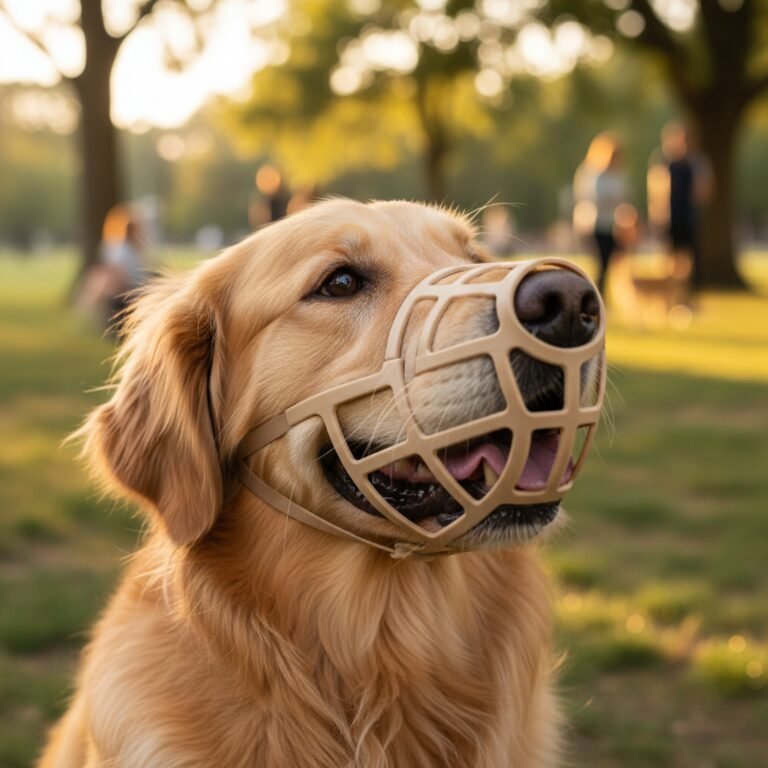
This is a complex question. ‘Rehabilitation’ is perhaps the wrong term, as you cannot train an instinct out of a dog. The focus must be on management. A dog with a known history of predatory drift requires a lifetime of careful management. This means no more off-leash interactions in mixed-size groups, potentially muzzling in public spaces, and constant, vigilant supervision. A certified applied animal behaviorist or veterinary behaviorist should be consulted to create a comprehensive safety and management plan tailored to the individual dog.
Conclusion
Predatory drift is a sobering reality of canine behavior that every owner, particularly those with small dogs or those who frequent group play settings, must understand and respect. It is a powerful, primal instinct that can override even the most loving and playful intentions. By recognizing that this behavior stems from nature, not malice, we can shift our perspective from blame to proactive management.
The key to safety lies in prevention. Through careful selection of playmates, vigilant supervision of interactions, and a deep understanding of canine body language, you can dramatically reduce the risks. Arming yourself with knowledge of the triggers and an emergency response plan empowers you to protect not only your own dog but the entire canine community. Ultimately, responsible pet ownership demands that we honor the instinctual nature of our dogs while creating a world where they can coexist safely, ensuring that play remains a source of joy, not a potential for tragedy.