Is Your Dog Dangerous? 5 Hidden Signs of Resource Guarding You Ignore
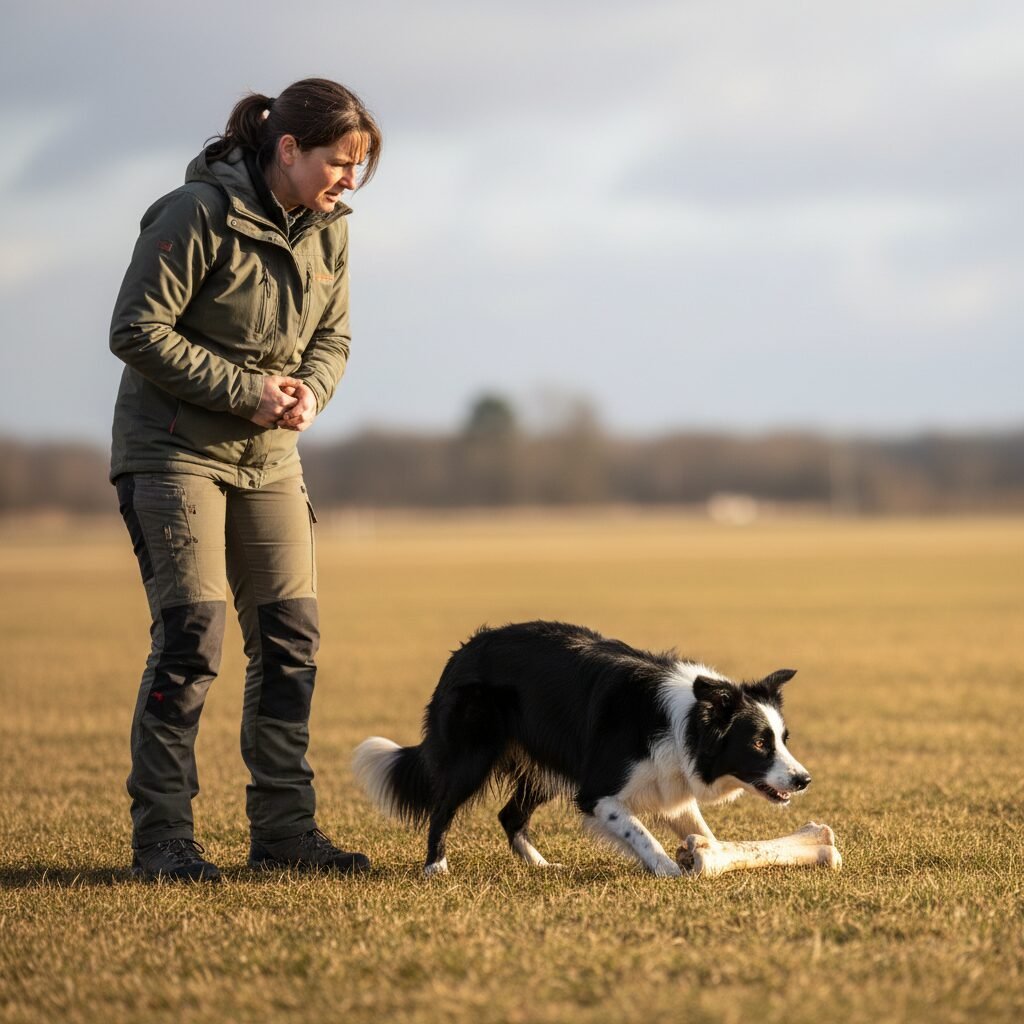
It often happens in the blink of an eye. You reach down to pick up a dropped toy or move a food bowl, and suddenly, your beloved companion transforms. A snap, a growl, or a bite leaves you shocked and asking the terrifying question: Is my dog dangerous?
At MasterYourDog.com, we approach canine behavior through the lens of psychology, not fear. What you are witnessing is likely Resource Guarding—a natural, evolutionary behavior where a dog protects a valued item. However, in a domestic setting, this instinct can become a liability.
Most owners miss the early warning signs. They believe aggression starts with the growl. In reality, the growl is the final warning before a strike. The true signs of resource guarding are subtle, silent, and often ignored until it is too late.
Mastery Takeaway: A dog that guards resources is not necessarily ‘bad’ or ‘dominant.’ They are anxious about losing something valuable. Your goal is not to punish the anxiety, but to change the emotion behind the possession.
In this comprehensive guide, we will dissect the five hidden signs of resource guarding that precede aggression and provide you with the authoritative protocols to manage and modify this behavior.
The Psychology of Possession: Why Dogs Guard
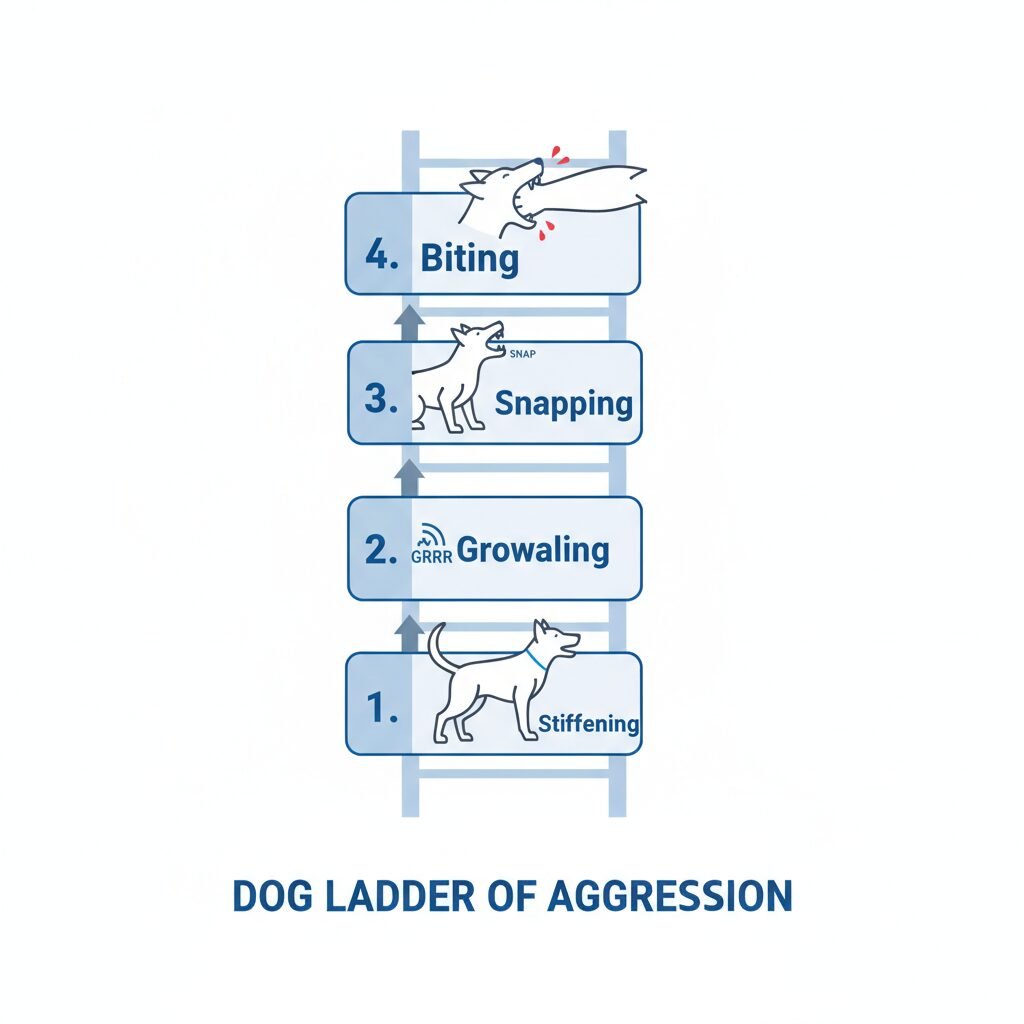
To master your dog’s behavior, you must first understand their motivation. In the wild, possession is nine-tenths of survival. If a wolf gives up its food, it starves. Therefore, the instinct to freeze, cover, and defend a high-value item is hardwired into the canine brain.
The Threshold of Aggression
Resource guarding exists on a spectrum. It ranges from a dog that simply runs away with a toy (avoidance) to a dog that inflicts a Level 4 bite (offensive aggression). The transition from one end of the spectrum to the other depends on the dog’s genetic predisposition, past history of punishment, and the owner’s response to early cues.
When owners punish a growl, they do not remove the dog’s desire to guard; they merely extinguish the warning signal. This creates a dog that bites without warning. We must identify the behavior before the growl.
Sign #1: The ‘Freeze’ (Physiological Stiffening)
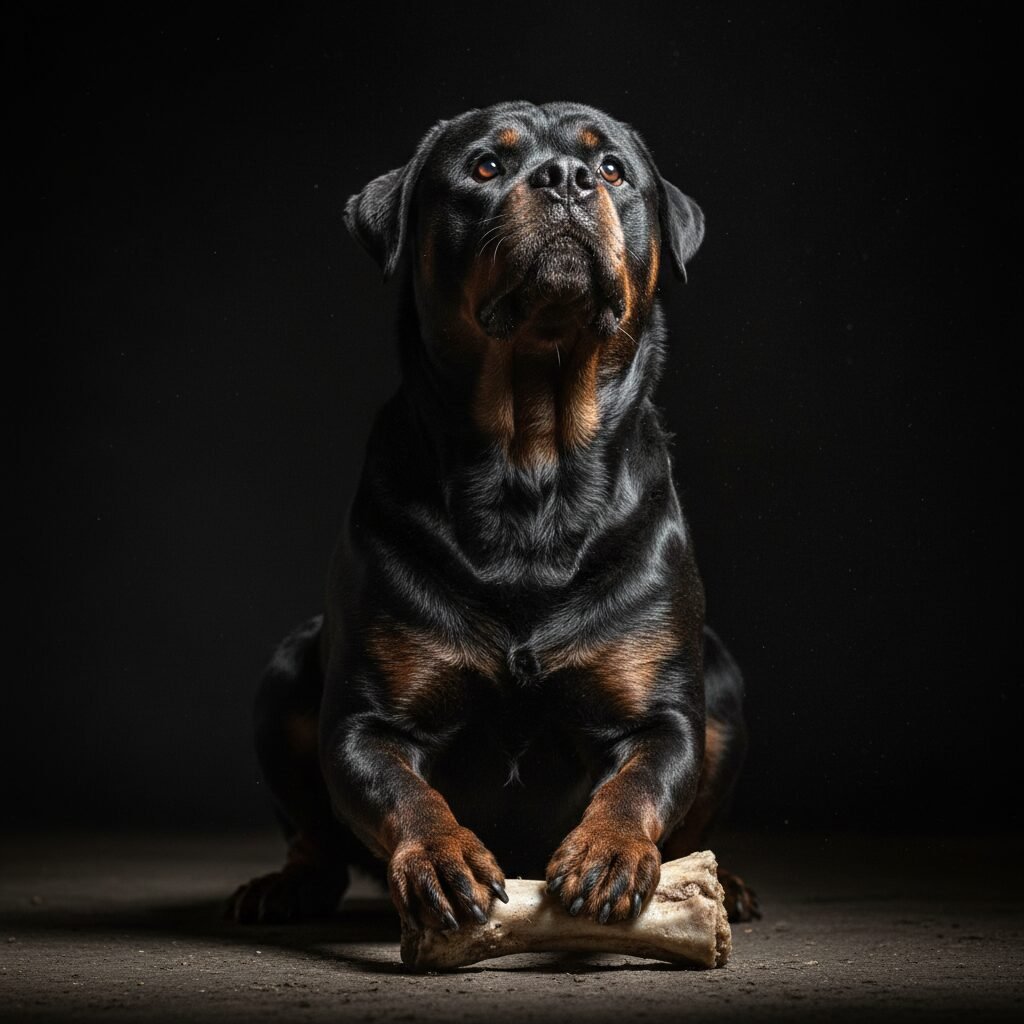
The very first sign of resource guarding is almost invisible to the untrained eye. It is the Freeze. Before a dog growls or snaps, their muscles will tense up completely. This is a momentary pause in movement as the dog assesses the threat (you approaching).
- What to look for: If your dog is chewing a bone and suddenly stops chewing as you walk by, this is a red flag.
- The Mechanism: The dog enters a state of hyper-vigilance. They are no longer consuming; they are guarding.
- Immediate Action: Do not continue your approach. Stop moving. Acknowledge that the dog has signaled discomfort.
If you ignore the freeze, the dog learns that subtle signals do not work, and they must escalate to louder, more dangerous warnings.
Sign #2: The Whale Eye (Sclera Visibility)
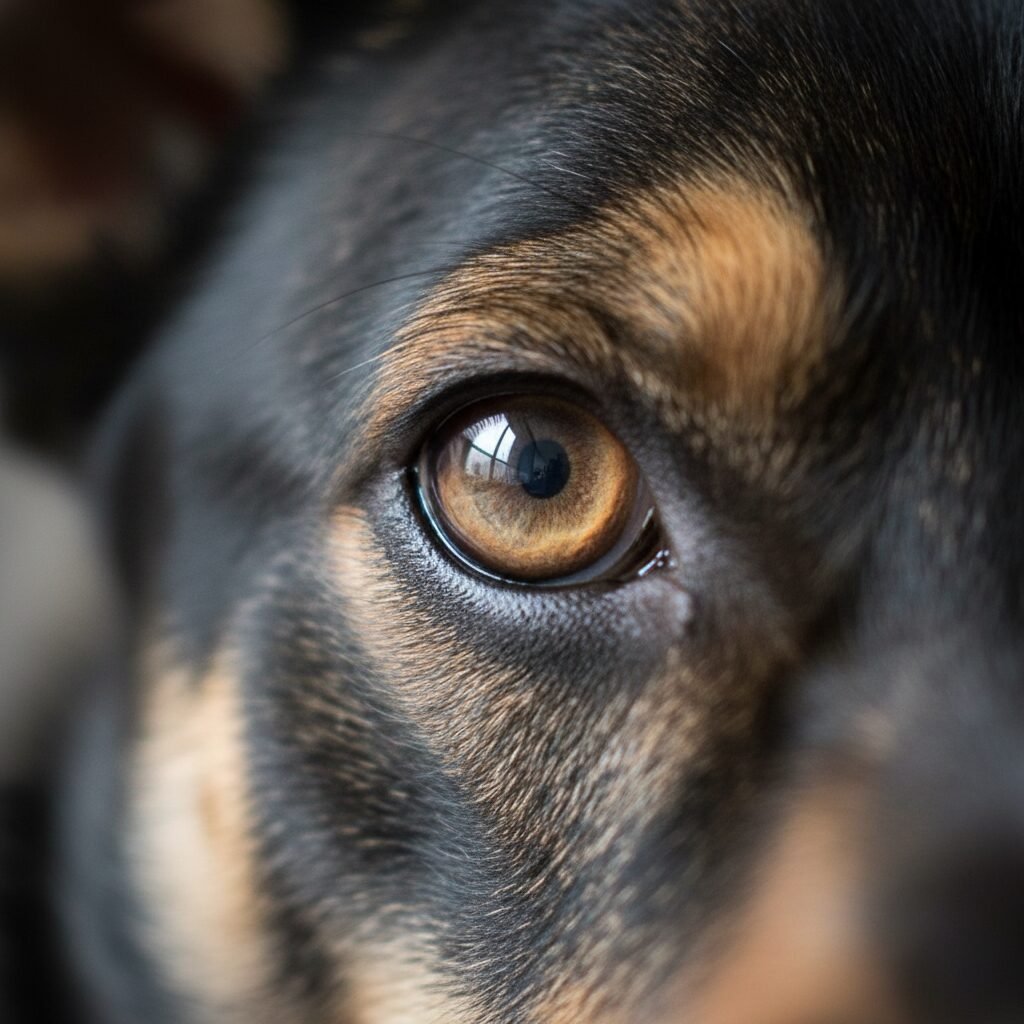
The eyes are the window to the dog’s intent. When a dog is relaxed, their eyes are soft, and you typically cannot see the whites (sclera). When a dog is guarding, they will keep their head down over the item but roll their eyes up or to the side to track your movement. This exposes the crescent-shaped white of the eye, known as Whale Eye.
Interpreting the Hard Stare
Accompanying the whale eye is often a ‘hard stare.’ This is an unblinking, direct gaze that feels cold and confrontational. It is a distance-increasing signal. The dog is saying, ‘I am watching you, and you are too close.’
| Normal Eye Contact | Guarding Eye Contact (Danger) |
|---|---|
| Soft, blinking, relaxed brows | Hard, unblinking, furrowed brows |
| Pupils normal size | Pupils dilated (fight or flight response) |
| Looking at face/hands for cues | Fixated on the approaching threat or shifting between item and person |
Sign #3: The Hover and Body Blocking
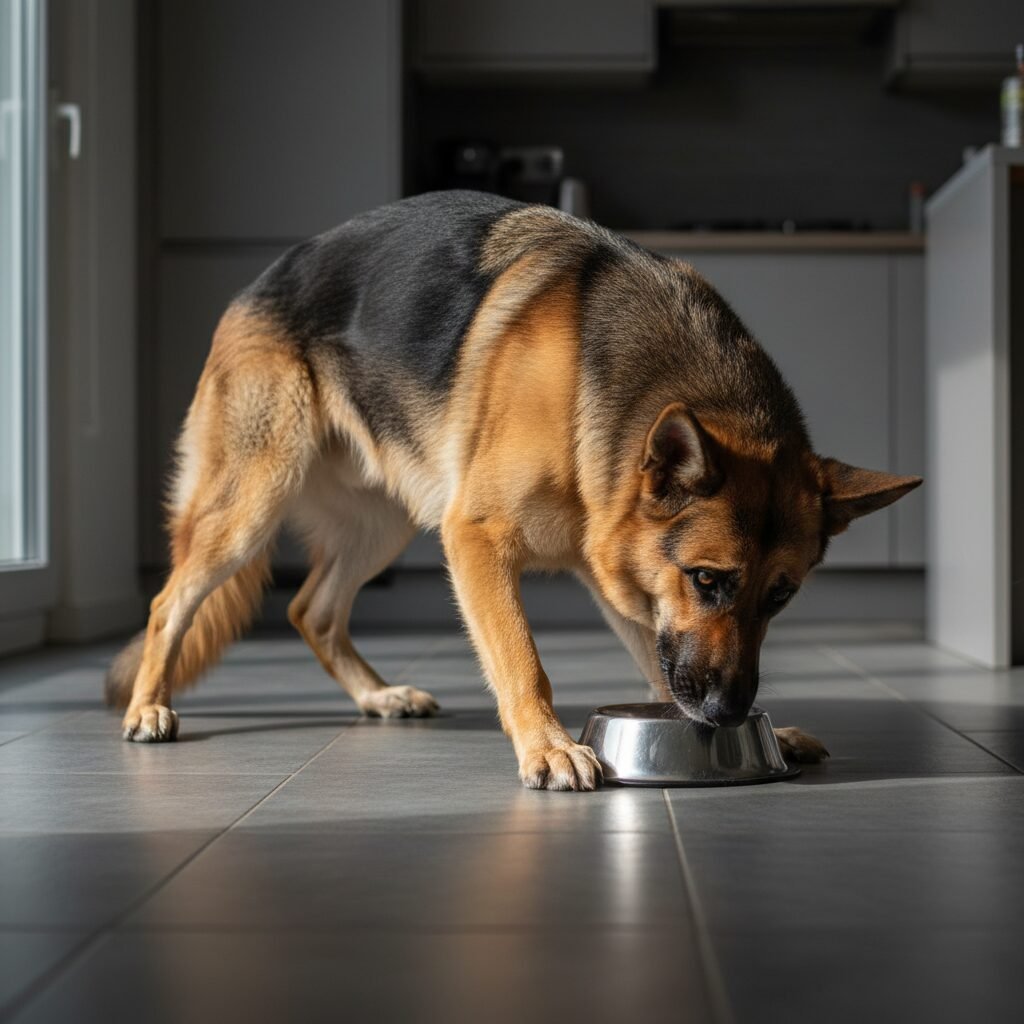
Spatial control is a key component of resource guarding. A dog that feels insecure about their possession will often attempt to make the item inaccessible to you physically. This manifests as Hovering.
The dog will place their head low over the bowl or item, often spreading their front elbows wide to create a physical barrier. If you move to the left, they may subtly shift their body to shield the item. This is not ‘snuggling’ the toy; it is a tactical defensive position.
Mastery Takeaway: Watch the ears. During a hover, the ears are often pinned back flat against the skull, signaling defensiveness and stress.
Sign #4: Accelerated Consumption
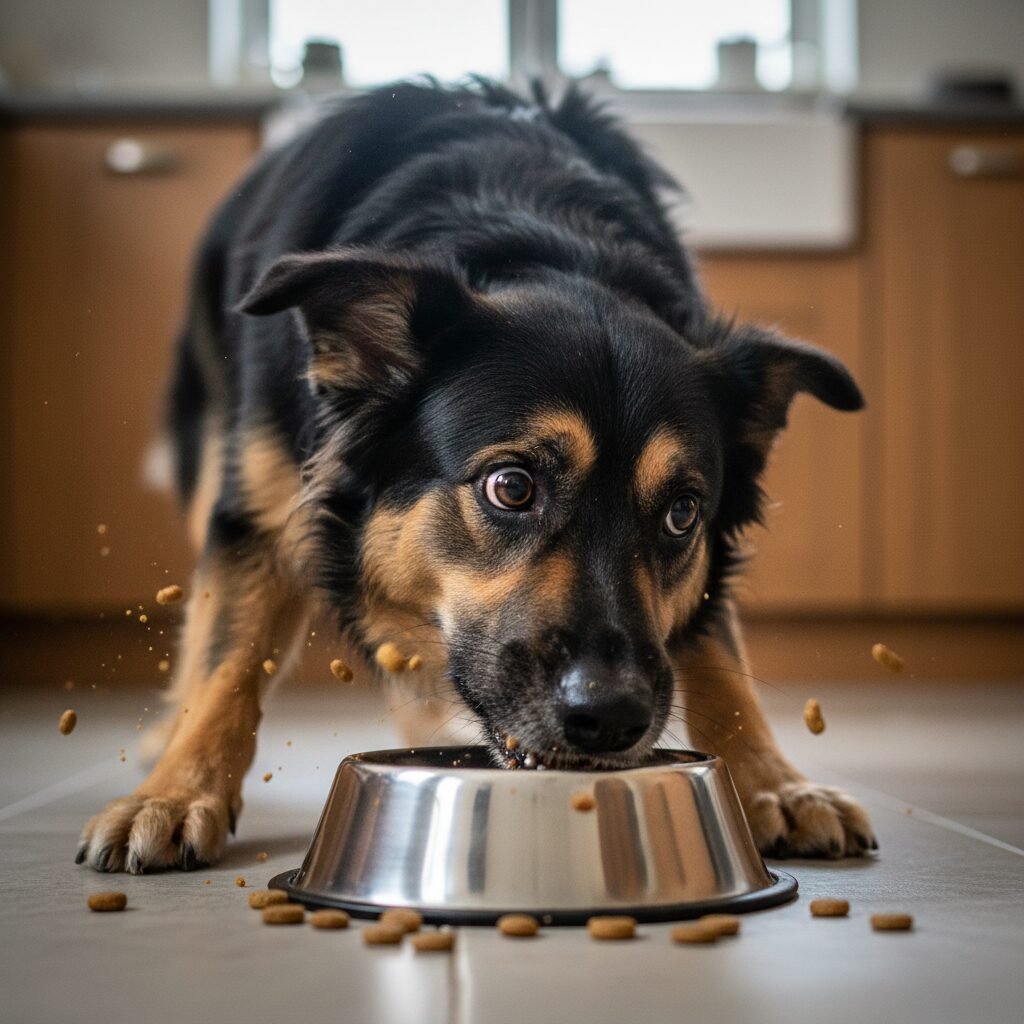
Does your dog eat at a normal pace, but suddenly begins to gulp or swallow whole chunks when you enter the room? This is Accelerated Consumption, and it is a clear sign of resource anxiety.
The logic is simple: ‘If I eat it all now, you can’t take it from me.’ While this might seem harmless, it is a precursor to aggression. It indicates the dog perceives your presence as a threat to their resources. Furthermore, this behavior poses a significant health risk, including choking or Gastric Dilatation-Volvulus (Bloat).
Differentiating Enthusiasm from Guarding
A hungry dog eats fast. A guarding dog eats fast only when you are near. Test this by observing (from a distance or via camera) their eating speed when they are alone versus when you are walking nearby.
Sign #5: The Silent Snarl (Lip Curling)
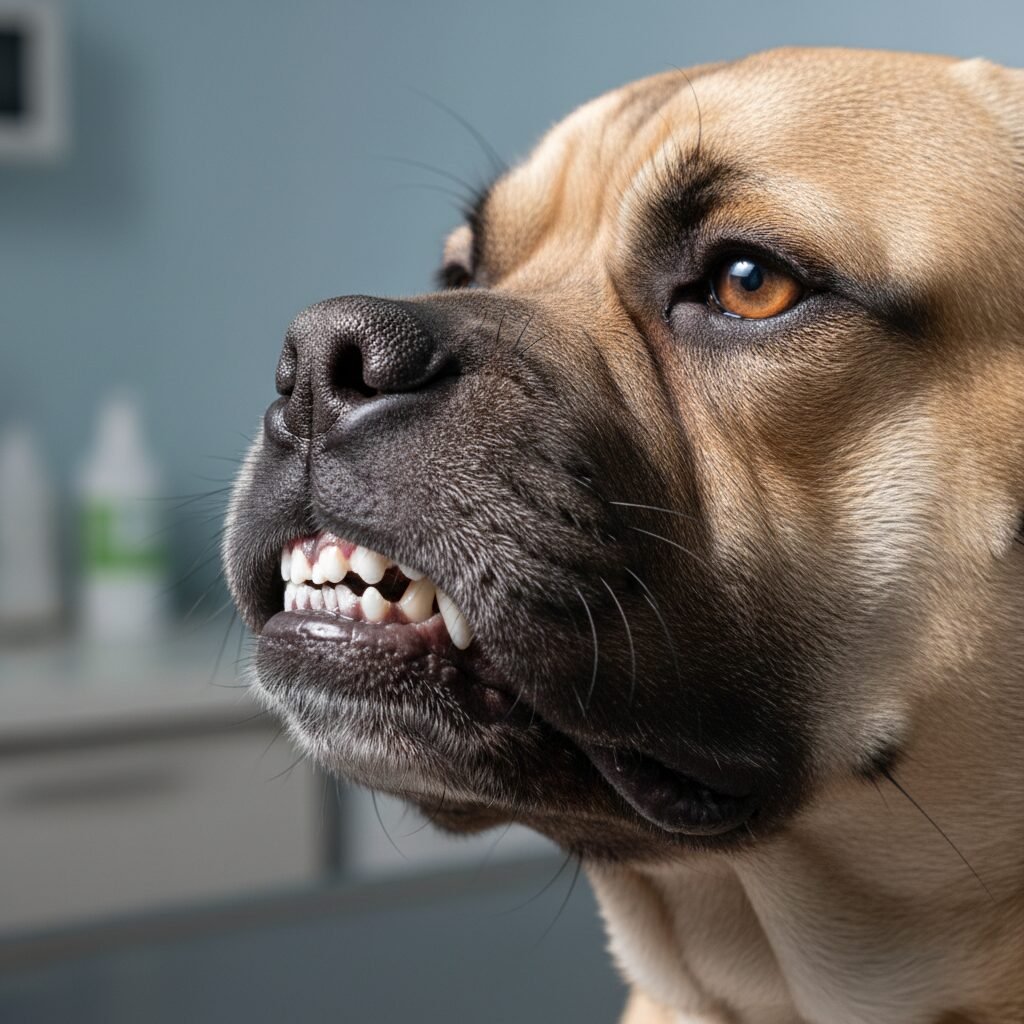
Before a sound is emitted, the face changes. A Lip Curl is a micro-expression where the dog lifts the vertical muscles of the upper lip, briefly exposing the canine teeth or gums. It can happen in a fraction of a second.
This is often the last warning before a snap. If you see a dog stiffen and lift their lip, you are in the ‘red zone.’ This is not a smile. It is the unsheathing of a weapon. Many owners miss this because they are looking at the tail (which may still be wagging—a sign of arousal, not happiness) rather than the mouth.
Mastery Protocols: Intervention and Management
If you identify these signs, you must act. However, acting aggressively (taking the item, yelling, rolling the dog) will only confirm the dog’s fear that you are a thief, escalating the behavior.
1. The ‘Trade Up’ Game
Never take an item for free. Teach your dog that surrendering an item results in getting something better.
- Approach the dog (stop before the ‘freeze’ zone).
- Toss a high-value treat (chicken, cheese) away from the guarded item.
- When the dog moves to eat the treat, you can safely remove the item or add more value to their bowl.
- Goal: The dog learns that your approach equals ‘bonuses,’ not ‘loss.’
2. Environmental Management
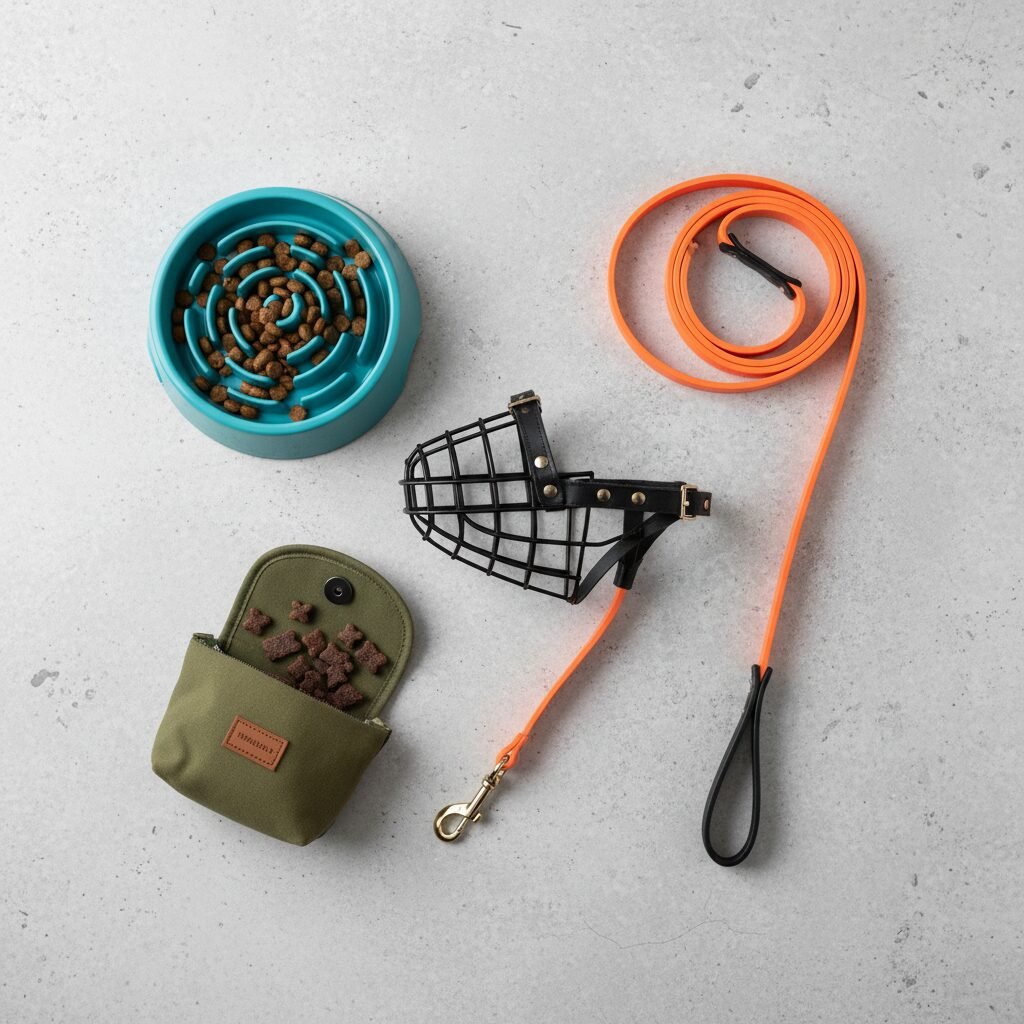
Until training takes hold, safety is paramount. Use the following gear to prevent incidents:
| Gear Category | Recommended Product Type | Mastery Purpose |
|---|---|---|
| Feeding | Slow Feeder Bowls / Snuffle Mats | Reduces gulping and lowers arousal levels during consumption. |
| Safety | Basket Muzzle (Baskerville Ultra) | Essential for training sessions involving high-value chews. Allows panting/drinking but prevents bites. |
| Control | Drag Leash (Biothane) | Allows you to move the dog away from a resource without putting your hands near their mouth. |
Warning: If your dog has a history of biting, consult a certified veterinary behaviorist immediately. Resource guarding can be managed, but safety protocols must be rigorous.
Conclusion
Resource guarding is a complex behavior rooted in natural survival instincts, but it has no place in a harmonious household. By recognizing the hidden signs—the freeze, the whale eye, the hover—you can intervene before the behavior escalates to aggression.
At MasterYourDog.com, we believe that true mastery comes from clear communication and mutual respect, not dominance. Stop ignoring the whispers of your dog’s body language, so you never have to face the roar of a bite. Implement these protocols today, and build a relationship based on trust, not guarded possession.