From Reactive to Relaxed: 7 Baby Steps for Socializing a Fearful Dog
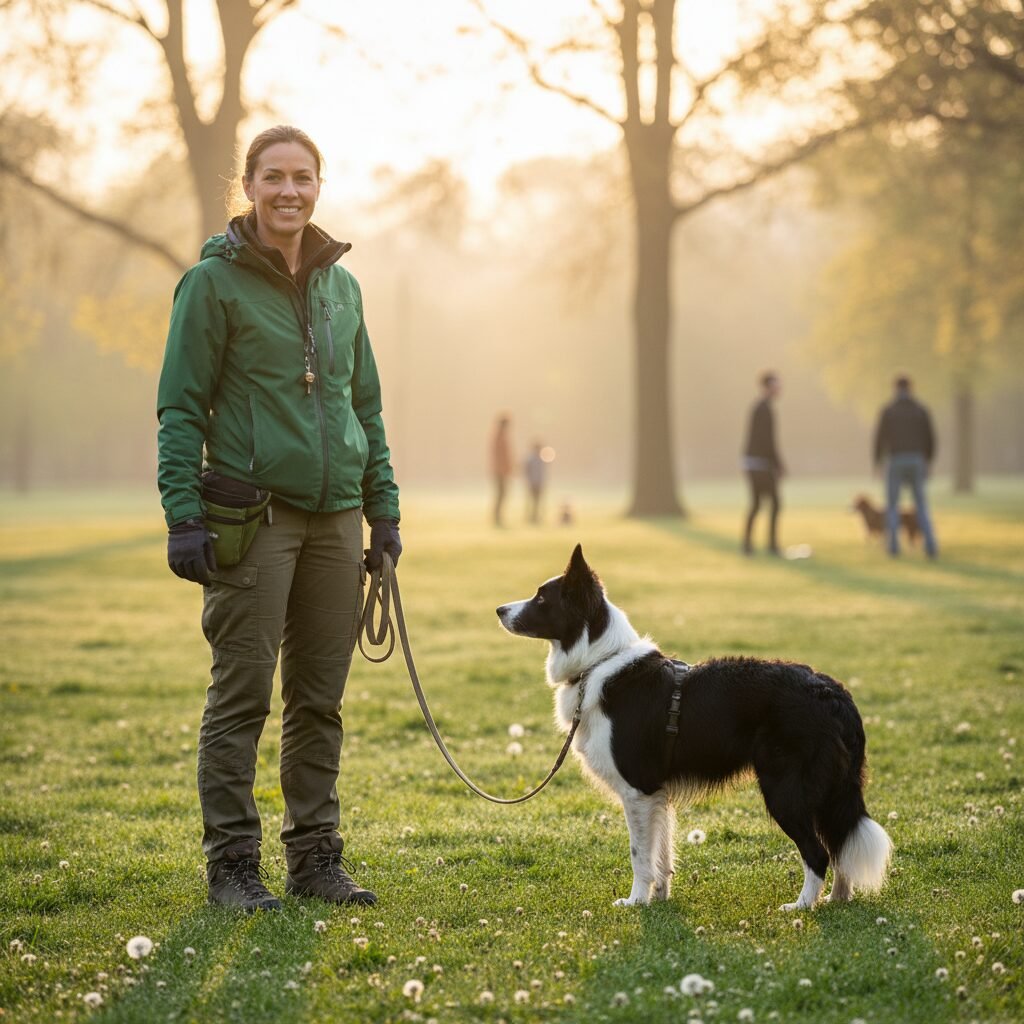
Owning a reactive dog can feel like a solitary confinement sentence. The lunging, barking, and hysterical displays of emotion at the sight of another dog or human are not only embarrassing; they are heartbreaking. At MasterYourDog.com, we understand that this behavior is rarely rooted in dominance or malice. It is rooted in fear.
Reactivity is a manifestation of a dog’s sympathetic nervous system kicking into overdrive—the biological "fight or flight" response. To master this, we cannot simply correct the behavior; we must change the underlying emotional state of the animal. We do not force socialization; we engineer confidence.
This comprehensive protocol moves beyond standard obedience. It utilizes the principles of systematic desensitization and counter-conditioning to rewire your dog’s brain. Below, we present the seven baby steps—or micro-progressions—required to take a dog from a state of chronic reactivity to a state of relaxed observation.
Mastery Takeaway: You are not training a behavior; you are training an emotion. Relaxation must happen before interaction.
The Science of Fear: Understanding Thresholds
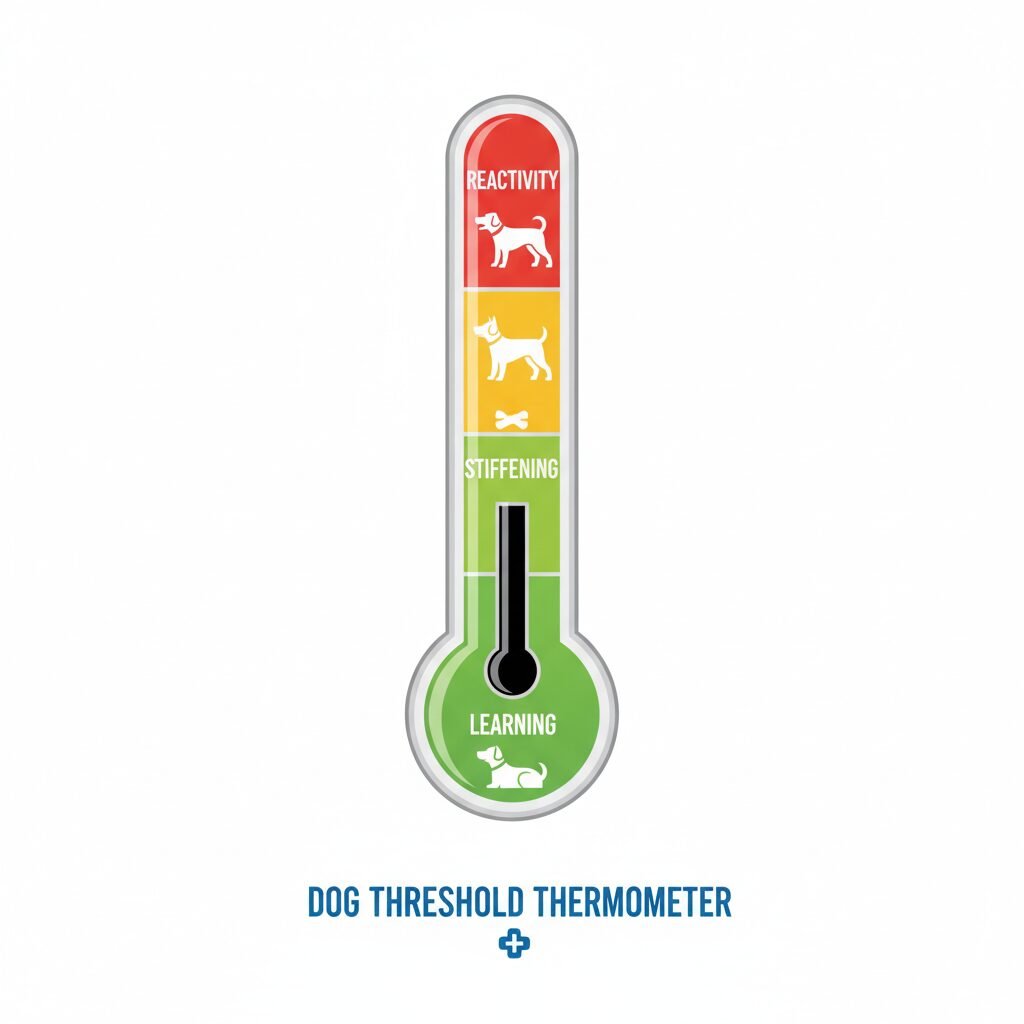
Before implementing the seven steps, you must understand the neurological landscape of your dog. A reactive dog is often a dog that has been pushed past their "threshold"—the distance or intensity at which they can no longer process information cognitively and switch to instinctual survival mode.
The Trigger Stacking Effect
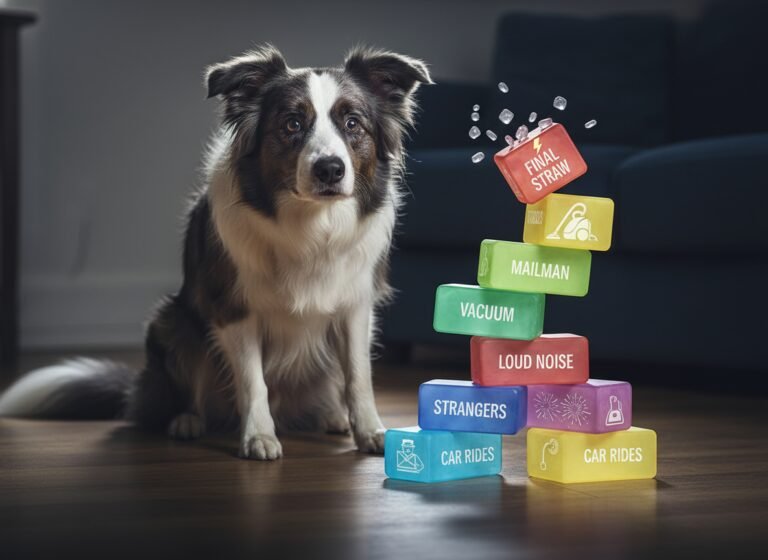
Fear is cumulative. If your dog hears a loud truck, then trips on the stairs, and then sees a strange dog, the reaction to the strange dog will be disproportionately severe. This is known as trigger stacking. To master socialization, you must manage the dog’s cortisol levels.
| State of Mind | Mastery Detail | Physiological Signs |
|---|---|---|
| Under Threshold | The Learning Zone. The dog notices the trigger but can disengage and eat treats. | Soft eyes, loose body, responsive to cues. |
| At Threshold | The Warning Zone. The dog creates tension; learning stops. | Fixated stare, closed mouth, stiff posture, furrowed brow. |
| Over Threshold | The Reactive Zone. Fight or flight activation. No training occurs here. | Lunging, barking, dilated pupils, refusal of food. |
Your goal throughout these seven steps is to keep your dog strictly in the Under Threshold zone. If your dog reacts, you have moved too fast.
The Master’s Toolkit: Essential Gear
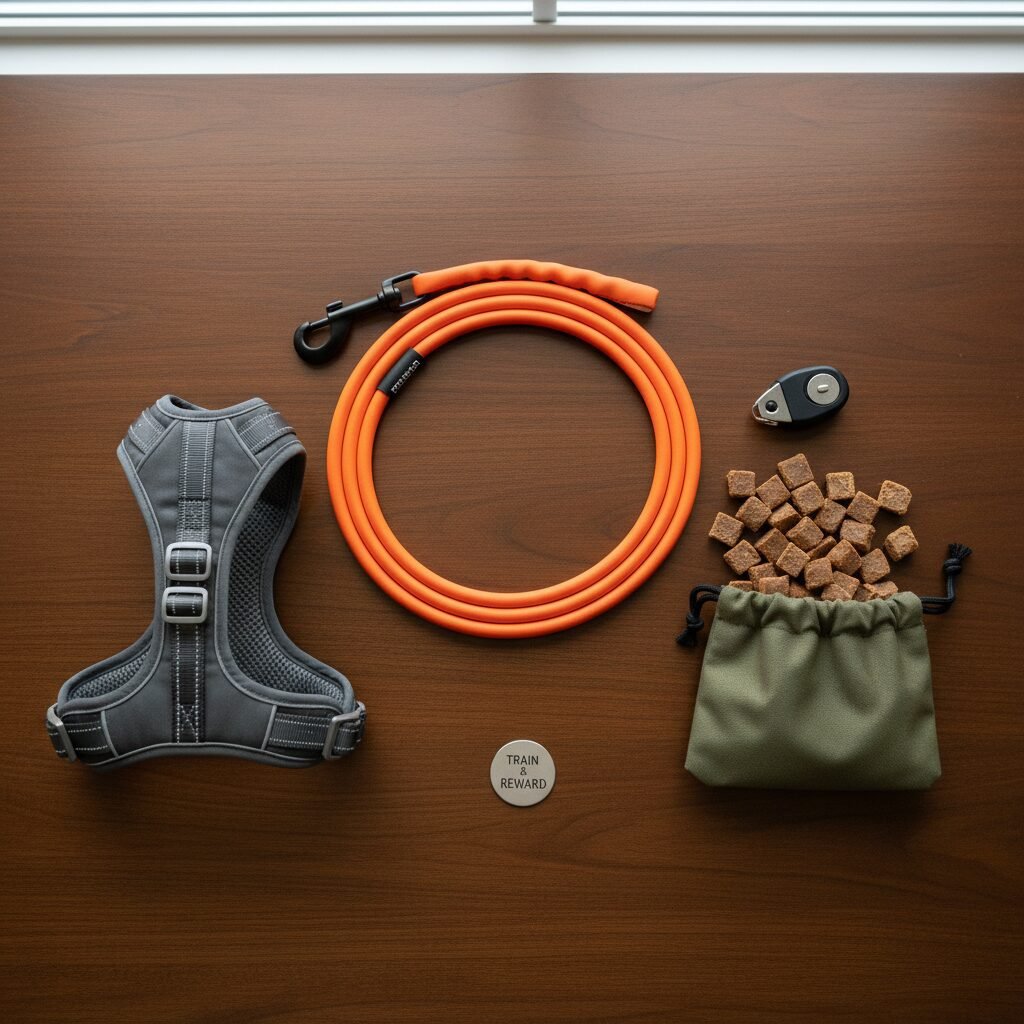
You cannot perform surgery with a dull scalpel, and you cannot rehabilitate a reactive dog with poor equipment. Safety and communication are paramount. At MasterYourDog.com, we advocate for gear that prevents injury while maximizing control.
| Equipment | Mastery Detail |
|---|---|
| Biothane Long Line (10-15ft) | Allows for decompression and freedom of movement while maintaining safety. Unlike retractable leashes, it offers fixed-length security. |
| Front-Clip Harness | Essential for redirecting the dog’s center of gravity without causing tracheal damage or increasing opposition reflex. |
| High-Value Reinforcers | Real meat (chicken, beef, liver). Dry kibble is insufficient for combating high-level fear. |
| Treat Pouch | Rapid delivery is critical. A magnetic-closure pouch ensures you can mark and reward within 1 second. |
Safety Warning: Never use aversive tools (prong collars or e-collars) on a fear-reactive dog during socialization. Pain suppresses behavior but increases the underlying negative association, creating a ticking time bomb.
Step 1: The Cortisol Detox (The Reset Phase)

The first step involves zero socialization. If your dog has been reacting daily, their body is flooded with cortisol, a stress hormone that can take up to 72 hours to dissipate. You cannot train a chemically stressed brain.
Protocol:
- Duration: 3 to 7 days.
- Action: Avoid all known triggers. Walk at odd hours (late night or early morning).
- Activity: Focus on enrichment at home—sniff mats, frozen kongs, and trick training.
This phase resets the dog’s baseline, preparing the neurological soil for the seeds of socialization.
Step 2: Mapping the Threshold
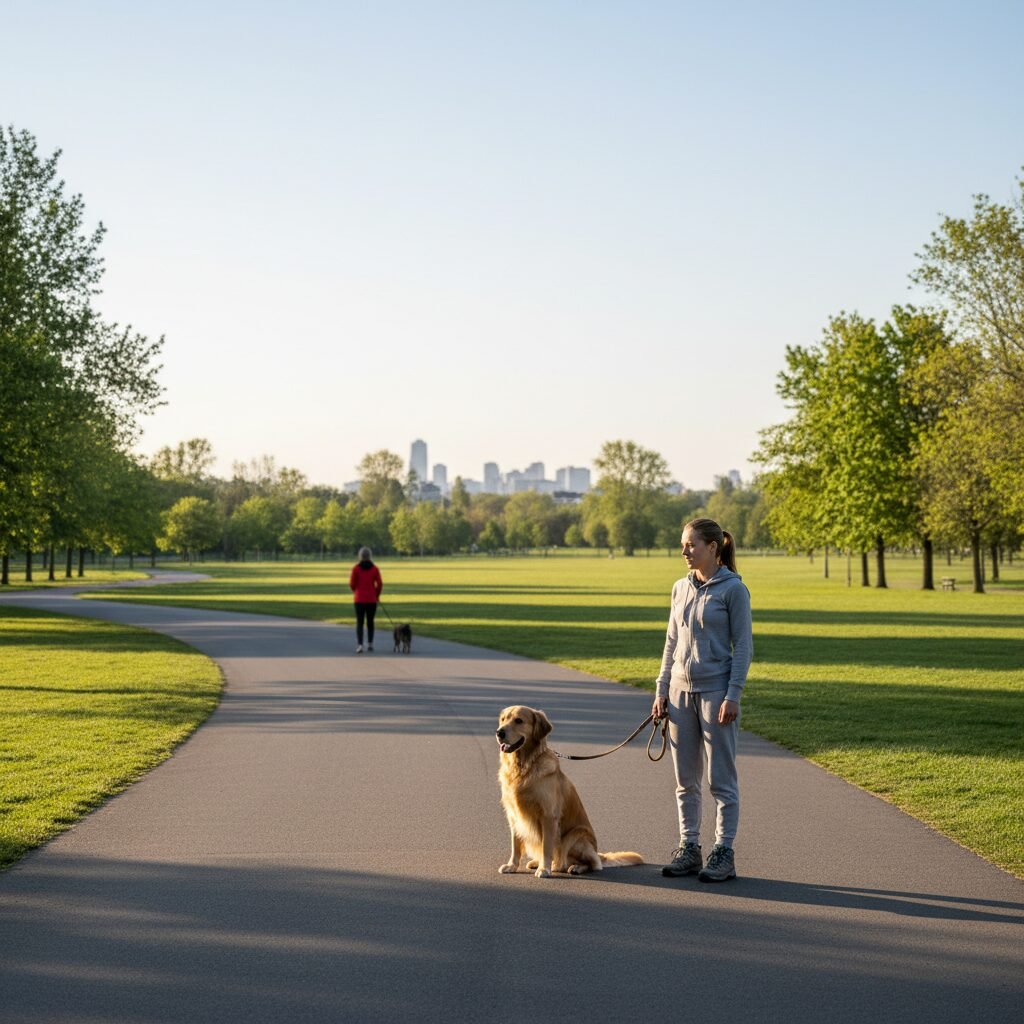
Once the detox is complete, we must identify the exact distance at which your dog notices a trigger but does not react. This is your starting line.
The Observation Method:
- Go to a location where dogs or people pass by at a significant distance (e.g., a large park or the far end of a parking lot).
- Observe your dog. At 100 feet, do they look? If they look and then look back at you, you are safe.
- If they stare for more than 3 seconds at 100 feet, you are too close. Move to 150 feet.
Mastery Rule: Distance is your best friend. It is better to be 50 feet too far than 5 feet too close.
Step 3: Loading the Mark (The Communication Bridge)
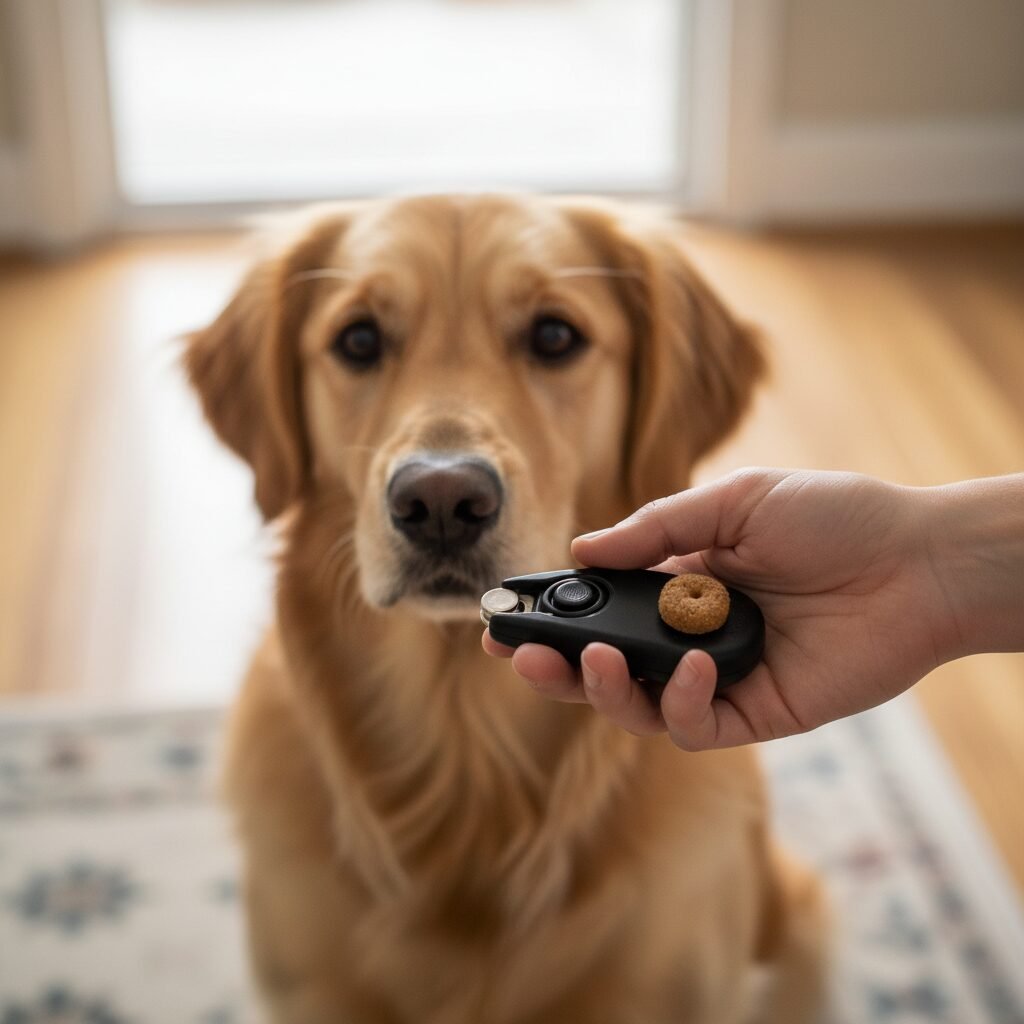
Before facing fears, your dog must understand the communication system. We use a "marker" (a clicker or a verbal "Yes!") to bridge the gap between a behavior and a reward.
- The Exercise: In a boring environment, say "Yes!" and immediately feed a high-value treat.
- Repetition: Do this 30-50 times a day until the dog’s head snaps toward you reflexively upon hearing the marker.
This Pavlovian conditioning creates a dopamine spike that we will later use to counteract the fear response.
Step 4: The ‘Look at That’ (LAT) Game
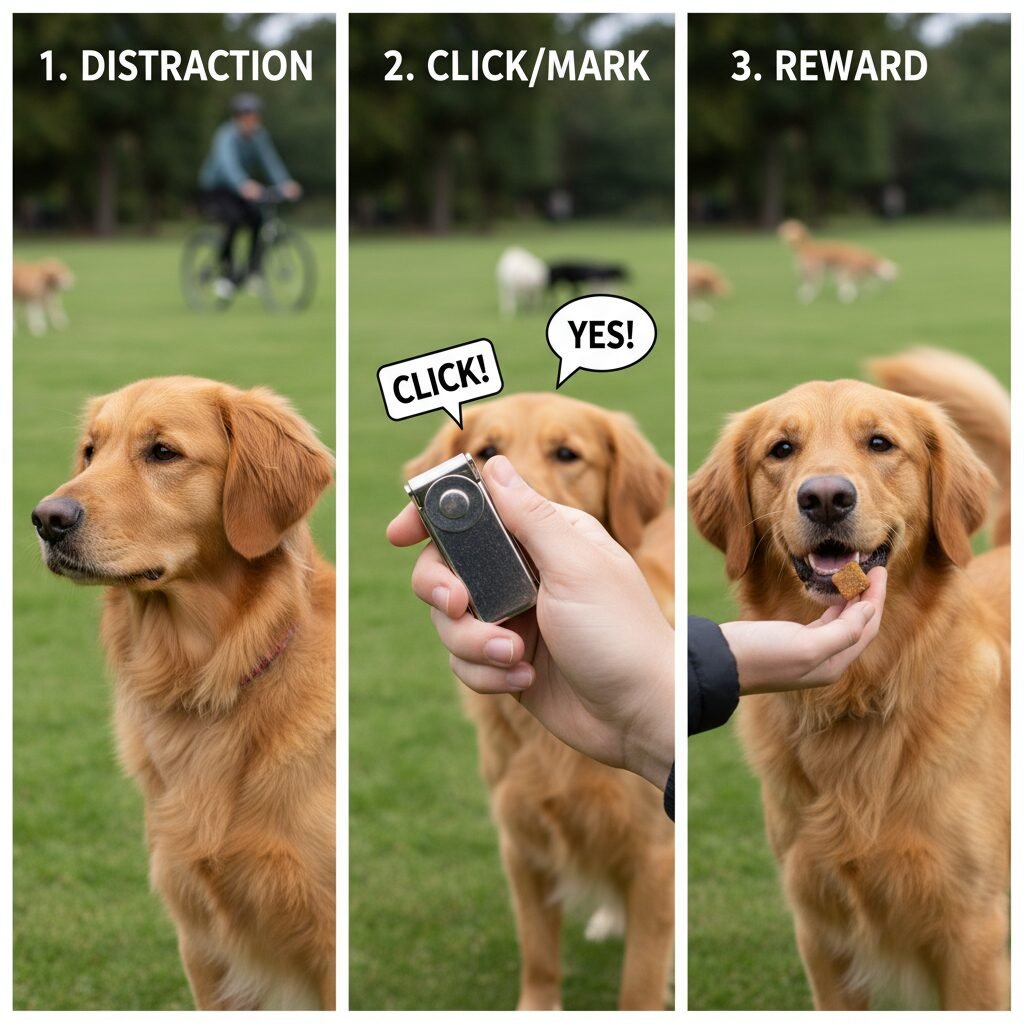
Now we combine the threshold and the marker. This is the core of counter-conditioning. We are changing the dog’s emotional response from "Oh no, a dog!" to "Oh look, a dog! Where is my payment?"
The Sequence:
- Spot: The dog sees the trigger (at the safe distance established in Step 2).
- Mark: The moment the dog looks at the trigger, you mark ("Yes!" or Click).
- Reward: The dog turns to you to collect the reward. Feed heavily.
Mastery Takeaway: We are rewarding the act of looking, not looking away. Looking away is the result of the reward history. We want the trigger to predict the treat.
Step 5: Parallel Walking (Dynamic Desensitization)
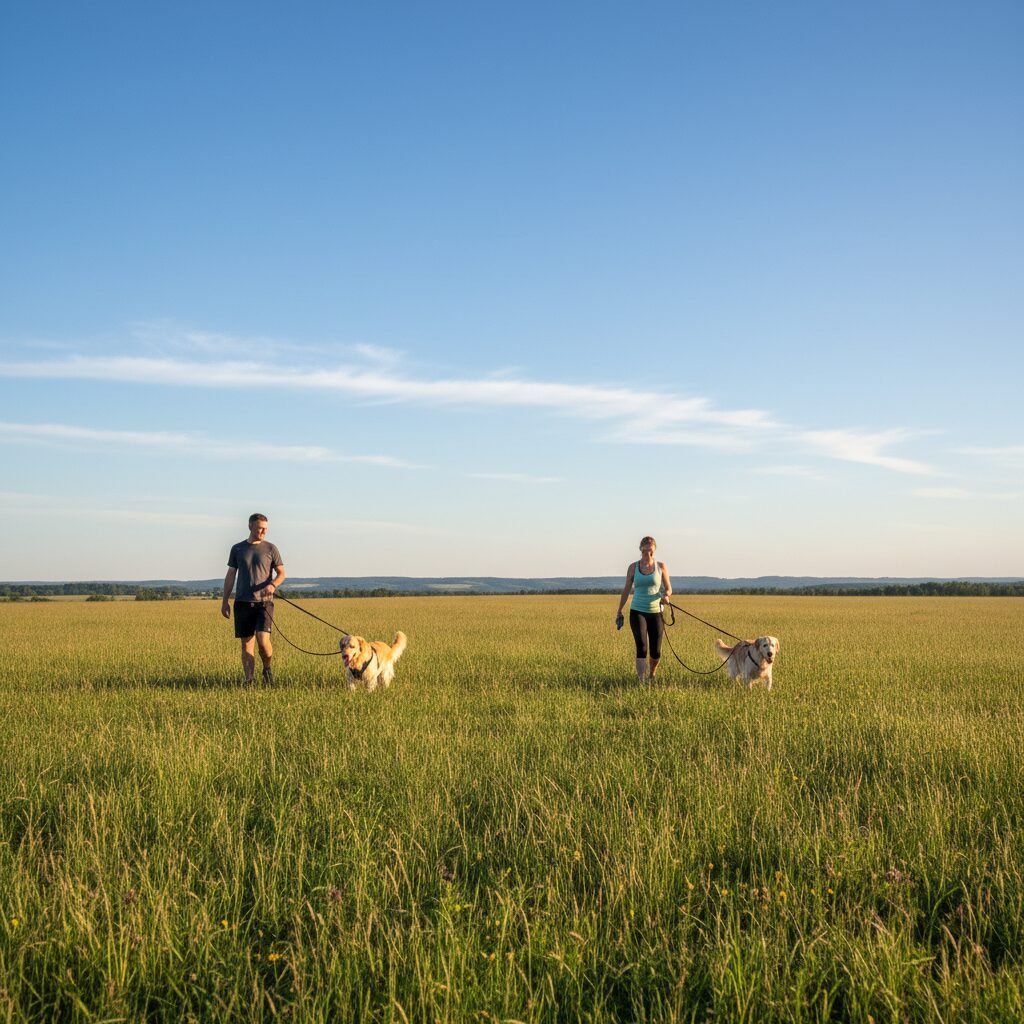
Static training can sometimes build tension. Movement dissipates it. Once your dog is comfortable observing triggers from a distance, recruit a stooge (a friend with a calm, non-reactive dog).
The Setup:
- Start with the dogs roughly 50-100 feet apart, walking in the same direction (parallel).
- Do not let the dogs meet. Just walk.
- If your dog remains loose and engages with you, you may gradually decrease the lateral distance by 5-10% over the course of the walk.
Walking together fulfills a primal migration instinct, building camaraderie without the pressure of face-to-face confrontation.
Step 6: The Arc Approach
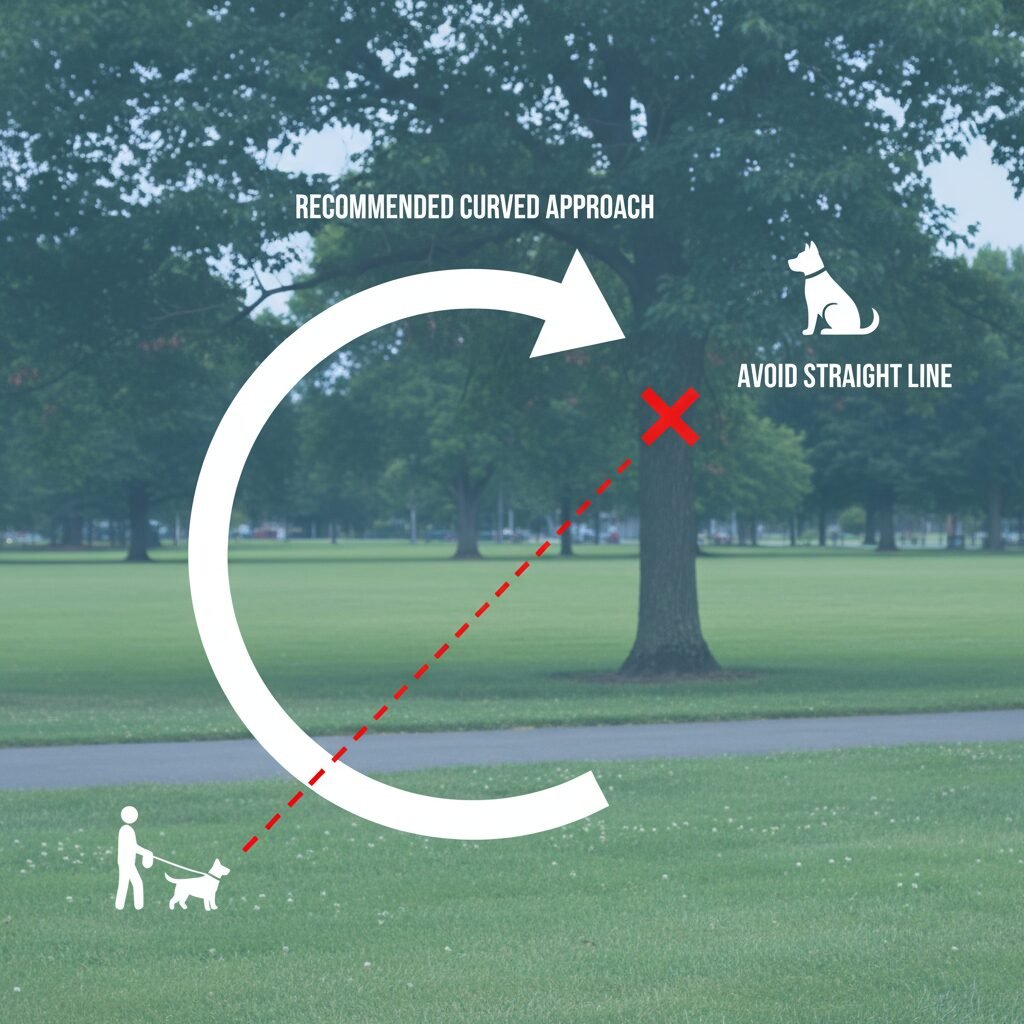
Dogs in the wild rarely approach each other head-on; direct eye contact and frontal approaches are rude and threatening in canine body language. We must mimic natural greeting curves.
When you are ready to close the gap (after weeks or months of successful parallel walks), use the Arc Method. Walk in a large semi-circle towards the other dog, allowing your dog to sniff the ground and gather olfactory information without forced interaction. If tension rises (tail goes up, body freezes), immediately arc away to disengage.
Step 7: The Three-Second Rule (Controlled Interaction)
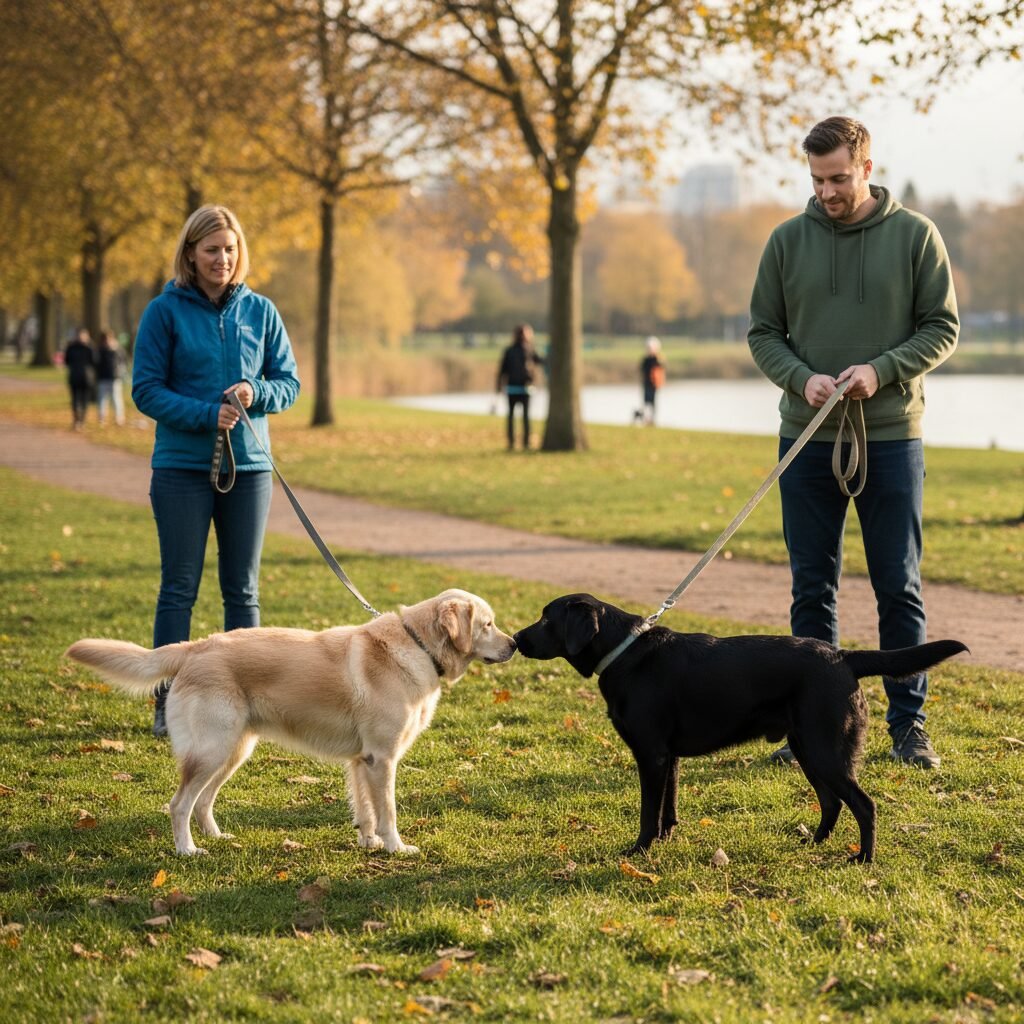
The final baby step is the actual physical contact. This should only happen if Step 6 is flawless. We utilize the Three-Second Rule to prevent over-arousal.
The Execution:
- Allow the dogs to sniff rear-ends (not faces) for 3 seconds.
- Call Away: cheerfully recall your dog ("Let’s Go!") and reward.
- Assess: Did the dogs shake off (a literal shake of the body)? This is a good sign of stress release.
Keep interactions short. Prolonged greetings often devolve into posturing or play that escalates into fighting for fearful dogs. Leave them wanting more.
Conclusion
Mastering a fearful dog is not about dominating their impulses, but about reshaping their perception of the world. By following these seven baby steps—from the cortisol detox to the three-second greeting—you are providing your dog with the coping mechanisms they lack.
Remember, progress is not linear. You will have good days and bad days. If you experience a setback, simply return to the previous step. Be the calm, authoritative leader your dog needs. Protect their space, advocate for their fears, and watch as they transform from reactive to relaxed.