10 Sensory Games Deaf Dogs Actually Love Playing
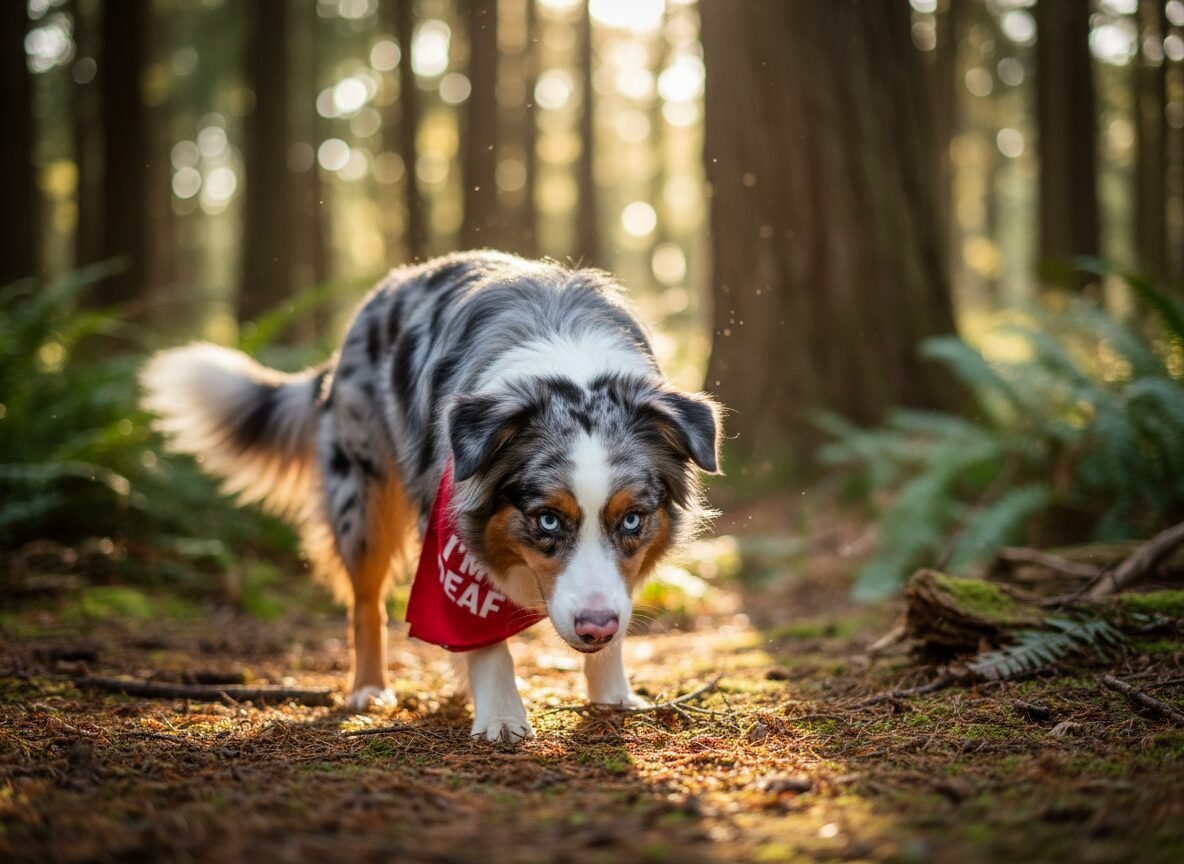
The diagnosis of deafness in a canine companion often elicits concern from owners about their dog’s quality of life. However, from a clinical and behavioral perspective, this concern is largely misplaced. A dog’s primary sense for interpreting the world is their extraordinary sense of smell, followed by their keen eyesight. The absence of auditory input does not create a void; it sharpens these other senses, creating a rich, vibrant sensory landscape that is simply different from our own.
Engaging a deaf dog is not about compensating for a deficiency. It is about learning to communicate and play within their unique perceptual world. Mental stimulation is as critical as physical exercise for a dog’s well-being. Without it, dogs—hearing or deaf—can develop anxiety, frustration, and destructive behaviors. The following games are designed by canine behaviorists to tap into your dog’s innate abilities, fostering confidence, strengthening your bond, and providing profound enrichment that satisfies their mind and body.
1. The Nose Work Treasure Hunt: Tapping into Primal Instincts
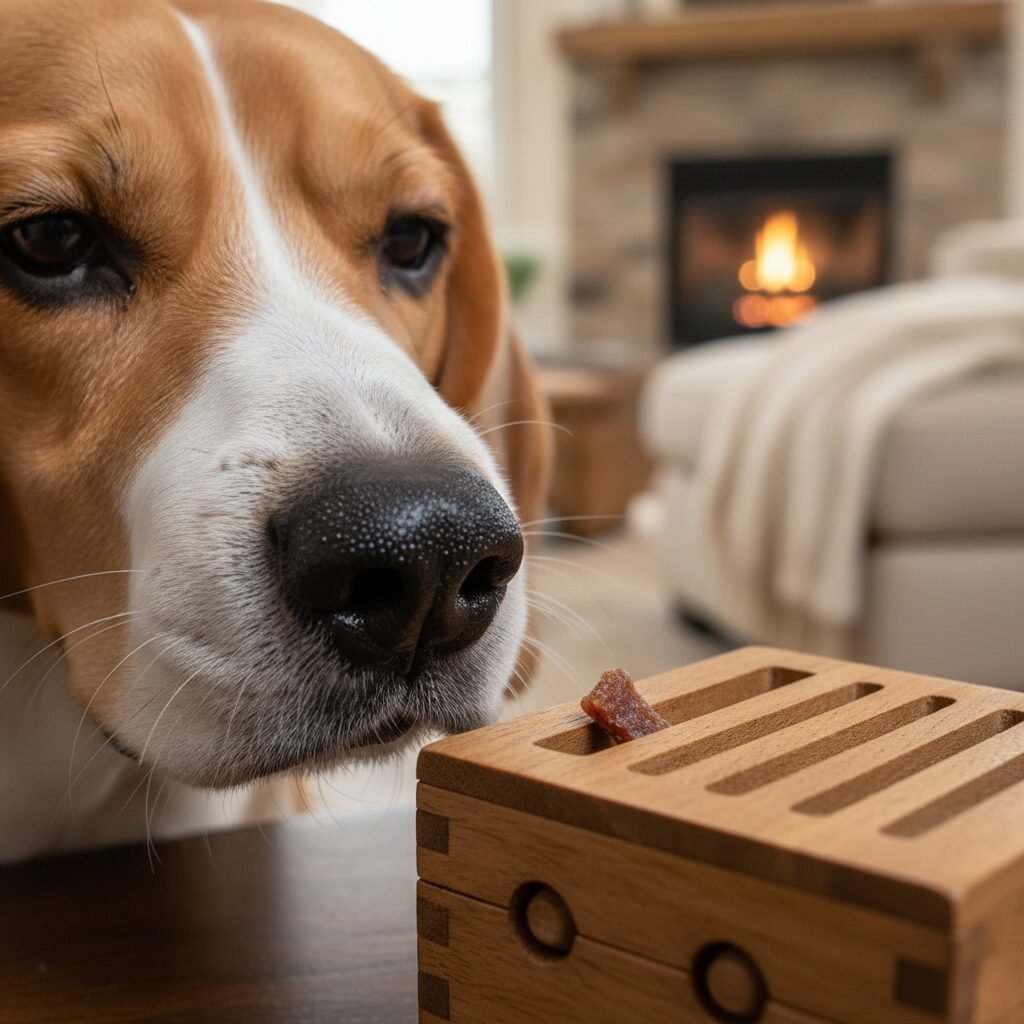
A dog’s nose is a biological masterpiece, containing up to 300 million olfactory receptors, compared to a human’s paltry six million. Engaging this superpower is one of the most fulfilling activities you can provide. A simple treasure hunt transforms your environment into a landscape of discovery, allowing your dog to perform a job they were born to do.
How to Play:
- Begin with Basics: In a quiet room with few distractions, allow your dog to watch you place a high-value, aromatic treat (such as freeze-dried liver or a small piece of cheese) under one of three identical, overturned cups.
- Establish a Visual Cue: Use a clear, consistent hand signal to initiate the game. A sweeping gesture towards the cups or a specific ‘find it’ sign in American Sign Language (ASL) works well. Consistency is paramount.
- Encourage Investigation: Let your dog use their nose to solve the puzzle. Resist the urge to point or help. When they indicate the correct cup by pawing or nudging it, offer immediate, enthusiastic visual praise (a thumbs-up, a wide smile) and the hidden reward.
- Progress the Challenge: As your dog masters the cup game, increase the difficulty. Hide treats in different locations around the room—behind a chair leg, under a rug’s corner, or inside a partially open drawer. This encourages them to rely solely on their sense of smell, building both skill and confidence.
2. The Magic Shell Game: A Canine Test of Concentration
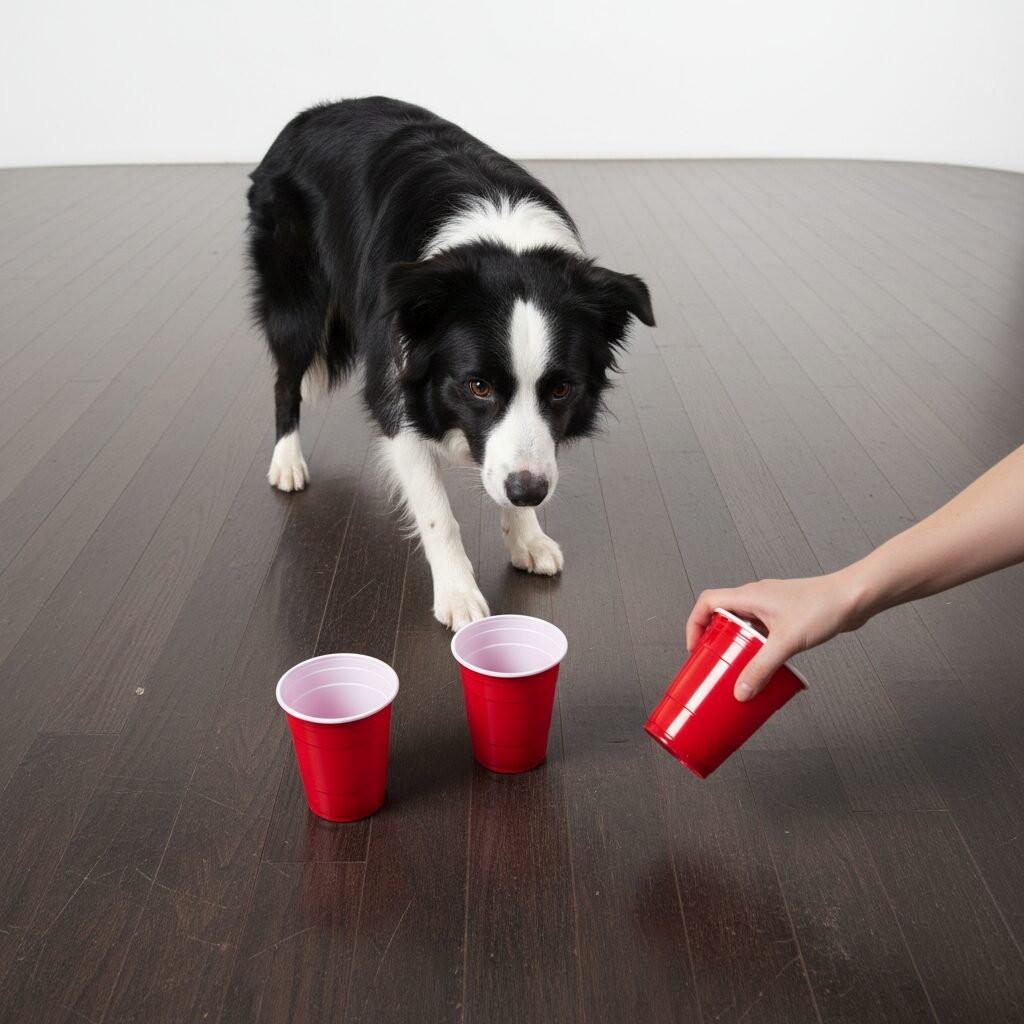
This classic sleight-of-hand game is an excellent tool for sharpening your deaf dog’s visual tracking skills and focus. It requires them to pay close attention to your hands and movements, strengthening the non-verbal communication between you.
How to Play:
- Show the Prize: Using three cups, show your dog which one you are placing the treat under. Do not move the cups yet. Tap the correct cup and reward them for sniffing or nudging it.
- Introduce Movement: Once they understand the concept, slowly slide the cups around. At first, make the movements minimal and obvious. Give your visual ‘find it’ cue.
- Reward Success: When your dog correctly identifies the cup, lift it to reveal the treat and offer praise. If they choose incorrectly, simply show them the empty cup, then reveal the correct one without giving them the treat. Reset and try again with a slower shuffle. This teaches them the parameters of the game without punishment.
- Increase Speed and Complexity: As their skill improves, make your shuffles faster and more complex. This game is a fantastic mental workout that can be played anywhere.
3. The Flirt Pole Chase: Engaging Prey Drive Safely
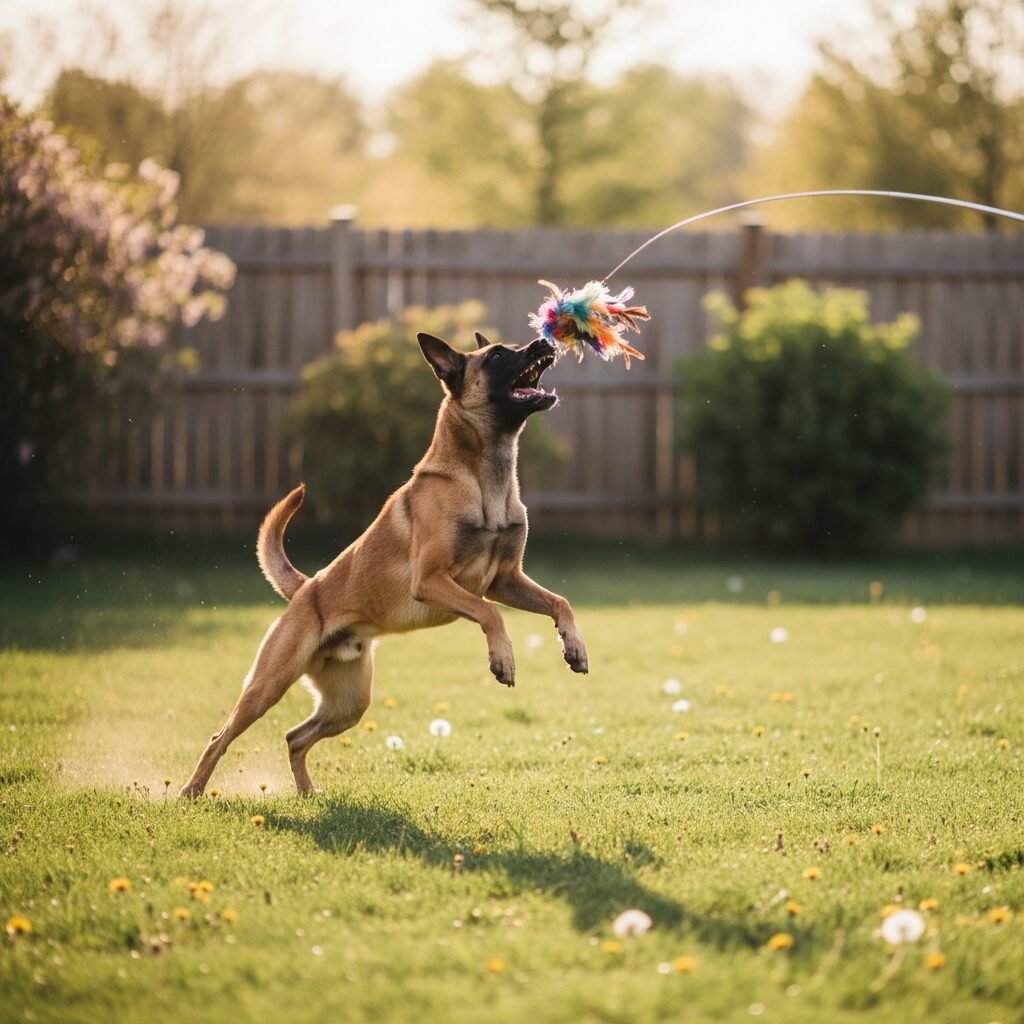
A flirt pole is essentially a large-scale cat toy for dogs—a long pole with a rope and a lure attached. It is an exceptional tool for exercising your dog and practicing impulse control, channeling their natural prey drive into a structured, safe activity.
How to Play and Safety Protocols:
- Choose a Safe Area: Use the flirt pole on a soft, non-slip surface like grass to protect your dog’s joints from the high-impact movements of jumping and turning.
- Teach the Rules Visually: Before the chase begins, establish visual cues for ‘go’ (e.g., pointing at the lure) and ‘stop’ or ‘drop’ (e.g., an open-palm hand signal). Practice these cues in a calm state first.
- Engage in Play: Move the pole so the lure skitters along the ground, encouraging your dog to chase. Keep sessions short, around five to ten minutes, to prevent over-arousal and physical exhaustion.
- Always Let Them ‘Win’: Periodically allow your dog to catch the lure. This is crucial for their satisfaction and prevents the frustration that can lead to obsessive behaviors. Once caught, trade the lure for a high-value treat to reinforce the ‘drop it’ cue.
4. Puzzle Toys and Snuffle Mats: The Brain-Boosting Meal
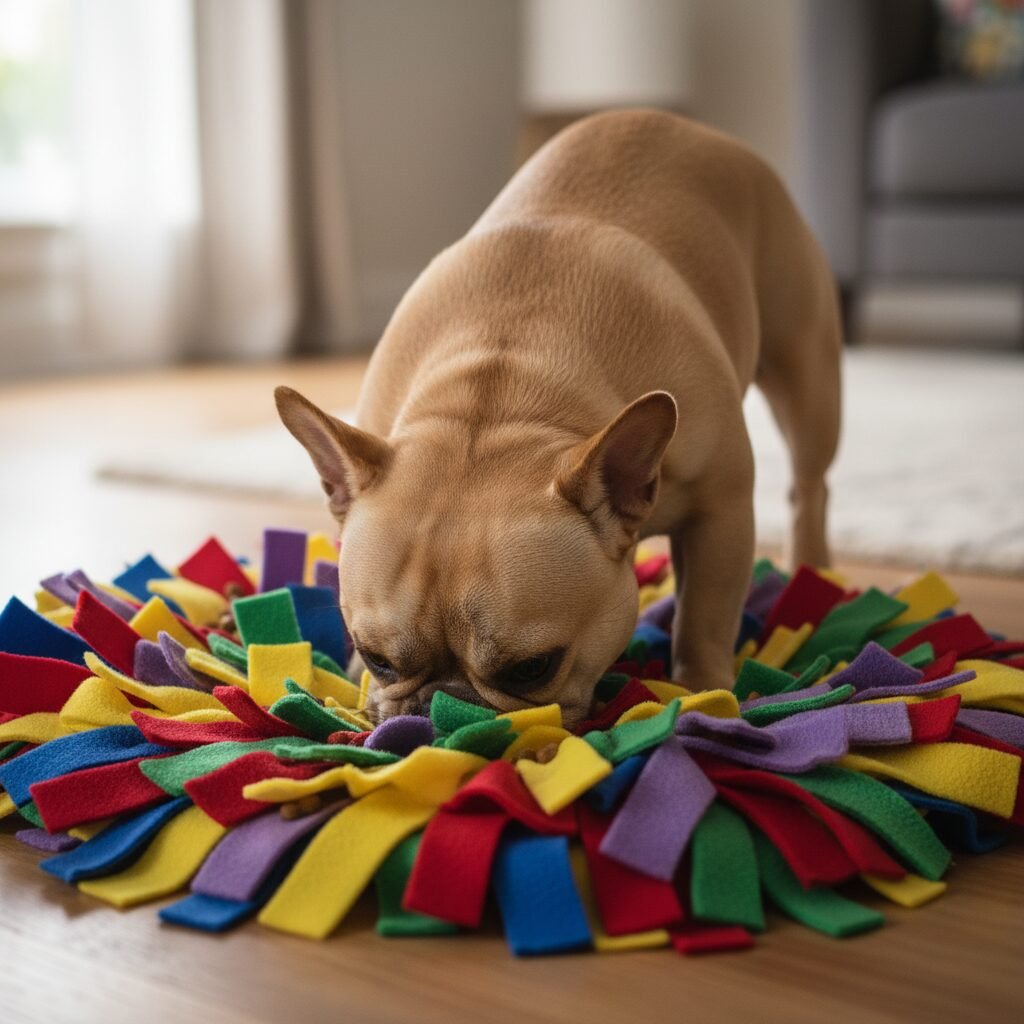
For many dogs, mealtime is over in seconds. Interactive puzzle toys and snuffle mats transform feeding from a routine event into a challenging, problem-solving session. This form of enrichment mimics the foraging behaviors of their wild ancestors, providing deep mental satisfaction.
Enrichment Strategies:
- Snuffle Mats for Beginners: These fabric mats with fleece strips are perfect for introducing the concept of foraging. Simply sprinkle your dog’s kibble or dry treats into the mat and let their nose do the work.
- Food-Dispensing Toys: Toys like the KONG Classic or various treat balls require the dog to nudge, roll, or paw at the object to release food. This provides both mental and mild physical stimulation.
- Advanced Puzzle Toys: For canine Einsteins, complex puzzles with sliding compartments, levers, and hidden chambers offer a significant challenge. Always supervise your dog with new puzzle toys to ensure they do not become frustrated and chew the toy itself.
By making a dog work for their food, you are fulfilling a deep-seated behavioral need. This simple change can significantly reduce boredom-related behaviors throughout the day.
5. The Vibration ‘Find It’ Game: A Modern Sensory Twist
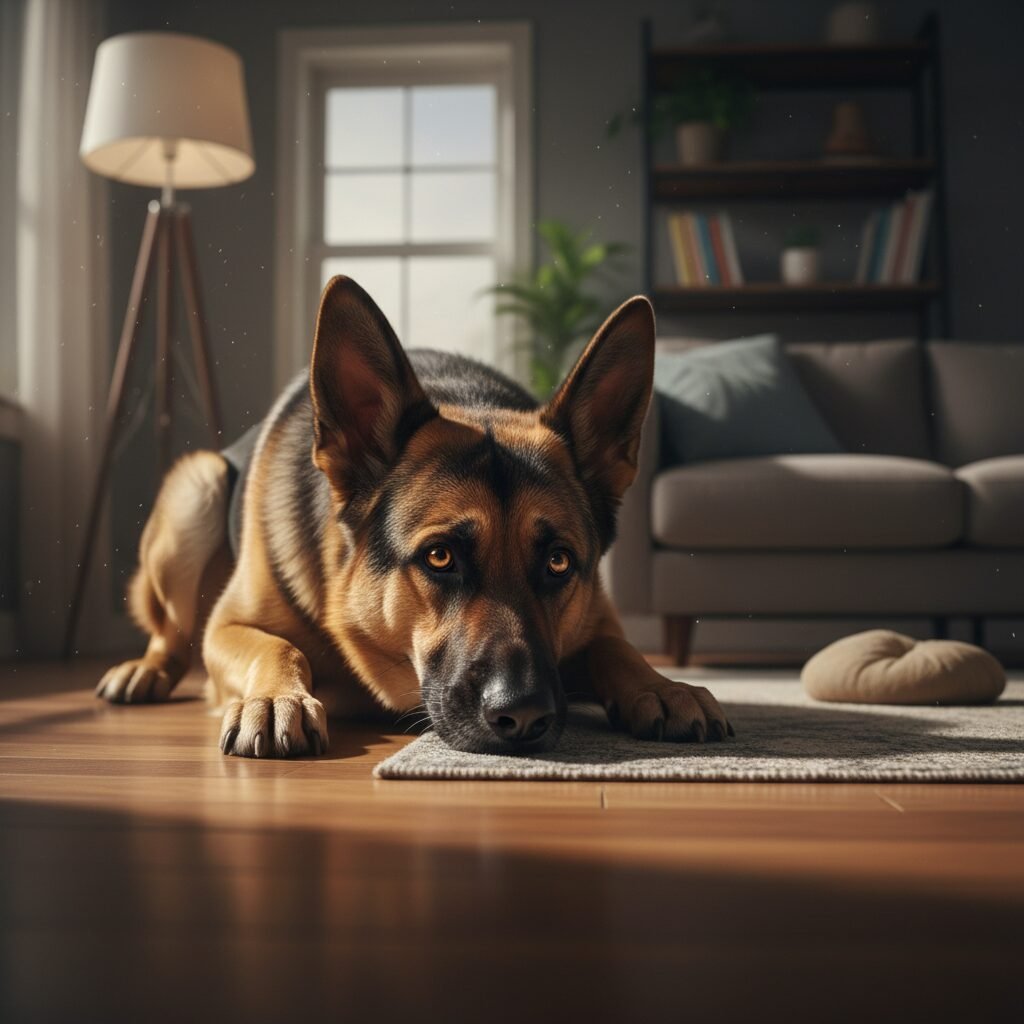
This game leverages a dog’s sensitivity to ground-level vibrations, a sense often heightened in deaf animals. It uses modern technology to create a unique and engaging version of hide-and-seek. It is critical to use a vibration-only collar, never a tool that delivers static stimulation (a ‘shock collar’). Alternatively, a smartphone set to vibrate works perfectly.
How to Train This Behavior:
- Create a Positive Association: Start by holding the vibrating object (collar or phone) in your hand. Activate the vibration and immediately give your dog a high-value treat. Repeat this until the dog shows happy anticipation upon feeling the vibration.
- Place the Object Nearby: Place the vibrating object on the floor a few feet away. When the dog investigates it, reward them.
- Begin Hiding: Start with easy hides, such as placing the object under a light blanket or pillow while your dog watches. Give your ‘find it’ cue. When they locate it, reward them lavishly.
- Increase the Search Area: Gradually increase the difficulty by hiding the object in different rooms, encouraging your dog to feel for the vibration through the floor. This is a powerful confidence-building exercise.
6. Scent Trail Adventures: A Detective Story for Your Dog
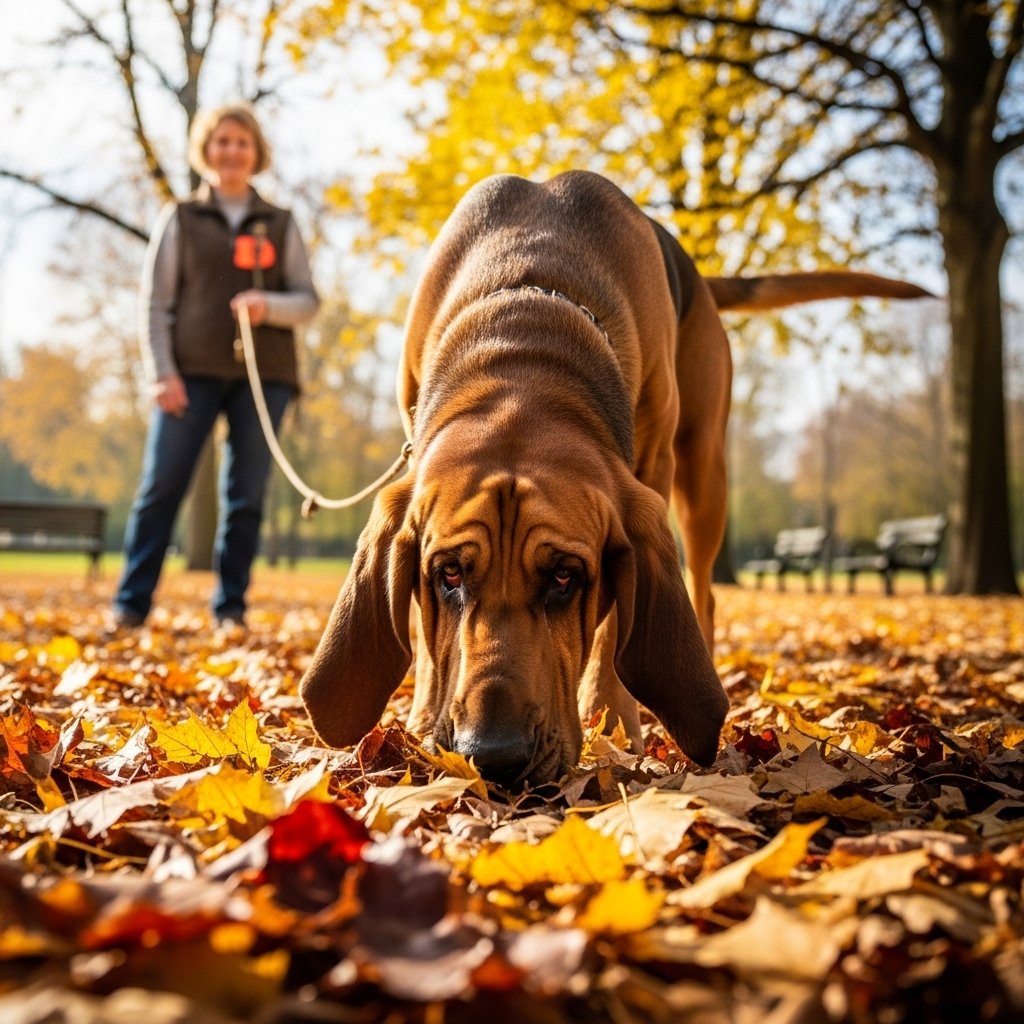
This activity elevates basic nose work into a full-fledged tracking exercise. It requires your dog to stay focused on a single, specific scent over a distance, ignoring other environmental smells. It is a profoundly instinctual and rewarding job for any dog.
Laying the Trail:
- Choose a Unique Scent: Use a scent your dog doesn’t normally encounter, such as a few drops of anise, lavender, or clove essential oil on a cloth rag (the ‘scent article’).
- Create the Trail: While your dog is secured elsewhere, drag the scent article along the ground in a short, straight line—perhaps 20 feet to start. At the end of the trail, leave a ‘jackpot’ reward: a small pile of delicious treats or a favorite toy.
- Introduce the Scent: Bring your dog to the start of the trail. Let them sniff the scent article in your hand, then give your ‘find it’ cue while pointing to the ground where the trail begins.
- Follow Your Dog: Keep them on a long line but let them lead the way. If they get distracted, guide them back to the trail. Celebrate enthusiastically when they find the jackpot. As they improve, make the trails longer and add turns.
7. The Light Chase: Harnessing Visual Acuity with Caution
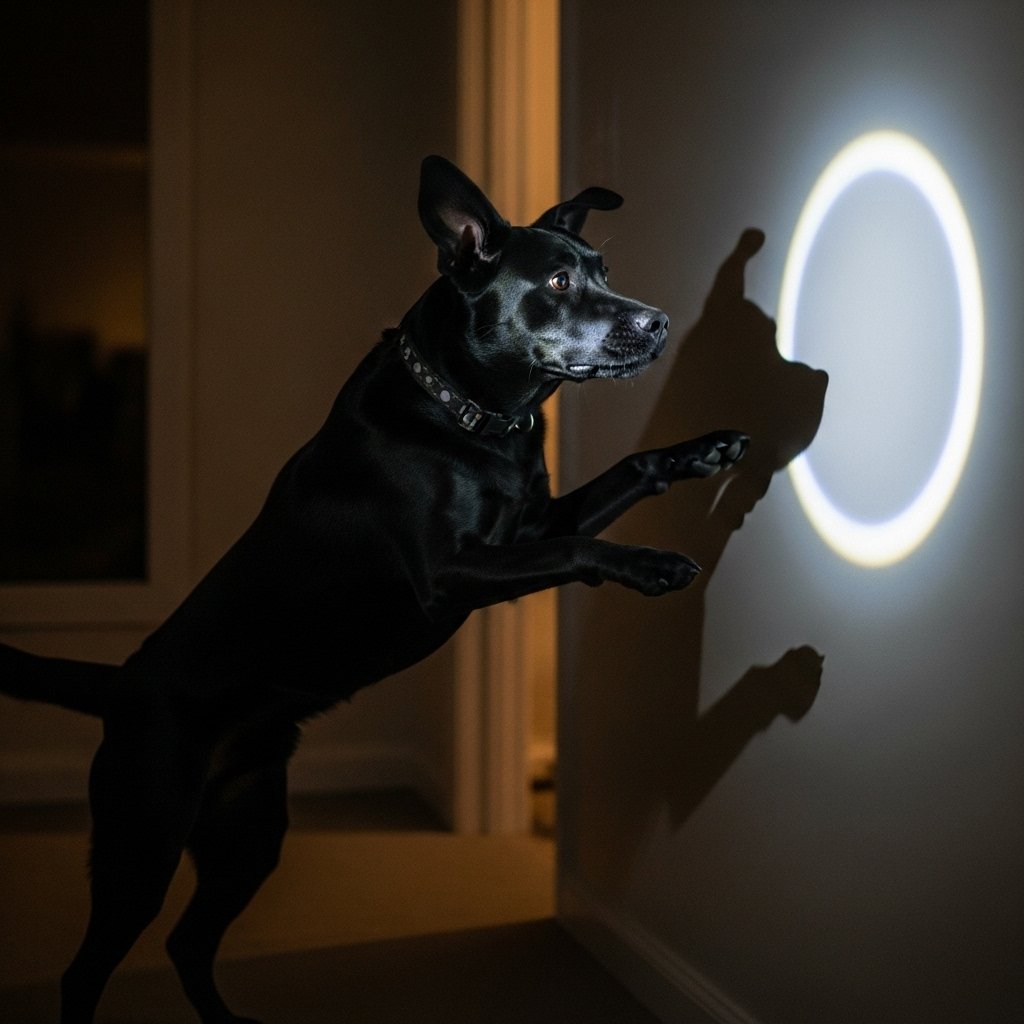
Many dogs are highly motivated by moving lights. This can be a great way to provide physical activity indoors, but it comes with a significant behavioral warning. Chasing a light that can never be caught can lead to obsessive-compulsive behaviors, known as ‘laser pointer syndrome.’ This game must be played correctly to be safe and fun.
Safe Play Protocol:
- Use a Flashlight: A regular flashlight is often preferable to a laser, as the beam is less intense.
- The Critical Rule: The light chase must always end with a tangible reward. The goal is to prevent the frustration of an uncatchable prey.
- How to Play Safely: Dart the light around the floor and walls. After a minute or two of chasing, lead the light beam to a pre-placed, high-value treat on the floor. Let the light ‘land’ on the treat, and allow your dog to ‘catch’ and eat it. This provides a satisfying conclusion to the hunt.
- End the Session: After they consume the treat, turn the light off and put it away. This clear ending helps prevent obsessive fixation.
8. The Texture Tour: A Journey for the Paws
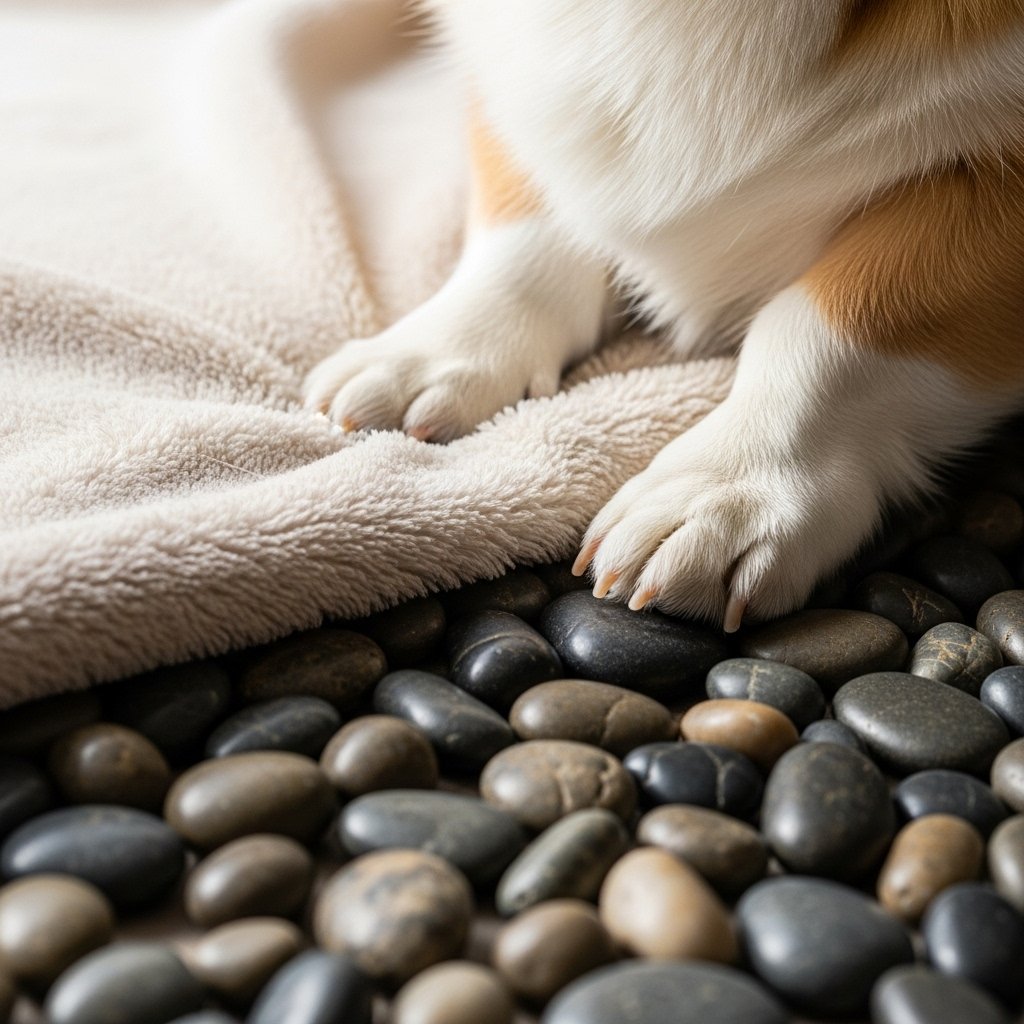
A dog’s paws are highly sensitive and provide a great deal of sensory information. Creating a ‘texture tour’ is a unique way to stimulate their sense of touch, build confidence with new surfaces, and improve body awareness (proprioception).
Creating a Texture Path:
Set up a pathway in your home or yard using a variety of safe materials for your dog to walk over. The goal is exploration, not an obstacle course. Use positive reinforcement to encourage them to step on each new surface. Some ideas include:
- A fluffy bath mat
- A shallow tray of sand or smooth river stones
- A crinkly (but sturdy) tarp
- A piece of artificial turf
- Bubble wrap (for brave dogs)
- A slightly wobbly cushion
This simple exercise encourages them to think about where they are placing their feet and builds confidence in navigating an unpredictable world.
9. The ‘Look at That’ Game: Building Visual Engagement
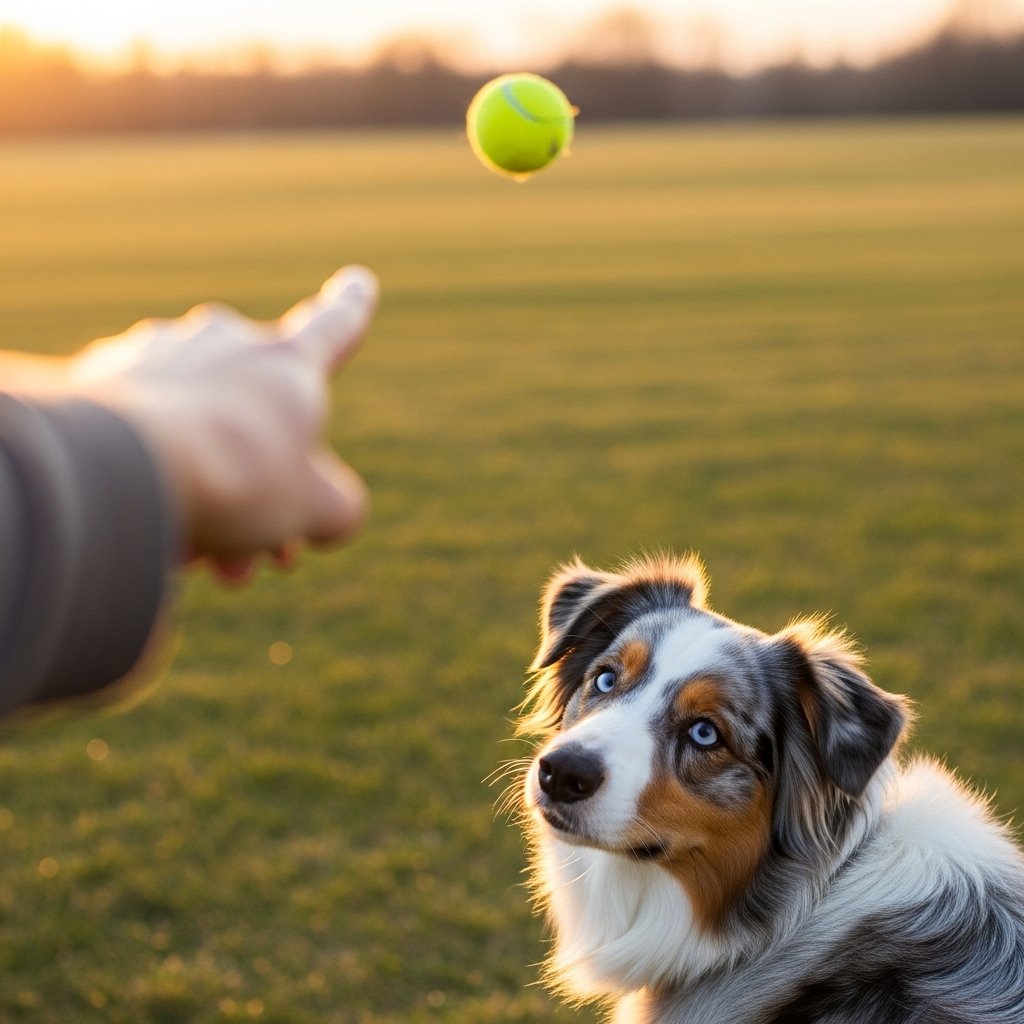
Adapted from the work of renowned trainer Leslie McDevitt, this game is a powerful tool for teaching a deaf dog to check in with you and take cues from your focus. It establishes a strong pattern of communication: ‘You see something, you look to me for information.’ This is invaluable for managing reactions to stimuli in the environment.
How to Play:
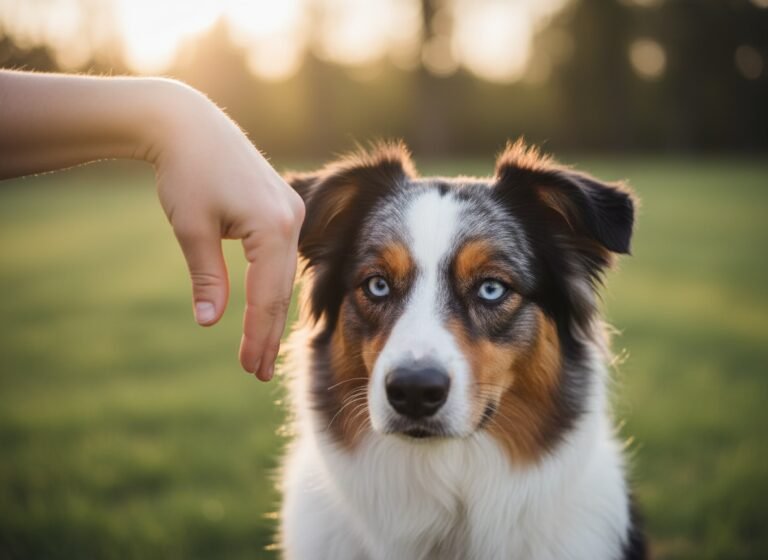
- Start without Distractions: In a quiet area, point to a neutral object (e.g., a chair). The moment your dog’s gaze follows your finger to the object, use a visual marker (like a thumbs-up or a hand flash) and reward them.
- Build the Connection: The goal is for the dog to look at the object, and then immediately look back at you, expecting the reward. This creates a beautiful feedback loop.
- Generalize the Behavior: Once they understand the game, start practicing in more distracting environments. Point out a person walking by, a squirrel, or another dog at a distance. Mark and reward them for looking at the object and then checking back in with you. This game redirects their focus and teaches them to seek your guidance.
10. Bubble Bonanza: Simple, Joyful Visual Fun
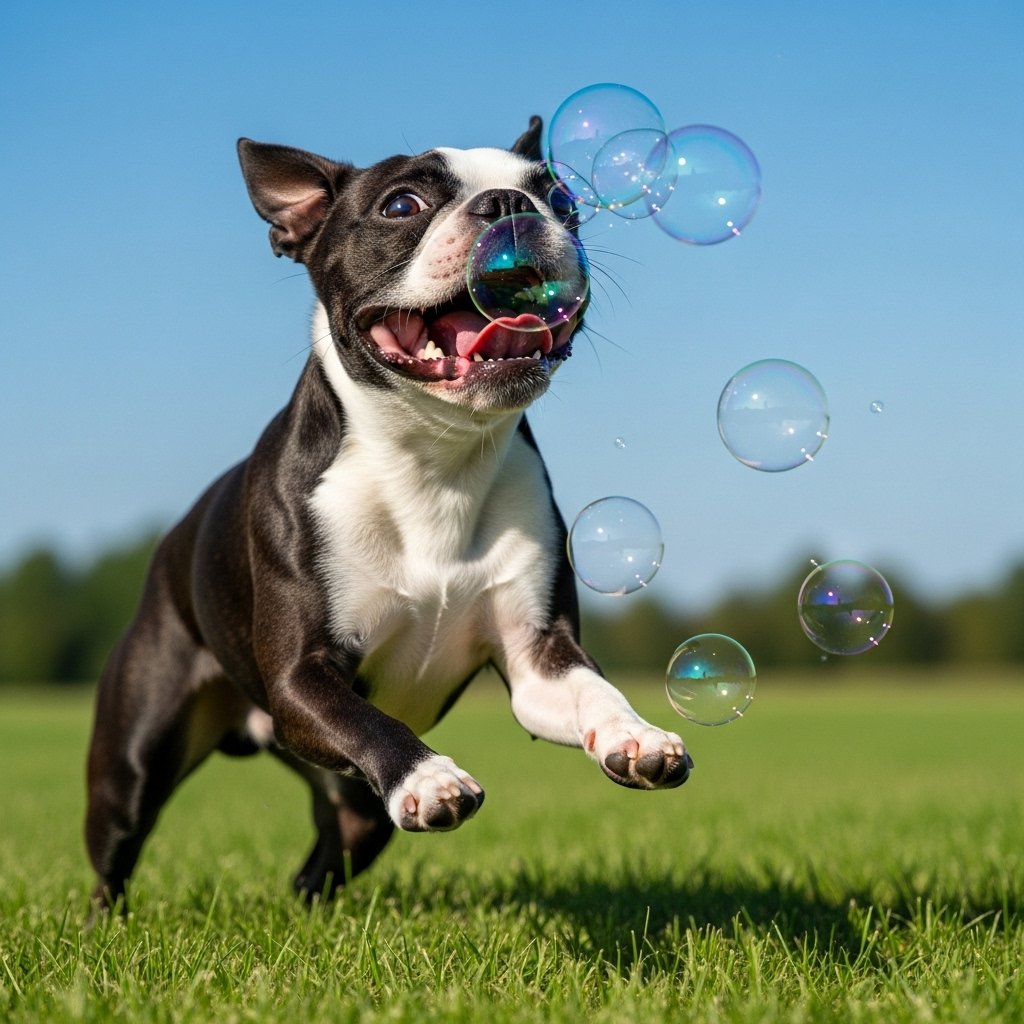
Never underestimate the power of simple, uncomplicated fun. Chasing bubbles is a wonderful activity that engages a dog’s visual tracking skills and prey drive in a low-impact, joyful way. It requires minimal setup and is almost universally loved by dogs.
Tips for a Great Game:
- Use Pet-Safe Bubbles: Ensure the bubble solution you use is non-toxic and specifically formulated for pets. Many brands offer flavored bubbles, such as bacon or peanut butter, which adds an exciting scent component to the game.
- Play Outdoors: While you can play indoors, it’s best to play outside to avoid soapy, slippery floors.
- Keep it Light: This isn’t a training session; it’s pure play. Blow bubbles into the air and let your dog chase, jump, and snap at them. It’s a fantastic way to de-stress (for both of you) and end a training session on a high note.
Conclusion
Engaging your deaf dog in these ten sensory games does far more than just alleviate boredom. Each activity is a conversation, a way of communicating and building trust in a language they understand fluently—the language of scent, sight, and touch. By focusing on their inherent strengths, you empower them to navigate the world with confidence and curiosity.
Your dog’s deafness is not a limitation; it is a characteristic. By embracing their unique perception, you will strengthen your bond and discover the profound intelligence and adaptability of your canine companion. You will see that your dog is not missing out on the world, but rather experiencing it in a different, and equally beautiful, way.