Blind Dog Proofing: How to Map Your Home with Scents and Textures
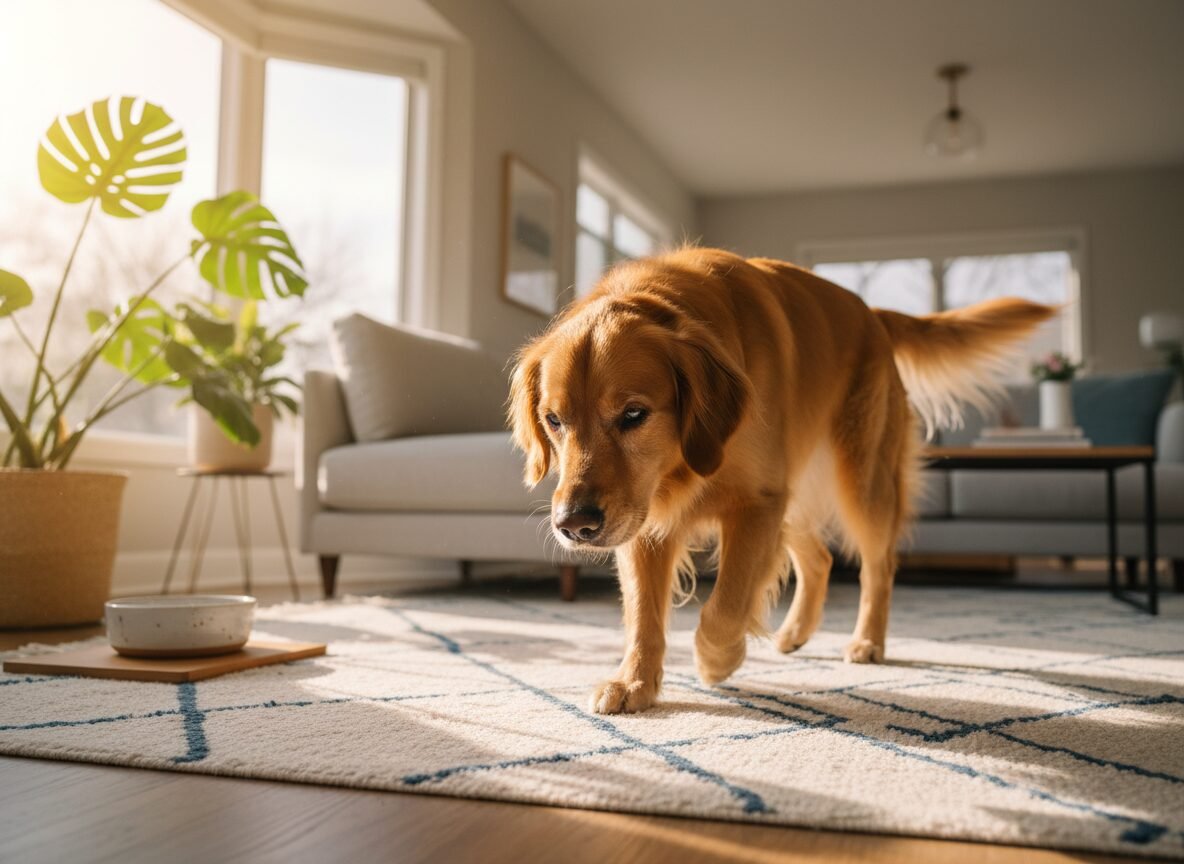
The diagnosis of vision loss in a canine companion presents a significant emotional and logistical challenge for any pet owner. It is natural to feel a sense of helplessness as you watch your once-confident dog become hesitant and uncertain. However, it is critical to understand that a dog’s world is not defined solely by sight. Their primary senses—smell and touch—are extraordinarily powerful. By leveraging these innate abilities, you can do more than just accommodate their condition; you can empower them to rebuild their mental map of the world, restoring their independence and quality of life. This guide provides a systematic, expert-led approach to proofing your home and creating a rich sensory landscape. We will move beyond simple safety measures and delve into the science of mapping your home with specific scents and textures, transforming a potentially frightening space into a predictable and secure environment.
Understanding the Sensory Shift: Life Without Sight
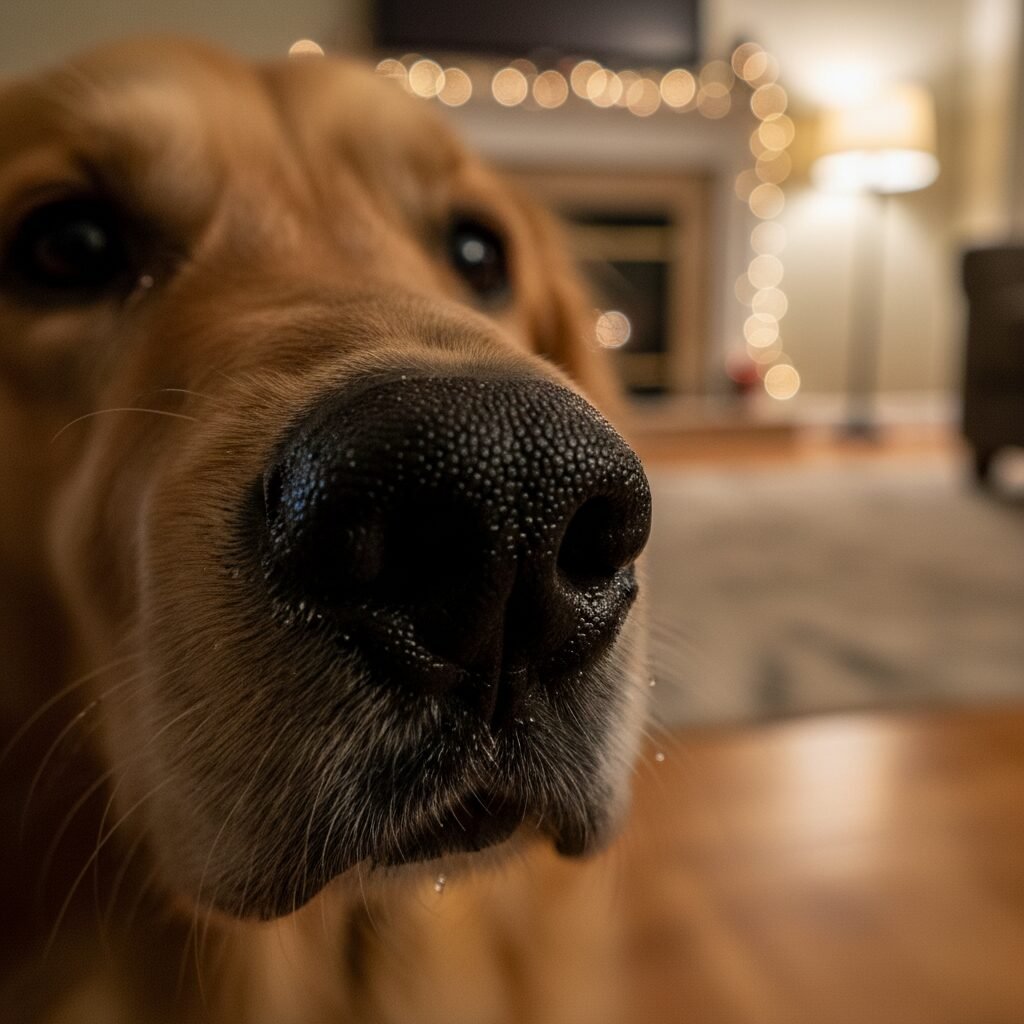
When a dog loses its sight, its brain undergoes a remarkable process of neuroplasticity, reallocating sensory processing power to its remaining senses. The olfactory bulb, the part of the brain responsible for smell, is already proportionally 40 times larger in dogs than in humans. In a blind dog, its importance magnifies. They begin to ‘see’ the world through a complex tapestry of scents that we can barely perceive. Every piece of furniture, every person, and every doorway has a unique olfactory signature that forms a point on their internal GPS.
Simultaneously, their sense of touch becomes more acute. The paws, rich with nerve endings, are not just for walking; they become sophisticated instruments for reading the environment. The difference between a cool tile floor, a plush carpet, and a rough doormat provides critical information about location and proximity to important resources. This heightened reliance on tactile feedback, combined with proprioception—the body’s innate awareness of its position in space—allows a blind dog to navigate with surprising precision once they have a reliable map to follow. Your role is not to guide their every step, but to provide the clear, consistent sensory signposts they need to build this new map themselves.
Phase One: Conducting a Comprehensive Safety Audit
Before implementing any sensory mapping, the primary and non-negotiable first step is to neutralize potential hazards. You must learn to perceive your home from your dog’s new perspective—at their eye level and without the benefit of sight to anticipate danger. This audit must be thorough and systematic. Get on your hands and knees and crawl through your home to identify risks you would otherwise overlook.
Key Hazard Categories to Address:
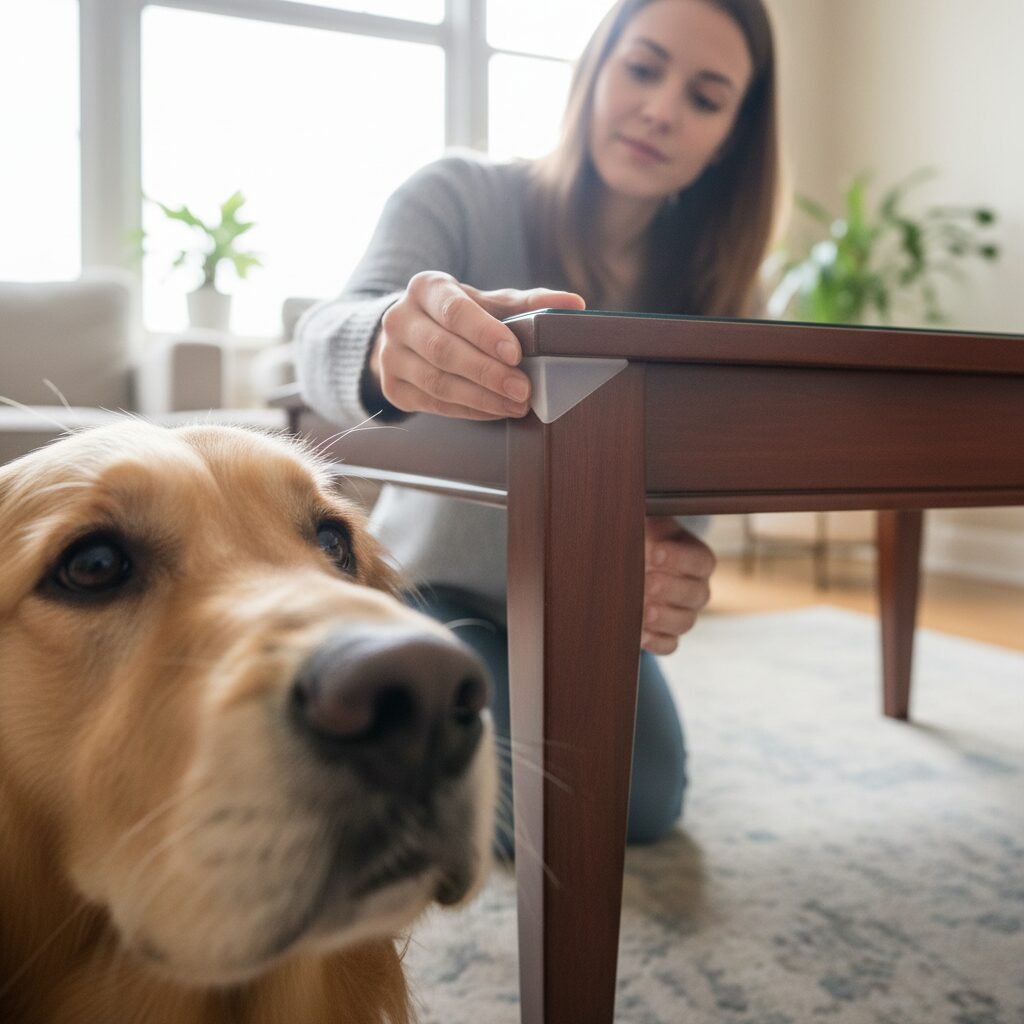
- Sharp Edges and Corners: Coffee tables, low-standing media consoles, fireplace hearths, and sharp wall corners are significant collision risks. These can cause serious injury to the head and eyes.
- Stairs and Drop-offs: The top and bottom of any staircase are critical danger zones. Unfenced decks, porches, or balconies pose an extreme threat.
- Water Hazards: Uncovered swimming pools, hot tubs, or even decorative ponds can be deadly. A blind dog can easily become disoriented, fall in, and be unable to find the way out.
- Clutter and Unpredictable Obstacles: Shoes left in a hallway, bags dropped by the door, or misplaced children’s toys create an unpredictable environment that erodes a dog’s confidence. Consistency is paramount.
- Wires and Cords: Electrical cords can become entanglement hazards. They should be secured to baseboards or bundled neatly out of pathways.
Immediate mitigation is essential. Use baby-proofing products like soft corner guards on furniture. Install sturdy, hardware-mounted baby gates at the top and bottom of all stairs. Securely fence off all pools and water features. Enforce a strict household rule of keeping floors and pathways clear at all times. This initial phase creates a safe canvas upon which you can build the sensory map.
Phase Two: Building a Tactile Landscape with Textures
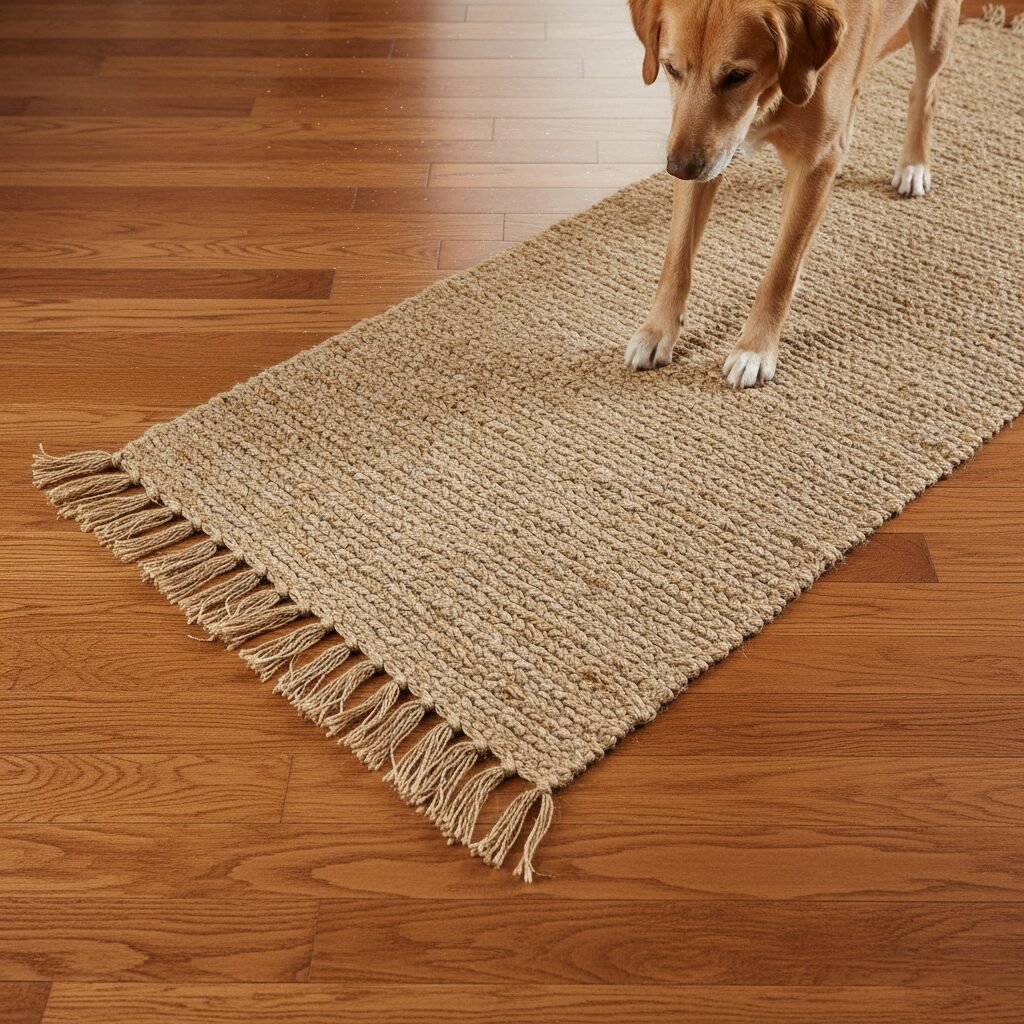
Once the environment is safe, you can begin constructing a tactile map. The goal is to use distinct textures to signify pathways, safe zones, destinations, and caution areas. The pads on a dog’s paws are highly sensitive and can easily differentiate between varied surfaces, turning your floor into a readable braille map.
Creating Pathways and Destinations
Use runners and area rugs to define the main ‘highways’ of your home. A long runner down a hallway creates a clear and unmistakable path from, for example, the living room to the bedroom. Use rugs of different shapes and textures to mark key destinations. A round, plush rug can signify their bed area, while a flat-weave rug might be used for the main living space. The transition from the bare floor to the rug becomes a clear signal that they have arrived at a specific ‘room’.
Marking Resources and Exits
Place a unique, small mat directly in front of essential resources. A rubber mat with a raised texture in front of the water and food bowls creates an unmistakable ‘dining zone’. A bristly coir doormat can be placed by the main door used for walks, signaling ‘the way outside’. Consistency is the most important factor; the mat must always be in the same place.
Designating Hazard and Boundary Areas
Just as textures can mean ‘safe,’ they can also mean ‘caution.’ For areas that are not easily gated, such as a wide opening to a kitchen during cooking or near a fireplace, a ‘caution’ texture can be used. A plastic office chair mat (placed nub-side up) provides a texture that is uncomfortable but not painful to walk on, serving as an effective deterrent and a clear signal to stop or change direction.
| Zone Type | Suggested Texture | Purpose |
|---|---|---|
| Main Pathway | Long, low-pile runner rug | Creates a clear ‘highway’ through a high-traffic area. |
| Rest Area | Plush, high-pile, or faux fur circular rug | Signals a safe, comfortable destination like their bed or crate. |
| Resource Station | Rubber or silicone mat with raised bumps or ridges | Marks the location of food and water bowls. |
| Exit Door | Coarse, bristly doormat (Coir or Jute) | Indicates the primary door for going outside. |
| Caution/Hazard Zone | Plastic office chair mat (nubs up) or bumpy vinyl flooring | Creates an uncomfortable surface to signal a boundary or danger area. |
Phase Three: Using Olfactory Cues for Precision Navigation
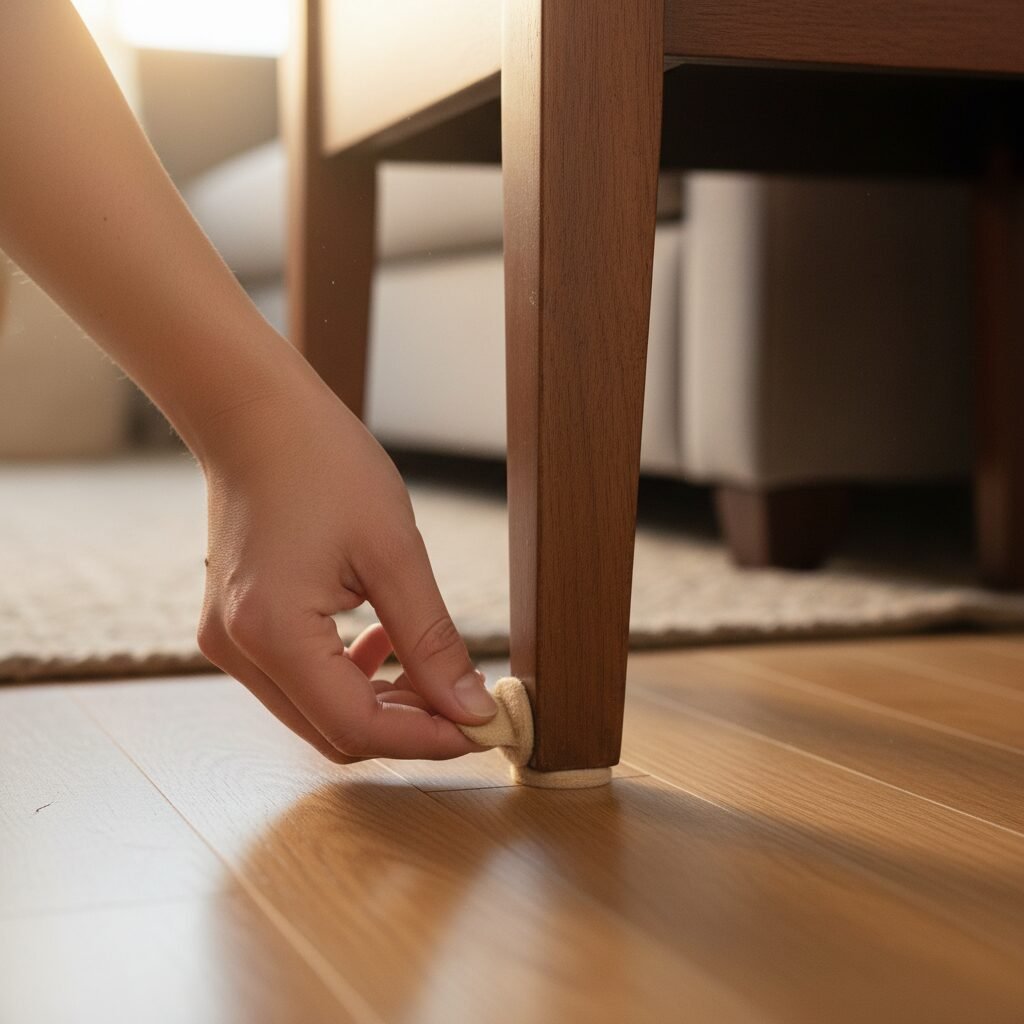
Scent mapping adds a layer of precision to the tactile map. While a rug can define a room, a specific scent can help a dog pinpoint an object within that room. A dog’s sense of smell is their most powerful tool, and using it strategically provides them with high-definition details for their mental map. It is absolutely critical to use only scents that are proven to be safe for dogs, as many essential oils are toxic if ingested or even inhaled in high concentrations.
Choosing and Applying Dog-Safe Scents
Scents must be subtle. Your dog’s nose is thousands of times more sensitive than yours; what seems faint to you is a powerful beacon to them. Never apply oils directly to a surface or to your dog. The proper method is to apply one or two drops of a heavily diluted essential oil to a porous object like a cotton ball, a felt pad, or an unscented wooden block. Then, place this object at the base of the item you wish to mark, such as tucking it under the leg of a sofa or using adhesive to stick it to the bottom of a table leg.
Use different scents for different functions. For example, a calming scent can signify a safe space, while a more alert scent can mark an obstacle.
| Scent | Potential Use | Safety Note |
|---|---|---|
| Lavender | Safe Zones (Bed, Crate) | Known for calming properties. Ensure it is Lavandula angustifolia. |
| Chamomile | Rest Areas | Another calming scent, very gentle. |
| Ginger | Obstacles (Furniture corners) | A unique, recognizable scent to mark a specific object to navigate around. |
| Rosemary | Stairways (Bottom post) | A strong, distinct herbal scent to signal a major transition point. Use sparingly. |
Scents to ALWAYS Avoid
The following essential oils are toxic to dogs and must never be used: Tea Tree (Melaleuca), Citrus (all forms), Pine, Ylang Ylang, Peppermint, Wintergreen, and Eucalyptus. When in doubt, consult your veterinarian before introducing any new scent into your home.
Putting It All Together: Training and Positive Reinforcement
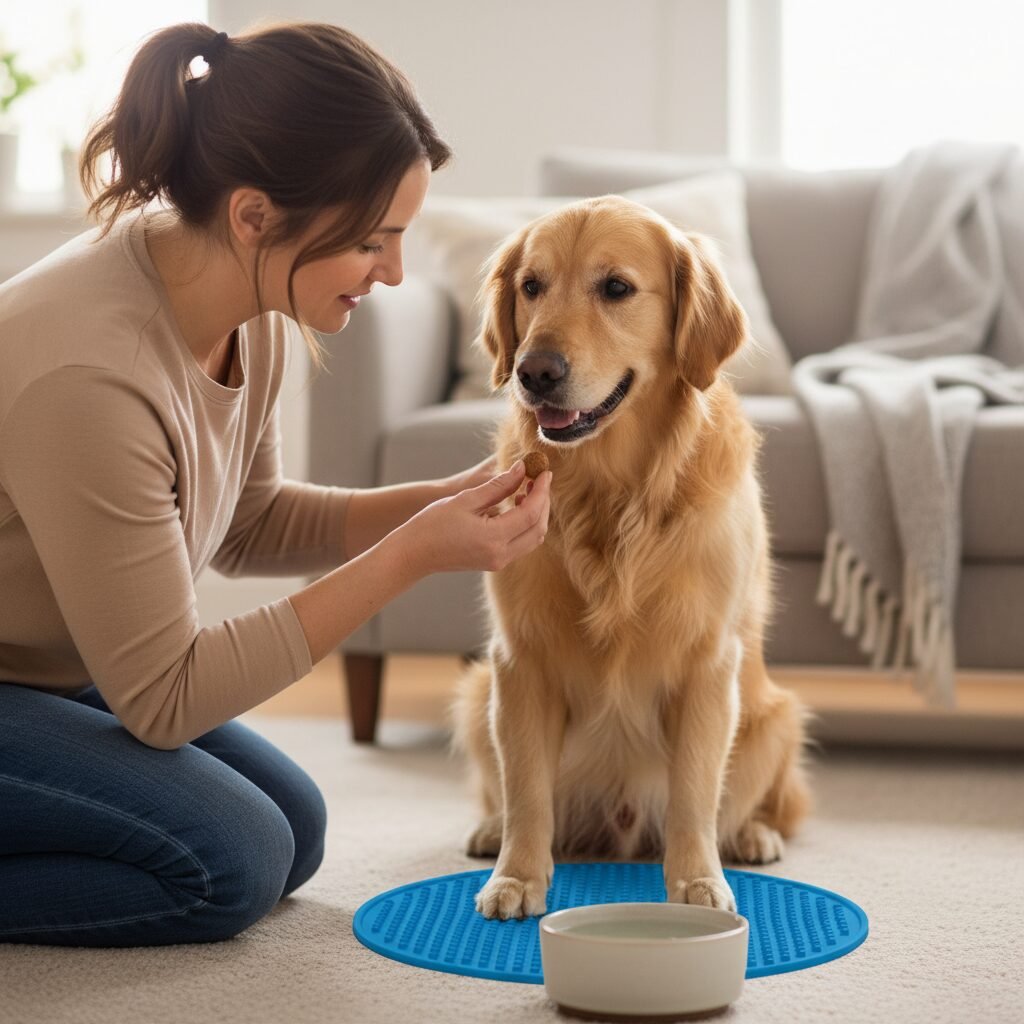
Creating the sensory map is only the first half of the process. The second, equally important half is teaching your dog how to read it. This requires patience, consistency, and a foundation of positive reinforcement. Your goal is to build positive associations with the new sensory cues and give your dog the confidence to explore and trust them.
- Leash-Guided Tours: Several times a day, put your dog on a short leash and harness. Slowly and calmly guide them along the new textured pathways. Let them walk the length of the hallway runner, step onto the mat by their water bowl, and feel the texture near their bed. Do not pull or force them; use gentle guidance and a happy, encouraging tone of voice.
- Introduce Scent and Texture Targets: Lead your dog to a newly marked spot, such as the lavender-scented area near their crate. As their nose begins to investigate the new texture or scent, say a marker word like “Yes!” in a cheerful tone and immediately give them a high-value treat. Repeat this for all the key marked locations. This builds a direct, positive association: ‘This specific smell/feel means good things happen here.’
- Encourage Independent Discovery: Once they are comfortable with the guided tours, encourage them to find things on their own. From a short distance, use a command they know, like “Go to your bed” or “Find your water.” When they use the sensory paths to successfully navigate, reward them enthusiastically. This is where their confidence will truly begin to blossom.
- Maintain Consistency: The map only works if it is reliable. Do not move the textured mats. Do not change the scents. Ensure all family members are on board with keeping pathways clear. Every time your dog successfully navigates their environment, their mental map becomes stronger and their anxiety decreases. This is a gradual process that may take weeks, but with consistent reinforcement, your dog will learn to navigate their world with renewed purpose.
Beyond the Basics: Helpful Tools and Technologies
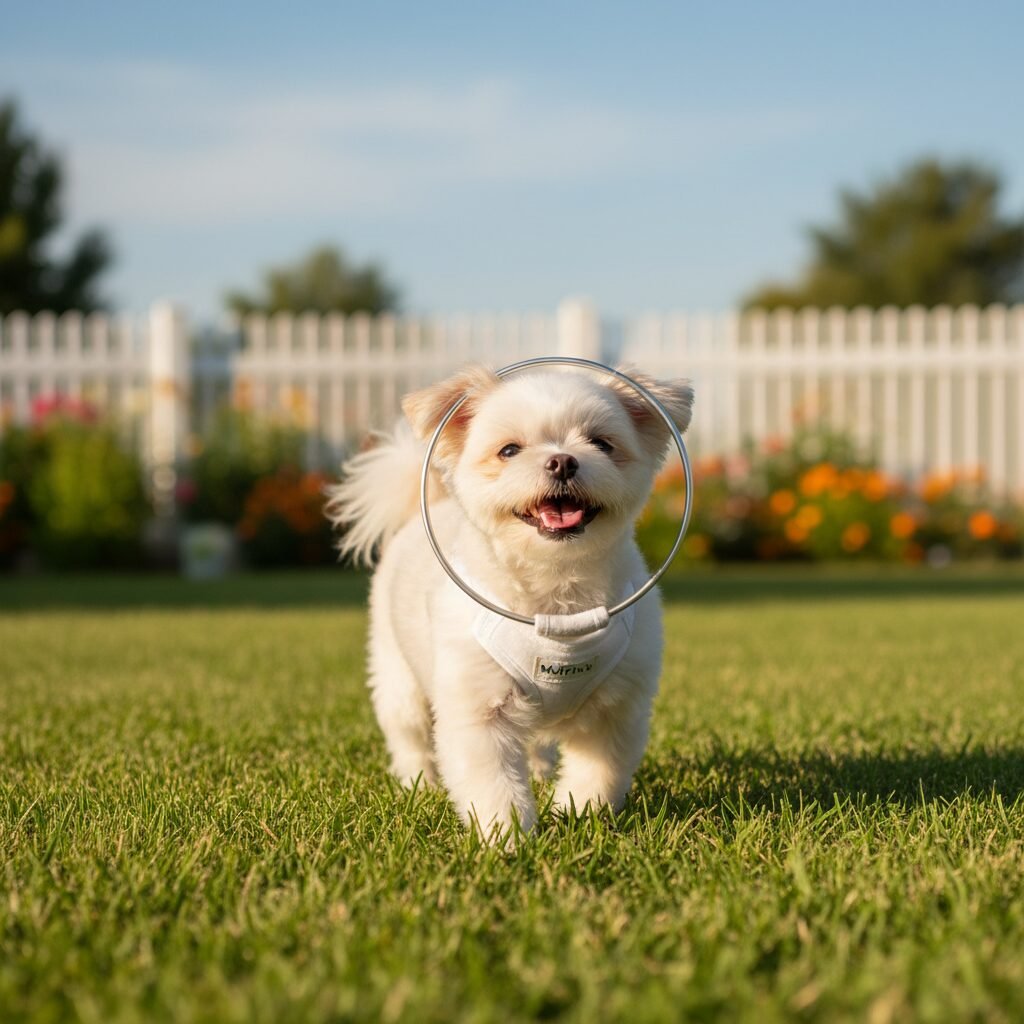
While sensory mapping is the foundational strategy for home life, several innovative tools can provide an extra layer of safety and enrichment, particularly in unfamiliar environments.
Mobility Aids
One of the most effective tools for preventing painful collisions with unexpected obstacles is a blind dog halo. Products like Muffin’s Halo are lightweight devices that feature a wire hoop, or ‘halo,’ that encircles the dog’s head. This hoop acts as a bumper, alerting the dog to an obstacle before they make contact with it, protecting their face and eyes and preventing the startle response that can lead to fear and hesitation. These are especially valuable when visiting new places or navigating outdoor spaces.
Cognitive Enrichment
A blind dog’s mind still needs stimulation. The loss of sight makes them more reliant on their nose, and you can channel this into productive, confidence-building activities. Snuffle mats, which are fabric mats designed for hiding treats, encourage a dog to use their nose to forage, which is a naturally rewarding behavior. Puzzle toys that require a dog to manipulate parts to release food are also excellent for mental engagement. These activities prevent boredom and reinforce the idea that their nose is a powerful and effective tool.
Remember, the objective is not to eliminate every challenge, but to provide your dog with the tools and confidence to solve problems independently. Every puzzle they solve or path they navigate on their own is a victory that builds resilience.
Conclusion
Adapting to life with a blind dog is a journey that profoundly reshapes the bond between you and your companion. By methodically implementing a home safety audit, followed by the strategic layering of tactile and olfactory maps, you provide the framework for your dog to regain their autonomy. This process is an active demonstration of your commitment, transforming your role from a caregiver into an enabler of their independence. Be patient, be consistent, and celebrate the small victories as your dog learns to ‘see’ their world in a new and remarkable way. The confidence they rebuild, step by step and sniff by sniff, is a testament to their incredible resilience and the strength of your partnership.