
Surviving the Puppy Witching Hour: Why Your Dog Goes Crazy at 7 PM
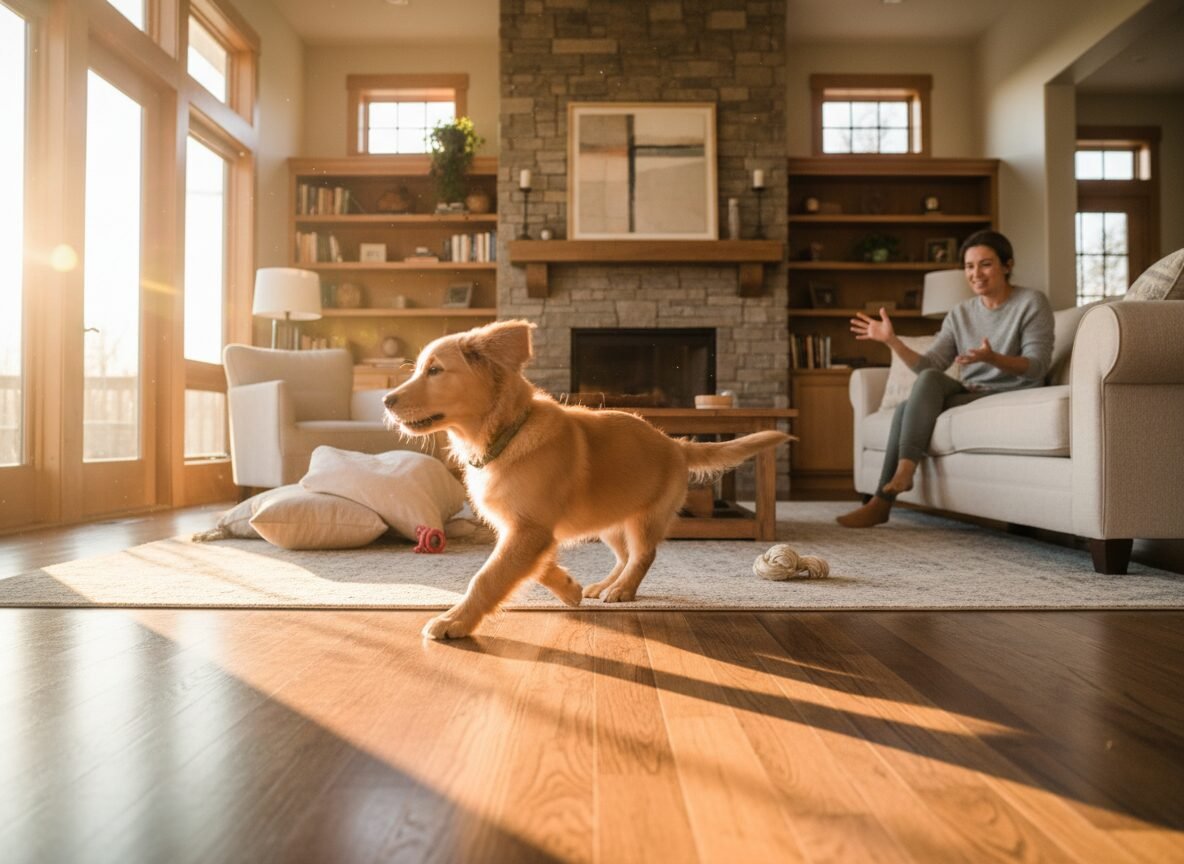
The house is quiet, dinner is over, and you are finally settling onto the sofa for a relaxing evening. Suddenly, your adorable, sweet puppy transforms into a Tasmanian devil. They are biting, barking, racing through the house, and seemingly deaf to your commands. This chaotic, predictable burst of energy is known as the ‘puppy witching hour.’ It typically strikes in the late afternoon or early evening, leaving many owners feeling overwhelmed and frustrated. Rest assured, you are not alone, and this behavior is a normal, albeit challenging, part of puppyhood. As a canine behavior and nutrition consultant, I will guide you through the science behind this phenomenon and provide you with a comprehensive, actionable plan to not just survive the witching hour, but to manage it effectively, strengthening the bond between you and your young canine companion.
Deconstructing the ‘Witching Hour’: The Science Behind the Chaos
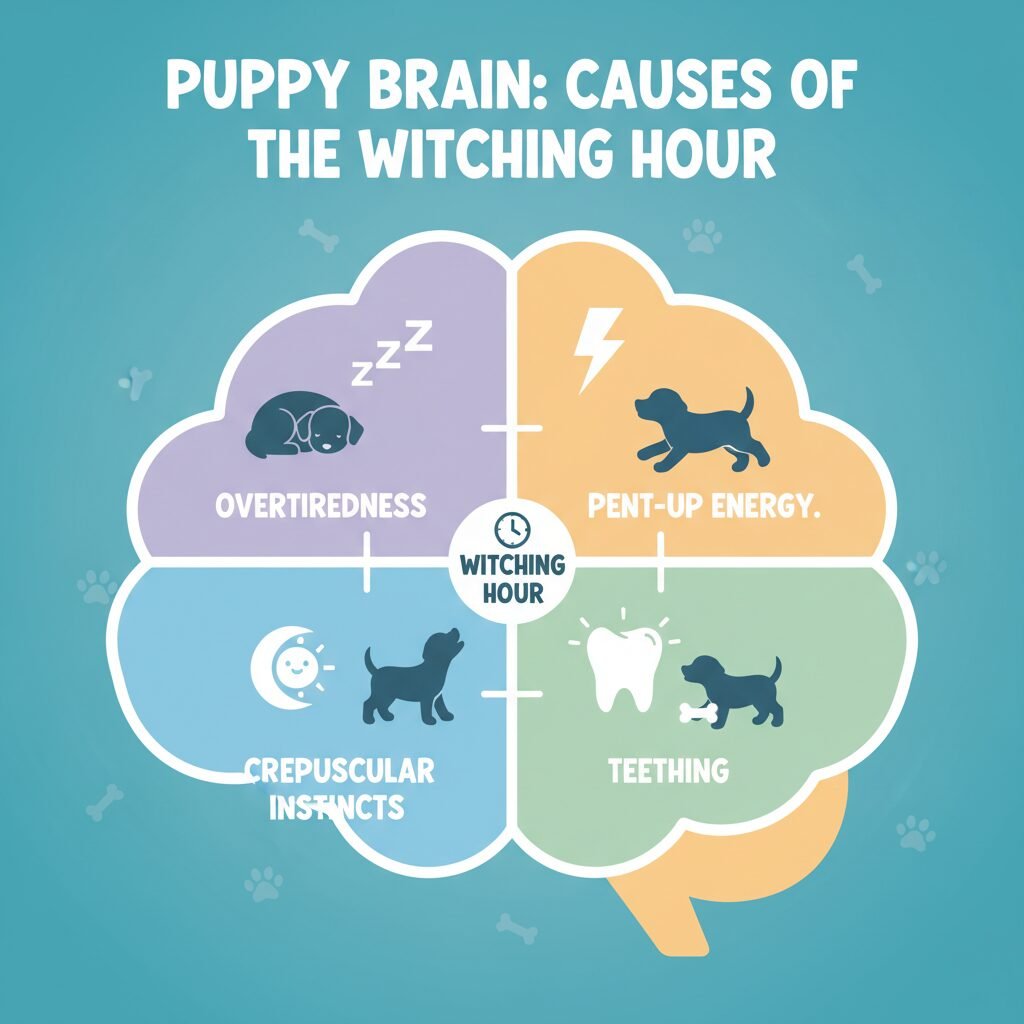
Before we can implement solutions, we must first understand the root causes of this evening frenzy. The term ‘witching hour’ aptly describes the seemingly supernatural transformation, but the triggers are grounded in canine biology, development, and psychology. It is rarely a single factor, but rather a perfect storm of several converging elements that result in this challenging behavior.
The Overtired Toddler Analogy
The most common culprit behind the witching hour is overtiredness. Much like a human toddler who misses a nap, an overstimulated and exhausted puppy loses its ability to self-regulate. Their ’emotional brakes’ fail. Instead of settling down to sleep, their brain is flooded with stress hormones like cortisol, which manifest as frantic, out-of-control behavior. Puppies require an astounding 18 to 20 hours of sleep per day for healthy cognitive and physical development. If they have had a particularly exciting day or have been denied adequate quiet time, their system becomes overloaded, leading directly to this evening meltdown.
The Pent-Up Energy Reservoir
Conversely, the witching hour can also be caused by under-stimulation. If a puppy has spent a significant portion of the day crated, confined, or without meaningful interaction, their natural energy reserves build up. The evening, when the family is typically home and more active, becomes the prime opportunity to release this pent-up physical and mental energy. This release is often explosive and undirected, resulting in behaviors we perceive as ‘naughty,’ such as jumping, mouthing, and destructive chewing.
Ancestral Rhythms: The Crepuscular Canid
Domestication has not entirely erased the ancestral instincts of our canine companions. Dogs are naturally crepuscular animals, meaning their programming dictates they are most active during the hours of dawn and dusk. This instinct served their wild ancestors well, as it was the optimal time to hunt. Your puppy’s internal clock is still tuned to this ancient rhythm. As the sun sets, their physiology signals that it is time to be active, to play, and to ‘hunt’—even if that just means hunting your socks or the remote control.
The Unrelenting Discomfort of Teething
Teething is a significant and often underestimated source of discomfort for puppies between three and six months of age. Their gums are sore, inflamed, and itchy as adult teeth push through. This discomfort often intensifies in the evening when there are fewer distractions. A tired puppy has less capacity to cope with the persistent pain, and they may resort to frantic chewing and biting on anything—including you—in a desperate attempt to find relief. The witching hour provides an outlet for this pain-induced frustration.
Proactive Management: Building a Witching-Hour-Proof Daily Routine
The most effective way to manage the witching hour is to prevent it from happening in the first place. This requires a proactive, structured approach to your puppy’s day. A predictable routine helps regulate their energy levels, ensures their needs are met, and prevents the buildup of overtiredness or frustration. A well-structured day is the foundation of a calm evening.
The Blueprint for a Balanced Day
Consistency is your greatest ally. A puppy who knows what to expect is a puppy who is more secure and less prone to anxiety-driven behaviors. Your daily schedule should incorporate a healthy balance of sleep, play, training, and quiet time. An unstructured day is a recipe for an unpredictable evening. Below is a sample schedule that can be adapted to your specific lifestyle and your puppy’s age and breed.
| Time | Activity | Purpose |
|---|---|---|
| 7:00 AM | Potty Break & Morning Meal (in a puzzle feeder) | Relief & Mental Stimulation |
| 7:30 AM | Short Training Session (5-10 mins) | Cognitive Engagement |
| 8:00 AM | Crated Nap Time | Prevent Overtiredness |
| 10:00 AM | Potty Break & Supervised Play | Energy Release & Bonding |
| 10:30 AM | Crated Nap with a Safe Chew Toy | Rest & Self-Soothing |
| 12:30 PM | Potty Break & Midday Meal | Nutrition & Relief |
| 1:00 PM | Quiet Time / Crated Nap | Crucial Afternoon Rest |
| 3:00 PM | Potty Break & Short Walk/Sniffari | Physical & Sensory Exercise |
| 3:30 PM | Crated Nap Time | Pre-Evening ‘Power Nap’ |
| 5:00 PM | Potty Break & Evening Meal | Routine & Nutrition |
| 5:30 PM | Calm Enrichment (Lick Mat, Snuffle Mat) | Pre-emptive Calming Activity |
| 6:30 PM | Potty Break & Final Crated Nap/Quiet Time | The Critical Pre-Witching Hour Rest |
| 7:30 PM | Supervised Calm Time with Chew Toys | Managed Evening Relaxation |
| 9:30 PM | Final Potty Break | Prepare for Night |
| 10:00 PM | Bedtime in Crate | Overnight Rest |
The Non-Negotiable Power of Enforced Naps
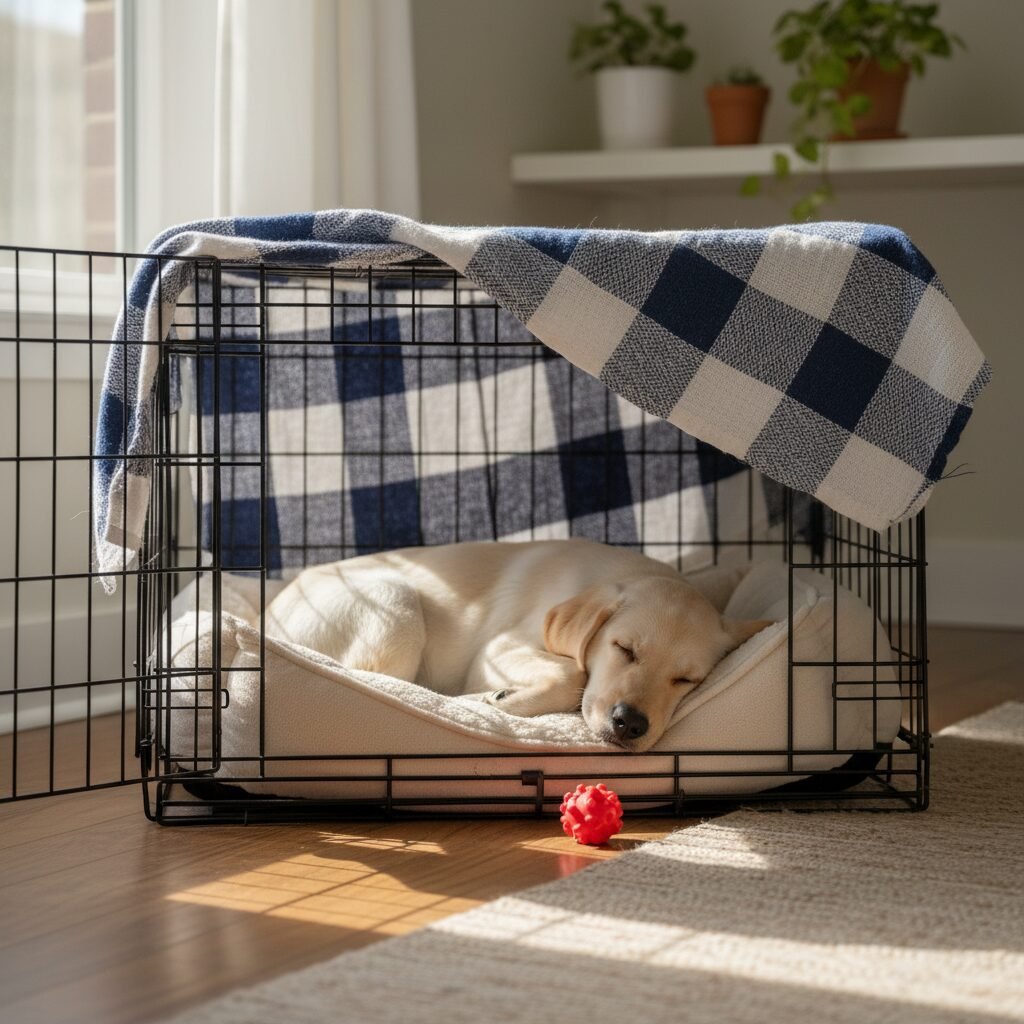
Many owners mistakenly believe a tired puppy is a puppy that has played all day. This is a dangerous misconception. A constantly active puppy is an overtired puppy. You must teach your puppy how to switch off. Enforced naps in a crate or a puppy-proofed room are not punishment; they are a critical component of their daily care. Cover the crate with a blanket to reduce visual stimuli and play calming music if it helps. A well-rested puppy has a much greater capacity for emotional control when evening arrives.
In-the-Moment Interventions: A Step-by-Step Guide to Calming the Storm

Even with a perfect schedule, the witching hour may still occasionally surface. When it does, your response is critical. The goal is not to punish the behavior but to de-escalate the situation and redirect your puppy’s frantic energy into a more appropriate, calming activity. Reacting with frustration or anger will only add fuel to the fire. Instead, follow a calm, methodical protocol.
Here is a step-by-step plan to execute when you see the first signs of the evening frenzy—dilated pupils, pinned-back ears, and the frantic ‘zoomies’.
- Interrupt and Redirect to a High-Value Chew: Your first action is to stop the unwanted behavior (like biting your ankles) and offer a legal alternative. Do not use your hands. Instead, calmly pick up a high-value, long-lasting chew, such as a bully stick, beef collagen chew, or a frozen Kong stuffed with puppy-safe peanut butter. Make the chew exciting by talking it up—’Ooh, what’s this? So yummy!’—and present it to your puppy. The act of chewing is a naturally calming behavior for dogs and can effectively channel their energy.
- Engage the Brain with a ‘Flirt Pole’ Session: A flirt pole, which is essentially a giant cat toy for dogs, is an excellent tool for this moment. It allows the puppy to chase, pounce, and tug in a structured way that satisfies their prey drive without them biting you. Keep the session short (5-7 minutes) and focused on rules, such as asking for a ‘drop it’ periodically. This drains physical energy while simultaneously requiring mental focus, which is key to tiring them out effectively.
- Initiate a ‘Scatter Feed’ or Snuffle Mat Search: Tossing a handful of your puppy’s kibble or some small, healthy treats onto the floor or into a snuffle mat engages their powerful sense of smell. The act of foraging and sniffing is incredibly calming and mentally taxing for a dog. It lowers their heart rate and forces them to slow down and use their brain instead of their teeth. This simple activity can completely shift their mental state from frantic to focused.
- Practice the ‘Settle’ on a Mat Protocol: If your puppy is still amped up, guide them to a specific mat or bed. Use a calm voice and a lure to get them onto the mat. Reward them for any calm behavior—lying down, resting their head, even just four paws on the mat. Start with very short durations, rewarding every second or two of calm, and gradually extend the time. This is not a ‘stay’ command; it is teaching your puppy an ‘off switch’ and rewarding the state of relaxation.
- Implement a Calm ‘Time-Out’ in a Crate or Pen: If the puppy is too overstimulated to respond to redirection, it is time for a mandatory reset. This is not a punishment. Calmly lead them to their crate or playpen, which should be pre-loaded with a delicious lick mat or frozen Kong. This provides them with a soothing activity in a safe space where they are prevented from rehearsing bad behaviors. This enforced downtime allows their over-aroused brain to cool down and reset.
Common Mistakes: What NOT to Do When Your Puppy is Manic
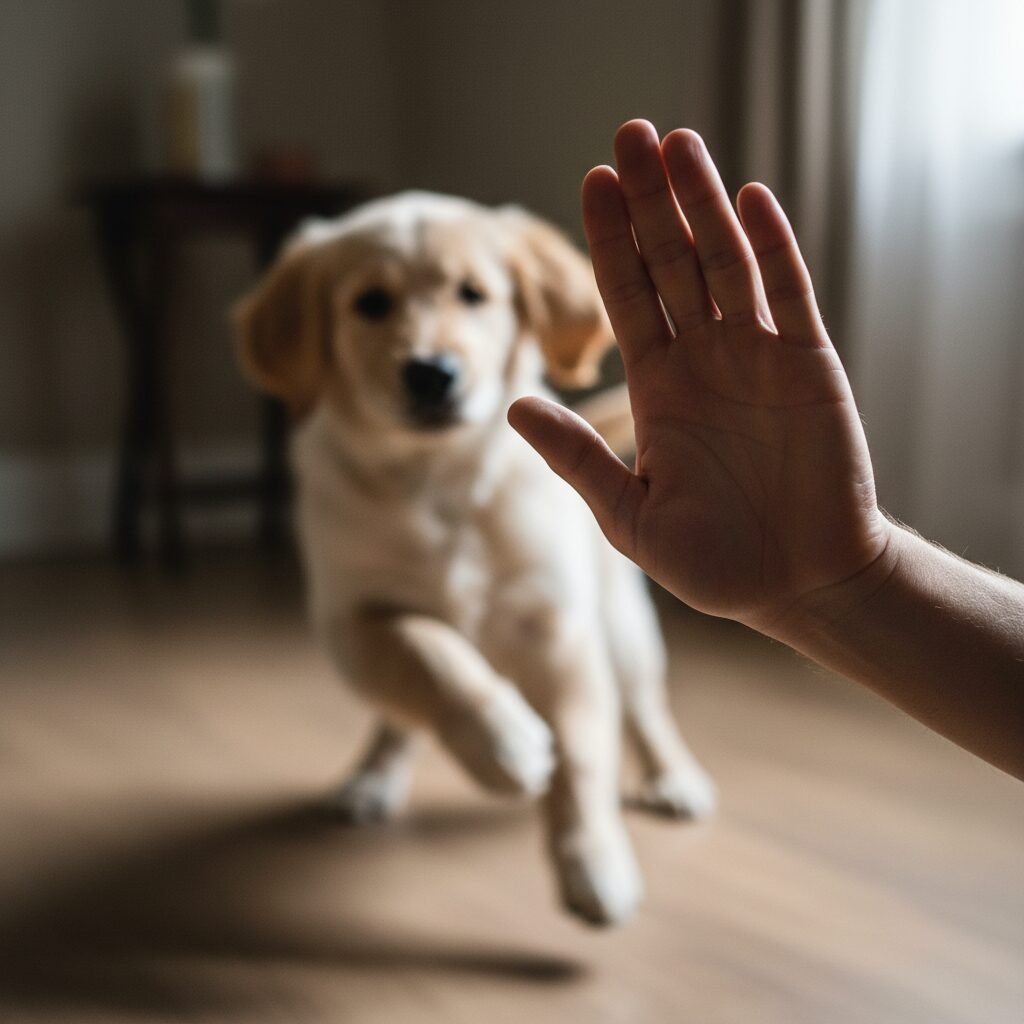
An owner’s reaction during the witching hour can either de-escalate the situation or make it significantly worse. Many well-intentioned responses inadvertently reinforce or intensify the very behaviors we want to stop. Understanding what to avoid is just as crucial as knowing what to do.
Remember, your puppy is not giving you a hard time; they are having a hard time. Your role is to be their calm, confident guide, not a source of conflict.
- Do Not Use Physical Punishment or Force: Never resort to alpha rolls, scruff shakes, or holding your puppy’s mouth shut. These outdated and harmful methods will damage your bond, create fear and anxiety, and can escalate biting behavior as the puppy learns to defend itself. It teaches them nothing except that you are unpredictable and frightening.
- Do Not Yell or Raise Your Voice: While it is natural to feel frustrated, yelling at a hyper-aroused puppy is perceived as you joining in on the frantic energy. To them, your loud voice can sound like excited barking, which will only escalate their arousal level. Speak in a calm, low, and neutral tone.
- Do Not Engage in Rough, Unstructured Play: Wrestling, roughhousing with your hands, or engaging in a frantic game of tug-of-war during the witching hour is like pouring gasoline on a fire. It reinforces the idea that biting and rough play with humans is acceptable. All play should be structured and involve toys, not your body parts.
- Do Not Chase the Puppy: If your puppy grabs a forbidden item and runs, your instinct may be to chase them. This turns into a wonderful game for the puppy, reinforcing the stealing behavior. Instead, trade them for a higher-value item. Keep your energy calm and make the alternative you are offering far more appealing than the stolen object.
- Do Not Isolate Without a Calming Activity: Simply putting a puppy in a room or crate alone as a punishment is ineffective. They do not understand why they are being isolated and it can create separation anxiety or a negative association with their confinement space. A ‘time-out’ should always be paired with a productive, calming activity like a stuffed Kong or lick mat to help them learn how to self-soothe.
When to Seek Professional Guidance
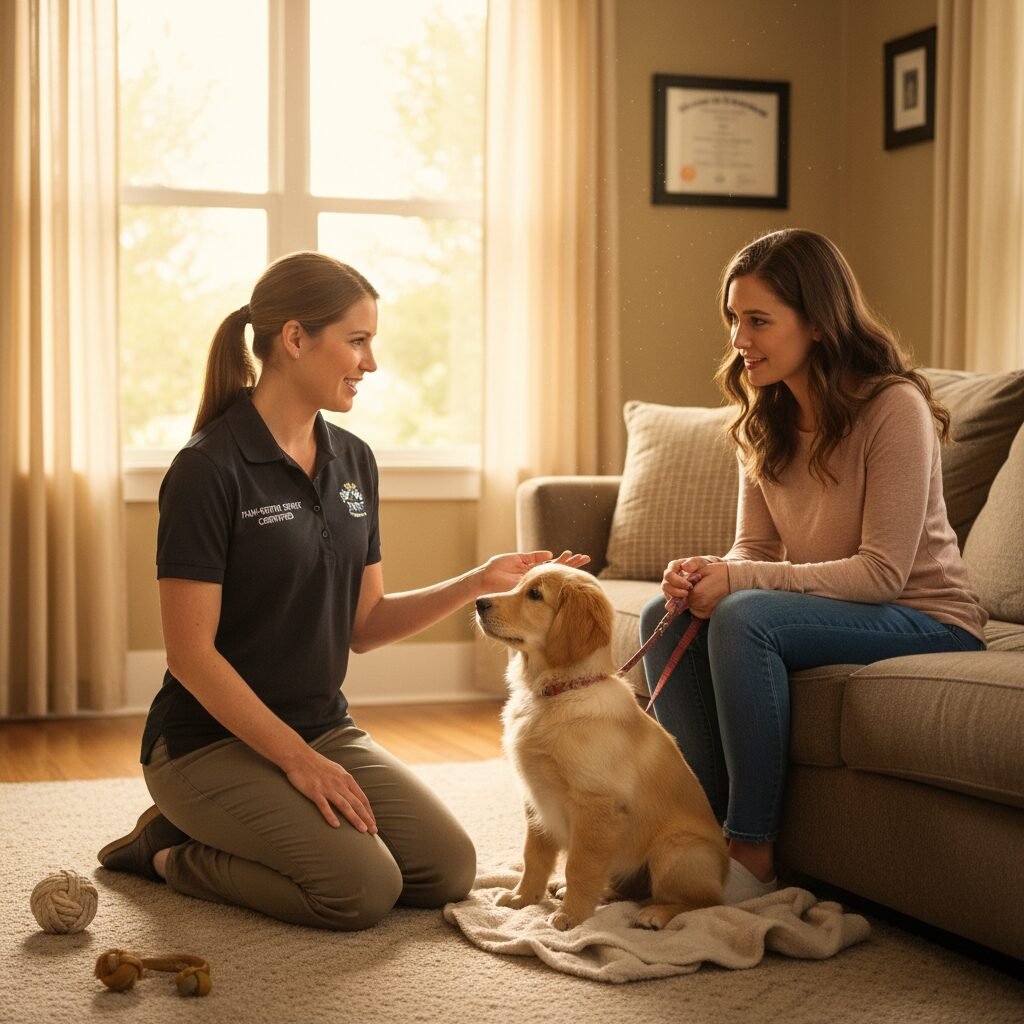
For the vast majority of puppies, the witching hour is a temporary developmental phase that can be successfully managed with the structure, routine, and redirection techniques outlined above. Most puppies begin to outgrow this intense behavior as they mature, typically between six to ten months of age, when their adult teeth are in and they have developed better impulse control.
However, there are instances where the behavior may be a symptom of a more significant underlying issue that requires professional intervention. It is important to recognize these signs to ensure your puppy receives the appropriate help.
Consult Your Veterinarian First
Your first step should always be a consultation with your veterinarian to rule out any medical causes for the behavior. While uncommon, extreme or sudden changes in behavior can sometimes be linked to pain, gastrointestinal distress, or other health problems. A puppy who is in pain may be more irritable and less able to cope with stress, leading to more intense witching hour episodes. A clean bill of health allows you to confidently focus on behavioral solutions.
When to Call a Certified Professional
If you have implemented a consistent, structured routine and management plan for several weeks with no improvement, or if the behavior is escalating, it is time to seek help from a qualified professional. Look for a Certified Professional Dog Trainer (CPDT-KA), a Certified Dog Behavior Consultant (CDBC), or a board-certified Veterinary Behaviorist (DACVB). These professionals can help you identify specific triggers in your environment and develop a customized behavior modification plan. Seek help if you observe the following:
- Biting that is more than just mouthing: If the puppy’s bites are breaking the skin, causing bruising, or seem to have aggressive intent (accompanied by stiff body language, hard stares, or growling), this requires immediate professional assessment.
- Extreme, inconsolable distress: If the puppy cannot be calmed by any of the methods described and appears genuinely distressed for long periods.
- Resource guarding: If the frantic behavior is paired with guarding of toys, food, or people.
- Owner exhaustion and burnout: If you feel completely overwhelmed, hopeless, or are beginning to resent your puppy, a professional can provide not only guidance but also crucial support for you.
Engaging a professional is not a sign of failure; it is an act of responsible and loving pet ownership. Their expertise can provide the necessary adjustments to set you and your puppy up for a lifetime of success and a peaceful coexistence, even during the evening hours.
Conclusion
The puppy witching hour is a formidable challenge, but it is a temporary one. By understanding its roots in your puppy’s developmental needs and natural instincts, you can shift your perspective from one of frustration to one of empathy and proactive management. The key to survival is not to suppress your puppy’s energy, but to channel it constructively. Through a predictable daily schedule rich with enforced naps, a balance of mental and physical exercise, and a toolbox of calm, in-the-moment redirection techniques, you can guide your young dog through this turbulent phase. Be patient, be consistent, and remember to celebrate the small victories. Every calm moment is a testament to your hard work and dedication. Before you know it, the evening frenzies will be replaced by quiet cuddles on the sofa, and the witching hour will be nothing more than a distant, well-managed memory in your journey together.